What Financial Perks Come With Downsizing Spaces
It might feel like a sacrifice to relocate to a smaller home, but the economics paint a different picture. Downsizing is not just about reducing clutter or simplifying life; it is an intelligent fiscal move that can completely overhaul your budget.
The money you save appears in plain sight as your mortgage bill, but also as dozens of small charges that add up over the years. The financial advantages of occupying less space are both short-term and long-term.
This is how a smaller footprint literally equals more money in your wallet.
Your mortgage or rent drops significantly

The greatest benefit is deposited into your checking account each month. Bungalows cost less to buy or rent, which means your largest monthly expense is significantly reduced.
A 1,200-square-foot home will typically be 30 to 50 percent less expensive than a 2,400-square-foot home in the same neighborhood. That alone can mean hundreds or thousands of dollars per month that you can put toward investments, holidays, or simply building a cushion in your rainy-day fund.
Property taxes become much less burdensome

Property taxes are calculated based on your home’s assessment value, and an inexpensive home means a lower tax bill each year. This reduction may not be staggering at first, but over a decade or two, it amounts to a substantial amount of money.
In the majority of states, the difference between property taxes for a large versus a small home can be the price of utilities for a year or more.
Bills for utilities go down across the board

Heating and cooling costs go down in proportion to the square footage. A smaller room requires less energy to maintain comfortable temperatures throughout the year, resulting in lower gas and electricity bills each month.
The difference is especially visible during periods of extreme weather when spacious dwellings can pay $300 to $500 a month for climate control and small areas can pay $100 to $150 for the same level of comfort.
Insurance premiums decrease substantially

Home and renters’ insurance are both cheaper for smaller homes because there is less house and less stuff to insure. Insurance actuaries charge in part based upon replacement cost, and it really doesn’t cost as much to replace 1,500 square feet as it does to rebuild 3,000 square feet.
That translates into annual savings that add up year after year, sometimes without you even noticing the reduction.
Maintenance and repairs are less costly and more frequent

A smaller square area means fewer things that can break down, deteriorate, or need maintenance. You have less roof to replace, fewer windows to repair, fewer siding to repaint, and smaller systems to maintain.
It might cost only $8,000 to replace the roof on a smaller house, compared to $15,000 or more for a larger house. Such large expenses don’t often materialize, but when they do, the savings from downsizing are put into crystal-clear perspective.
Furniture prices drop

Furnishing and filling a large house costs a substantial amount of money on sofas, tables, beds, chairs, and storage containers. Downsizing means you will not have many of these items whatsoever, and the furniture you do buy can be smaller and more affordable.
Many people claim they can furnish their entire downsized house for what they once spent on their living room and dining room alone.
Cleaning supplies and services get cheaper

Professional cleaning is charged by the square footage, so a small house doesn’t cost nearly as much to clean. Cleaning yourself, you’ll pay less for materials because you’re covering less ground.
The time saved is worth money too—hours you used to spend scrubbing a big area can now be spent working towards an income or simply enjoying life without the expense of outsourcing that work.
Decoration and home improvement budgets erode

Less space means less wall space to be covered with artwork, fewer windows to be covered with curtains or blinds, and less floor space to be covered with rugs or carpeting. Home improvement work is also simpler—painting three bedrooms is less expensive than painting five, and redecorating one bath is much less costly than remodeling two or three.
Your decorating budget stretches so much further when you’re working with small sizes.
Energy efficiency upgrades pay back earlier
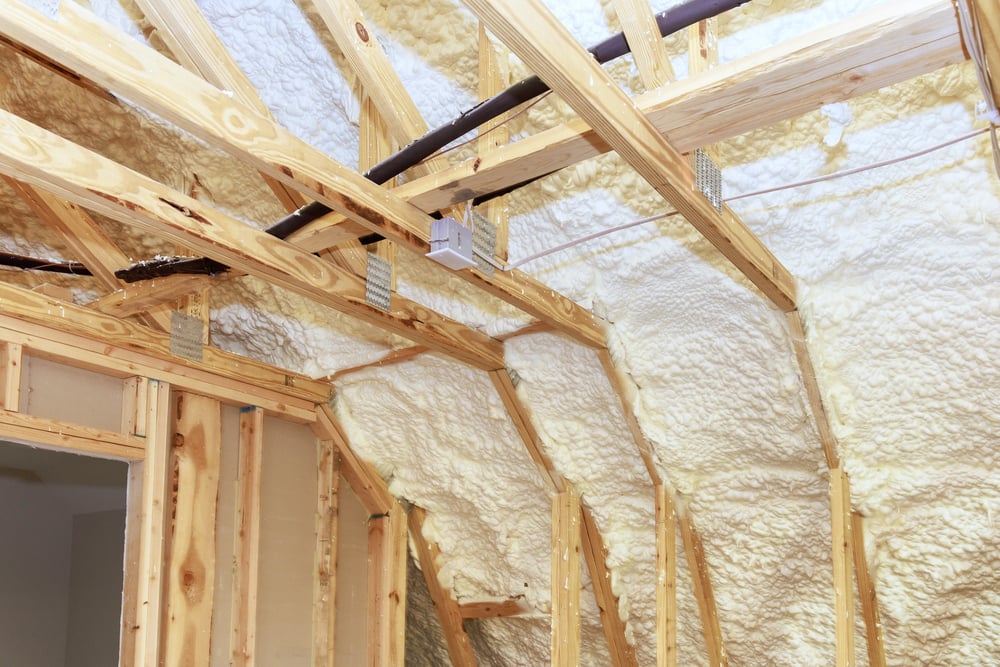
Installing energy-efficient upgrades like better insulation, new windows, or a new heating/cooling system costs less to install on a smaller home, just because you need less material and fewer labor hours. Additionally, the payback period is shorter because your reduced energy use means that the upgrades recover their costs more quickly.
A $3,000 job of insulating could save you $40 a month on a small home, paying for itself in six years or so versus ten or more on a larger house.
HOA and condo fees generally cost less

When downsizing involves moving into a smaller condo or townhome, the monthly homeowners’ association fees will typically reflect the lower square footage and fewer features. As is not always the case, but usually, smaller units in the same complex tend to have lower monthly assessments because they’re paid in part based on size.
These monthly reductions amount to thousands of dollars annually in most communities.
Storage fees disappear completely

Large homes encourage accumulation, and many homeowners eventually rent storage units to house overflow items. Downsizing forces you to pare down your possessions, eliminating the need for external storage that can easily cost $100 to $300 per month.
Over a decade, that’s $12,000 to $36,000 saved just by not paying to store things you probably didn’t need anyway.
Landscaping and outdoor maintenance decrease

Smaller houses mean less yard space, which in turn means less yard maintenance, landscaping, and outdoor expenses. Lawn service can drop from $200 per month to $75 or be eliminated altogether if you move to an apartment or condo.
Even maintenance that you do yourself is cheaper because you need less mulch, fewer shrubs, less fertilizer, and smaller equipment to maintain what you have.
You release equity for investments

If you’re selling a larger house to relocate, you’ve likely accumulated a significant amount of equity over the years. The difference between what you sell your property for and what you pay for a smaller home becomes free capital.
The money released can be invested in retirement accounts, investment accounts, or income-generating investments that generate returns rather than being idle in real estate that costs you money to maintain.
Hidden expenses vanish stealthily

Large homes have hundreds of small expenses that barely surface per item but collectively accumulate a significant amount. Bonus bedrooms need occasional new coats, larger homes consume more light bulbs and smoke detector batteries, larger areas translate into more usage on vacuum cleaners and cleaning equipment, and large floor plans introduce duplicate items like extra trash cans or step stools.
These minor costs will save you only a few hundred dollars annually, but over the life of homeownership, they’re real money in your pocket.
The math adds up to financial freedom

Downsizing doesn’t just save money; rather, it rearranges your financial life toward increased flexibility and stability. The overlap of lower fixed costs, reduced maintenance burdens, and released equity creates breathing room in your budget that snowballs over the long haul.
What starts as a couple of hundred dollars a month put away becomes tens of thousands a year, money that can fuel retirement, pay for memories, or simply provide peace of mind. The financial rewards aren’t sacrifice or making do with less—rather, they’re about making smart choices in a location that allows your actual needs, so your money can make more work for your future rather than disappearing into the endless avarice of a house bigger than your life requires.
More from Go2Tutors!