What Happened to the Tsar’s Library?
There may be a room with the rarest books in the world somewhere under Moscow.
We are discussing ancient Chinese texts.
Lost works by Virgil and Cicero.
Manuscripts from the Library of Alexandria.
Byzantine treasures that disappeared five centuries ago.
The catch? If it does exist.
No one knows where it might be hiding.
This is the tale of the Tsar’s library.
A collection so fabled that emperors, archaeologists, and treasure seekers have dedicated their entire lives to locating it.
Some people lost their lives in the process.
Others lost their minds.
What about the library itself? Missing as of yet.
Here’s what we know about one of history’s greatest literary mysteries.
And why people can’t stop looking for it.
A Byzantine Wedding Gift
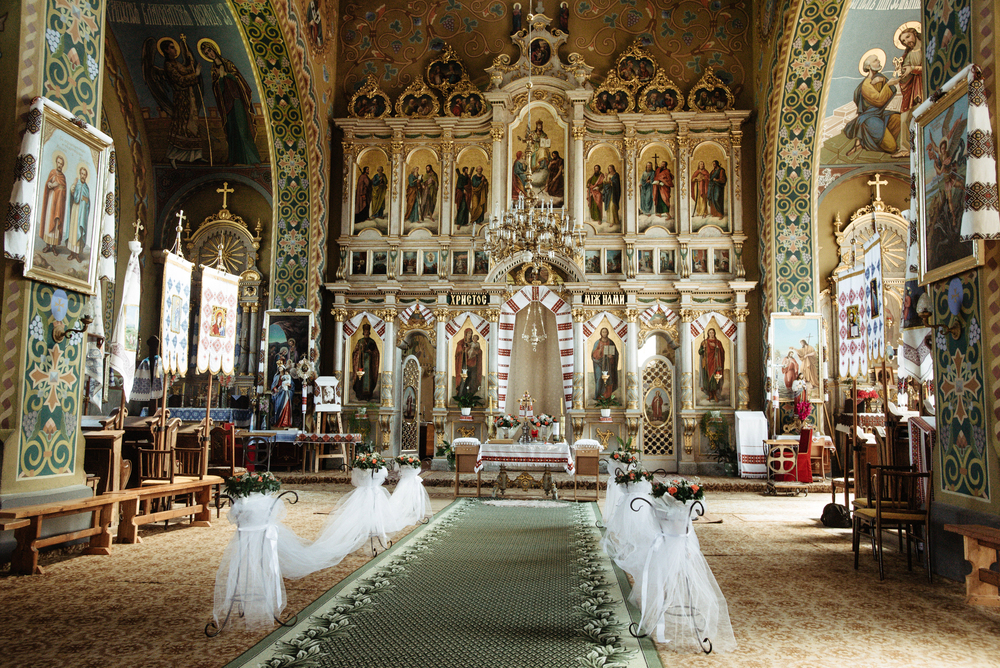
The story starts with a marriage arrangement in 1472.
Ivan III. Grand Prince of Moscow.
Known to history as Ivan the Great.
Needed a new wife after his first one died.
The Pope had an idea.
Why not marry Sophia Palaiologina.
Niece of the last Byzantine emperor? The Byzantine Empire had fallen to the Turks nearly two decades earlier.
And Sophia was living in Rome under papal protection.
The marriage would tie Russia to the Catholic Church.
Or so the Pope hoped.
When Sophia made the long journey from Rome to Moscow.
She brought along a dowry that included something extraordinary.
According to legend.
Her uncle Thomas Palaeologus had fled Constantinople with the imperial library before the city fell in 1453.
This wasn’t just any book collection.
It supposedly contained around 800 manuscripts that Byzantine emperors had assembled over centuries.
We’re talking about works from the Library of Constantinople.
And possibly even scrolls from the ancient Library of Alexandria.
Sophia inherited these treasures.
Packed them up.
And brought them to her new home in frozen Russia.
Ivan the Terrible Takes Over
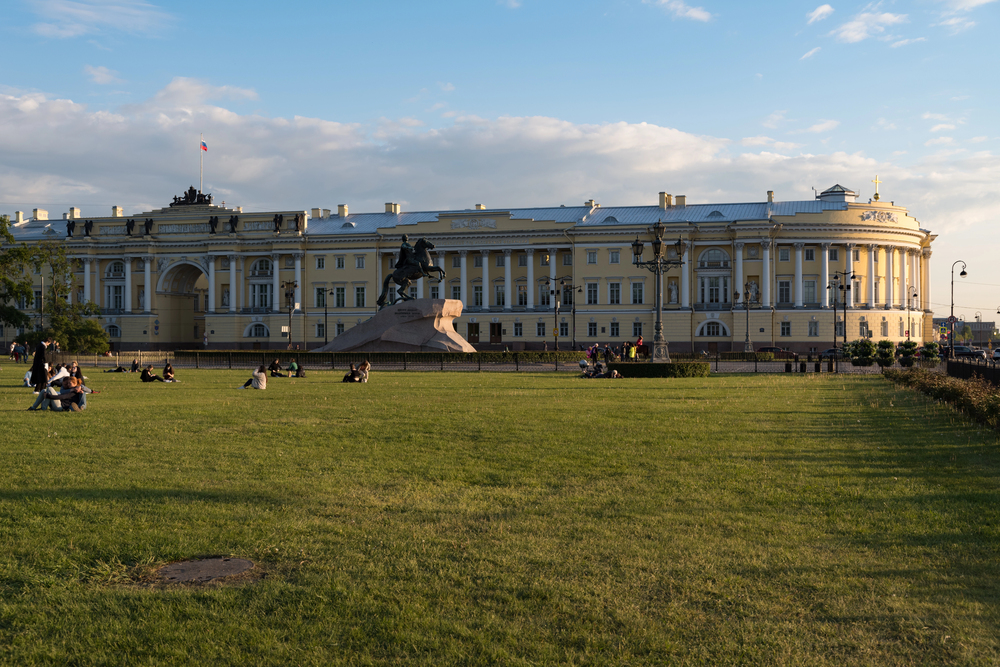
Ivan the Great appreciated books.
But it was his grandson who became obsessed with them.
Ivan IV. Better known as Ivan the Terrible.
Inherited the library and reportedly expanded it.
He sent agents across Europe hunting for rare manuscripts.
The collection grew to include works in Greek. Latin. Hebrew. Egyptian. And Chinese.
By all accounts.
It was staggering.
The earliest solid reference to the library comes from 1518.
When a Greek scholar named Maximus visited Moscow and met with Ivan III’s son. Vasili III.
Maximus was shown what he described as ‘countless multitudes of Greek books.’
A contemporary biography noted that Maximus was astounded.
Claiming he’d never seen so many Greek texts even in Greece itself.
That’s saying something for a Byzantine scholar.
During Ivan the Terrible’s reign in the mid-1500s.
Rumors about the library multiplied.
A German Protestant minister named Johann Wettermann allegedly saw portions of the collection in the 1560s or 1570s.
According to a German chronicle written decades later.
Wettermann was summoned to the Kremlin and shown ancient books that had been locked away for over a century.
He noted works that other scholars believed had been destroyed in fires or lost in wars.
Then Wettermann disappeared.
He never made it back home.
And some historians believe Ivan had him killed to protect the library’s secrets.
The List That Vanished
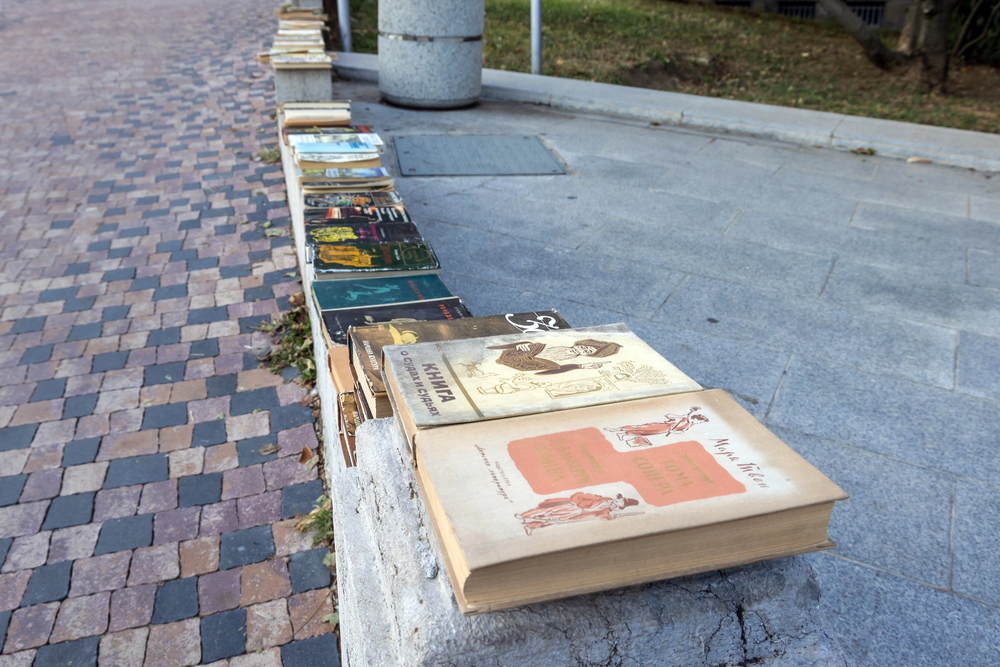
The most tantalizing clue appeared in the early 1800s.
Professor Christopher von Dabelov from the University of Dorpat claimed he found a document in the archives of Pernau.
A city in modern-day Estonia.
The document was titled ‘Manuscripts Held by the Tsar’.
And supposedly listed the library’s contents.
Dabelov rushed off to tell a colleague about his discovery.
But when he returned to the archives.
The document had vanished.
All he had were the notes he’d scribbled during his first visit.
Those notes were enough to drive bibliophiles wild.
The list allegedly included 142 volumes of Titus Livius’s ‘History of Rome’.
Historians today only know of 35 volumes.
There was supposedly a complete version of Cicero’s ‘De re publica’.
Which survives only in fragments in Western libraries.
An unknown poem by Virgil.
Works by Aristophanes.
Polybius. Pindar. And Tacitus.
If even half of this was true.
Finding the library would reshape our understanding of classical literature.
Where Did It Go?
After Ivan the Terrible died in 1584.
The library simply disappeared.
Several theories have competed for attention over the centuries.
And none are particularly comforting.
The first theory is fire.
Moscow burned repeatedly during the 16th and 17th centuries.
Major fires ravaged the city in 1547. 1571. And 1626.
Any hidden cache of books could have been incinerated.
The second theory involves hunger.
When Polish forces invaded Russia and were besieged in the Kremlin in the early 1600s.
Some accounts claim they ran out of food and ate the leather covers of the manuscripts. Destroying what remained.
It’s a grim image.
But plausible.
The third theory is more intriguing.
Ivan hid it on purpose.
Known for his paranoia and brutality.
Ivan supposedly stashed the library in underground vaults beneath the Kremlin to protect it from enemies and fires.
One legend claims he even placed a curse on it.
Declaring that anyone who tried to find the collection would lose their sight.
Another version of the story says Ivan moved the library outside Moscow entirely. Possibly to Vologda about 290 miles north.
Or to the Alexandrov Kremlin about 75 miles northeast.
Where he lived from 1565 to 1584.
The Obsessive Search
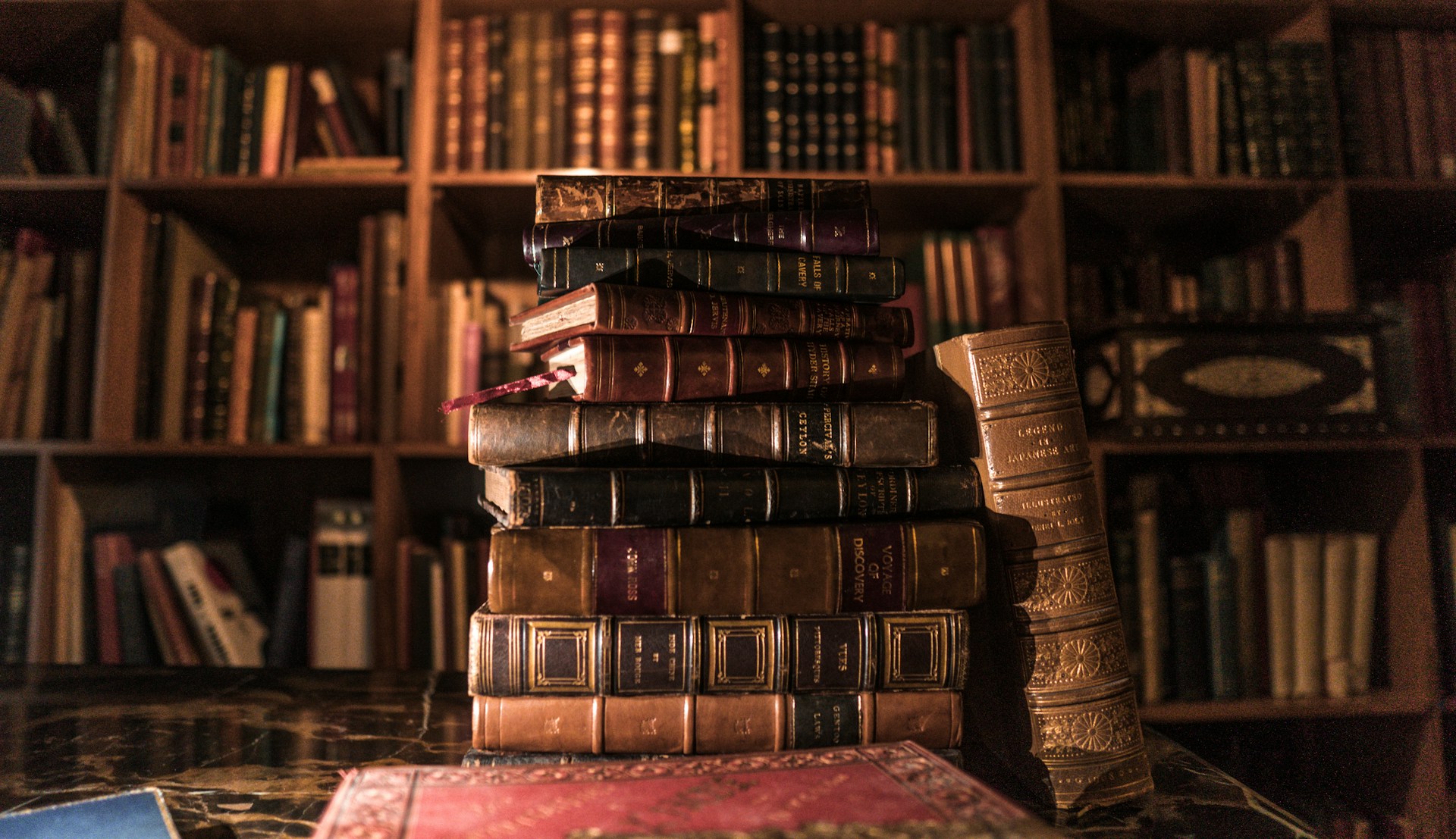
If the library existed and survived.
Finding it would be the archaeological discovery of a lifetime.
People have certainly tried.
Peter the Great searched for it.
Hoping the treasure would help fund his expensive wars.
Vatican representatives poked around Moscow during the reign of Boris Godunov.
Napoleon Bonaparte showed interest when his army occupied the city.
None found anything.
The most dedicated searcher was Ignatius Stelletskii.
A Russian archaeologist who devoted his entire life to the hunt.
Starting in the 1920s.
Stelletskii pored over maps of the Kremlin from different centuries. Comparing architectural changes and looking for hidden passages.
He was convinced the library was buried beneath the fortress.
In 1929. The New York Times reported that Stelletskii had found archival evidence of ‘two large rooms filled with treasure chests’ that existed under the Kremlin decades after Ivan’s death.
The Soviet government gave Stelletskii permission to excavate in 1929.
And digging began in 1933.
The project was cut short after a prominent political assassination.
And World War II ended any hope of resuming work.
Stelletskii wanted to continue after the war.
His health failed.
He died in 1949 without finding his prize.
Searches continued sporadically into the 1990s.
Nothing new turned up.
The Skeptics Weigh In
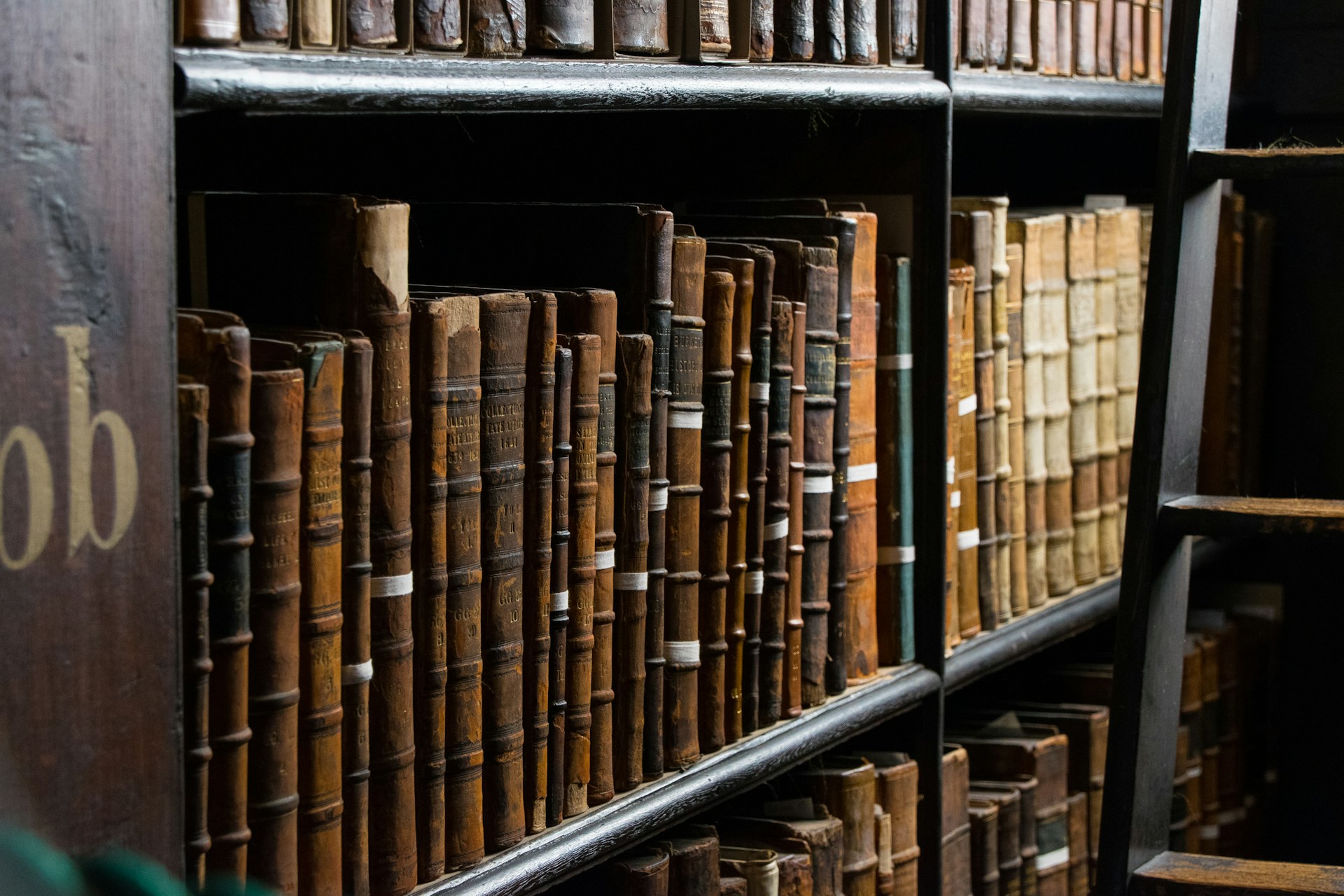
Not everyone believes the library ever existed.
At least not in the legendary form we imagine.
Russian historian S.A. Belokurov studied the sources in the late 19th century and raised serious doubts.
He questioned the Wettermann story and suspected Dabelov’s list might have been a forgery.
If it existed at all.
The skeptics have a point.
There’s no physical evidence the library survived into Ivan the Terrible’s reign.
Even if it did exist. Could a man like Ivan have preserved it? He was brutal.
Paranoid. And deeply religious.
Not exactly the profile of a Renaissance scholar carefully curating classical texts.
He killed his own son in a fit of rage.
Would that same man have been an intellectual guardian of ancient wisdom?Still.
Ivan did write poetry and pamphlets.
He was literate and engaged with ideas.
Even if his methods were horrifying.
It’s not impossible that he saw value in the collection beyond mere hoarding.
Or perhaps he simply liked owning something nobody else could have.
Why the Search Continues
The lack of evidence hasn’t stopped modern enthusiasts.
As one Moscow archaeologist joked. ‘Of course the library of Ivan the Terrible exists.
How can it not exist if it’s been feeding journalists with material to write about for so long?’ There’s truth in that cynicism.
Genuine hope also exists.
Another historian noted that if someone actually found the library.
They’d become as famous as Yuri Gagarin. The first man in space.
The mythology around the library has taken on a life of its own.
Some believers claim it contains forbidden knowledge or occult texts Ivan used to practice dark magic.
Others suggest the library might hold lost gospels or alchemical secrets.
These theories stray far from historical probability.
They reveal why the story endures.
A lost library represents more than missing books.
It represents lost knowledge. Forgotten worlds. The tantalizing possibility that history isn’t as settled as we think.
The Weight of What We’ve Lost
The story exposes a harsh reality about human history.
Regardless of whether Ivan’s library survives beneath Moscow.
We’ve lost a lot more knowledge than we’ve gained.
Alexandria’s Library was destroyed by fire.
Libraries in the Middle Ages were looted.
During revolutions and wars.
Collections disappeared.
Numerous manuscripts were destroyed by natural disasters.
Libraries in Syria and Iraq have been destroyed even in the present day.
Each lost library signifies a void in our knowledge of our origins and identity.
Some of those gaps would be filled if Ivan’s collection survived somewhere.
The search itself reveals something significant.
Even if it has been reduced to mold or ash.
We continue to reach back in the hopes of regaining what time.
Fire. And human foolishness have stolen from us.
Perhaps the true treasure we seek is that desire to connect with the past.
More from Go2Tutors!

- The Romanov Crown Jewels and Their Tragic Fate
- 13 Historical Mysteries That Science Still Can’t Solve
- Famous Hoaxes That Fooled the World for Years
- 15 Child Stars with Tragic Adult Lives
- 16 Famous Jewelry Pieces in History
Like Go2Tutors’s content? Follow us on MSN.