What Happens at Absolute Zero Temperature
Imagine the coldest place you can think of. Maybe it’s a freezer on a winter day, or perhaps the icy peaks of a mountain covered in snow. Now imagine something far, far colder than any of these places. Scientists call this ultimate cold “absolute zero,” and it’s a temperature so extreme that it changes everything we know about how matter behaves. At this point, atoms nearly stop moving, and the world becomes a strange place where normal rules don’t apply.
Let’s dive into this frozen world and see what really happens when everything gets as cold as physically possible.
All atomic motion nearly stops

At absolute zero, which sits at -273.15 degrees Celsius or -459.67 degrees Fahrenheit, atoms slow down to their minimum possible movement. Think of atoms like tiny dancers who never stop moving, but at absolute zero, they’re barely swaying.
The motion doesn’t completely stop because of something called quantum mechanics, but it gets as close as nature allows. This near-stillness creates conditions that seem almost impossible in our everyday world.
Gases turn into liquids, then solids
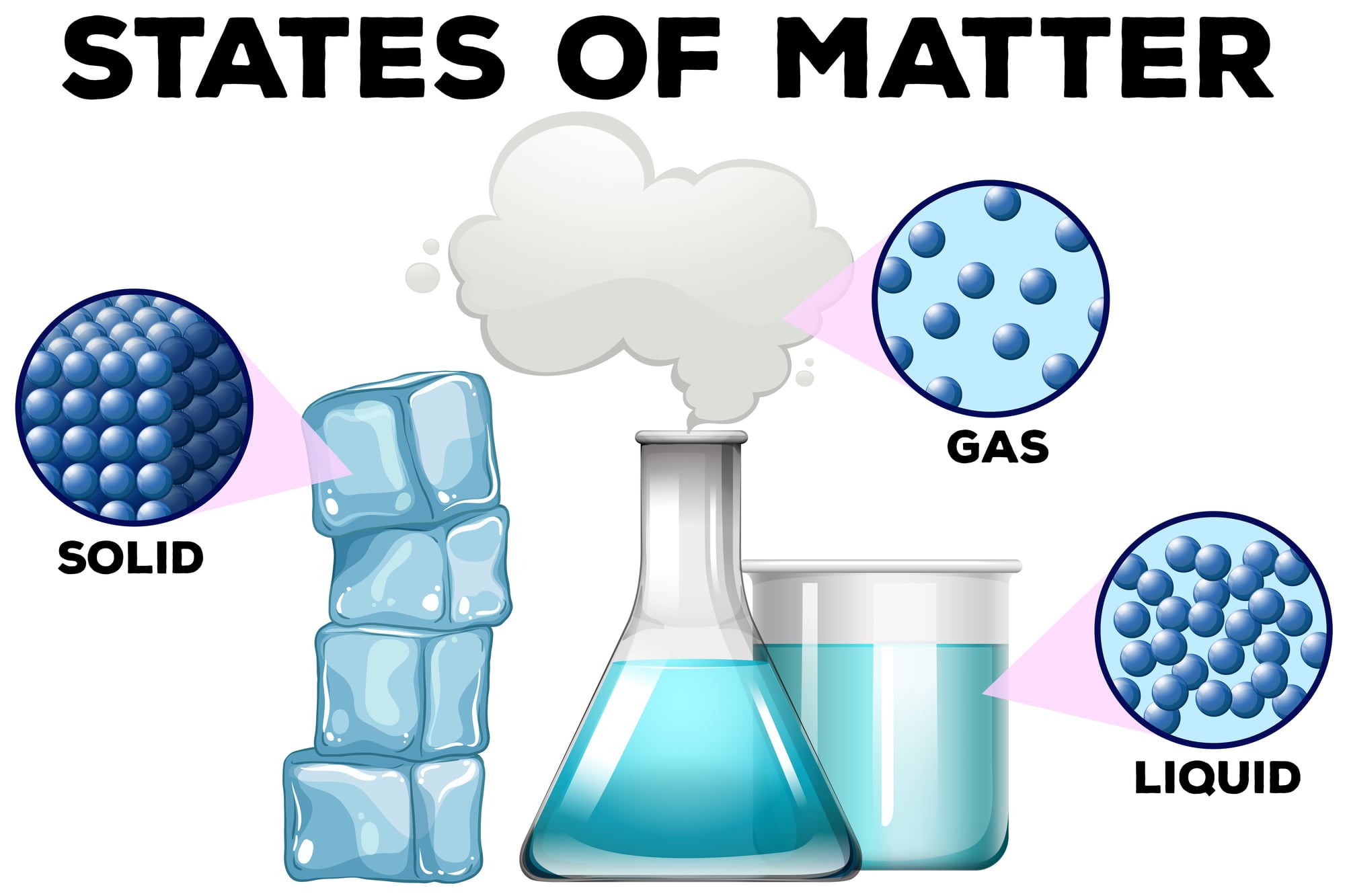
When temperatures drop toward absolute zero, gases that normally float around freely start to stick together. Oxygen and nitrogen from the air we breathe would first become liquids, like water in a cup.
As things get even colder, these liquids freeze solid, turning into chunks you could hold in your hand. Even gases that seem impossible to freeze, like helium, eventually give in to the extreme cold and change their form completely.
Like Go2Tutors’s content? Follow us on MSN.
Heat energy disappears almost entirely

Heat is really just atoms and molecules bouncing around and vibrating. As temperature drops toward absolute zero, this bouncing and vibrating slows way down.
The energy that makes things warm starts to fade away until there’s almost none left. It’s like watching a busy playground slowly empty out until only one or two kids are left sitting quietly on the swings.
Electrical resistance drops to zero in some materials
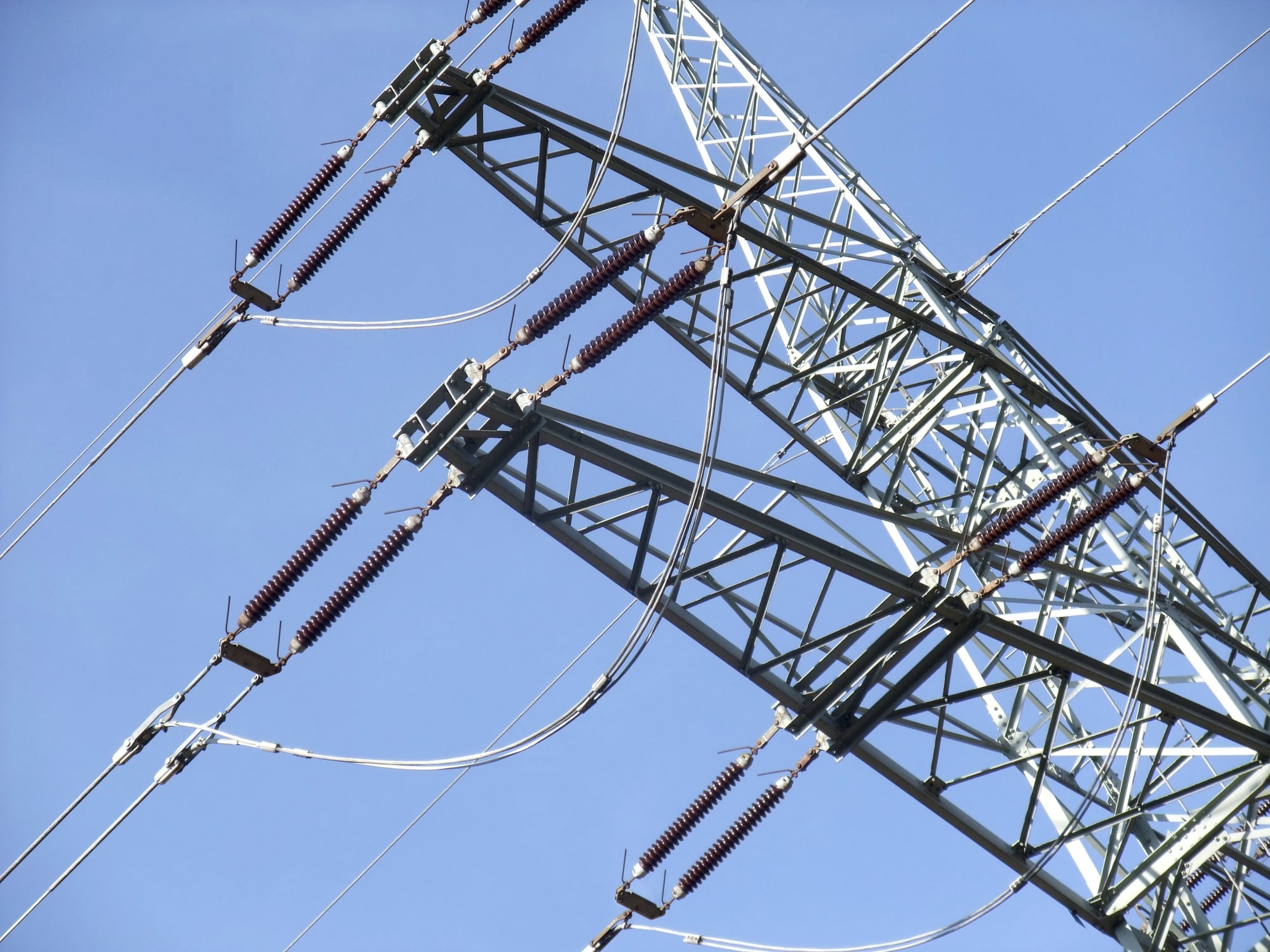
Some metals become perfect conductors of electricity when they get cold enough. This means electricity can flow through them without any resistance at all, like water flowing through a pipe with no friction.
Scientists call these materials “superconductors,” and they can carry electrical current forever without losing any energy. Power lines made from these materials could save enormous amounts of electricity that normally gets wasted.
Quantum effects become visible to the unaided eye
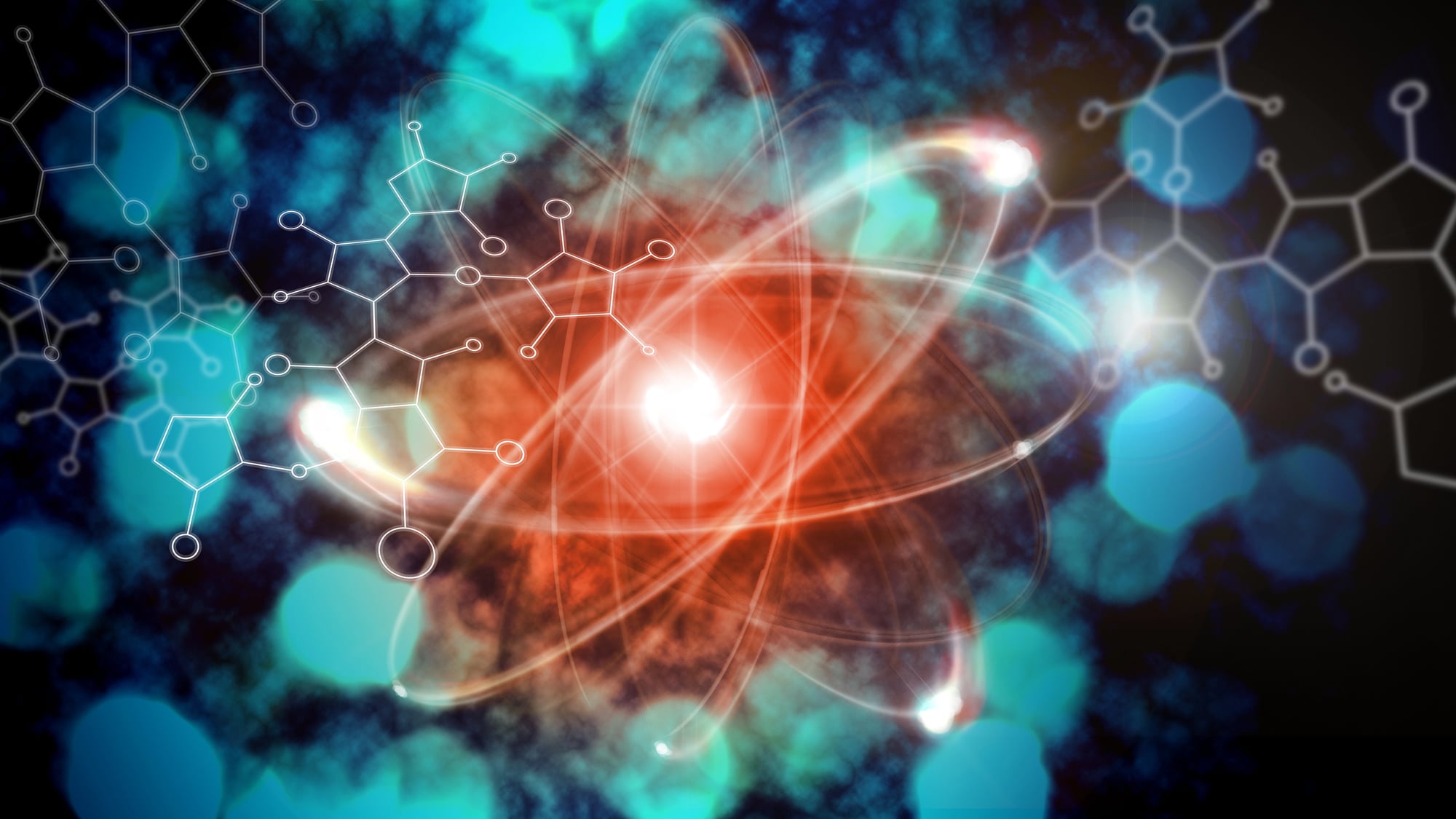
At normal temperatures, quantum mechanics stays hidden in the tiny world of atoms. But at absolute zero, these strange quantum effects grow large enough to see.
Materials start behaving in ways that seem to break common sense. Particles can be in two places at once, and objects can pass through barriers that should stop them.
The invisible rules that govern the smallest parts of matter suddenly become the main show.
Like Go2Tutors’s content? Follow us on MSN.
Magnetic properties change dramatically

Many materials lose their magnetism as they approach absolute zero, while others become incredibly magnetic. Iron magnets that stick to your refrigerator might stop working entirely at these extreme temperatures.
Meanwhile, some materials that aren’t normally magnetic at all can become powerful magnets when they get cold enough. The magnetic field of Earth itself would behave differently if the whole planet somehow reached absolute zero.
Time seems to slow down for chemical reactions

Chemical reactions that happen quickly at room temperature crawl to a near standstill at absolute zero. Think of how honey pours slowly when it’s cold compared to when it’s warm.
At absolute zero, even the fastest chemical changes would take an incredibly long time to happen. This makes it almost impossible for life as we know it to exist at these temperatures.
Helium becomes a superfluid

Liquid helium does something amazing when it gets cold enough. It turns into what scientists call a superfluid, which can flow without any friction at all.
This superfluid helium can climb up the walls of containers and flow uphill against gravity. It’s like water that has learned to ignore some of the basic rules of physics that normally control how liquids behave.
Like Go2Tutors’s content? Follow us on MSN.
Sound travels differently through materials
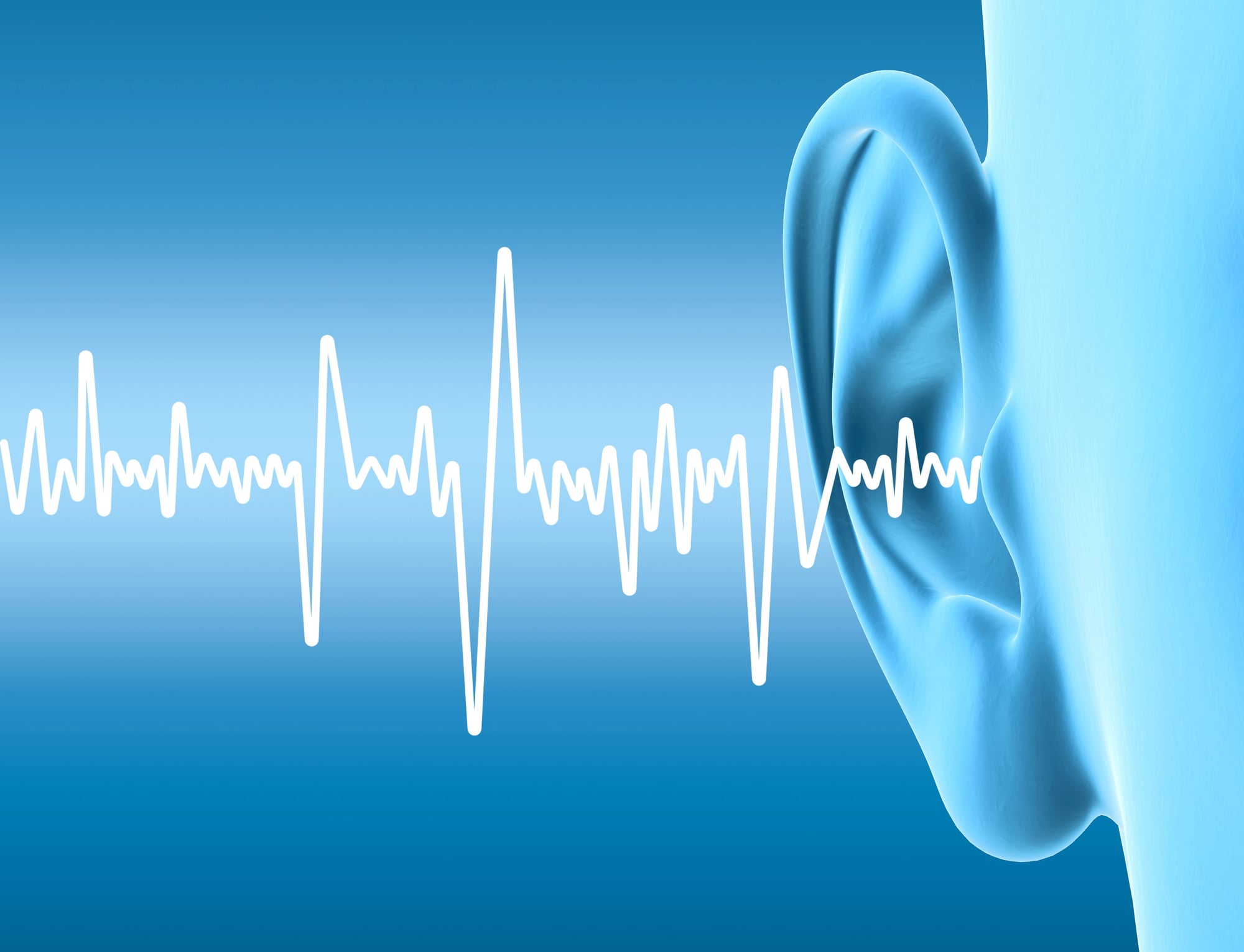
The speed of sound depends on how fast atoms can pass vibrations to their neighbors. At absolute zero, these vibrations move much more slowly through most materials.
Some substances that normally carry sound well become poor sound conductors. Others that don’t usually carry sound very well might actually improve.
The whole landscape of how sound moves through the world would change.
Light behaves strangely in ultra-cold materials

When light hits materials at absolute zero, it can get trapped and slowed down in unusual ways. Some substances can actually stop light completely and then release it later, like a pause button for photons.
Other materials become transparent to types of light that they normally block. The optical properties of everything from glass to metals would be completely different.
Crystals form perfect structures

At absolute zero, atoms have the best chance to arrange themselves in perfect patterns called crystals. Without heat energy shaking them around, atoms can find their ideal positions and stay there.
This creates materials with incredibly regular structures that are stronger and more organized than anything that exists at normal temperatures. These perfect crystals would have properties that seem almost too good to be true.
Like Go2Tutors’s content? Follow us on MSN.
Entropy reaches its minimum value

Entropy measures how disorganized or random things are. At absolute zero, entropy drops to its lowest possible value because everything becomes as organized as it can be.
It’s like having a perfectly clean room where everything is in exactly the right place. This extreme organization is one reason why reaching true absolute zero is impossible in practice.
Plasma cannot exist

Plasma is the fourth state of matter that requires extremely high energy to create. At absolute zero, there’s nowhere near enough energy for plasma to exist.
The ions and free electrons that make up plasma would all settle down into regular atoms and molecules. Any plasma that somehow existed would instantly collapse into a more ordinary state of matter.
Nuclear reactions slow down dramatically

Even the nuclei of atoms, which are usually unaffected by temperature changes, would behave differently at absolute zero. Nuclear reactions that normally happen at steady rates would slow down significantly.
Radioactive decay would continue but at a much reduced pace. The fundamental processes that power stars and create energy in nuclear reactors would be greatly affected.
Like Go2Tutors’s content? Follow us on MSN.
The bridge between theory and reality

Absolute zero represents a perfect example of how scientific theory meets the limits of what’s actually possible in our universe. While we can get incredibly close to this temperature in laboratories, reaching it exactly remains beyond our grasp.
The journey toward absolute zero has led to discoveries that changed technology forever, from MRI machines to quantum computers. Today’s smartphones, computers, and medical devices all benefit from research conducted in these ultra-cold conditions.
Understanding absolute zero helps scientists push the boundaries of what’s possible and continues to open doors to technologies we can barely imagine.
More from Go2Tutors!

- 16 Historical Figures Who Were Nothing Like You Think
- 12 Things Sold in the 80s That Are Now Illegal
- 15 VHS Tapes That Could Be Worth Thousands
- 17 Historical “What Ifs” That Would Have Changed Everything
- 18 TV Shows That Vanished Without a Finale
Like Go2Tutors’s content? Follow us on MSN.