What Your Favorite Foods Look Like Just Before They Are Harvested
The grocery store makes everything look neat and tidy, all wrapped up and ready to take home. But the journey from farm to shelf involves some pretty interesting transformations that most people never get to see.
Some foods look completely different in their natural state, and discovering what they actually look like growing can be genuinely surprising. Here’s a look at how some everyday favorites appear right before farmers pick them.
Pineapples Grow From The Ground Up
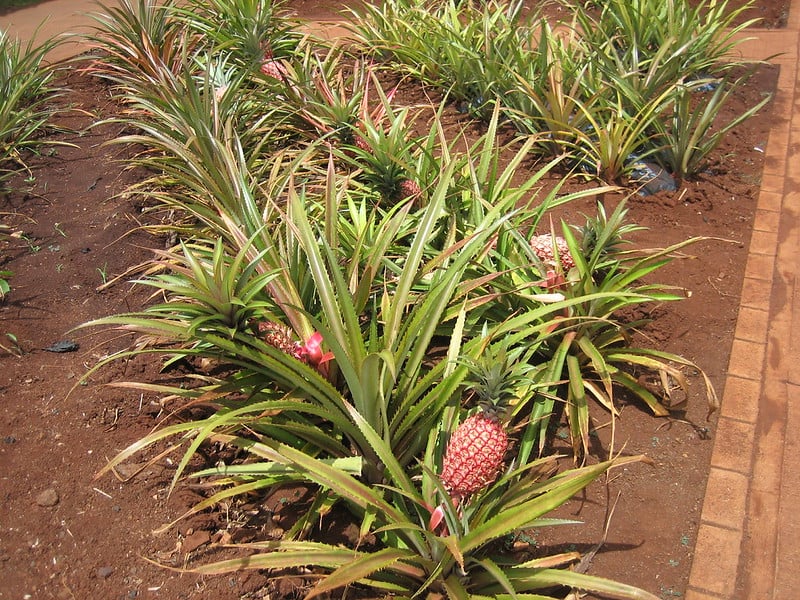
Pineapples don’t hang from trees like most people imagine. They actually sprout from the center of a spiky plant that sits close to the ground, looking almost like a large weird flower.
The fruit develops from a cluster of flowers that fuse together, and it can take up to three years for a single pineapple to fully mature. Watching one grow is like seeing nature build something from the bottom up, layer by layer, until that familiar spiky crown appears on top.
Cashews Hang Beneath A Strange Fruit

The cashew nut that people snack on actually dangles from the bottom of a kidney-shaped shell, which itself hangs from a fleshy fruit called a cashew apple. The shell contains toxic oils, which is why cashews always come pre-shelled and roasted.
That cashew apple on top is edible and sweet, but it bruises easily and doesn’t ship well, so most people outside growing regions never get to try it. It’s wild to think that the nut we eat is just the weird appendage hanging off the real fruit.
Vanilla Comes From Climbing Orchids
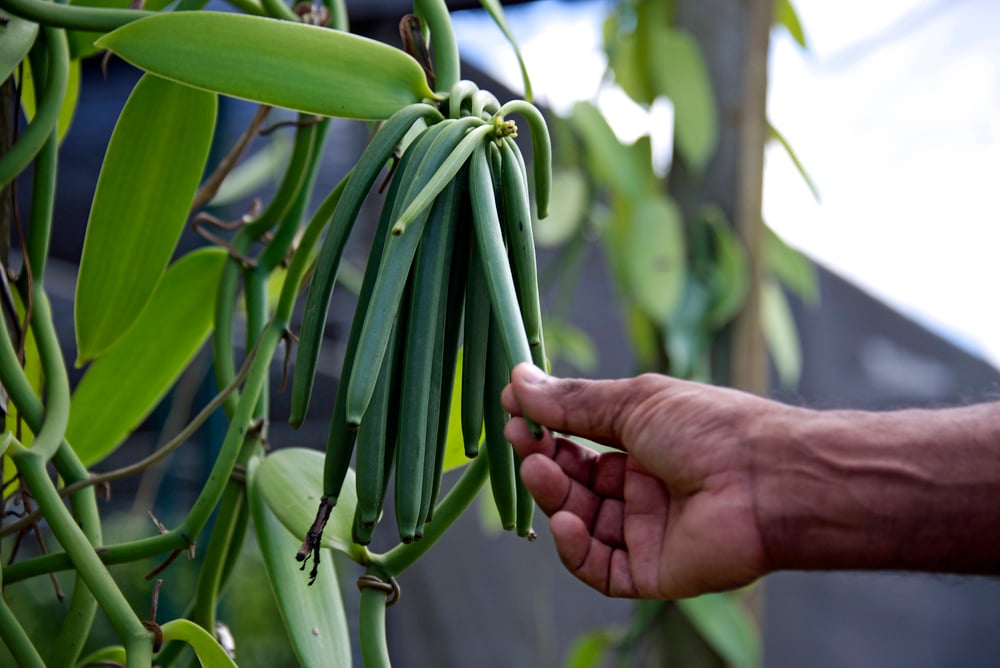
Those little black specks in vanilla ice cream come from the seed pods of a tropical orchid that climbs like a vine. The orchid produces delicate flowers that only bloom for one day and must be hand-pollinated in most places.
After pollination, it takes about nine months for the long green pods to develop, and they don’t smell like vanilla at all until they go through a lengthy curing process. The whole production is so labor-intensive that vanilla remains one of the most expensive spices in the world.
Almonds Hide Inside Fuzzy Green Pods

Almond trees produce fruit that looks somewhat like a small, flattened peach covered in fuzzy skin. Inside that green outer coating sits the almond shell that people recognize, and inside that shell is the actual nut.
When the fruit matures, the fuzzy coating splits open and dries out, making it easier to harvest the nuts inside. Most people would walk right past an almond tree without realizing what it was.
Brussels Sprouts Grow Up A Tall Stalk

These little cabbages don’t grow in the ground or on low bushes like many vegetables. They sprout along a thick vertical stalk that can reach several feet high, looking like some kind of vegetable totem pole.
Each sprout is actually a tiny bud that forms where a leaf meets the main stem. Harvesting them means either picking individual sprouts off the stalk or cutting down the whole thing and removing them later.
Cinnamon Is Tree Bark Rolled Into Tubes

That brown powder in the spice rack starts as the inner bark of a cinnamon tree grown in tropical regions. Workers carefully peel off the outer bark, then strip away thin layers of the aromatic inner bark.
As these strips dry, they naturally curl into the familiar quill shapes that get ground into powder or sold as cinnamon sticks. The trees can be harvested multiple times, with new bark growing back after each careful peeling.
Artichokes Are Unopened Flower Buds

The part people eat is actually a flower bud that never got the chance to bloom. If left on the plant, an artichoke would open into a large purple thistle flower that bees absolutely love.
The fuzzy choke in the center would become the flower’s stamens, and those tough leaves would spread wide open. Farmers harvest them young when they’re still tight and tender, long before nature has other plans.
Coffee Beans Grow Inside Bright Red Cherries

Coffee plants produce clusters of fruit that look like shiny red cherries when ripe. Each cherry typically contains two coffee beans nestled inside, surrounded by sweet fruit pulp that farmers often discard or compost.
Workers either hand-pick the cherries at peak ripeness or use machines to shake them off the branches. The beans then go through processing to remove the fruit, followed by drying, roasting, and grinding before they become morning fuel.
Cocoa Pods Sprout Straight From Tree Trunks
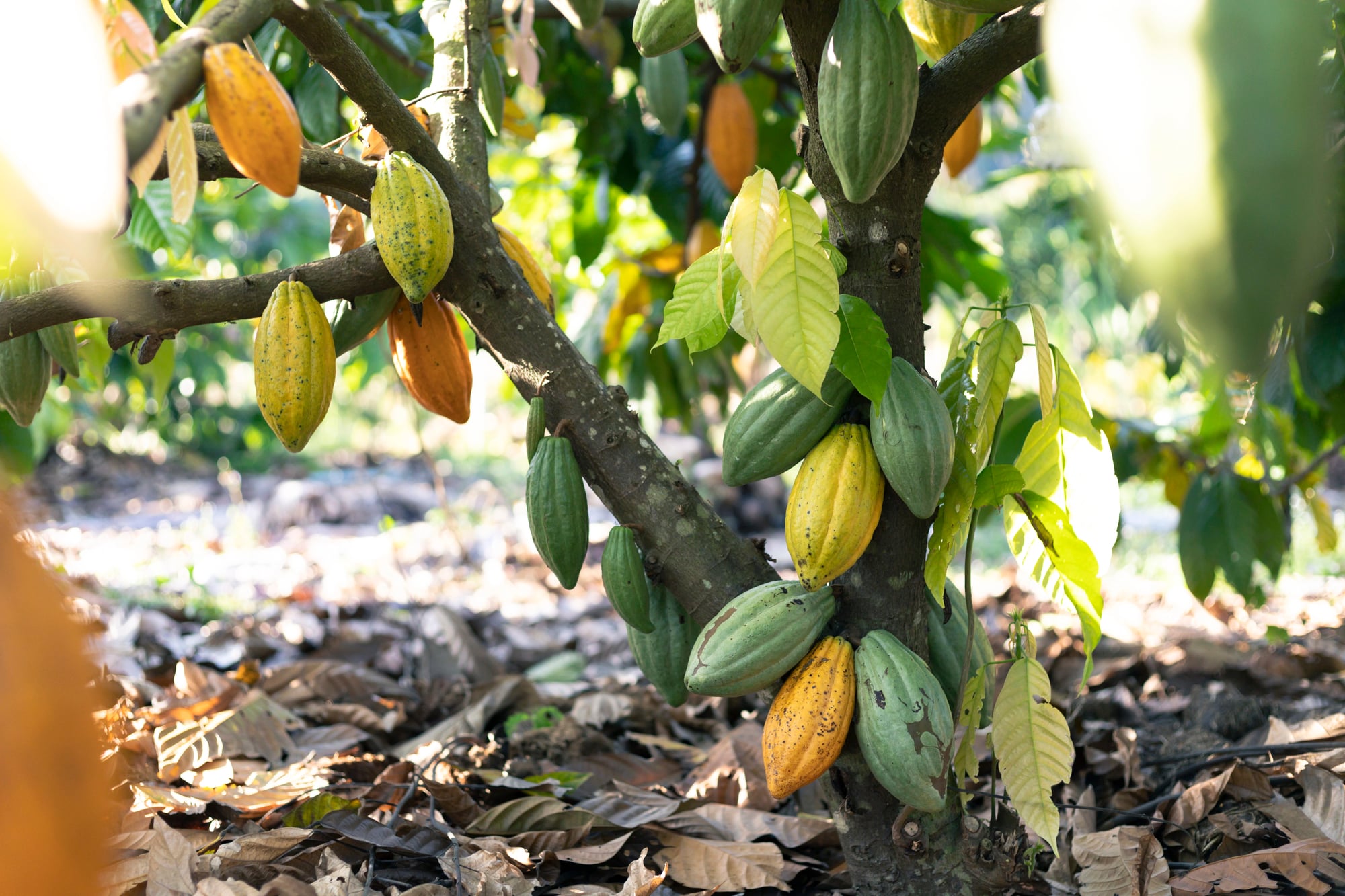
Chocolate starts in large, football-shaped pods that grow directly out of the trunk and main branches of cacao trees. This weird growing pattern is called cauliflory, and it looks like someone stuck a bunch of colorful pods onto the tree with glue.
Each pod contains 30 to 40 cocoa beans surrounded by white pulp, and the pods change from green to yellow or red as they ripen. Farmers use machetes to carefully cut the pods off without damaging the tree.
Cranberries Float When Fields Get Flooded

Cranberry plants grow low to the ground in boggy areas, producing berries on short vines. During harvest season, farmers flood the fields with water, then use special machines to shake the berries loose from the vines.
The berries float to the surface because they have tiny air pockets inside, creating those stunning scenes of red berries covering entire flooded fields. Workers then corral the floating berries and pump them into trucks.
Kiwis Grow On Climbing Vines Like Grapes

Kiwi plants are actually vigorous vines that need strong supports to climb on, much like grapevines. The fuzzy brown fruits hang in clusters underneath the foliage, hidden from casual view.
A single vine can produce hundreds of pounds of fruit once it matures, though it takes several years before a new plant starts bearing. The vines need both male and female plants nearby for pollination, or the fruit won’t develop properly.
Peanuts Develop Underground After Pollination

Peanut plants produce small yellow flowers above ground that pollinate themselves. After pollination, the flower stem grows downward and actually pushes into the soil, where the peanut pod then develops.
This means the part people eat forms completely underground, hidden from view until harvest time. Farmers use special equipment to lift the entire plant, flipping it over so the peanuts dry in the sun while still attached to the roots.
Saffron Requires Hand-Picking Tiny Flower Parts

One tiny gram needs more than 150 blossoms, each giving just three crimson threads when picked fast, before they fade. Harvest time paints whole slopes in deep violet where these fragile plants open briefly every autumn.
A pricy treasure hides inside the short-lived bloom of a humble purple crocus found across wide valleys. Hand work rules here – no machine can pull those delicate strands without damaging their worth.
Cost climbs high because timing is tight, supply stays slim, yet demand never really drops.
Dates Hang In Massive Clusters From Palm Trees

Up top, date palms stretch beyond seventy-five feet, their heavy bunches swelling to forty pounds or heavier. Hundreds of dates pack each cluster, beginning life green before deepening to brown during ripening and drying.
Workers sometimes climb these heights, though tools help when reaching sky-high fruit. Heat scorches the land below – a climate where few fruiting plants survive, yet these trees push through anyway.
Far Up High, Quinoa Rises On Vivid Stems

Towering up to six feet, the plant behind this popular seed shows off bold blooms in fiery tones – red, deep purple, sunlit yellow, or bright orange. From those vivid stems, compact bunches of usable seeds take shape, sometimes filling multiple cups per single stalk.
Bitter saponin coats each tiny kernel, nature’s way of keeping hungry birds away, so washing it well becomes necessary prior to heat. High above sea level, long before modern tools arrived, people across South America tamed this resilient crop when few others would grow.
From Field To Fork

Out in fields or tangled vines, many supermarket items start life beyond recognition. Hanging oddly from stems, buried below soil, tucked into treetops – some take forever just to become edible.
Months pass while people handle spiky husks, dangerous coatings, rough stalks taller than a person. When something looks too neat on the shelf, chances are its journey was anything but simple.
A single bite of cocoa or morning dusting of spice carries storms, sweat, strange growth patterns nobody sees. That crisp appearance hides roots deep in messy, stubborn effort.
More from Go2Tutors!

- The Romanov Crown Jewels and Their Tragic Fate
- 13 Historical Mysteries That Science Still Can’t Solve
- Famous Hoaxes That Fooled the World for Years
- 15 Child Stars with Tragic Adult Lives
- 16 Famous Jewelry Pieces in History
Like Go2Tutors’s content? Follow us on MSN.



