Why Honey Never Goes Bad
Honey sits in kitchen cabinets for years, sometimes decades, without spoiling. This golden liquid defies the usual rules of food storage, outlasting nearly everything else in the pantry.
While bread molds within days and milk sours in weeks, honey remains perfectly edible indefinitely. Scientists have found jars of honey in ancient tombs that are still good to eat.
So what makes this sweet substance so different from other foods?
Low water content keeps bacteria away
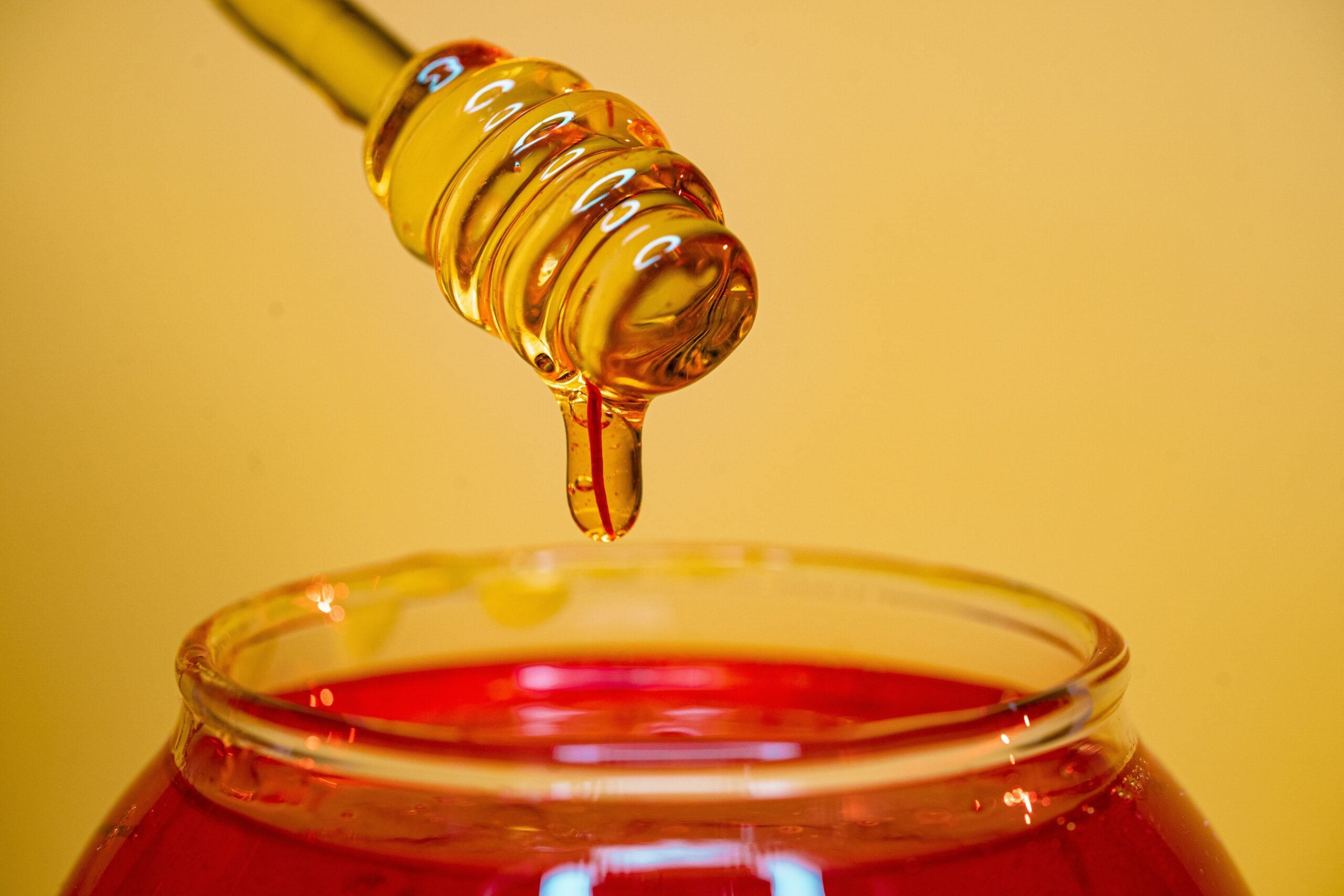
Honey contains very little water, usually less than 20 percent. Bacteria and mold need moisture to grow and multiply, but honey’s thick consistency leaves them without the environment they require.
When microorganisms land in honey, the low water content actually pulls moisture out of them through a process similar to dehydration. They simply can’t survive in such dry conditions.
This natural defense system works better than most artificial preservatives.
Bees add special enzymes during production
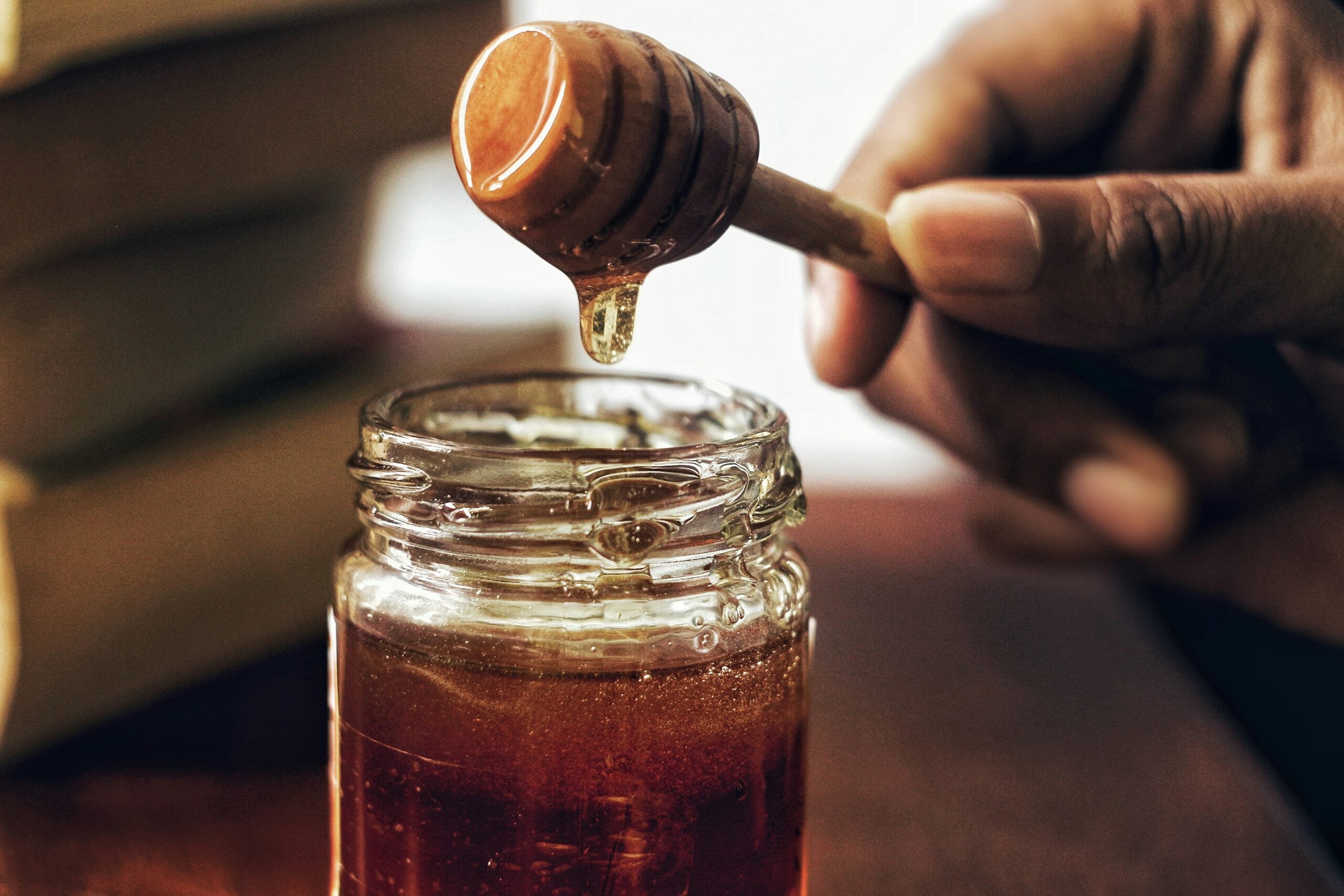
Worker bees produce an enzyme called glucose oxidase in their stomachs and mix it into the nectar they collect. This enzyme breaks down into hydrogen peroxide, which acts as a natural antibacterial agent.
The amount isn’t enough to harm humans, but it creates an environment where harmful microorganisms struggle to survive. Bees have essentially turned honey into a self-preserving food through their natural biological processes.
Acidic pH levels prevent microbial growth

Honey registers between 3 and 4.5 on the pH scale, making it quite acidic. Most bacteria prefer neutral environments and can’t function well in acidic conditions.
The acidity also helps prevent the growth of certain fungi and yeasts that might otherwise break down the sugars. This natural sourness adds another layer of protection to honey’s already impressive defense system.
Sugar concentration creates hostile conditions

The extremely high sugar content in honey makes it an inhospitable place for living organisms. Sugar molecules bind with water molecules, leaving almost no free water available for bacteria or yeast to use.
This process, called osmosis, effectively starves potential invaders of the resources they need. Foods with high sugar concentrations tend to last longer, and honey takes this principle to the extreme.
Sealed storage prevents contamination
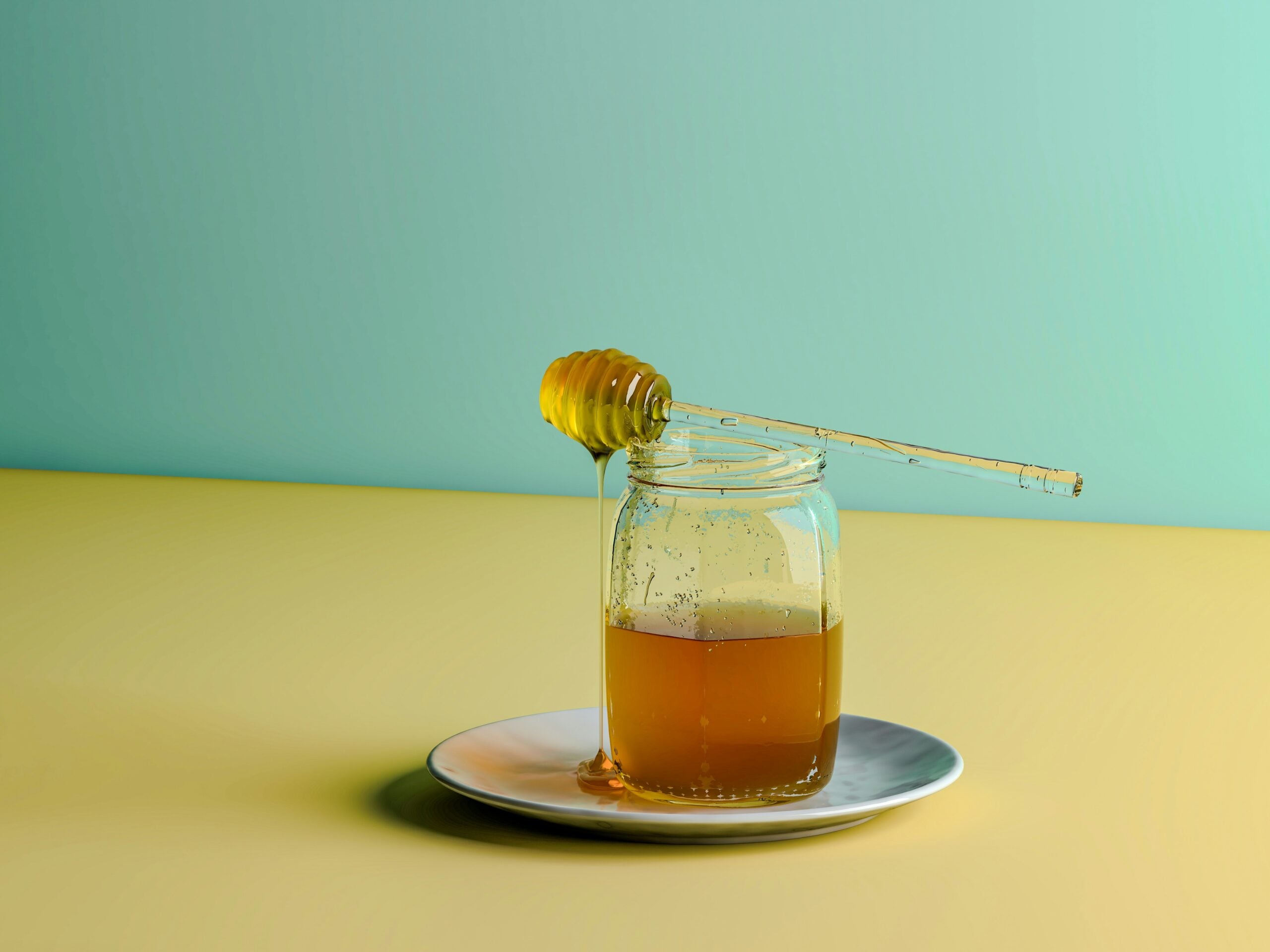
When stored in airtight containers, honey has no opportunity to absorb moisture from the air or allow contaminants to enter. Ancient civilizations discovered this preservation method thousands of years ago, storing honey in sealed clay pots or jars.
Modern beekeepers and manufacturers continue this practice with glass jars and plastic containers. Proper storage keeps honey’s natural defenses working at full strength.
Crystallization doesn’t mean spoilage

Many people mistake crystallized honey for spoiled honey, but this physical change has nothing to do with the food going bad. The glucose in honey naturally separates from the water and forms crystals over time, especially in cooler temperatures.
Gently heating the honey will reverse this process and return it to its liquid state. The crystallized version is just as safe and nutritious as smooth, liquid honey.
Honey naturally resists fermentation
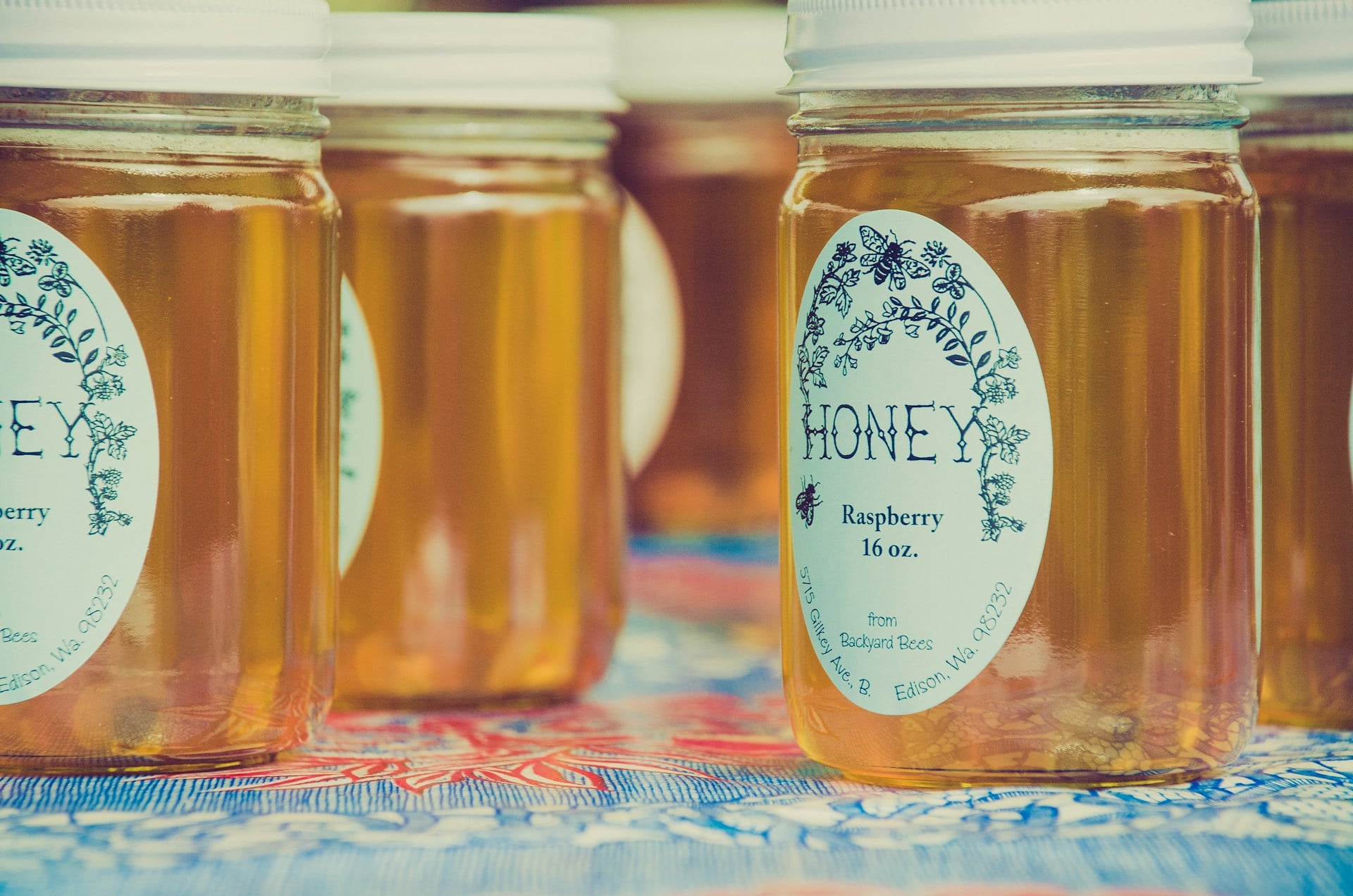
Fermentation requires yeast, water, and sugar to work together. While honey has plenty of sugar, the lack of available water stops yeast from becoming active.
Even wild yeasts that occasionally land in honey can’t get the fermentation process started. Some honey varieties with slightly higher moisture content might ferment if left open to air, but properly stored honey avoids this problem entirely.
Archaeological discoveries prove extreme longevity
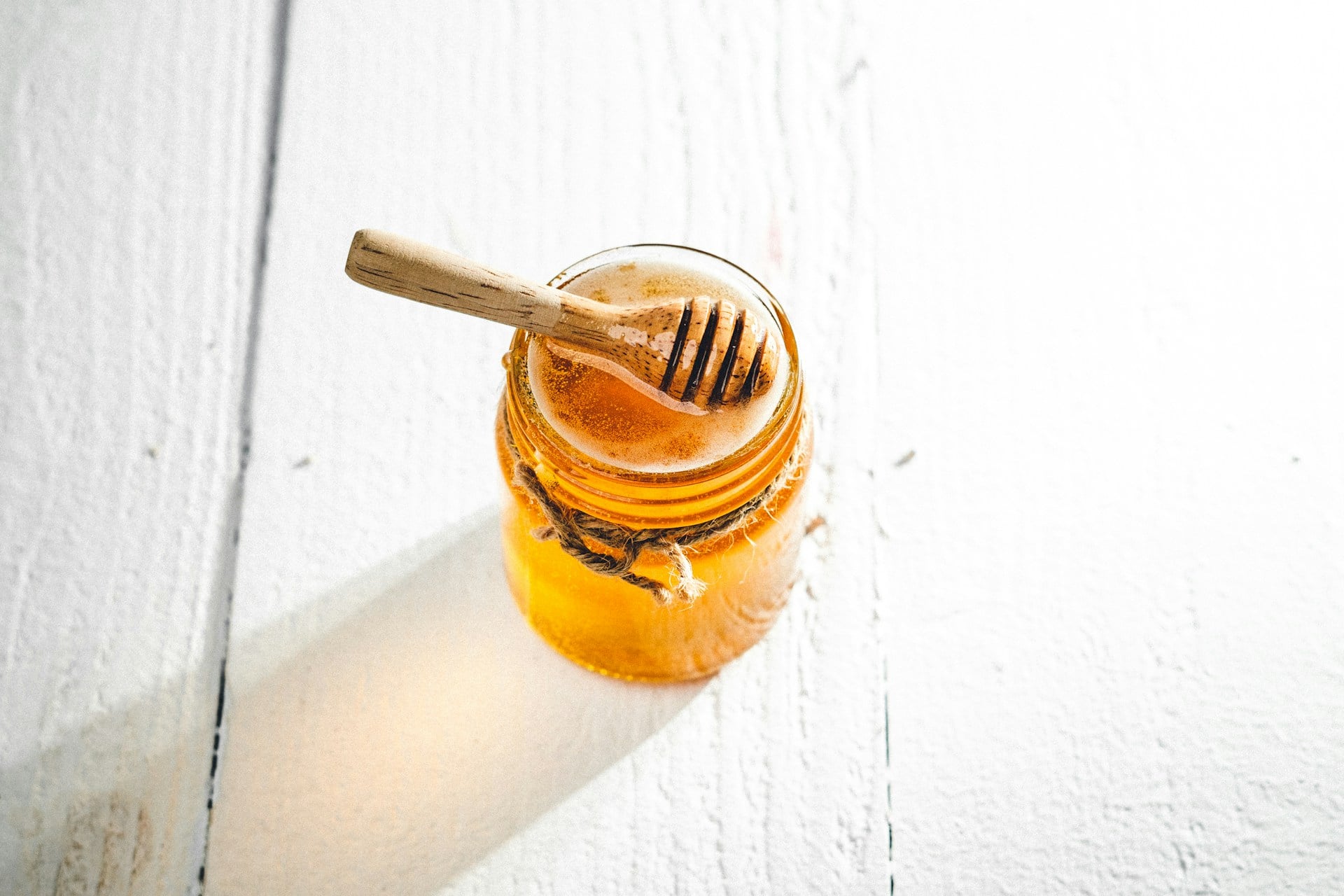
Researchers have discovered pots of honey in Egyptian tombs dating back over 3,000 years. After chemical analysis, scientists confirmed the honey was still perfectly edible, though probably not very tasty by modern standards.
Similar finds in other ancient sites around the world tell the same story. These archaeological treasures demonstrate honey’s preservation abilities better than any laboratory test could.
Antimicrobial properties fight contamination

Beyond hydrogen peroxide, honey contains several other compounds that actively fight bacteria. Bee defensin-1, a protein found in honey, has powerful antimicrobial effects against many harmful organisms.
Some varieties, like Manuka honey from New Zealand, contain additional antibacterial compounds that make them even more resistant to contamination. These natural defenses work together to create an environment where pathogens simply cannot thrive.
Hygroscopic nature pulls moisture from surroundings

Honey actually absorbs water from the air and other substances it touches. This hygroscopic quality means honey can help dry out wounds when applied topically, which is why ancient cultures used it as medicine.
In terms of preservation, this characteristic reinforces honey’s low moisture content by constantly trying to equalize with its environment. The honey essentially protects itself by staying dry.
Processing methods maintain natural defenses
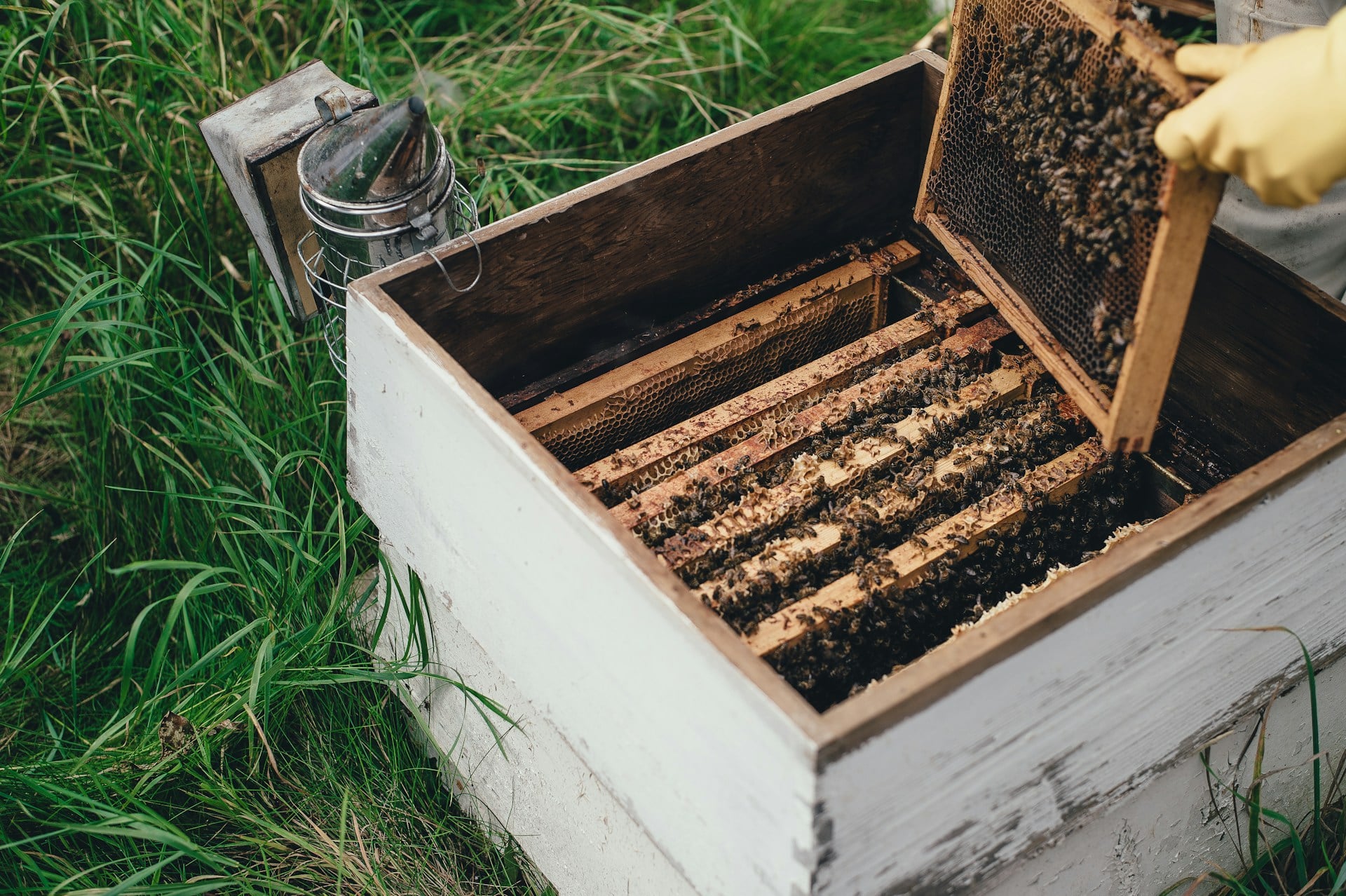
Commercial honey production carefully preserves the qualities that keep honey stable. Beekeepers extract honey from combs without adding water or other liquids.
The minimal processing approach, which might include light heating and filtering, doesn’t damage the natural enzymes and compounds that prevent spoilage. Raw honey straight from the hive has the same preservation qualities as processed varieties sold in stores.
Temperature stability prevents degradation

Honey remains stable across a wide range of temperatures without spoiling. Extreme heat might darken honey or change its flavor slightly, but it won’t make it unsafe to eat.
Cold temperatures cause crystallization but don’t affect the honey’s edibility. This temperature tolerance means honey can sit in various storage conditions without requiring refrigeration or special climate control.
Chemical composition creates natural preservation

The unique blend of sugars, acids, enzymes, and trace minerals in honey creates a chemically stable substance. Fructose and glucose dominate the sugar profile, with small amounts of other compounds rounding out the composition.
This specific chemical makeup resists the natural processes that cause other foods to break down over time. The balance of ingredients works together like a natural preservative system.
Lack of nutrients limits bacterial options

While honey contains sugars, it lacks the proteins and other nutrients that most bacteria need to survive and reproduce. Microorganisms looking for a complete meal won’t find it in honey.
The absence of these essential nutrients means bacteria can’t establish colonies even if they somehow survive the other hostile conditions. Honey essentially offers nothing that pathogens need to thrive.
Medicinal uses throughout history

Ancient civilizations recognized honey’s ability to fight infection and preserve tissue. Egyptian embalmers used honey in mummification processes because of its preservative qualities.
Greek and Roman doctors applied honey to wounds to prevent infection, a practice supported by modern medical research. The same properties that keep honey from spoiling also make it useful for treating burns and cuts.
Historical medical texts from cultures around the world mention honey as both food and medicine.
Business handling keeps food safe on shelves

Today’s beekeepers pack honey right after harvest to keep it fresh. So moisture doesn’t cause spoiling, they check levels carefully during checks.
Rules for handling come from ages of learning how to store it well. Trusted brands sell jars that stay good forever – if you keep them sealed.
Different types keep freshness in similar ways

Honey from clove, oranges, wild plants, or buckwheat – all keep fresh the same way. Taste, shade, or thickness can differ a lot, yet their inner chemistry stays alike.
That staying power works everywhere since bees always follow similar steps making it. Local touches give uniqueness; still, shelf life holds steady.
Nature’s perfect package

Honey’s one of nature’s smartest tricks for keeping food good over time. Thanks to little water, lots of sweetness, a sour edge, yet also special germ-fighting stuff – it stays fresh on its own.
Unlike old-world eats that vanished ages ago, this golden goo hasn’t changed at all since bees first packed it in the hive – still edible once you crack the lid. Just spooning some into your tea ties today’s homes to people from way back then – all because mold and bacteria just don’t take hold.
More from Go2Tutors!

- The Romanov Crown Jewels and Their Tragic Fate
- 13 Historical Mysteries That Science Still Can’t Solve
- Famous Hoaxes That Fooled the World for Years
- 15 Child Stars with Tragic Adult Lives
- 16 Famous Jewelry Pieces in History
Like Go2Tutors’s content? Follow us on MSN.