Why Sleepovers at a Friend’s House Always Felt Like a Tiny Vacation
There was something about packing a overnight bag as a kid that felt genuinely momentous. Not a suitcase — just a backpack stuffed with pajamas, a toothbrush, and maybe a spare outfit — but the weight of it on your shoulders carried the same low-grade excitement as boarding a plane.
You were leaving. Just for one night, just a few miles away, but you were leaving. And somehow, that was enough to make the whole world feel a little wider.
Different House Rules

Every household runs on its own private logic. One friend’s mom let everyone stay up until midnight watching whatever they wanted; another’s dad made the whole house go quiet at nine.
So you learned, quickly, that the rules you grew up with weren’t universal laws — just the particular customs of your specific address.
Someone Else’s Food

The refrigerator at a friend’s house was a small museum of everything your parents didn’t buy. There’d be a brand of cereal you’d never seen before, or a flavor of juice that didn’t exist in your kitchen, and even if the food was objectively ordinary, it tasted different because it wasn’t yours — the way borrowed things always carry a faint novelty that ownership eventually erases.
And then there were the snacks: the specific crackers, the particular dip, the chips stacked in a pantry that felt like it had been curated for someone else’s life entirely. So you ate more than you normally would, and nobody said anything about it.
The Guest Bed Phenomenon

Sleeping somewhere unfamiliar corrects your relationship with your own bed. You don’t notice how predictable your mattress has become, how your body has memorized every spring and sag, until you’re lying in a sleeping bag on someone else’s floor and suddenly everything — the sounds, the air, the faint smell of a different laundry detergent on the pillow — is new enough to keep you quietly alert, like a traveler in an unfamiliar city who doesn’t want to miss anything.
Watching Their Parents Interact

Seeing how someone else’s parents talked to each other was quietly revelatory. Your own parents’ dynamic was invisible to you — just background noise, the operating system running beneath your normal life — but a stranger’s parents were suddenly legible: the way one deferred to the other, the jokes they recycled, the small negotiations that happened without anyone raising their voice.
It wasn’t dramatic. It was just different, and different was enough.
Escaping Your Own Bedroom

Your bedroom, however much you loved it, knew too much about you. The sleepover house was indifferent to your routines, your worries, the specific texture of your ordinary Tuesday.
Stepping into someone else’s space for a night was a quiet reset — not because anything changed, but because the space itself had no memory of you.
The Permission to Stay Up Late

Staying up late at a sleepover felt legitimate in a way that staying up late at home never did. At home, you were sneaking — quietly defying something.
At a friend’s house, being awake past midnight felt almost sanctioned, like the rules existed slightly outside their normal jurisdiction. Which is why the conversations that happened at 1 a.m. on a living room floor tended to be the ones you actually remembered.
A Break From Being Yourself

The version of you that existed at home — the one who had chores and routines and a specific seat at the dinner table — got a night off. At someone else’s house, you were a guest, which meant your personality had just enough room to stretch in directions it couldn’t at home.
You could be slightly braver, slightly funnier, slightly more willing to suggest something that would have earned a parental veto on your own turf.
The Whole Atmosphere Felt Novel
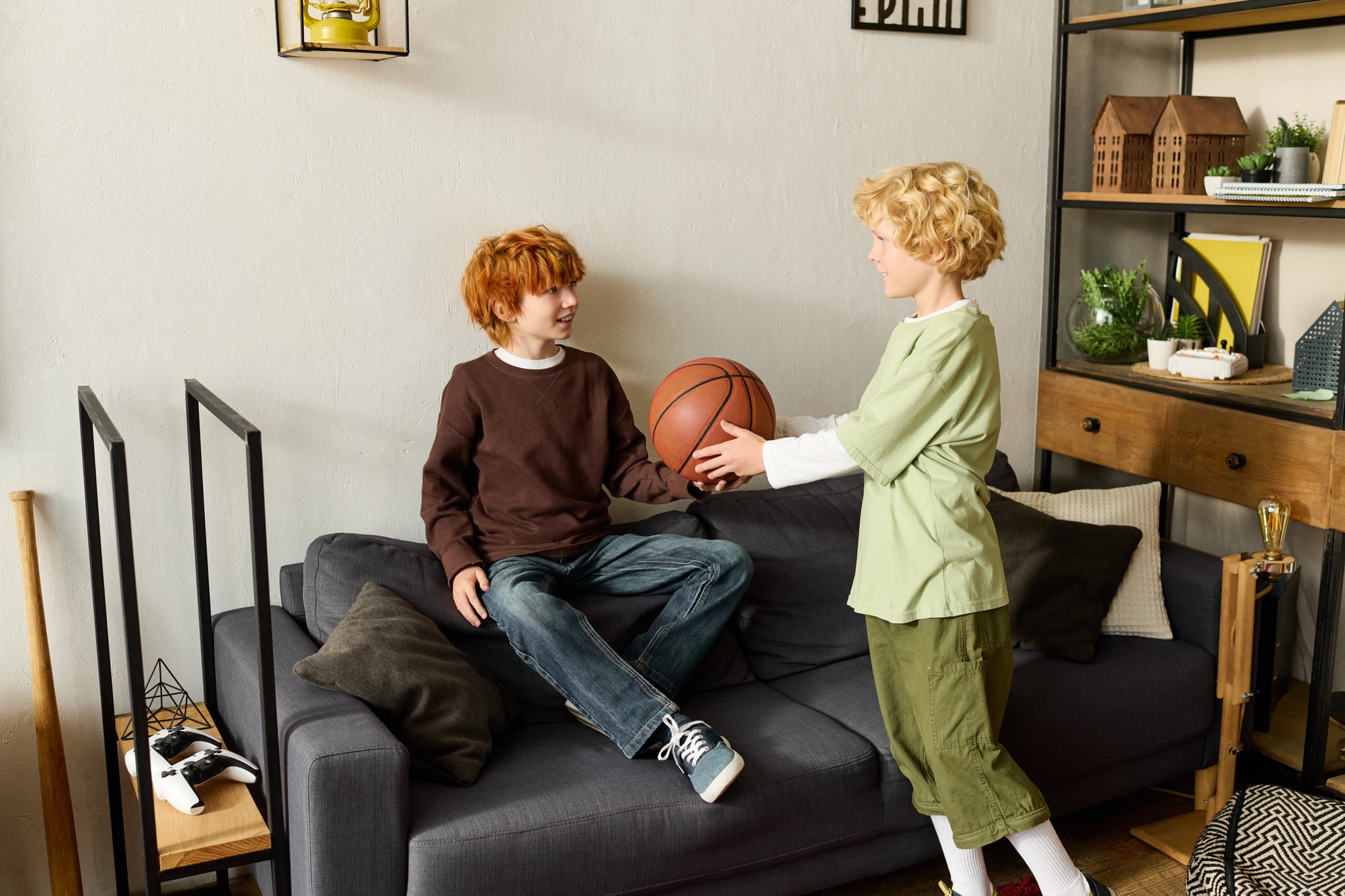
A friend’s living room at night, with the lights low and everyone sprawled across the floor, carried the atmosphere of somewhere genuinely new — which is strange, because it was usually a perfectly ordinary house in the same zip code. But novelty isn’t really about geography.
It’s about context, and a familiar place filtered through someone else’s life reads differently than anything a map could explain.
Their Television Setup

The specific configuration of someone else’s entertainment system mattered more than it had any right to. A bigger TV, a different cable package, a game console your family didn’t own — these were not small things when you were ten.
Turns out access to channels you didn’t get at home had the same pull as a hotel television, which is to say: disproportionate, irrational, and entirely real.
Their Pets

A household pet that wasn’t yours was an uncomplicated pleasure. No feeding schedule to worry about, no responsibility attached — just a dog that wandered over in the dark and settled against your legs while everyone tried to fall asleep, or a cat that regarded the whole scene with pointed indifference and then curled up somewhere inconvenient anyway.
The pet belonged to the house. You just got to borrow the warmth.
The Walk Home the Next Morning

The walk back to your own house the morning after a sleepover had its own specific quality. The neighborhood looked the same, but you felt slightly different inside it — a little tired, a little loose, like someone who’d just returned from somewhere.
Your own front door, when you finally got to it, felt mildly new again. Which is, to be fair, a pretty good return on one overnight stay.
Midnight Snacks as Events

At home, eating after dinner was subject to negotiation. At a friend’s house, the midnight snack was practically ceremonial — everyone padding to the kitchen in the dark, whispering for no real reason, assembling whatever was available into something that passed for a meal.
A bowl of cereal at midnight tasted better than it had any right to. That’s not sentiment. That’s just how context works.
The Borrowed Routine

Watching a friend’s family move through their morning — the order in which people appeared, who made coffee, what the radio played, which drawer held the spoons — was a strangely intimate window into a life that wasn’t yours. Every family has a morning choreography so automatic that nobody inside it notices it’s a choreography.
You noticed. Because you were the one person in the room for whom none of it was automatic.
What the Night Actually Gave You

The sleepover was never really about the movies or the snacks or the staying up late, though those things all mattered. It was about stepping briefly outside your own ordinary life and seeing it, for just a moment, from the outside — the way you only appreciate a neighborhood after you’ve driven through someone else’s.
So you’d come home, drop your bag by the door, and something about your own bedroom, your own kitchen, your own particular house would feel, just for an hour or two, faintly worth noticing again.
The Specific Smell of a Different Home

Every house has a scent that its residents are completely blind to. Walk into your own home after a week away and you’ll catch a trace of it — something like linen and cooking and the particular wood of the floors — but live there long enough and it disappears entirely.
A friend’s house smelled like their house, which was to say: like someone else’s life, with its own set of quiet textures that you couldn’t name and didn’t need to.
Why It Felt Bigger Than It Was
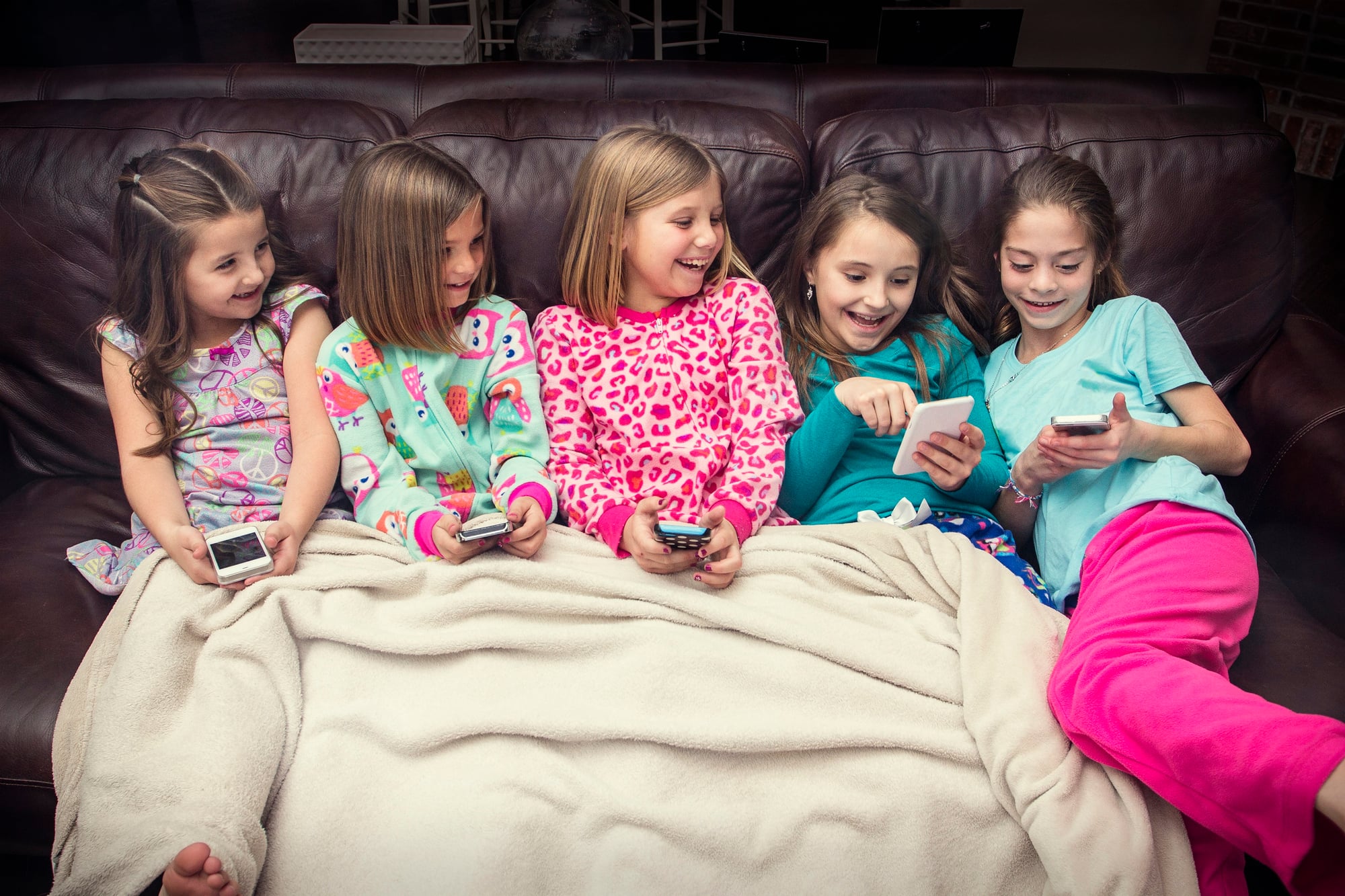
A sleepover was, objectively, a night at someone’s house nearby. But the feeling it produced — that low hum of being somewhere slightly outside your normal coordinates — was genuinely disproportionate to the distance traveled.
That gap between what it was and what it felt like is probably why the memory of a specific sleepover can surface thirty years later with more clarity than a week-long family trip. Small vacations, as it happens, can leave the deepest impressions.
The Part You Didn’t Talk About When You Got Home
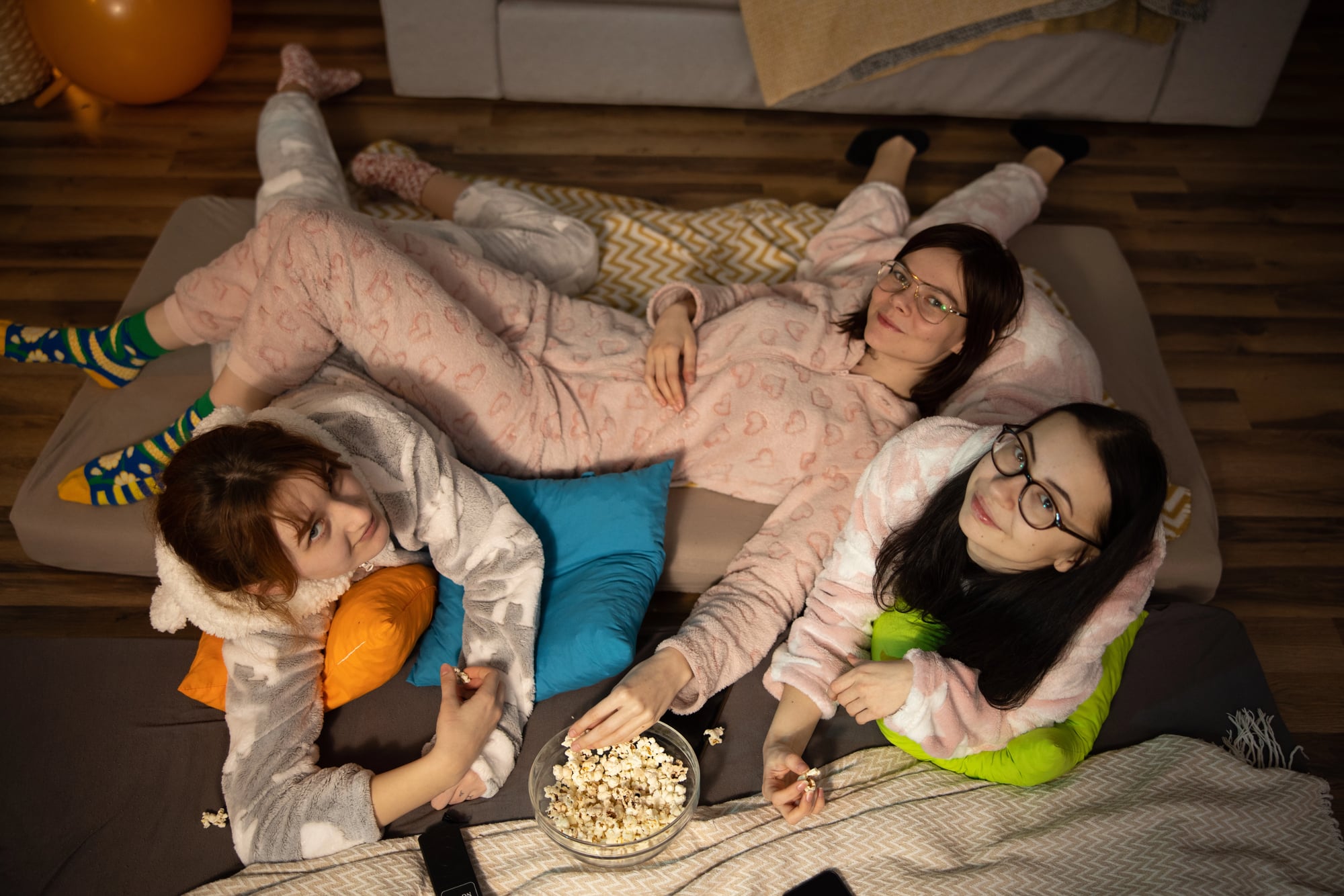
Something particular happens when you return to what’s familiar after even the shortest absence — and a sleepover, for all its smallness, qualified as an absence. The whole neighborhood felt momentarily legible, the way things look sharper in a photograph than they do in person.
Your own house became a place you were arriving at rather than a place you simply were, and in that brief reclassification: something like gratitude, unnamed, showed up anyway.
What You Brought Back Without Knowing It

The real souvenir of a sleepover wasn’t the borrowed book or the forgotten hoodie left behind. It was a slightly recalibrated sense of what normal could look like — the understanding, absorbed without being processed, that other families ate different things and laughed at different times and organized their furniture in ways that somehow still worked.
You carried that back without noticing you’d packed it.
The Feeling That Has No Exact Name

There ought to be a word — there probably is, in some language — for the specific contentment of lying awake in an unfamiliar room, listening to sounds you don’t recognize, and feeling perfectly fine about not knowing where you are. A sleepover delivered that feeling reliably, cheaply, and within walking distance.
Which, when you think about it, is a better deal than most actual vacations manage.
What the Whole Thing Was Actually Practice For

Sleepovers were, in the most unsentimental reading, a low-stakes rehearsal for leaving. Not leaving forever — just leaving long enough to understand that the world continued without you in your usual spot, and that you could move through someone else’s version of ordinary life and come out intact on the other side.
That’s not a small thing to learn. And a sleeping bag on a living room floor, it turns out, was a perfectly reasonable classroom.
The Part That Still Echoes

There’s a reason adults describe certain childhood sleepovers with the same easy precision they use for actual travel — the specific friend’s house, the specific movie, the specific snack consumed at a specific ungodly hour. Those nights encoded themselves differently than ordinary ones.
Maybe because any experience that briefly suspends your normal routine tends to stick, or maybe because being somewhere slightly outside your own life, even for just one night, is the closest most kids ever get to the feeling of genuinely going somewhere.
Still Just a Night Away

A sleepover was never more than twelve to fifteen hours at someone else’s address, usually less than a mile from your own front door. And yet it managed to deliver something that longer, more expensive trips occasionally fail to: the feeling of having actually been away.
Sometimes a change of scenery is just a different ceiling to stare at in the dark — but sometimes that’s exactly what you needed.
When the Ordinary Felt Briefly Worth Noticing Again

The best thing a sleepover gave you wasn’t the night away. It was the morning back.
Your own house, re-entered after an absence so small it barely counted, had a strange mild newness to it — not transformed, not dramatically different, just legible again in the way that only unfamiliarity can restore. You dropped the backpack. You sat in your usual chair. And for a few minutes at least, before the day absorbed you back into its routine, the whole ordinary thing felt worth being in.
More from Go2Tutors!

- The Romanov Crown Jewels and Their Tragic Fate
- 13 Historical Mysteries That Science Still Can’t Solve
- Famous Hoaxes That Fooled the World for Years
- 15 Child Stars with Tragic Adult Lives
- 16 Famous Jewelry Pieces in History
Like Go2Tutors’s content? Follow us on MSN.



