Wimbledon Traditions That Haven’t Changed
There’s something quietly stubborn about Wimbledon. Every summer, the world’s biggest tennis tournament arrives in southwest London wearing the same clothes it’s worn for over a century — and makes absolutely no apologies for it.
In an era when nearly every major sport is constantly tinkering with formats, branding, and broadcast deals, Wimbledon plants its feet and refuses to move. That stubbornness isn’t accidental. The whole point. For millions of fans around the world, these rituals aren’t just charming quirks — they’re the reason the tournament feels like something worth watching in the first place.
Grass Courts
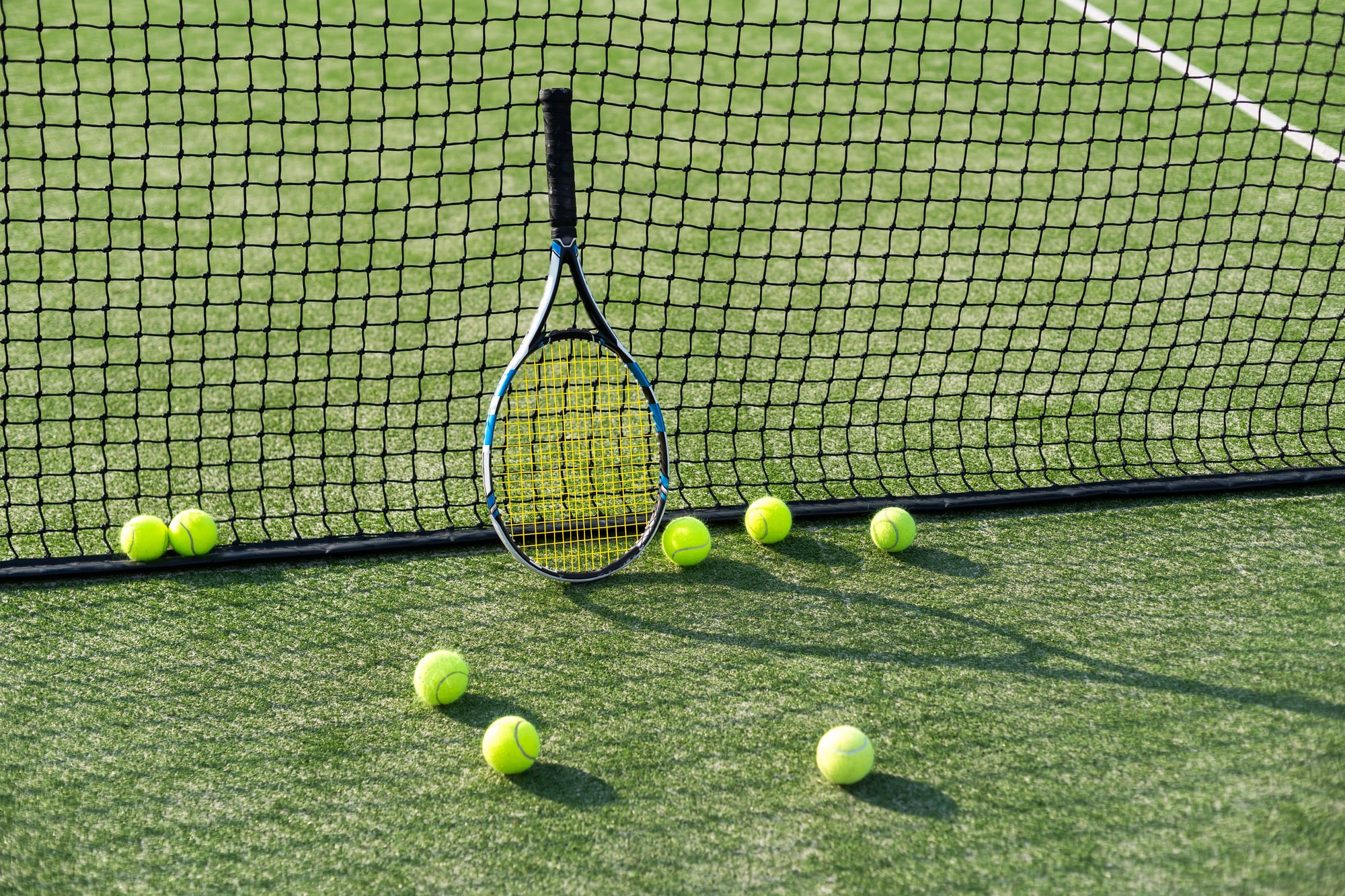
Wimbledon is one of the last major tournaments still played on grass, and that’s not nostalgia — it’s identity. Every other Grand Slam switched to clay or hard courts decades ago, but the All England Club kept the original surface, the one tennis was literally invented on.
The bounce is unpredictable, the footing is unforgiving, and the whole experience is unlike anything else on the tour.
All-White Dress Code

Players wear white. Not mostly white, not off-white — white.
The rule has been enforced since the 19th century, and Wimbledon enforces it with a specificity that would make a military inspector flinch: clothing must be “almost entirely in white,” with any trim or piping no wider than one centimeter. Manufacturers have tried to push the boundary every year, and every year, the All England Club pushes back.
Strawberries and Cream

Strawberries and cream at Wimbledon isn’t a menu item — it’s closer to a civic obligation. Around 28 tons of strawberries are consumed across the two-week tournament each year, served in the same simple paper cartons they’ve been served in for generations.
There’s no elaborate preparation, no modernized version, no “elevated” take on the dish — just strawberries, cream, and the vague sense that you’re doing something correctly.
Royal Patronage
The royal family’s connection to Wimbledon runs genuinely deep — not the kind of celebrity association that gets quietly dropped after a few years, but a relationship baked into the tournament’s institutional structure. The King is the official patron of the All England Club, and when a member of the royal family is present in the Royal Box, players have traditionally bowed or curtsied to acknowledge them.
That particular custom was relaxed in 2003 for everyone except the King and Queen, but the broader royal presence remains a fixed feature of the fortnight.
The Royal Box
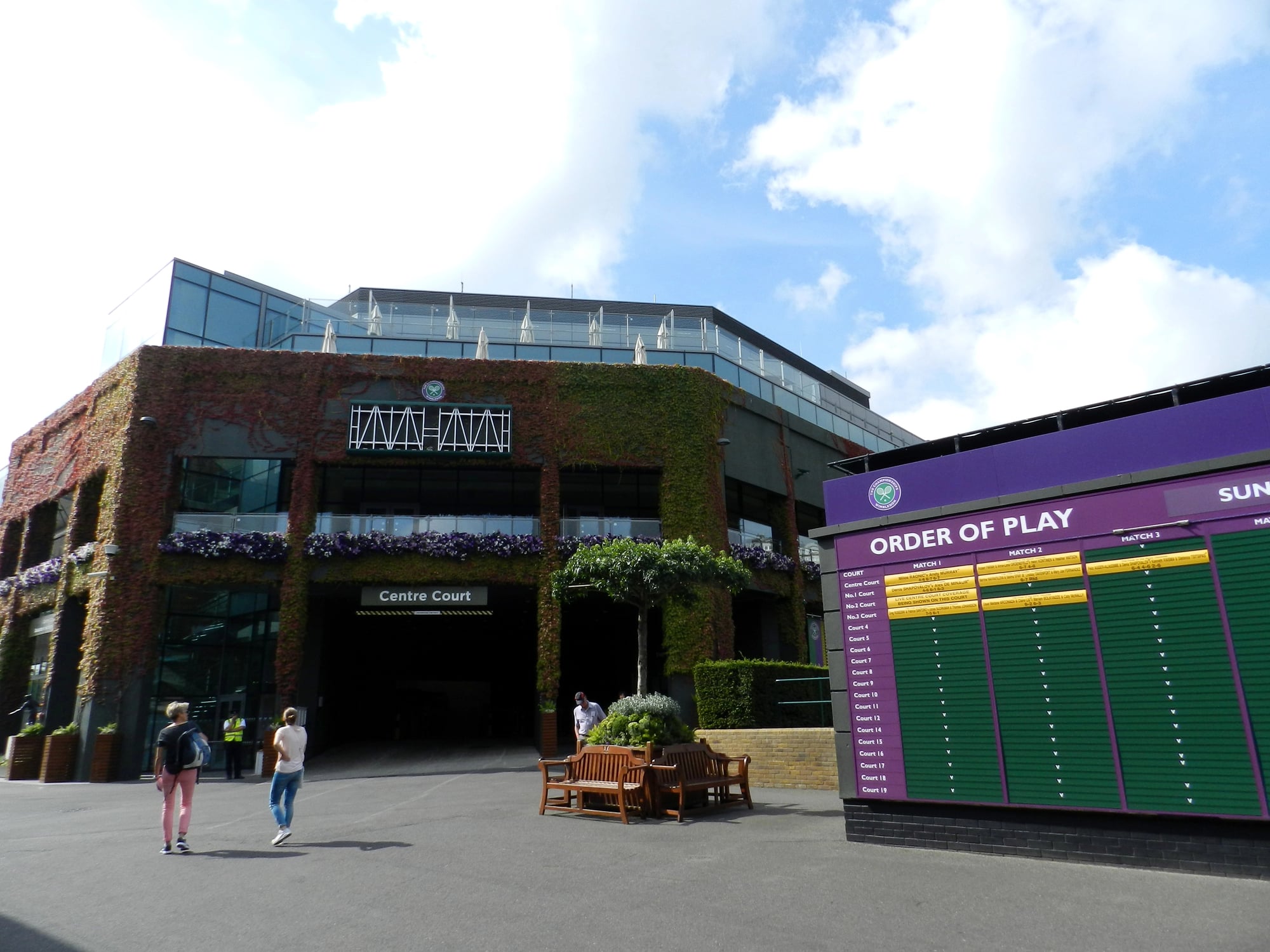
The Royal Box sits at Centre Court and seats exactly 74 people. Guests are personally invited by the All England Club, which keeps strict control over who sits there — politicians, athletes, performers, dignitaries — and the selection process is famously opaque.
No one in the Royal Box is permitted to eat or drink during play, which is either a mark of respect or the single most difficult rule ever imposed on a group of people watching a sporting event on a warm afternoon.
No Advertising on Centre Court
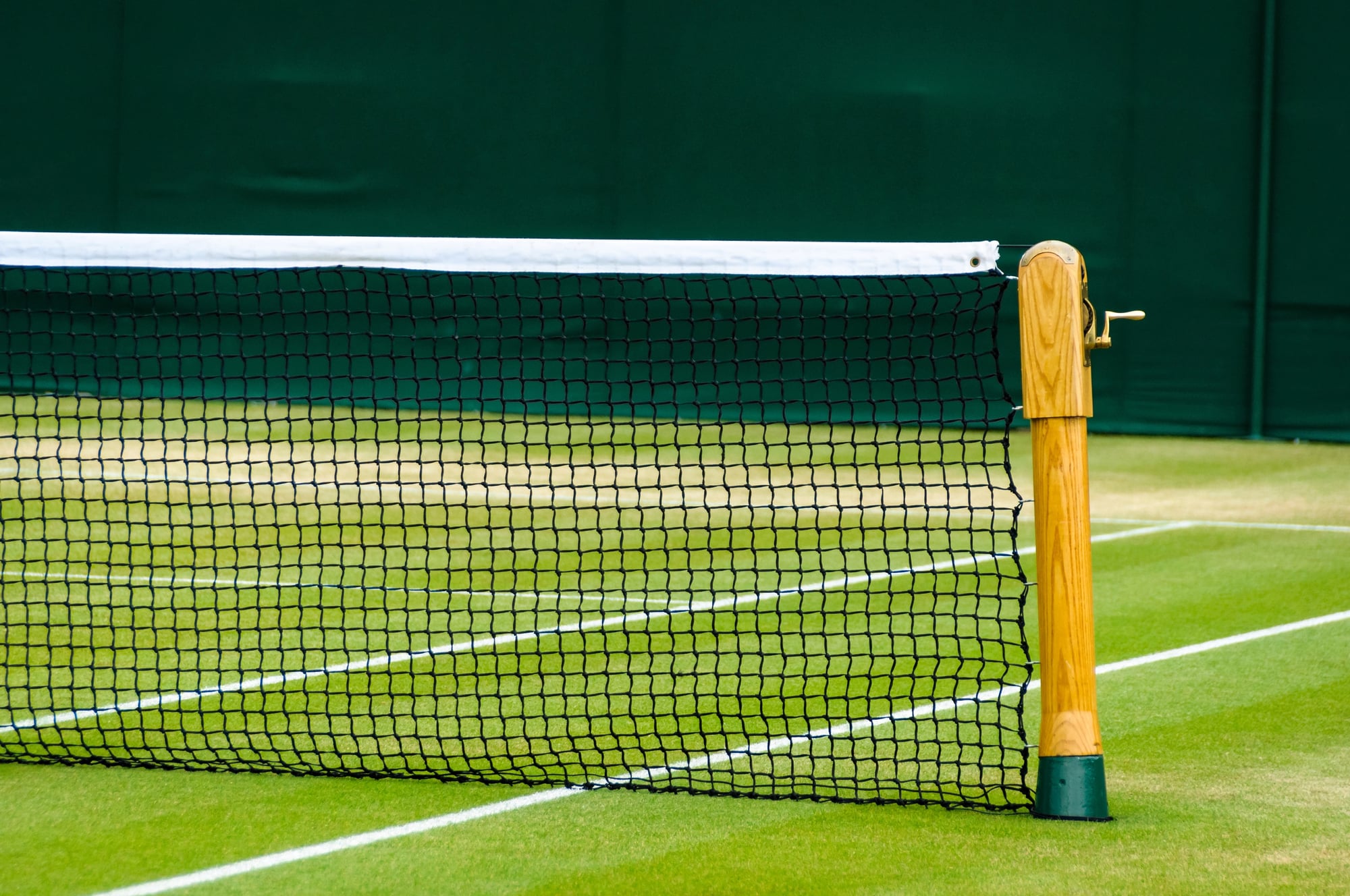
Centre Court at Wimbledon carries no courtside advertising. None.
In an era when every inch of a major sporting venue is typically sold to the highest bidder, the absence of branding on the show court is almost disorienting — like walking into a room where something is conspicuously missing, only to realize what’s missing is noise. The All England Club generates its revenue through other means, and the clean visual of the court is treated as non-negotiable.
The Queue
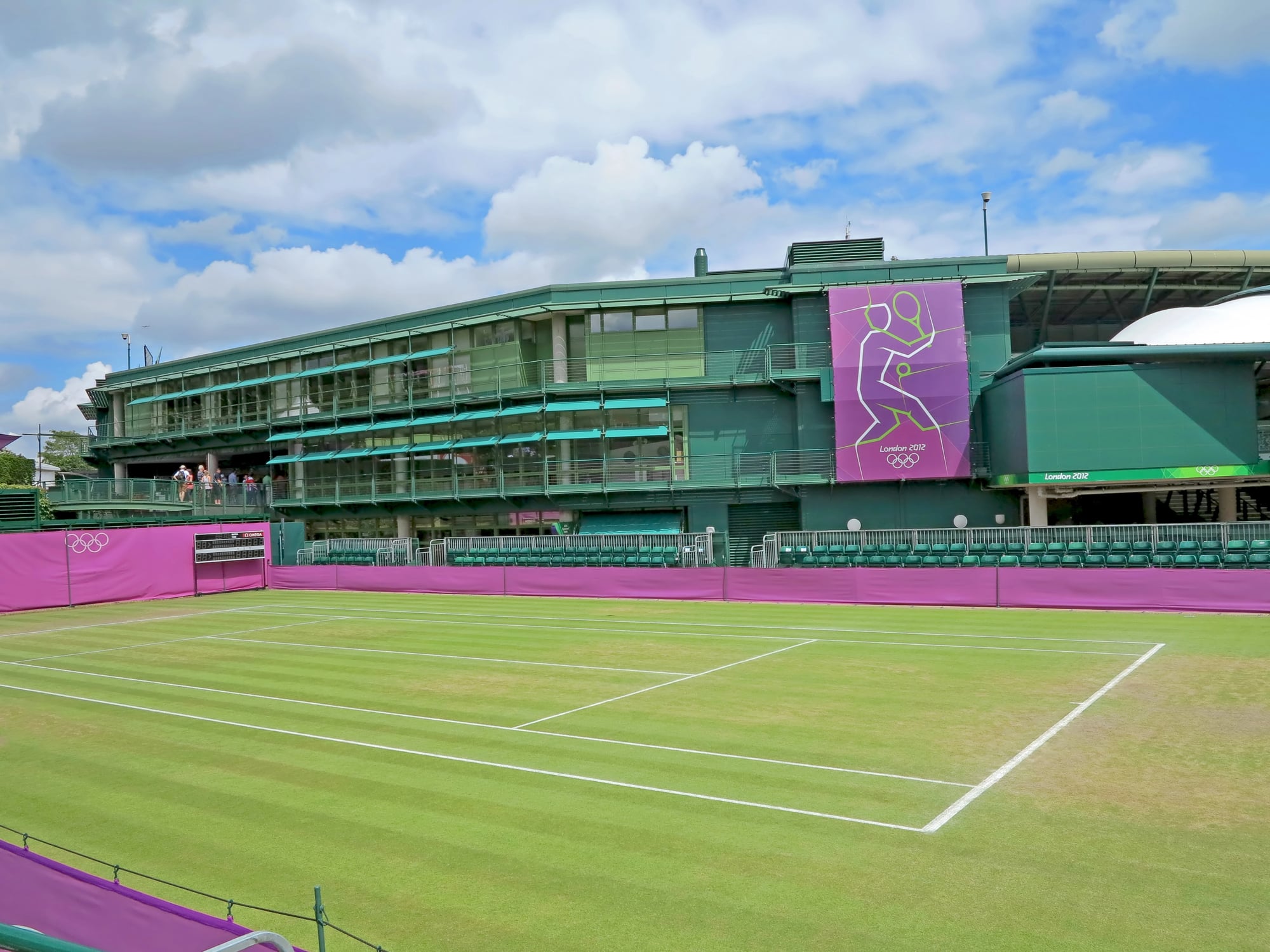
The Queue — capitalized, always, because it has earned it — is one of the more genuinely democratic rituals in professional sport. Tens of thousands of fans line up outside the grounds each year, sometimes camping overnight on the surrounding streets, waiting for the chance to buy same-day tickets.
The All England Club publishes an official “Queue” guide, which runs to multiple pages and covers everything from acceptable camping behavior to how to register your spot. It’s deeply inconvenient and people love it.
Deference to Tradition in Scheduling

Wimbledon does not play on the middle Sunday of the tournament — or at least, that was the firm tradition for most of its history (the “People’s Sunday” exceptions in 1991 and 1997 were weather-driven anomalies, not policy shifts). Scheduling is still governed by a set of priorities that prize continuity over convenience, and matches are still announced the evening before rather than weeks in advance, keeping the draw unpredictable in a way that modern sports scheduling has largely abandoned.
Hawk-Eye with Limits
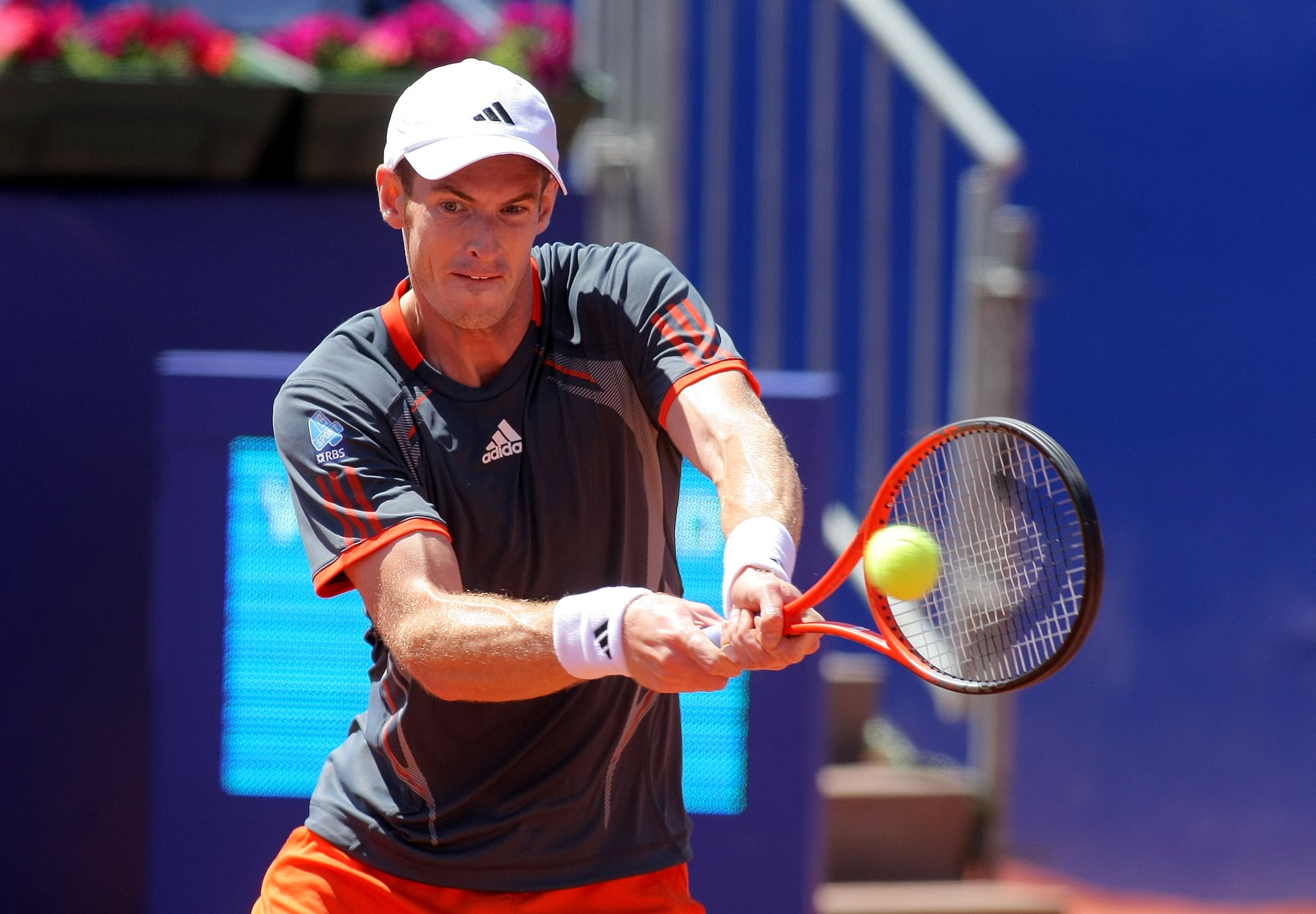
Wimbledon adopted Hawk-Eye line-calling technology, but for years it kept human line judges in place and used the technology only for player challenges — a deliberate half-measure that preserved the human element of officiating. The 2025 tournament marks a broader shift toward fully automated line calling, but the gradual, reluctant pace of that adoption says everything about Wimbledon’s relationship with change: it waits until waiting becomes genuinely untenable, and even then, it moves slowly.
The Coin Toss Ceremony

Before every match on the show courts, there’s a formal coin toss conducted by the chair umpire. It’s brief and procedural, but Wimbledon treats it with the same careful formality as every other part of the event — no shortcuts, no informality creeping in.
The small rituals get the same attention as the large ones, which is either admirable discipline or an institutional personality trait, depending on your patience level.
Silence During Play

Wimbledon crowds are expected to be quiet during points. Not quiet the way stadium crowds are technically asked to be quiet and then aren’t — actually quiet.
The tradition holds even as the tournament has attracted younger, louder, more demonstratively enthusiastic audiences over the years. The chair umpire will call for quiet, and the crowd, remarkably, obliges. It’s the kind of collective discipline that only works when everyone understands they’re participating in something with rules older than themselves.
Centre Court Roof Protocol
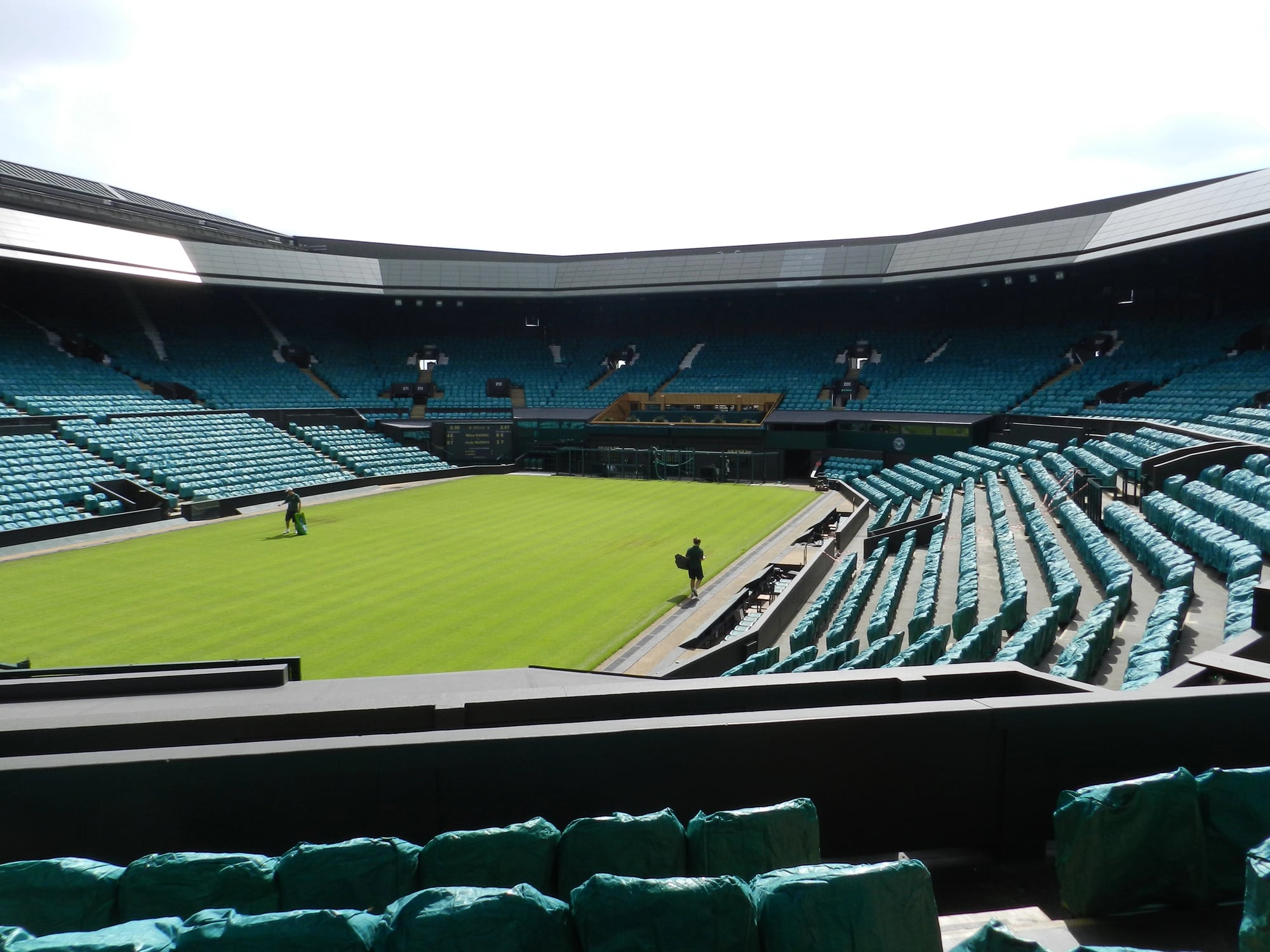
The retractable roof on Centre Court — added in 2009, expanded and joined by a second roof on Court One in 2019 — operates under its own set of protocols that reflect Wimbledon’s broader instinct for formality. The decision to close the roof isn’t casual; it involves consultation, a defined threshold of rainfall, and a waiting period.
The roof exists because rain delays were genuinely damaging the tournament’s schedule, but even the accommodation of modern infrastructure was handled with maximum ceremony.
The Order of Play Board
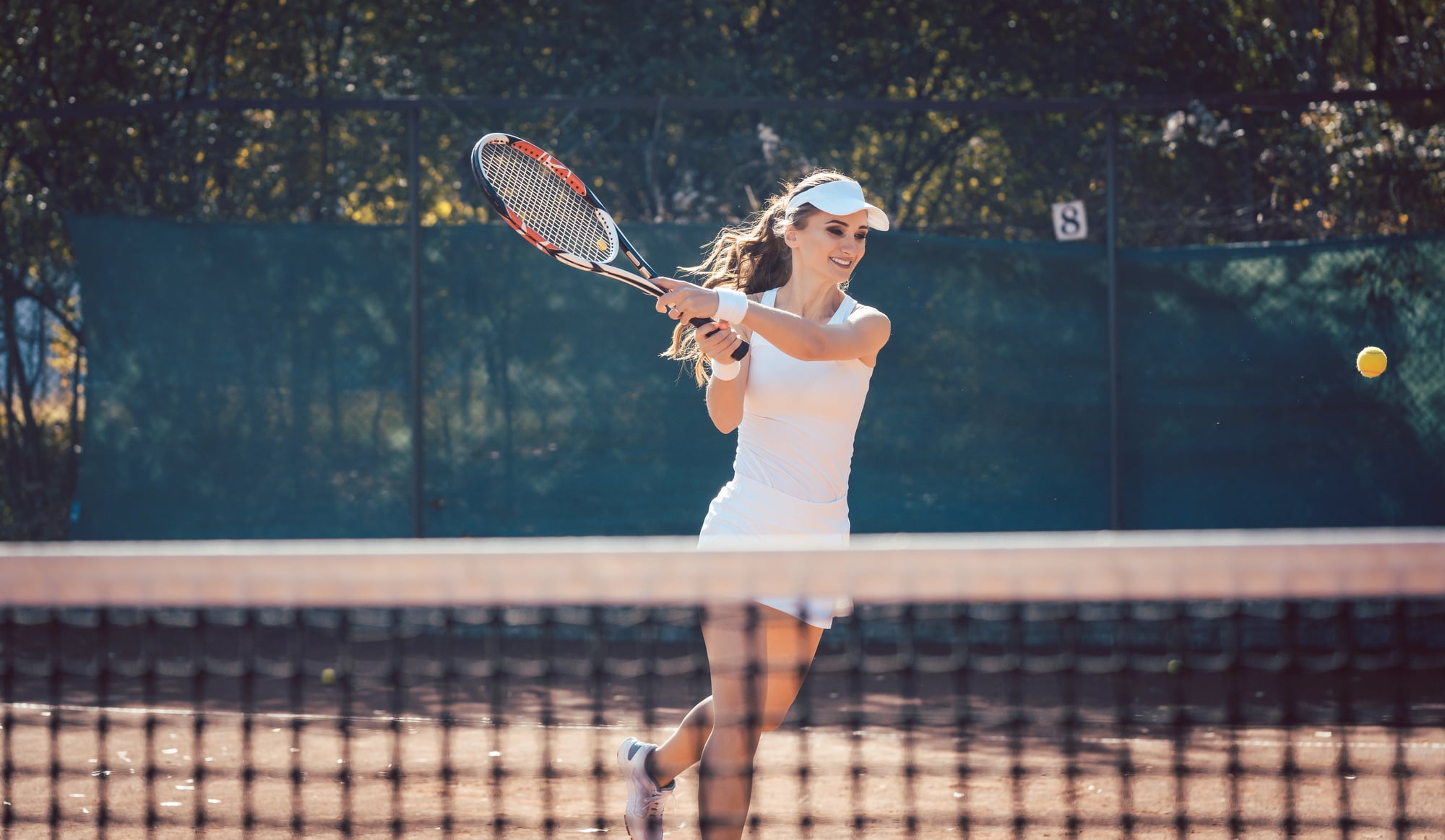
The Order of Play is still displayed on a physical board outside the grounds, updated each morning, drawing crowds of fans who gather to check which matches are happening and on which courts. In a world where this information is available on every smartphone within seconds, the physical board persists — and people still walk up to it, crane their necks, and read it like they’re checking a train departure board in 1974.
It’s charming in a way that nothing digital quite replicates.
Wimbledon’s Dark Green and Purple Colors
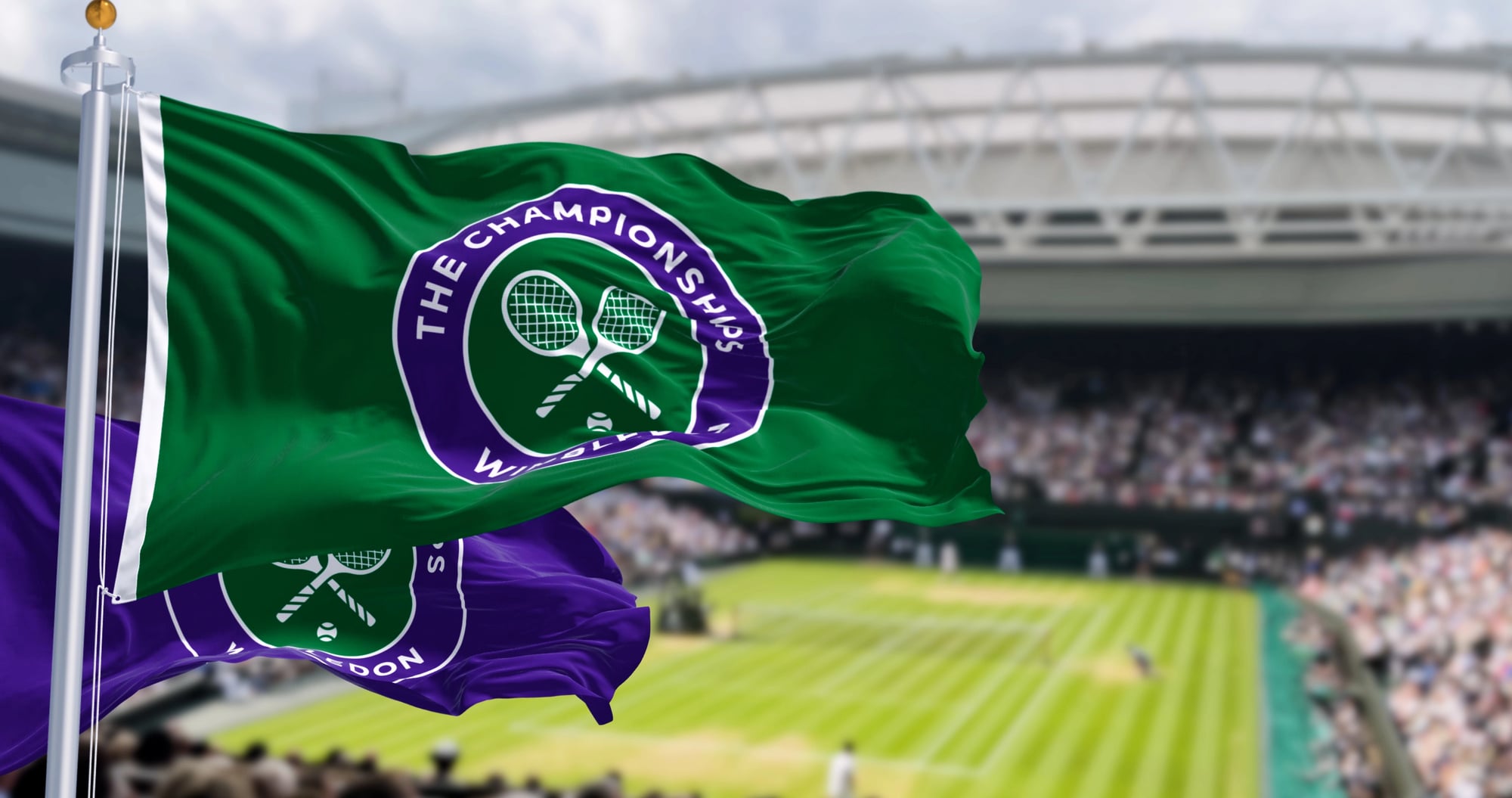
The tournament’s colors — dark green and purple — appear on everything from the uniforms of boys and girls to the official merchandise, the signage, and the ground staff’s clothing. The combination has never been updated, refreshed, or “rebranded.”
It’s one of the most recognizable color schemes in world sport, and Wimbledon knows perfectly well that its power comes entirely from age. Changing it would be like repainting a landmark — technically possible, obviously wrong.
Gentlemen’s and Ladies’ Singles Finals on Specific Days

The Ladies’ Singles final is held on a Saturday; the Gentlemen’s Singles final is held on a Sunday. That structure has remained consistent for decades and reflects Wimbledon’s commitment to treating the two finals as distinct ceremonial occasions rather than just scheduling conveniences.
The final Sunday, in particular, has the quality of a national event in Britain — roads quiet, televisions on, the kind of collective stillness that almost nothing else produces.
The Trophy Presentation Ceremony

The trophy presentations after the singles finals follow a fixed ceremonial script: the All England Club’s chairman presents the trophies on Centre Court, speeches are brief and traditional, and the whole affair runs with the same unhurried formality that governs everything else about the tournament.
Winners address the crowd, thank the tournament, and hold the trophy for the photographs — and even that feels less like a modern media obligation and more like something that’s simply always been done this way, which, at Wimbledon, is usually justification enough.
Where the Grass Still Holds
There’s something worth sitting with in all of this — the fact that Wimbledon’s most powerful quality isn’t the tennis, exactly, but the sense that some things can be protected from the relentless pressure to be newer, faster, and more monetized. Not everything Wimbledon does is sacred, and not every tradition it keeps is beyond reasonable criticism.
But the cumulative effect of all these rituals, held in place year after year, is a tournament that feels like it belongs to time rather than to any particular moment in it. You watch it, and something in you settles. That’s rarer than it sounds.
More from Go2Tutors!

- The Romanov Crown Jewels and Their Tragic Fate
- 13 Historical Mysteries That Science Still Can’t Solve
- Famous Hoaxes That Fooled the World for Years
- 15 Child Stars with Tragic Adult Lives
- 16 Famous Jewelry Pieces in History
Like Go2Tutors’s content? Follow us on MSN.



