Forgotten Apps We Used Bo Be Obsessed With
There was a time when a single app could stop conversations at dinner tables. Someone would pull out their phone, show everyone what was on their screen, and by the next morning half the country was downloading it.
The early smartphone era created this strange, fast-spinning cycle where apps went from “have you tried this?” to “oh yeah, that thing” in a matter of weeks. Some of these apps made hundreds of millions of dollars.
Some changed the way people talk to each other. And almost all of them are now collecting dust somewhere in the back of a phone nobody remembers to open.
If you lived through the 2010s with a smartphone in your pocket, a lot of these names are going to be different.
Vine — Six Seconds Was All It Took
Twitter bought Vine before it even launched, paying around $30 million for an app that let people record six-second looping videos. When it finally went live in January 2013, the thing took off like nothing the app store had seen before.
Within a few months it was the most downloaded video app in the world, and by 2015 it had over 200 million active users watching 1.5 billion loops every single day. The six-second limit sounds like a drawback, but it was actually what made the whole thing work.
Creators had to be fast, surprising, and funny all at once. A brand new style of comedy was born on that platform — quick cuts, absurd repetition, punchlines that landed in under three seconds.
Vine gave the world Logan Paul, Shawn Mendes, King Bach, and an entire generation of internet celebrities. Then it fell apart.
Vine never figured out how to pay its creators. A group of top Viners showed up and demanded $1.2 million each in exchange for staying on the platform.
Vine said no. The creators left.
By October 2016, Twitter announced it was shutting the whole thing down. Vine closed in January 2017.
Former Twitter CEO Jack Dorsey later called it his biggest regret. The legacy lives on though — TikTok is basically what Vine never got the chance to become.
BBM — Your PIN Was Your Social Currency

— Photo by vdovichenko
Before WhatsApp, before iMessage took over, there was BlackBerry Messenger. BBM launched in 2005 and quickly became the way people communicated on their phones.
It ran on data instead of eating up your text message allowance, and it had something nobody else offered at the time: read receipts. You knew exactly when someone had seen your message.
The culture around BBM was its own ecosystem. Everyone had a PIN — a unique code tied to their device — and sharing it was a social event.
Teens and young professionals would trade pins like phone numbers. At its height, BBM had around 190 million users worldwide.
BlackBerry phones became status symbols almost entirely because of the messenger. When the iPhone arrived and Android took over, BBM tried to adapt by launching on iOS and Android in 2013.
But by then WhatsApp had already filled the gap. BBM shut down its consumer service on May 31, 2019.
It pioneered read receipts, group chats, and media sharing — features that every messaging app copied afterwards — but it couldn’t survive the decline of the hardware it was built on.
Angry Birds — The Game That Took Over Everything
— Photo by rokas91
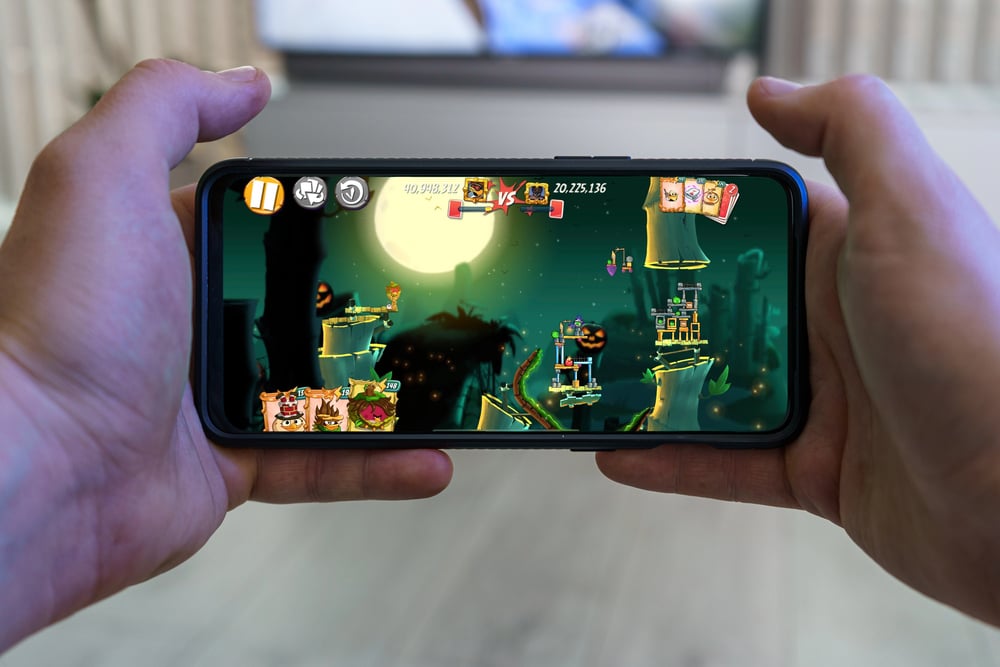
Rovio released Angry Birds in December 2009, and by 2012 it was a household name. The concept was absurdly simple: pull back a slingshot, fling a bird at a structure, knock down some pigs.
No complex controls. No tutorial needed.
Just pull and let go. The game accumulated over 4.5 billion downloads across all its versions.
It spawned two feature films, theme park rides, and a merchandise empire that stretched well beyond what any mobile game had achieved before. For a solid stretch, Angry Birds wasn’t just a game — it was a cultural event.
The craze faded as mobile gaming evolved and players moved on to newer titles. But Angry Birds proved something nobody really understood yet: the right simple idea, released at the right moment, could capture the attention of the entire planet.
Flappy Bird — The Game That Made Its Creator Disappear
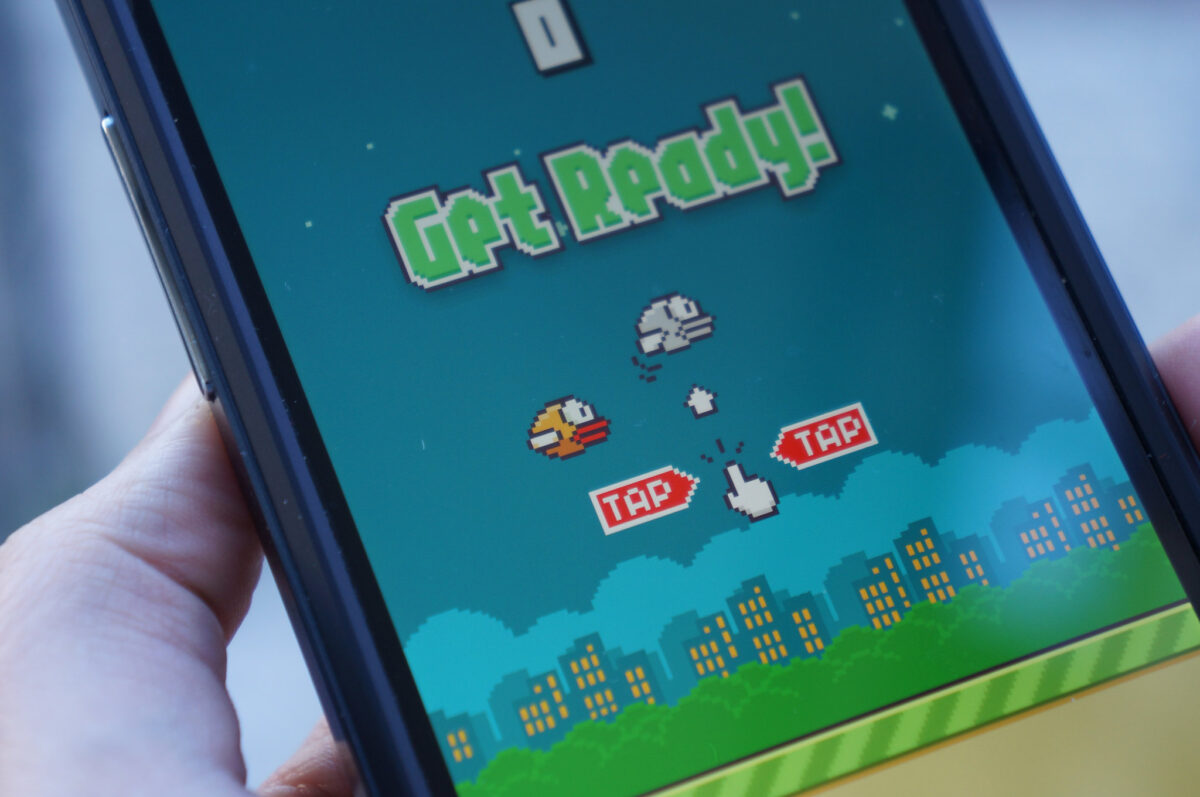
Vietnamese developer Dong Nguyen built Flappy Bird in two or three days. It sat in complete obscurity for months after its May 2013 release.
Then social media attention pushed it to the top of every app store chart on earth in January 2014. The game was almost impossibly difficult for something so basic.
Tap the screen to keep a little bird flying through gaps between green pipes. Miss once and it was over.
Players raged, shared screenshots of their high scores, and dared their friends to beat them. At its peak, Flappy Bird had 90 million downloads and was earning Nguyen about $50,000 a day through ads.
Then he pulled it. On February 10, 2014, Nguyen removed the game from both the App Store and Google Play. He said he felt guilty about how addictive it had become.
Phones with the game still installed started selling for ridiculous prices online. It remains one of the strangest exits in app history — a solo developer walking away from a fortune because the fame made him miserable.
Draw Something — Pictionary Goes Mobile
Draw Something hit iOS and Android in February 2012 and became the fastest-growing mobile game in history at that point. Within its first 50 days it racked up 50 million downloads.
Players were uploading over 3,000 drawings per second during peak periods. The concept was dead simple: one person draws a word, the other person guesses what it is.
Turn-based, asynchronous, and absurdly fun. Gaming company Zynga saw the momentum and bought the developer, OMGPOP, for $180 million just six weeks after launch.
It was one of the biggest mobile gaming acquisitions of its time. The crash was brutal.
Within a month of the sale, Draw Something lost nearly five million daily users. The game limped along for years before Zynga finally shut it down in December 2022.
The $180 million acquisition became one of the most talked-about bad deals in tech — a cautionary story about buying a company at the absolute peak of a viral moment.
Tumblr — A Billion-Dollar Platform That Sold for Pocket Change
Tumblr launched in 2007 as a short-form blogging platform where you could post text, images, videos, and GIFs. By the early 2010s it had become a genuine cultural force.
Artists, writers, fandoms, activist communities — they all made Tumblr their home base. At its peak in early 2014, the platform had over 100 million blogs and was generating more than 100 million new posts every day.
Yahoo bought Tumblr in 2013 for $1.1 billion. Within two years the acquisition had already gone wrong.
Yahoo wrote down $712 million of that value by 2016 after Tumblr failed to hit its revenue targets. Verizon bought Yahoo — and Tumblr along with it — in 2017.
Then in 2018, Tumblr banned adult content across the entire platform. The backlash was immediate.
Users left in huge numbers. In 2019, Automattic, the company behind WordPress, bought Tumblr for less than $3 million.
That’s a drop of over 99 percent from what Yahoo originally paid. Tumblr still exists and still has dedicated users, but its days as a mainstream platform are long gone.
Temple Run — The Game That Started an Endless Running Craze
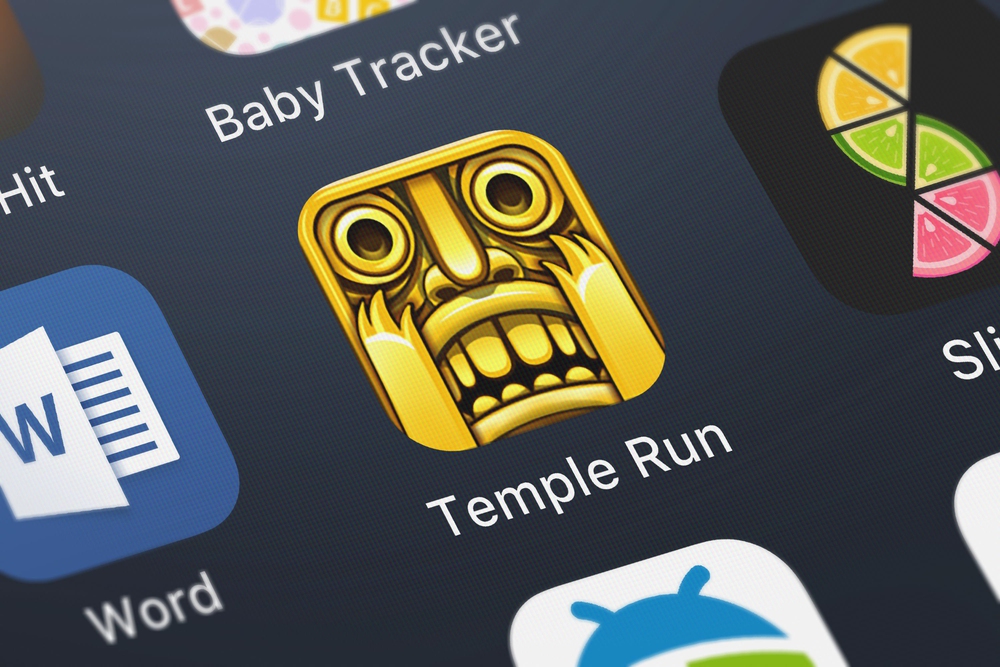
Temple Run launched in 2011 and instantly became the default game for anyone with a smartphone and five minutes to kill. The setup was straightforward: you sprinted through an ancient temple, dodging obstacles, collecting coins, and trying not to get caught by the creature chasing you from behind.
One wrong move and you fall off a cliff. The endless runner format turned out to be incredibly addictive.
Your score kept climbing, beating your previous best became the only goal, and there was always a reason to try one more time. Temple Run spawned countless imitators and basically defined the entire endless runner genre that still dominates casual mobile gaming.
Candy Crush — Social Gaming at Its Most Ruthless
— Photo by Mehaniq
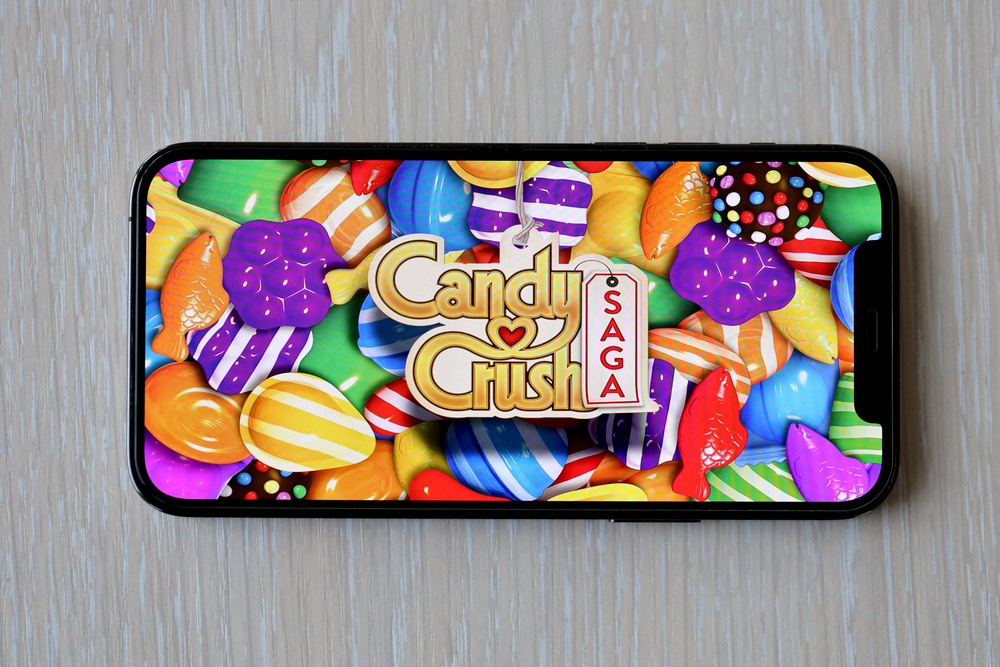
Candy Crush Saga launched on Facebook in 2012 before expanding to mobile, and it became one of the most played games in history. The match-three puzzle format was easy enough to pick up and deep enough to keep people hooked for months.
What made Candy Crush truly notorious was the social layer underneath the gameplay. The game constantly nudged you to ask your friends for help, lives, and in-game boosts.
At its peak it was pulling in over $1 million a day in revenue. King, the company behind it, went public in 2014 with a valuation built almost entirely on Candy Crush’s dominance.
The game still technically exists, but the frenzy of its early days has long since cooled off. It remains a textbook example of how mobile games turned social pressure into a monetization engine.
Words With Friends — Scrabble Came to Your Phone
— Photo by sharafmaksumov
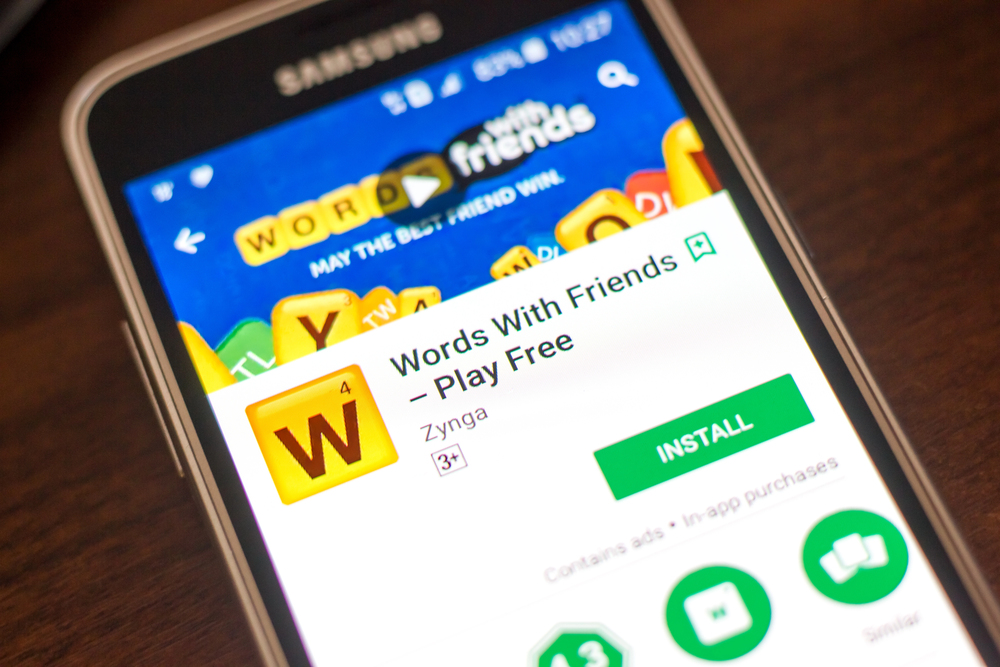
Zynga’s Words With Friends launched in 2009 and turned a classic board game format into a social mobile experience. The idea was simple: play a Scrabble-style word game against your friends on your own schedule.
No need to sit in the same room. No need to wait for anyone to finish their turn in real time.
At its peak, Words With Friends had tens of millions of active players. It crept into the cultural conversation in ways board games almost never do — people debated whether playing it during flights counted as rude, and it made headlines when celebrities were caught sneaking games in public.
The game faded as the mobile app market filled up with competitors, but it proved that social turn-based games had real appetite on smartphones and paved the way for an entire category of apps that followed.
MySpace — The Social Network That Ruled Before Facebook

— Photo by monticello
MySpace launched in 2003 and became the first social network to reach a truly global audience. By around 2007 it had over 100 million users and ranked as the third most visited website on the internet.
People spent hours customizing their profiles — picking background music, arranging their “Top 8” friend list, and decorating their pages with graphics and glitter. MySpace was where a lot of people first turned social media into a daily habit.
Musicians built fanbases there. Teenagers maintained friendships there.
It was chaotic and messy and completely addictive. Facebook overtook MySpace in 2008 and the decline was fast.
News Corp sold it in 2011 for $35 million — a tiny fraction of the $580 million it had originally paid. MySpace still exists in a stripped-down form, but it functions more as a digital artifact than an active social network.
Yik Yak — The Anonymous App That Couldn’t Handle Itself
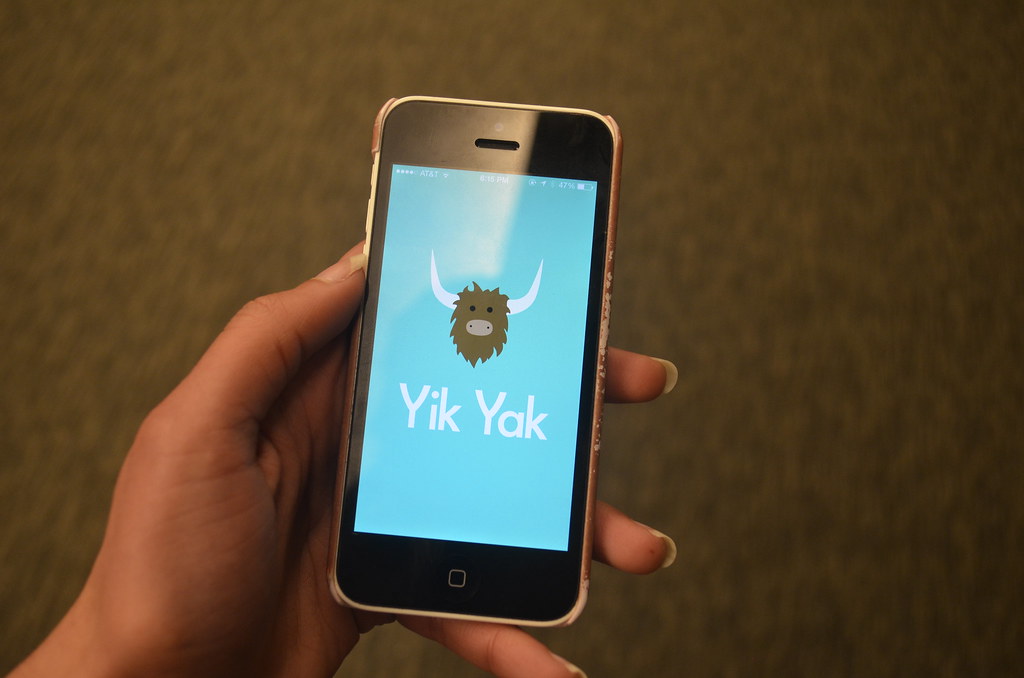
Yik Yak launched in 2013 and was immediately popular with high school and college students. The concept was straightforward: post anonymous messages visible to anyone within a five-mile radius.
No usernames, no profiles, no way to trace who said what. For a short window it was one of the most downloaded apps in the country.
The anonymity drew people in — finally a place to say things without your name attached. But that same anonymity turned the platform into a breeding ground for harassment and threats.
Schools banned it. Campuses dealt with serious incidents that made local news.
Yik Yak shut down in April 2017 after a string of controversies it never recovered from. It relaunched in 2021 with stricter moderation, but never regained any real traction.
The whole saga remains a stark lesson in what happens when a social platform launches without any real plan for how people will actually use it.
FarmVille — The Game That Built Zynga
— Photo by macropixel
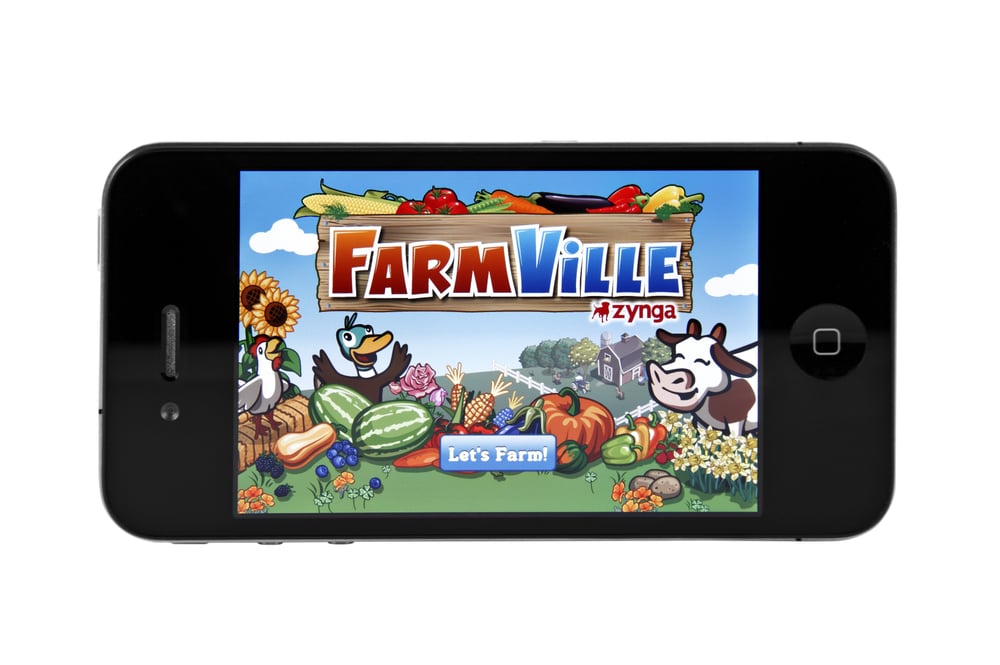
Before Candy Crush, before Draw Something, there was FarmVille. Zynga’s social farming game launched on Facebook in 2009 and became one of the most played games in the history of the platform.
At its peak it had over 83 million daily active users — all of them planting crops, tending animals, and showing off their farms to friends. The game was endlessly simple on the surface.
But the social mechanics underneath were where the real hook lived. Visiting friends’ farms, sending gifts, and competing over who had the biggest operation kept people coming back day after day.
FarmVille notifications flooded Facebook feeds to the point where people started complaining about them publicly. Zynga built an entire company on FarmVille’s back before branching into other social games.
The original FarmVille shut down on Facebook in December 2020, but it permanently changed how the industry thought about games on social platforms.
2048 — The Puzzle That Ate Weeks of Your Life
— Photo by opturadesign
2048 appeared in March 2014 and spread across the internet with almost no marketing behind it. A 19-year-old Italian developer named Gabriele Cirulli built it as a weekend project.
The rules were incredibly simple: slide numbered tiles across a grid, combine matching numbers, and try to reach the tile marked 2048. It sounds easy.
It was not easy. The game had a hypnotic quality that kept pulling you back — one more move, one more combination, just a little further.
Within two months, 23 million different people had played it. It became one of the most talked-about casual games of the year despite having zero marketing budget.
2048 proved that a single developer with a good idea and a free weekend could compete with studios spending millions. The game faded from daily conversation relatively quickly, but it remains one of the purest examples of a viral app built on nothing but the strength of its idea.
The Ghosts on Our Home Screens

What hits hardest when you think about all these apps? How fast they moved. Each jumped straight from constant chatter to distant memory in just months or years – nowhere near the span we used to see.
With smartphones came a strange shrinking of time, making even explosive trends feel fleeting, almost laughable. Yet every single one made an impression that lasted.
From Vine came the way we now shoot quick videos online. Not long after, BBM rolled out tools later borrowed by WhatsApp and nearly all chat apps.
Then Angry Birds arrived, revealing that phone games might capture global imagination like festivals do. Right when no one expected it, Flappy Bird demonstrated how a bare-bones concept, hitting its time just so, could dominate minds everywhere almost instantly.
Something called Draw Something made phones feel like sketchbooks where friends could play together. Way back when, Tumblr let kids find their voice on the internet long before anyone else caught on.
What lived inside those icons wasn’t mere software. A young crowd found fun, chats, and even friendship through tiny glowing rectangles.
Many faded out too soon, without proper farewells. Yet voices return to them now and then; names pop up in old stories, efforts spark online revival dreams – proof enough of their quiet impact.
More from Go2Tutors!

- The Romanov Crown Jewels and Their Tragic Fate
- 13 Historical Mysteries That Science Still Can’t Solve
- Famous Hoaxes That Fooled the World for Years
- 15 Child Stars with Tragic Adult Lives
- 16 Famous Jewelry Pieces in History
Like Go2Tutors’s content? Follow us on MSN.