15 Superstitions That Actually Changed Major Wars
Throughout history, military leaders have made decisions based on omens, rituals, and beliefs that seem absurd by today’s standards. Yet these superstitions often influenced the course of entire conflicts, sometimes determining victory or defeat in ways that rational strategy alone couldn’t predict.
From ancient Rome to modern warfare, commanders have delayed attacks because of unfavorable bird flights, changed battle plans based on dream interpretations, and even shifted entire campaigns due to astrological readings. Here is a list of 15 superstitions that genuinely altered the trajectory of major wars.
Caesar’s Soothsayer Warning
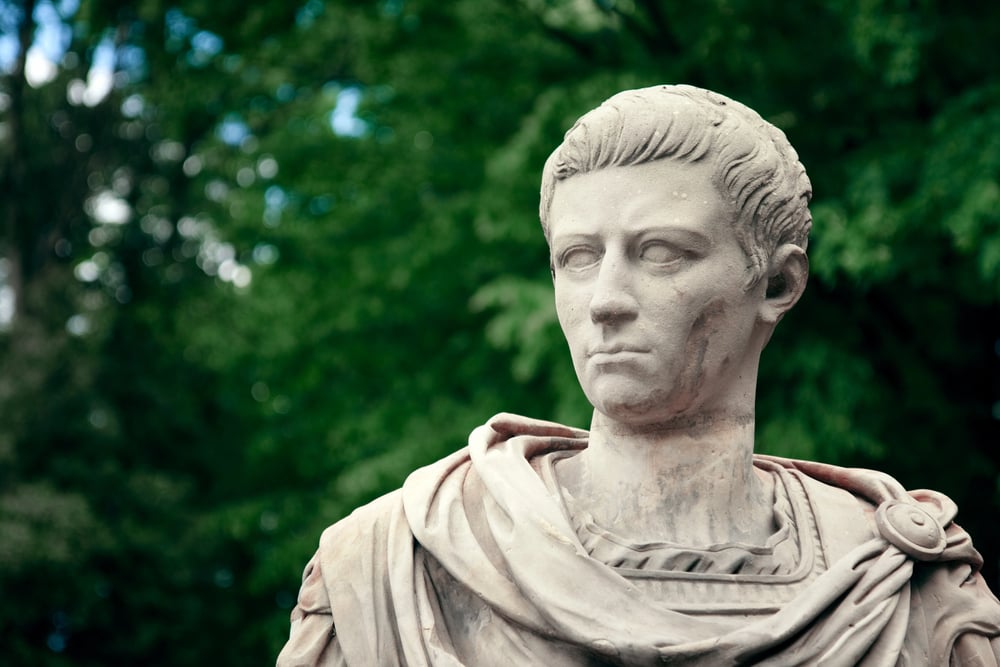
Julius Caesar received a famous warning to ‘beware the Ides of March,’ but this wasn’t his only encounter with supernatural guidance during warfare. Before crossing the Rubicon River in 49 BCE, Caesar consulted multiple soothsayers who interpreted the flight patterns of birds as favorable omens for his civil war against Pompey.
This divination convinced him to proceed with his march on Rome, fundamentally changing the Roman Republic forever.
Napoleon’s Lucky Star Belief
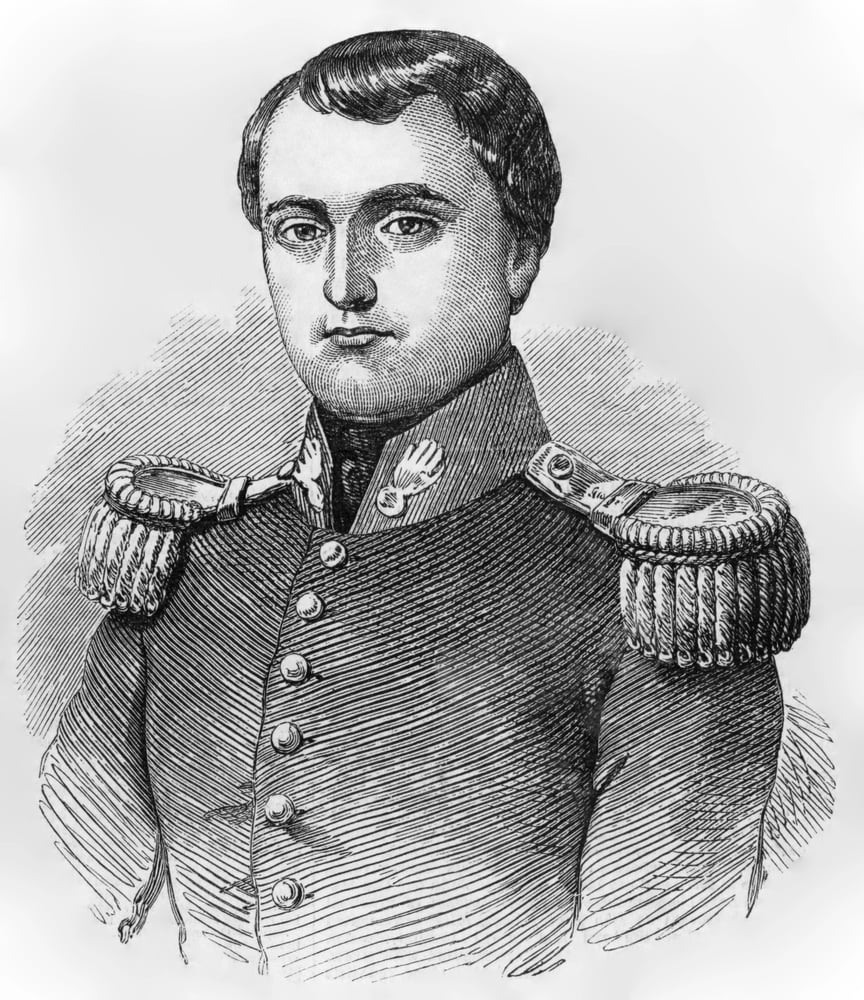
Napoleon Bonaparte famously asked about his generals, ‘Is he lucky?’ but he also believed deeply in his own destined fortune guided by a personal star. During the Russian campaign of 1812, Napoleon ignored practical advice from his marshals partly because he believed his star would guide him to victory.
This superstitious confidence led him to advance too far into Russia without proper winter preparations, resulting in one of history’s most catastrophic military retreats.
Like Go2Tutors’s content? Follow us on MSN.
Attila’s Sword of Mars
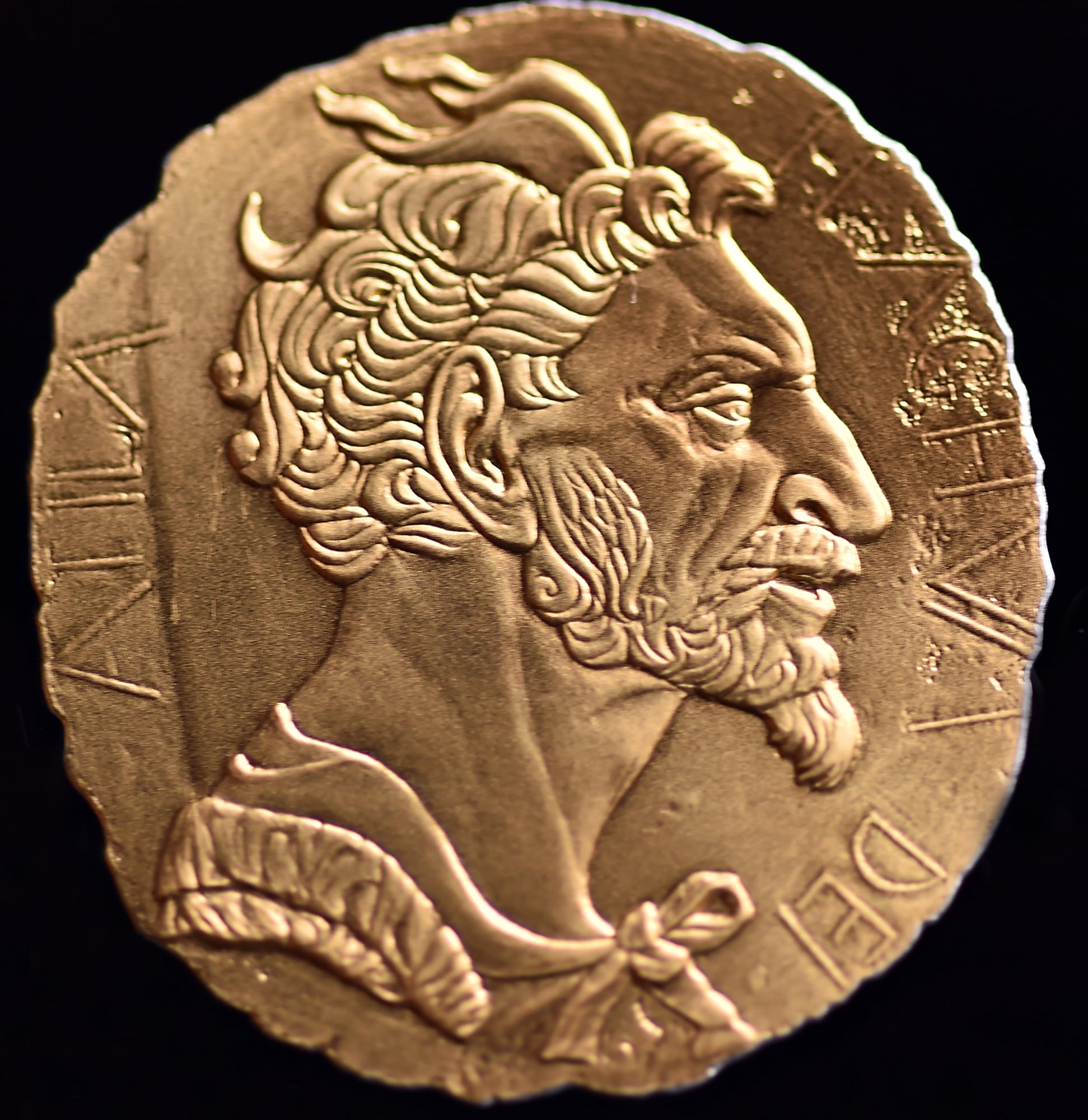
Attila the Hun claimed to possess the actual sword of Mars, the Roman god of war, which supposedly made him invincible in battle. This belief drove his aggressive expansion across Europe in the 5th century, as he genuinely thought divine weaponry guaranteed his success.
The psychological impact on both his own troops and his enemies was enormous—many opposing forces surrendered without fighting when they heard Attila wield the god’s own blade.
Hitler’s Astrology Obsession
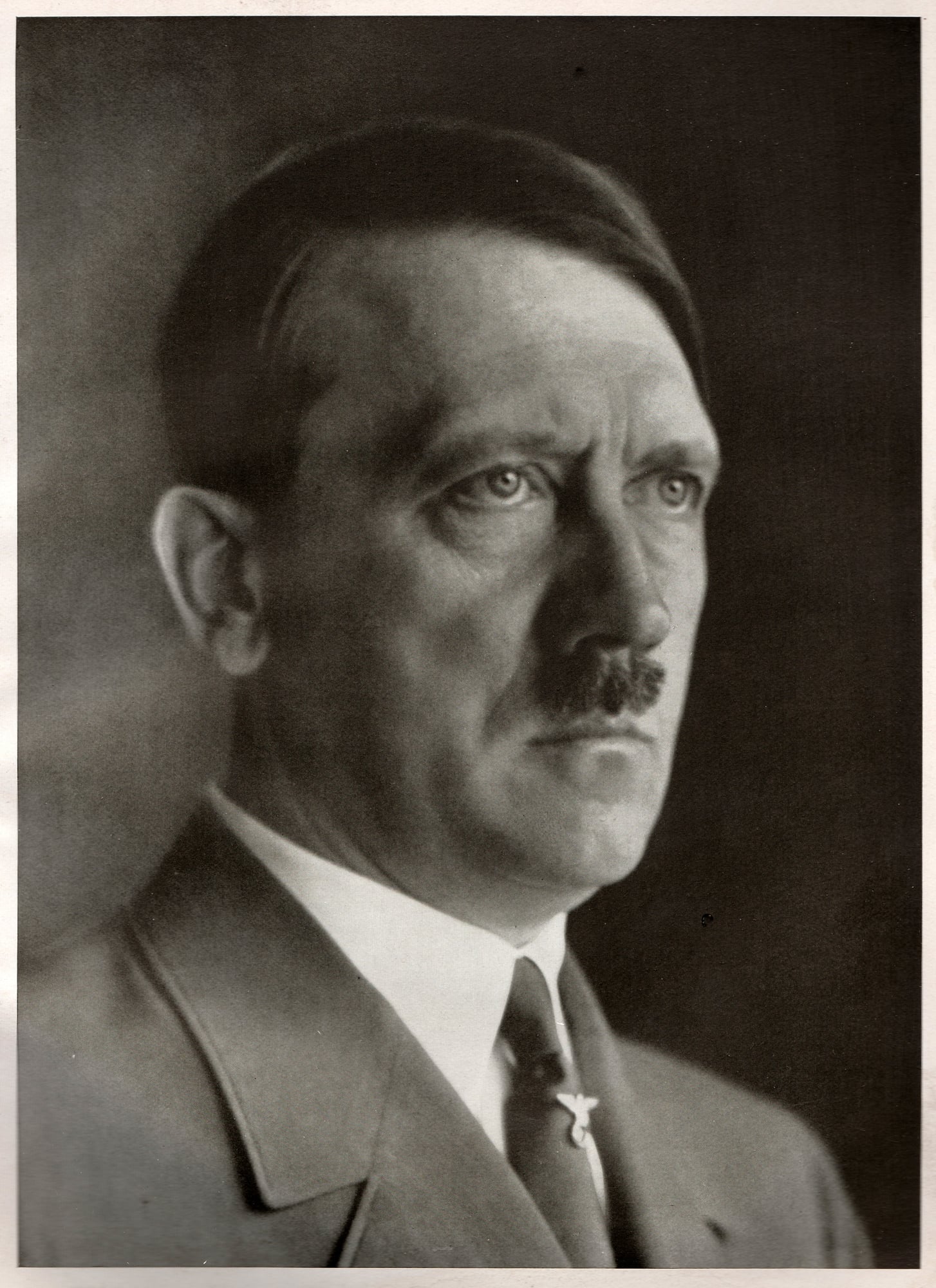
Adolf Hitler and many Nazi leaders consulted astrologers regularly during World War II, making crucial military decisions based on planetary alignments and horoscope readings. Karl Ernst Krafft, Hitler’s personal astrologer, influenced the timing of several operations, including aspects of the invasion of France.
The Allies eventually discovered this weakness and began spreading false astrological predictions to confuse German decision-making.
Alexander’s Oracle at
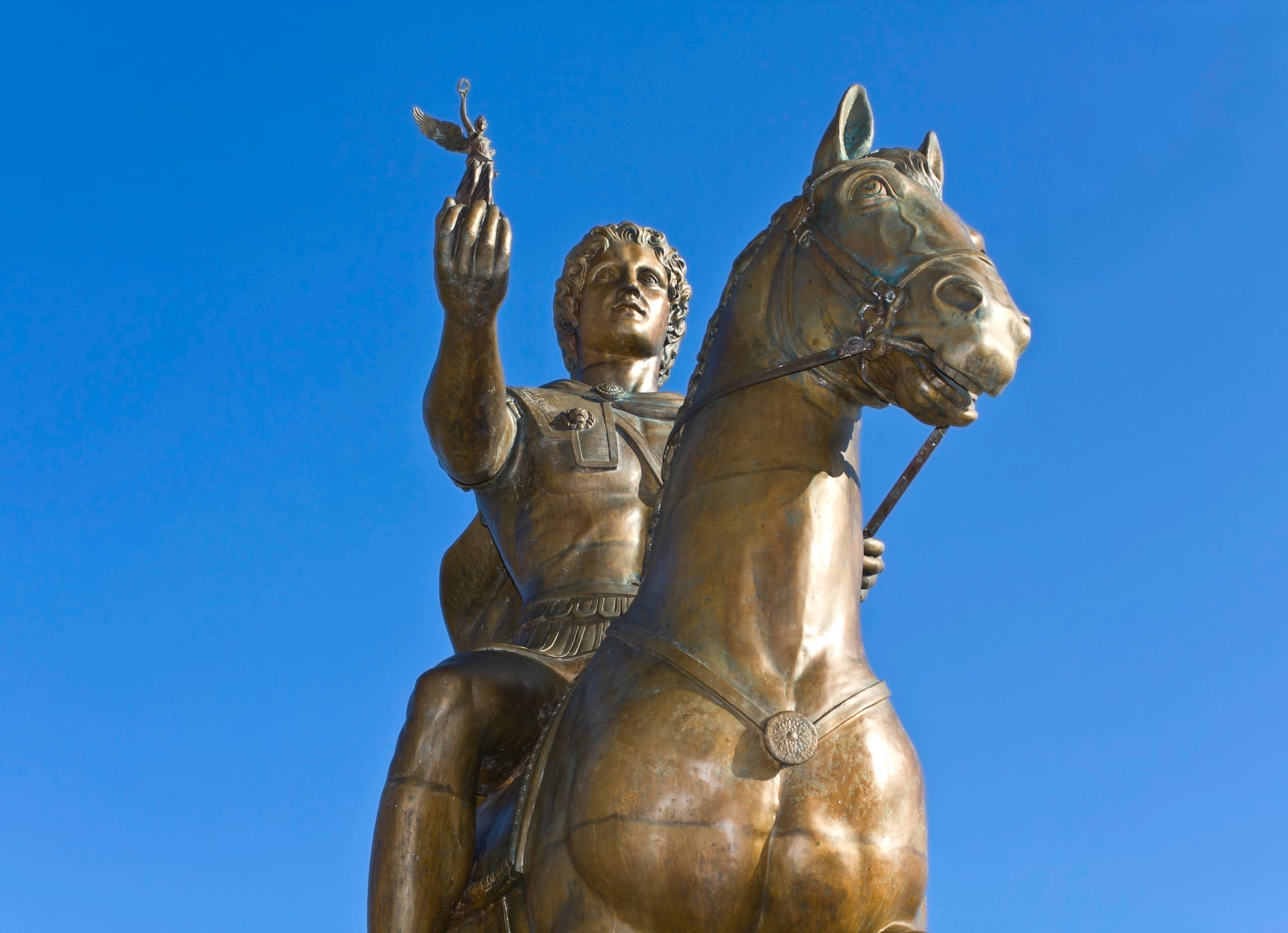
Alexander the Great traveled hundreds of miles out of his way to consult the Oracle at Siwa Oasis, seeking confirmation that he was the son of Zeus. The oracle’s proclamation that he was indeed divinely descended gave Alexander the confidence to attempt his seemingly impossible conquest of the Persian Empire.
This detour and the resulting divine endorsement transformed his military campaigns from regional conflicts into a world-conquering expedition.
Like Go2Tutors’s content? Follow us on MSN.
Hannibal’s Dream Visions
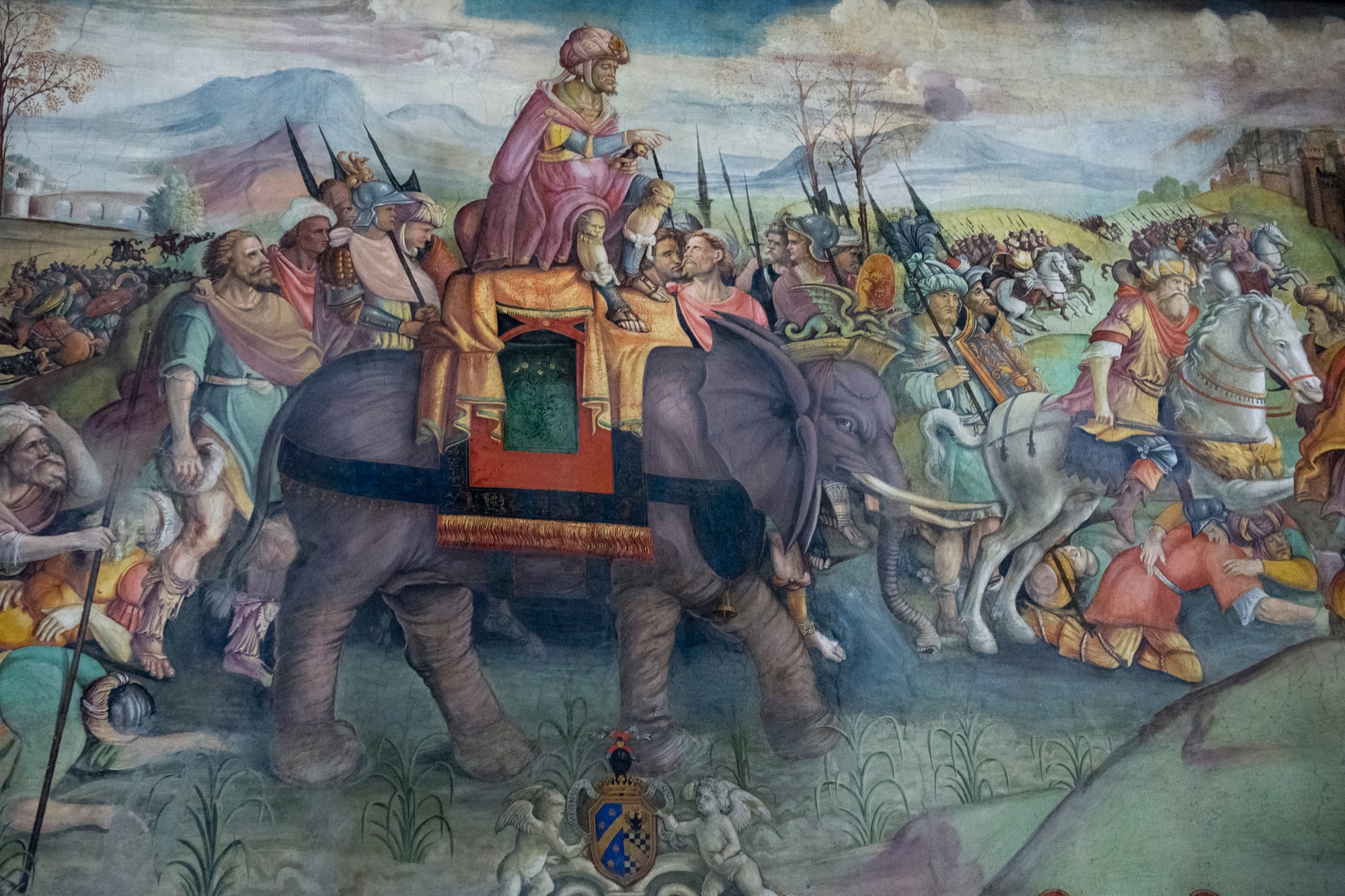
Before crossing the Alps with elephants in 218 BCE, Hannibal claimed to have received a prophetic dream showing him a divine guide leading him to Rome’s destruction. This vision convinced him to attempt the nearly impossible mountain crossing, which became one of military history’s most audacious maneuvers.
The dream’s influence led directly to his surprise attack on Roman territory, fundamentally shifting the Second Punic War’s dynamics.
Joan of Arc’s Divine Voices

Joan of Arc’s claim to hear voices from saints Michael, Margaret, and Catherine directly influenced French military strategy during the Hundred Years’ War. Her supernatural guidance led to the lifting of the siege of Orléans in 1429, a turning point that reinvigorated French resistance against English occupation.
Without her mystical visions driving military decisions, France might have remained under English control for centuries longer.
William the Conqueror’s Comet
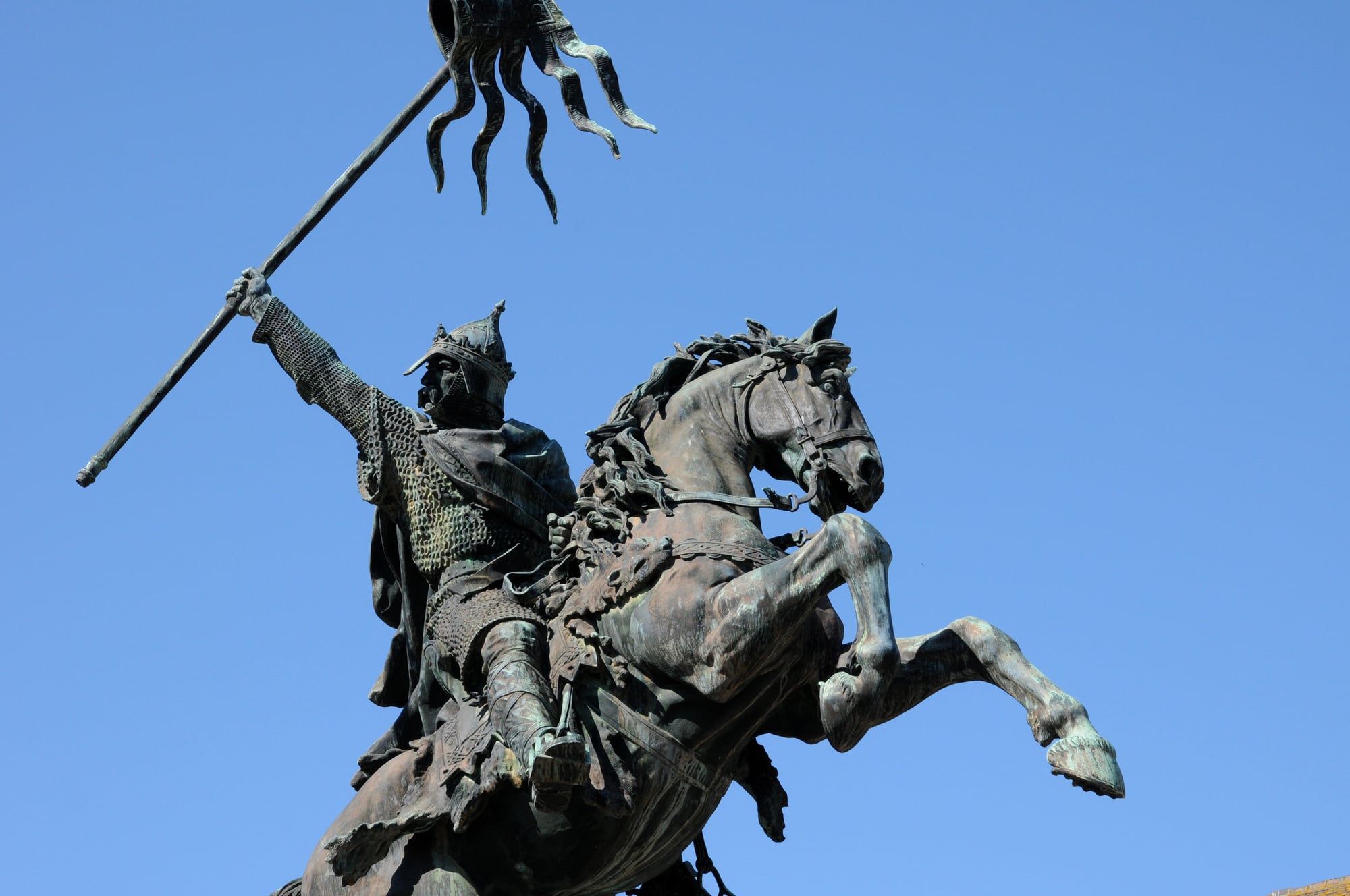
The appearance of Halley’s Comet in 1066 was interpreted as an omen favoring William’s invasion of England. This celestial sign convinced many Norman nobles to support his risky cross-channel assault on Harold Godwinson’s forces.
The superstitious interpretation of the comet helped William gather the resources and support necessary for the Battle of Hastings, which completely transformed English history.
Like Go2Tutors’s content? Follow us on MSN.
Crassus and the Sacred Chickens
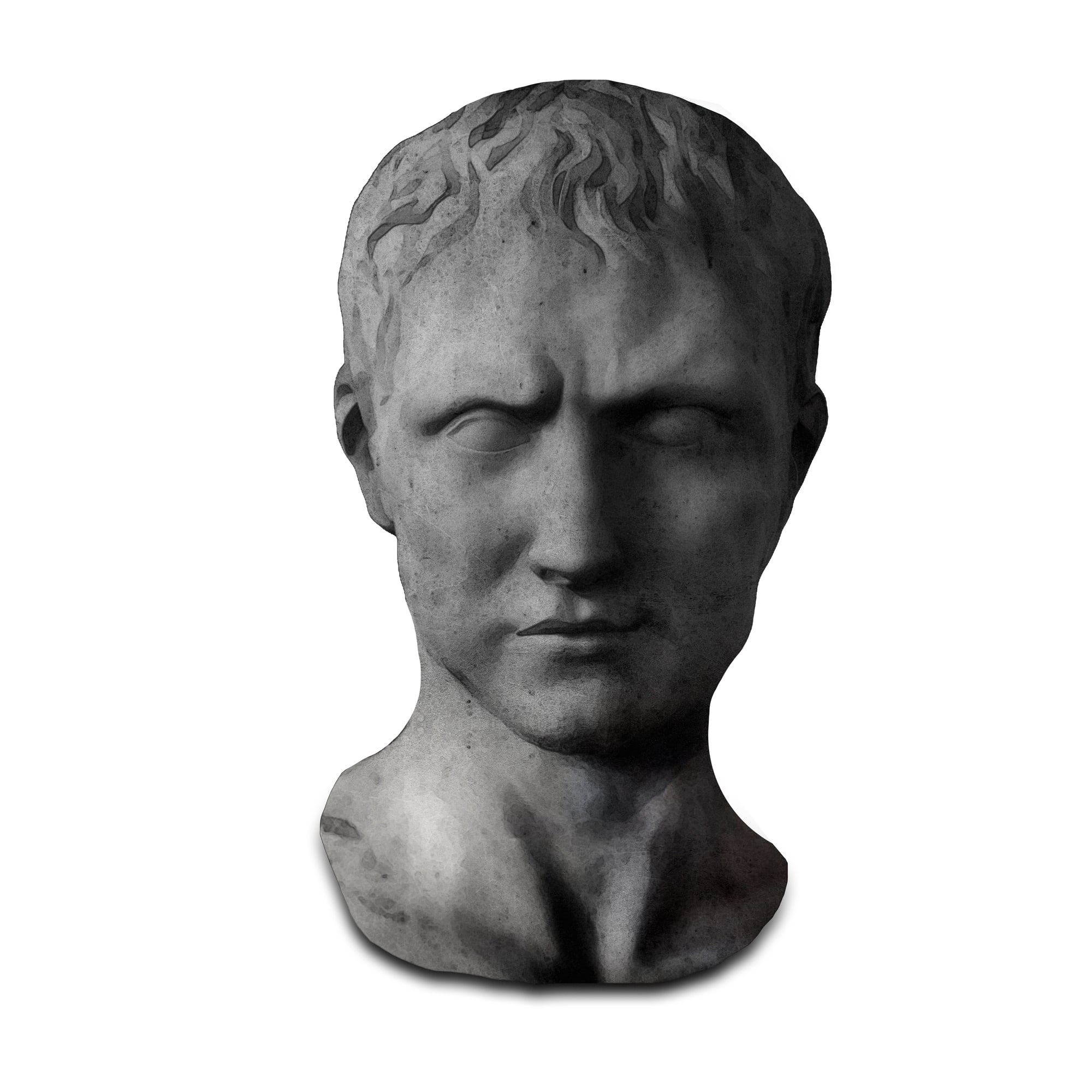
Roman general Marcus Licinius Crassus ignored the traditional chicken augury before his campaign against the Parthians in 53 BCE. When the sacred chickens refused to eat—considered a terrible omen—his officers begged him to postpone the invasion.
Crassus dismissed their superstitions and proceeded anyway, leading to his catastrophic defeat and death at the Battle of Carrhae, which ended Roman expansion eastward for generations.
Octavian’s Eagle Sign
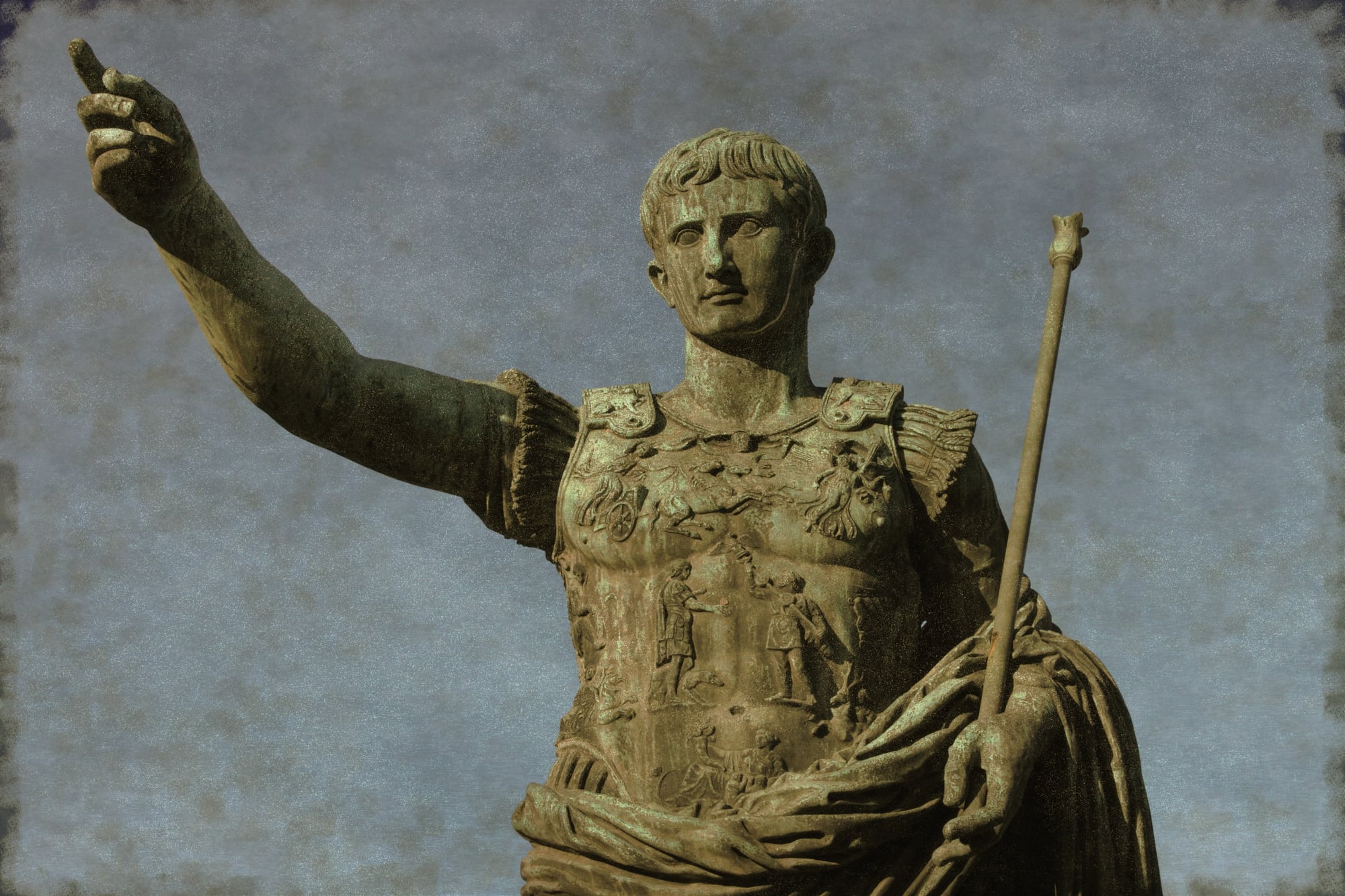
Before the Battle of Actium in 31 BCE, Octavian (later Augustus) witnessed an eagle landing on his ship, which Roman augurs interpreted as Jupiter’s blessing. This omen gave him the confidence to engage Mark Antony and Cleopatra’s larger fleet in decisive naval combat.
The superstitious interpretation of the eagle’s appearance influenced his tactical decisions, leading to the victory that made him Rome’s first emperor.
Charles XII’s Meteor
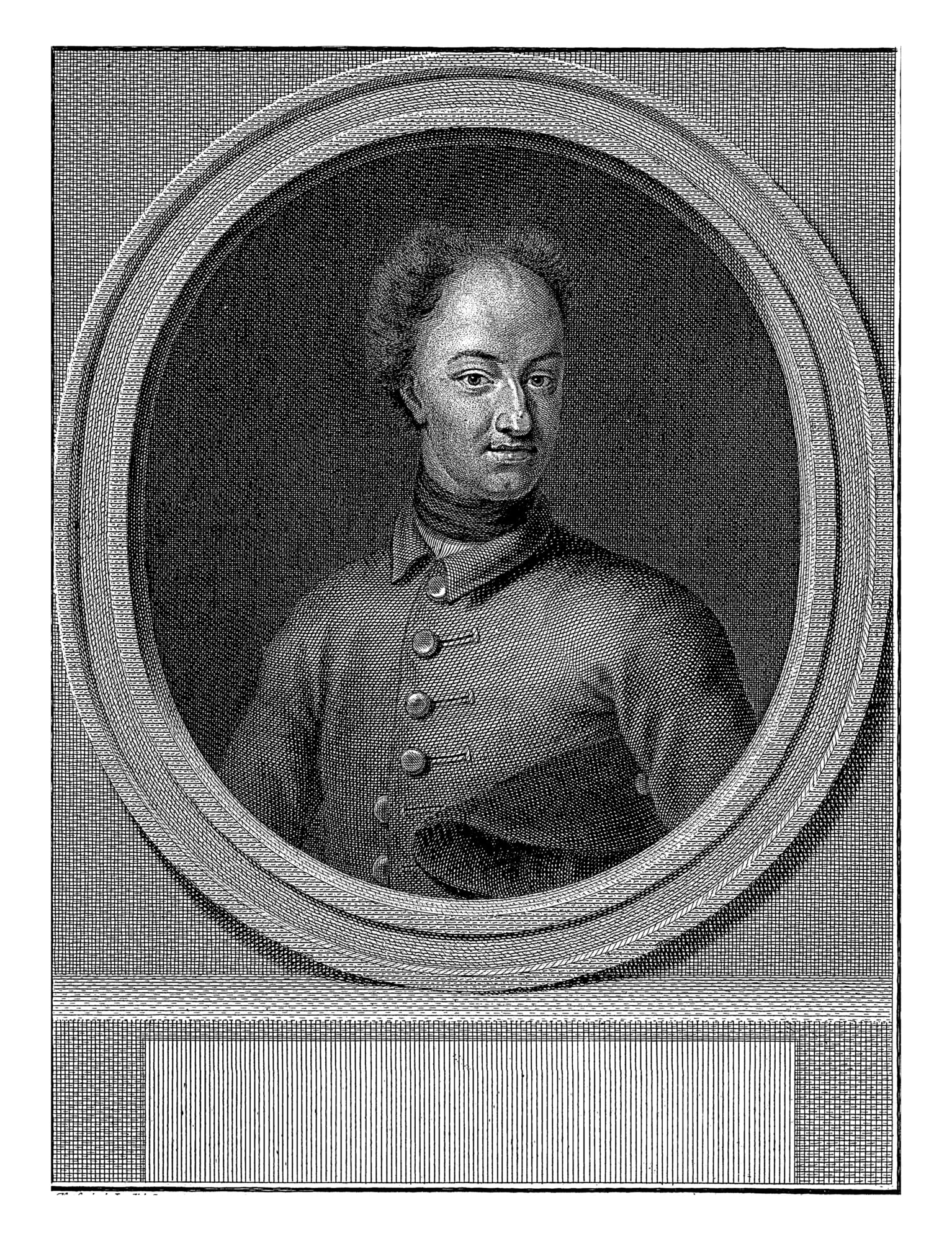
Swedish King Charles XII interpreted a meteor sighting in 1708 as divine approval for his invasion of Russia during the Great Northern War. This astronomical event convinced him to advance deeper into Russian territory rather than consolidating his previous victories.
His superstitious reading of the meteor led to the disastrous Battle of Poltava, which ended Sweden’s era as a great European power.
Like Go2Tutors’s content? Follow us on MSN.
Xerxes and the Eclipse
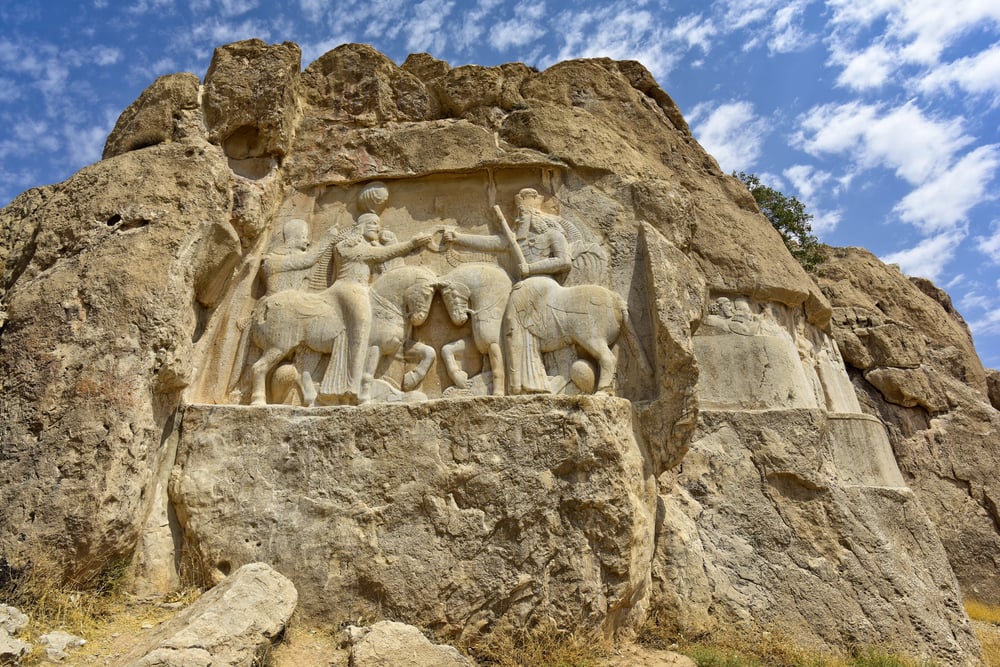
Persian King Xerxes delayed his massive invasion of Greece for days because a solar eclipse occurred just before his planned departure. His magi interpreted the eclipse as the gods hiding the sun from the Greeks, predicting their doom.
This superstitious delay gave the Greek city-states additional time to prepare their defenses, contributing to the eventual Persian defeat at battles like Thermopylae and Salamis.
Cortés and the Aztec Prophecy
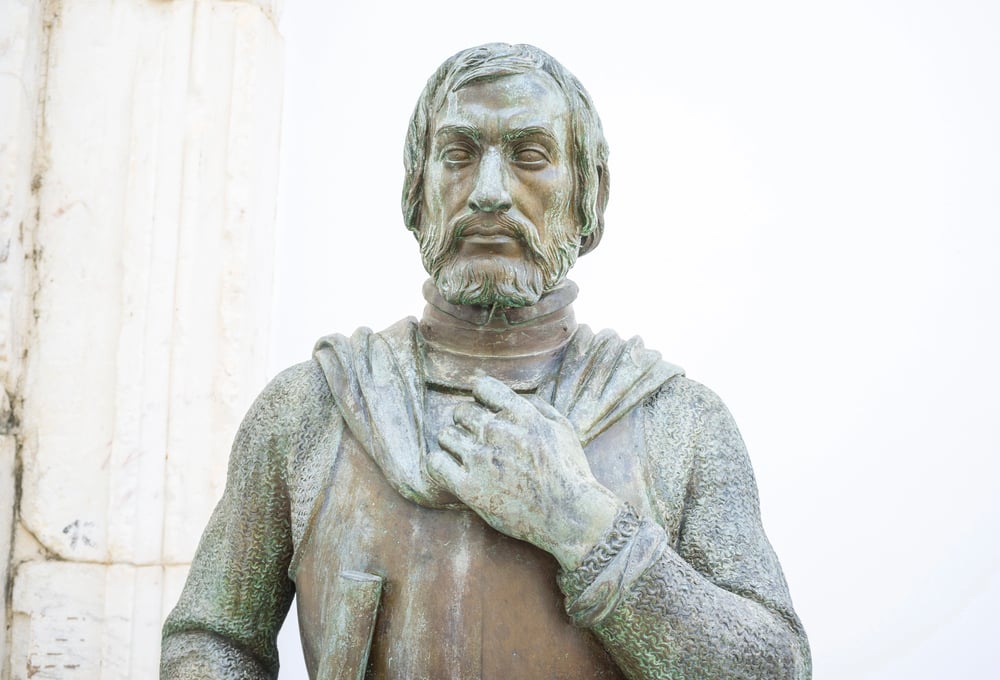
Hernán Cortés’s conquest of the Aztec Empire was aided by the indigenous belief that he fulfilled the prophecy of Quetzalcoatl’s return. Montezuma’s superstitious interpretation of Cortés as a returning god prevented immediate military resistance when Spanish forces first arrived.
This religious misconception gave Cortés time to establish alliances with enemy tribes and plan his assault on Tenochtitlan.
Saladin’s Dream Interpretation
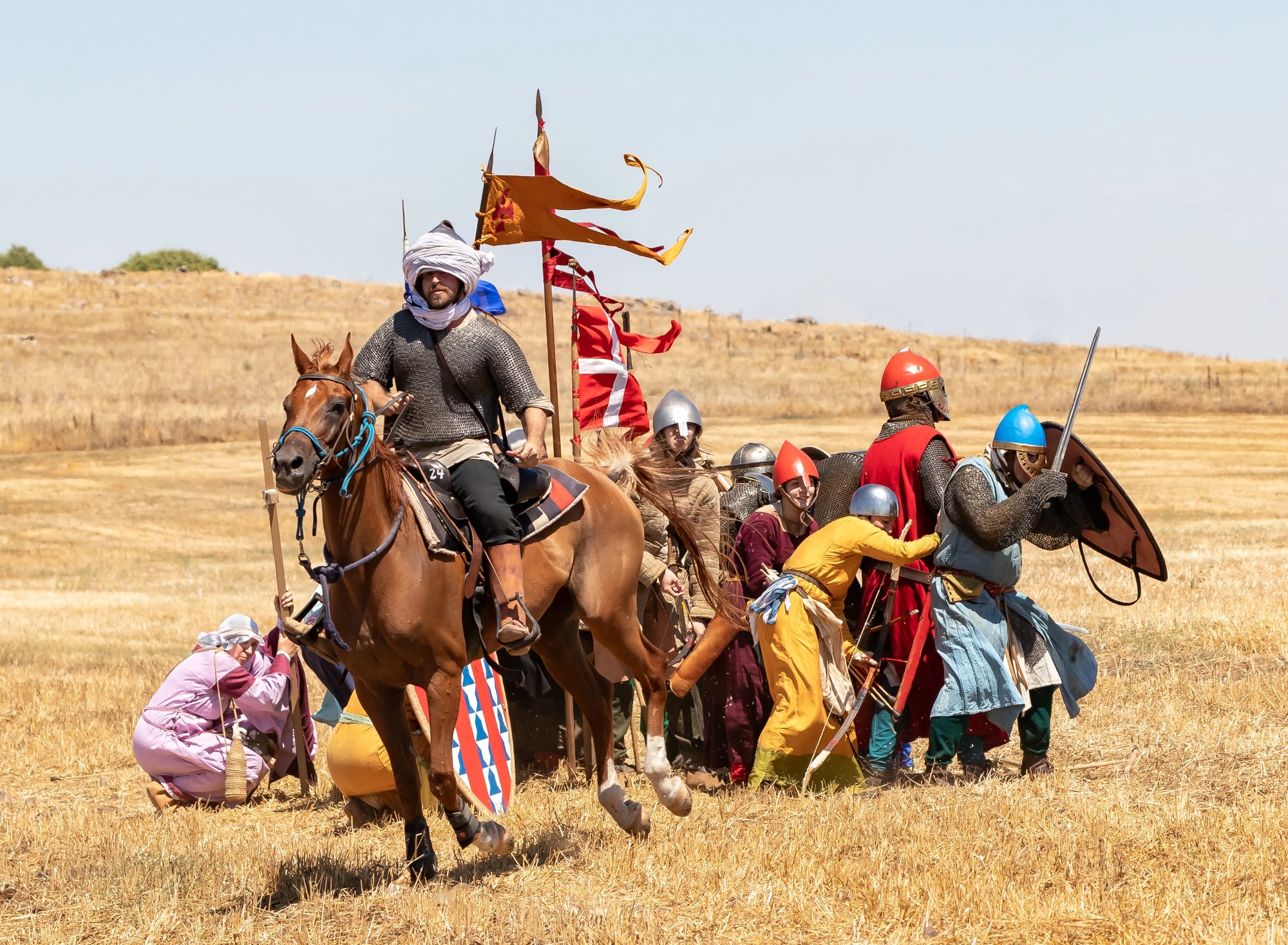
Saladin claimed to receive prophetic dreams before the Battle of Hattin in 1187, showing him victory over the Crusader states. These visions convinced him to risk everything in a single decisive battle against Guy of Lusignan’s forces.
His superstitious confidence led to tactical decisions that resulted in the complete destruction of the Crusader army and the recapture of Jerusalem.
Like Go2Tutors’s content? Follow us on MSN.
Gustavus Adolphus’s Rune Stones
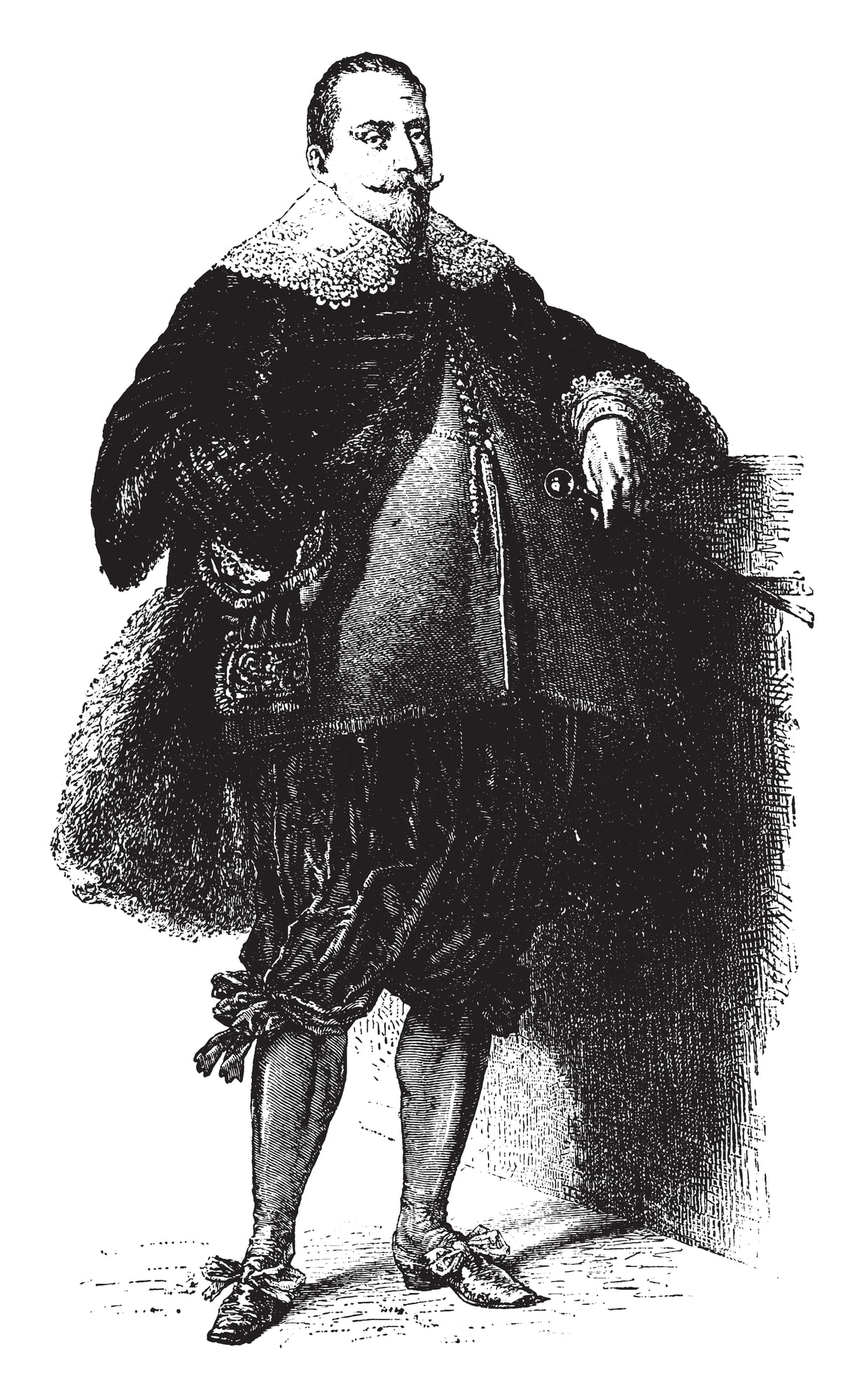
Swedish King Gustavus Adolphus consulted ancient rune stones before major battles during the Thirty Years’ War, believing they revealed divine strategy. These pagan divination practices influenced his revolutionary military tactics, including his innovative use of artillery and cavalry.
His superstitious guidance system contributed to Swedish victories that shifted the balance of power in European warfare.
When Mysticism Meets Reality
These historical examples reveal how supernatural beliefs shaped some of humanity’s most significant conflicts. While modern military leaders rely on intelligence reports and strategic analysis, their predecessors often trusted omens and divine signs just as much as battlefield tactics.
The intersection of faith and warfare created outcomes that pure military logic alone might never have produced, proving that sometimes the most irrational decisions can have the most profound consequences.
More from Go2Tutors!

- 16 Restaurant Chains That Went Too Fast
- 12 Things Sold in the 80s That Are Now Illegal
- 15 Strange Things People Have Tried to Ban (And Failed)
- 16 Collectibles People Tossed Out Too Soon
- 17 Myths from Your Childhood That Were Actually Based on Real Things
Like Go2Tutors’s content? Follow us on MSN.