12 Burial Customs That Shocked Archaeologists
Death is universal, but how different cultures handle it varies dramatically across time and geography. While some societies bury their dead in simple graves, others have developed elaborate rituals that seem almost impossible to believe.
Archaeologists have spent decades uncovering burial practices that challenge everything we thought we knew about ancient civilizations and their relationship with death. These discoveries often leave researchers scratching their heads, trying to understand the beliefs and motivations behind such unusual customs.
Here is a list of 12 burial customs that completely shocked archaeologists when they first encountered them.
Bog Bodies of Northern Europe
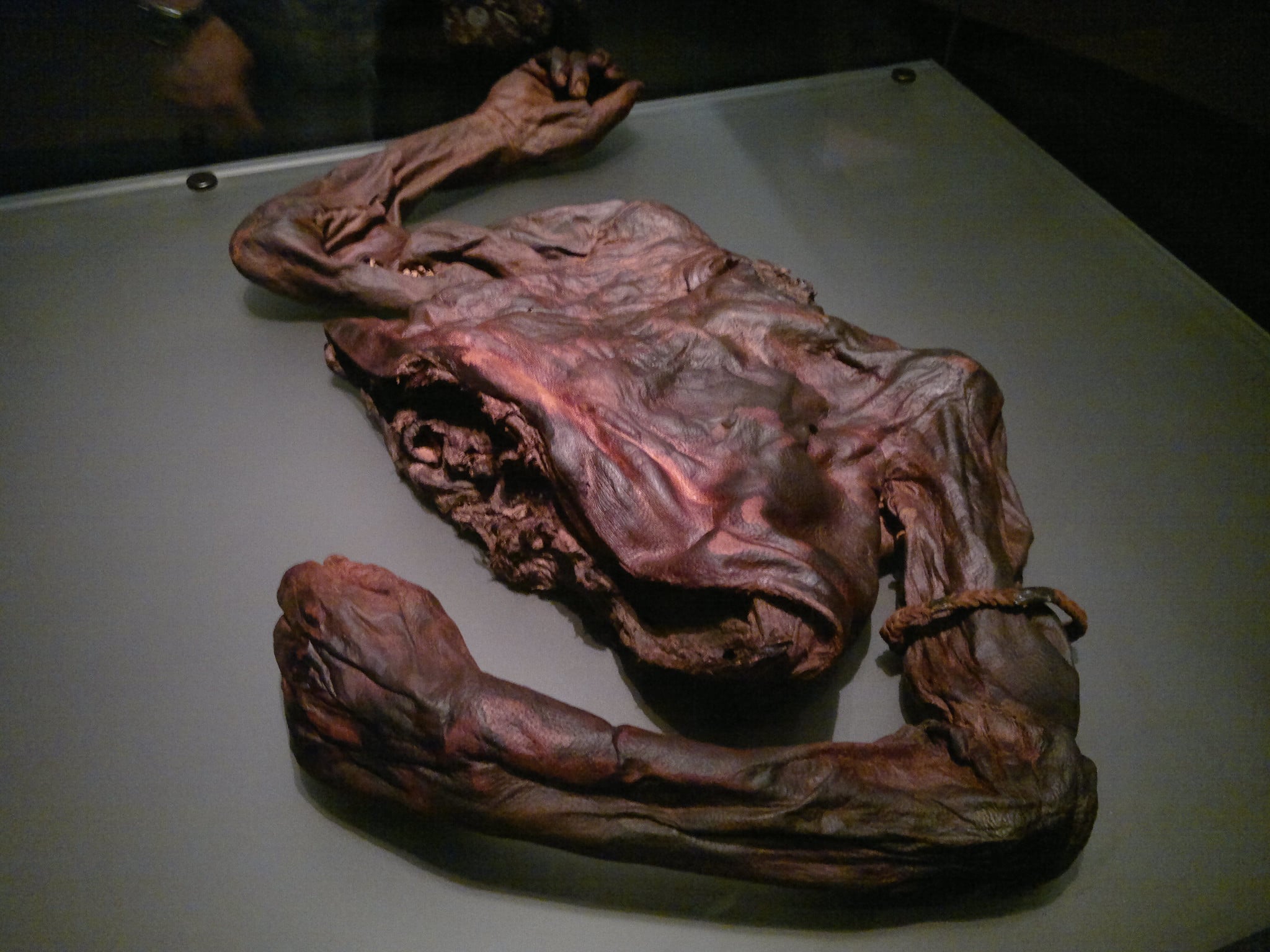
The preserved remains found in European peat bogs weren’t just accidental drownings as originally thought. These individuals were deliberately killed and placed in the acidic, oxygen-free environment that perfectly preserved their skin, hair, and even stomach contents for over 2,000 years.
The Tollund Man’s peaceful expression contrasts sharply with the leather noose still around his neck, suggesting these were ritual sacrifices rather than criminal executions.
Tibetan Sky Burial

When archaeologists first documented this practice, they couldn’t believe their eyes as bodies were deliberately fed to vultures on mountaintops. The Tibetan practice of jhator involves cutting up the deceased and offering the pieces to birds, based on the belief that the body is just an empty vessel once the soul departs.
This method makes perfect sense in a landscape where the ground is too frozen to dig graves and wood is too scarce for cremation.
Chinchorro Mummies of Chile

These South American mummies predate Egyptian mummification by thousands of years, but what shocked researchers was discovering that the Chinchorro people mummified everyone, including infants and stillborn children. The elaborate process involved removing all organs, treating the skin with arsenic, and rebuilding the body with sticks and clay.
Even more surprising was the evidence that families kept these mummies in their homes for years, regularly repairing and redecorating them like beloved family heirlooms.
Hanging Coffins of China

Archaeologists were baffled when they found coffins suspended hundreds of feet up on cliff faces throughout southern China. The engineering required to place these wooden containers in seemingly impossible locations left researchers wondering how ancient people accomplished such feats without modern equipment.
The practice appears to have been reserved for respected community members, with the height of placement corresponding to the person’s social status.
Catacomb Saints of Europe

The discovery of jewel-encrusted skeletons in European churches initially seemed like evidence of wealthy burials, until researchers realized these were actually anonymous remains decorated centuries after death. When the Protestant Reformation destroyed many Catholic relics, church officials retrieved bones from Roman catacombs and transformed them into glittering ‘catacomb saints’ to inspire the faithful.
Each skeleton was individually crafted with precious metals, gems, and elaborate clothing, creating some of the most ornate human remains ever found.
Trepanation Burials of Peru
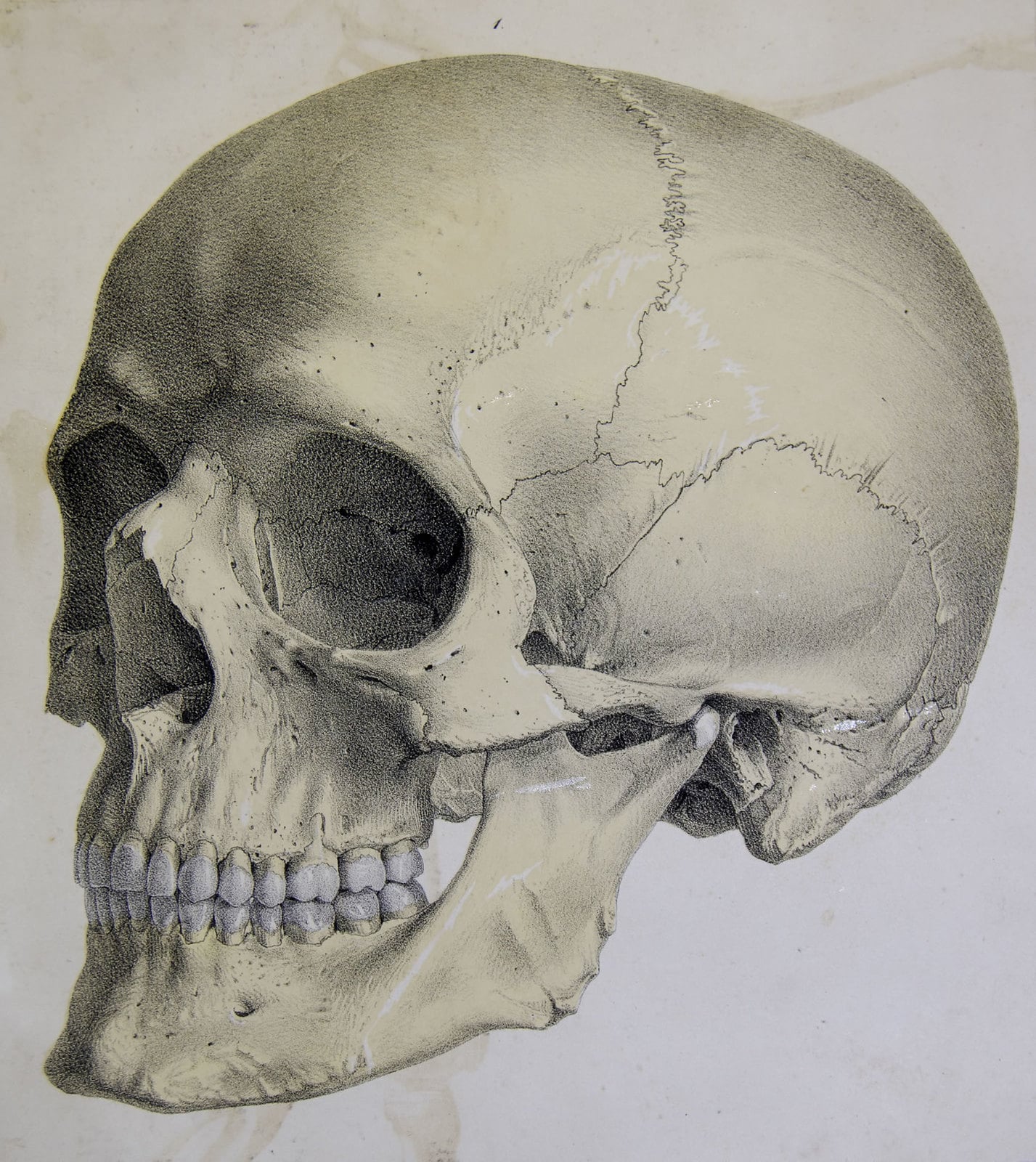
Evidence of successful skull surgery dating back 2,000 years shocked medical historians who assumed such procedures were impossible without modern tools. Peruvian burial sites revealed individuals who had survived multiple skull operations, with some showing evidence of up to seven different procedures.
The precision of these ancient surgeries, performed with obsidian tools, often exceeded the survival rates of similar operations performed in Europe during the 1800s.
Sati Stones of India

Archaeological evidence of widow immolation revealed a practice far more complex than historical records suggested. These memorial stones, called sati stones, marked spots where widows were cremated alive with their deceased husbands, but excavations showed many variations in how the ritual was performed.
Some sites contained evidence that the practice was voluntary and celebrated, while others suggested coercion, giving archaeologists a nuanced view of a controversial custom.
Boat Burials of Scandinavia

The discovery of entire ships buried inland, miles from any water source, initially confused archaeologists until they understood the Norse belief system about the afterlife journey. These vessel burials contained not just the deceased but also their servants, animals, and valuable possessions needed for the voyage to the next world.
The most elaborate examples required moving massive ships overland and constructing earthen mounds that served as both graves and monuments visible for miles.
Tower of Silence Remains

Zoroastrian burial practices discovered in Iran and India revealed a culture so concerned with avoiding contamination that they refused to bury or burn their dead. Instead, bodies were placed on raised platforms called Towers of Silence, where they were consumed by vultures and bleached by the sun.
Archaeological evidence shows these structures were carefully designed with drainage systems and separate areas for men, women, and children, demonstrating the sophisticated planning behind what seemed like abandonment.
Jomon Jar Burials of Japan

The discovery of adults buried in massive ceramic jars challenged assumptions about Japanese burial practices dating back 14,000 years. These enormous containers, some over six feet tall, were specifically created for burial purposes and often decorated with intricate patterns.
The positioning of bodies inside these jars, typically in a fetal position, suggested beliefs about rebirth and the cyclical nature of life that influenced Japanese culture for millennia.
Moche Warrior Priests of Peru

The elaborate tomb of the Lord of Sipán revealed a burial practice that involved creating entire underground chambers filled with retainers, guardians, and ceremonial objects. What stunned archaeologists was the precision with which each person was positioned, from the warrior-priest at the center to the llama buried nearby.
The tomb contained multiple levels of burials, suggesting a complex belief system about hierarchies continuing into the afterlife.
Neolithic Skull Cups of Britain

Evidence from Gough’s Cave in England revealed that early Britons weren’t just burying their dead but were also fashioning drinking vessels from human skulls. These ‘skull cups’ showed careful modification to remove the face and create a smooth drinking surface, suggesting they were used in ceremonial contexts.
The practice appears to have been part of mortuary rituals where consuming from the skulls of ancestors maintained connections with the deceased.
Death Rituals That Transcend Time

These burial customs reveal how death has always been more than just an ending for human societies throughout history. The elaborate preparations, expensive materials, and complex rituals discovered by archaeologists demonstrate that ancient peoples invested enormous resources in ensuring proper treatment of the deceased.
Modern funeral practices may seem tame by comparison, but they continue the same fundamental human need to honor the dead and maintain connections between the living and those who have passed on, proving that our relationship with mortality remains as complex today as it was thousands of years ago.
More from Go2Tutors!

- The Romanov Crown Jewels and Their Tragic Fate
- 13 Historical Mysteries That Science Still Can’t Solve
- Famous Hoaxes That Fooled the World for Years
- 15 Child Stars with Tragic Adult Lives
- 16 Famous Jewelry Pieces in History
Like Go2Tutors’s content? Follow us on MSN.



