Scandals That Nearly Ruined Royal Families
Royalty comes with scrutiny. Every misstep, every poor choice, every whispered rumor gets amplified a thousand times over.
Most royal families have learned to weather storms, but some scandals cut so deep they threatened to bring down entire monarchies. These weren’t minor embarrassments—they were existential crises that forced nations to question whether they even needed a royal family anymore.
The King Who Chose Love Over His Crown
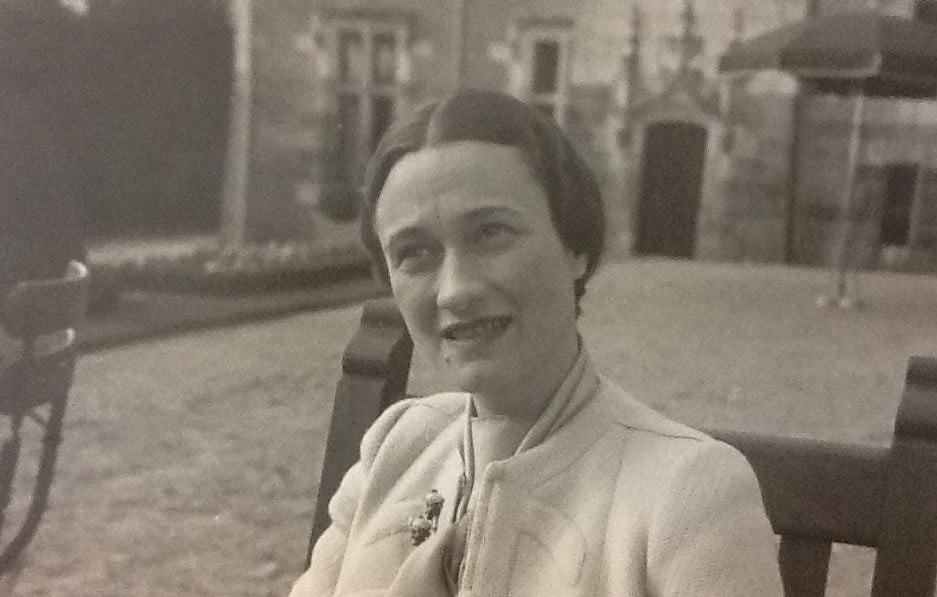
Edward VIII became King of England in January 1936. By December, he was gone.
The problem? He fell in love with Wallis Simpson, an American woman who’d been divorced twice.
Britain’s establishment couldn’t accept a divorced woman as queen, especially since the Church of England forbade remarriage after divorce. Edward refused to give her up.
The government gave him an ultimatum, and he chose Wallis. His abdication speech moved millions, but it also shook the monarchy to its core.
His younger brother George VI had to step in, unprepared and struggling with a stammer. The whole affair made the royal family look weak and divided.
The scandal reached beyond Britain. Commonwealth nations questioned their ties to a crown that seemed so unstable.
Some historians argue the monarchy never fully recovered its pre-abdication prestige.
When the Future King’s Affair Became Public
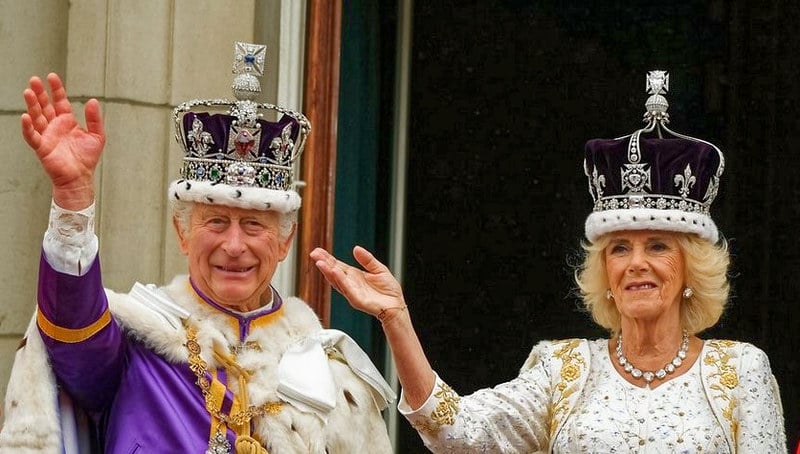
Prince Charles and Camilla Parker Bowles carried on an affair for years while both were married to other people. The revelation destroyed Charles’s marriage to Princess Diana and turned public opinion firmly against him.
Recorded phone conversations between Charles and Camilla leaked to the press in 1993, and the intimate details disgusted the public. Diana gave her famous interview in 1995, saying “there were three of us in this marriage, so it was a bit crowded.”
Her words resonated with millions who saw Charles as a cheating husband who’d abandoned a beloved princess. The monarchy’s approval ratings dropped sharply.
Charles eventually married Camilla in 2005, but many Britons still haven’t forgiven him. Some polls showed people wanted the crown to skip Charles entirely and go straight to William.
The scandal permanently changed how people viewed the heir to the throne.
The Night That Changed Everything
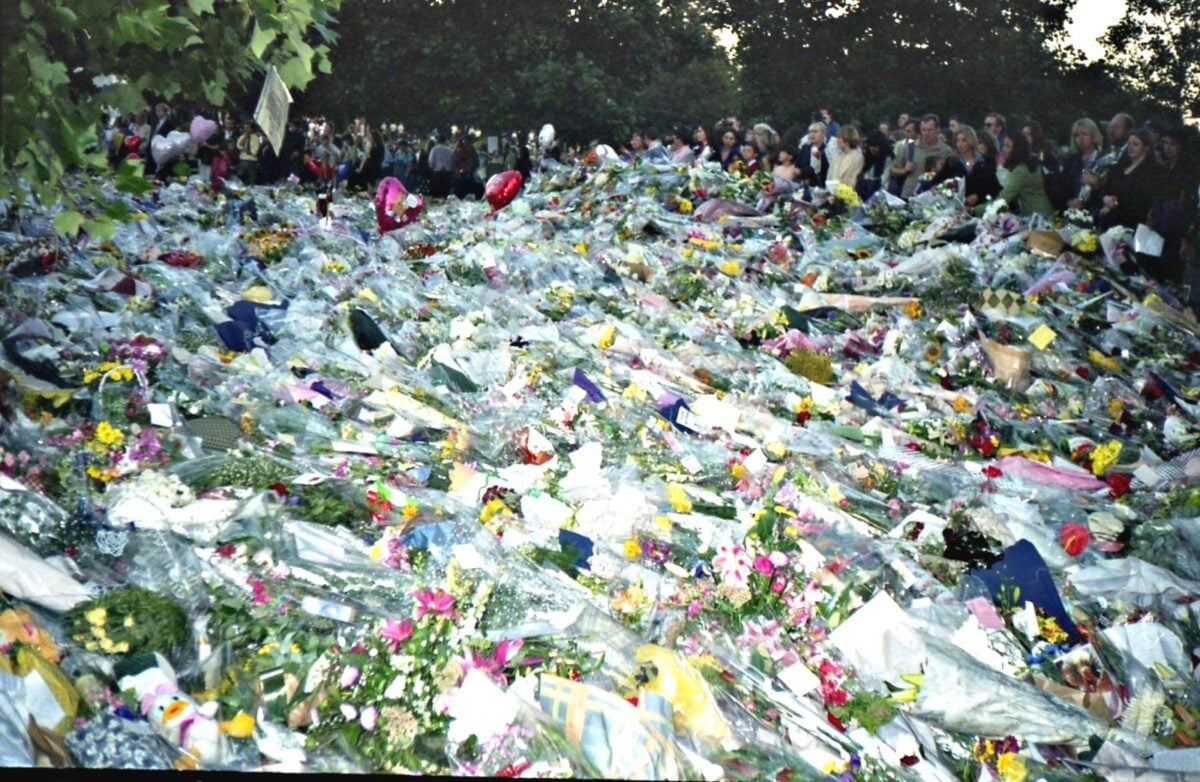
Princess Diana died in a Paris car crash in August 1997, and the royal family’s cold response nearly finished them. While the world mourned, Queen Elizabeth stayed at Balmoral Castle in Scotland.
She didn’t return to London. She didn’t address the nation.
She didn’t even fly the flag at Buckingham Palace at half-mast. The public rage grew by the hour.
People felt the royals didn’t care. They seemed out of touch, hiding away while Diana’s sons grieved.
The tabloids turned vicious, openly questioning whether Britain needed a monarchy at all. Finally, pressure forced the Queen to return to London and give a televised address.
She called Diana “an exceptional and gifted human being.” Too little, too late for many.
The institution survived, but it took years to rebuild trust. The whole episode showed how quickly public sentiment could turn.
One wrong move, one moment of appearing heartless, and centuries of tradition meant nothing.
The Prince and the Predator

Prince Andrew’s friendship with convicted trafficker Jeffrey Epstein created the biggest royal scandal in decades. Photos showed Andrew with Epstein.
Flight logs placed him on Epstein’s private jet. Then Virginia Giuffre accused Andrew of abusing her when she was seventeen.
Andrew gave a disastrous BBC interview in 2019, claiming he couldn’t have been at the location Giuffre described because he was at Pizza Express in Woking. He said he didn’t sweat due to a medical condition from the Falklands War, contradicting Giuffre’s claims.
The interview backfired spectacularly. The Palace stripped Andrew of his military titles and royal patronages.
He settled Giuffre’s lawsuit out of court for millions. Queen Elizabeth herself had to intervene, essentially removing her favorite son from public life.
The scandal damaged the entire institution’s reputation, making the royals look like they protected abusers.
Spain’s Elephant-Hunting King

King Juan Carlos of Spain helped transition his country to democracy after Franco’s dictatorship. For decades, Spaniards revered him.
Then everything fell apart. In 2012, he went elephant hunting in Botswana while Spain suffered through an economic crisis.
He broke his hip and the trip became public. The Spanish people were furious.
Their king spent lavishly on safari while they struggled with unemployment and austerity. But worse revelations followed.
Swiss accounts holding millions appeared. Allegations of corruption surfaced.
His former mistress claimed he’d given her large sums of money. Investigations revealed he’d received 100 million dollars from Saudi Arabia.
The scandal forced him to abdicate in 2014. He fled to Abu Dhabi in 2020 to avoid further scrutiny.
Spain’s monarchy survived only because his son Felipe VI cut ties with him completely and worked to restore credibility.
The Princess Who Broke Royal Rules

Princess Margaret wanted to marry Peter Townsend, a divorced Royal Air Force officer, in the 1950s. The government refused permission.
The Church of England wouldn’t allow it. Margaret eventually gave him up, but the sacrifice embittered her for life.
She later married photographer Antony Armstrong-Jones. Their marriage became a public disaster filled with affairs and arguments.
They divorced in 1978, the first royal divorce in 400 years. The scandal suggested royalty couldn’t maintain stable families any better than commoners.
Margaret’s lifestyle—her drinking, her spending, her string of relationships—made tabloid fodder for decades. Critics questioned why taxpayers should fund someone who seemed to do nothing but party.
She represented everything people disliked about royalty: privilege without responsibility.
When Bribes Touched the Dutch Crown
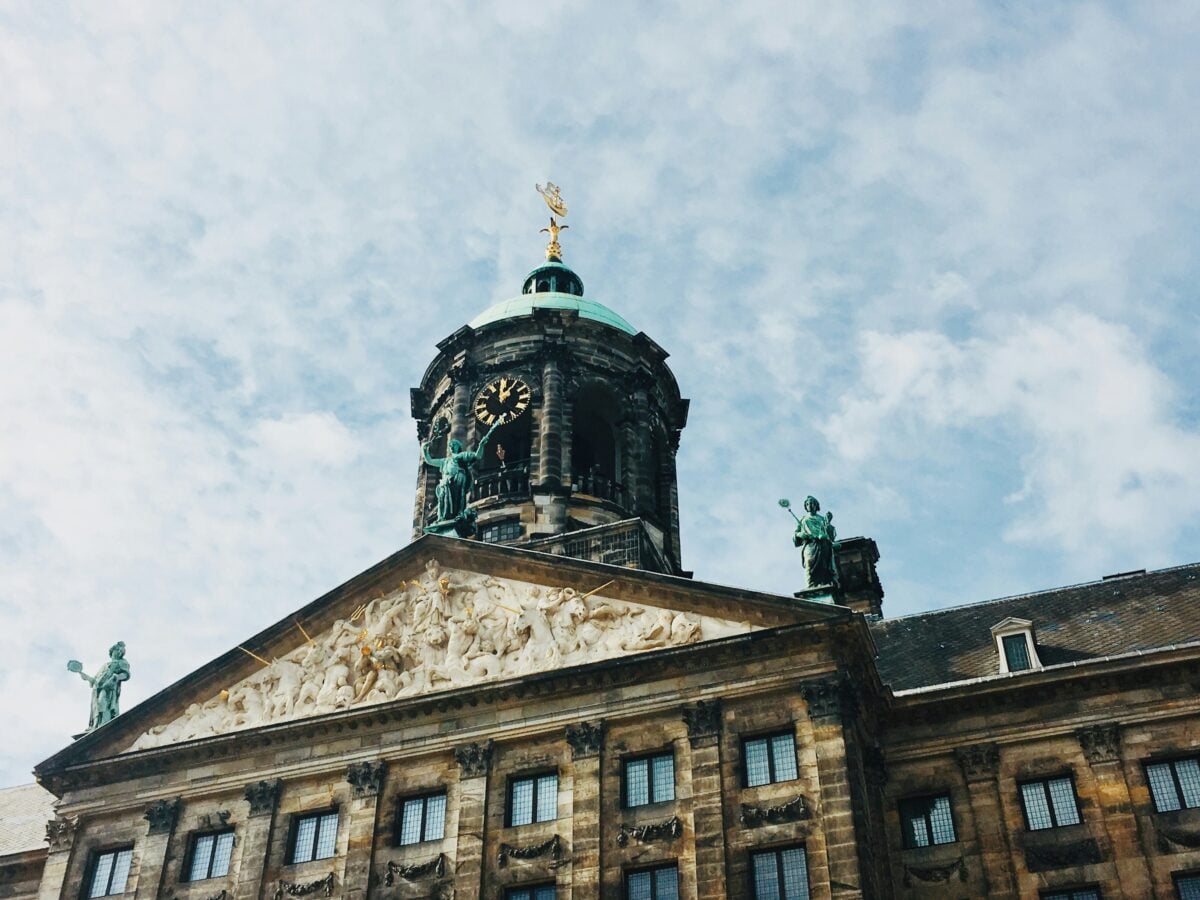
Prince Bernhard of the Netherlands got caught taking bribes from Lockheed Corporation in the 1970s. The aerospace company paid him millions to influence Dutch aircraft purchases.
An investigation confirmed he’d received at least 1.1 million dollars. The scandal rocked the Netherlands.
Bernhard was husband to Queen Juliana and father to the future Queen Beatrix. He held military positions and represented Dutch interests internationally.
His corruption made the entire royal family look untrustworthy. Bernhard resigned from his military and business roles.
He was never prosecuted, but his reputation never recovered. The scandal forced the Dutch government to reconsider the monarchy’s role and powers.
Trust in the institution dropped sharply and took years to rebuild.
Monaco’s Prince and His Secret Children
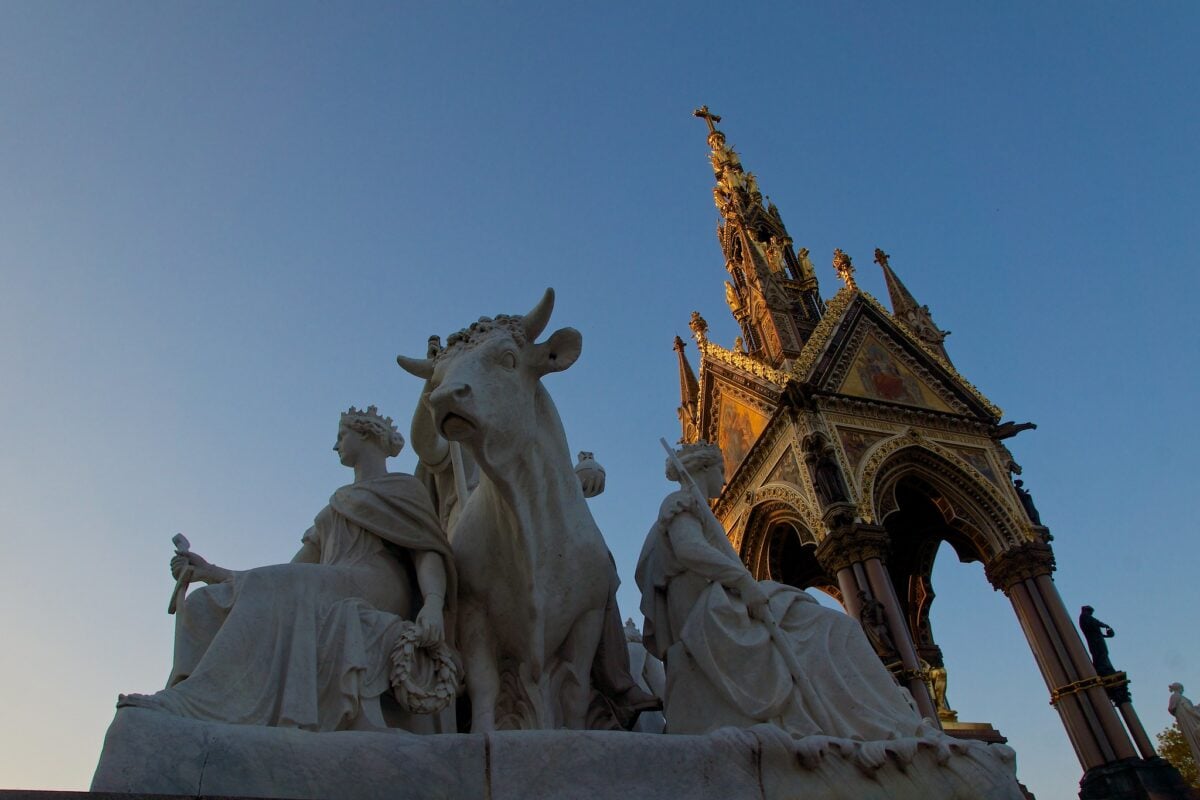
Prince Albert II of Monaco spent years denying he had children born outside marriage. Then DNA tests proved otherwise.
He had a son born in 2003 and a daughter born in 1992, both from different relationships before he married Princess Charlene. Monaco’s succession laws meant these children couldn’t inherit the throne, but the revelations damaged Albert’s image.
He’d lied publicly for years. His late father Prince Rainier and mother Grace Kelly had built Monaco’s reputation as a fairy-tale principality.
Albert’s scandals and the rumors about his personal life tarnished that carefully crafted image. Princess Charlene tried to flee before their 2011 wedding, according to reports.
She allegedly attempted to seek refuge in the South African embassy. The marriage produced twins, securing succession, but persistent rumors suggest she remains unhappy.
The entire situation makes Monaco’s royal family look dysfunctional.
Sweden’s King and the Wild Parties
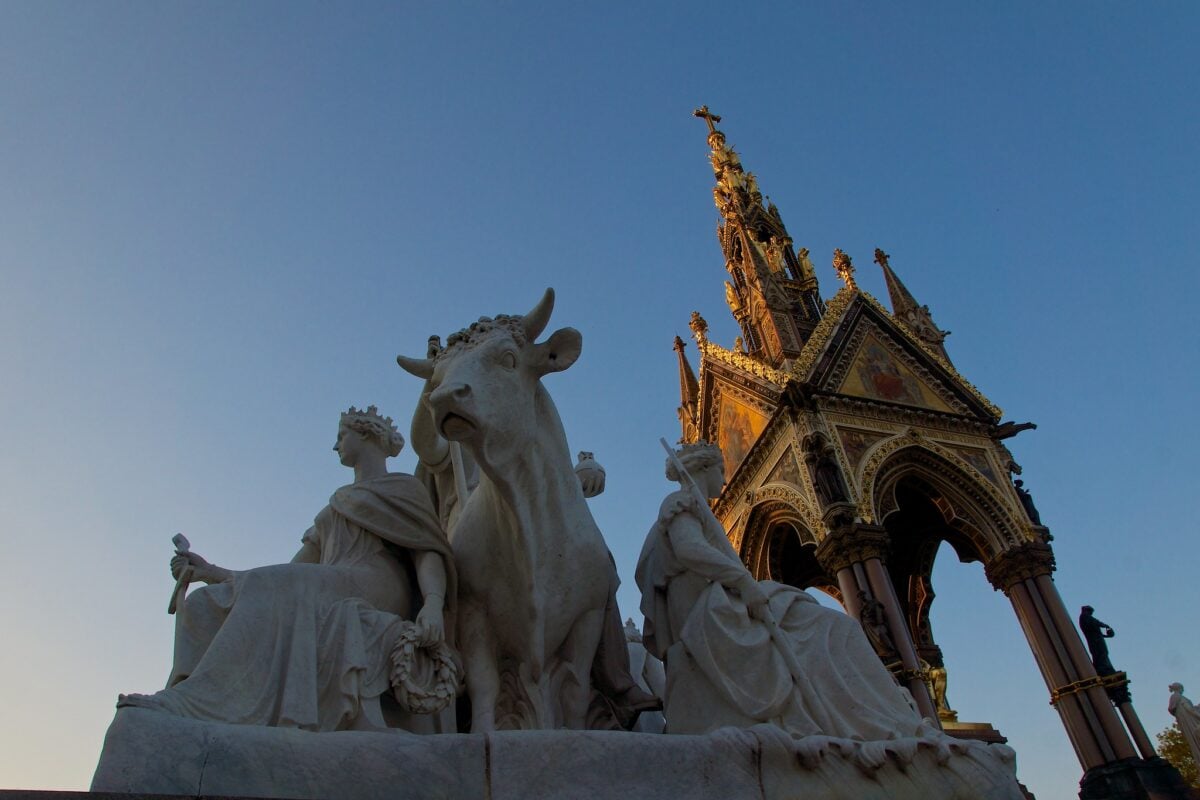
King Carl XVI Gustaf of Sweden faced explosive allegations in 2010. A book claimed he’d attended wild parties, visited strip clubs, and had affairs.
The stories included details about organized gatherings with women and connections to the criminal underworld. The Palace issued a rare statement: “The King has no intention to comment on rumors concerning his private life.”
That non-denial fueled more speculation. Sweden’s already skeptical public wondered whether they needed a monarchy that behaved this way.
Support for abolishing the monarchy grew. The scandal particularly hurt because Carl Gustaf had seemed boring and harmless for decades.
Discovering he allegedly led this secret life made him look like a hypocrite. The institution’s approval ratings dropped, and republican movements gained momentum.
His daughter Crown Princess Victoria helped salvage the situation. Her popularity and stable marriage to a commoner reminded Swedes why they liked having royals.
But the scandal permanently damaged Carl Gustaf’s reputation.
Norway’s Princess and the Shaman

Princess Märtha Louise of Norway gave up her royal duties to focus on her spiritual business in 2022. She claimed she could talk to angels and offered courses teaching others to do the same.
Then she started dating Durek Verrett, an American who calls himself a shaman and sells medallions that supposedly cure cancer. Norwegians cringed.
Their princess was promoting what looked like quackery. Verrett made outrageous claims about medicine and spirituality.
The couple used their royal connection to sell products and services. It felt exploitative.
The Palace tried damage control, removing Märtha Louise’s titles and distancing her from official duties. But the damage was done.
Norwegian support for the monarchy declined. Young people especially questioned why their country needed a royal family if members used their status for profit in this way.
Belgium’s Blood-Soaked Colonial Legacy
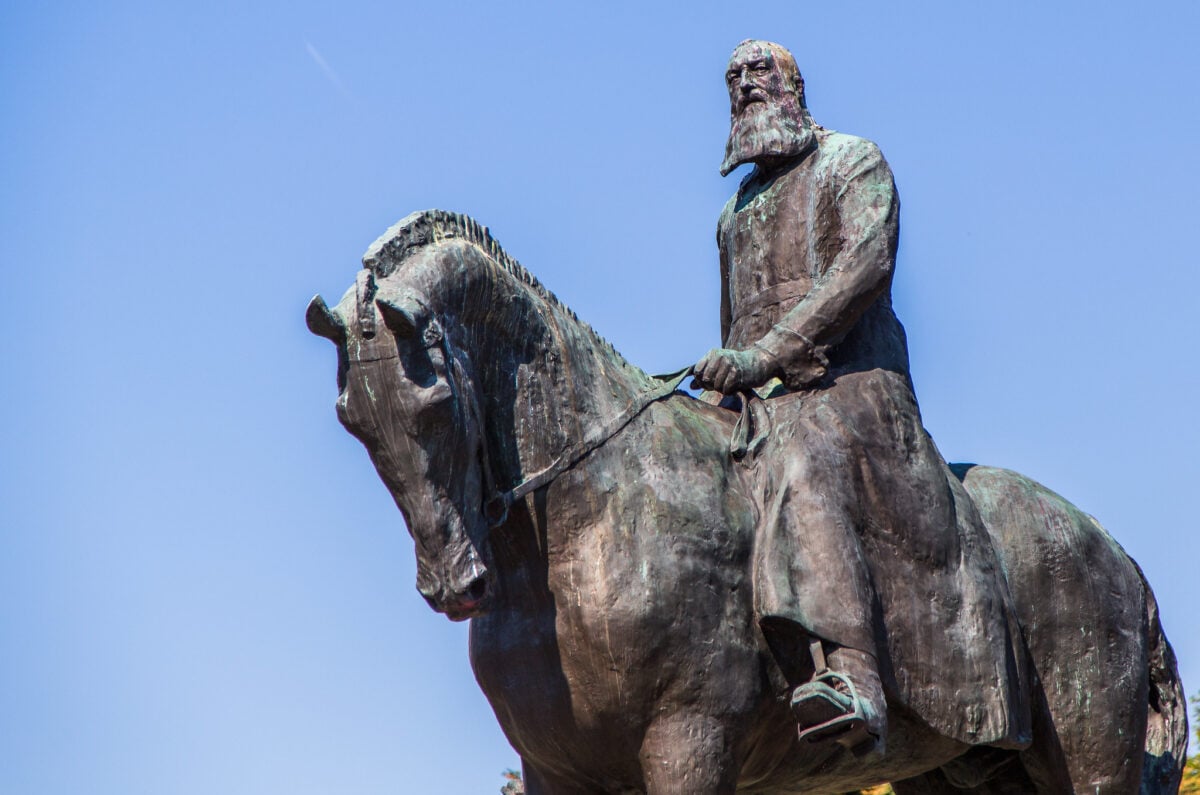
King Leopold II ruled Belgium from 1865 to 1909, but his worst crimes happened in the Congo Free State, his personal colony. He claimed he wanted to civilize Africa.
Instead, he enslaved the Congolese people and forced them to harvest rubber. The atrocities were staggering.
Conservative estimates put the death toll at 10 million Congolese. Leopold’s forces cut off hands and feet to enforce quotas.
They took women and children hostage. They starved entire villages.
International pressure finally forced Leopold to give up the colony in 1908. But Belgium’s monarchy never truly answered for his crimes.
Today, statues of Leopold are being removed across Belgium. Activists demand the royal family acknowledge what happened and return stolen artifacts.
The scandal won’t die because the Belgian royals never properly confronted it. Each new generation discovers the horrors, and the monarchy’s reputation suffers again.
Some argue the institution lost its moral authority permanently because of Leopold.
Thailand’s Crown Prince Controversies
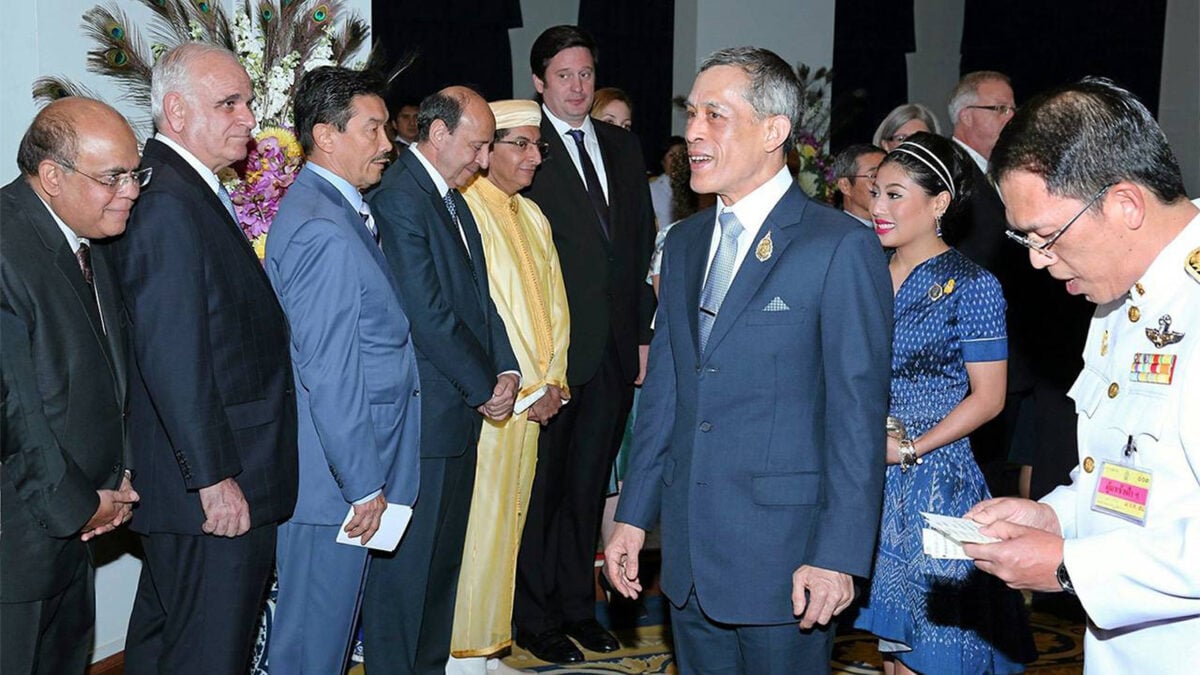
Crown Prince Vajiralongkorn became King of Thailand in 2016 after his father’s death. His personal life had already created scandals for years.
He divorced three times. He gave royal titles to his pet poodle.
Videos showed him at parties wearing a crop top. More serious allegations included accusations of corruption and abuse of power.
He reportedly spends much of his time in Germany, leaving Thailand to be run by others. During COVID-19 lockdowns, reports said he stayed at a luxury hotel in Bavaria with a harem of women while Thais suffered.
Thailand’s strict laws make criticizing the monarchy illegal, punishable by up to 15 years in prison. This means open discussion is impossible inside the country.
But outside Thailand, critics question why such a flawed figure deserves absolute reverence. The disconnect between his behavior and the enforced worship creates tension that could eventually threaten the monarchy.
Japan’s Princess and the Commoner She Loved
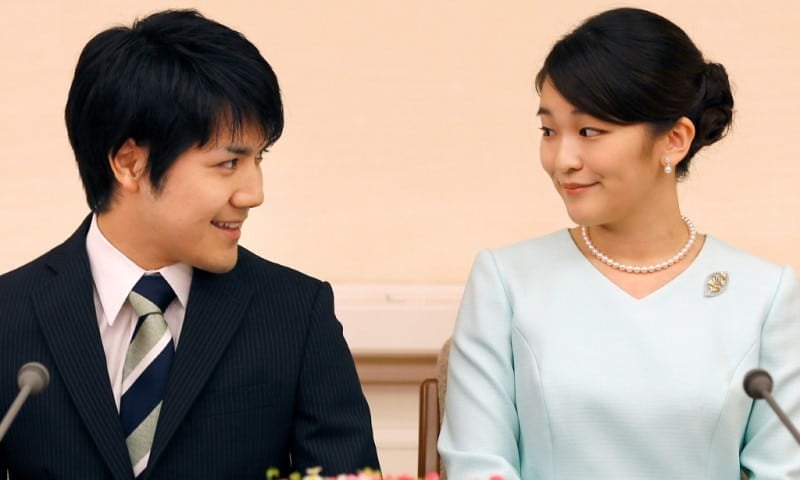
Mako did not care that Kei came from an ordinary family. Yet whispers started swirling through palace halls anyway.
Reporters dug into old money troubles tied to his mom. That tiny issue blew up fast across front pages everywhere.
Years slipped by while they waited, plans stuck in silence. Mako could barely cope after years of unrelenting pressure, which finally led to a diagnosis of complex PTSD.
Her decision to walk away included leaving behind the crown and a financial settlement worth 1.3 million dollars. Without fanfare, they tied the knot in 2021 – shortly afterward settling into life together in New York, far from public eyes.
Out in the open now, the mess revealed harsh corners of life in Japan when it comes to royalty. Not everyone blamed her alone – some pointed fingers at the Imperial Household Agency, saying it did too little to shield Mako.
A different group wondered if strict customs still fit a country moving fast into today’s world. Doubts grew louder where they mattered most – young voices picking up on how roughly she’d been handled.
When Thrones Shake But Don’t Fall
What ties these scandals together? Turns out, royal blood means little when those in palaces act just like everyone else – messy, human, prone to error.
When privilege meets poor judgment, belief in divine right begins to crack. People put up with a lot, yet draw lines at fake virtue, unkindness, or being made to feel small.
Change keeps monarchies alive. When trouble struck, some took note, then reshaped their ways.
Others held tight to old habits, ignoring warnings. Watch how a crown handles chaos – it tells you everything.
Does it speak plainly about mistakes? Or does it hide, repeating ancient lines like a broken record?
One misstep might unravel what took ages to build. Those born into royal lines carry weight others do not see.
From a distance, power seems solid – up close, it sways. Stability is never quite as firm as the public believes.
More from Go2Tutors!

- The Romanov Crown Jewels and Their Tragic Fate
- 13 Historical Mysteries That Science Still Can’t Solve
- Famous Hoaxes That Fooled the World for Years
- 15 Child Stars with Tragic Adult Lives
- 16 Famous Jewelry Pieces in History
Like Go2Tutors’s content? Follow us on MSN.