Nostalgic Drinks That Disappeared from Shelves
You remember the drinks. The ones that made grocery store trips exciting.
The ones that tasted like childhood summers and after-school TV sessions. Then one day, they just weren’t there anymore.
Some disappeared quietly. Others left behind devoted fans who still start online petitions years later.
The beverage industry moves fast, and not every experiment survives. But these drinks left their mark on a generation that still remembers exactly what they tasted like.
Crystal Pepsi
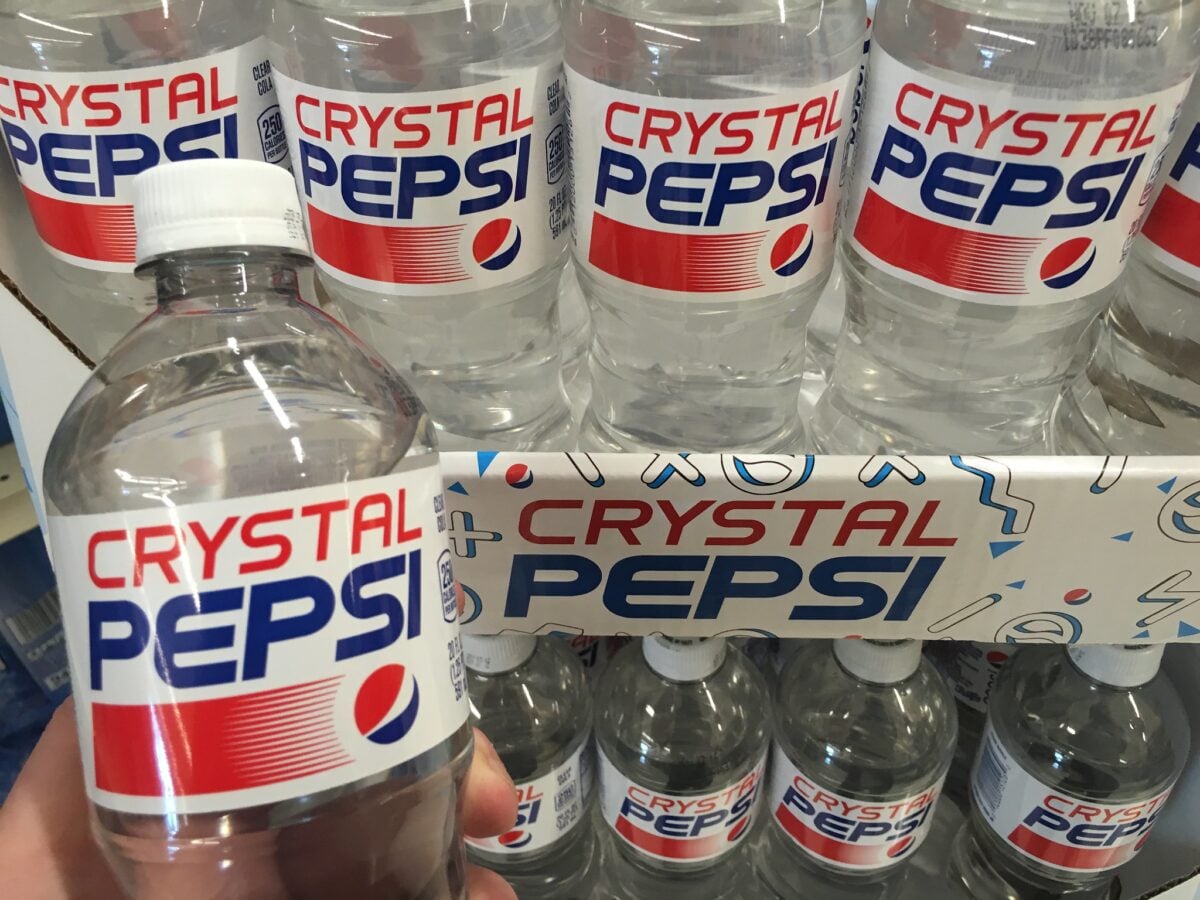
The clear cola arrived in 1992 with massive fanfare. Pepsi wanted to ride the “pure” and “clean” wave that was sweeping consumer culture.
The idea was simple: take Pepsi’s flavor and make it see-through. The problem was that it tasted slightly different from regular Pepsi, and people couldn’t shake the feeling that something was off.
Your brain expects brown cola to taste one way, and when it doesn’t, the experience feels wrong. The drink lasted about a year before Pepsi pulled it.
Fans got their wish in 2015 when Pepsi brought it back briefly. Then again in 2016.
And 2017. The nostalgia market is real, but temporary revivals don’t have the same staying power as the original.
Orbitz
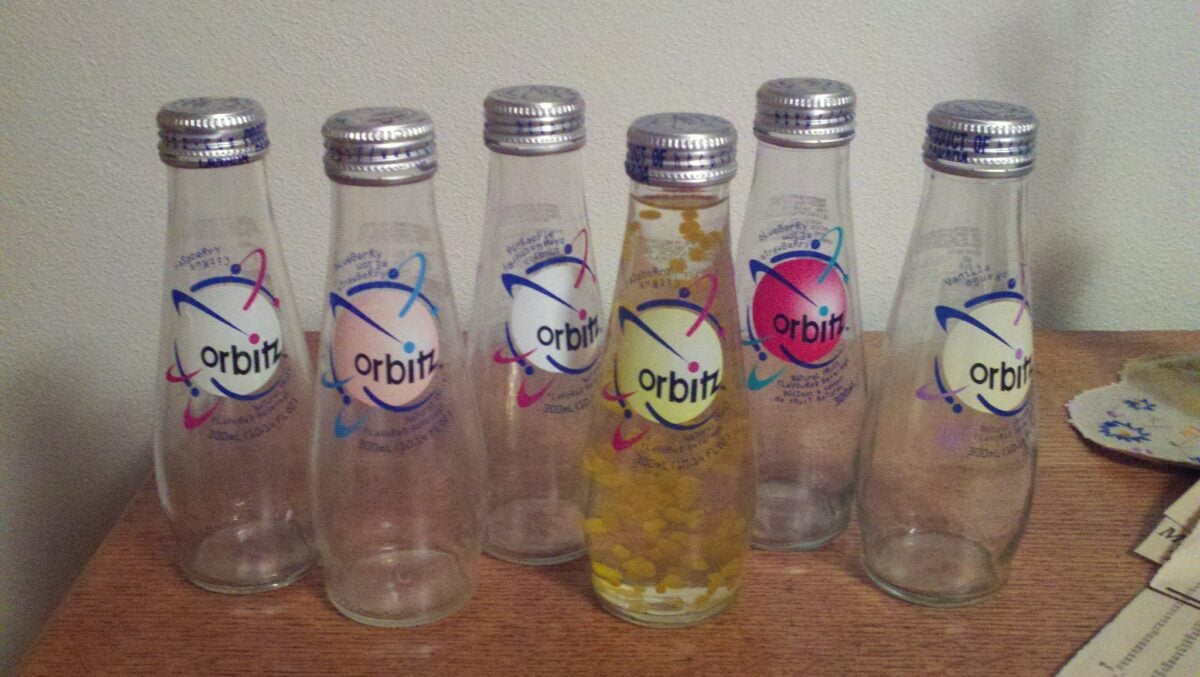
This drink looked like a lava lamp you could consume. Small colored spheres floated in the clear liquid, suspended by a gellan gum that gave the beverage an unusual texture.
It launched in 1997, and kids either loved it or found it completely disgusting. The floating bits were made from the same stuff in boba tea, but this was the late 90s, and boba wasn’t mainstream yet.
The texture confused people. The spheres had a slightly slimy quality that didn’t help sales.
Clearly Canadian, the company behind Orbitz, spent millions on marketing. None of it worked.
The drink disappeared after less than a year, but those bottles became collector’s items almost immediately.
Surge

Coca-Cola’s answer to Mountain Dew hit stores in 1996. The bright green can promised extreme energy, and the commercials showed people doing wild stunts.
It was marketed hard to teenage boys who wanted to feel like they were doing something dangerous by drinking soda. The drink actually sold well, but Coca-Cola discontinued it in 2003 to focus on other products.
That decision created a devoted fanbase that spent years campaigning for its return. They created Facebook groups, launched online petitions, and even bought billboard space.
Coca-Cola finally gave in and brought Surge back in 2014, first through Amazon, then in select stores. It’s still around today, but only in limited markets.
The original fans aged out, and younger consumers never developed the same attachment.
Squeezit

The plastic bottles shaped like cartoon characters dominated lunchboxes in the 1980s and 90s. You twisted off the top and squeezed the bottle to drink.
The fruit-flavored liquid came in bright, unnatural colors that parents probably shouldn’t have let their kids consume. General Mills marketed them aggressively to children.
The bottles had faces, and different flavors had different characters. Berry B. Wild, Grumpy Grape, and Smarty Arty Orange became household names for a while.
They disappeared in 2001, another victim of changing health trends. Parents started reading labels more carefully, and drinks with that much sugar and food coloring fell out of favor.
The nostalgia remains strong though. People still talk about the satisfying squeeze of those bottles.
Ecto Cooler

Hi-C created this drink to promote the Ghostbusters cartoon in 1987. The bright green color and citrus flavor made it an instant hit with kids who wanted to drink something that looked like slime from the movies.
The drink outlasted the cartoon by years. It stayed on shelves until 2001, long after people stopped watching Ghostbusters regularly.
When Coca-Cola discontinued it, fans were upset but not surprised. The 2016 Ghostbusters reboot brought Ecto Cooler back for a limited time.
Stores sold out quickly. The return proved that some drinks become more than just beverages—they become time machines that transport you back to Saturday morning cartoons and simpler times.
Jolt Cola

“All the sugar and twice the caffeine” was the slogan. Jolt Cola launched in 1985 when other companies were introducing diet versions of their drinks.
Jolt went the opposite direction and made no apologies for it. College students and gamers loved it.
The drink delivered on its promise of massive energy, back before energy drinks became their own category. The original formula had 72 milligrams of caffeine per 12 ounces, which was a lot for the mid-80s.
The company went through multiple bankruptcies and ownership changes. Various versions of Jolt appeared and disappeared over the years.
The last attempt at a comeback happened in 2017 with battery-shaped aluminum bottles, but that fizzled out too. The energy drink market had moved on.
OK Soda

Coca-Cola tried something weird in 1993. They created a drink that was marketed as intentionally mediocre.
The cans featured strange artwork and slogans like “Things are going to be OK” and “What’s the point of OK? Well, what’s the point of anything?”
The whole campaign was meant to appeal to Generation X cynicism. It was too clever for its own good.
The drink itself tasted fine—like a slightly different cola—but the marketing confused more people than it attracted. OK Soda only lasted two years and never expanded beyond test markets.
It became a case study in marketing classes about what happens when you try too hard to be cool. The cans are now collectibles that sell for surprising amounts online.
Clearly Canadian

The flavored sparkling water came in glass bottles and tasted better than regular seltzer. It launched in 1987 and became the sophisticated choice for people who wanted something fizzy but not a full soda.
The bottles had a distinctive teardrop shape that made them easy to spot on store shelves. Sales peaked in the early 90s, then dropped off as more competitors entered the market.
The company struggled financially for years. They filed for bankruptcy in 2009, and the drink disappeared from most stores.
A crowdfunding campaign brought it back in 2015. The company now sells directly to consumers online and through select retailers.
The taste is the same, but the market is more crowded now. LaCroix and other sparkling waters dominate the category that Clearly Canadian helped create.
Fruitopia
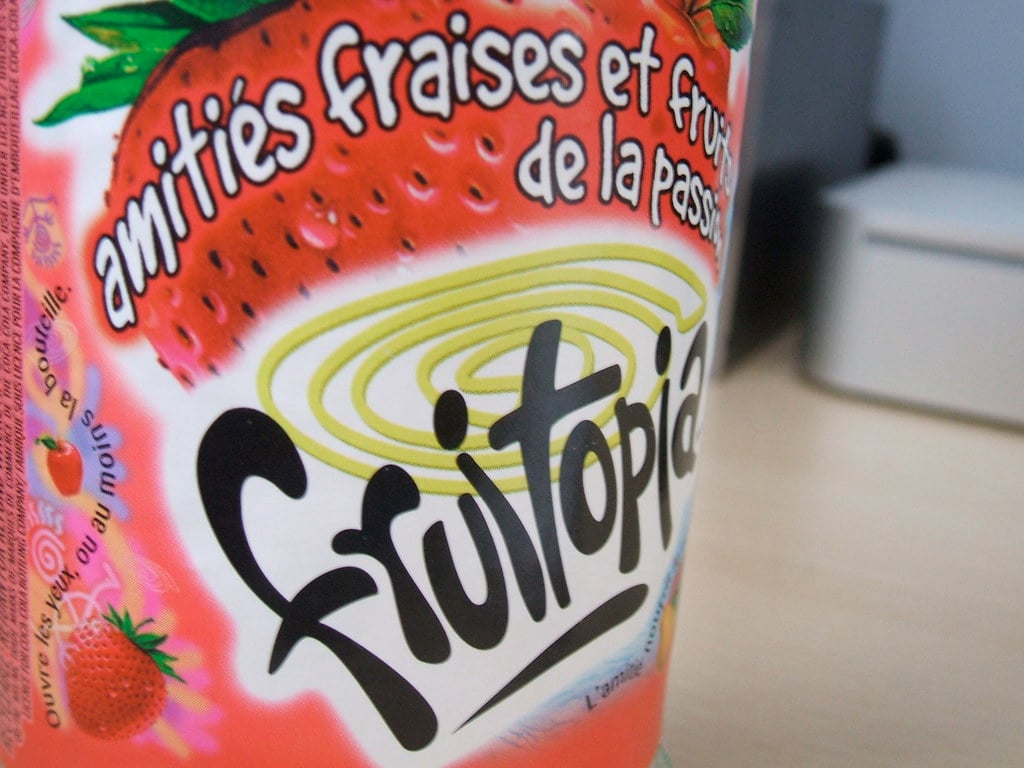
Coca-Cola launched this fruit drink line in 1994 with psychedelic packaging and New Age marketing. The ads featured swirling colors and talked about “flavor waves” and “beachside bliss.”
It was very 90s. The drinks came in unusual flavor combinations like Strawberry Passion Awareness and Citrus Consciousness.
The names were ridiculous, but the drinks actually tasted good. They were sweeter than juice but positioned as healthier than soda.
The brand lasted about a decade in the United States before Coca-Cola quietly discontinued it. It’s still available in some other countries, but the American version is gone.
The whole concept feels dated now, a relic of a specific moment in beverage history.
Snapple Elements

These drinks tried to combine natural ingredients with elemental themes. Rain was made with agave, Sun had starfruit, and Fire included dragonfruit.
The square bottles and minimalist design stood out from regular Snapple bottles. They launched in 1999 during a brief period when beverages tried to sound more mystical and natural.
The drinks actually tasted good and used better ingredients than most sodas. But they were expensive, and the marketing never quite connected with consumers.
Snapple discontinued the line in 2001, then brought back a modified version in 2009 that also failed. The concept was ahead of its time.
Similar drinks with natural ingredients and premium positioning do well now, but Snapple Elements couldn’t survive long enough to see that market develop.
Coca-Cola BlāK

Coffee-flavored Coke seemed like a great idea. Coca-Cola thought so too when they launched it in 2006.
The drink combined Coke’s flavor with coffee extracts, creating something that was supposed to appeal to adult coffee drinkers who also liked soda. The problem was that it didn’t taste quite like coffee and didn’t taste quite like Coke.
It existed in an uncomfortable middle ground that satisfied neither craving. The drink also cost more than regular Coke, which made people question whether they were getting their money’s worth.
It disappeared in 2008 after lackluster sales. Coca-Cola tried again years later with Coca-Cola with Coffee, which had similar issues.
Some flavor combinations sound better in marketing meetings than they taste in real life.
Pepsi Blue

This bright blue raspberry-flavored Pepsi arrived in 2002. The color was the whole point.
It looked unnatural and artificial, which was exactly what Pepsi wanted. They marketed it as bold and different.
The taste was sweet and berry-flavored, not really like Pepsi at all. That was fine for some people, but Pepsi drinkers who expected a variation on the classic formula were disappointed.
The novelty wore off quickly. The drink lasted only about two years in the United States.
It hung around longer in some international markets, but eventually disappeared everywhere. Pepsi learned what Crystal Pepsi should have already taught them: changing the color of your signature product confuses your customers more than it excites them.
Zima
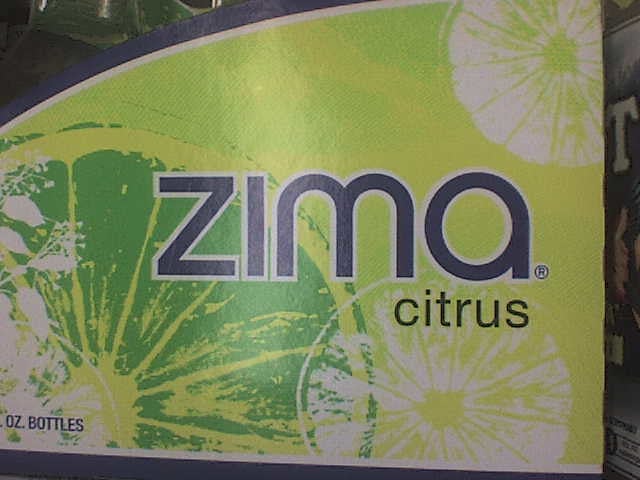
The clear malt beverage launched in 1993 as Coors’ attempt to create something for people who didn’t like beer. The taste was citrusy and slightly sweet, with no beer flavor at all. It was carbonated but not quite like soda.
The problem was that nobody knew what to make of it. It was alcoholic, so beer drinkers tried it, but then made fun of it for not tasting like beer.
People who didn’t drink beer didn’t understand why they’d want something that looked like beer but didn’t taste like it. The drink became the punchline of jokes about the 90s.
It disappeared in 2008, then came back briefly in 2017 for a nostalgia run. That version sold out, proving that people were more interested in remembering Zima than actually drinking it regularly.
Tab Clear

Coca-Cola’s answer to Crystal Pepsi was even stranger. Tab was already a diet drink, and they made it clear.
The formula tasted different from regular Tab, which tasted different from Coke. Coca-Cola positioned it as a “pure” diet drink.
Some marketing experts think Coca-Cola intentionally designed Tab Clear to fail, creating a drink that would be lumped together with Crystal Pepsi and drag both down. The “kamikaze” strategy, if true, worked. Both clear colas failed.
Tab Clear lasted even less time than Crystal Pepsi, disappearing after just a few months in 1993. Regular Tab survived until 2020, when Coca-Cola finally discontinued it.
The clear version is just a footnote now, a weird experiment from the brief period when transparent drinks seemed like the future.
Slice

This fruit-flavored soda was Pepsi’s attempt to compete with Minute Maid and other fruit drinks. It launched in 1984 with actual fruit juice in the formula—about 10 percent—which was more than most sodas at the time.
The drink came in multiple flavors, with Orange Slice and Apple Slice being the most popular. It tasted better than orange soda because it had real juice, but it wasn’t quite juice and wasn’t quite soda.
That middle position worked for a while. Sales declined through the 90s as consumers either wanted full juice or full soda, not something in between.
Pepsi rebranded it as Slice Supreme, then reformulated it completely, then eventually gave up. The drink disappeared in the mid-2000s, replaced by Sierra Mist and other Pepsi beverages.
When Drinks Become Memories

The beverages on this list failed as products but succeeded as memories. They didn’t change the world or revolutionize the industry.
They just existed for a while, shared space in our lives, and then moved on. You can’t drink nostalgia, but you can remember the feeling.
The cold bottle after practice. The weird flavor you convinced yourself you liked.
The commercial that played during your favorite show. These drinks disappeared from shelves, but they’re still here in a way that matters more than sales figures ever could.
More from Go2Tutors!

- The Romanov Crown Jewels and Their Tragic Fate
- 13 Historical Mysteries That Science Still Can’t Solve
- Famous Hoaxes That Fooled the World for Years
- 15 Child Stars with Tragic Adult Lives
- 16 Famous Jewelry Pieces in History
Like Go2Tutors’s content? Follow us on MSN.



