Surprising Facts About Life in the Arctic Circle
Far beyond just snow and silence, the Arctic Circle carries rhythms few see. Not merely harsh, it hums with regularity – meals at dawn, boots lined near stoves.
Though frost bites windows each morning, people here patch nets under yellow lights. Warmth grows not from sun but from habit.
What looks like emptiness holds patterns only time reveals. Each sled track follows paths older than memory.
Peeking behind the curtain of icy vistas reveals routines shaped by endless nights plus relentless cold. Life here skips the glamour often shown in photos.
Instead, mornings might start with frozen boots near a wood stove. Sunlight returns slowly after months without it.
People fix nets while wind howls past cabins built low to the ground. Community matters when storms last days on end.
Simple tasks take longer under polar skies. Quiet stretches between chores fill hours.
Survival mixes patience with practical skills passed down through generations.
Darkness And Daylight Reshape The Idea Of Time

Above the Arctic Circle, the sun does not behave in ways most people consider normal. In winter, some communities experience weeks or even months when the sun never rises.
In summer, that pattern flips, and daylight can stretch around the clock. This isn’t a novelty so much as a structural force that shapes how people live, work, and rest.
Even so, daily life does not grind to a halt when daylight disappears. Schools stay open, jobs continue, and social routines adapt.
Many residents rely on carefully structured schedules, strong indoor lighting, and shared community rhythms rather than sunlight to anchor their days. Over time, the body adjusts, and the unusual becomes familiar.
Towns Are Built For Warmth, Not Aesthetics
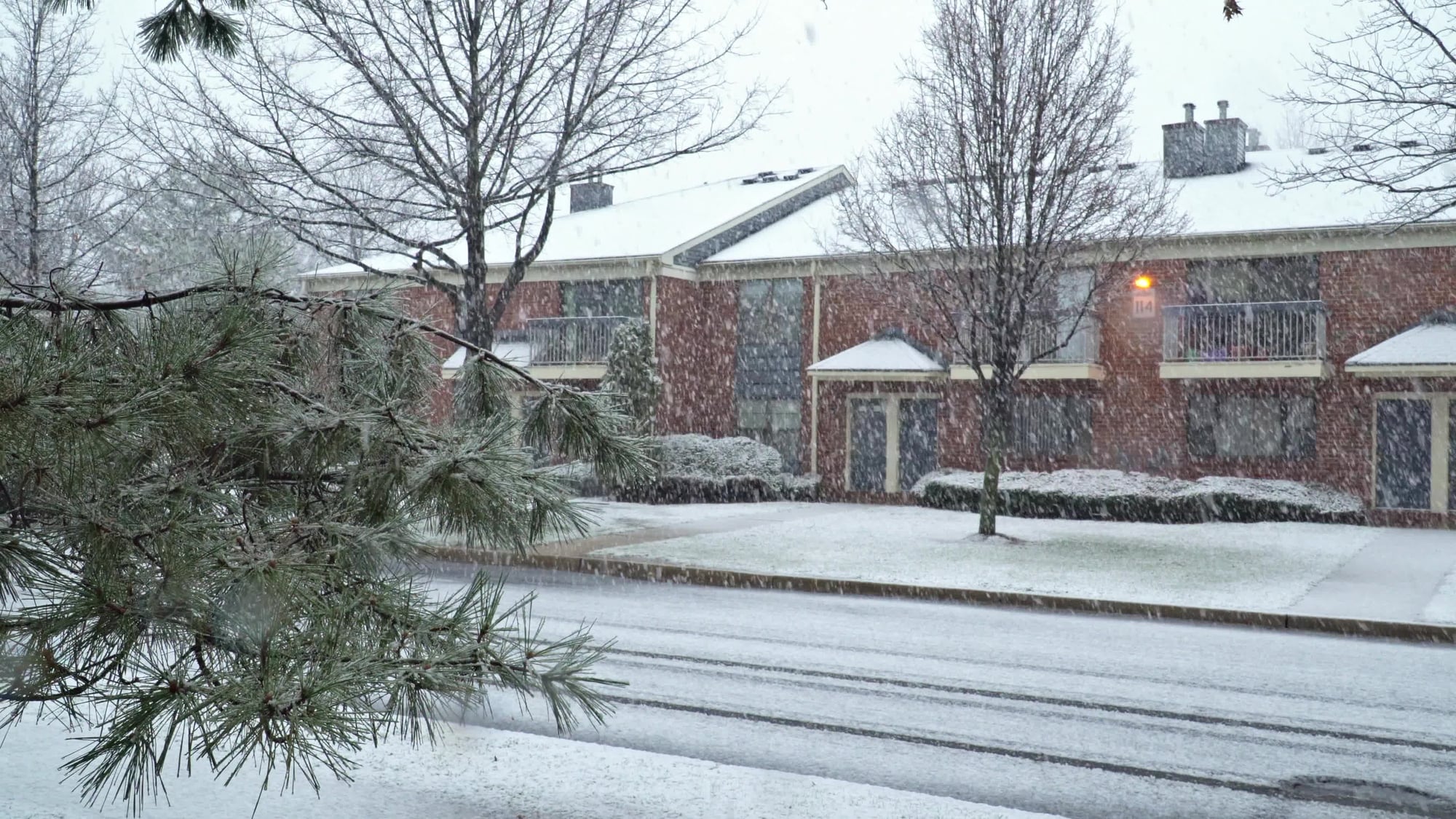
Buildings in Arctic communities tend to look practical first and decorative second. This is not a design failure; it is a survival choice.
Structures are often elevated to prevent heat from melting the ground beneath them, which can shift dramatically as frozen soil softens. Materials are chosen for insulation and durability rather than visual flair.
That said, these towns are not bleak. Inside, homes are warm, brightly lit, and often surprisingly cozy.
Thick walls, small windows, and compact layouts help retain heat, while shared spaces encourage people to spend time together. The result is architecture that quietly prioritizes comfort and efficiency over outward appearance.
Roads And Travel Follow The Landscape’s Rules
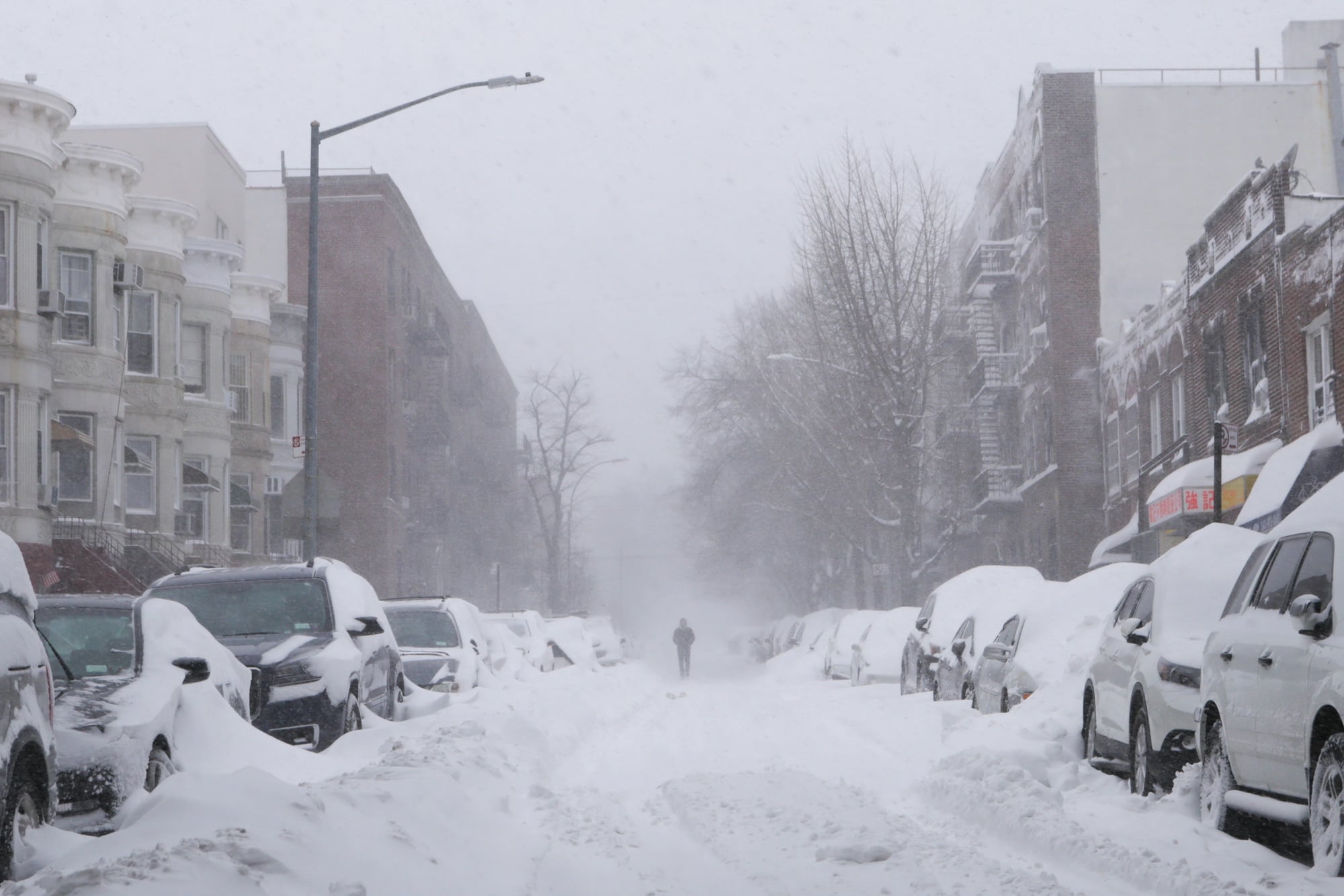
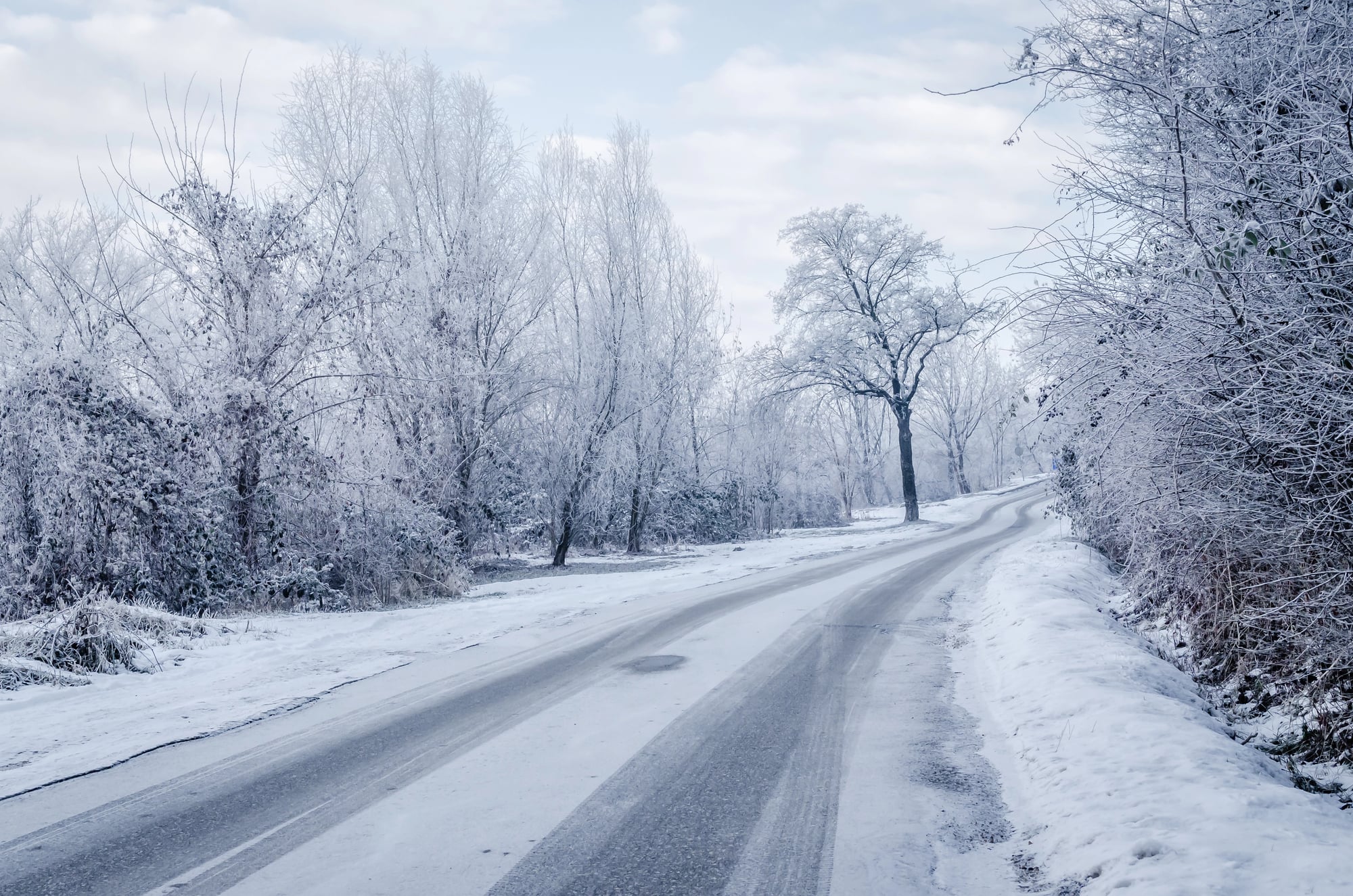
Driving in the Arctic is less about speed and more about patience. Many roads are seasonal, usable only when frozen ground makes them stable.
In some regions, winter actually improves travel conditions, allowing vehicles to cross areas that turn soft and unreliable during warmer months.
On the other hand, long-distance travel often depends on small aircraft rather than highways. Some communities are hundreds of miles apart with no permanent road connecting them.
Flights become as routine as bus trips elsewhere, and weather delays are treated as an expected part of life rather than an inconvenience.
Food Systems Rely On Preservation And Planning

Fresh produce does exist in Arctic towns, but it often arrives after long journeys by ship or plane. Because of this, residents place a high value on foods that store well and meals that can be prepared with limited ingredients.
Freezers, pantries, and careful planning are essential parts of the household.
Still, this does not mean food culture is dull. Traditional dishes draw heavily on local knowledge and seasonal availability, while modern kitchens blend imported staples with long-standing preservation methods.
Eating well in the Arctic is less about abundance and more about intention, making meals feel meaningful rather than routine.
Community Ties Are Unusually Strong

Small populations and geographic isolation naturally shape social dynamics. In many Arctic towns, people know their neighbors well, often across generations.
This familiarity creates a strong sense of accountability and mutual support, especially during harsh weather or long winters.
That said, privacy still exists, just expressed differently. Community life is built on respect for personal boundaries alongside a shared understanding that help is never far away.
Celebrations, local events, and informal gatherings play a central role in maintaining these bonds, turning isolation into a source of connection rather than distance.
Wildlife Influences Daily Decisions

Living in the Arctic means sharing space with animals that are not just scenic, but powerful and unpredictable. Wildlife awareness is woven into everyday routines, from how trash is stored to when people choose to walk alone.
This awareness is practical, not fearful, rooted in long experience rather than alarm.
Even so, wildlife also represents continuity. Seasonal migrations and animal behavior mark the passage of time as clearly as any calendar.
For many residents, paying attention to these patterns offers a sense of stability and connection to the land that persists despite modern changes.
Technology Bridges Extreme Distances
Despite its remoteness, the Arctic is not cut off from the modern world. Satellite internet, advanced weather forecasting, and remote communication tools play an outsized role in daily life.
These technologies help residents work, study, and stay connected across vast distances that would otherwise feel isolating.
Still, reliance on technology comes with limits. Connectivity can be fragile, and outages are treated as something to prepare for rather than panic over.
This balance encourages both digital engagement and offline resilience, reminding people not to take constant access for granted.
Cold Weather Changes How The Body Is Understood
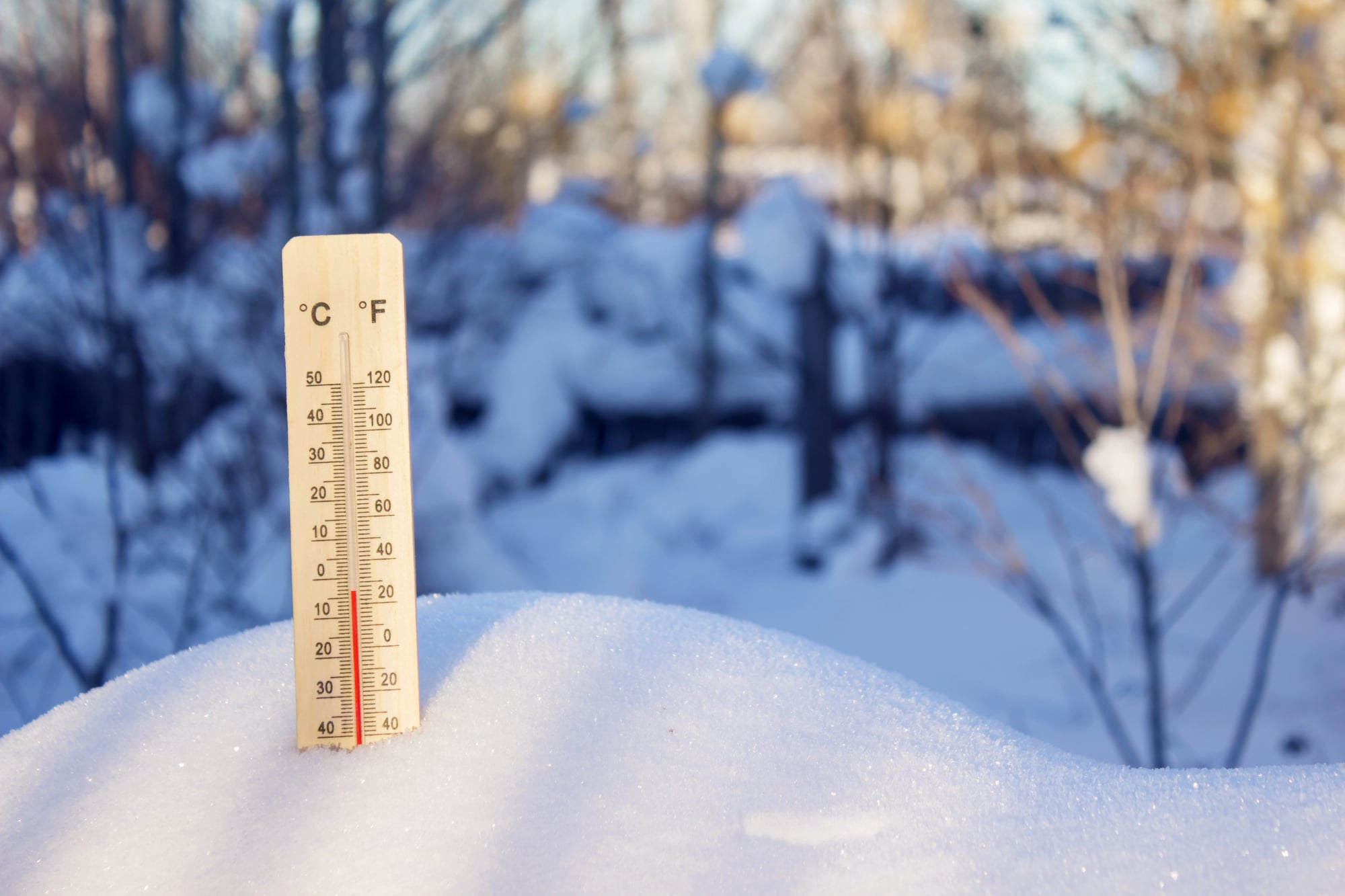
People who live in Arctic regions develop a practical relationship with cold. Clothing choices, movement, and even posture are adapted to conserve warmth and energy.
Layers are treated as essential equipment, and exposure is managed carefully rather than avoided entirely.
Over time, this awareness becomes second nature. Cold is no longer an enemy to fight but a condition to work with.
That mindset reduces risk and builds confidence, allowing people to move through their environment with calm efficiency rather than tension.
Seasonal Light Shapes Mental Well-Being Strategies
Extended darkness can be challenging, and Arctic communities have developed ways to manage it that go beyond simple endurance. Bright indoor spaces, regular social interaction, and structured daily routines all help maintain balance during long winters.
At the same time, summer’s endless daylight brings its own adjustments. Sleep routines shift, and homes are often designed with blackout solutions to support rest.
These strategies reflect a broader understanding that mental well-being in the Arctic is actively maintained, not left to chance.
Tradition And Modern Life Coexist Closely
What catches attention in the Arctic? Old ways walk step by step with what’s new.
Knowledge passed through years – about ice, wind, timing – sits right next to screens lighting up faces. Doctors arrive by plane now, kids learn in classrooms built last decade.
Yet elders speak, young ears listen. Not resistance.
More like threads weaving, one strand old, another fresh. Still, things keep shifting.
As younger locals move through worldwide influences, they stay tied to home ground – this mix shapes who they are. Not stuck, the Arctic shifts slowly, holding on instead of letting go.
Why Arctic Life Still Matters
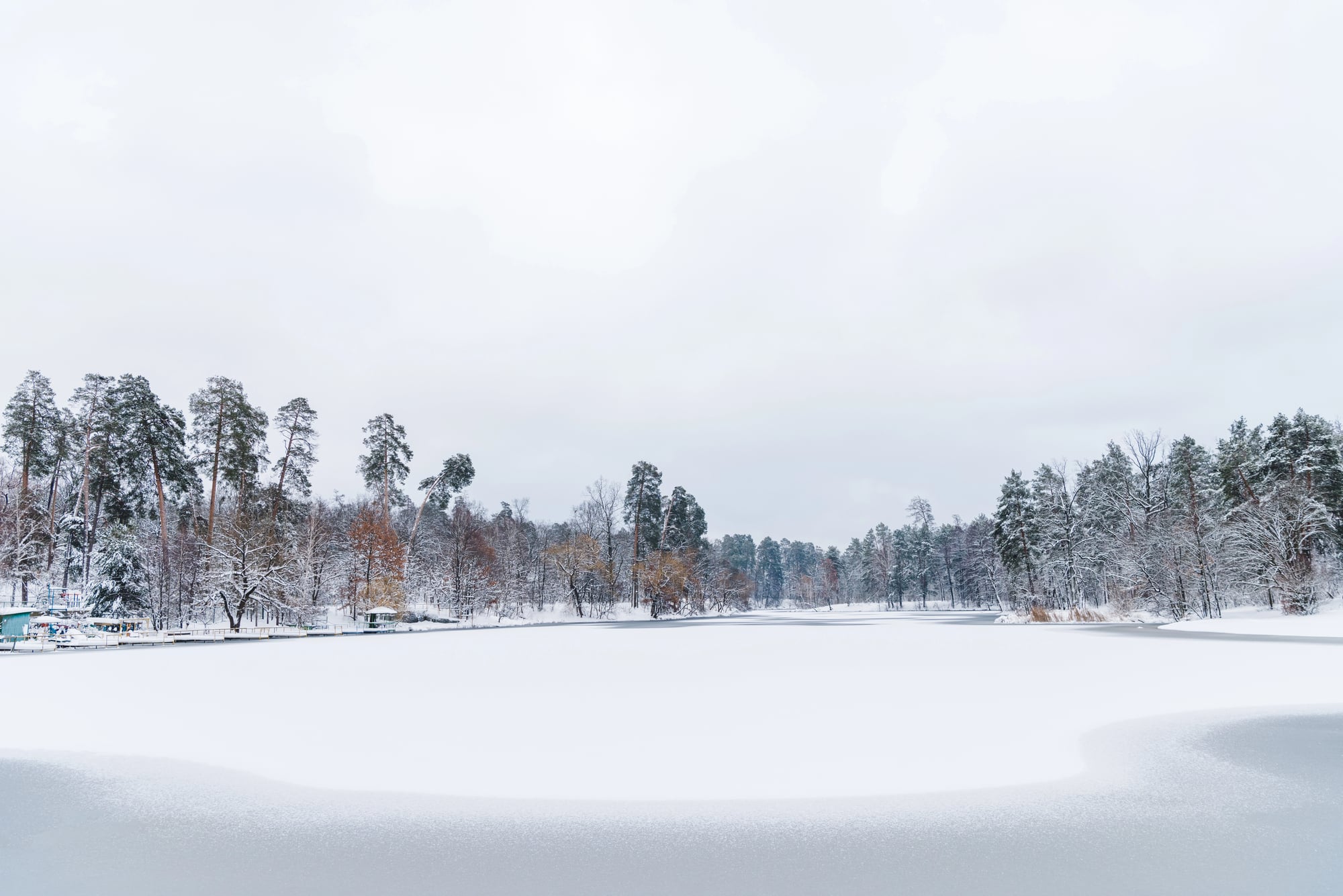
Out in the cold, daily life just moves differently. Built on shared effort, survival ties closely to foresight and care for nature.
When weather shapes every choice, small habits carry big weight. What works up north often quietly mirrors what helps elsewhere now.
Ways of staying warm, staying connected, staying ready – these matter more lately. Life up north feels immediate, real.
When nature draws a hard line, human reactions show clearly – ingenuity grows right there inside tight conditions. This calm strength turns existence above the Arctic Circle into something more than endurance – it becomes a lesson worth noticing.
More from Go2Tutors!

- The Romanov Crown Jewels and Their Tragic Fate
- 13 Historical Mysteries That Science Still Can’t Solve
- Famous Hoaxes That Fooled the World for Years
- 15 Child Stars with Tragic Adult Lives
- 16 Famous Jewelry Pieces in History
Like Go2Tutors’s content? Follow us on MSN.