13 Oddities From the Day the Stock Market Crashed in 1929
The October 29, 1929 stock market crash—infamously known as “Black Tuesday”—marked the beginning of the Great Depression and forever changed American economic history. While many know the basic story of financial ruin and panic, the day itself was filled with bizarre occurrences that rarely make it into history books.
Here is a list of 13 strange phenomena and oddities that occurred during that fateful day when Wall Street’s bubble finally burst.
Window Ledge Watchers

As panic spread, crowds gathered outside the New York Stock Exchange—not to protest, but to watch for potential jumpers. Though only two suicides were reported on Wall Street that day, the myth of widespread tragedy endured. Some hotels even began advertising “jumper-proof” windows to ease wealthy guests’ anxieties.
The Millionaires’ Club Janitor

A janitor at an elite financial club had quietly invested over the years, emerging relatively unscathed after the crash. Ironically, he had outperformed many of the millionaires he served. One club member was so impressed by his prudence that he offered the janitor a job as a financial advisor the next day.
The Missing Stock Certificates
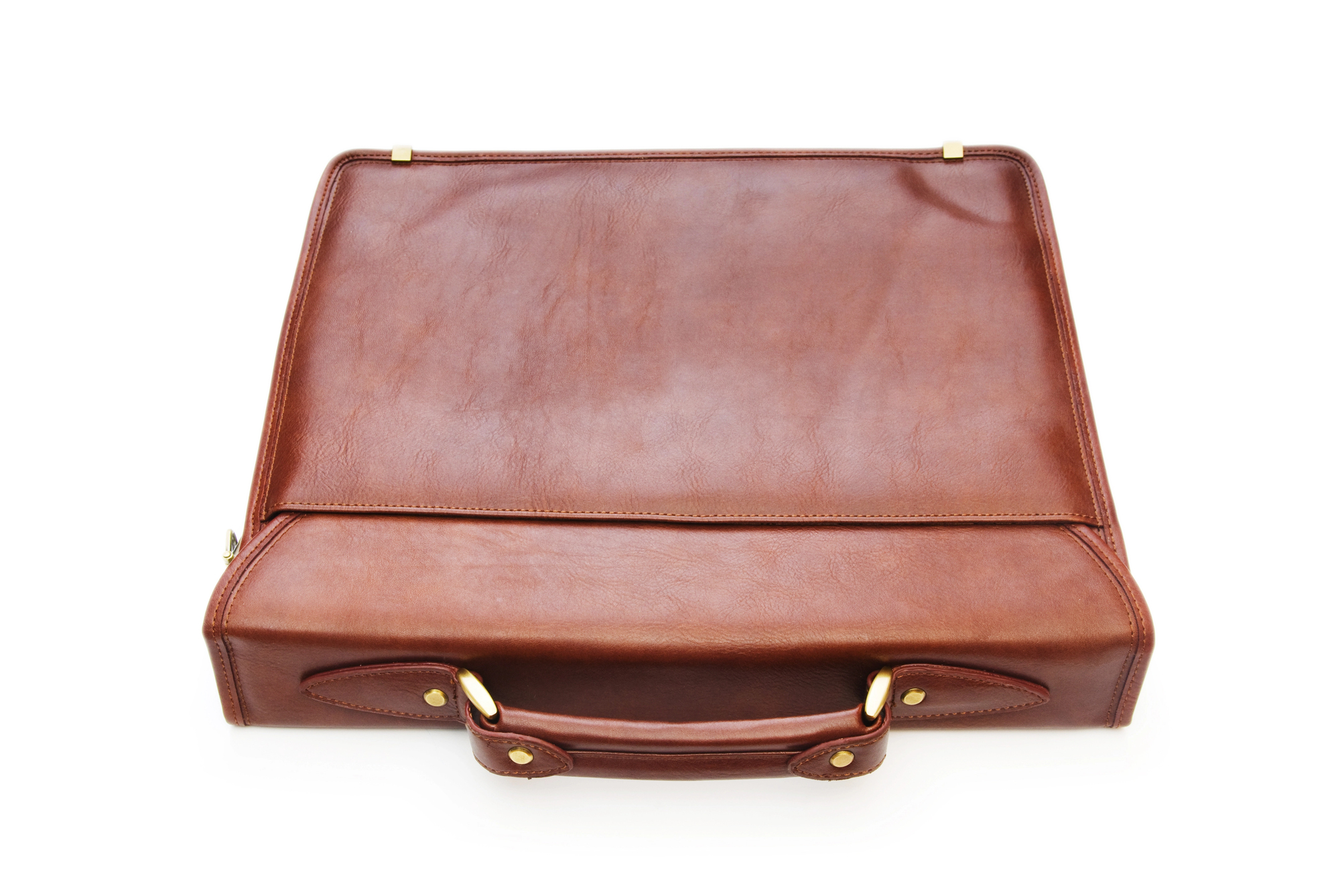
A brokerage clerk misplaced a leather case containing $2 million in stock certificates during the chaos. It was later found being used as a cushion by a messenger boy unaware of its value. Exhausted from the day, he’d simply wanted something soft to sit on.
Telephonic Breakdown

Wall Street’s phone system buckled under a deluge of over 3 million calls—six times its normal load. With phone lines jammed, some brokers sent teenage runners with handwritten messages. For a moment, the financial hub of the world reverted to a much older, slower mode of communication.
The Stock Ticker Delay
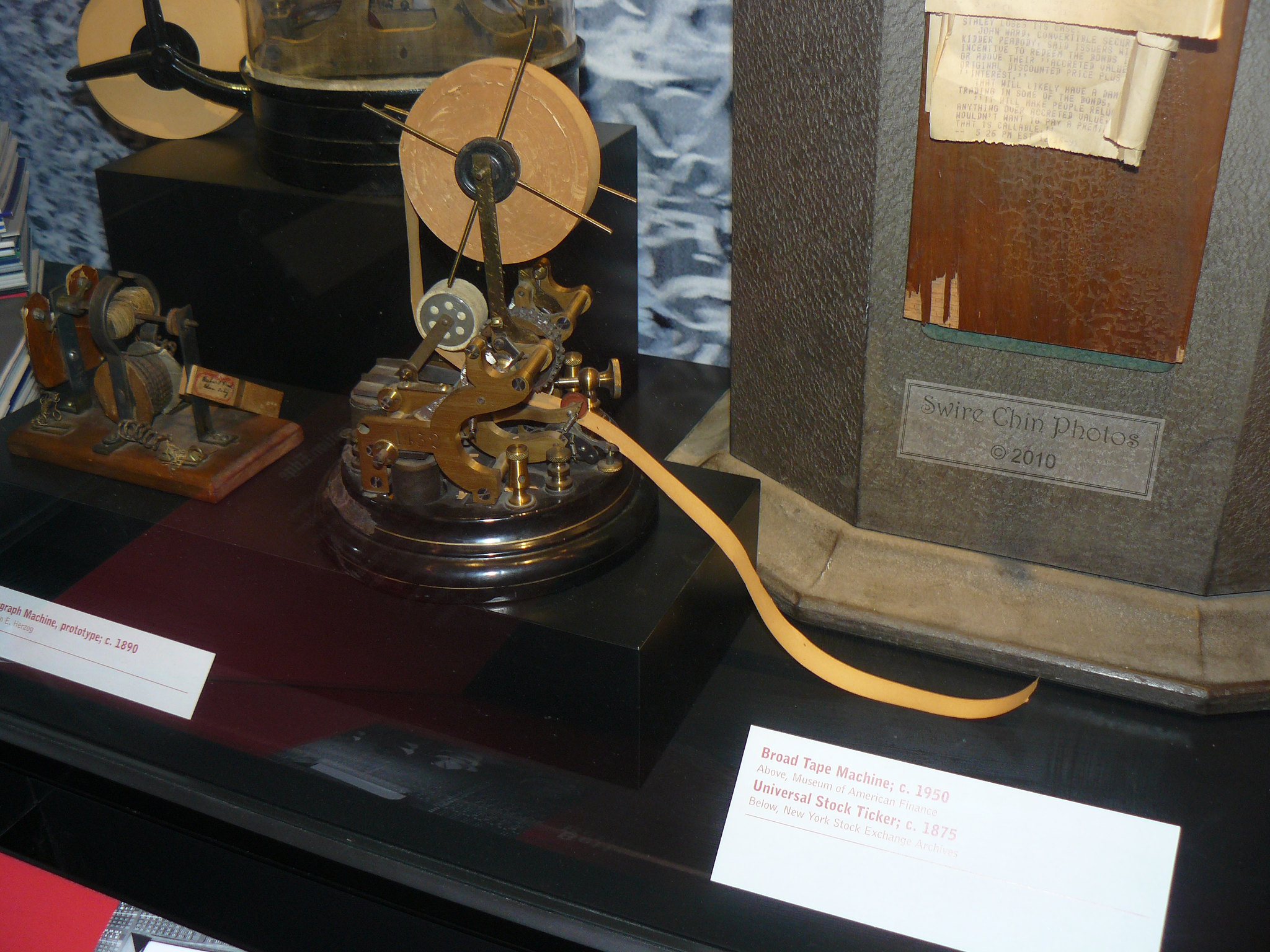
Ticker tape machines fell so far behind that by mid-afternoon, they were still printing morning prices. Traders were flying blind, making decisions without knowing real-time values. It was a rare moment when information—so central to finance—was both abundant and utterly useless.
The Ice Cream Phenomenon
Nearby ice cream parlors had record-breaking sales that day, as defeated traders sought comfort in sweets. One shop ran out of vanilla and chocolate by mid-afternoon. The owner recalled seeing men in fine suits solemnly licking cones, a strange collision of despair and dessert.
The Fortunate Film Crew
A documentary team filming city life happened to be near Wall Street that morning. They pivoted to capture the growing panic, documenting some of the day’s most authentic street scenes. Their accidental footage would become an invaluable historical record.
The Market Oracle

A shoe shine boy made an eerily accurate prediction, warning a banker client to sell everything that day. When asked why, he explained too many bankers had been asking for shines on credit. The banker took the boy’s advice—and preserved part of his fortune.
The Restaurant Boom

Local restaurants had one of their busiest days despite the financial disaster. Too anxious to leave and too hungry to keep going, traders packed nearby eateries. One place sold six months’ worth of whiskey—despite Prohibition still being the law.
The Traffic Jam
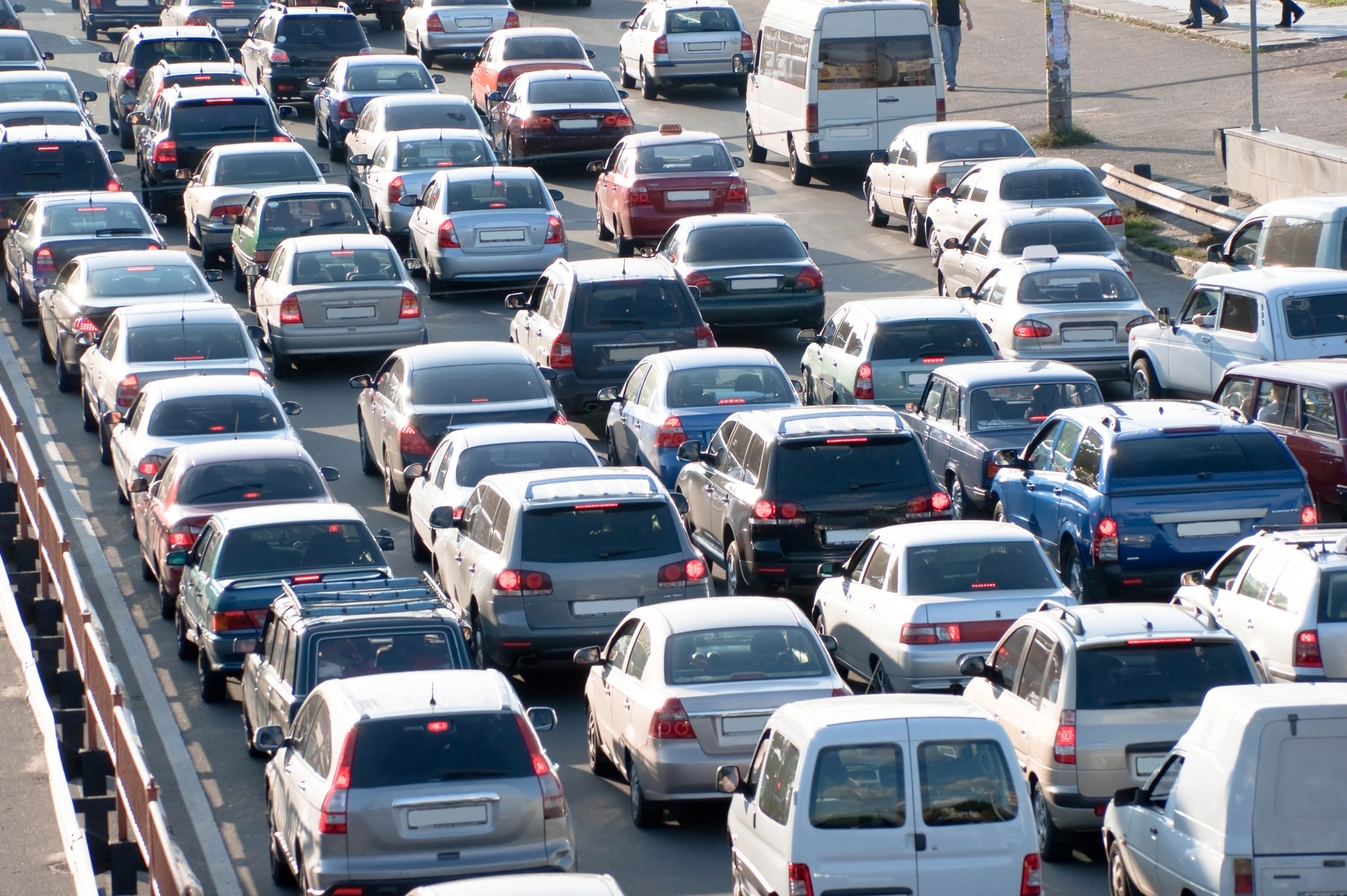
Panic triggered one of Manhattan’s worst-ever traffic jams. People rushed to banks and brokerages, clogging streets beyond control. With chaos mounting, police abandoned directing traffic in some areas. Drivers left damaged cars behind, desperate to get downtown on foot.
The Telegram Shortage
Western Union offices ran out of official forms and resorted to blank sheets to handle demand. Messenger boys began delivering telegrams by building, not person, and even shouted recipient names in crowded lobbies. The message frenzy was overwhelming.
The Market Holiday Debate
Even amid financial collapse, stock exchange officials debated whether to close early. Some feared closure would worsen panic, others argued it might stop the bleeding. They chose to stay open—an intensely controversial decision that economists still debate.
The Aftermath’s Unexpected Resilience
Though the crash shattered confidence and fortunes, it also sparked a wave of human adaptability. Communities formed barter systems, neighbors supported each other, and the seeds of the New Deal began to grow. The wreckage gave way to reinvention.
A Human Snapshot of Collapse
The stock market crash of 1929 wasn’t just a financial implosion—it was a deeply human moment. From barefoot traders to ice cream therapy and prophetic shoeshines, Black Tuesday captured how people respond to crisis with panic, improvisation, humor, and unexpected grace.
More from Go2Tutors!

- The Romanov Crown Jewels and Their Tragic Fate
- 13 Historical Mysteries That Science Still Can’t Solve
- Famous Hoaxes That Fooled the World for Years
- 15 Child Stars with Tragic Adult Lives
- 16 Famous Jewelry Pieces in History
Like Go2Tutors’s content? Follow us on MSN.



