Rare Cultural Festivals Still Celebrated Worldwide
Every corner of the planet holds traditions that have survived centuries, passed down through generations who refused to let them fade away. While most people know about famous celebrations like Carnival or Oktoberfest, countless smaller festivals continue thriving in remote villages and tight-knit communities.
These gatherings tell stories about who people are, where they came from, and what matters most to them. Here’s a look at some of the most unusual and fascinating festivals that still bring communities together today.
Monkey Buffet Festival in Thailand
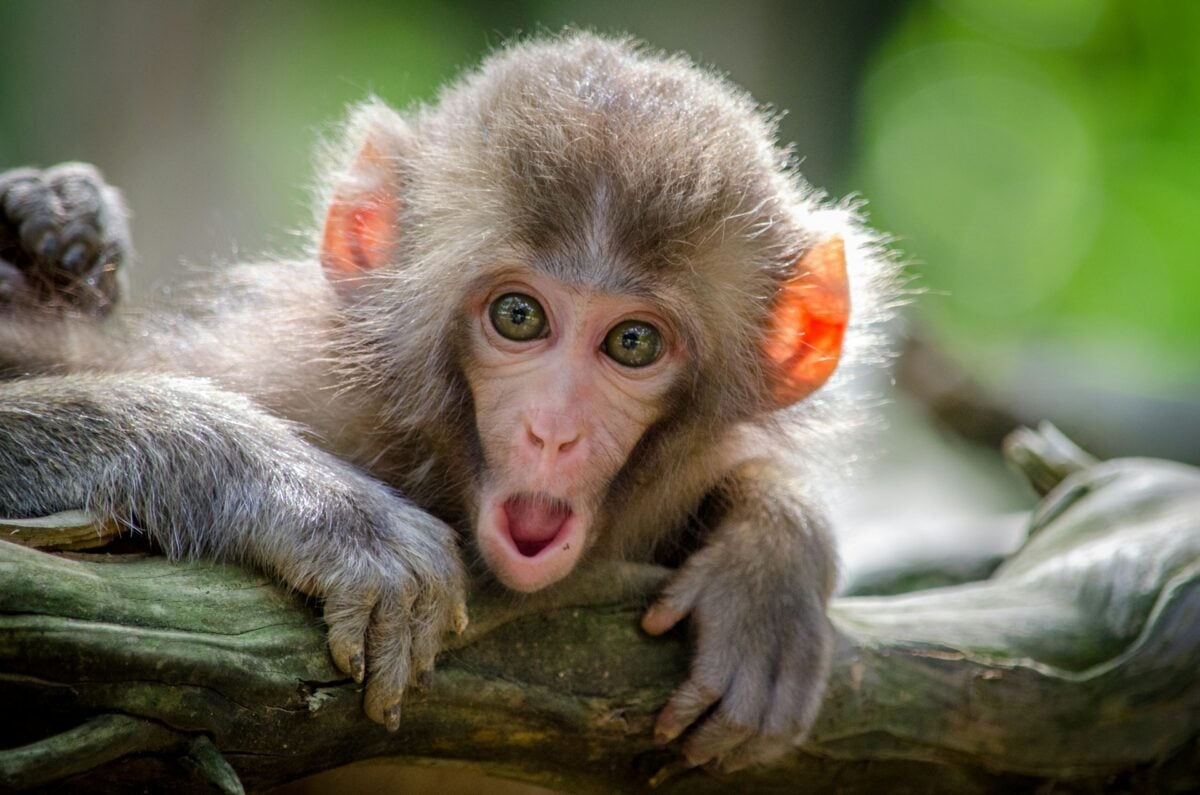
Every November, the town of Lopburi throws an elaborate feast for thousands of monkeys who live around the ancient temples. Tables overflow with fruits, vegetables, and treats specifically prepared for the primate guests.
Local people believe the monkeys bring good luck and prosperity, so they spare no expense in showing gratitude. Tourists come from around the world to watch the chaos unfold as monkeys scramble over pyramids of food, creating scenes that look more like a wildlife documentary than a cultural event.
Kanamara Matsuri in Japan
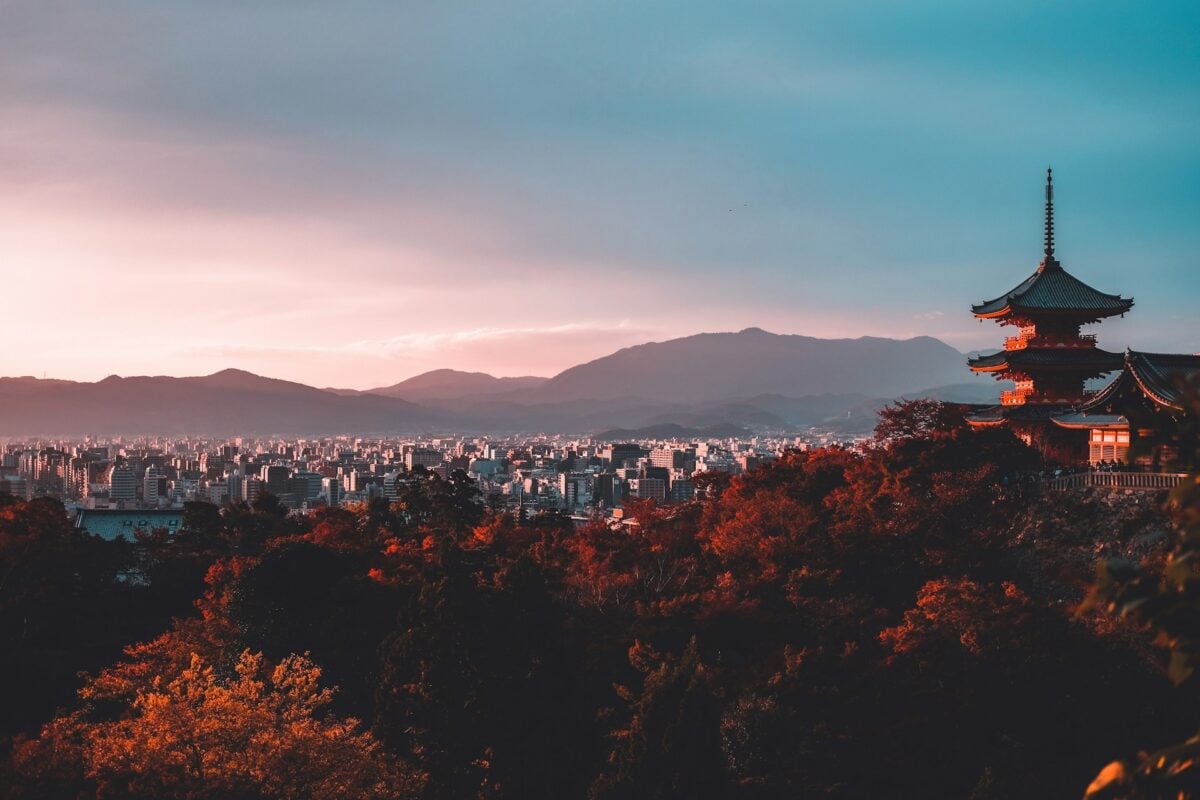
This spring festival in Kawasaki celebrates fertility and has roots going back centuries to when people prayed for protection and prosperity. Giant decorations parade through the streets while vendors sell themed foods and souvenirs.
What makes it unusual is how openly the community embraces symbols that other cultures might find uncomfortable. The proceeds support HIV research, giving this ancient tradition a modern purpose that helps people today.
Like Go2Tutors’s content? Follow us on MSN.
El Colacho baby jumping in Spain
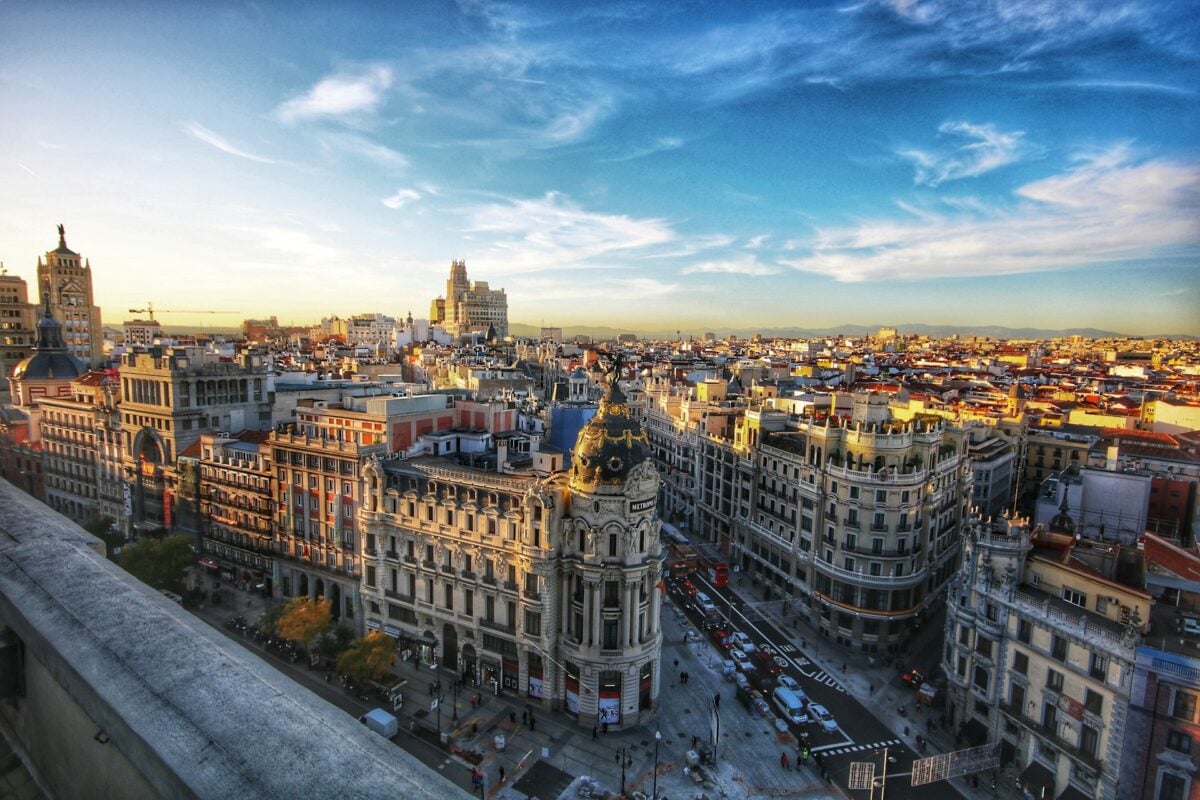
The village of Castrillo de Murcia hosts a festival where men dressed in bright costumes leap over infants lying on mattresses in the street. This tradition dates back to 1620 and supposedly cleanses babies of original sin while protecting them from illness.
Parents willingly place their newborns in the path of the jumpers, trusting in centuries of practice. Despite how dangerous it looks, no baby has ever been hurt during this bizarre ritual that brings the entire village together each June.
Boryeong Mud Festival in South Korea
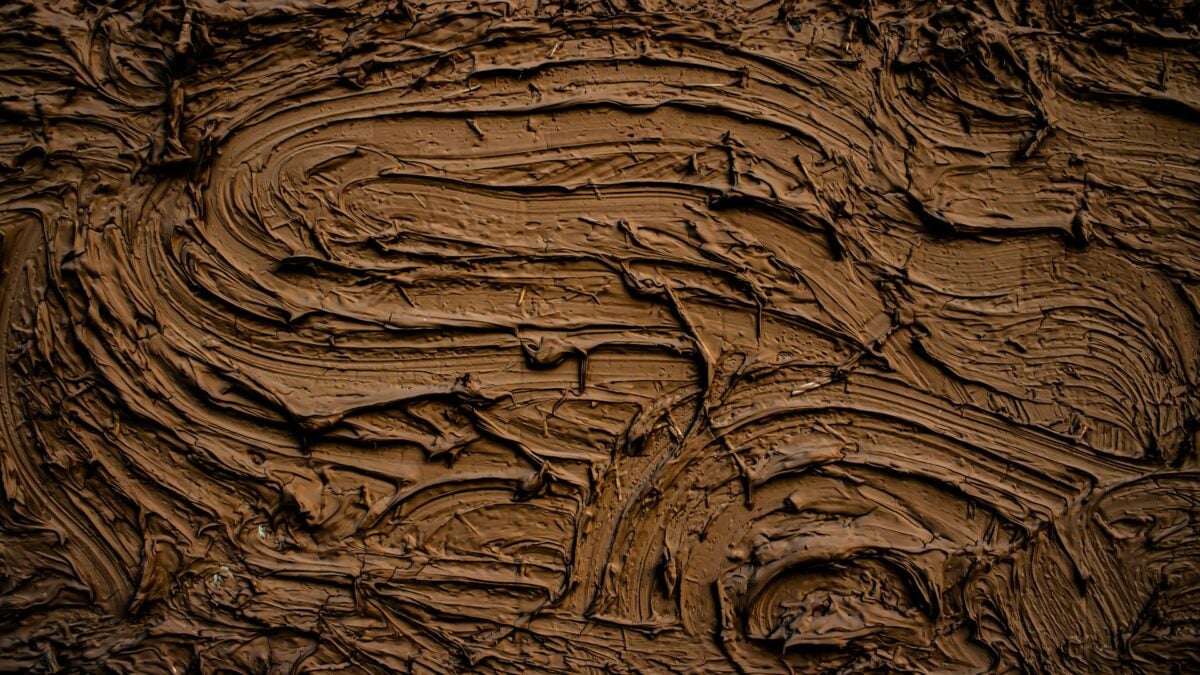
What started as a marketing campaign for local cosmetics turned into one of Asia’s messiest celebrations. Millions of people descend on Boryeong each summer to cover themselves in mineral-rich mud from nearby flats.
The event features mud wrestling, mud slides, and mud prisons where participants gleefully coat each other from head to toe. It proves that sometimes the best festivals are the ones that encourage adults to act like kids again.
Cheese rolling at Cooper’s Hill in England
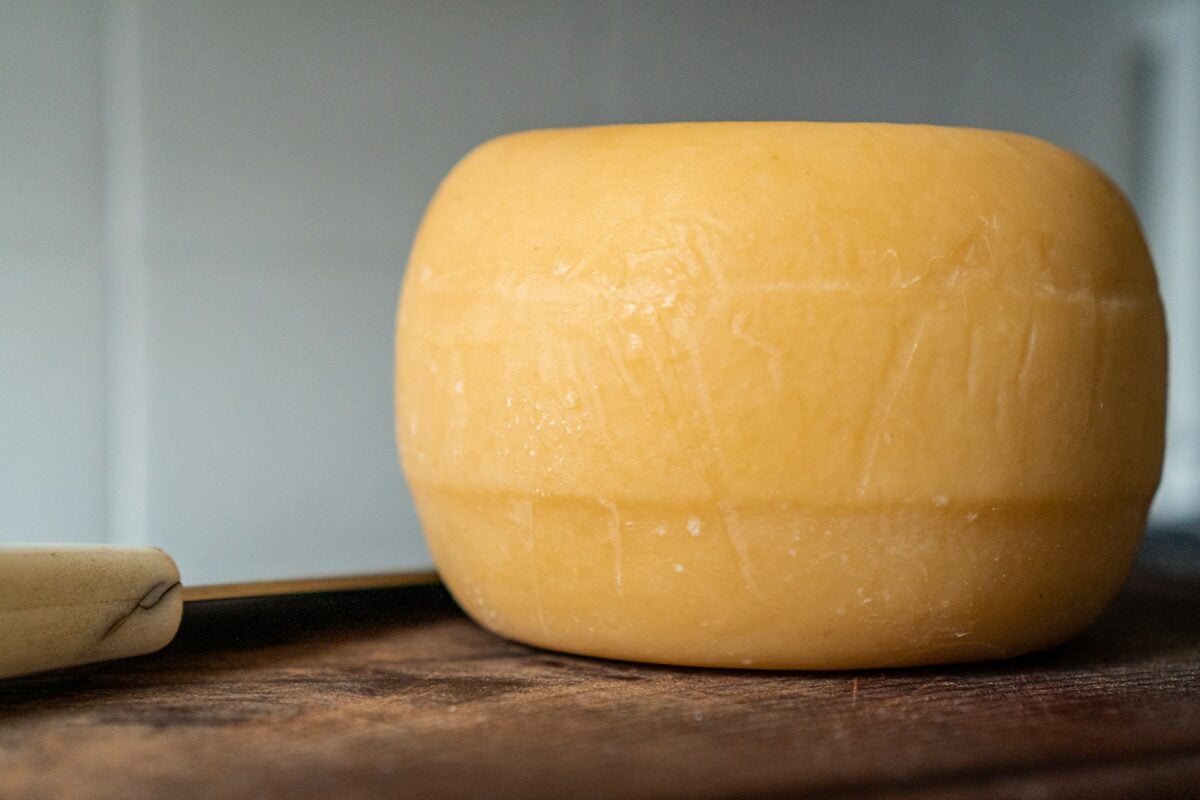
Every May, brave souls chase a nine-pound round of cheese down an incredibly steep hill in Gloucestershire. The cheese reaches speeds up to 70 miles per hour, and competitors tumble, flip, and crash their way down trying to catch it.
Injuries happen almost every year, yet people keep coming back for the thrill and the glory of winning the cheese. This dangerous tradition has continued for over 200 years despite officials trying to shut it down multiple times.
Like Go2Tutors’s content? Follow us on MSN.
Thaipusam in Malaysia and Singapore
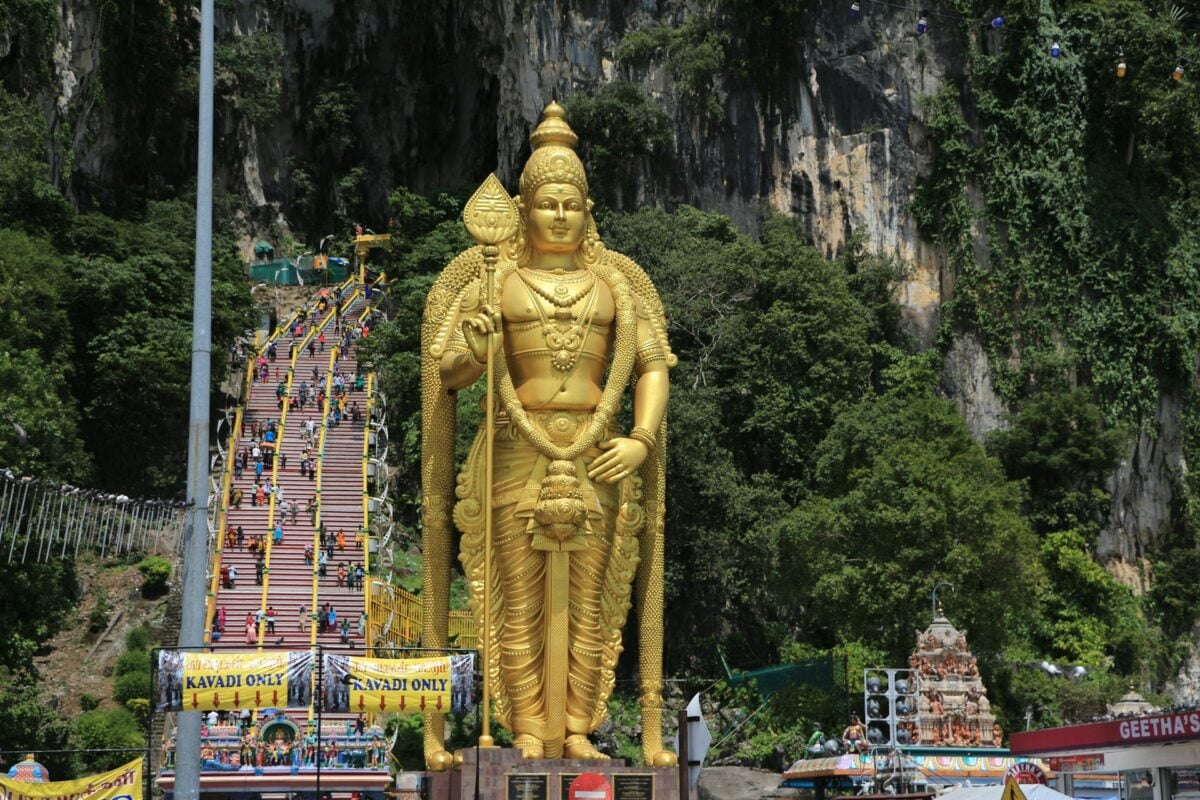
Hindu devotees pierce their skin with hooks and skewers during this intense festival honoring Lord Murugan. Participants enter trance-like states and carry heavy structures called kavadis while walking long distances to temples.
Preparation involves weeks of fasting and prayer before the main event. Observers describe feeling overwhelmed by the devotion on display, as participants seem to feel no pain during their spiritual journey.
Night of the Radishes in Mexico
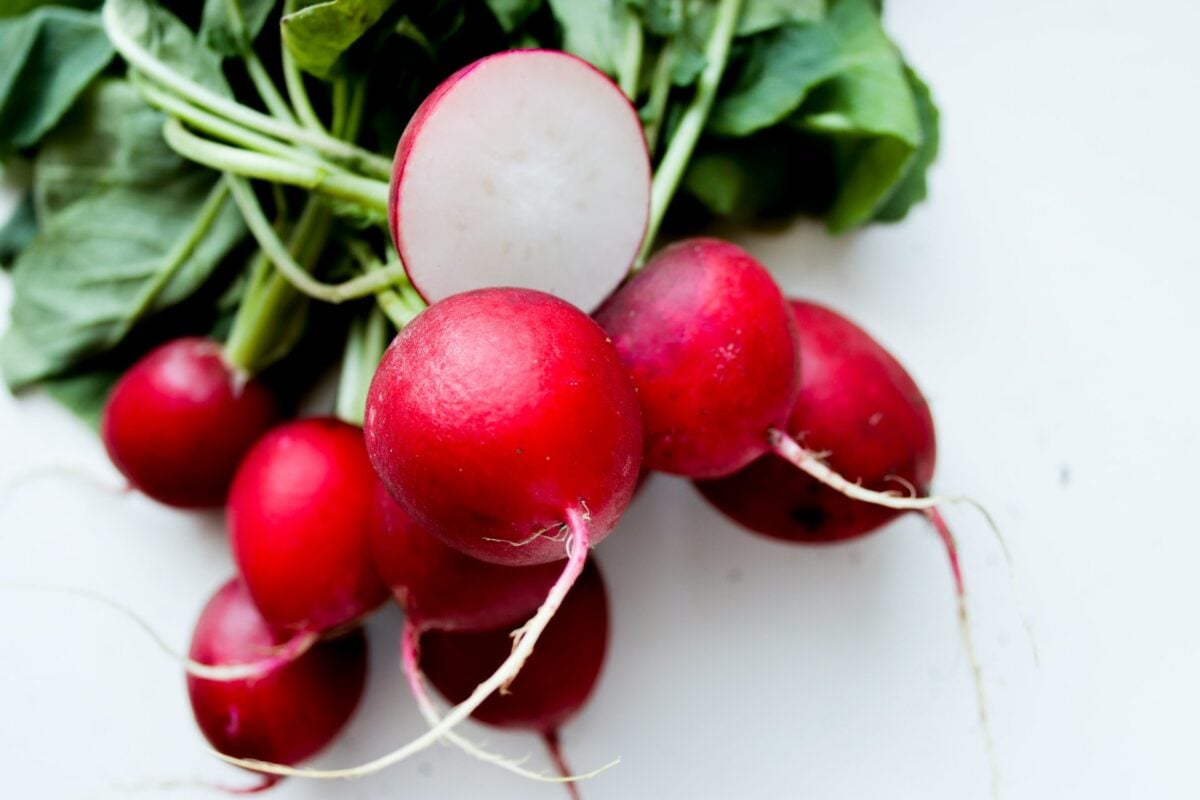
The people of Oaxaca spend December 23rd carving elaborate scenes into oversized radishes grown specifically for this purpose. Artists create nativity scenes, historical moments, and fantasy landscapes entirely from these root vegetables.
The competition draws huge crowds who vote for their favorite displays before the radishes wilt. This quirky tradition started in 1897 when vendors decorated their market stalls, and it has grown into a major annual event that showcases incredible artistic talent.
Holi Cow Festival in India
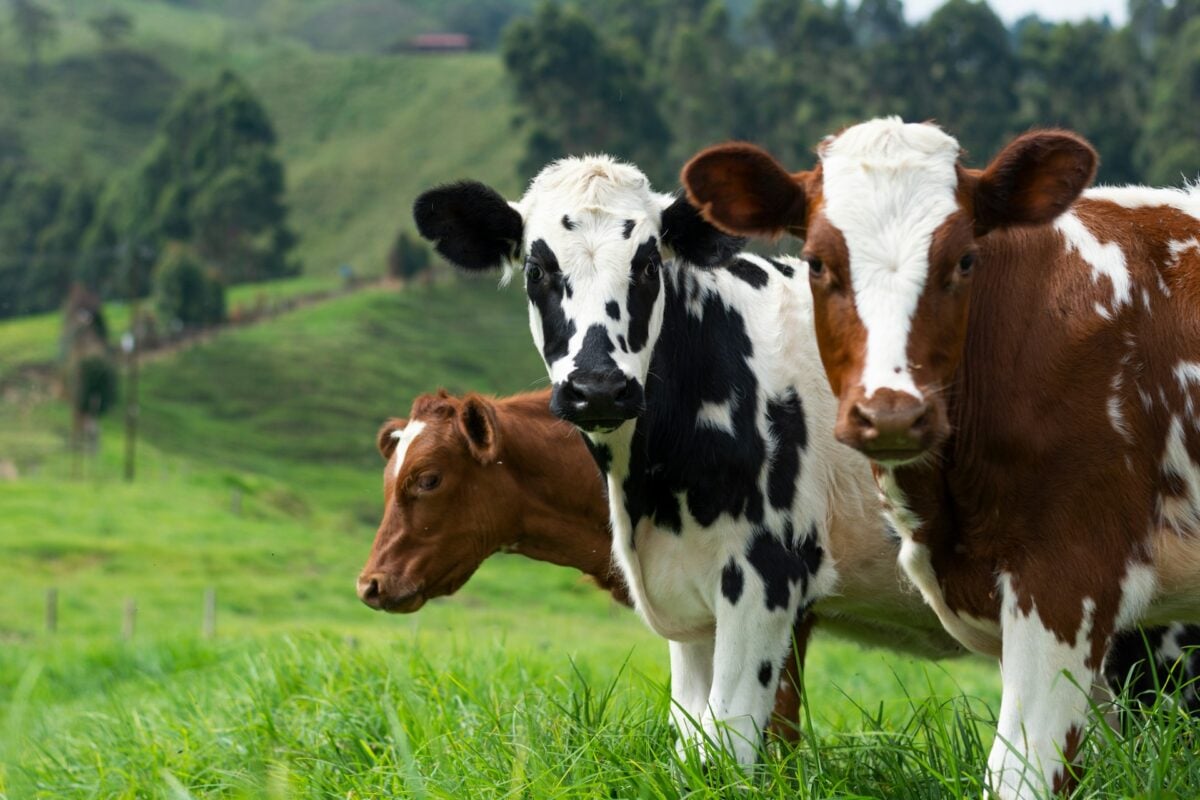
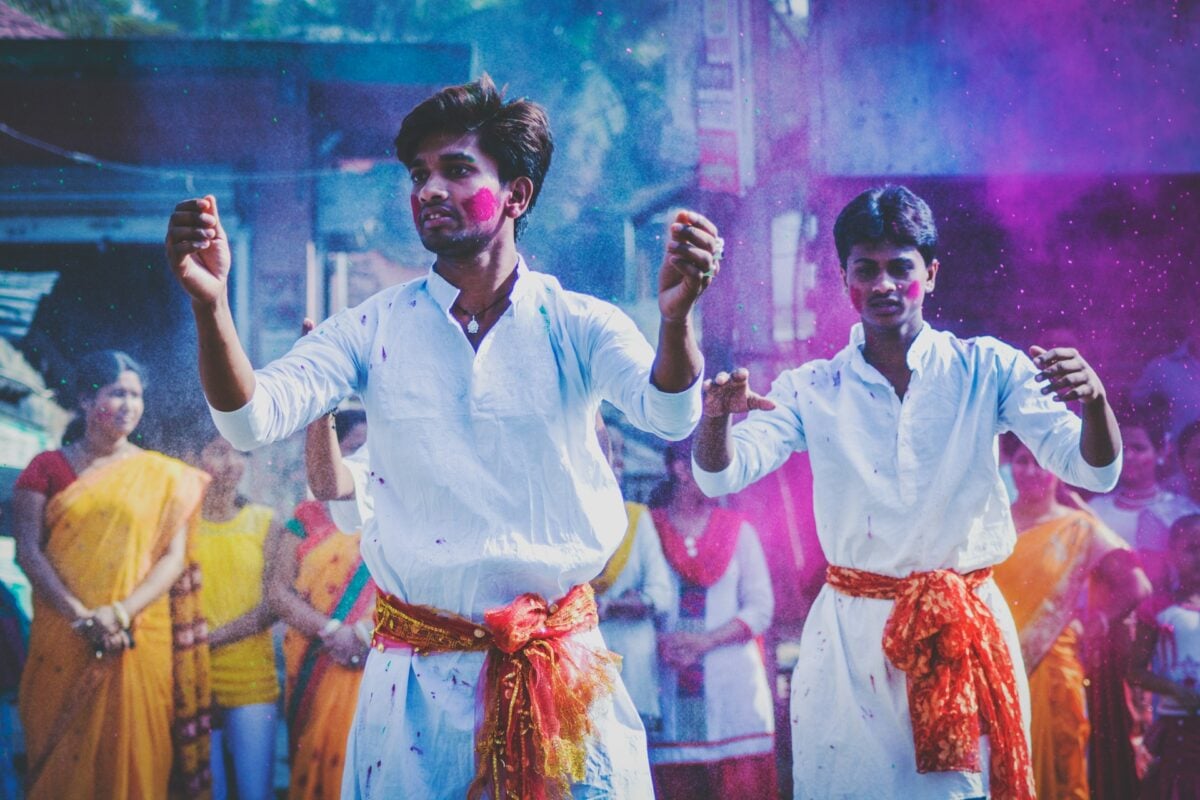
While Holi color throwing happens across India, some regions celebrate with cows as honored guests who receive blessings and treats. Communities paint the animals with bright, safe dyes and parade them through streets decorated with flowers.
The cows seem to enjoy the attention and extra food that comes their way. This variation combines the joy of Holi with respect for animals considered sacred in Hindu culture.
Like Go2Tutors’s content? Follow us on MSN.
Goroka Show in Papua New Guinea
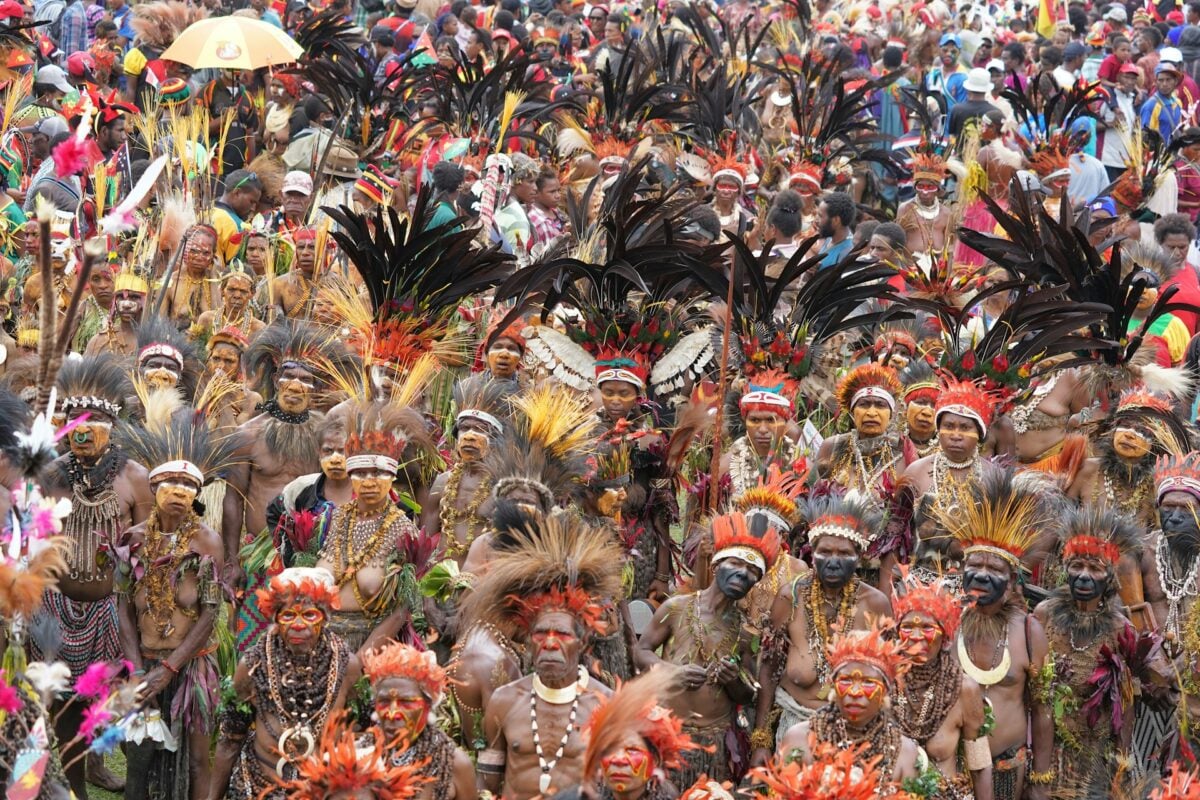
Over 100 tribes gather each September in traditional dress to dance, sing, and share their distinct cultures with each other and visitors. Face paint, feathers, and ceremonial costumes create a stunning visual display of diversity.
Many of these tribes live in remote areas and only come together for this annual event. Young people learn traditional dances and songs that might otherwise disappear as modern life reaches even isolated communities.
Wife Carrying Championship in Finland
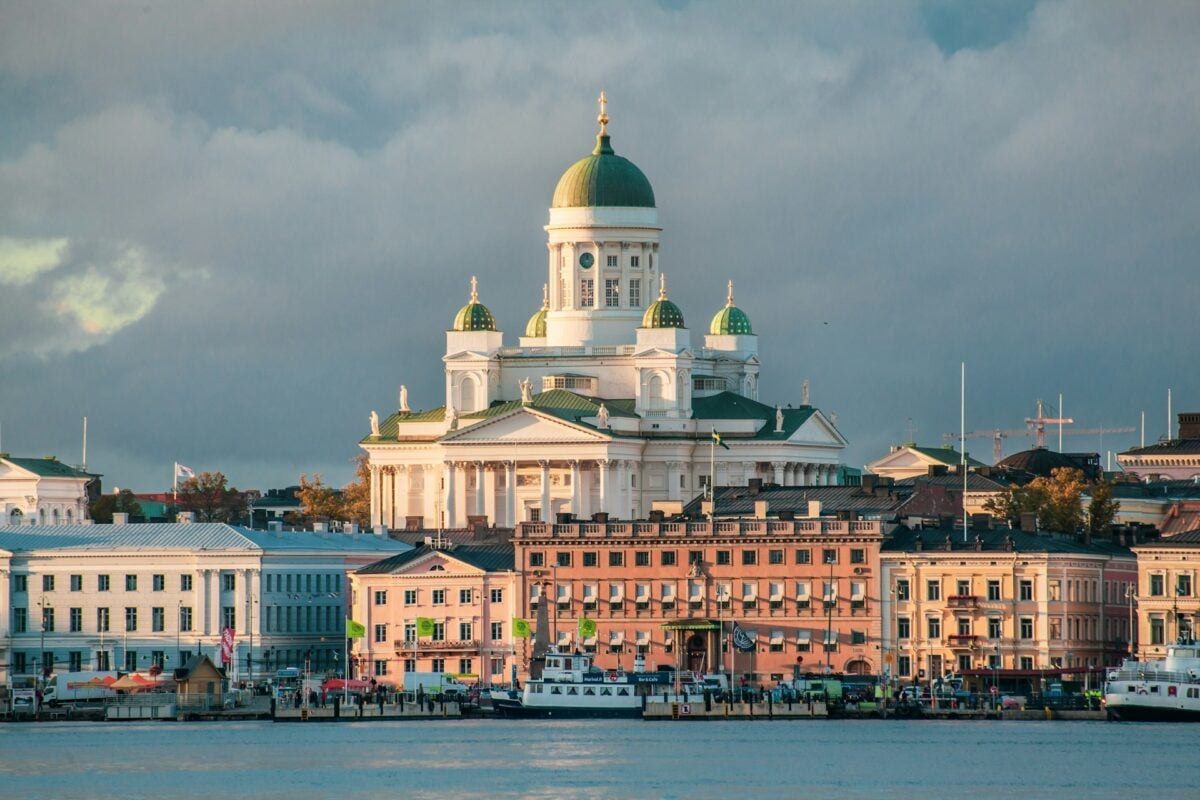
Men race through an obstacle course while carrying women on their backs, competing for the woman’s weight in beer. The sport started as a joke but now attracts international competitors who train seriously for the event.
Couples don’t need to be married to participate, despite the name. Winners receive fame throughout Finland and bragging rights that last until the next championship.
Phuket Vegetarian Festival in Thailand
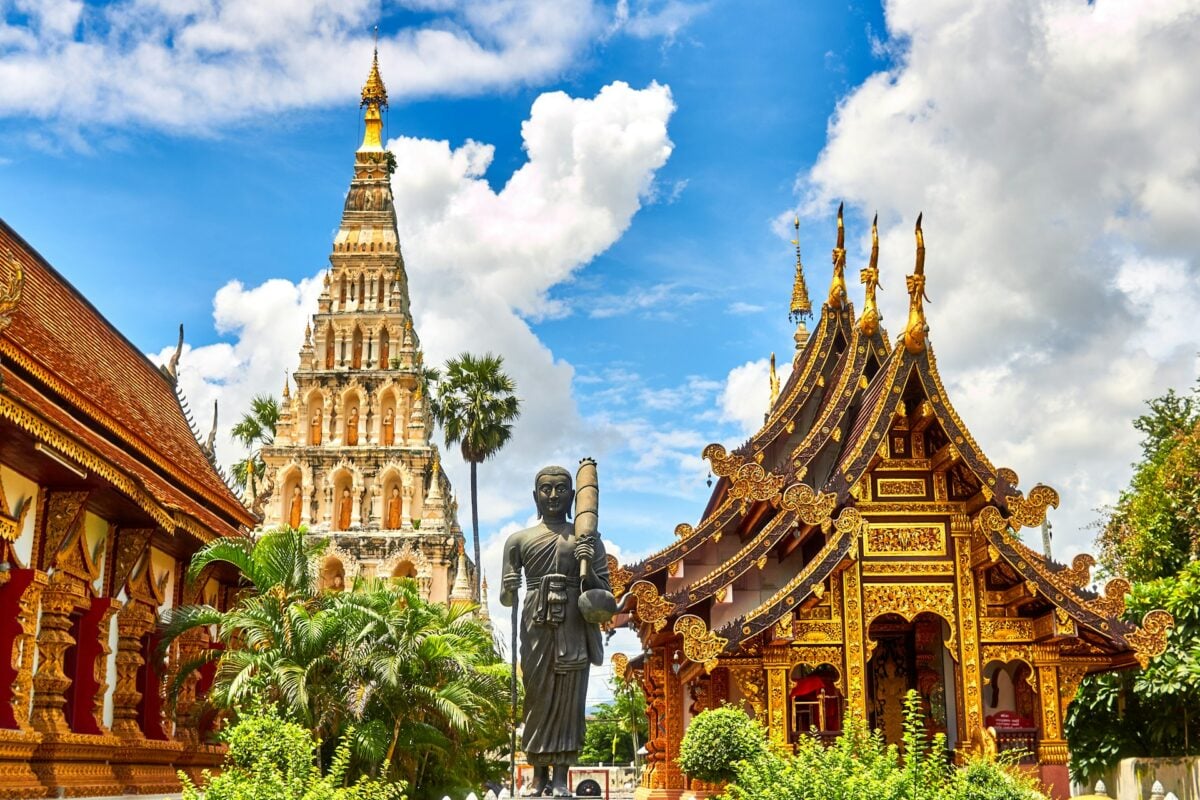
Participants follow strict rules about what they eat and how they behave for nine days, culminating in street processions that test the limits of human endurance. Devotees pierce their cheeks with everything from skewers to swords while in spiritual trances.
Firewalking and blade ladder climbing add to the intensity of the celebrations. The community believes these acts of devotion bring good fortune to the entire town for the coming year.
Like Go2Tutors’s content? Follow us on MSN.
Hadaka Matsuri in Japan
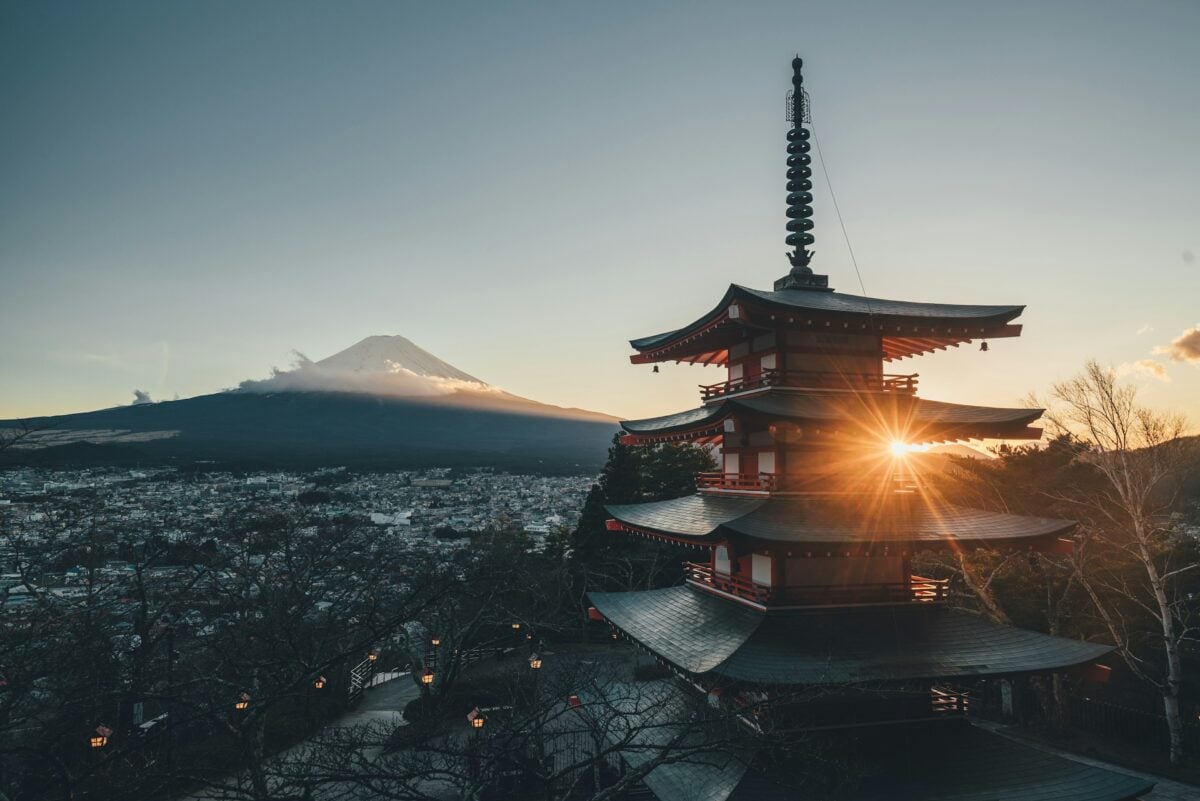
Thousands of men wearing minimal clothing compete to touch a sacred wooden stick that priests throw into the crowd. The competition happens in freezing February weather, adding to the challenge.
Believers think touching the stick brings good luck and absorbs bad fortune from the community.
Falles Festival in Spain
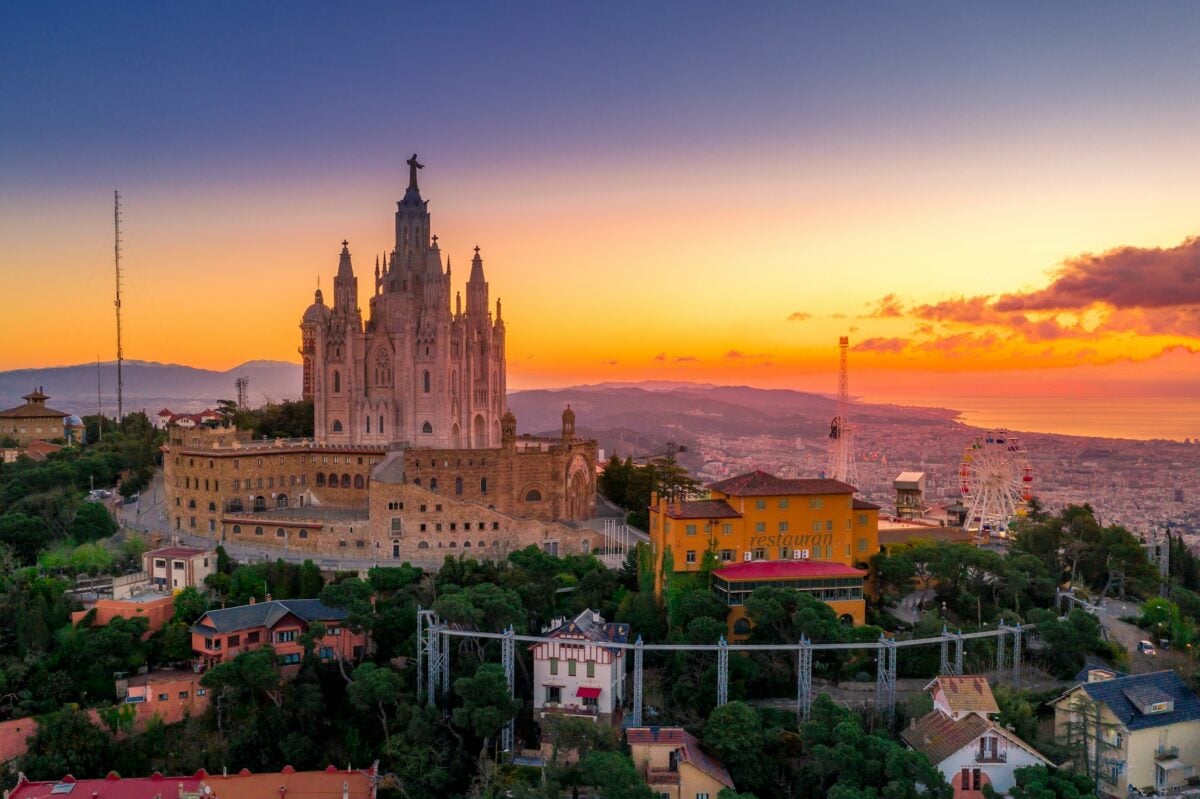
Valencia spends months building enormous sculptures only to burn them all on the final night of this March celebration. Artists create satirical representations of current events and famous figures that tower over the streets.
The city becomes an outdoor art gallery before everything goes up in flames at midnight. This cycle of creation and destruction represents renewal and the triumph of light over darkness.
Where tradition meets tomorrow
These festivals survive because communities refuse to let them fade into history books and forgotten memories. Young people learn the dances, master the crafts, and carry forward traditions that connect them to ancestors they never met.
While the modern world rushes forward, these celebrations offer anchors to the past and reminders of what makes each culture unique. The festivals adapt and evolve while keeping their core meanings intact, proving that old traditions can thrive even in changing times.
More from Go2Tutors!

- 16 Historical Figures Who Were Nothing Like You Think
- 12 Things Sold in the 80s That Are Now Illegal
- 15 VHS Tapes That Could Be Worth Thousands
- 17 Historical “What Ifs” That Would Have Changed Everything
- 18 TV Shows That Vanished Without a Finale
Like Go2Tutors’s content? Follow us on MSN.