14 Championship Teams That Were Disbanded the Next Season
Winning a championship represents the pinnacle of athletic achievement—yet sometimes, that triumph becomes the beginning of the end. While most teams try to build dynasties after capturing titles, some face circumstances that force complete dissolution or massive roster overhauls the following season.
These breakups happen for various reasons: financial constraints, personality conflicts, salary cap issues, or simply the reality that lightning doesn’t strike twice. Though heartbreaking for fans, these situations remind us how fragile sporting success can be.
Here’s a list of 14 championship teams that were disbanded the next season, showcasing how quickly glory can turn into goodbye.
2004 Detroit Pistons

The Pistons shocked everyone by defeating the heavily favored Lakers in the 2004 NBA Finals. Their defensive-minded approach and unselfish play made them champions, yet financial realities began tearing the team apart almost immediately.
Key players like Chauncey Billups and Rasheed Wallace commanded higher salaries than ownership was willing to pay—leading to a gradual dismantling over the next few seasons.
1997 Florida Marlins

This expansion franchise captured its first World Series just five years after joining MLB. However, owner Wayne Huizenga immediately began slashing payroll due to mounting losses and poor attendance figures.
Star players like Kevin Brown, Moisés Alou, and Gary Sheffield were traded away—transforming the champions into one of baseball’s worst teams practically overnight.
Like Go2Tutors’s content? Follow us on MSN.
2012 Miami Heat
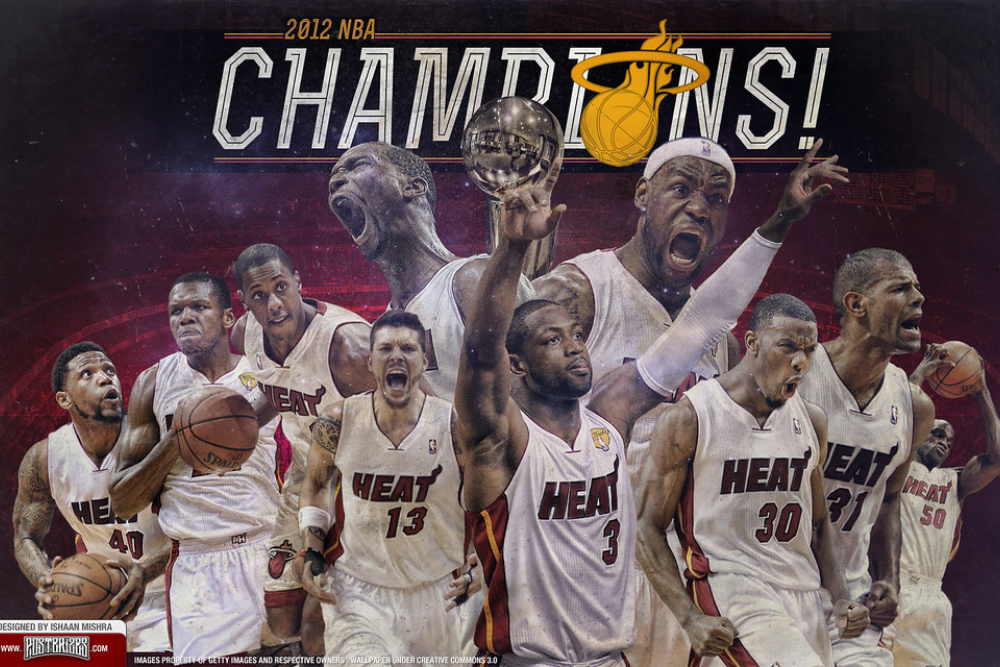
Though they won back-to-back championships in 2012 and 2013, the Heat’s “Big Three” era ended abruptly when LeBron James announced his return to Cleveland. While the core remained intact through 2013, James’s departure triggered a complete roster reconstruction—effectively ending the championship team’s existence despite their recent success.
1993 Toronto Blue Jays

The Blue Jays became the first non-American team to win the World Series, yet financial pressures forced immediate changes. Canadian currency fluctuations and rising player salaries made it impossible to retain key contributors like Paul Molitor and Tony Fernández.
The team’s payroll dropped significantly—though they managed one more championship in 1993 before the real exodus began.
2011 Dallas Mavericks
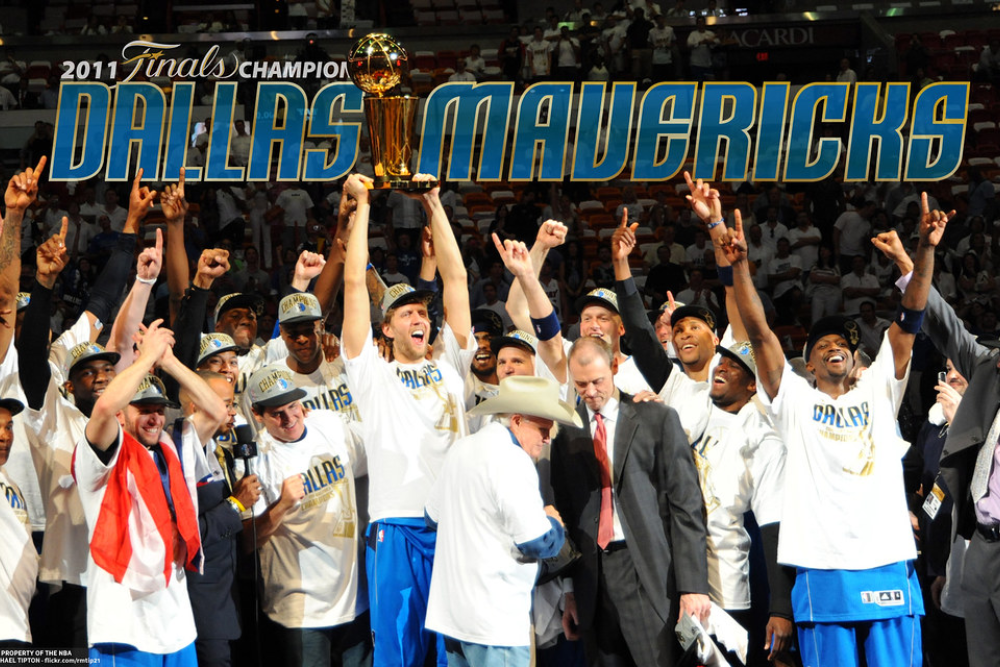
Dirk Nowitzki’s championship team captured hearts by defeating the Miami Heat superteam in stunning fashion. However, owner Mark Cuban chose not to re-sign several key players, believing the championship window had closed.
Veterans like Jason Kidd, Peja Stojaković, and J.J. Barea departed—leaving Nowitzki with an entirely different supporting cast the following season.
Like Go2Tutors’s content? Follow us on MSN.
1990 Cincinnati Reds
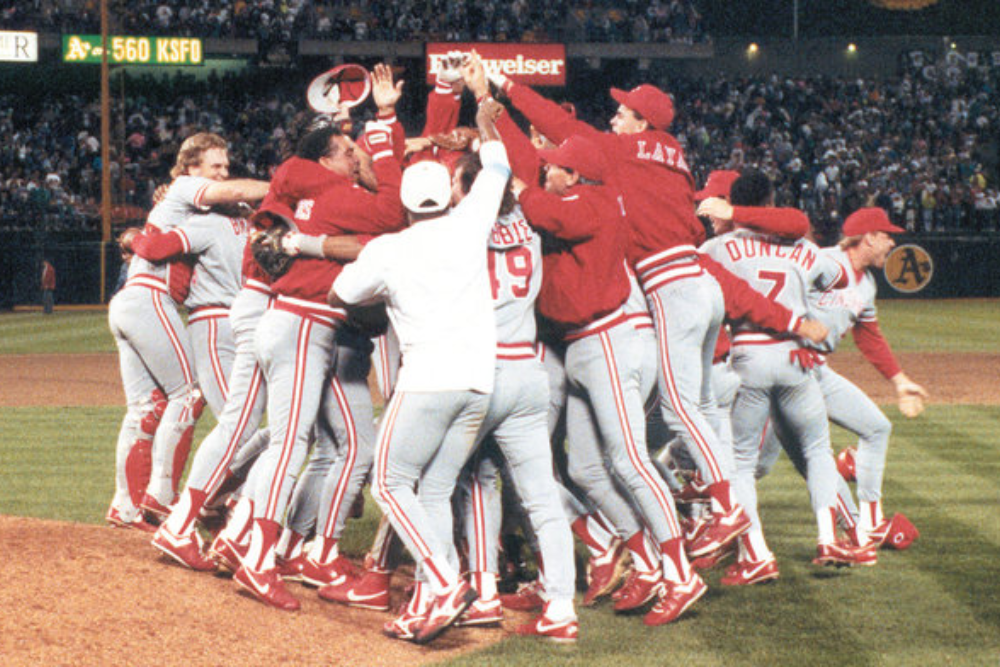
The “Nasty Boys” bullpen helped Cincinnati sweep the heavily favored Oakland Athletics in a shocking World Series upset. Yet salary demands and internal conflicts quickly fractured the championship roster.
Key players were traded or left in free agency—while manager Lou Piniella departed for Seattle, taking much of the team’s winning culture with him.
2003 Anaheim Angels
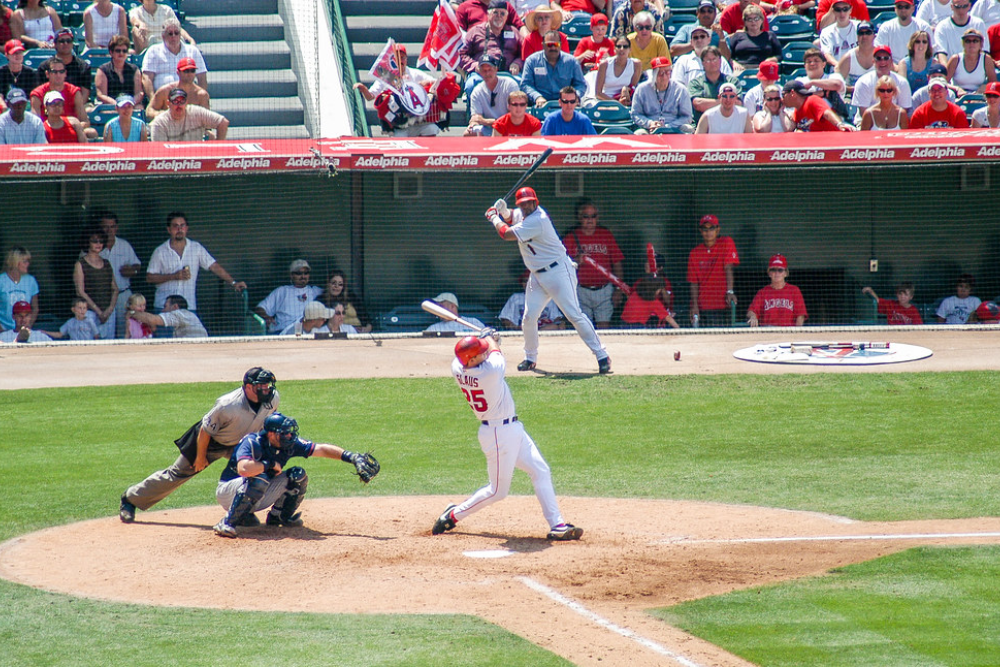
Though they won the World Series in 2002, the Angels faced immediate roster turnover that effectively disbanded their championship core by 2003. Financial constraints forced the team to let go of several key contributors, while others departed through trades and free agency.
The championship magic couldn’t be recaptured with such dramatic personnel changes.
1995 New Jersey Devils
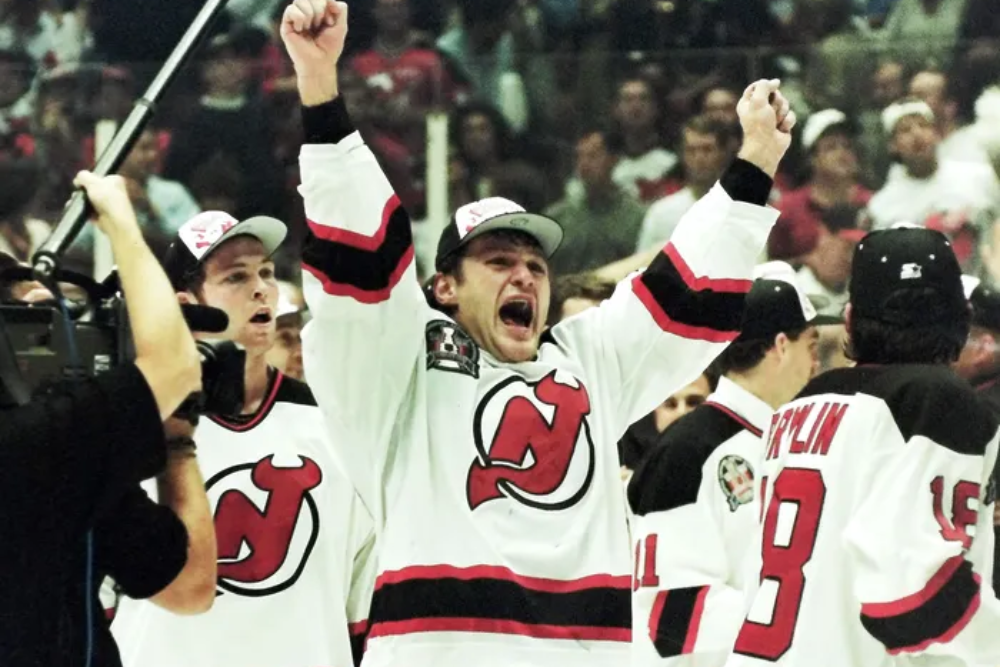
The Devils captured their first Stanley Cup by defeating Detroit in a memorable Finals series. However, the NHL lockout of 1994-95 created salary cap pressures that forced significant roster changes.
Several championship contributors couldn’t be retained—though the organization managed to maintain competitive success despite losing key pieces of their title team.
Like Go2Tutors’s content? Follow us on MSN.
1985 Kansas Jayhawks Basketball
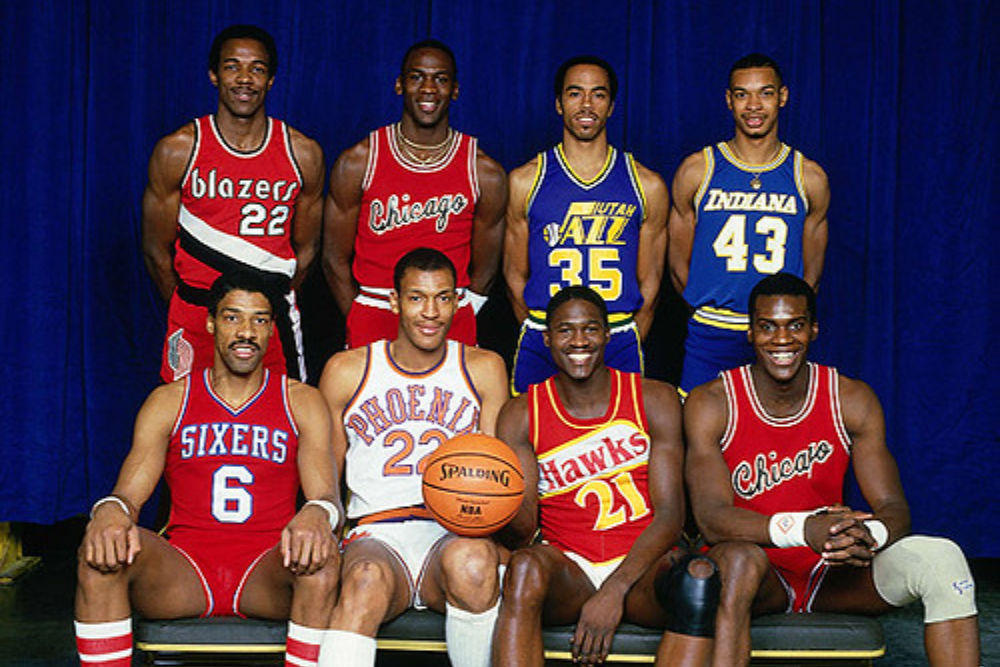
This NCAA championship team featured future NBA stars like Danny Manning, yet academic and recruiting violations led to severe sanctions the following year. The program faced scholarship reductions and postseason bans that effectively dismantled the championship roster.
Though not technically disbanded, the sanctions made it impossible to maintain the same level of talent and success.
2008 Boston Celtics
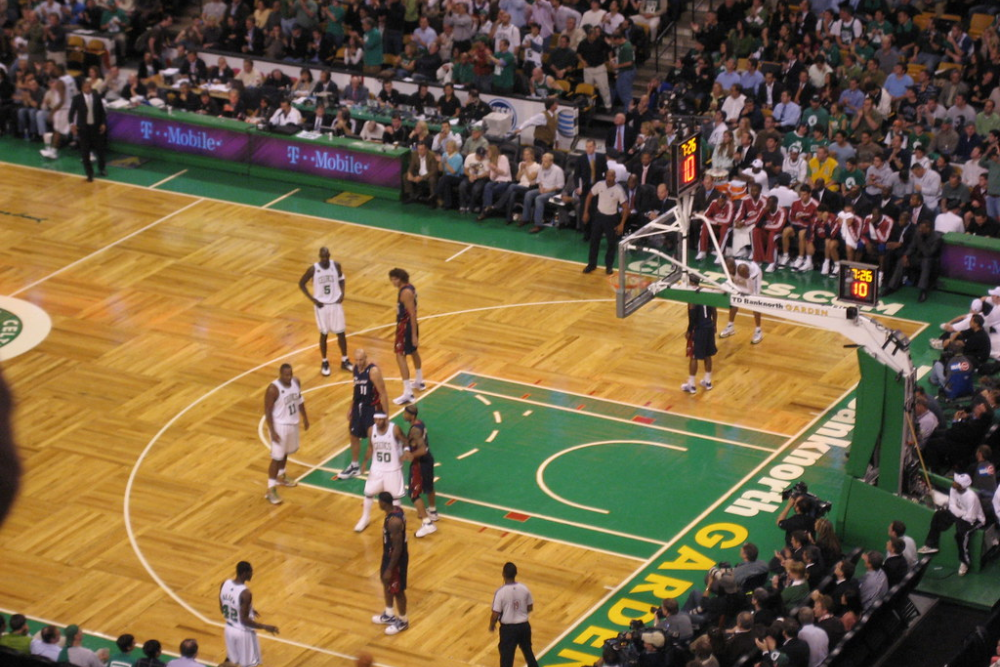
While the Celtics remained competitive after their championship, age and salary considerations led to the gradual breakup of their “Big Three.” Kevin Garnett, Paul Pierce, and Ray Allen couldn’t sustain their championship level indefinitely—though their dissolution occurred over several seasons rather than immediately after their title.
2001 Arizona Diamondbacks
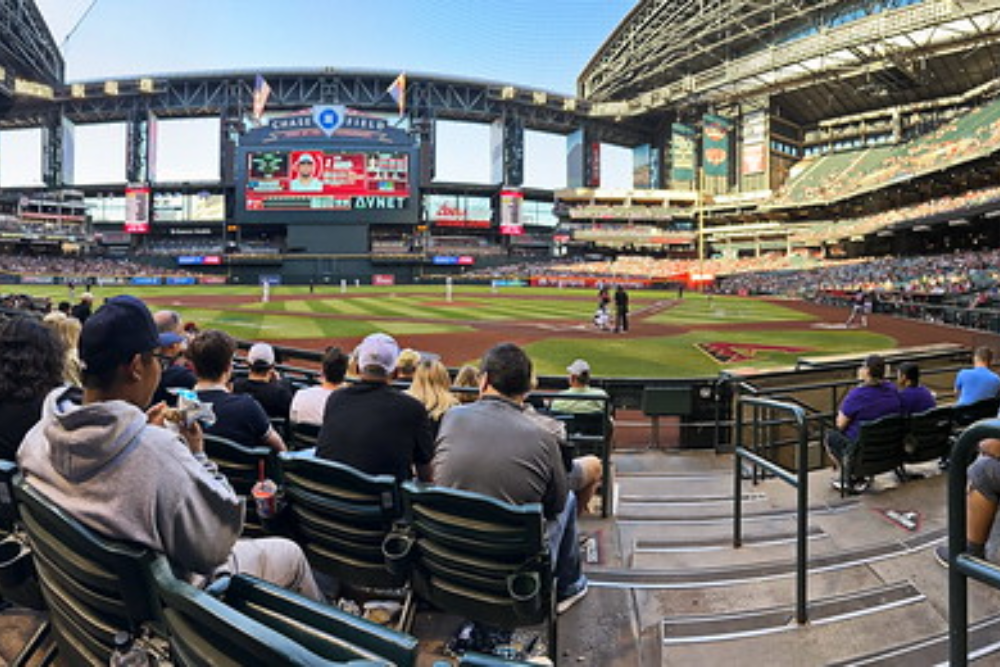
The Diamondbacks captured their first and only World Series by defeating the mighty Yankees in seven games. However, massive contract obligations to aging stars like Randy Johnson and Curt Schilling created financial strain.
The team was forced to trade away talent and slash payroll, leading to years of mediocrity that followed their championship season.
Like Go2Tutors’s content? Follow us on MSN.
1987 Minnesota Twins
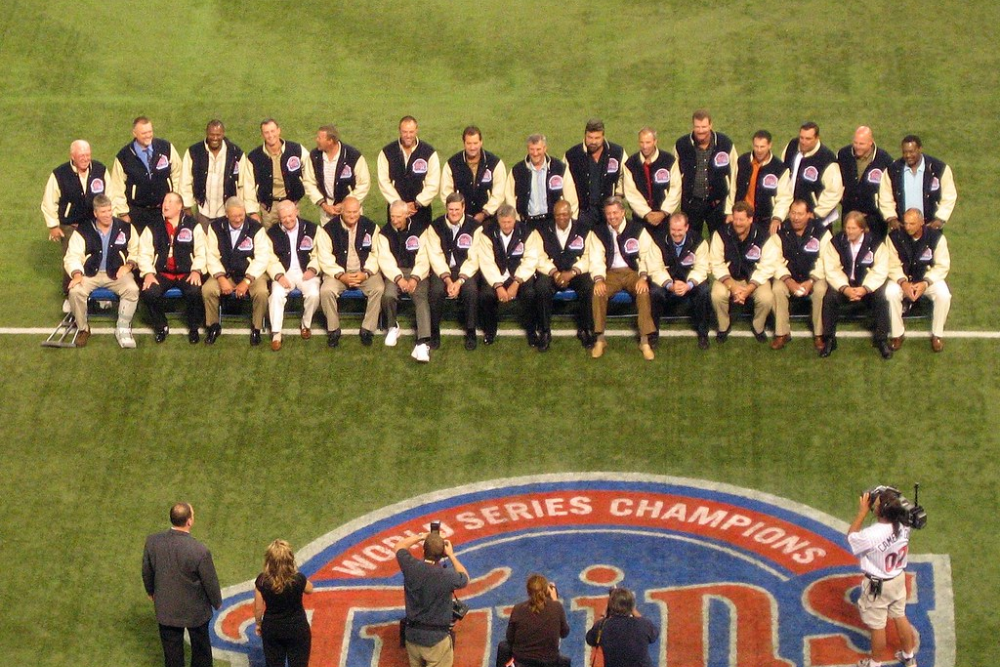
This World Series champion team featured stars like Kirby Puckett and Frank Viola, yet couldn’t maintain their core due to escalating salary demands. The small-market franchise faced financial realities that prevented retaining key players.
Though some core members remained, the championship roster was significantly altered by departures and cost-cutting measures.
2014 San Antonio Spurs
The Spurs’ beautiful team-oriented style culminated in a championship that avenged their previous year’s Finals loss to Miami. While the organization maintained excellence, several key role players from the championship team departed.
Though Tim Duncan, Tony Parker, and Manu Ginóbili remained, the supporting cast changed dramatically as the franchise transitioned toward a new era.
2019 Toronto Raptors
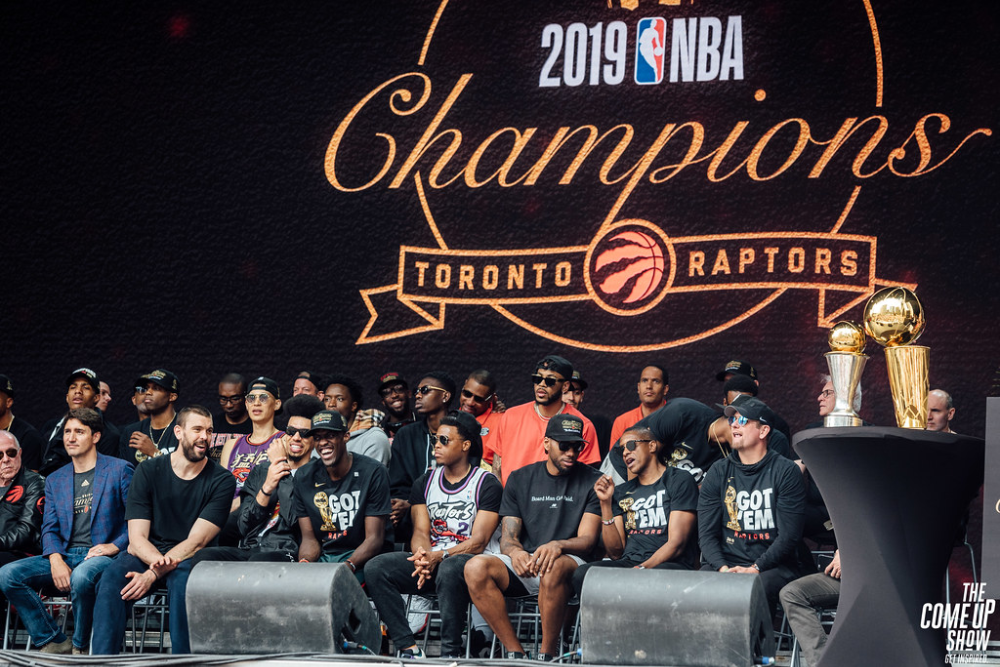
Kawhi Leonard’s incredible playoff run delivered Toronto’s first NBA championship, yet his immediate departure to Los Angeles changed everything. While the Raptors retained some core pieces, losing their Finals MVP and other key contributors effectively ended the championship team’s existence.
The organization rebuilt around different personnel while maintaining competitive aspirations.
Like Go2Tutors’s content? Follow us on MSN.
When Glory Becomes Memory
These championship dissolutions demonstrate how fleeting sporting success can be in professional athletics. Financial realities, salary cap constraints, and individual ambitions often override the desire to maintain championship cores.
While heartbreaking for fans who dream of dynasties, these situations highlight the business side of sports and remind us to appreciate championship moments while they last, since tomorrow’s roster might look completely different.
More from Go2Tutors!

- 16 Historical Figures Who Were Nothing Like You Think
- 12 Things Sold in the 80s That Are Now Illegal
- 15 VHS Tapes That Could Be Worth Thousands
- 17 Historical “What Ifs” That Would Have Changed Everything
- 18 TV Shows That Vanished Without a Finale
Like Go2Tutors’s content? Follow us on MSN.