14 Childhood Chores That Built Character
Back in the day, kids didn’t need life coaches or motivational seminars to learn responsibility. They learned it by doing—whether they wanted to or not. Those daily and weekly tasks weren’t just about keeping the household running, though they certainly did that. They were about building the kind of character that served people well throughout their entire lives.
These weren’t participation trophy activities where everyone got praised just for showing up. Here’s a list of 14 childhood chores that actually meant something and shaped the people who did them.
Splitting and Stacking Firewood
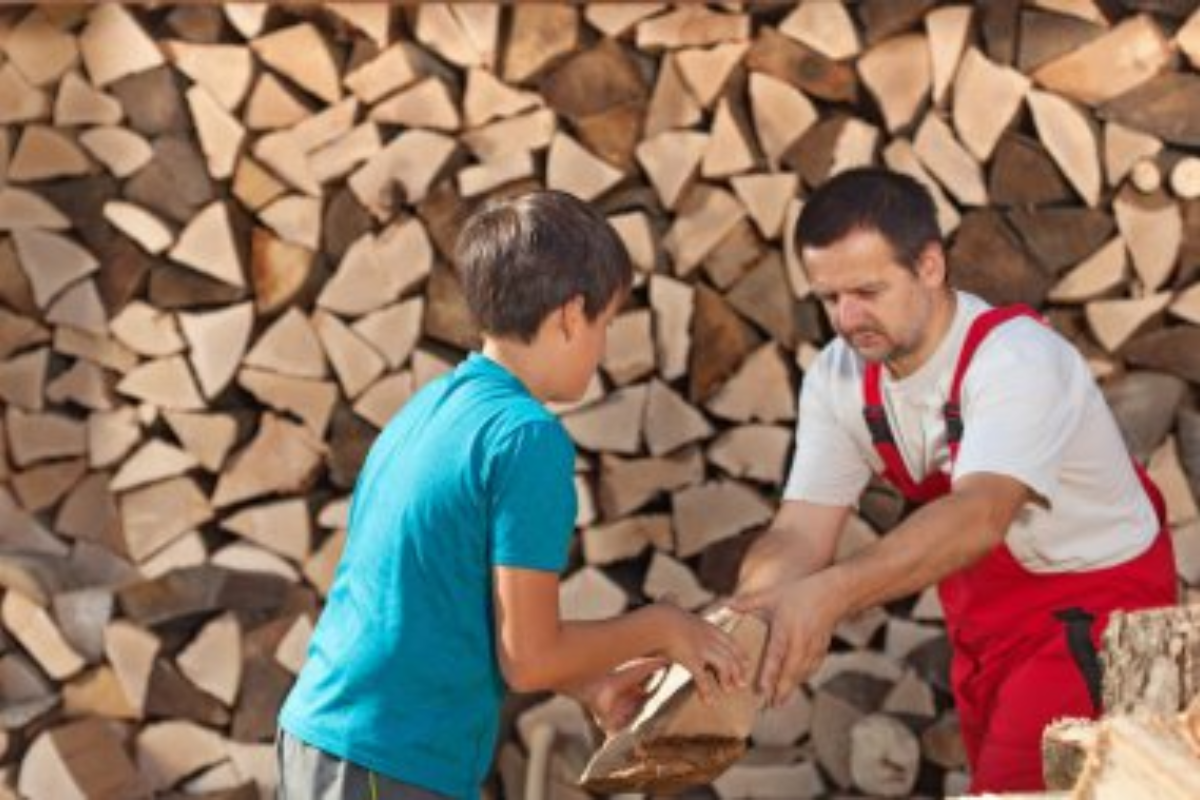
Nothing taught the value of preparation quite like spending autumn afternoons splitting logs with a heavy axe. You learned that staying warm in winter meant working hard in fall—and that swinging an axe properly was both an art and a science.
The rhythm of split, stack, split, stack became meditation in motion, while the growing pile of wood represented security for the cold months ahead.
Hanging Laundry on the Line

Before electric dryers became standard, hanging wet clothes on the line was a precise operation that demanded attention to weather patterns and wind direction. You had to think ahead about which items would dry fastest and how to arrange everything so nothing would blow away.
It taught patience too—clothes dried when they dried, not when you wanted them to, yet there was something satisfying about bringing in a load of sun-dried sheets that smelled like fresh air.
Like Go2Tutors’s content? Follow us on MSN.
Washing Dishes by Hand

Without dishwashers, every meal ended with a trip to the kitchen sink and a stack of plates that wouldn’t clean themselves. You learned the proper order—glasses first, then plates, then pots and pans—and discovered that letting dishes sit only made the job harder.
Hot water was precious, soap had to be used efficiently, and everything needed to be dried properly or you’d hear about it later.
Pumping Water by Hand
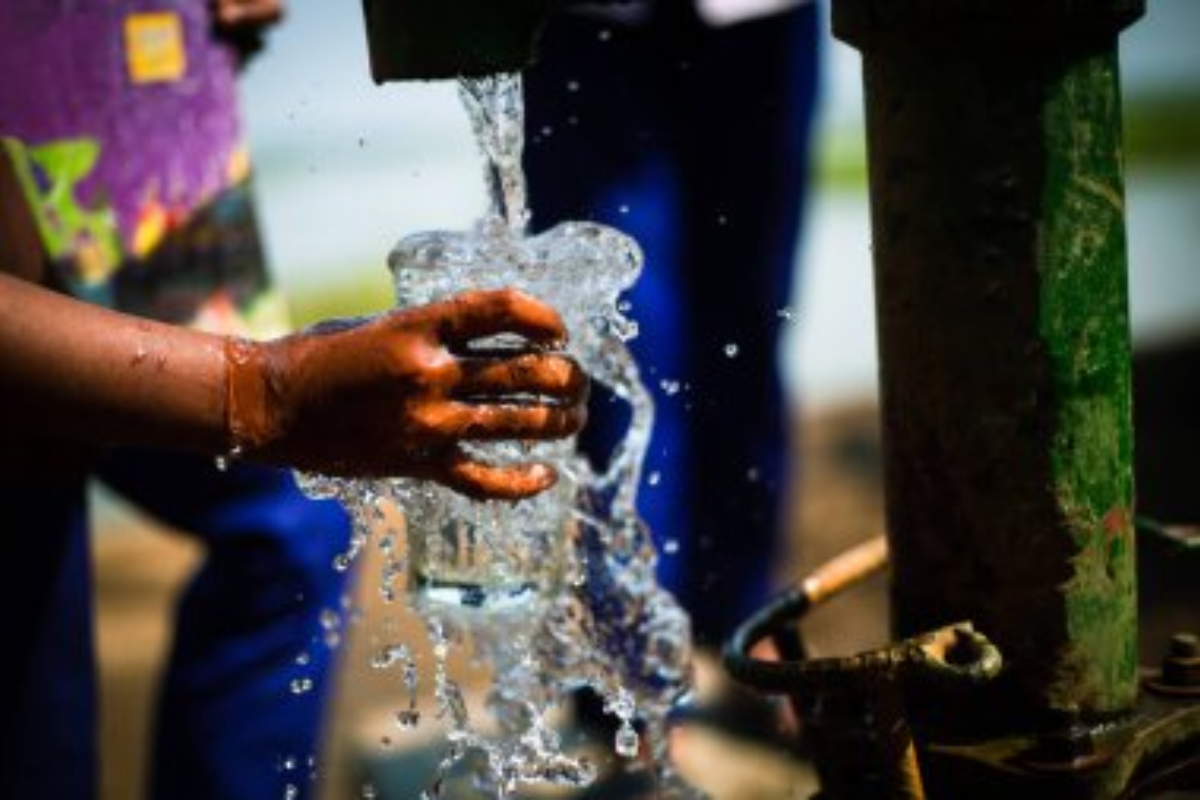
When water came from a well with a hand pump, every drop represented effort. You couldn’t just turn a faucet and expect unlimited water—each stroke of that pump handle earned you a few gallons.
This taught conservation naturally, while building arm strength and an appreciation for one of life’s most basic necessities that most people take for granted today.
Carrying Coal or Wood for the Stove

Keeping the kitchen stove going meant regular trips to the coal bin or woodpile, usually with a heavy bucket or armload of fuel. You learned to judge how much was needed for different cooking tasks and planned ahead so the fire wouldn’t die at the wrong moment—running out of fuel halfway through baking bread was a mistake you only made once.
Like Go2Tutors’s content? Follow us on MSN.
Scrubbing Floors with a Brush

Before mops became common, cleaning floors meant getting down on hands and knees with a scrub brush and bucket of soapy water. Every inch had to be addressed individually—there was no hiding behind half-hearted effort when you were working that close to the surface.
The physical demand of the work built strength, though the attention to detail it required developed standards of cleanliness that lasted a lifetime.
Sharpening Tools by Hand
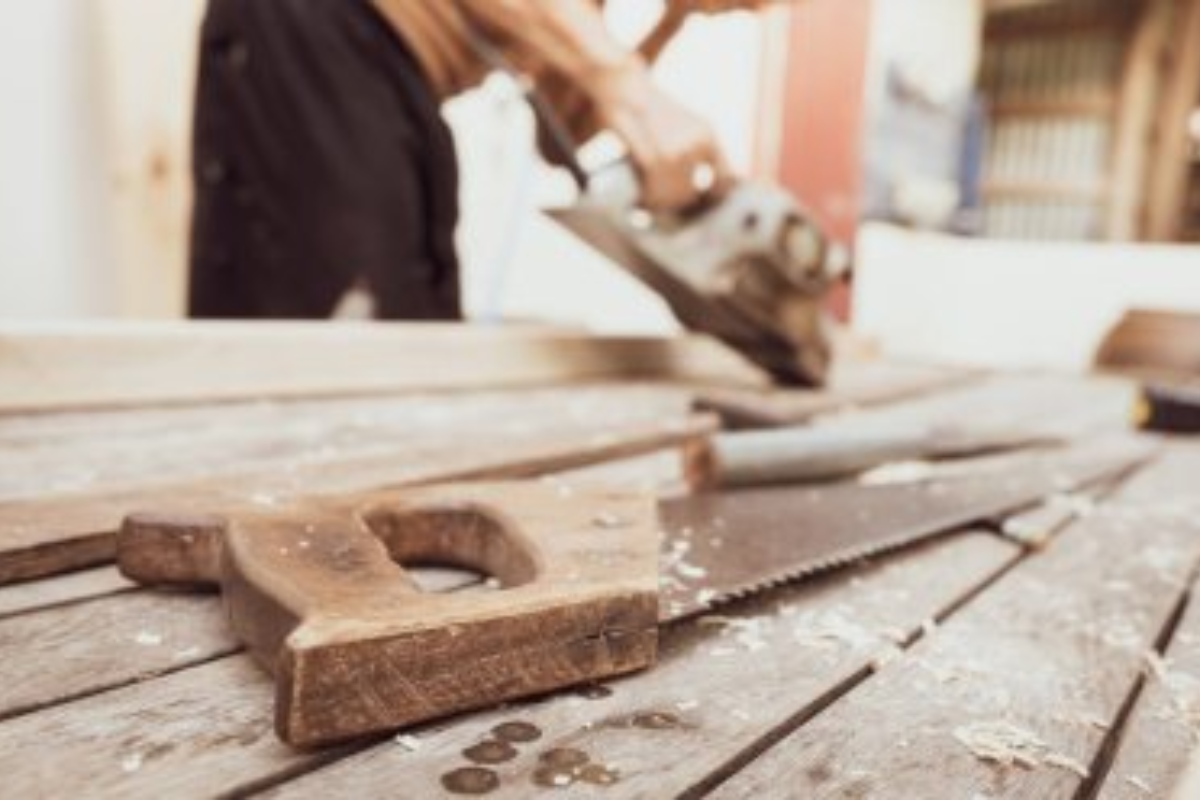
Dull tools were dangerous tools, so keeping axes, knives, and saws properly sharpened was a regular responsibility. Learning to use a whetstone or file correctly took practice and patience.
You developed a feel for the right angle and pressure, while understanding that good tools deserved good care and that maintaining equipment was just as important as using it.
Shoveling Coal into the Furnace

Keeping the house warm meant regular trips to the basement with a heavy shovel and coal bucket. You learned to judge how much fuel the furnace needed for different weather conditions and understood that running out of coal on a winter night wasn’t just inconvenient—it was dangerous.
The physical work built strength, while the responsibility taught planning ahead and understanding consequences.
Like Go2Tutors’s content? Follow us on MSN.
Beating Rugs

Before vacuum cleaners were common, cleaning carpets meant dragging them outside and beating the dust out with a special paddle or stick. This was hard physical work that couldn’t be faked—either the dust came out or it didn’t.
You learned that some cleaning jobs required real effort and that taking shortcuts only meant you’d have to do it again sooner.
Ironing with Heavy Irons

Smoothing out wrinkles meant heating up heavy metal irons on the stove and working quickly before they cooled down. You had to learn the right temperature for different fabrics and how to move efficiently—too hot and you’d scorch the cloth, too cool and the wrinkles would stay put.
The work demanded attention and respect for the tools, since a careless moment could mean burns or ruined clothing.
Polishing Shoes for the Family

Every Sunday meant getting out the shoe polish and brushes to make sure everyone’s footwear looked presentable for church or special occasions. You learned the difference between different types of leather and how much polish each needed.
The methodical process of cleaning, polishing, and buffing taught attention to detail, while taking care of good shoes showed respect for quality items that had to last.
Like Go2Tutors’s content? Follow us on MSN.
Waxing Floors
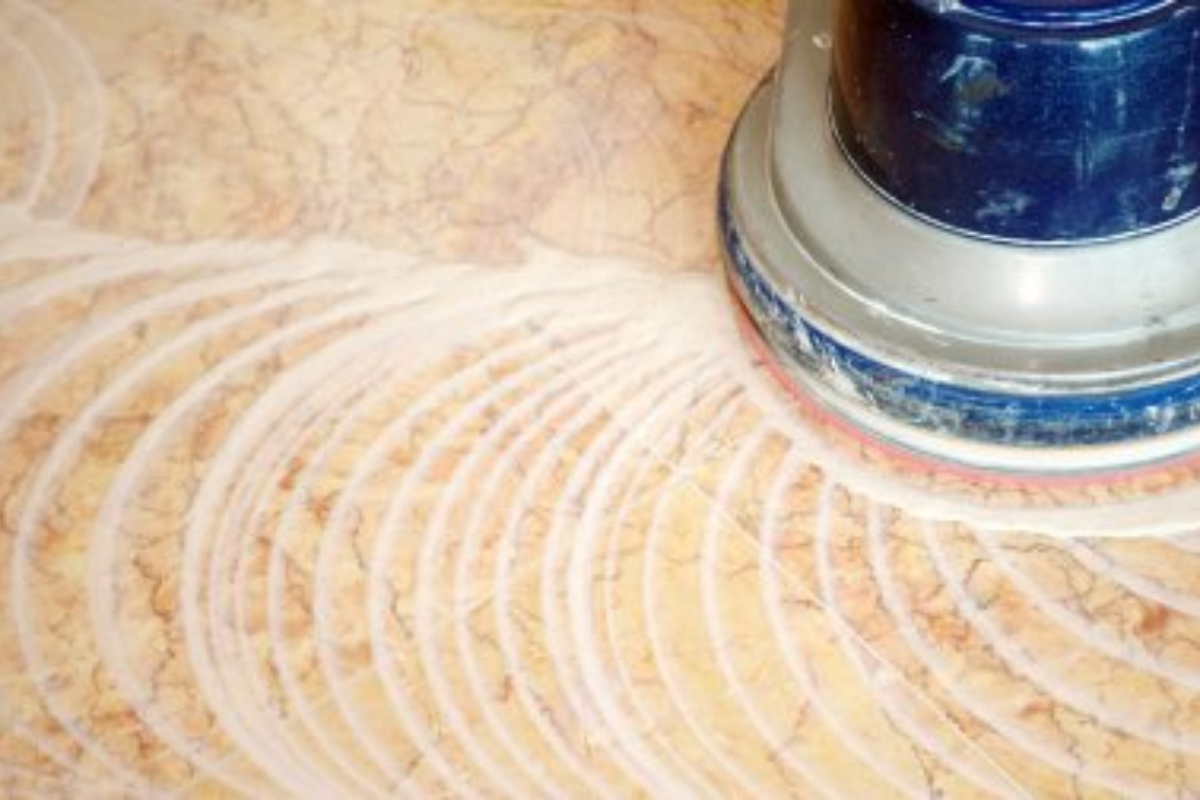
Keeping wood floors looking good meant regular applications of paste wax followed by buffing with heavy rags or brushes. This was demanding physical work that required technique—too much wax would leave streaks, too little wouldn’t protect the wood.
You learned that some maintenance jobs couldn’t be rushed and that doing them right the first time saved work later.
Washing and Starching Curtains

Heavy curtains and drapes required special care that couldn’t be rushed. Taking them down, washing them properly, and hanging them back up was an all-day affair that demanded planning and patience.
You learned to handle delicate fabrics carefully and understand that some household items needed seasonal maintenance to stay looking good.
Cleaning Oil Lamps and Trimming Wicks

Before electric lights, maintaining oil lamps was essential for having light after dark. Each lamp had to be cleaned regularly, wicks trimmed to the right length, and oil reservoirs kept filled.
You learned that neglecting this maintenance meant smoky flames and dim light when you needed it most, while handling flammable materials taught respect for fire safety.
Like Go2Tutors’s content? Follow us on MSN.
What We Lost When Chores Disappeared

These weren’t just tasks—they were apprenticeships in responsibility, resilience, and the satisfaction that comes from contributing something meaningful to your family’s survival. Kids who grew up doing this kind of work entered adulthood with calloused hands, strong backs, and an unshakeable understanding that effort produces results.
They knew the difference between work that matters and work that just fills time, having spent their childhood doing tasks where failure had real consequences. Modern conveniences have made life easier in countless ways, though they’ve also eliminated many of the experiences that once turned children into capable, self-reliant adults who understood that the world doesn’t owe anyone anything.
More from Go2Tutors!

- 16 Restaurant Chains That Went Too Fast
- 12 Things Sold in the 80s That Are Now Illegal
- 15 Strange Things People Have Tried to Ban (And Failed)
- 16 Collectibles People Tossed Out Too Soon
- 17 Myths from Your Childhood That Were Actually Based on Real Things
Like Go2Tutors’s content? Follow us on MSN.