14 Cultural Traditions That Were Accidentally Started by a Misunderstanding
Throughout human history, cultural traditions have emerged from various sources – religious beliefs, practical necessities, and seasonal celebrations. Yet some of our most cherished customs began not through careful planning but through simple misunderstandings or mistakes that somehow stuck around. These happy accidents have grown into traditions practiced by millions.
Misinterpretations often lead to unexpected outcomes. Here is a list of 14 cultural traditions that began accidentally through misunderstandings but evolved into meaningful practices we continue today.
Christmas Stockings

The tradition of hanging stockings by the fireplace stems from a misinterpretation of St. Nicholas’s generosity. Legend tells of the saint dropping gold coins down a chimney to help a poor family, with the coins accidentally landing in socks hung by the fire to dry.
People began purposely hanging stockings hoping for similar good fortune – completely misunderstanding that the original placement was merely coincidental, not an invitation. This misinterpretation transformed into one of Christmas’s most beloved customs worldwide.
The Tooth Fairy

This childhood staple began as a misunderstood blend of European folklore and practical dental advice. In 18th century France, a popular tale described a mouse that would take children’s teeth and replace them with coins – symbolizing the growth of strong adult teeth.
American parents adapted this story but confused the rodent character with fairy imagery from other folklore. The mishmash created an entirely new tradition that bears little resemblance to either original source yet continues to delight children across generations.
Valentine’s Day Cards
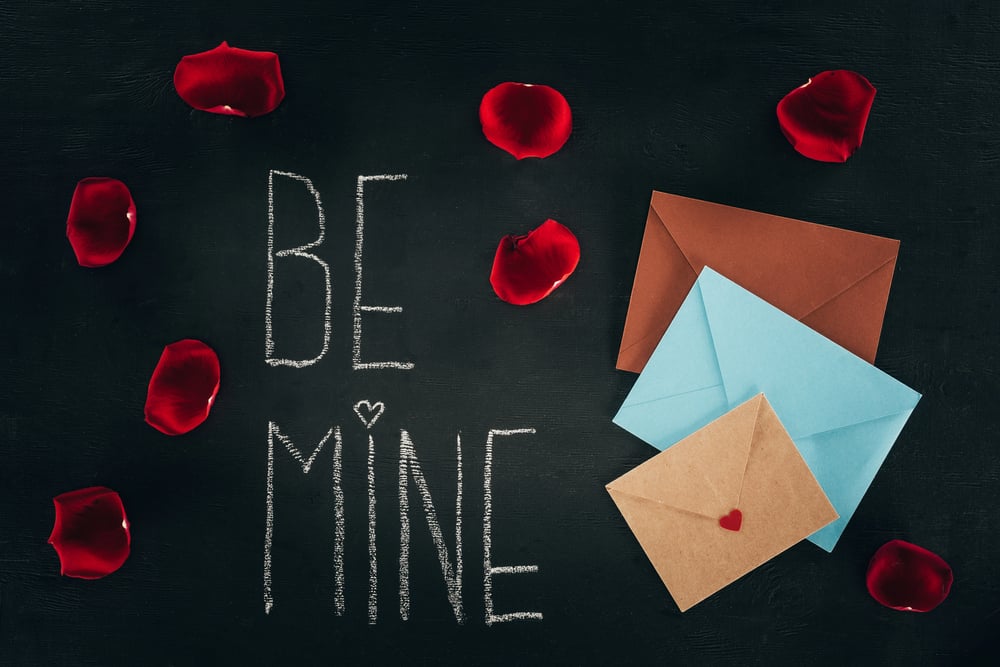
The modern Valentine’s card tradition originated from a misinterpretation of St. Valentine’s imprisonment notes. Valentine supposedly sent a farewell message signed ‘From Your Valentine’ to a young girl he had befriended – though the note wasn’t romantic in nature.
Medieval Europeans confused this gesture with romantic courtship – linking Valentine to love despite scant evidence he was associated with romance. This misunderstanding blossomed into an annual exchange of affectionate cards that now drives a multi-billion dollar industry.
Hawaiian Pizza

This contentious pizza variety emerged from a complete cultural misunderstanding in Canada – not Hawaii. In 1962, restaurateur Sam Panopoulos experimented by adding canned pineapple to pizza, thinking it represented exotic tropical flavors.
He named it ‘Hawaiian’ based on the brand of canned pineapple used – not because it had any authentic connection to Hawaiian cuisine. The misnomer stuck, creating one of the most divisive food debates in modern culinary history while having virtually nothing to do with actual Hawaiian food traditions.
Black Friday Shopping

A total misinterpretation of police jargon gave rise to the moniker of the post-Thanksgiving shopping frenzy. The term ‘Black Friday’ was first adopted by Philadelphia police to characterize the tumultuous traffic and crowds they dreaded managing on the day following Thanksgiving.
Uneasy with the negative connotation, retailers reinterpreted the term to refer to accounting procedures where stores are “in the black” due to profitability. Both views were misinterpreted by consumers, who welcomed the day as a pleasant shopping custom that is now observed outside of the United States.
The Birthday Cake
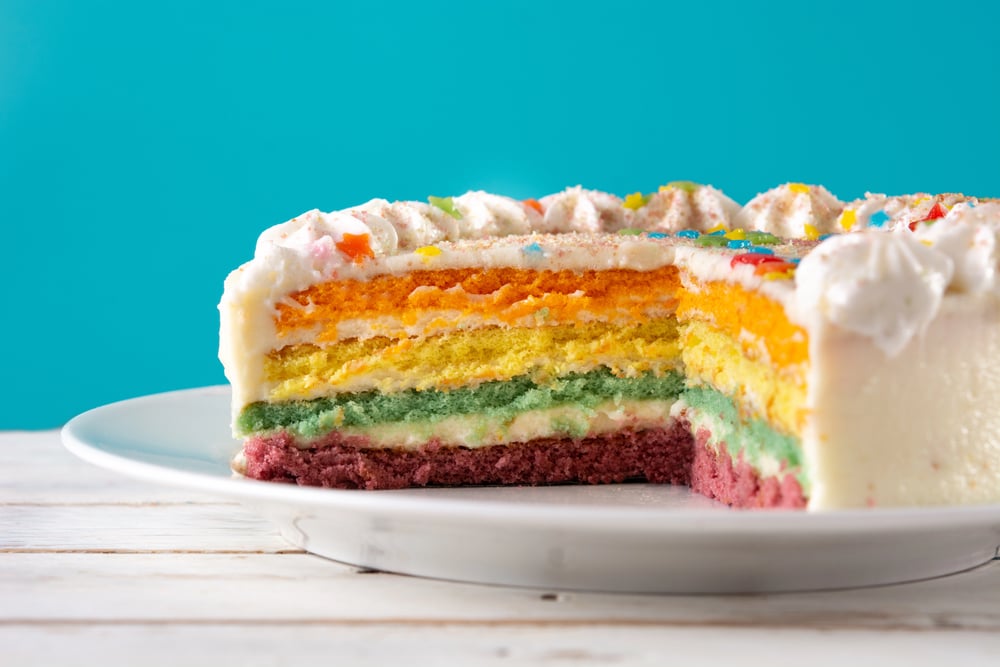
Blowing out candles on birthday cakes stems from a misinterpretation of ancient Greek religious practices. Greeks would place candles on moon-shaped cakes to honor Artemis – their goddess of the moon – believing the candles’ glow represented moonlight.
The smoke carried prayers upward when extinguished. Medieval Germans confused this religious ritual with personal celebrations, adapting it for children’s birthdays while completely disconnecting it from its religious origins.
This misunderstanding created our modern cake-and-candle tradition.
Wedding Rice Throwing
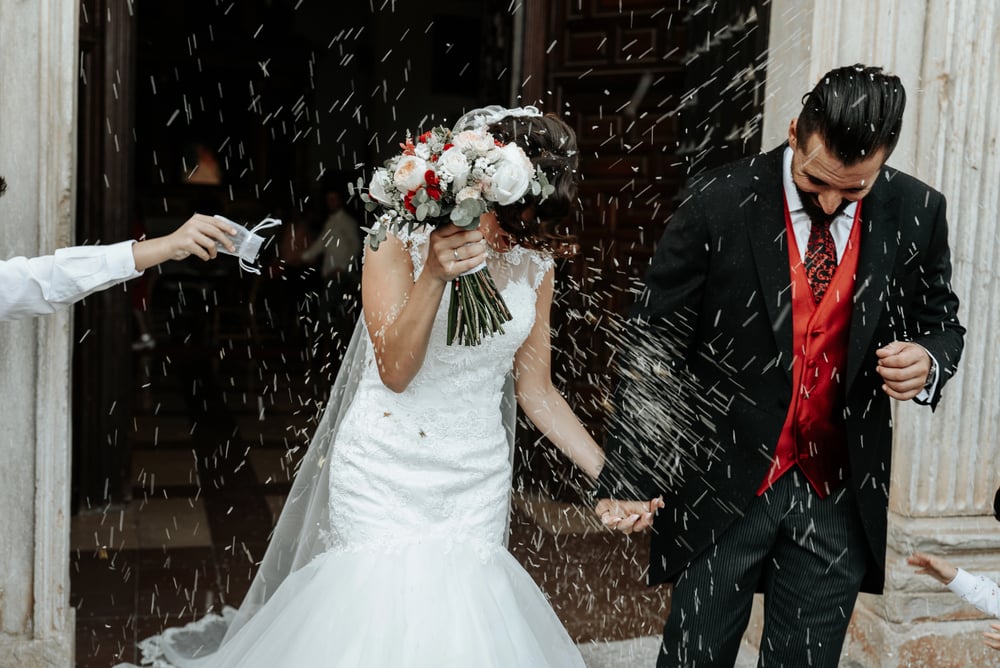
This matrimonial sendoff originated from a misconstrued ancient Roman fertility symbol. Romans tossed wheat – not rice – representing wishes for agricultural abundance and many children.
Medieval Europeans confused the practice, substituting rice while maintaining the same symbolic intent. The tradition spread globally despite being based on a simple substitution error.
Many modern venues now ban rice-throwing due to environmental concerns – further distancing the practice from both its original form and meaning.
Fortune Cookies

These ubiquitous treats resulted from cultural confusion between Chinese and Japanese traditions. Fortune cookies actually originated with Japanese immigrants in California, not in China as commonly believed.
American diners mistakenly associated them with Chinese restaurants due to wartime internment of Japanese-Americans, when Chinese restaurant owners adopted the practice.
Chinese restaurateurs embraced the mistake rather than correcting it, leading generations to incorrectly believe they’re consuming an authentic Chinese tradition after their meals.
The Easter Bunny

This holiday symbol emerged from linguistic confusion in early Germanic celebrations. Ancient spring festivals honored the goddess Eostre, whose animal symbol was likely a hare.
As Christianity spread through Europe, the celebration merged with resurrection observances while stories about Eostre’s hare became muddled. Through mistranslations and cultural blending, the hare transformed into a rabbit delivering eggs – combining unrelated symbols into a new tradition that bears little resemblance to either source yet persists in modern Easter celebrations.
Trick-or-Treating
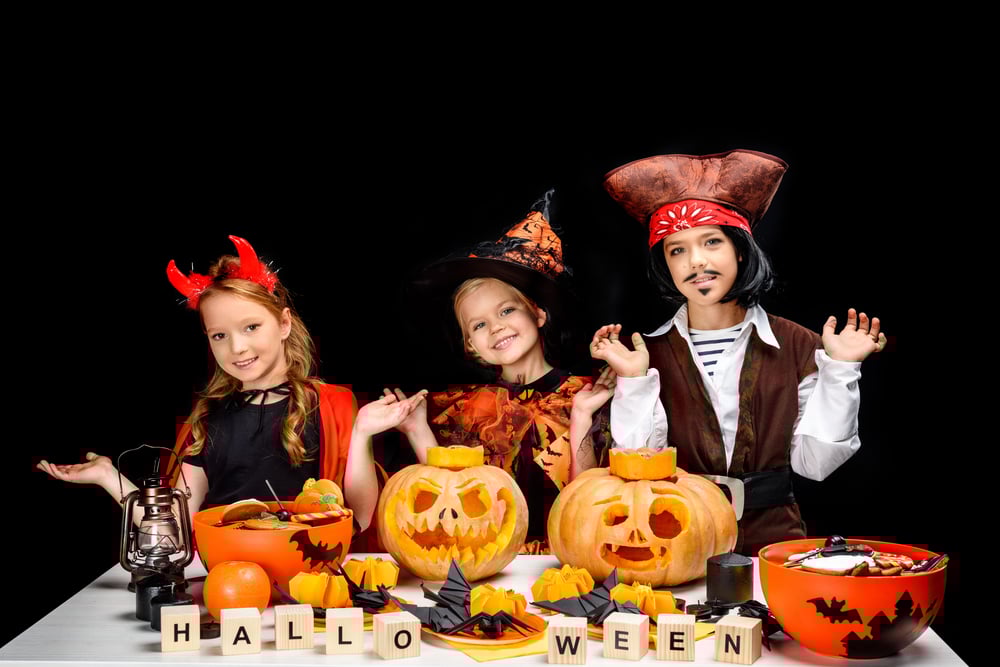
Modern Halloween door-to-door candy collection evolved from a misunderstood medieval practice called ‘souling.’ Poor people would visit wealthy homes offering prayers for the dead in exchange for soul cakes.
American immigrants confused this solemn religious exchange with other Celtic harvest traditions involving costumes and mischief. The resulting hybrid practice lost its original purpose entirely – transforming from prayer offerings into a secular children’s activity centered around candy collection with only the vaguest connection to its origins.
Mother’s Day Commercialization

America’s Mother’s Day tradition underwent such commercial distortion that its founder eventually fought against it. Anna Jarvis created the holiday to honor her mother through meaningful personal tributes.
When businesses misinterpreted her vision and turned it into a gift-buying obligation, Jarvis was horrified – even getting arrested protesting florists selling Mother’s Day flowers.
This profound misunderstanding of her intention created the commercial holiday we know today, completely counter to its founder’s explicit wishes.
Boxing Day

This British Commonwealth holiday originated from a misinterpretation of charitable boxes. The day after Christmas traditionally involved churches opening alms boxes to distribute contents to the poor.
Over time, people confused this practice with the custom of giving boxes of gifts to servants and tradespeople as year-end gratuities. The name stuck despite the mixing of two different traditions.
Modern Boxing Day has transformed further into a shopping holiday – yet another misinterpretation of its already confused origins.
Groundhog Day

This custom of predicting the weather originated from European misunderstandings about animals that hibernate. When badgers became scarce, German settlers in Pennsylvania replaced the more common groundhog with the custom of watching badgers for weather indicators.
Instead of precisely searching for shadows, the original tradition focused on determining whether animals had come out of hibernation early. The technique was misunderstood by the media in the 1880s, which focused on the shadow element that wasn’t essential to the original idea.
The shadow-focused custom that is observed today was born out of this confusion.
Oktoberfest Timing
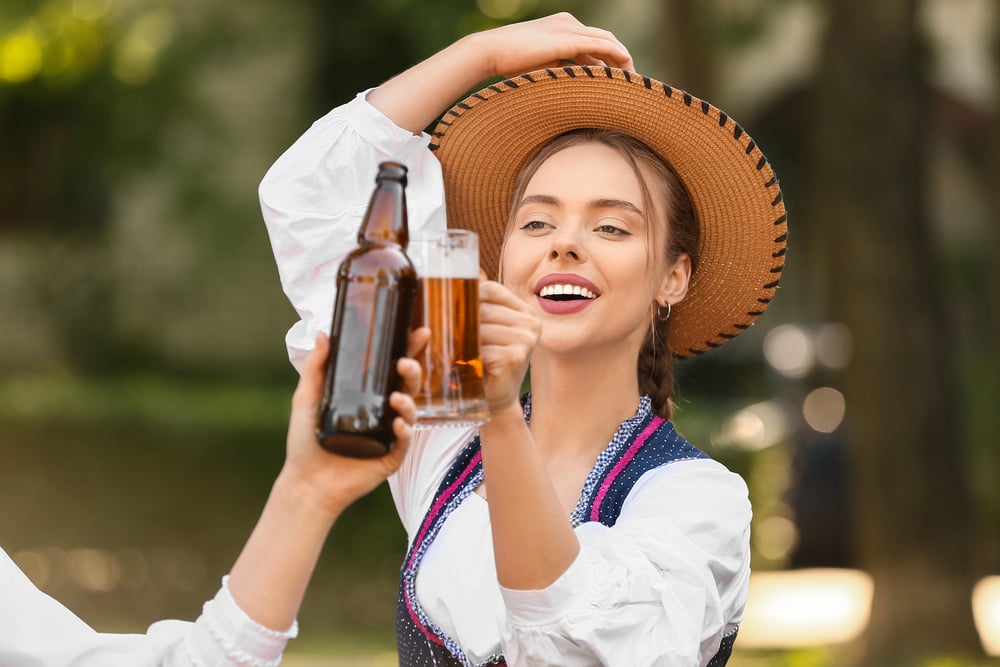
The world’s largest beer festival occurs primarily in September due to a historical scheduling misunderstanding. The original 1810 celebration honored the Bavarian Crown Prince’s wedding in October.
When planners decided to make it an annual event, they moved it earlier to take advantage of better weather. Visitors continued calling it ‘Oktoberfest’ despite most of the festival occurring in September.
This misnomer has persisted for over 200 years, with millions attending a September festival they still refer to by its October name.
Happy Accidents Become Tradition

These misunderstandings demonstrate how cultural traditions often evolve through imperfect transmission rather than deliberate design. What begins as confusion frequently transforms into meaningful practices that connect generations.
Our most cherished traditions often have surprisingly accidental origins – proving that sometimes the most enduring cultural practices emerge not from careful planning but from simple human misunderstandings that somehow managed to stick around and find meaning along the way.
More from Go2Tutors!

- The Romanov Crown Jewels and Their Tragic Fate
- 13 Historical Mysteries That Science Still Can’t Solve
- Famous Hoaxes That Fooled the World for Years
- 15 Child Stars with Tragic Adult Lives
- 16 Famous Jewelry Pieces in History
Like Go2Tutors’s content? Follow us on MSN.



