Snacks That Were Invented by Accident
Some of the world’s most popular snacks exist only because someone made a mistake in the kitchen. A chef trying to teach a difficult customer a lesson, a scientist forgetting about an experiment, or a factory worker dropping ingredients at the wrong time created treats that went on to make billions of dollars.
These accidents turned into foods that people crave and love today. Let’s look at the delicious mistakes that changed snacking forever.
Potato chips started as an insult
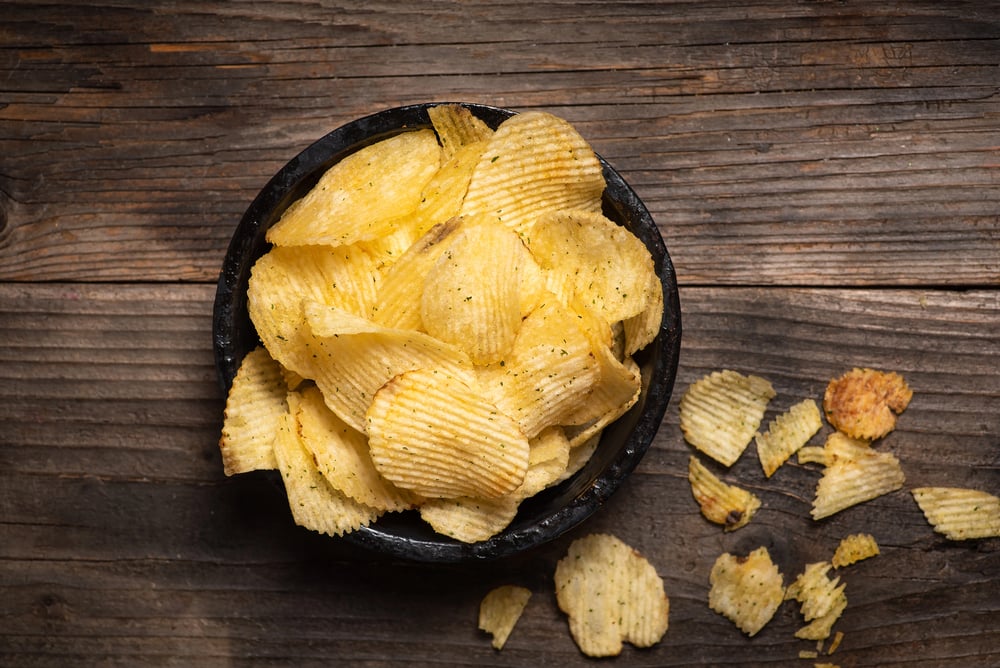
Chef George Crum worked at a fancy restaurant in Saratoga Springs, New York, in 1853 when a customer kept sending back his fried potatoes for being too thick. Crum got so annoyed that he sliced potatoes paper-thin, fried them until they were crispy, and covered them in salt as a way to mock the picky diner.
The customer loved them. Other diners started requesting the crispy slices, and Saratoga Chips became the restaurant’s signature dish.
This spiteful culinary response eventually turned into a snack industry worth billions of dollars worldwide.
Popsicles froze overnight on a porch
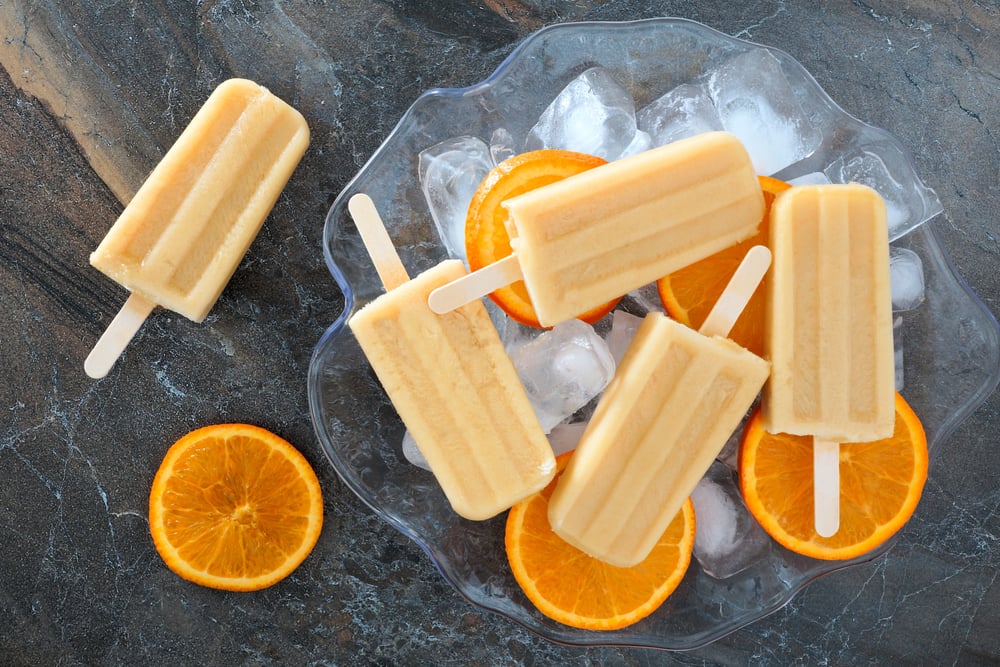
Eleven-year-old Frank Epperson left a cup of powdered soda mix and water with a stirring stick on his porch on a freezing night in 1905. The next morning, he found his drink frozen solid with the stick standing upright.
Epperson called his creation the Epsicle and started making them for friends. Nearly two decades later, he started selling them at a local amusement park, where they became hugely popular.
His children called them Pop’s sicles, and the name eventually shortened to what we know today.
Chocolate chip cookies needed a substitute
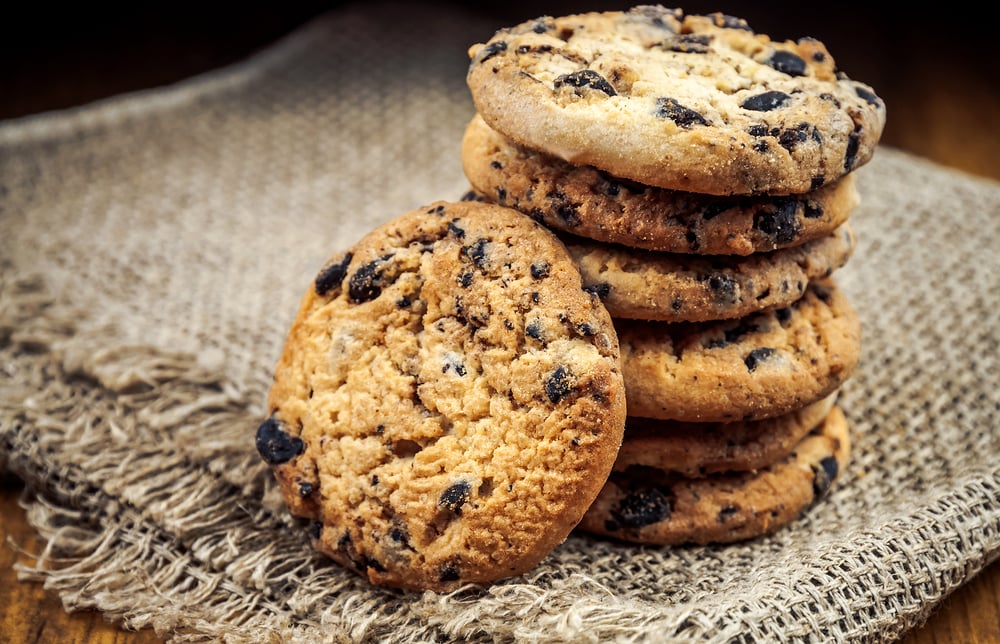
Ruth Wakefield ran the Toll House Inn in Massachusetts and decided to make chocolate cookies for her guests in 1938. She ran out of baker’s chocolate and chopped up a Nestle semi-sweet chocolate bar instead, expecting it to melt and spread throughout the dough.
The chocolate pieces kept their shape and created distinct chips in every cookie. Guests loved this new texture so much that Wakefield published the recipe, which Nestle eventually bought the rights to.
The company started selling chocolate chips specifically for this purpose.
Corn flakes were created during a food experiment
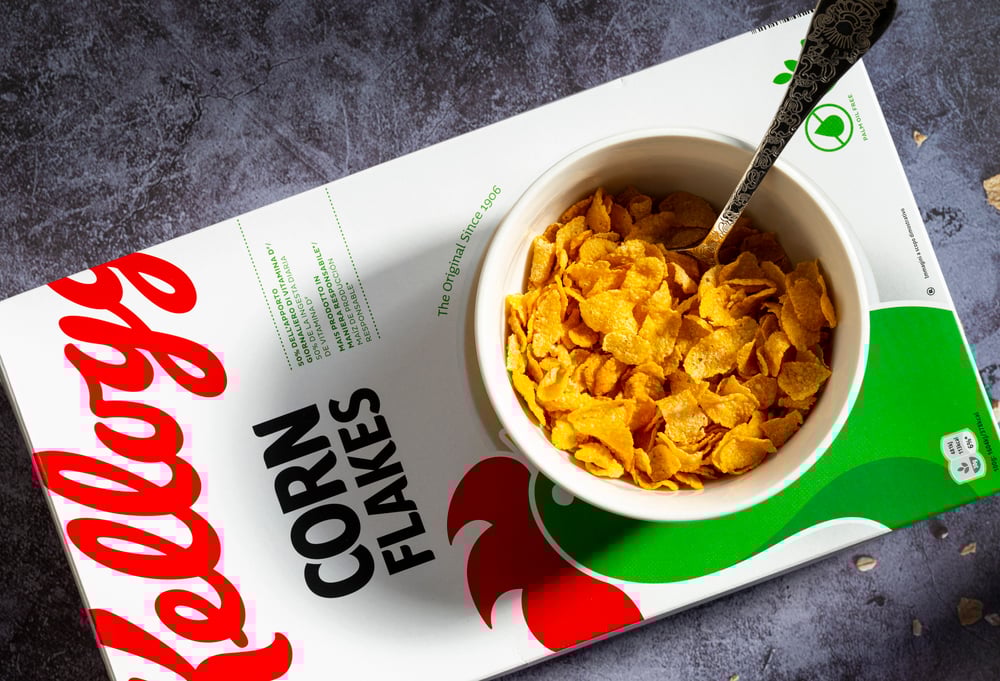
Dr. John Harvey Kellogg and his brother Will ran a health sanitarium in Battle Creek, Michigan, in the 1890s. They accidentally left cooked wheat sitting out for too long, and when they tried to roll it anyway, it broke into individual flakes.
The brothers toasted the flakes and served them to patients, who enjoyed the crunchy texture. Later experiments with corn instead of wheat created the version that became Kellogg’s Corn Flakes.
This mistake launched one of America’s biggest cereal companies.
Slurpees came from a broken soda machine
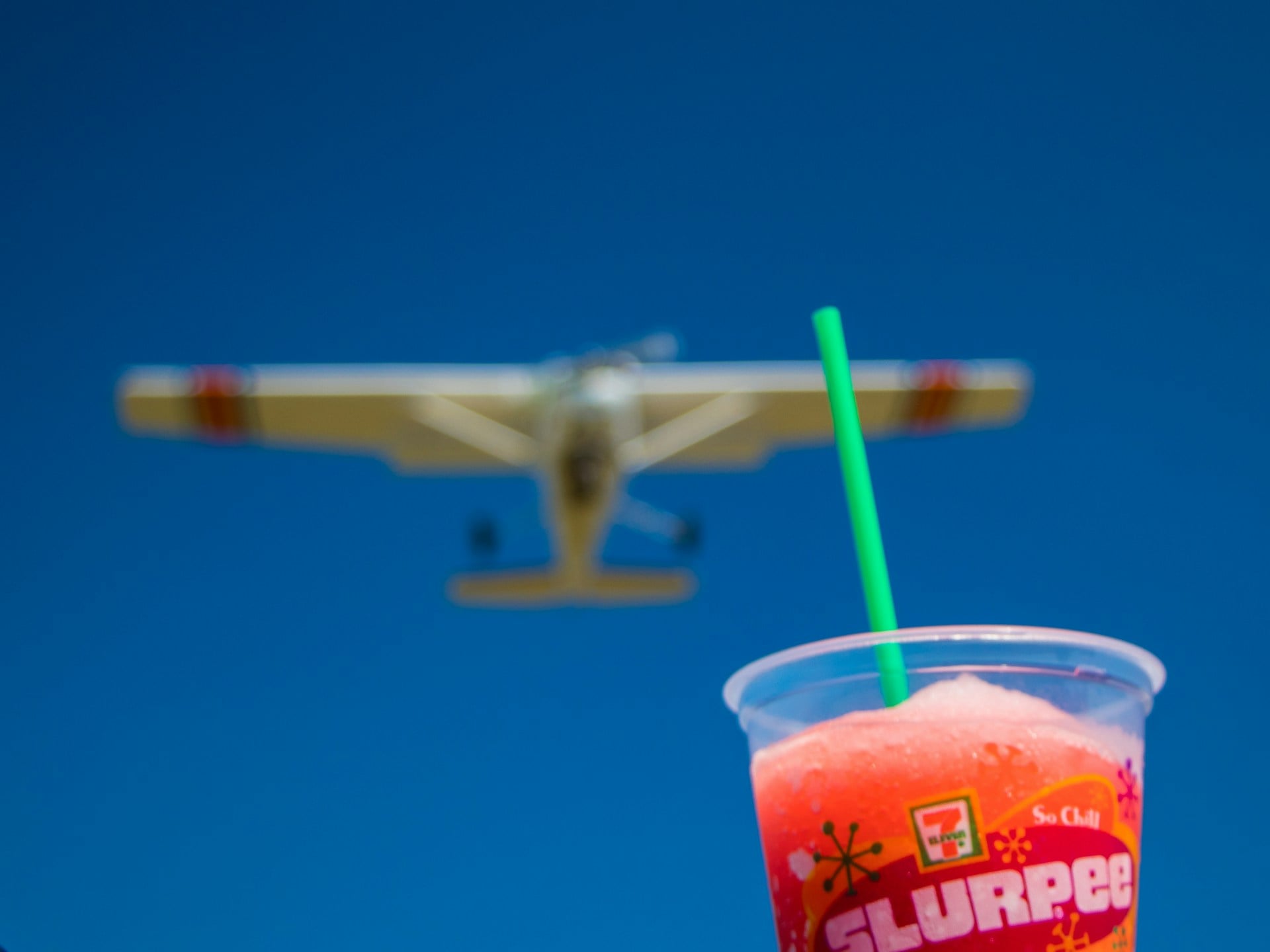
Omar Knedlik owned a Dairy Queen in Kansas in the late 1950s when his soda fountain broke down. He started storing drinks in the freezer instead, and customers loved the slushy, semi-frozen result.
Knedlik worked with a Dallas company to create a machine that could produce this texture on demand. 7-Eleven licensed the machine and renamed the product Slurpee in 1967.
The frozen drink became one of the chain’s most recognizable offerings.
Nachos solved a restaurant emergency
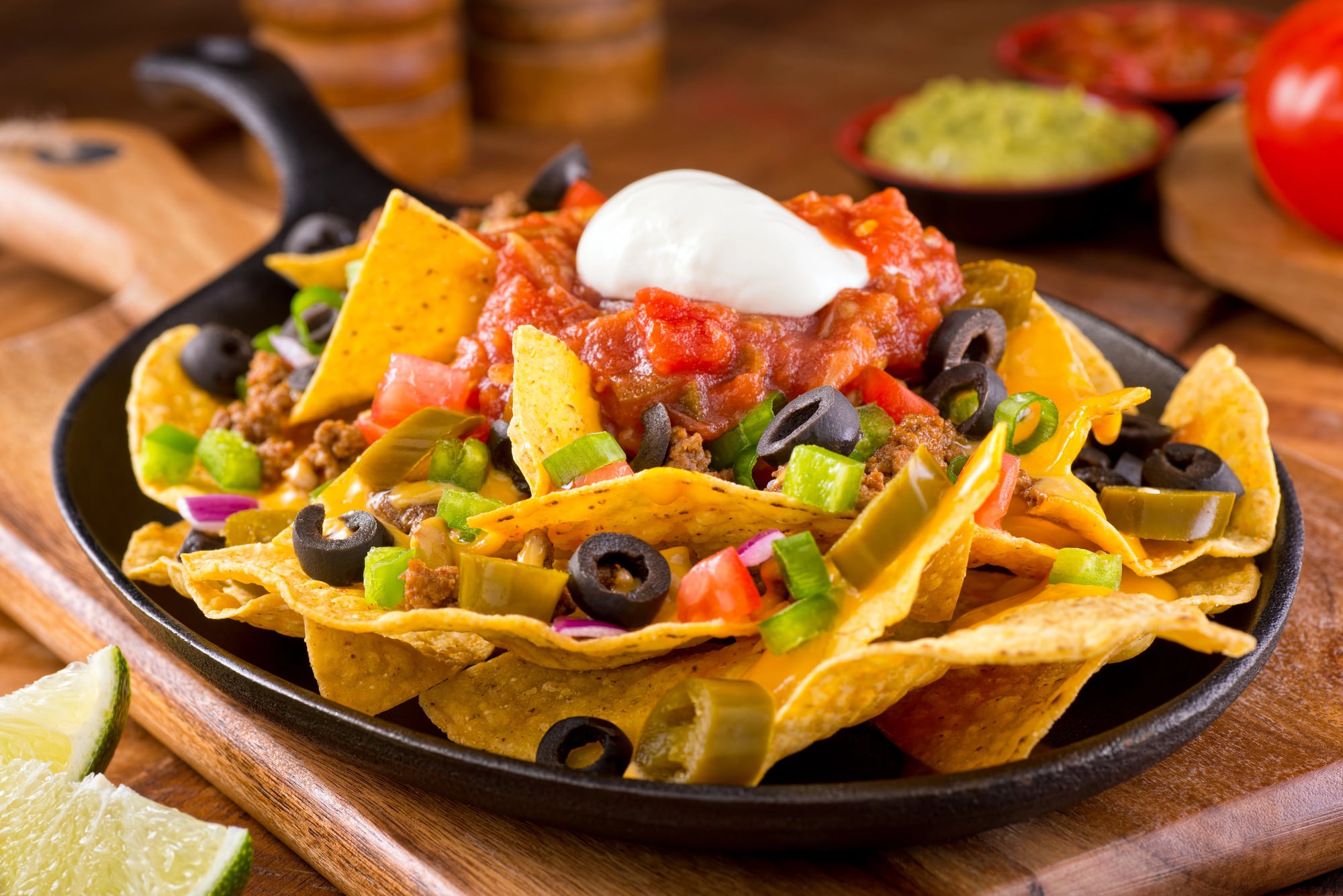
Ignacio Anaya worked as a maitre d’ at a restaurant in Piedras Negras, Mexico, in 1943 when a group of military wives arrived just after the kitchen closed. He threw together what he could find: fried tortilla chips, shredded cheese, and sliced jalapeños.
The women loved the simple appetizer and asked what it was called. Anaya named it after his nickname, Nacho.
The snack spread across Texas and eventually became a staple at sports stadiums and movie theaters everywhere.
Ice cream cones replaced a shortage of dishes
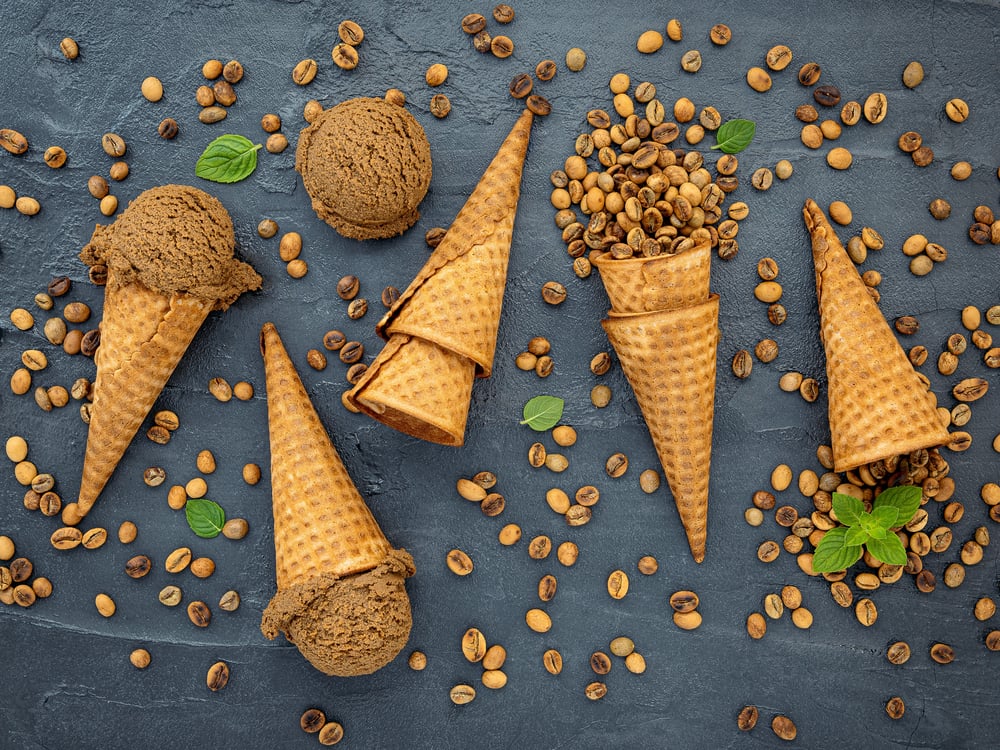
At the 1904 World’s Fair in St. Louis, an ice cream vendor ran out of serving dishes on a particularly hot day. A nearby waffle maker rolled one of his waffles into a cone shape so the ice cream seller could keep serving customers.
The edible container became an instant sensation at the fair. Multiple vendors claimed to have invented it first, leading to years of disputes.
Regardless of who truly created it, the cone revolutionized how people eat ice cream.
Cheese puffs emerged from animal feed production
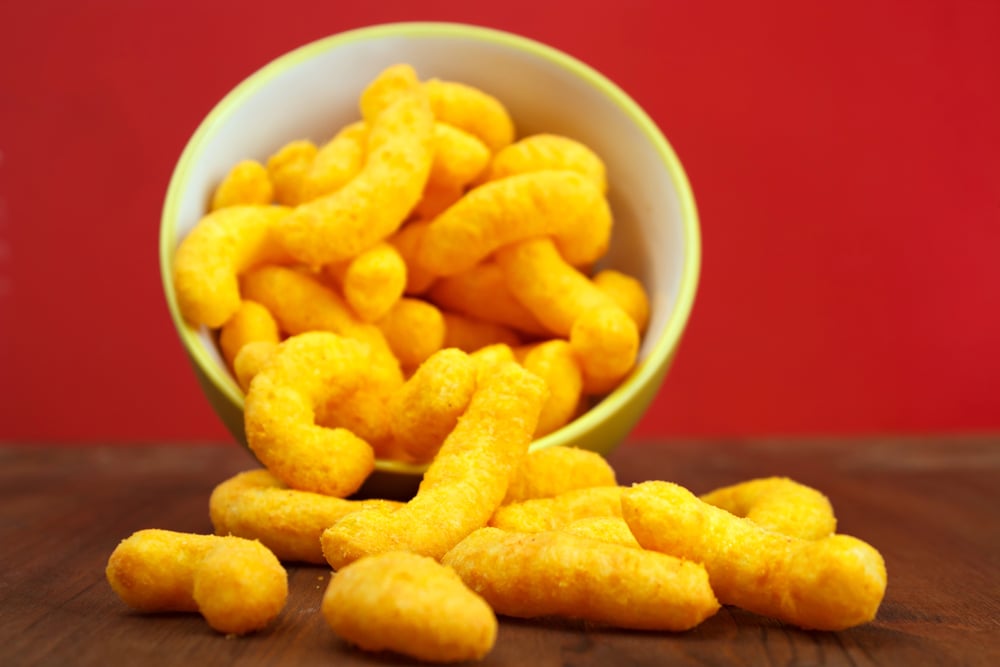
The Flakall Company made animal feed in Wisconsin during the 1930s using machines that puffed up grains with moisture and heat. Employee Edward Wilson noticed that moistened corn kernels created puffy, crunchy ribbons when run through the machine.
He took some home, added cheese flavoring, and realized he had created something tasty. The company started marketing them as Korn Kurls.
Other companies copied the concept and created the cheese puff category that exists today.
Dippin’ Dots started with cattle feed research
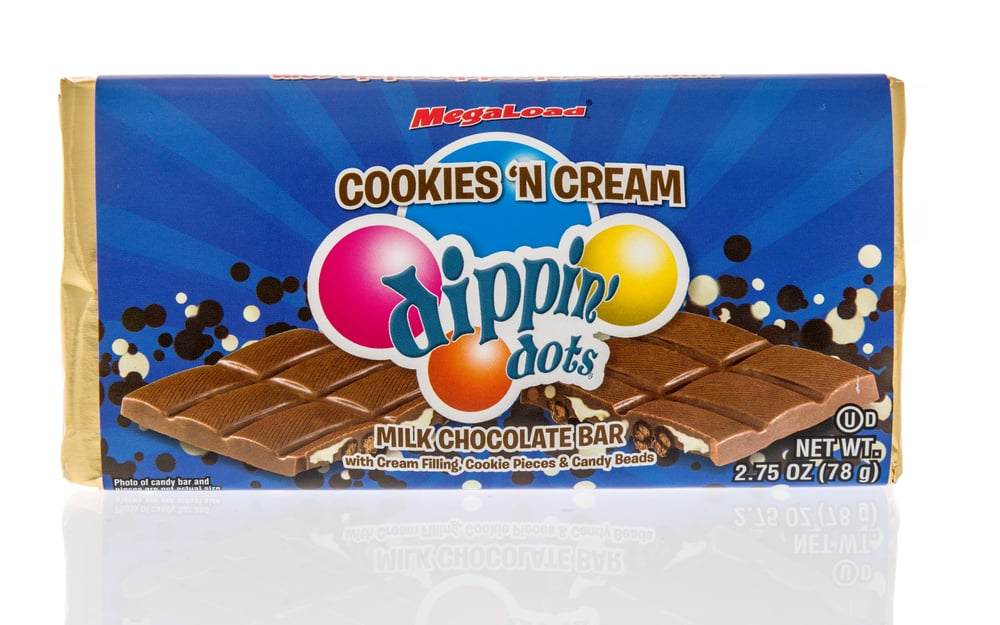
Back in the late Eighties, microbiologist Curt Jones was busy freezing animal food fast. A thought hit him – maybe that method could freeze ice cream too.
Into liquid nitrogen at minus 320 it went, forming small frozen droplets. Tiny pockets of air got locked in during freezing, giving a feel no scoop had before.
By 1988, he started Dippin’ Dots, branding it as tomorrow’s dessert today. Soon, people were grabbing these little bursts of cold sweetness at shopping centers, rides parks, and game arenas.
Fudgesicles happened when the mixing equipment stopped working
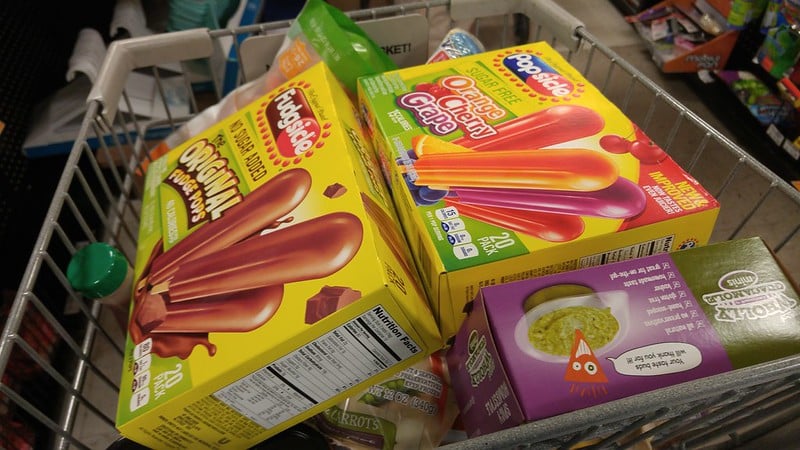
A cold mistake shaped a new dessert. Back in 1905, Frank Epperson’s uncle ran an ice cream parlor using machines to mix flavors evenly.
That evening, one machine failed mid-batch while preparing fudge ice cream. Without mixing, the liquid settled into icy strata of sweet color.
Though odd to look at, people found it tasty – some said better than smooth blends. Folks kept asking for more of the layered kind.
So they began freezing it that way by design. Over time, that glitch turned into what became known as the Fudgesicle.
Reese’s Peanut Butter Cups filled a packaging need
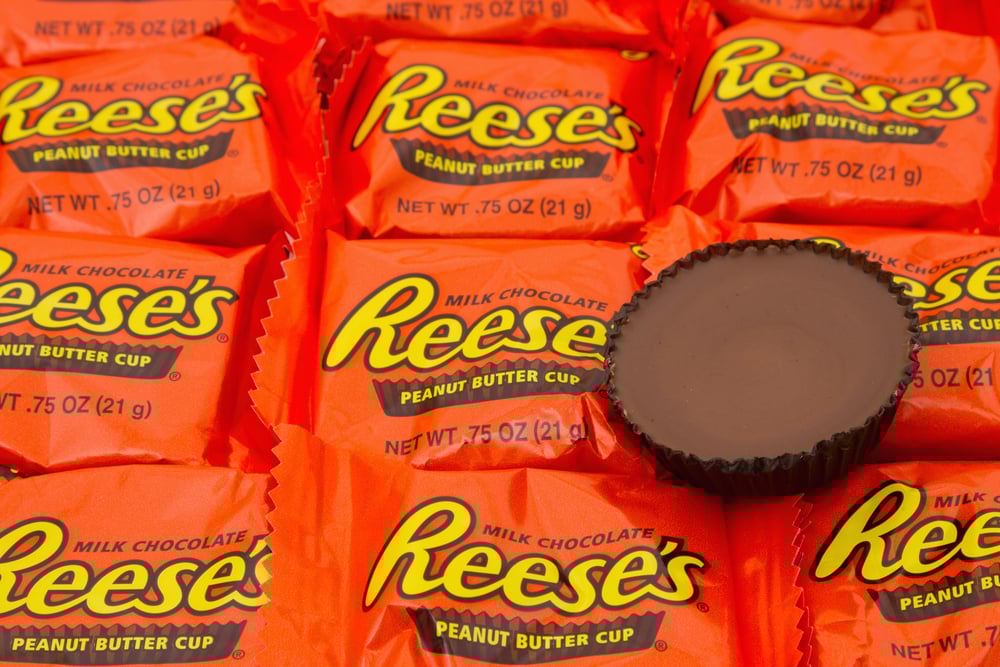
What began as a smart fix turned into something huge. Back in the 1920s, Harry Reese ran a small candy operation after leaving the Hershey Chocolate Company.
His early attempts included many types of sweets, yet keeping them wrapped proved costly and slow. A shift came when he pressed peanut butter into chocolate molds shaped like little cups – this meant less paper, faster output.
That basic form slashed expenses without losing taste appeal. Over time, what solved a factory issue grew into one of the country’s top treats.
Bubble wrap was supposed to be wallpaper
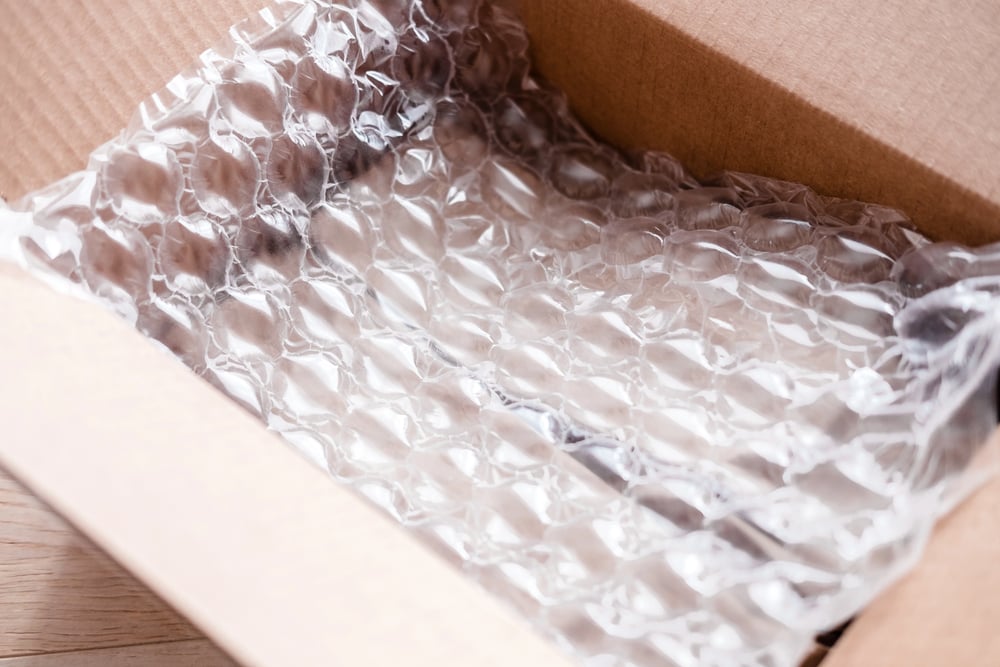
Engineers Alfred Fielding and Marc Chavannes tried to create textured wallpaper in 1957 by sealing two shower curtains together with air bubbles trapped between them. Nobody wanted to buy their bubbly wallpaper.
They tried marketing it as greenhouse insulation, which also failed. IBM eventually used the material to protect computers during shipping, and the product finally found its purpose.
While technically not food, the satisfying pop led to bubble wrap eventually being made into a joke candy wrapper design.
Caramel corn came from a German immigrant’s kitchen
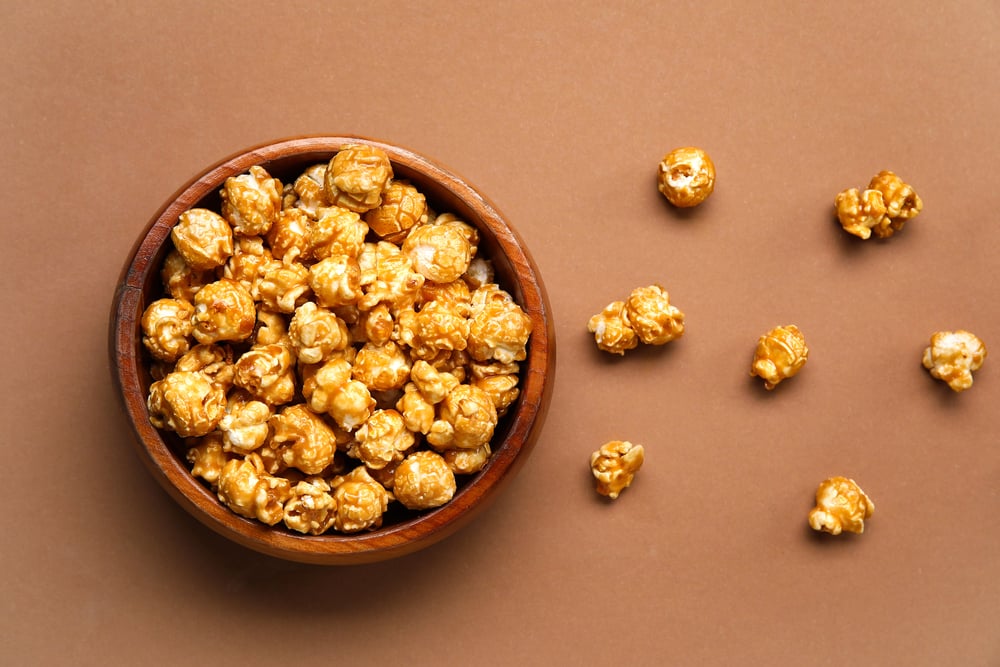
German immigrant Frederick William Rueckheim sold popcorn from a cart in Chicago starting in 1871. One day in 1893, he experimented with mixing popcorn with molasses and peanuts but couldn’t get the consistency right.
His brother Louis accidentally let a batch cool too long, and the mixture solidified into separate chunks instead of clumping into one mass. They tasted it anyway and realized the mistake had created the perfect texture.
Cracker Jack was born from this timing error.
Morning snacks on the go? That was the gap they filled
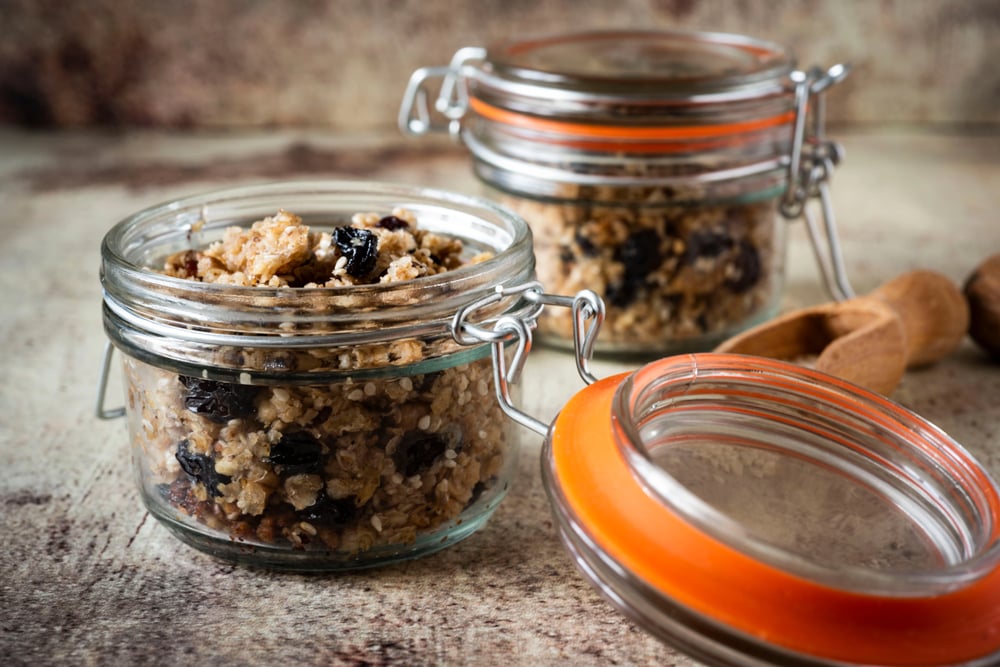
A kitchen experiment in the 1970s led Stanley Mason to shape what would become the granola bar. Breakfast at home usually meant bowls of loose granola, hard to carry around.
First tries broke too easily, crumbling before they left the counter. But one time, distraction caused longer baking – unplanned.
Heat fused oats, nuts, and honey tighter than expected. These stiff results held their form inside paper wraps, surviving pockets and bags without mess.
That error fixed everything: transport worked now. A snack unlike any before had just arrived by accident.
Funnel cakes mixed the wrong ingredients
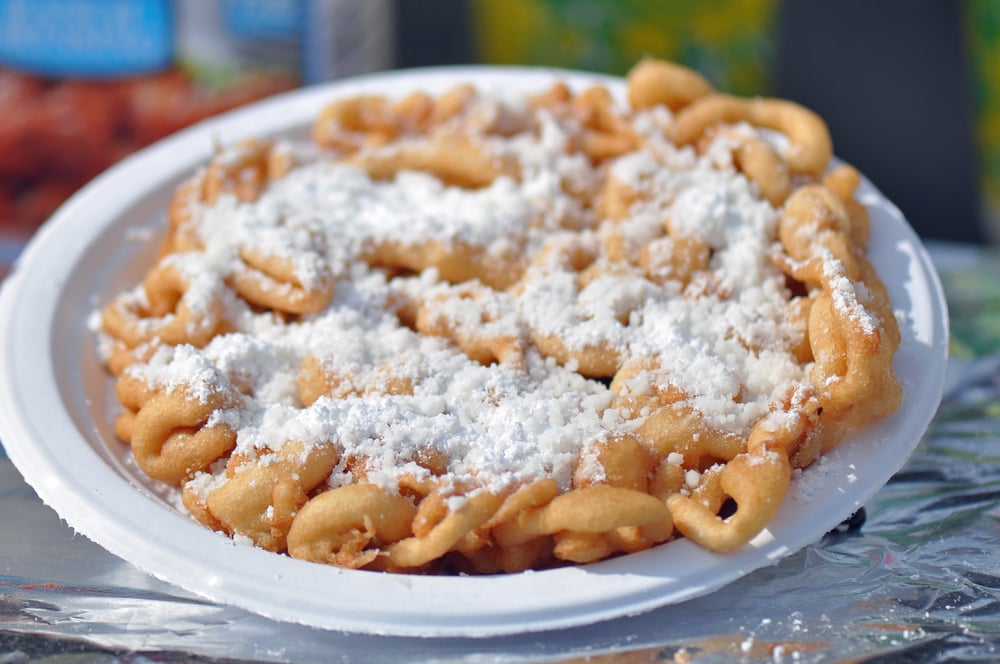
Back in the 1700s, Pennsylvania Dutch bakers worked with yeast dough for cakes. A slip in the kitchen changed everything – someone mixed up what went where.
What should’ve been thick turned runny instead. To manage it, they found pouring through a narrow spout did the trick right into sizzling oil.
Out came lacy treats: crunchy on the outside, tender inside. People at fairs couldn’t get enough of this surprise hit.
Sellers kept going exactly that mistaken route, never fixing the so-called mistake.
Mistakes that became traditions

Not a single one of these mishaps came from careful steps being followed. Supplies ran low, plans got ignored, decisions slipped – still, what emerged became favorites at ballparks, cinemas, living rooms.
Today’s casual bites survived only when someone dared eat what looked like ruin. When things go off track while cooking, pause before tossing it out – the fix might just be delicious.
Hidden inside blunders could sit the next big hit everyone craves.
More from Go2Tutors!

- The Romanov Crown Jewels and Their Tragic Fate
- 13 Historical Mysteries That Science Still Can’t Solve
- Famous Hoaxes That Fooled the World for Years
- 15 Child Stars with Tragic Adult Lives
- 16 Famous Jewelry Pieces in History
Like Go2Tutors’s content? Follow us on MSN.



