Behind-The-Scenes Facts From Star Wars
The Star Wars saga feels like it’s always been part of the cultural landscape. Lightsabers, the Force, and that opening crawl have become so familiar that it’s easy to forget how these films actually came together.
The truth behind the cameras tells a different story than the polished epics audiences see on screen. Chaos, last-minute decisions, and happy accidents shaped these movies just as much as any grand vision.
The galaxy far, far away required some very down-to-earth problem solving. Here are the real stories that made Star Wars happen.
R2-D2’s name came from editing room slang

George Lucas heard a film editor ask for ‘Reel 2, Dialogue 2’ during late-night sessions on American Graffiti. The shorthand ‘R2-D2’ stuck in his mind as a great name for a droid character.
This random piece of technical jargon became one of the most recognizable names in cinema history. Sometimes the best creative choices come from the most ordinary moments.
Chewbacca was inspired by George Lucas’s dog

Lucas owned an Alaskan Malamute named Indiana who would sit in the passenger seat of his car like a co-pilot. The image of this large, furry companion riding along sparked the idea for Han Solo’s sidekick.
Indiana’s loyalty and presence became the foundation for Chewbacca’s character, proving that inspiration can literally sit right next to you. The dog also later inspired another famous character’s name when Indiana Jones came along.
The lightsaber sounds came from old film projectors

Sound designer Ben Burtt created the iconic hum by combining the buzz of an idle film projector with feedback from a broken television set. He recorded the projector motor at the USC Cinema Department and then added interference from passing a microphone near a TV picture tube.
The swooshing sounds during fights came from waving a microphone around while playing back the base hum. This low-tech approach created one of the most futuristic sounds in movies.
Darth Vader’s breathing was recorded with scuba gear
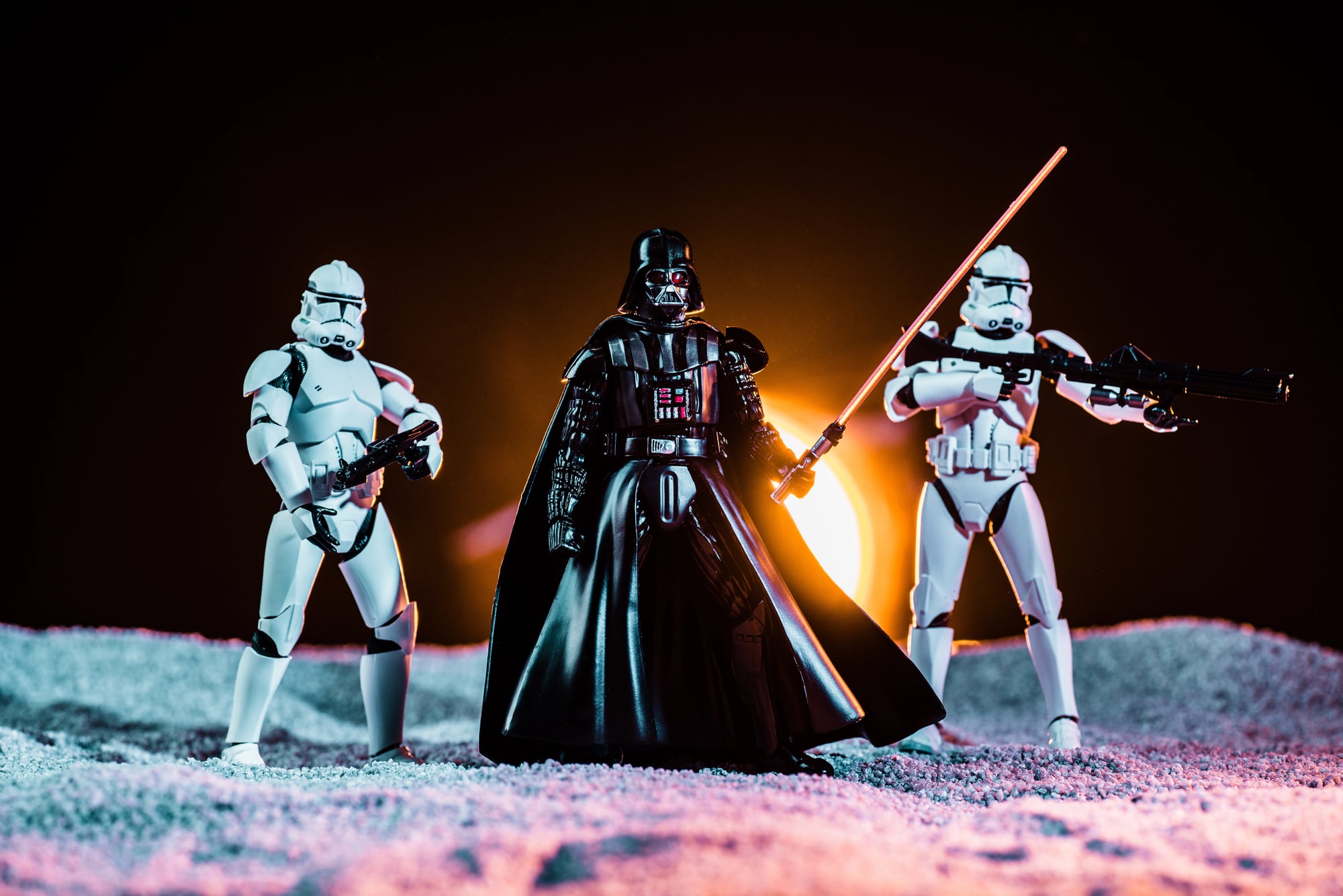
Ben Burtt needed something that sounded mechanical yet organic for Vader’s respirator. He put on scuba diving equipment and breathed through the regulator while recording the sounds.
The rhythm and texture captured exactly the right feeling of a man kept alive by a machine. This simple solution became instantly recognizable and intimidating to generations of viewers.
The original stormtrooper costumes made it nearly impossible to see

The white helmets looked great on screen but created serious problems for the actors wearing them. Vision was extremely limited, which explains why stormtroopers constantly bump into things and miss their shots in the films.
The crew actually incorporated this limitation into the story, making the Imperial troops seem incompetent. What started as a costume design flaw became a running joke that fans still reference today.
Yoda almost looked completely different
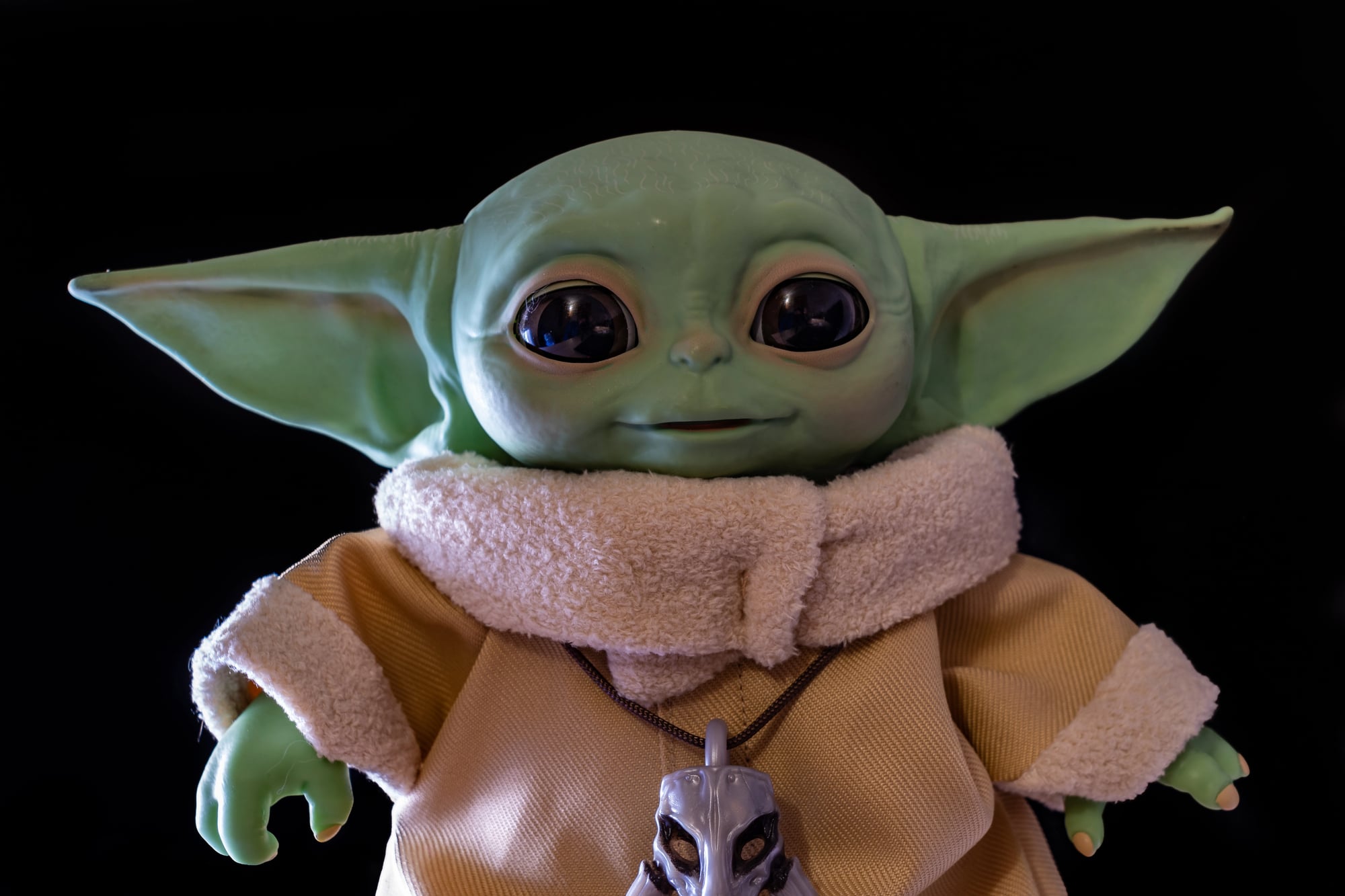
Early designs for Yoda ranged from a small person in a costume to various gnome-like creatures. Lucas eventually brought in legendary Muppet creator Jim Henson’s company, and designer Stuart Freeborn modeled the final version partly on Albert Einstein’s face.
The puppet required multiple operators to bring it to life, with Frank Oz providing the voice and main movements. This hands-on approach gave Yoda more personality than any computer graphics could have achieved at the time.
Harrison Ford improvised one of Han Solo’s most famous lines

In The Empire Strikes Back, the script had Han respond to Leia’s ‘I love you’ with ‘I love you too.’ Ford felt this sounded too formal for his character and suggested ‘I know’ instead right before filming.
Director Irvin Kershner agreed, and they shot it in one take. That cocky, confident response perfectly captured Han Solo’s personality and became one of the most quoted lines in the entire series.
The Millennium Falcon’s design came from a hamburger

Lucas told the design team he wanted a ship that looked like a flying saucer but more interesting. Artist Joe Johnston sketched a round shape with a cockpit off to the side, and someone said it looked like a hamburger with an olive on the side.
The crew ran with this food comparison, and the most famous ship in science fiction was born. The offset cockpit actually served a practical purpose by giving better sight lines for filming.
Mark Hamill’s car accident changed the script

Between A New Hope and The Empire Strikes Back, Hamill was in a serious car crash that damaged his face. The Empire’s opening scene with Luke getting attacked by the Wampa ice creature was added partly to explain any differences in his appearance.
This quick thinking turned a real-world problem into an exciting story moment. The scene also established Hoth as a dangerous planet right from the start.
Carrie Fisher had to stand on a box in many scenes
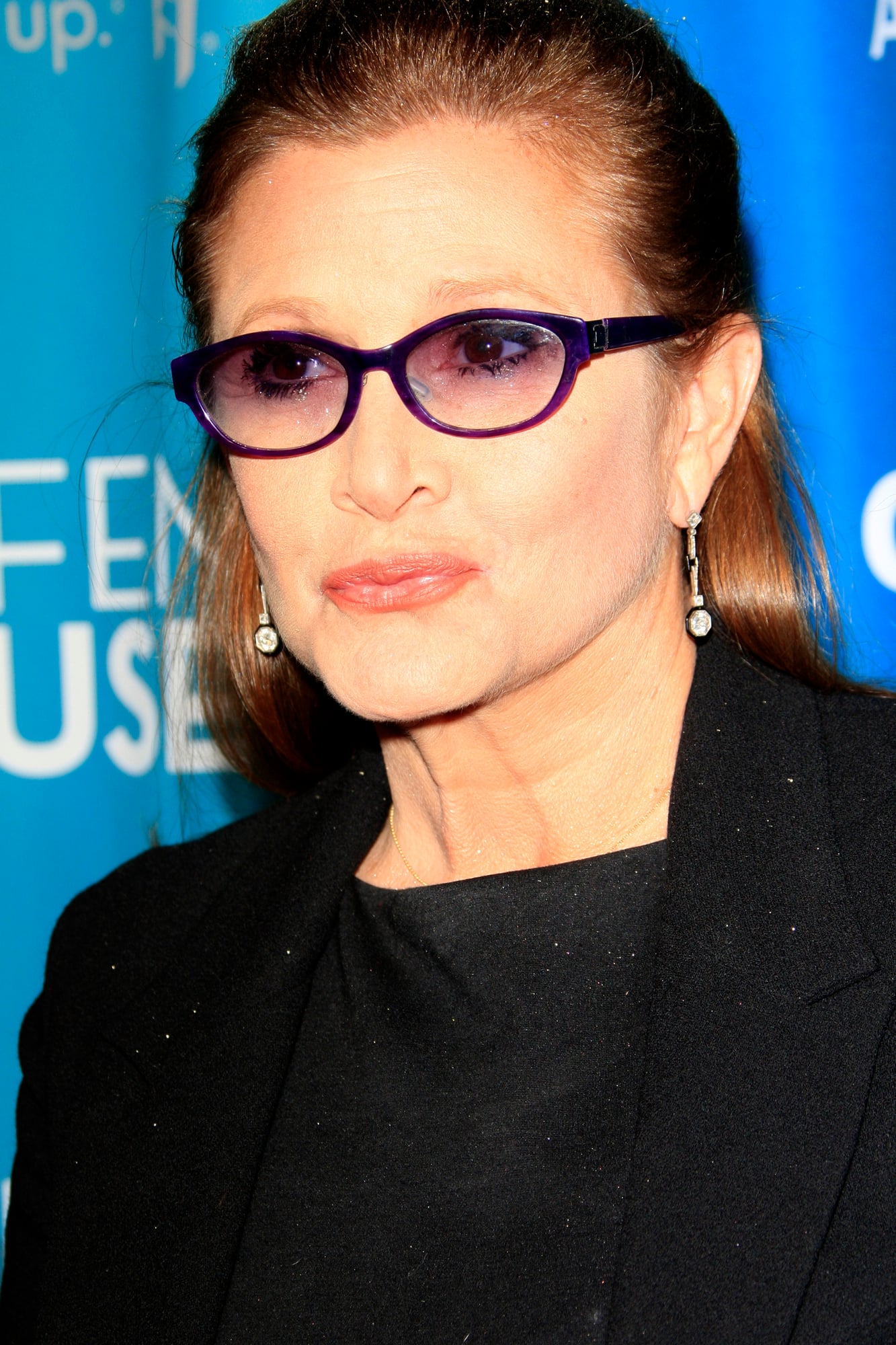
Fisher stood around 5’1″ while her co-stars were considerably taller, creating framing issues for shots. The crew built small platforms for her to stand on throughout filming to balance the heights.
These boxes became so common that they were nicknamed ‘Leia lifts’ by the production team. Fisher herself made jokes about them in interviews, showing her good humor about the practical demands of filmmaking.
The Emperor’s hologram in Empire used a woman’s eyes
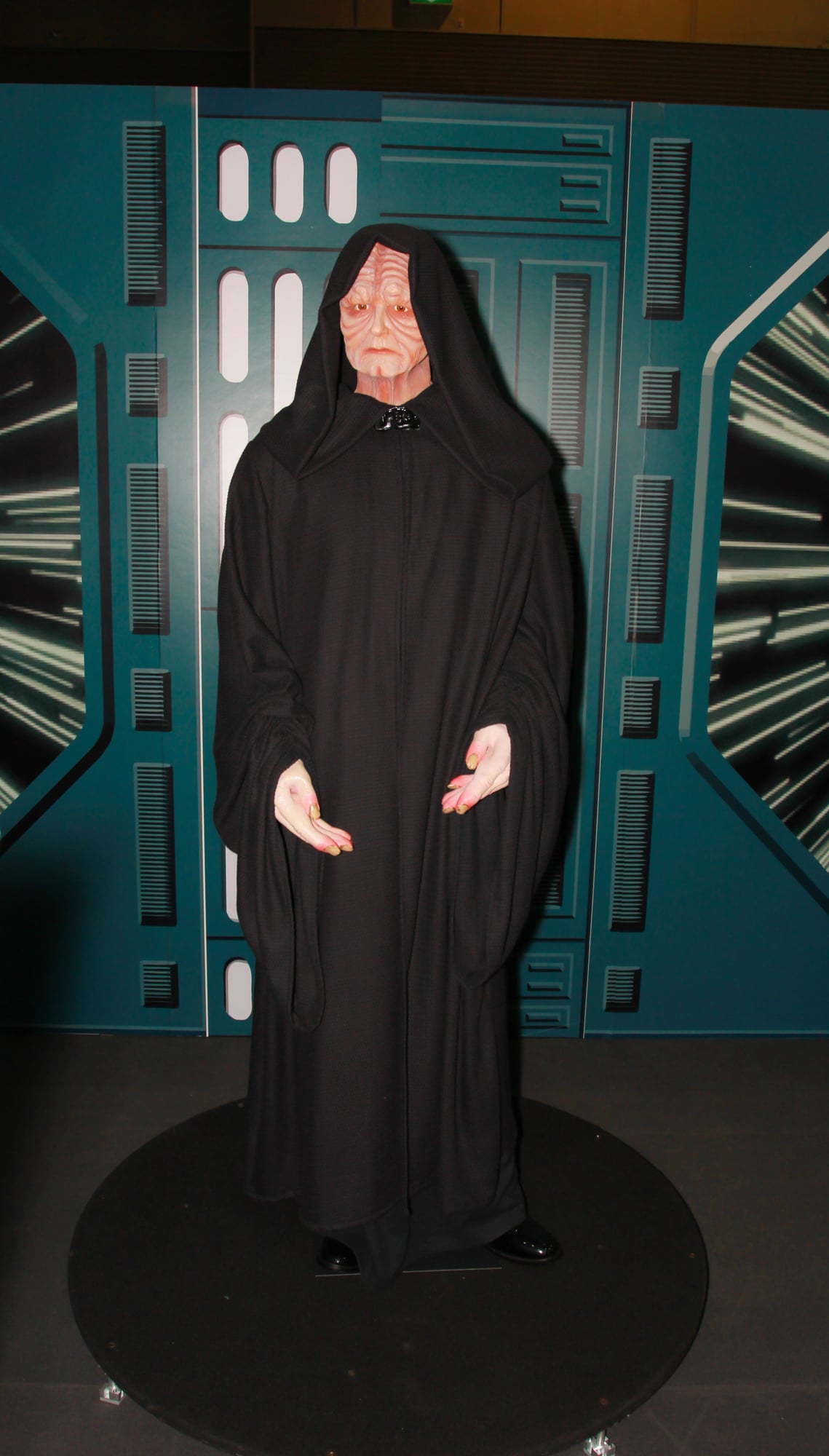
The brief appearance of Emperor Palpatine in The Empire Strikes Back combined several different elements. The face was actually an old woman wearing prosthetics with chimpanzee eyes superimposed over hers, and the voice belonged to Clive Revill.
Ian McDiarmid wouldn’t take over the role until Return of the Jedi. This patchwork creation worked for the mysterious hologram appearance but needed a complete rethink for later films.
Jabba the Hutt was almost in the first movie
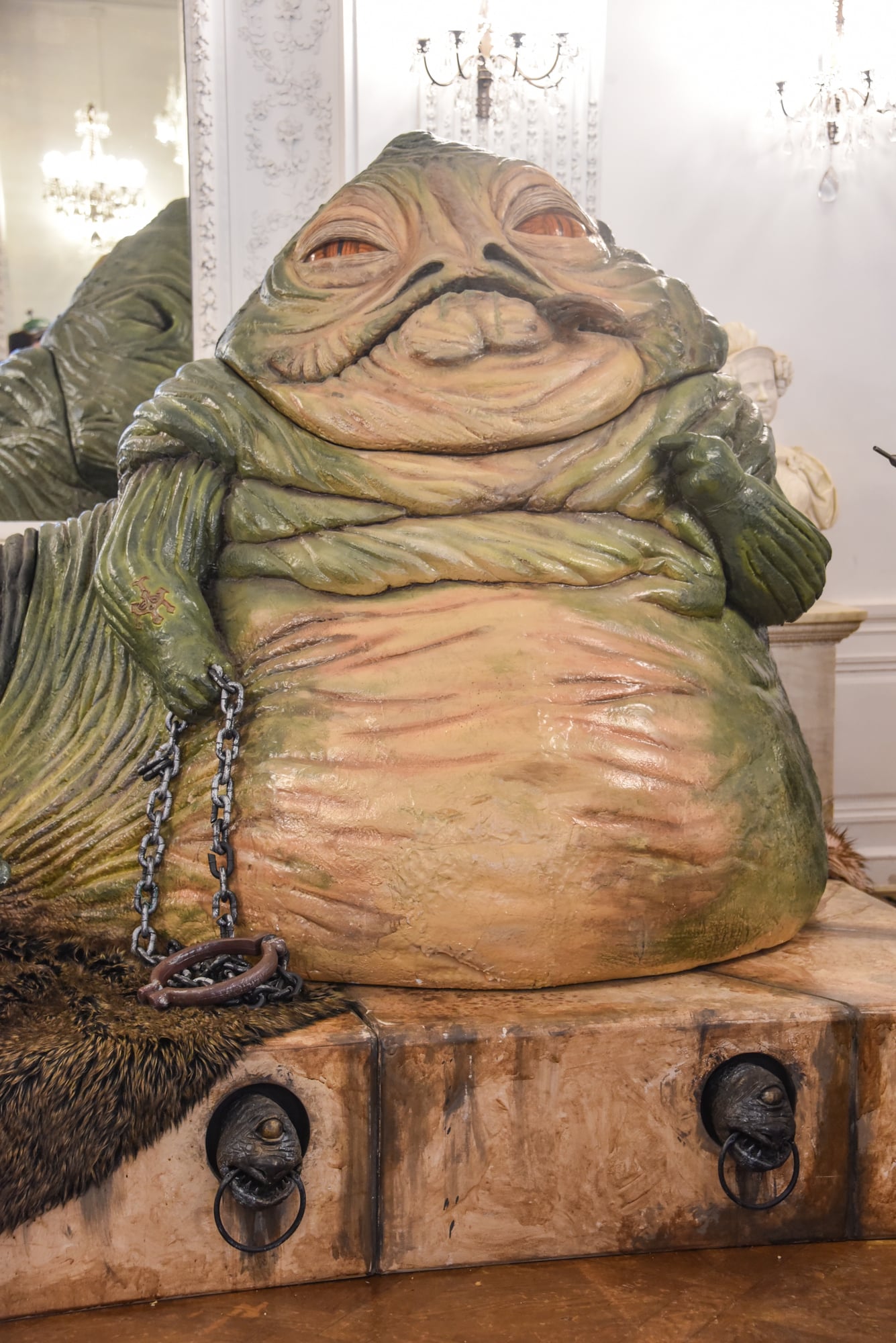
A New Hope originally filmed a scene with Han Solo talking to Jabba in Mos Eisley, played by a human actor named Declan Mulholland. Lucas planned to replace him with a stop-motion creature in post-production but ran out of time and money.
The scene was cut entirely, and Jabba remained an unseen threat until Return of the Jedi gave him his famous slug-like appearance. The original footage was eventually restored for the Special Edition with a CGI Jabba replacing Mulholland.
The Ewoks’ language includes Tibetan and Nepalese

Sound designer Ben Burtt traveled and recorded various languages to create the Ewok speech patterns. He mixed together elements from Tibetan, Nepalese, and other languages, then had voice actors speak them in higher pitches.
The result sounded completely alien yet oddly familiar to audiences. This linguistic mixing created believable communication without needing subtitles for every line.
The trash compactor scene used real garbage smell

The disgusting water in the Death Star trash compactor wasn’t just colored water. The crew added actual garbage and food waste to make the scene more realistic for the actors.
Carrie Fisher, Mark Hamill, and Harrison Ford genuinely struggled with the smell during filming. Their expressions of disgust required no acting whatsoever.
This commitment to authenticity made the scene uncomfortable for everyone involved but incredibly convincing on screen.
Return of the Jedi almost had a completely different ending

Early scripts for the final film included a much darker conclusion where Luke would put on Vader’s helmet and declare himself the new Emperor. Lucas ultimately decided this was too grim and went with the redemption story instead.
Some elements of this darker version influenced later Star Wars projects. The choice to end with hope rather than tragedy defined the original trilogy’s legacy.
The at at walkers moved like elephants
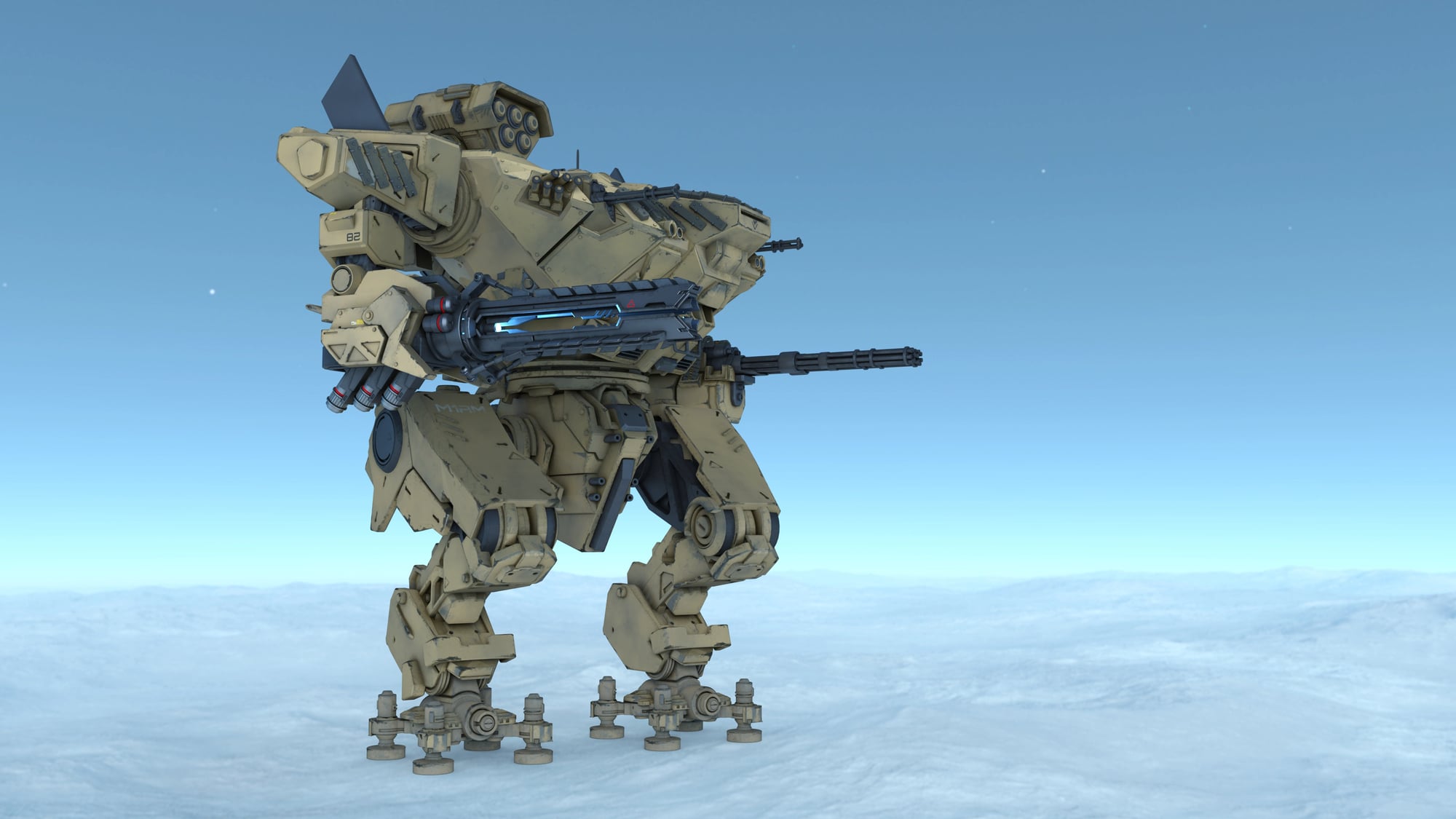
Heavy footsteps came first – inspired by elephants. Watching how those animals moved helped artists shape the way giant walkers advanced on screen.
Instead of clunky toys, they became forces you could feel through the floor. Each footfall carried a sense of crushing mass, drawn straight from nature’s rhythm.
By borrowing real-world motion, the machines gained something eerie: lifelike menace. People believed them instantly, even though nothing like them existed.
Anthony Daniels almost quit during the first week

Wearing the C-3PO suit was rough on Daniels – tight, stiff, hard to move in. Vision through the helmet? Almost impossible.
At first, the golden outfit sat wrong on his body, bringing aches each time they rolled cameras. Frustration built fast; quitting crossed his mind more than once.
Yet changes came slowly, thanks to Lucas listening, tweaks made by hands behind the scenes. He stayed.
Every major Star Wars movie since has carried his voice, his timing, that fussy mechanical soul. Years passed, but the character never wavered – it held steady because he did.
When effects became reality

Movies were never the same once those space battles hit the screen. Back then, making spaceships feel real meant inventing tools nobody had used before.
Instead of waiting for tech to catch up, they pushed it forward – fast. Hidden mechanisms behind laser swords lit up scenes in ways people hadn’t seen.
Cameras moved with precision previously thought unachievable. By stitching images together digitally, new worlds took shape frame by frame.
A small group working late solved puzzles larger studios called quits on. Their fixes became standards almost without anyone noticing.
Even now, when a ship zooms across a galactic backdrop, echoes of their trial and error show through. Simple needs – like showing dogfights among stars – forced leaps others only dreamed of.
More from Go2Tutors!

- The Romanov Crown Jewels and Their Tragic Fate
- 13 Historical Mysteries That Science Still Can’t Solve
- Famous Hoaxes That Fooled the World for Years
- 15 Child Stars with Tragic Adult Lives
- 16 Famous Jewelry Pieces in History
Like Go2Tutors’s content? Follow us on MSN.