14 Times One Person’s Vote Changed History
Throughout history, people have been told that every vote matters. While that might sound like standard political rhetoric designed to boost turnout, there are moments when it’s been absolutely true. Sometimes a single person’s decision—whether cast in a legislative chamber, jury room, or at a ballot box—has literally altered the course of human events.
These aren’t just close calls that happened to work out one way or another. These are pivotal moments where one individual’s choice created ripple effects that changed nations, started wars, or shaped the world we inhabit today. Here are 14 times when one person’s vote genuinely changed history.
Aaron Burr Decides the 1800 Election

The presidential election of 1800 ended in a tie between Thomas Jefferson and Aaron Burr, throwing the decision to the House of Representatives. After 35 deadlocked ballots, Delaware’s lone representative James Bayard finally switched his vote to Jefferson on the 36th ballot—breaking the stalemate that threatened to tear the young nation apart.
This single vote prevented what could’ve been a constitutional crisis while establishing the peaceful transfer of power between political parties. The precedent would define American democracy for centuries to come.
The Impeachment of Andrew Johnson
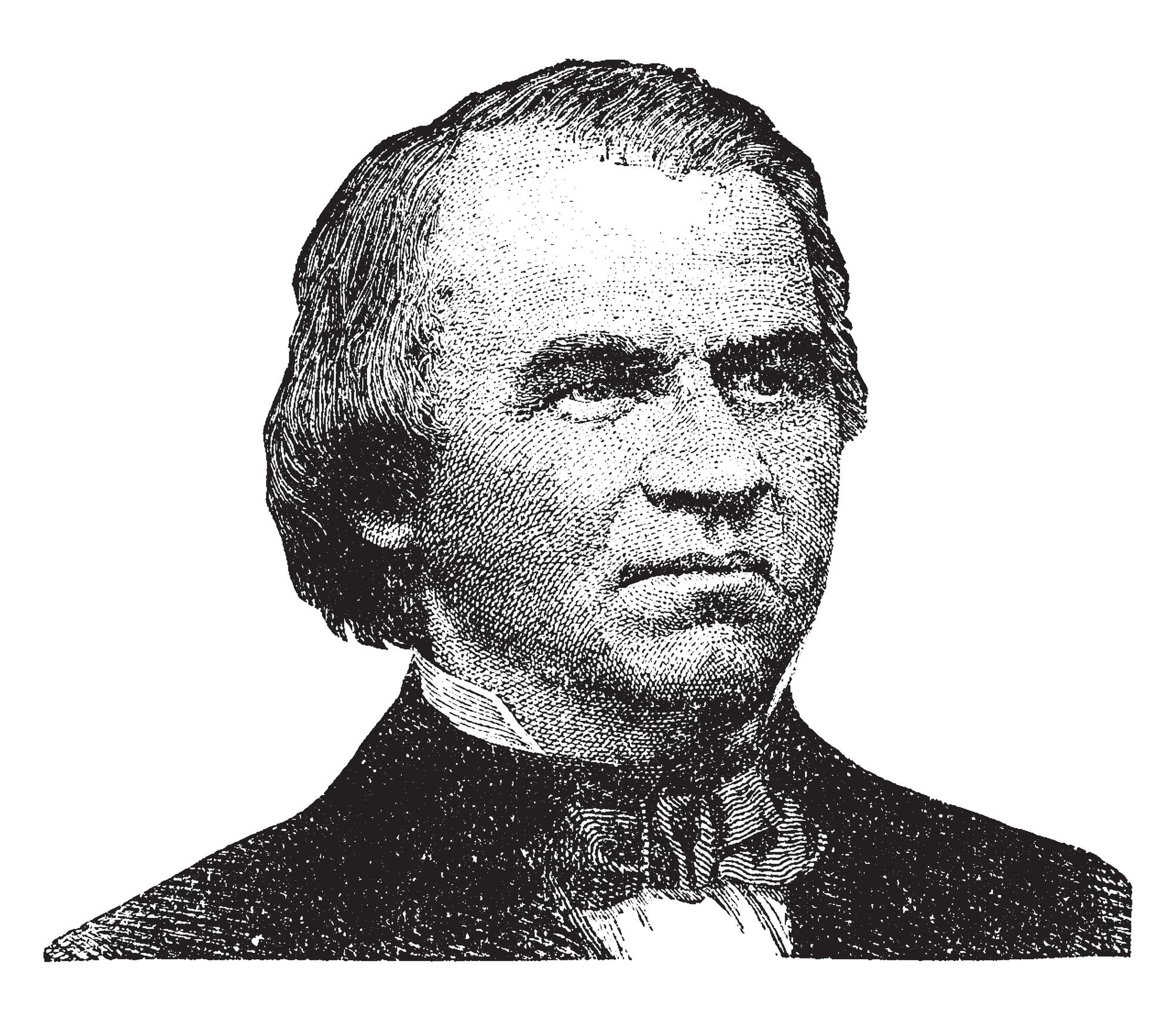
President Andrew Johnson came within one vote of being removed from office in 1868. Senator Edmund Ross of Kansas cast the deciding vote against conviction, despite enormous pressure from his own Republican Party—pressure that included death threats and promises of political ruin.
His decision kept Johnson in office and preserved the balance of power between Congress and the presidency during Reconstruction. It effectively ended Ross’s political career, though history remembers him as a man who chose principle over party loyalty.
Like Go2Tutors’s content? Follow us on MSN.
Texas Joins the Union by One Vote

In 1845, the U.S. Senate voted on whether to admit Texas as a state—a decision that many senators agonized over given the slavery question. The vote was incredibly close, with legislators worried about adding another slave state to the Union.
Senator Thomas Hart Benton of Missouri cast the tie-breaking vote in favor of admission after weeks of political maneuvering. This single decision not only brought Texas into the United States but also set the stage for the Mexican-American War just a year later.
The Munich Beer Hall Putsch Trial
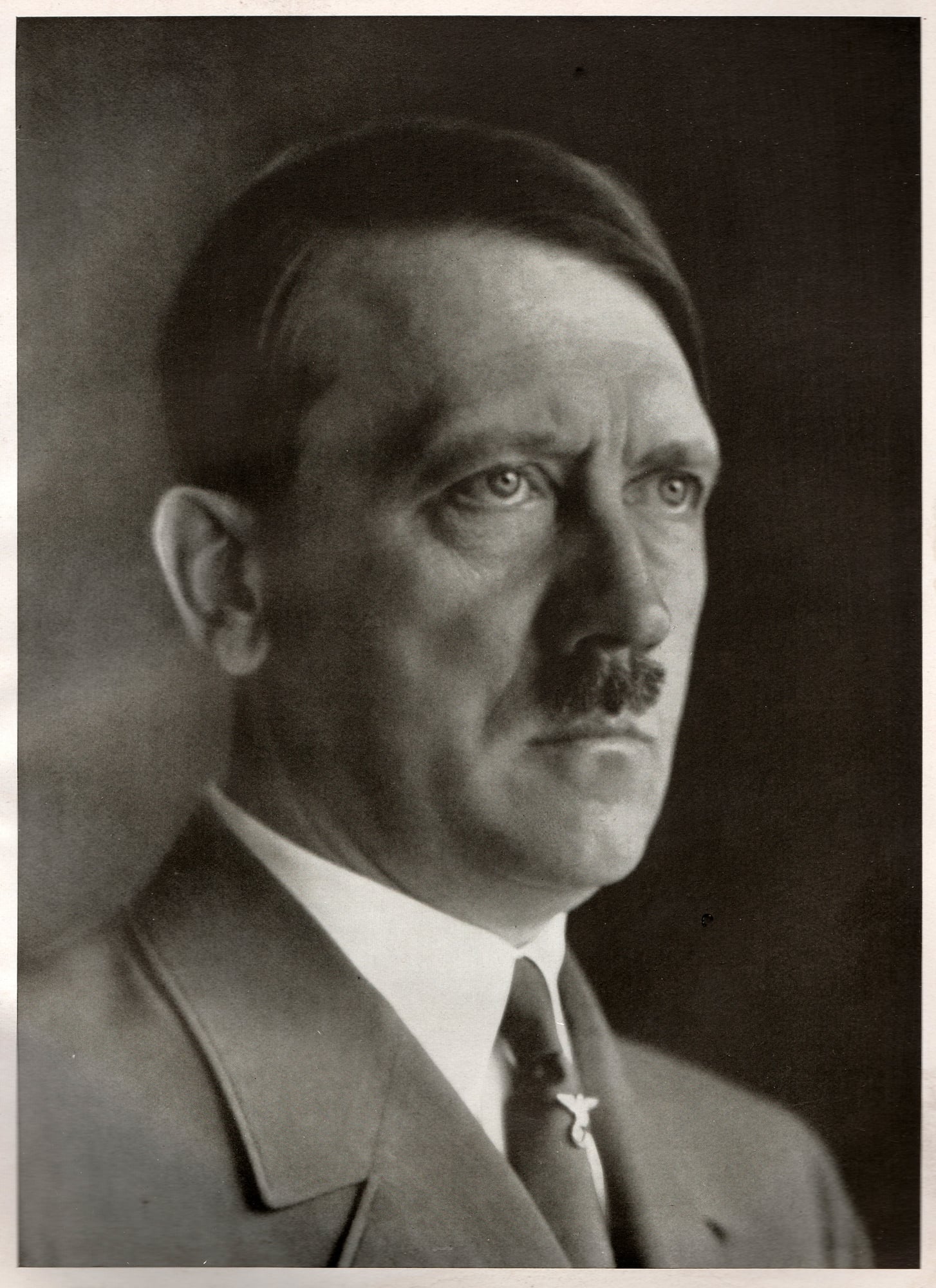
In 1924, Adolf Hitler was tried for treason after his failed coup attempt in Munich. The three-judge panel nearly convicted him—which would’ve meant deportation back to Austria and likely political obscurity.
However, one judge voted for a lenient sentence, allowing Hitler to remain in Germany where he would eventually rise to power. This decision had catastrophic consequences for the entire world, proving that sometimes mercy can be the cruelest choice of all.
Napoleon’s Escape from Elba
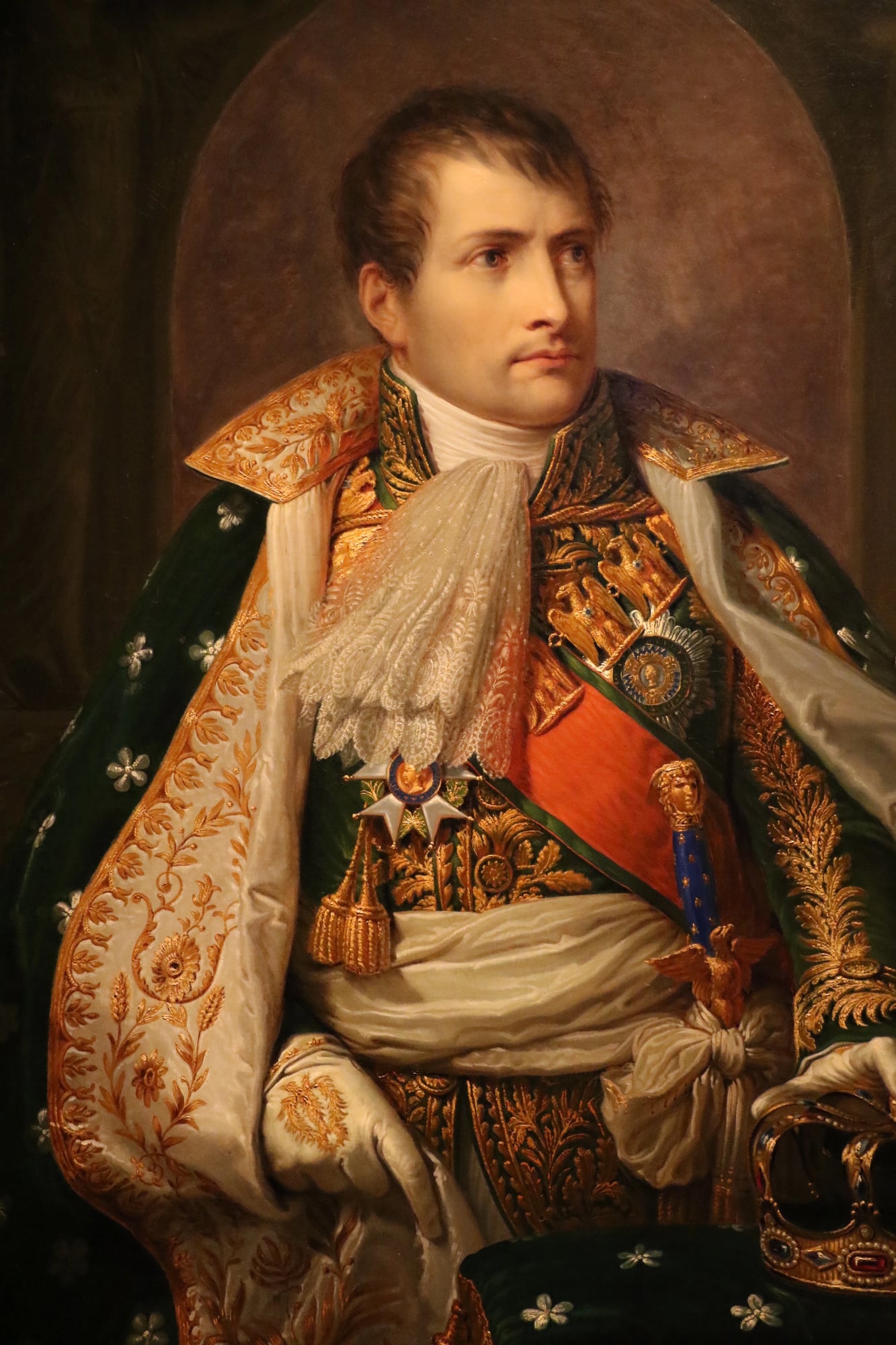
When Napoleon escaped from Elba in 1815, the French Senate had to decide whether to support him or King Louis XVIII. The vote was razor-thin—with one senator’s decision tipping the balance toward Napoleon after hours of heated debate.
This choice led directly to the Hundred Days campaign and the Battle of Waterloo, effectively reshaping European politics for the next century. France would never again dominate the continent as it had under the Emperor.
Like Go2Tutors’s content? Follow us on MSN.
The Creation of Israel

The United Nations vote to partition Palestine in 1947 passed by just one vote more than the required two-thirds majority. Haiti’s representative cast the crucial vote after last-minute lobbying from both sides—including personal appeals from future Israeli leaders.
Without this single decision, the modern state of Israel might never have been established. The vote fundamentally altered Middle Eastern politics and international relations in ways that continue to reverberate today.
The 13th Amendment Passes

The constitutional amendment abolishing slavery passed the House of Representatives by exactly the required two-thirds majority in 1865. Representative Moses Odell of New York had been undecided until the final moment when he cast his vote in favor—influenced by a personal letter from Abraham Lincoln.
His decision ensured that slavery would be permanently banned throughout the United States, not just in rebellious states. The vote came just months before Lincoln’s assassination.
King Charles I Loses His Head

The trial of King Charles I in 1649 required a majority of judges to vote for execution. The final tally was incredibly close—with Justice John Bradshaw casting what many historians consider the deciding vote after days of deliberation.
This decision didn’t just execute a king; it established the precedent that monarchs weren’t above the law and could be held accountable by their subjects. The concept would spread across Europe and eventually topple monarchies worldwide.
Like Go2Tutors’s content? Follow us on MSN.
The War of 1812 Declaration

Congress’s declaration of war against Britain in 1812 passed the House by just a few votes. Representative John Clopton of Virginia, who’d been leaning against war, ultimately voted in favor after last-minute pressure from Henry Clay—the charismatic Speaker who wanted to prove American resolve.
This single vote helped push America into a conflict that would define its relationship with Britain. The war established American credibility as an independent nation on the world stage.
The Enabling Act in Germany

The 1933 Enabling Act that gave Hitler dictatorial powers passed the German Reichstag by the slimmest of margins. Social Democrat Otto Wels could have abstained—which would’ve been the safer political choice—but instead cast his vote against the measure.
Though it wasn’t enough to stop the legislation, his courage in speaking out provided a moral stand that inspired resistance movements throughout Nazi-occupied Europe. His defiant speech became a symbol of democratic opposition to fascism.
The Purchase of Alaska

The Senate’s approval of the Alaska Purchase in 1867 was hardly guaranteed, with many calling it ‘Seward’s Folly.’ Senator Charles Sumner of Massachusetts delivered a crucial speech that swayed one undecided senator to vote yes.
Without this vote, Alaska might have remained Russian territory, completely changing North American geopolitics. The purchase would later prove invaluable for America’s natural resources and strategic position during the Cold War.
Like Go2Tutors’s content? Follow us on MSN.
The Acquittal of Justice Samuel Chase
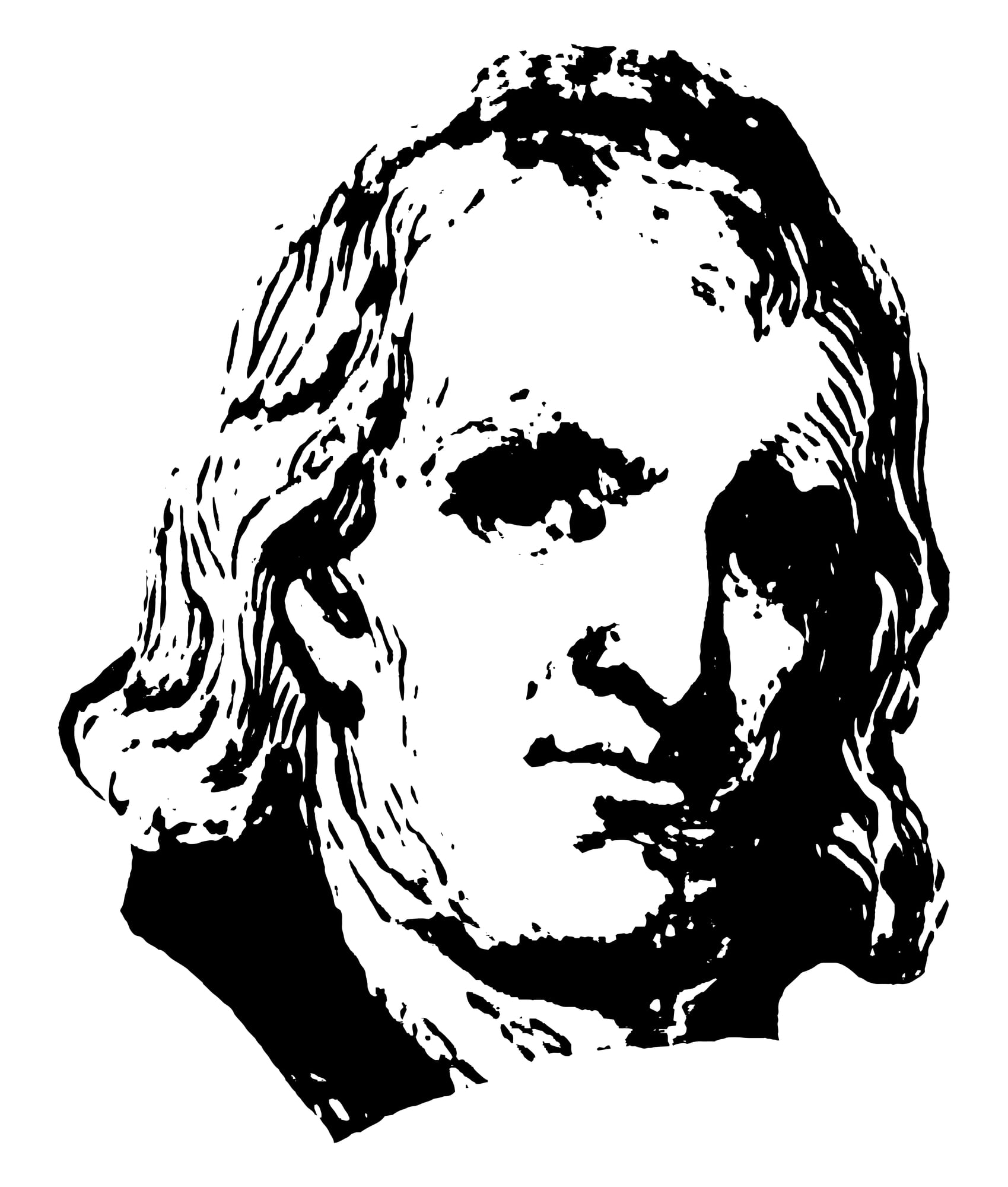
In 1805, Supreme Court Justice Samuel Chase faced impeachment for partisan behavior on the bench. The Senate vote fell one short of the required two-thirds majority needed for conviction.
Senator John Gaillard of South Carolina cast the deciding vote for acquittal, establishing the principle of judicial independence that protects Supreme Court justices to this day. His decision helped maintain the separation of powers that’s fundamental to the American government.
The Formation of Pakistan
The 1947 vote in the Indian National Congress on partition came down to a handful of delegates. Maulana Azad, who had initially opposed partition, switched his vote at the last moment after pressure from other Muslim leaders.
His decision helped create Pakistan as a separate nation, leading to one of the largest population migrations in human history. The partition resulted in ongoing tensions in South Asia that persist today.
The Treaty of Versailles Ratification

The U.S. Senate’s rejection of the Treaty of Versailles in 1920 came down to just a few votes. Senator Gilbert Hitchcock of Nebraska, who had been wavering, ultimately voted against ratification after Wilson refused to accept any reservations.
This single vote kept America out of the League of Nations and arguably contributed to the international instability that led to World War II. Wilson’s inflexibility may have cost the world its best chance at lasting peace.
Like Go2Tutors’s content? Follow us on MSN.
Democracy’s Razor-Thin Margins

These moments reveal something profound about how history actually works. Major changes don’t always require massive movements or overwhelming popular support.
Sometimes they hinge on one person’s conscience, political calculation, or moment of courage under pressure. Each of these votes demonstrates that individual agency matters far more than most people realize in shaping the grand sweep of human events.
What’s particularly striking is how many of these decisions were made by people who probably didn’t fully grasp the long-term consequences of their choices. They were responding to immediate pressures, personal beliefs, and political realities of their moment in time.
Yet their single votes created ripple effects that are still felt today. These stories prove that in democracy’s most crucial moments, every voice truly can make the difference between one future and another entirely.
History turns on such small hinges.
More from Go2Tutors!

- 16 Historical Figures Who Were Nothing Like You Think
- 12 Things Sold in the 80s That Are Now Illegal
- 15 VHS Tapes That Could Be Worth Thousands
- 17 Historical “What Ifs” That Would Have Changed Everything
- 18 TV Shows That Vanished Without a Finale
Like Go2Tutors’s content? Follow us on MSN.