19 Smallest Incorporated Towns in the United States
Most people picture towns as places with at least a post office, a diner, maybe a gas station. But scattered across the country are incorporated municipalities where the entire population fits inside a single car — or doesn’t even fill a seat.
These places have legal charters, elected officials, and real addresses on real maps. They just happen to have very few people.
Some are ghost towns that refused to give up their paperwork. Others are thriving in their own quiet way, with a bar that draws curious visitors from hundreds of miles away.
A few exist simply because someone wanted to play golf on a Sunday without anyone telling them they couldn’t. Here are 19 of the smallest incorporated towns in the United States, ranked from smallest to largest.
1. Monowi, Nebraska — Population: 1
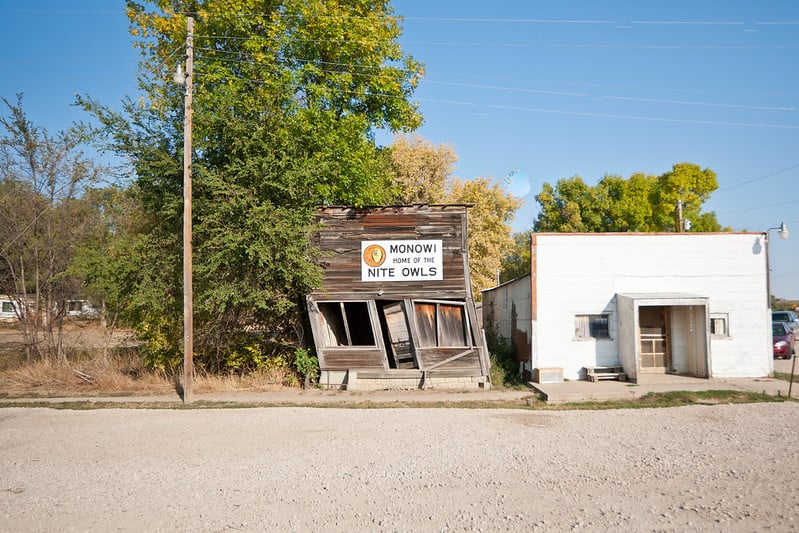
Monowi is the only incorporated municipality in the entire United States with a single resident. That resident is Elsie Eiler, who serves as mayor, clerk, treasurer, librarian, and bartender — all at the same time, because there is no one else.
She pays taxes to herself, approves the town’s annual budget, and holds a liquor license for the Monowi Tavern, which she operates alone. The library she maintains honors her late husband Rudy, with a collection of around 5,000 books and magazines.
Visitors regularly make the trek out to Boyd County just to meet her and grab a drink, and Elsie has become something of a minor celebrity because of it. The town peaked at around 150 residents in the 1930s, supported by the railroad and surrounding farms.
When the railroad left and the school closed, so did most of the people. Elsie has watched the town shrink around her for decades and has chosen, repeatedly, to stay.
2. Carbonate, Colorado — Population: 0
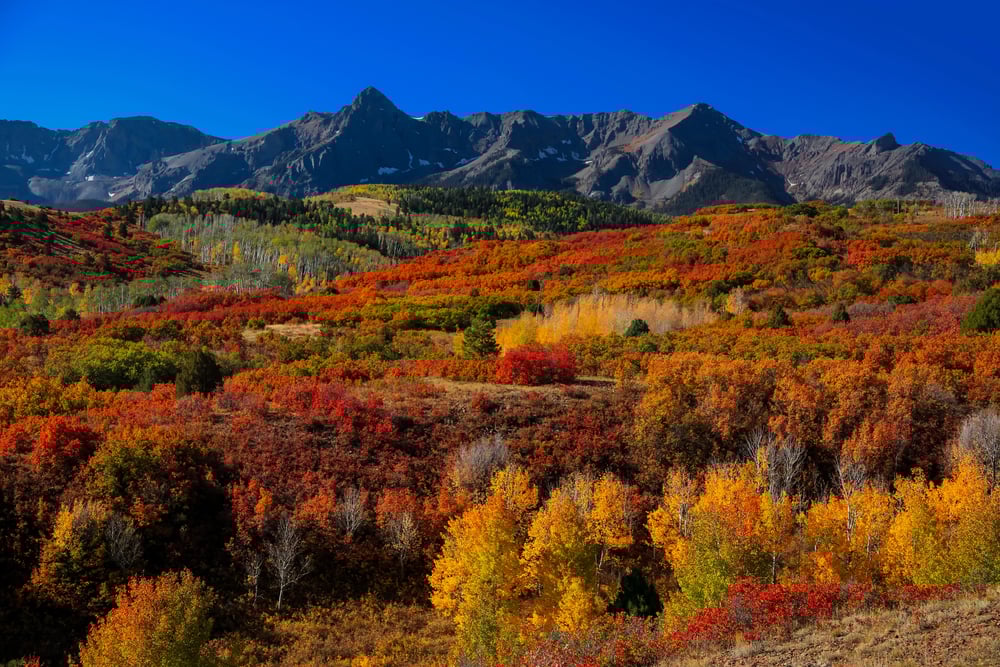
Carbonate holds the unusual distinction of being a fully incorporated town with no permanent residents. The historic mining community sits in the mountains near Glenwood Springs, surrounded by the White River National Forest.
In 2014, property owners voted to keep it incorporated, hoping the town’s legal status would help attract restoration interest someday. A few old cabins remain, scattered across a stretch of mountain terrain that is genuinely beautiful in a remote, forgotten kind of way.
Nobody actually lives there. The town exists on paper, and that’s intentional.
3. Lost Springs, Wyoming — Population: 4–6
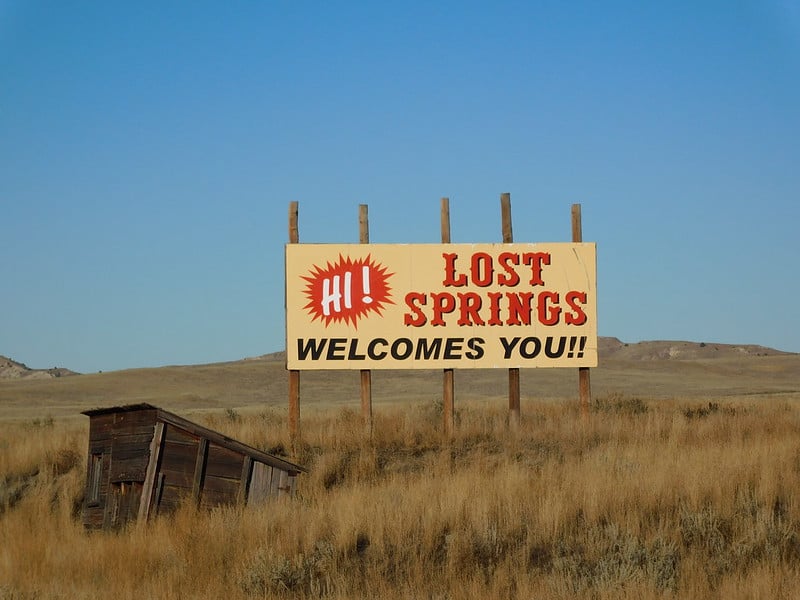
Railroad workers named this place after the springs they could never seem to find. It was incorporated in 1911, when over 200 residents lived there working the nearby Rosin coal mine.
The mine closed around 1930 and the people followed it out. By the 2000 census, only one person remained — though the welcome sign famously read “Pop 1” when the actual count was higher.
Mayor Leda Price made sure the 2010 census got it right and had the sign corrected. Today a small handful of people keep the bar and general store running.
The town has a city hall, a mayor, and miles of open Wyoming prairie in every direction.
4. Ruso, North Dakota — Population: 4–5
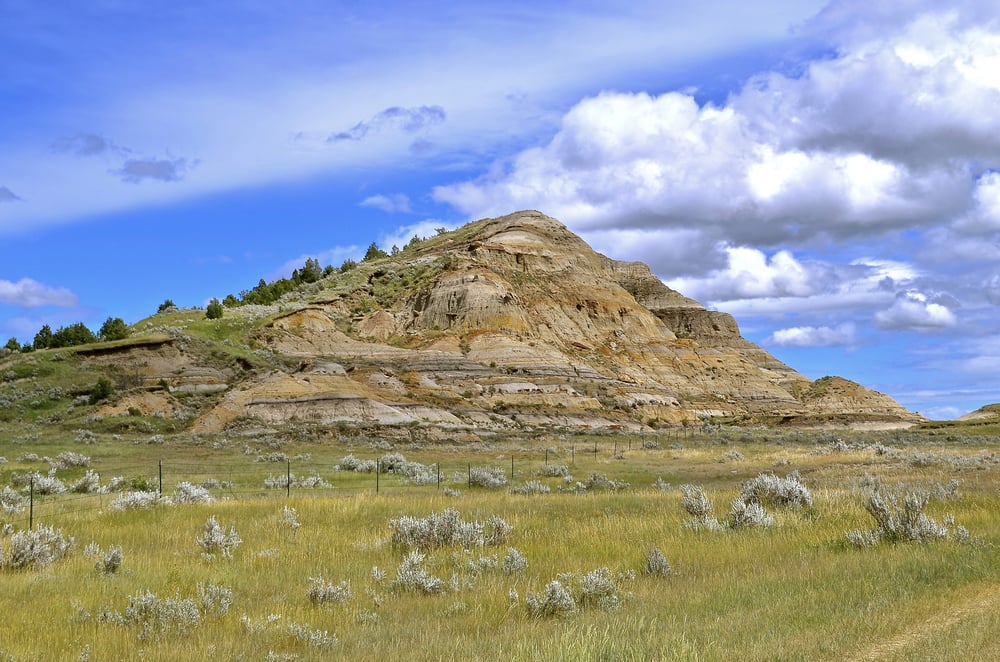
Ruso was settled by Russian immigrants and incorporated in 1909. At its height, it had a bank, a grain elevator, a Lutheran church, a hotel, and even a jail that eventually became a blacksmith shop.
Today those buildings are mostly abandoned, and only a few people remain. The landscape around it is remote and wide open — the kind of place that doesn’t show up on most road trips but stays with you if you happen to pass through.
5. Tavistock, New Jersey — Population: 5
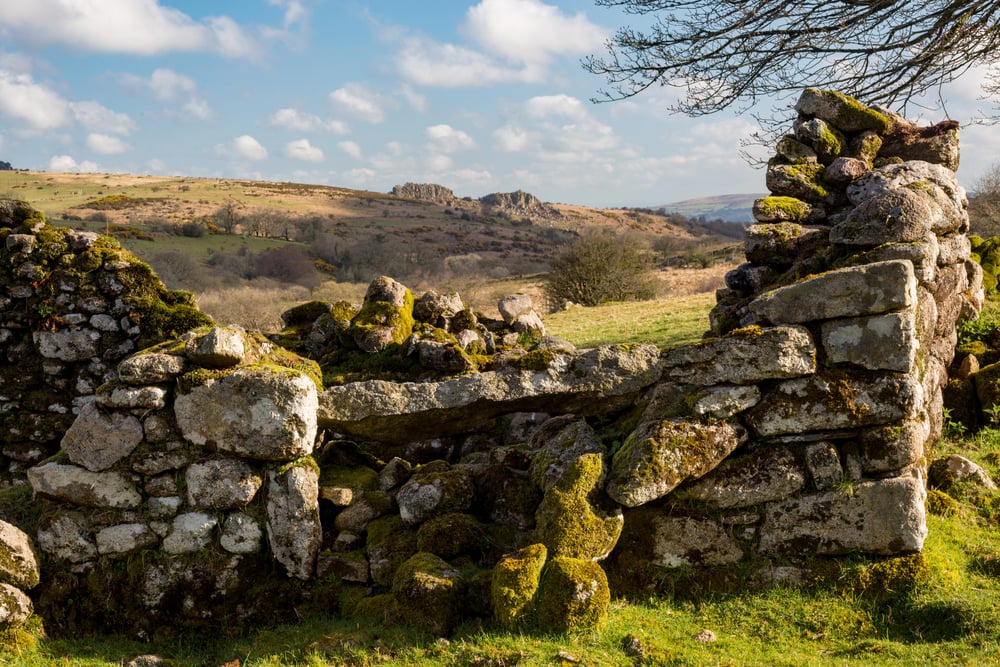
Tavistock has one of the stranger origin stories in American municipal history. A group of golfers incorporated the borough in 1921 specifically to escape laws in neighboring Haddonfield, which banned sports on Sundays during Prohibition.
They built a country club, incorporated the surrounding land, and went on playing golf all week long. The Tavistock government also allows its club to sell liquor, which is not permitted in Haddonfield.
The golf course is still active today, and the population sits at around five. There are no shops, no schools, and no public streets open to the general public.
It is essentially a private country club with a ZIP code.
6. Funkley, Minnesota — Population: 5
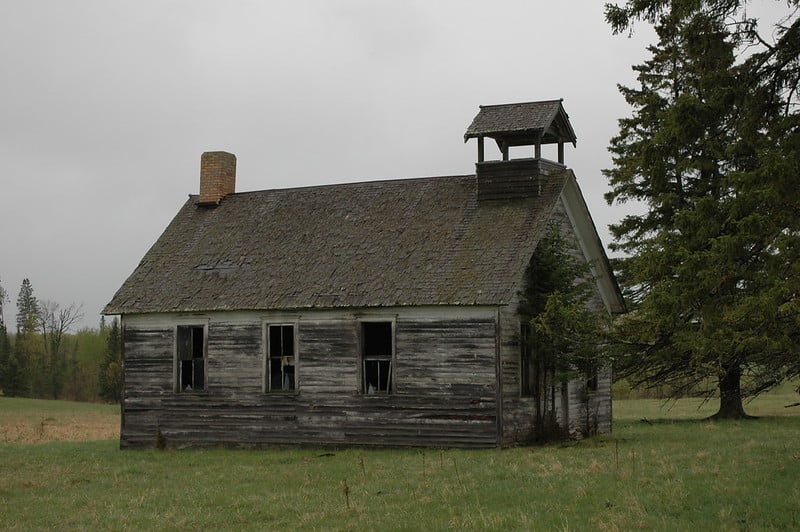
Funkley sits in Beltrami County in northern Minnesota and has a population of about five people. It’s one of those towns that doesn’t attract attention precisely because nothing dramatic has happened there.
The surrounding forests are thick, the winters are long, and residents appear to prefer it that way. It has been incorporated for decades and quietly holds its status as one of Minnesota’s smallest municipalities without making a fuss about it.
7. Thurmond, West Virginia — Population: 5
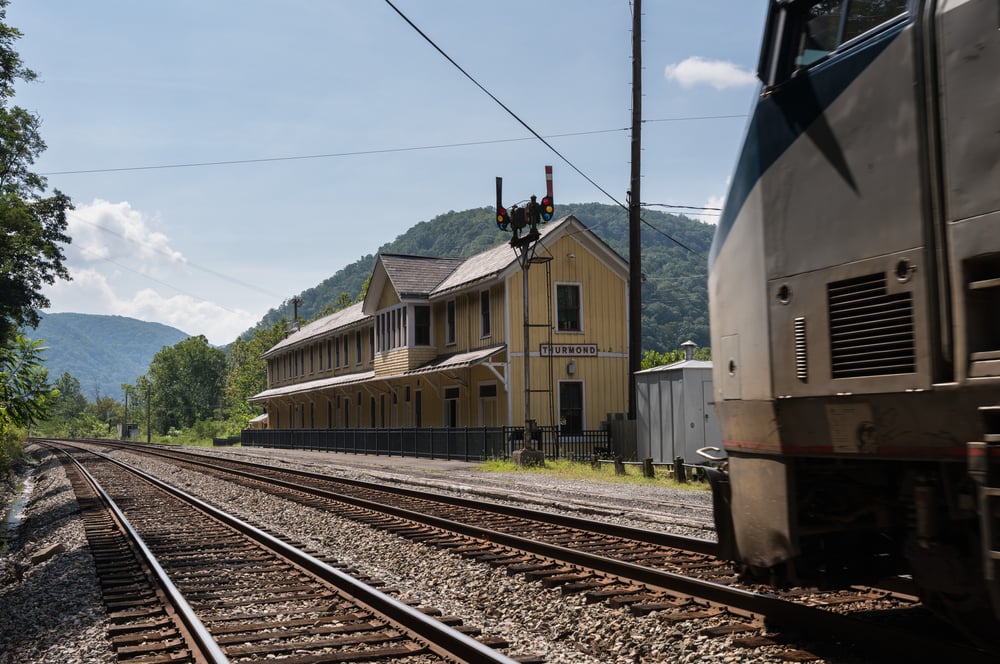
Thurmond was once a genuinely busy railroad town. At its peak in the early 1900s, it reportedly handled more freight than any other station on the Chesapeake & Ohio Railway.
Then came the decline of coal, the rise of automobiles, and the slow departure of everything that kept people there. Today, five people live among the historic depot buildings, which are now managed in part by the National Park Service as part of the New River Gorge National Park.
The town looks frozen in time, and that’s part of what draws visitors who find their way there.
8. Cave, Missouri — Population: 5
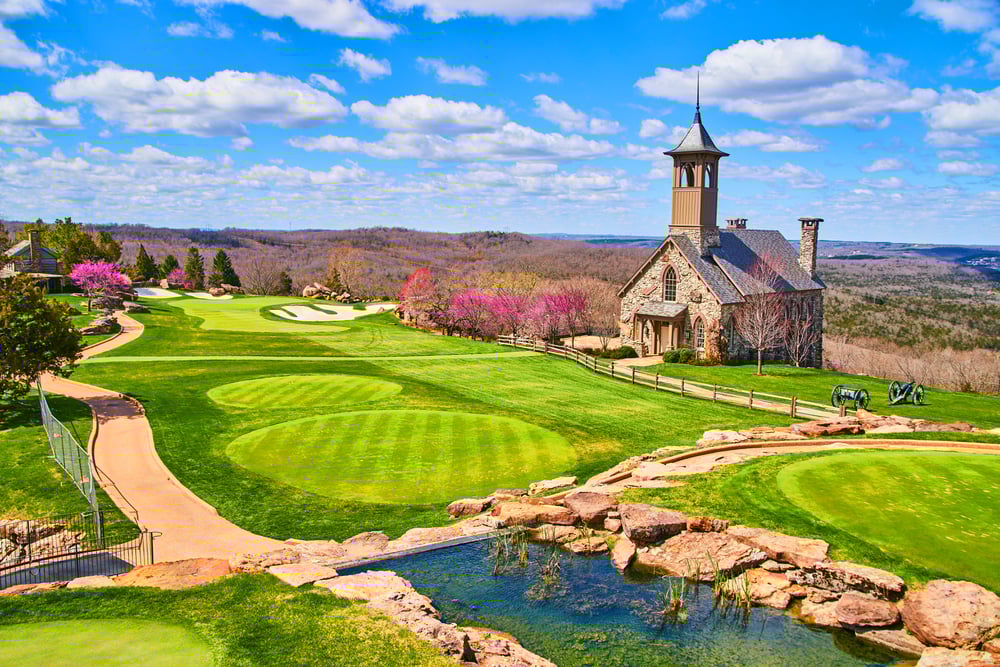
Cave is a small Lincoln County community with around five residents. It doesn’t have a famous bartender or a dramatic backstory.
It simply exists as a quiet settlement that never grew into anything larger. Missouri has dozens of towns like this — places that incorporated in the late 1800s when the railroad came through and then slowly emptied out when it left.
Cave just never bothered to stop being a town.
9. Lotsee, Oklahoma — Population: Under 10
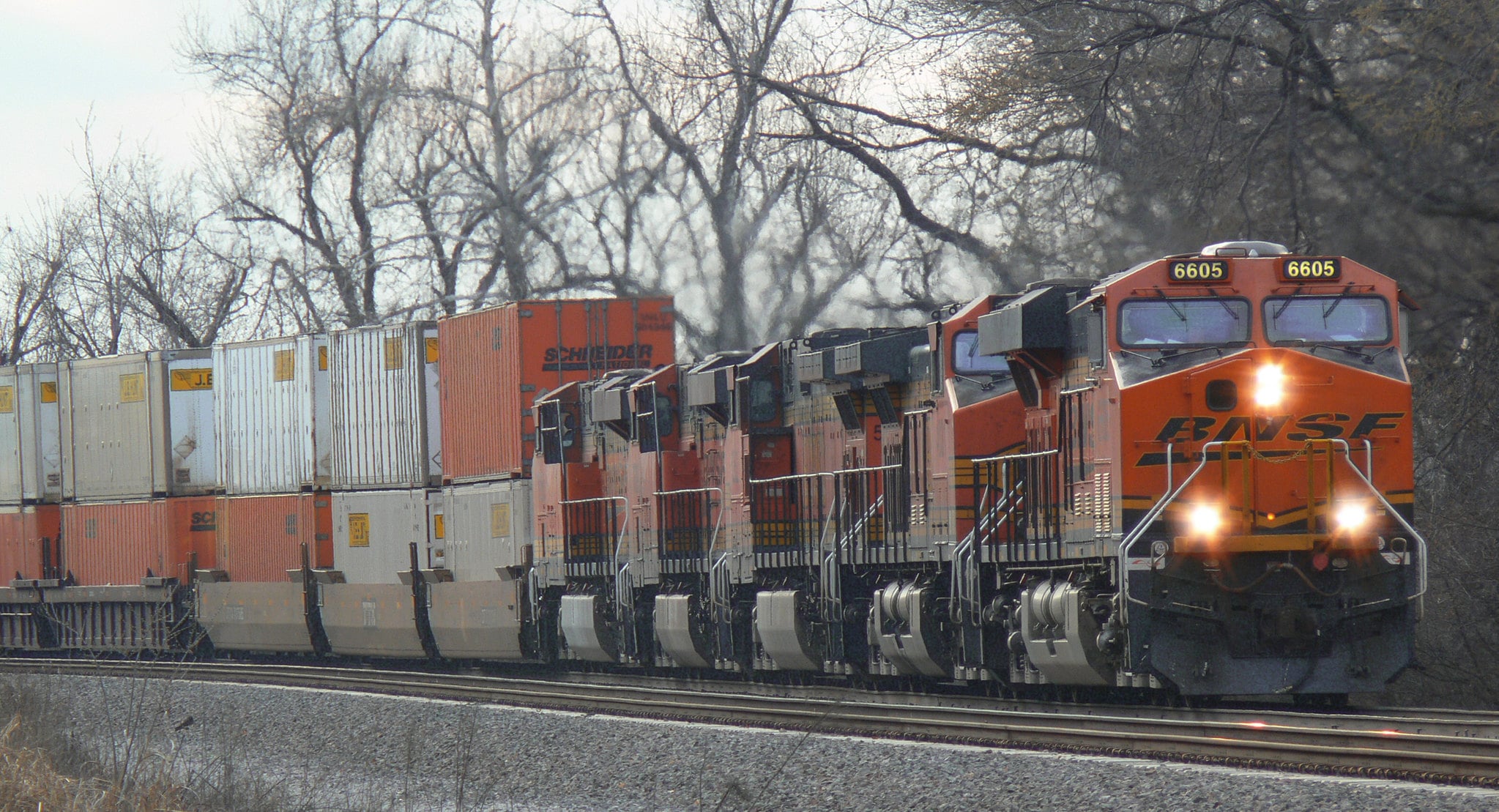
Lotsee is not your typical incorporated town. It’s a private ranch west of Tulsa along Interstate 44, home to a breed of cattle called Polled Herefords and a pecan orchard that stretches along the highway.
The same family has owned and operated the land for generations. There are no public services, no businesses open to visitors, and no properties available to outsiders.
The family handles all municipal functions themselves, which essentially means running a working ranch and filing the right paperwork every few years to stay incorporated. As incorporated towns go, it may be the most self-contained one in the country.
10. Marineland, Florida — Population: 9
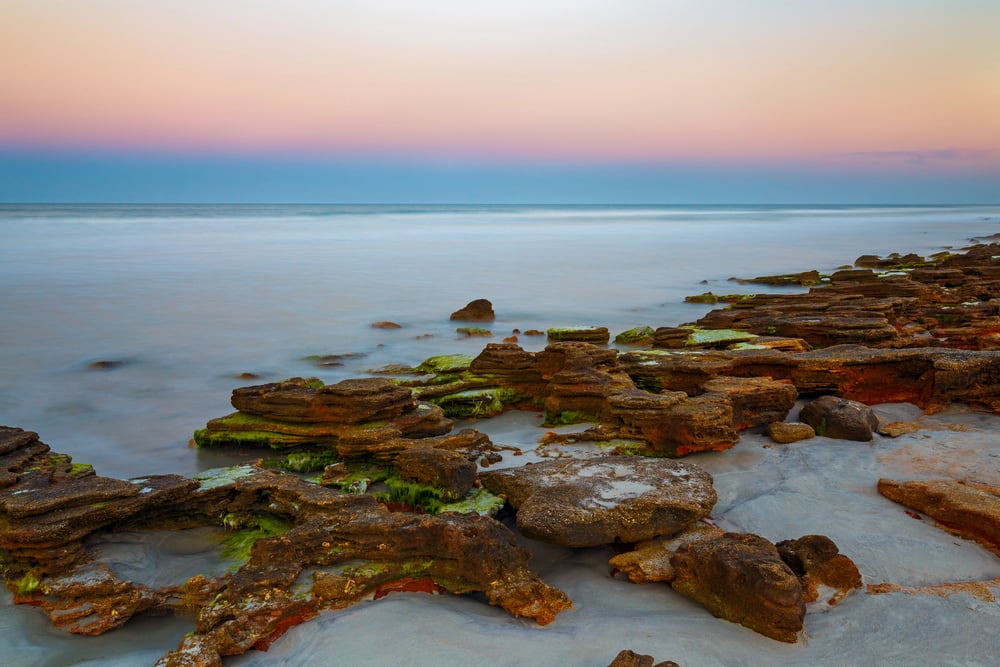
Marineland was incorporated in 1940, two years after the opening of Marine Studios, which claimed to be the world’s first oceanarium. The town sits in Flagler County, just south of St. Augustine on the Atlantic coast, and only about nine people live there permanently.
The attraction — now called Marineland Dolphin Adventure — draws visitors for dolphin encounters and eco-tours. The University of Florida also runs a marine research lab there.
It’s a small place with an outsized history in American marine science, and the coastal scenery is genuinely worth the stop.
11. McMullen, Alabama — Population: 9
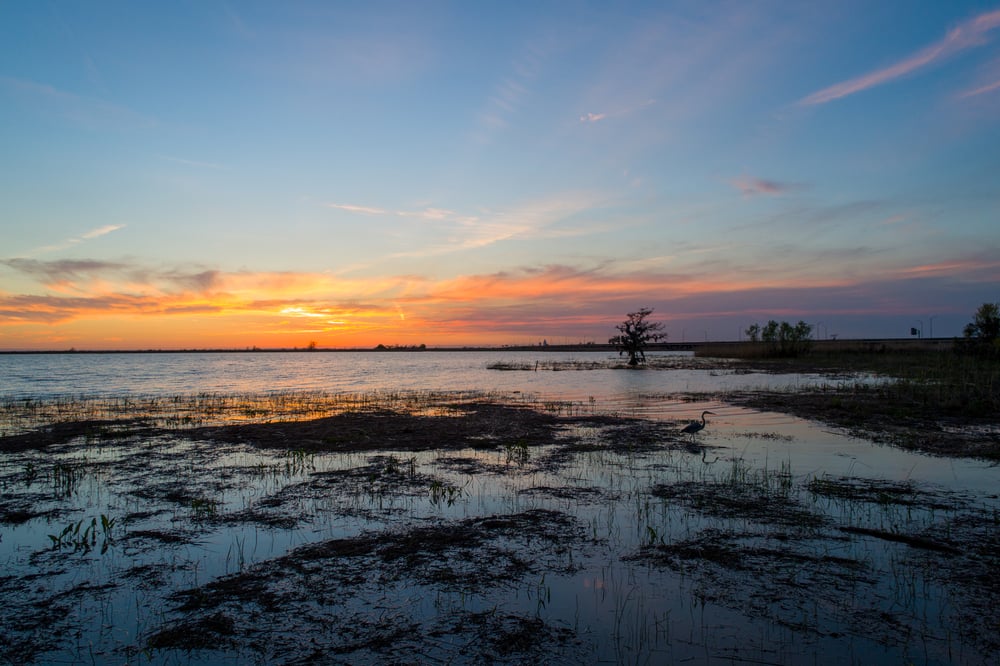
McMullen sits in Wilcox County, deep in Alabama’s Black Belt region. The population has hovered around nine for years, making it one of the smallest incorporated cities in the state.
The surrounding area is agricultural and rural, and the town itself is quiet by any measure. Like many tiny Southern towns, it holds onto its incorporation as a matter of identity more than necessity.
12. Anoka, Nebraska — Population: 6
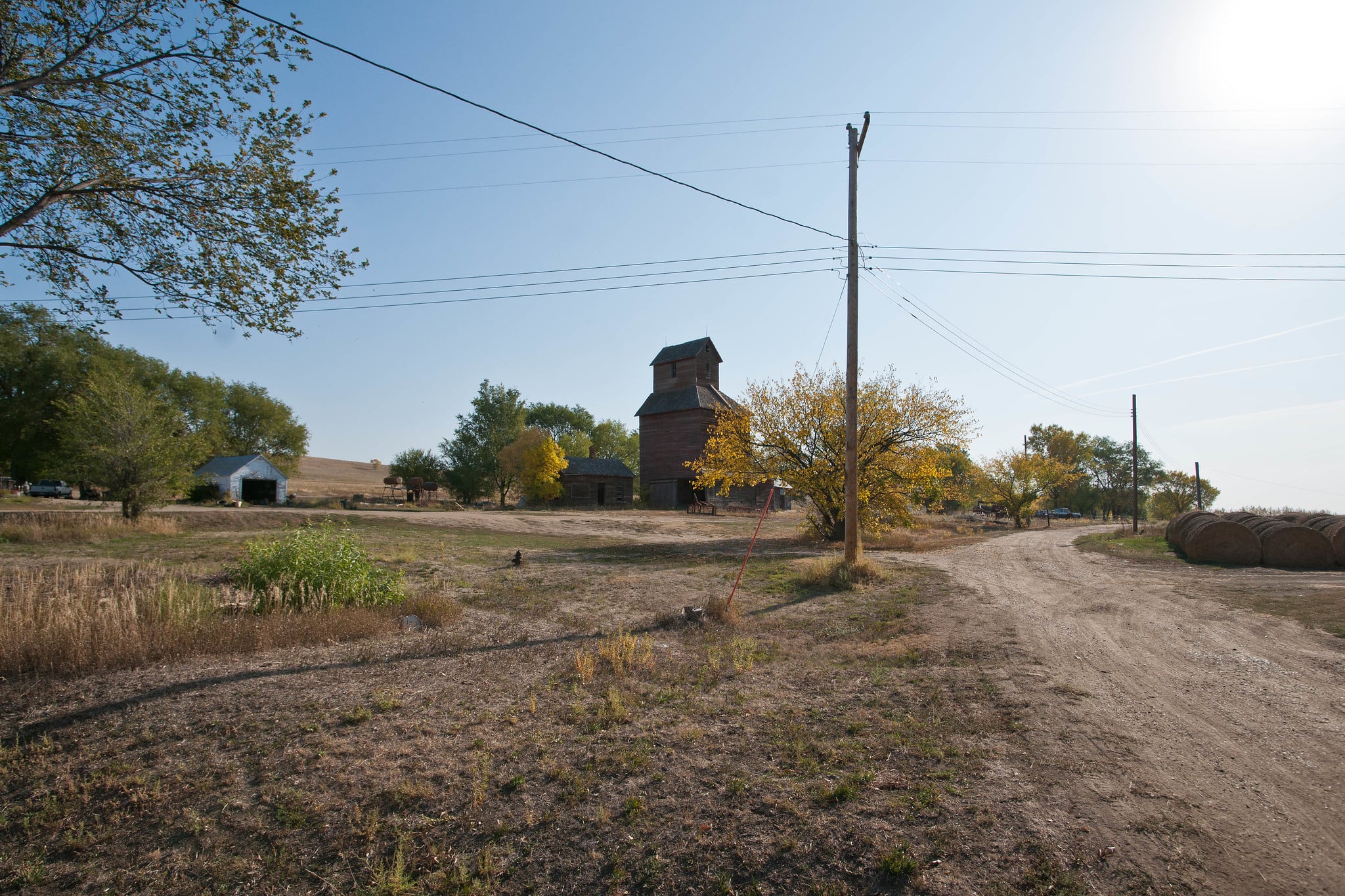
Not to be confused with the Anoka in Minnesota, this small community in Boyd County, Nebraska, was incorporated in 1903 and has around six residents. It sits not far from Monowi in the same county, which means Boyd County has the unlikely distinction of being home to two of the smallest incorporated towns in the entire country — within a short drive of each other.
13. Bettles, Alaska — Population: 12
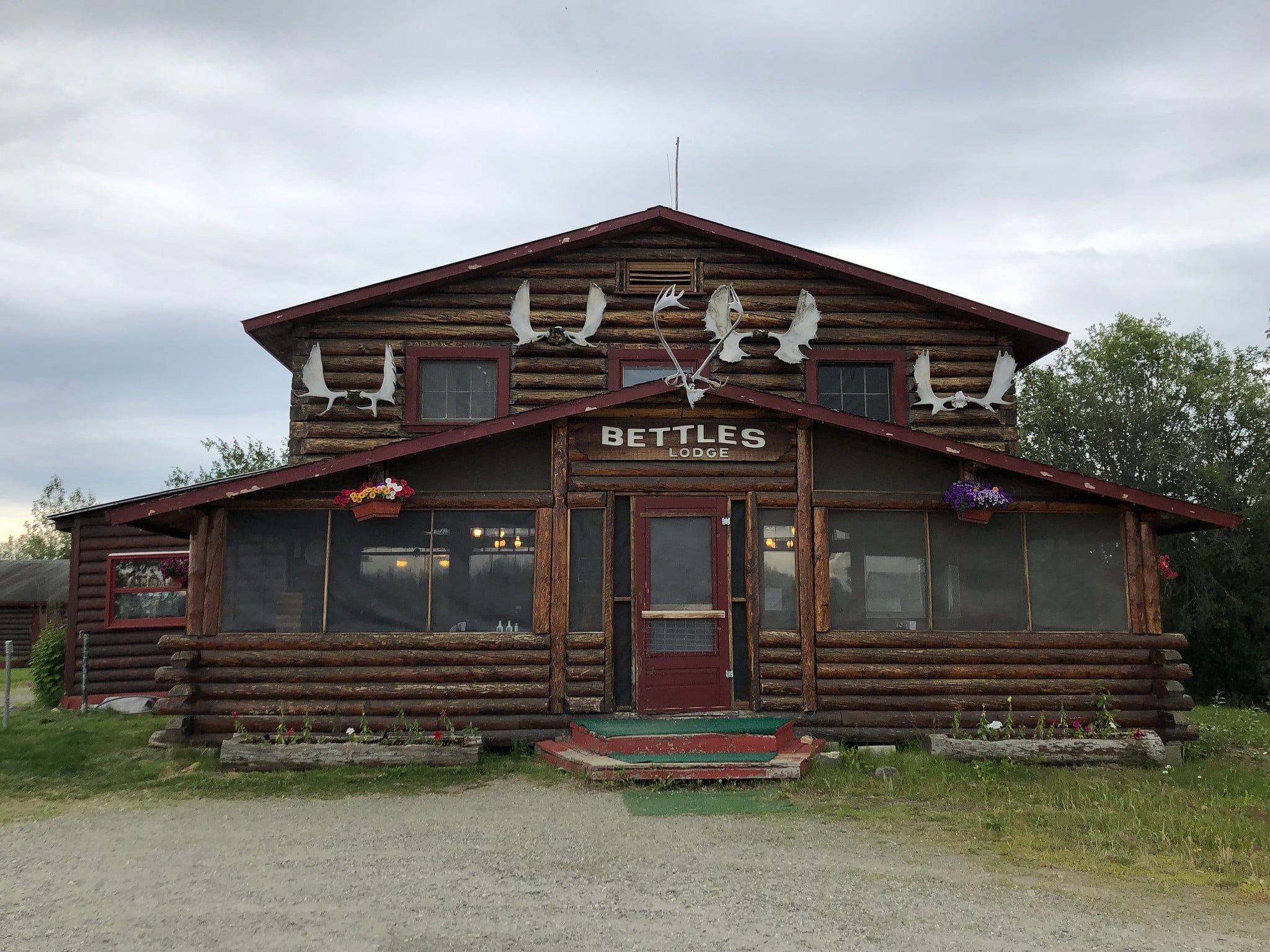
Bettles occupies a unique position in Alaska’s interior, sitting on the Koyukuk River near the southern edge of Gates of the Arctic National Park. Around 12 people live there year-round, and the town is largely off the road system — meaning you either fly in or, during winter, travel on an ice road.
A small airport handles bush planes that carry travelers over the Arctic. The National Park Service runs a visitor center there, giving the town a purpose that extends beyond its size.
It is remote in a way that most places on this list are not.
14. Brewster, Nebraska — Population: 12
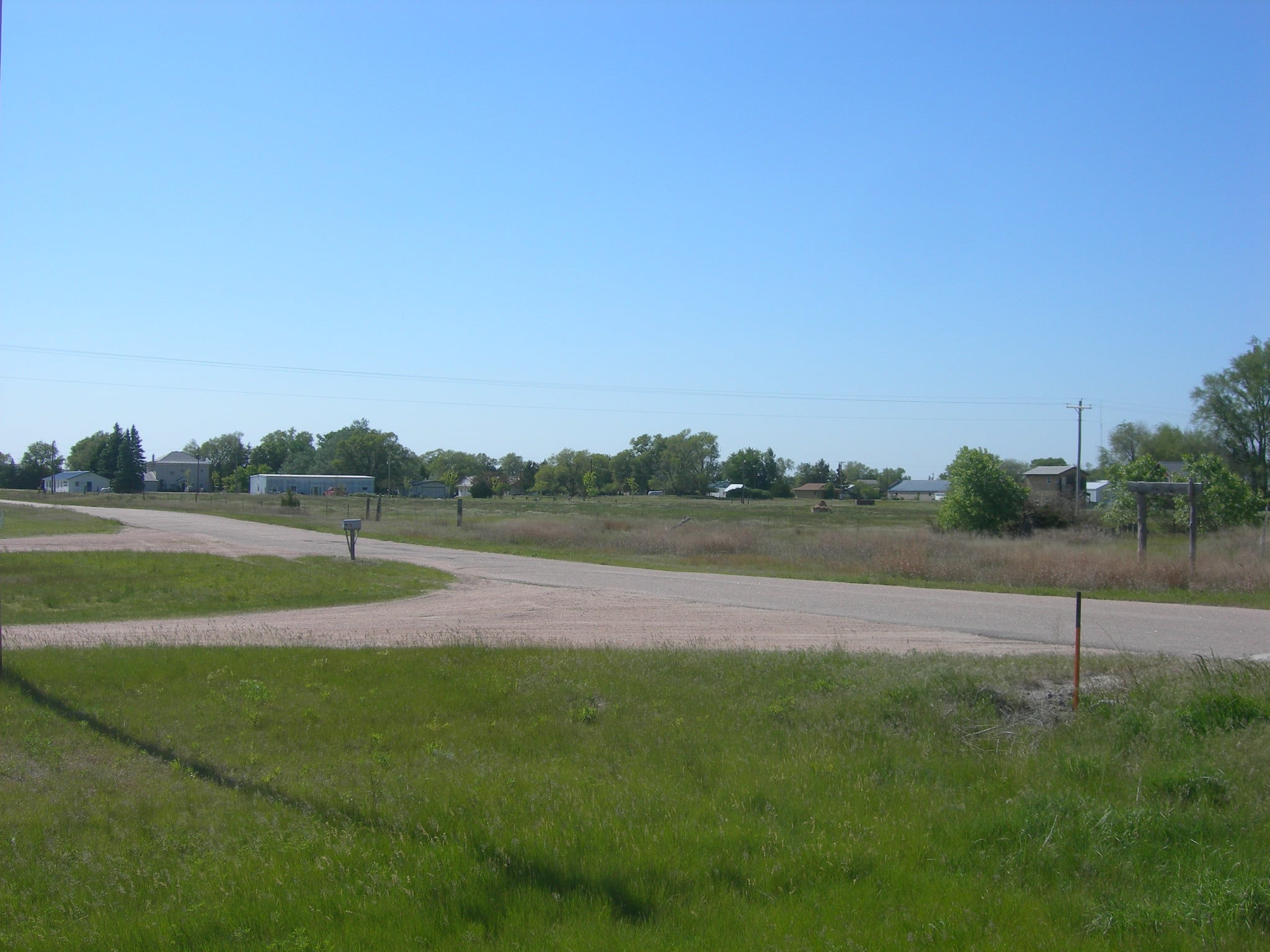
Brewster is the county seat of Blaine County, which makes it unusual — county seats are not typically this small. It serves as the administrative center of one of the least populated counties in the United States.
Around 12 people live in Brewster, and the town handles county business that would require a much larger population almost anywhere else. The surrounding Sandhills region is striking in its own flat, windswept way, and the town is a quiet anchor in a very empty part of the state.
15. Oak Hill, Alabama — Population: 13
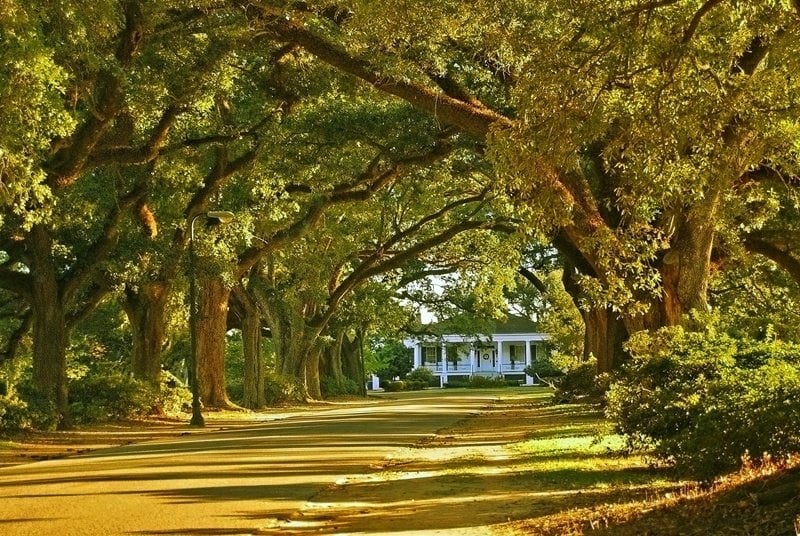
Oak Hill is the smallest incorporated town in Alabama by most accounts. It sits in Wilcox County, not far from McMullen, in the region known as the Black Belt.
The Bethel Church has stood as a community anchor for generations and remains a historic landmark in the area. Founded in the early 1800s, Oak Hill is a place where agriculture and family history are the main reasons people stay — and have stayed, for a very long time.
16. Kief, North Dakota — Population: 14
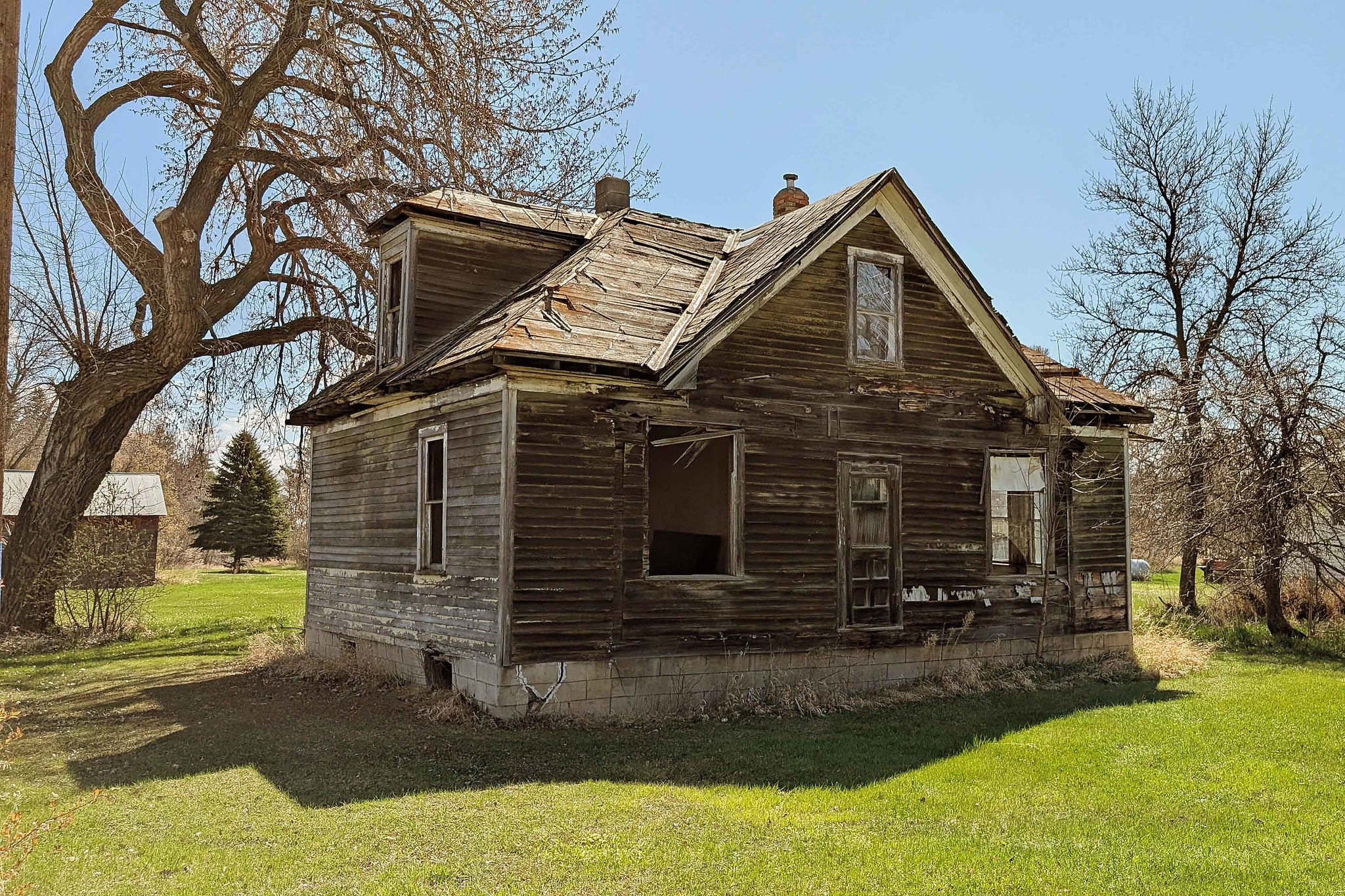
Kief is a small community in McHenry County with around 14 residents and a tidy city hall building that shows up in most photographs of the town. North Dakota has a surprising number of these micro-towns — communities that incorporated during the homesteading era and never quite figured out how to grow, or how to stop.
Kief is one of them, and it carries on.
17. Beaconsfield, Iowa — Population: 15
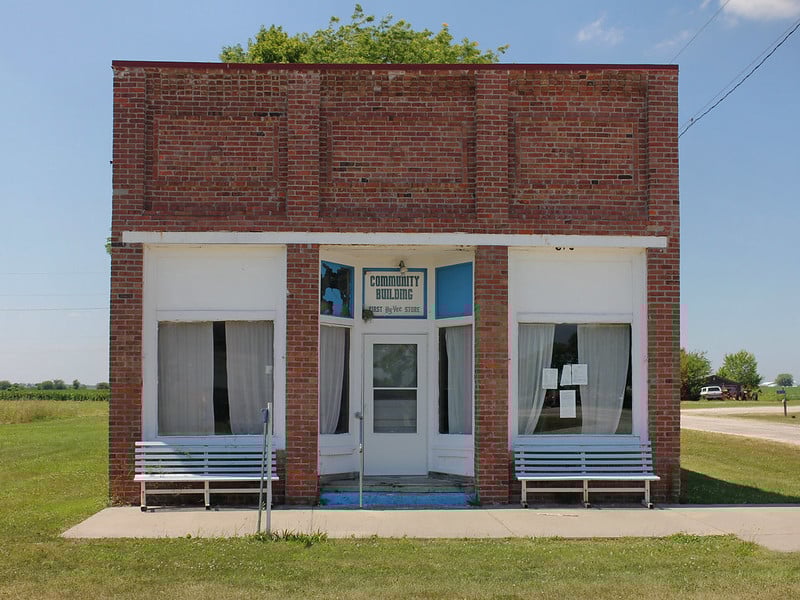
Beaconsfield punches above its weight historically. The first Hy-Vee grocery store in the United States opened there in 1930, and the building still functions as a community center.
Astronaut Peggy Whitson, who spent more cumulative time in space than any other American or any woman in history, grew up in Beaconsfield. The town incorporated in 1990 and sits in Ringgold County in southern Iowa, surrounded by farmland and open sky.
About 15 people live there, and two of the most significant accomplishments in Iowa’s history are attached to this otherwise quiet little place.
18. Weeki Wachee, Florida — Population: Under 20
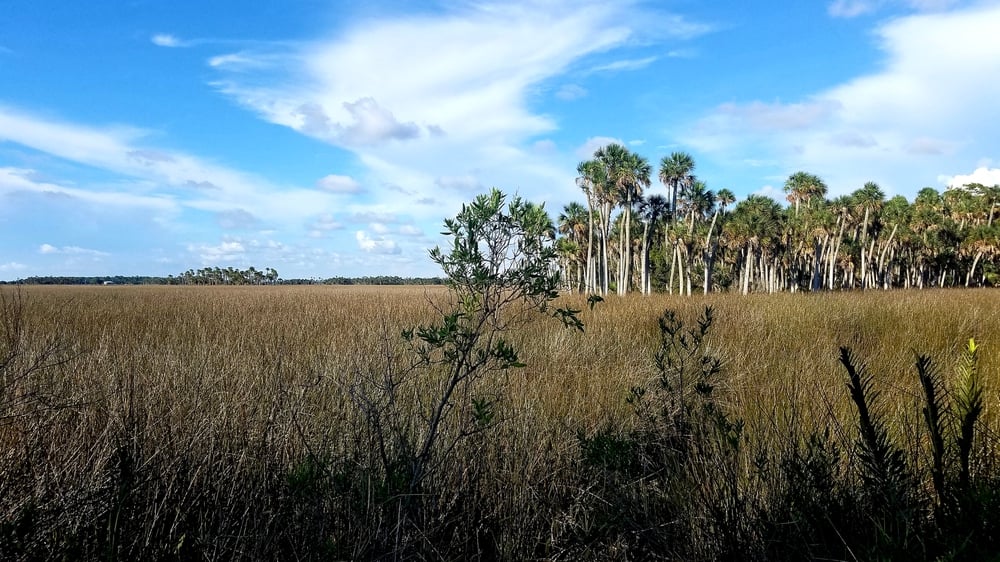
Weeki Wachee became incorporated in 1966 and exists almost entirely because of a freshwater spring. The spring feeds one of the deepest naturally occurring cave systems in the country, flooded daily with millions of gallons of water bubbling up from underground.
Since 1947, performers have staged underwater mermaid shows at Weeki Wachee Springs State Park, watched from a theater built directly into the limestone. The number of performers coming in from out of town has been known to exceed the number of permanent residents — a surreal situation where a town is regularly outnumbered by its own mermaids.
19. Ismay, Montana — Population: 19
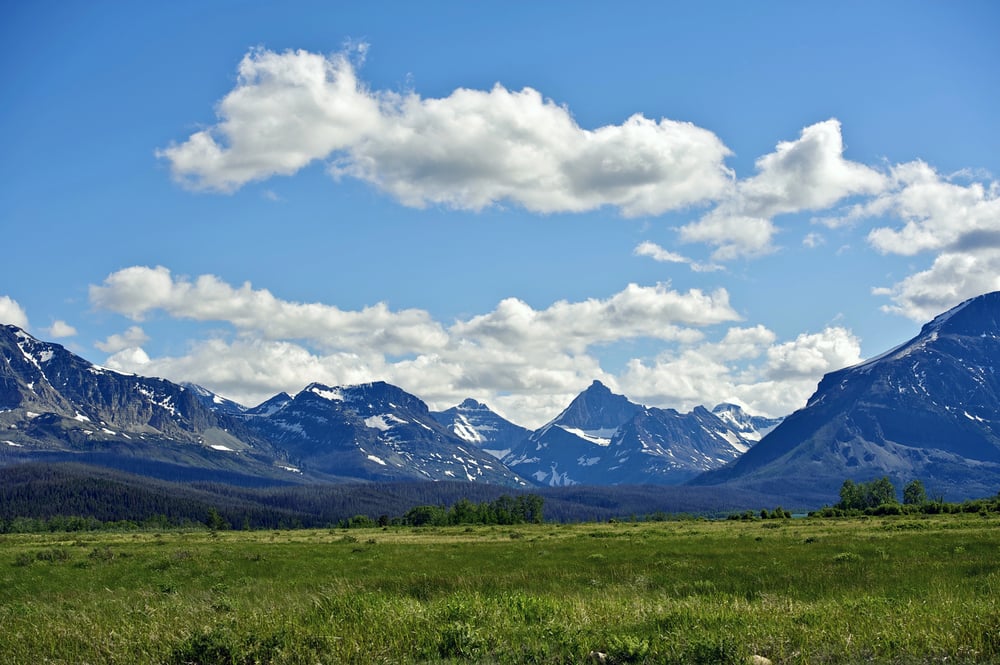
One day, a railroad boss mixed his girls’ names – Isabella and Maybelle – to make Ismay. Far off in southeast Montana, inside Carter County, cows outnumbered people for decades.
Suddenly, 1993 arrived when a radio team from Kansas City pitched a stunt: call the place Joe, Montana, after the football player joining their team. A magazine picked it up.
Crowds poured in for Joe Day like water through a gate. The whole town took flight to watch a real NFL match, thanks to the Chiefs.
Cash rolled in from T-shirts and hats sold on sidewalks. That cash bought wheels for firefighters and raised walls for neighbors to gather – the hall today wears Joe Montana’s name.
Later on, Ismay got the name again. Not far off, the fire truck remained where it was, along with the community building.
Small Enough to Remember
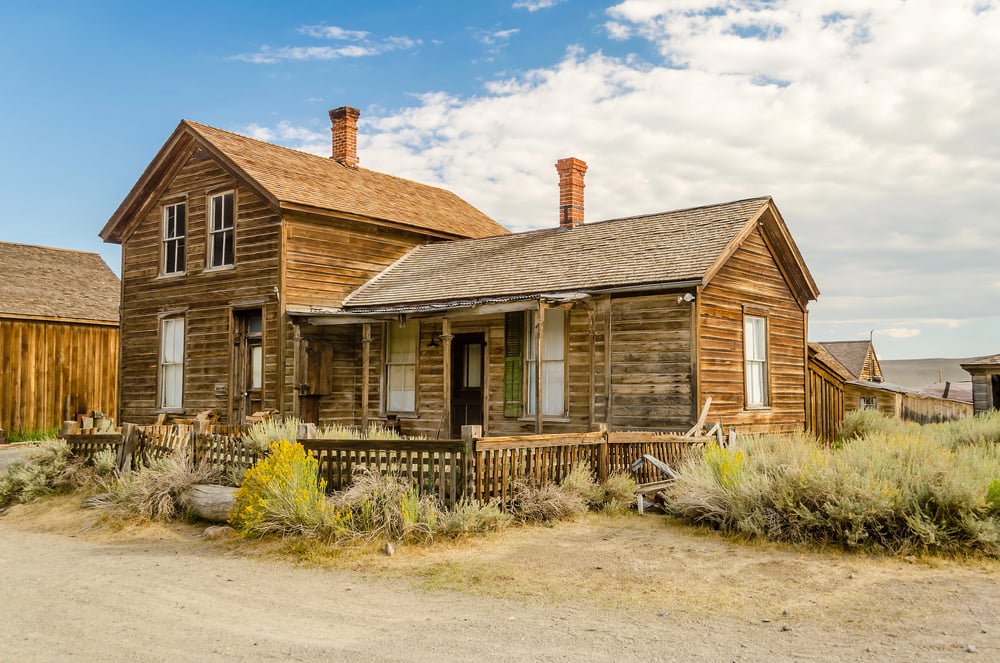
Most folks won’t ever pass through these spots, yet they stay out of the news on purpose. What big towns forget, small ones tend to keep – identity doesn’t fade here so easily.
Run by one woman, a quiet bar stands firm in Nebraska fields. To dodge an old rule, a golf group made itself official long ago.
Deep inside a water-filled cave, performers play mermaids where springs still flow. Out here, places grew shaped by where they sit, what happened long ago, a dose of refusal to change, luck now and then.
Across the U.S., you’ll find such spots – still marked on maps, still carrying old tales, pausing only when someone wanders through, looks up, stays awhile.
More from Go2Tutors!

- The Romanov Crown Jewels and Their Tragic Fate
- 13 Historical Mysteries That Science Still Can’t Solve
- Famous Hoaxes That Fooled the World for Years
- 15 Child Stars with Tragic Adult Lives
- 16 Famous Jewelry Pieces in History
Like Go2Tutors’s content? Follow us on MSN.