Ancient Inventions Still Used Today
You probably used at least a dozen ancient inventions before breakfast this morning. The soap on your hands, the door lock on your way out, even the shoes on your feet—all of these trace back thousands of years.
Some inventions work so well that humanity never needed to replace them. They just keep showing up in daily life, sometimes in forms so familiar that you forget they’re actually ancient technology.
The Wheel Changed Everything
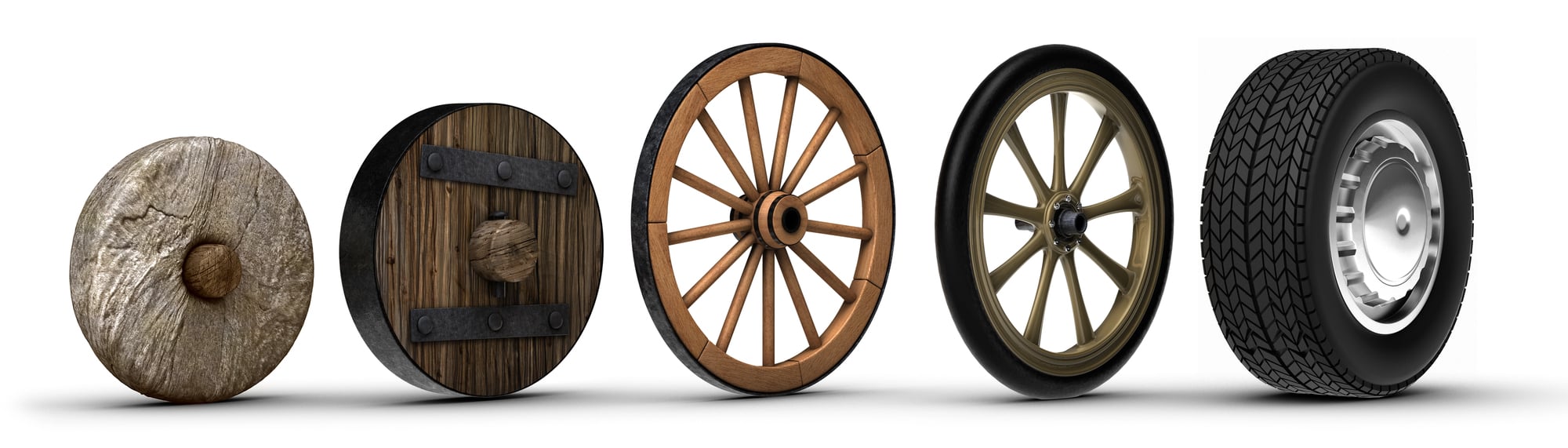
Around 3500 BCE, someone in Mesopotamia figured out that a round disc on an axle could move heavy loads. That insight reshaped civilization.
Today, wheels appear in cars, bicycles, wheelchairs, and shopping carts. The basic principle hasn’t changed.
Modern materials differ from the original wood and stone, but the fundamental design remains the same because it solves a problem perfectly.
Concrete Built Cities Then and Now
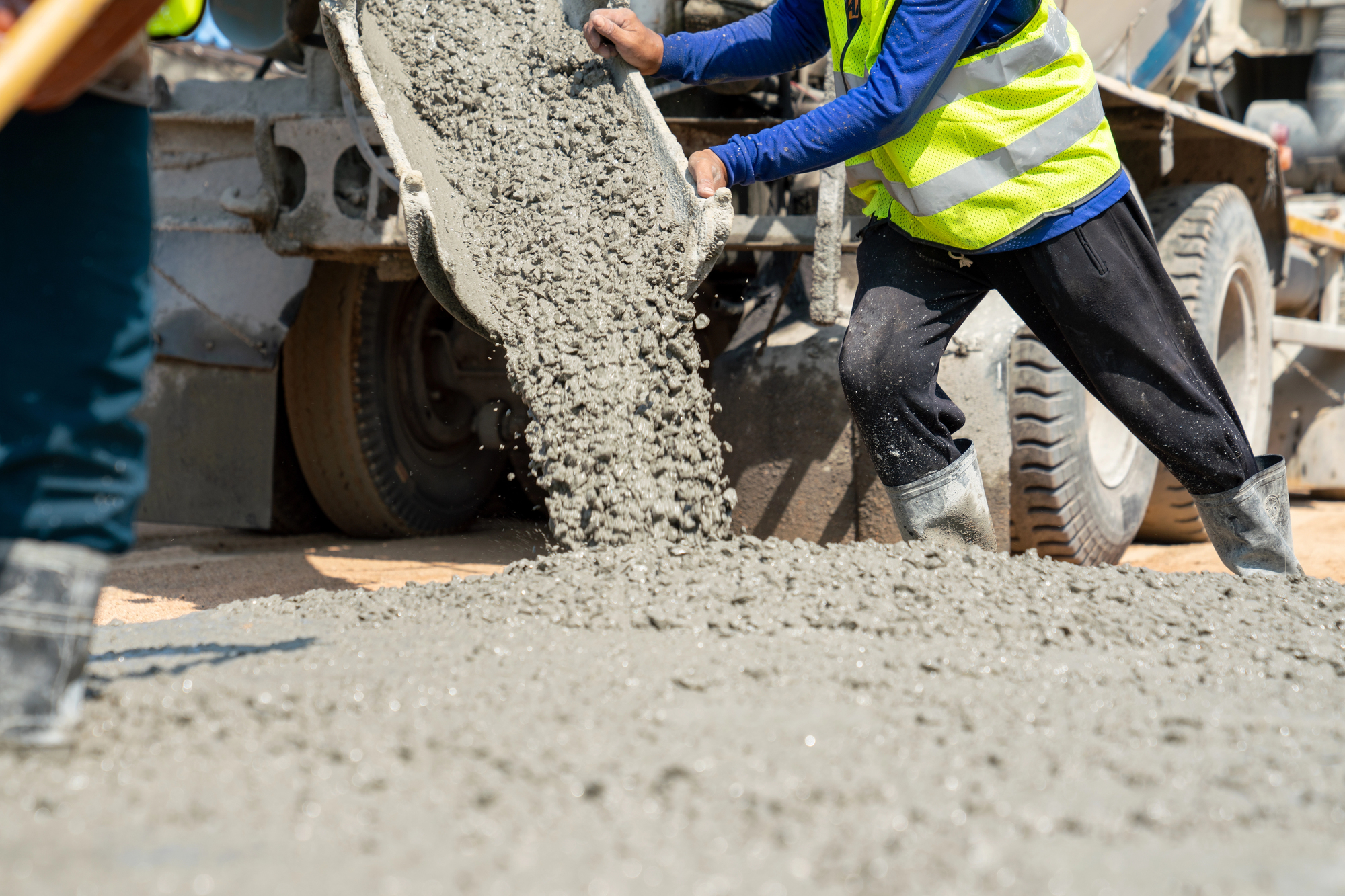
The Romans mixed volcanic ash with lime and seawater to create concrete that hardened even underwater. Their structures still stand today—the Pantheon’s dome has lasted nearly 2,000 years.
Modern concrete uses different ingredients, but the concept of mixing aggregate with a binding agent creates the same result. You walk on concrete sidewalks, drive on concrete highways, and work in concrete buildings.
The ancient recipe was so effective that engineers still study Roman concrete to understand why it outlasts modern versions.
Paper Preserved Knowledge

The Chinese invented paper around 100 CE, though earlier versions existed in Egypt. Before paper, people wrote on stone, clay, wood, and animal skins.
Paper changed everything because it was lighter, cheaper, and easier to produce. You might use less paper now than people did twenty years ago, but it still fills offices, homes, and schools.
Books, notebooks, paper towels, tissue, packaging—paper adapted to countless uses while keeping its basic form.
The Compass Points Home

Chinese inventors created the first magnetic compass during the Han Dynasty, around 200 BCE. Sailors needed to navigate when stars weren’t visible, and a magnetized needle floating in water always pointed north.
That simple tool opened up ocean exploration and trade routes. Your smartphone has a digital compass, but the principle remains identical.
A magnetized element responds to Earth’s magnetic field and shows you which way is north.
Locks Protected Valuables
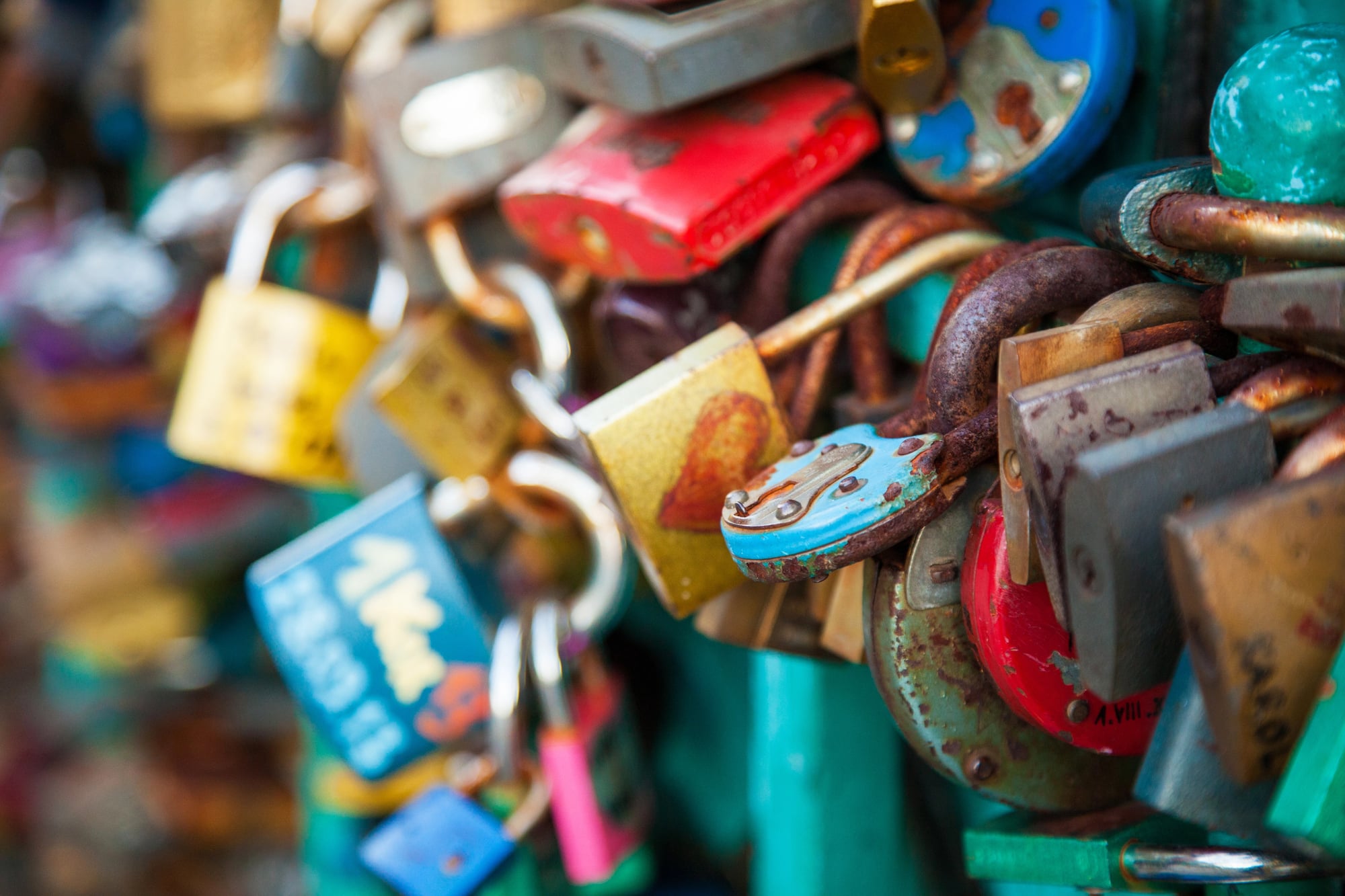
Ancient Egyptians built wooden pin locks around 4,000 years ago. A key lifted pins inside the lock to release a bolt.
Modern locks use the same mechanism. You insert a key with the right pattern of cuts, it raises pins to the correct height, and the lock opens.
The materials changed from wood to metal, but the engineering solution that worked in ancient Egypt still secures your front door.
Soap Cleaned Skin
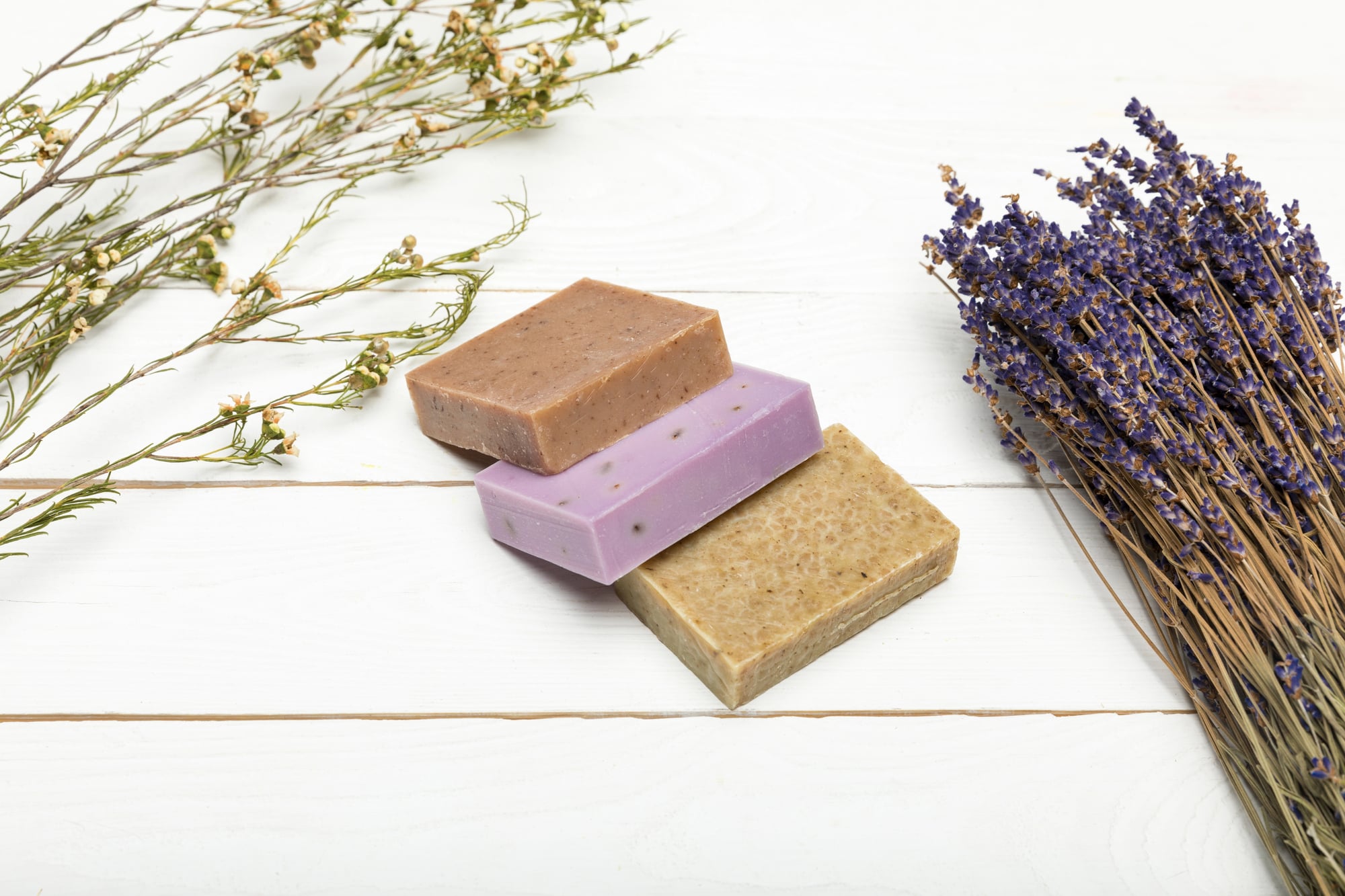
Babylonians made soap around 2800 BCE by mixing fats with wood ash. The chemical reaction created a substance that lifted dirt and oil from skin.
Today’s soap comes in bars, liquids, and foams, but it still works through the same chemical process. Soap molecules have one end that attracts water and another that attracts oil, allowing water to wash away substances it normally can’t touch.
Plows Turned Soil

Farming required breaking up hard soil to plant seeds. Around 3000 BCE, farmers in Mesopotamia attached a pointed stick to an animal and dragged it through fields.
The plow dug furrows where crops could grow. Modern plows use steel and tractors instead of wood and oxen, but they perform the same task.
The plow made agriculture efficient enough to feed cities, and it still prepares fields worldwide.
Nails Held Things Together
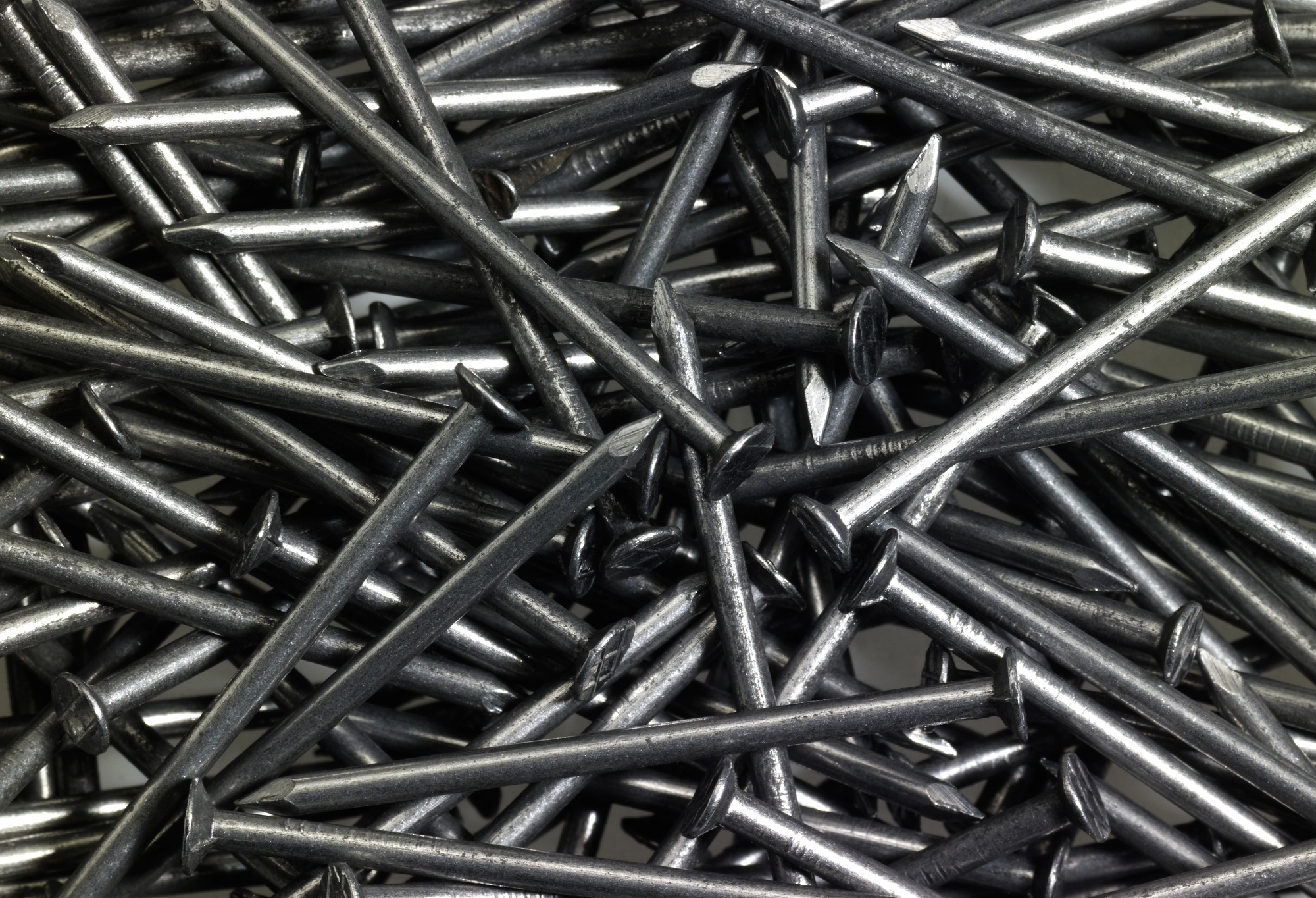
Ancient Egyptians forged bronze nails around 3400 BCE. Before nails, builders had to use rope, pegs, or intricate joinery to connect pieces of wood.
A nail simplified everything—hammer it through one piece into another, and they stay attached. Steel replaced bronze, and machines replaced hand-forging, but the nail itself looks almost identical to its ancient predecessor.
Construction crews still use them by the thousands.
Scissors Cut Precisely

Around 1500 BCE, ancient Egyptians made the first scissors by connecting two blades with a strip of metal. Squeezing the handles brought the blades together to cut fabric, hair, or plants.
Modern scissors use a screw or rivet instead of a metal strip, but the basic design hasn’t changed. You probably own several pairs, and each one works exactly the way ancient versions did.
Candles Lit the Dark

Ancient Egyptians dipped reeds in animal fat to create the first candles around 3000 BCE. Later, the Romans developed wicked candles from tallow
. Even with electric lights everywhere, candles still serve practical and decorative purposes. During power outages, they provide light.
During celebrations, they mark occasions. The design—a wick surrounded by wax or tallow—remains unchanged after five thousand years.
Keys Granted Access
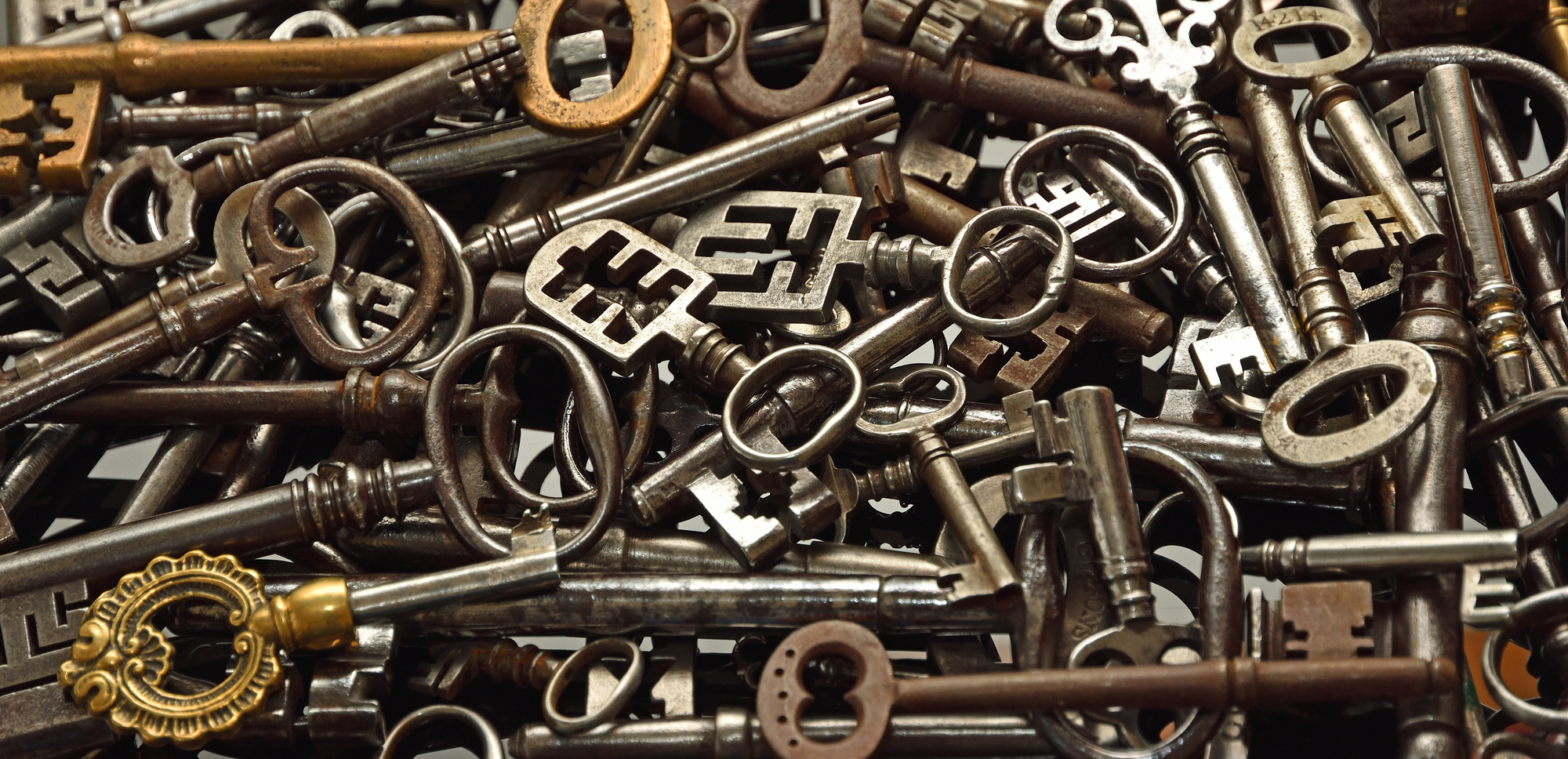
Along with locks came keys, and both inventions appeared in ancient Egypt around the same time. A key was simply a tool shaped to match the internal mechanism of a specific lock.
This pairing of unique key and lock created the foundation of security. You carry keys in your pocket today.
Some are physical metal, others are digital codes, but they all serve the same purpose—proving you have permission to enter.
Mirrors Reflected Reality

The earliest mirrors, made from polished obsidian, date back to 6000 BCE in Anatolia. Later civilizations used polished metal.
The principle was simple—create a surface smooth enough to reflect light clearly. Modern mirrors coat glass with silver or aluminum, but they accomplish the same goal.
You check your appearance in mirrors every day, using technology that humans recognized as valuable eight thousand years ago.
Sandals Protected Feet

Ancient Egyptians wove sandals from papyrus and palm leaves around 3500 BCE. The basic concept—a sole attached to the foot with straps—proved so practical that it never went away.
Modern sandals use rubber, leather, and synthetic materials, but they follow the same design. When the weather gets warm, people worldwide slip into sandals that work exactly like their ancient versions.
Ink Marked Permanence

Long before modern times, people in Egypt and China made ink on their own around 2500 BCE. From smoke residue, they took fine black powder, then blended it with water and plant glue to form a fluid mark-maker.
This mix clung well, drying without fading—unlike carvings in rock or wet earth. Today’s pens still rely on upgraded forms of that old recipe.
Whether soaking cloth, forming letters on paper, or marking bank slips, its core behavior stays unchanged.
Time Moves On

Older than most things we know, these creations have one thing in common—they fixed real issues so completely that upgrades only tweak small parts, never touching the core idea. Rolling stays how it always was for wheels.
Cleaning happens just like before with soap. Fastening remains unchanged thanks to nails.
People long ago wanted what you want today: light when night falls, safety for their stuff, skin free of grime, crops grown without waste. Their answers back then? Still working exactly as needed right now.
Every so often, when fingers twist a knob or hands slide feet into footwear, ancient thinking flickers back to life. Long before clocks ticked, minds cracked puzzles still useful today.
These small acts carry old sparks forward. Time passes, yet certain solutions refuse to fade. Cleverness sticks around, quiet but steady.
More from Go2Tutors!

- The Romanov Crown Jewels and Their Tragic Fate
- 13 Historical Mysteries That Science Still Can’t Solve
- Famous Hoaxes That Fooled the World for Years
- 15 Child Stars with Tragic Adult Lives
- 16 Famous Jewelry Pieces in History
Like Go2Tutors’s content? Follow us on MSN.



