15 After-School Routines That Were a Full Workout in the ’60s
Kids today might hit the gym or join sports teams for exercise, but children of the 1960s got their physical activity through everyday play. Long before structured workouts became the norm, these youngsters built strength, endurance, and coordination simply by enjoying their afternoons. The absence of digital entertainment meant moving bodies became the default source of fun.
Those classic after-school pastimes weren’t just entertaining – they provided legitimate physical benefits that many modern exercise programs try to replicate. Here is a list of 15 after-school routines that gave ’60s kids serious workouts while they were just having fun.
Bike Riding Without Limits
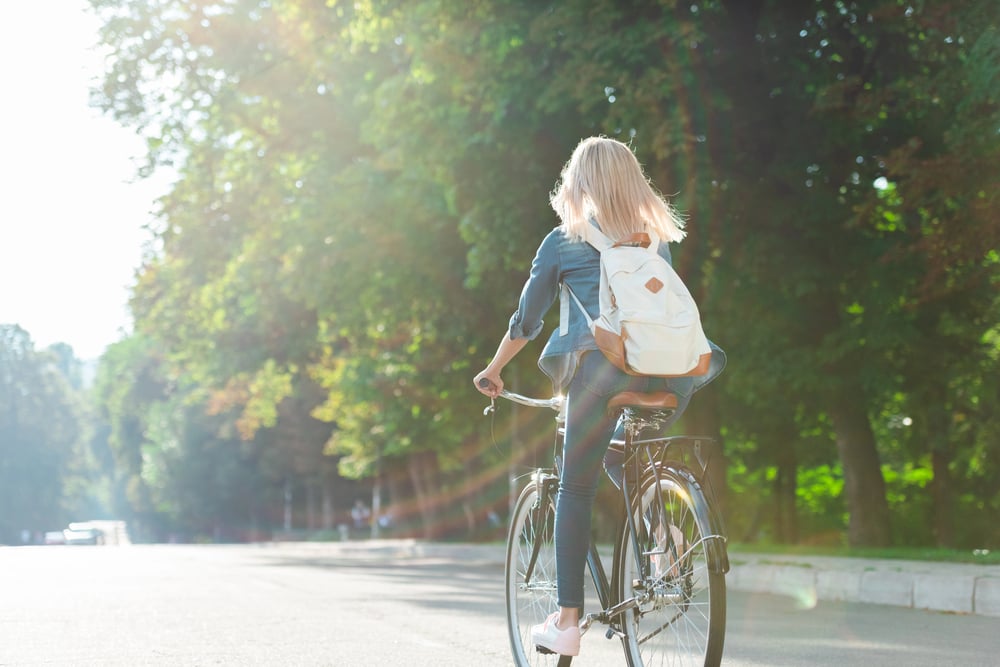
Afternoons in the ’60s often meant hopping on heavy steel-framed bicycles and pedaling for miles across town. Unlike today’s helicopter parenting, kids wandered freely – sometimes covering 5-10 miles without thinking twice about the distance.
These weren’t lightweight carbon fiber models either – they were sturdy, single-speed beasts that required genuine quad strength to conquer hills. Neighborhood exploration by bike built cardiovascular endurance that would make modern spin class devotees jealous.
Backyard Baseball
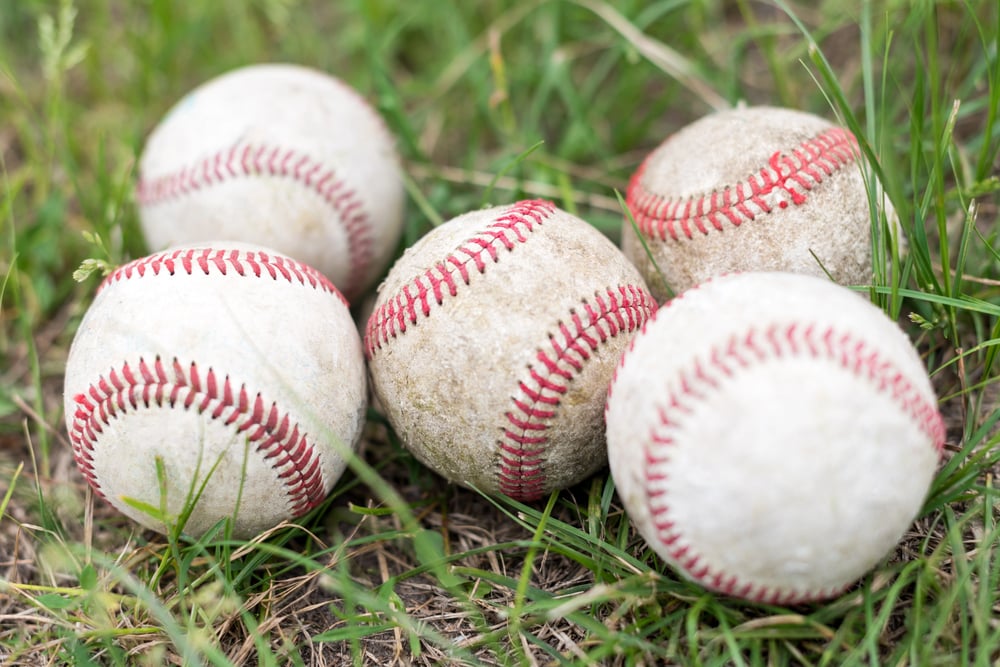
Neighborhood baseball games erupted spontaneously after school – no uniforms, coaches, or organized leagues required. Kids transformed vacant lots into makeshift diamonds using whatever was available: broomsticks for bats, rocks or old t-shirts for bases, even milk cartons for mitts.
These improvised games might last hours – combining sprinting between bases, throwing mechanics, hand-eye coordination, and strategic thinking into one comprehensive physical activity that developed whole-body athleticism.
Like Go2Tutors’s content? Follow us on MSN.
Tree Climbing Expeditions
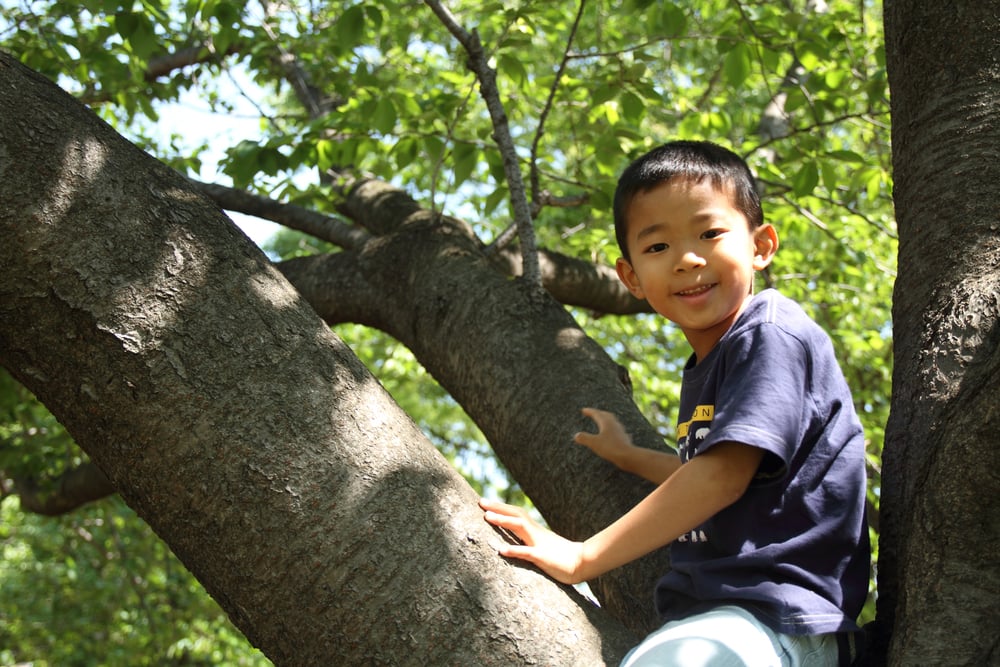
Long before indoor climbing gyms existed, children scaled backyard oaks and playground maples with remarkable determination. Such vertical adventures demanded upper body strength, core stability, and problem-solving skills that modern fitness experts now deliberately prescribe.
The risk assessment skills developed while testing branch strength – combined with the grip power needed to hold on – created physical capabilities many adults now struggle to develop at expensive fitness centers.
Jump Rope Competitions
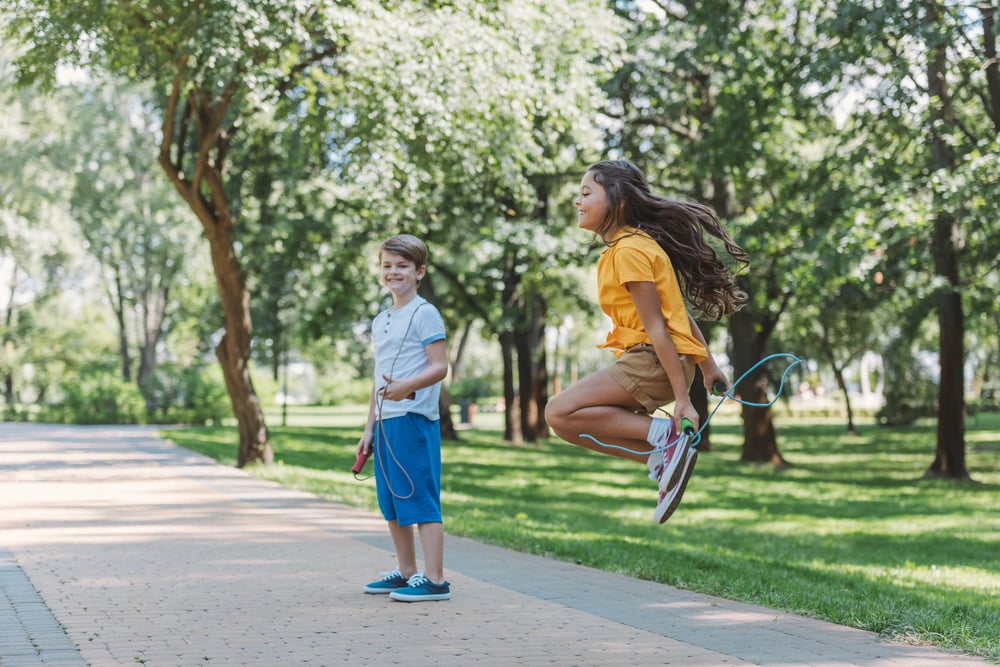
Sidewalk jump rope sessions weren’t casual affairs – they evolved into intense competitions where neighborhood kids gathered to showcase increasingly difficult routines. Basic jumping quickly advanced to double-dutch configurations, cross-overs, and intricate footwork patterns – all delivering high-intensity cardio training disguised as social fun.
Jump rope enthusiasts developed remarkable ankle strength, coordination, and cardiovascular fitness that would outshine many modern workout programs.
Building Forts
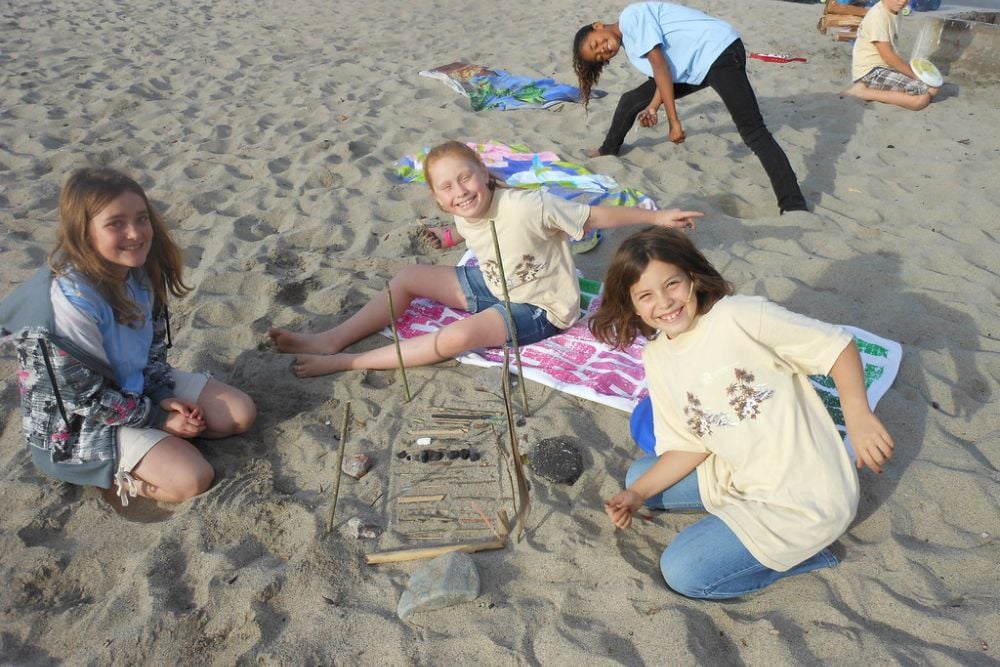
Fort construction – whether using scrap lumber outdoors or pillows inside during bad weather – combined engineering creativity with surprising physical demands. Children hauled materials across yards, hammered nails, balanced on beams, and solved structural problems while unwittingly performing functional fitness movements.
The squatting, lifting, carrying, and climbing involved in fort building mimicked the exact movement patterns personal trainers now carefully program for clients.
Like Go2Tutors’s content? Follow us on MSN.
Roller Skating Adventures
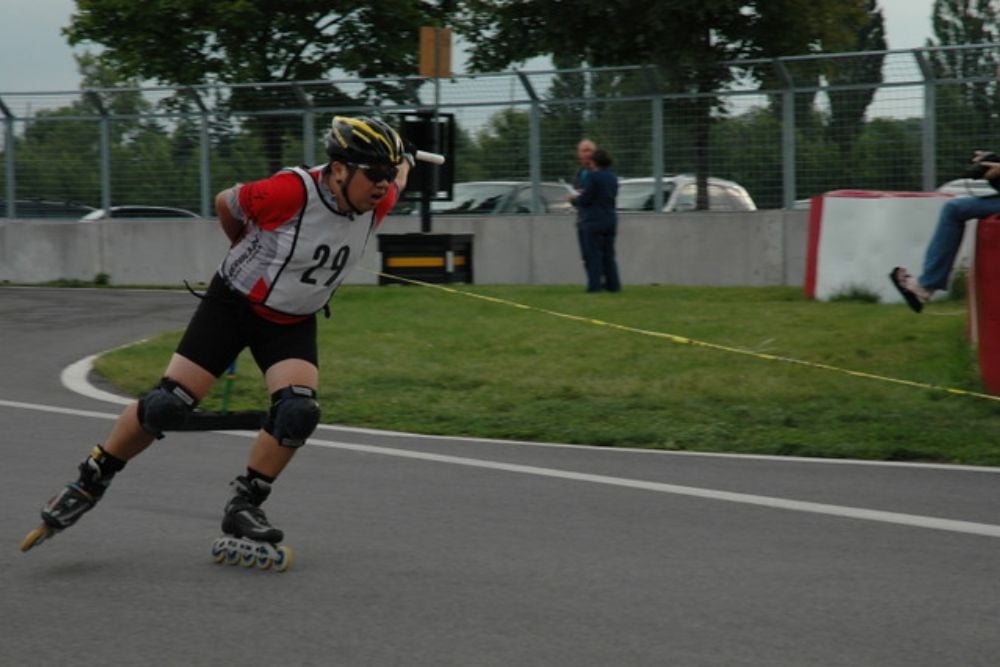
Metal skates clamped onto ordinary shoes transformed sidewalks into endless adventure courses. Unlike modern inline skates – these quad-wheel configurations required constant balance adjustments and core engagement.
Kids created elaborate routes through neighborhoods, sometimes covering significant distances while developing remarkable lower-body endurance. The frequent falls and recoveries – though sometimes painful – built resilience alongside physical coordination that served them well into adulthood.
Playground Olympics
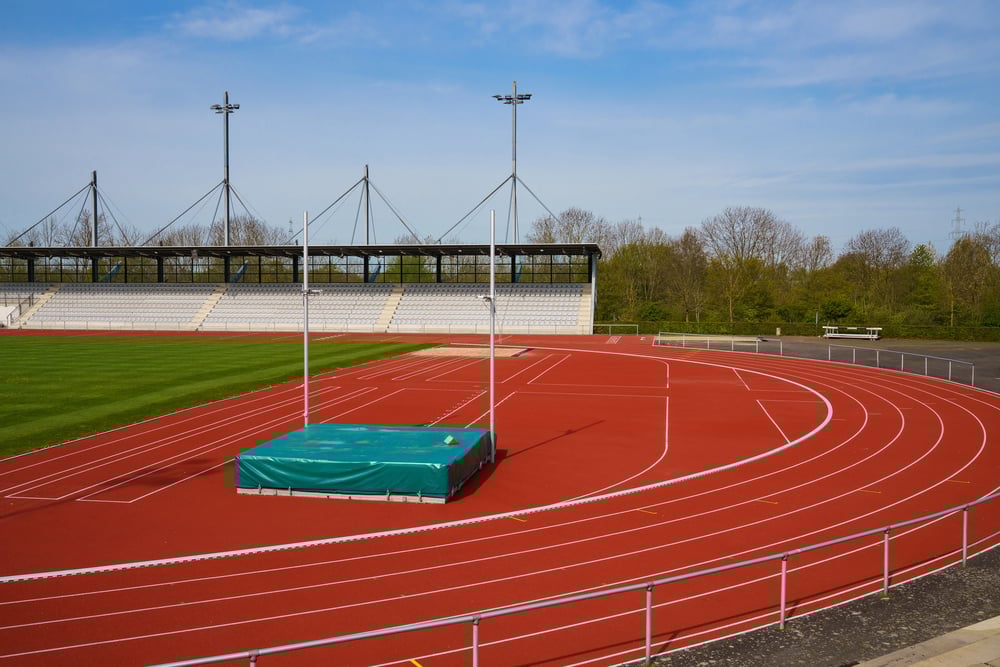
School playgrounds didn’t empty after dismissal bells – they became venues for improvised Olympic competitions that pushed physical limits. Children created elaborate challenges: who could cross monkey bars without touching ground, swing highest without falling, or complete the most difficult balance beam routines.
These self-organized events developed impressive upper body strength, core stability, and healthy competitive spirit without adult intervention or structure.
Paper Route Hustle
Many ’60s youngsters maintained afternoon paper routes – essentially signing up for daily weighted cardio sessions. Delivering newspapers meant carrying increasingly heavy canvas bags across entire neighborhoods – sometimes covering 2-3 miles while repeatedly performing the same lifting motions.
Routes completed by bicycle added another dimension of difficulty – balancing while navigating traffic with overstuffed saddlebags. This regular physical commitment developed work ethic alongside remarkable muscle endurance.
Like Go2Tutors’s content? Follow us on MSN.
Kick the Can
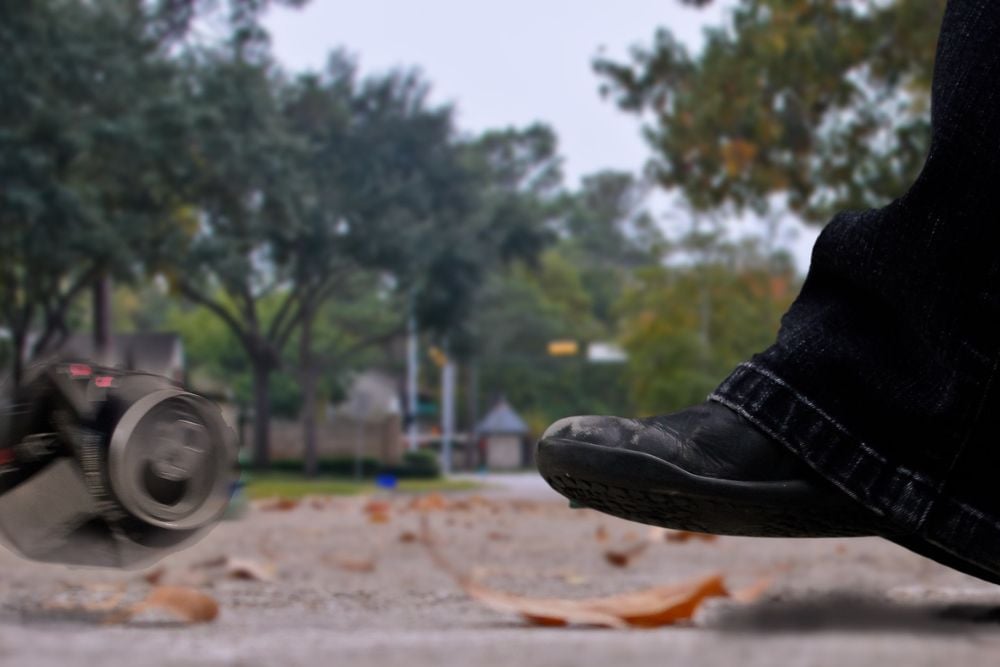
This neighborhood favorite blended hide-and-seek with tag – creating the perfect recipe for cardiovascular conditioning. Players alternated between stealthy movements and explosive sprints as they attempted to free teammates or avoid being caught.
The game required constant environmental awareness, strategic thinking, and remarkable bursts of speed – essentially delivering high-intensity interval training decades before fitness professionals gave it that name.
Hop Scotch Marathons

Chalk-drawn hopscotch grids appeared on sidewalks everywhere, hosting extended sessions that built remarkable unilateral leg strength. The seemingly simple game actually developed sophisticated balance, coordination, and proprioception that modern athletic trainers specifically target in training programs.
Sustained hopping on one leg – while maintaining precise foot placement – created lower body plyometric training that built power and endurance simultaneously.
Stickball in the Streets
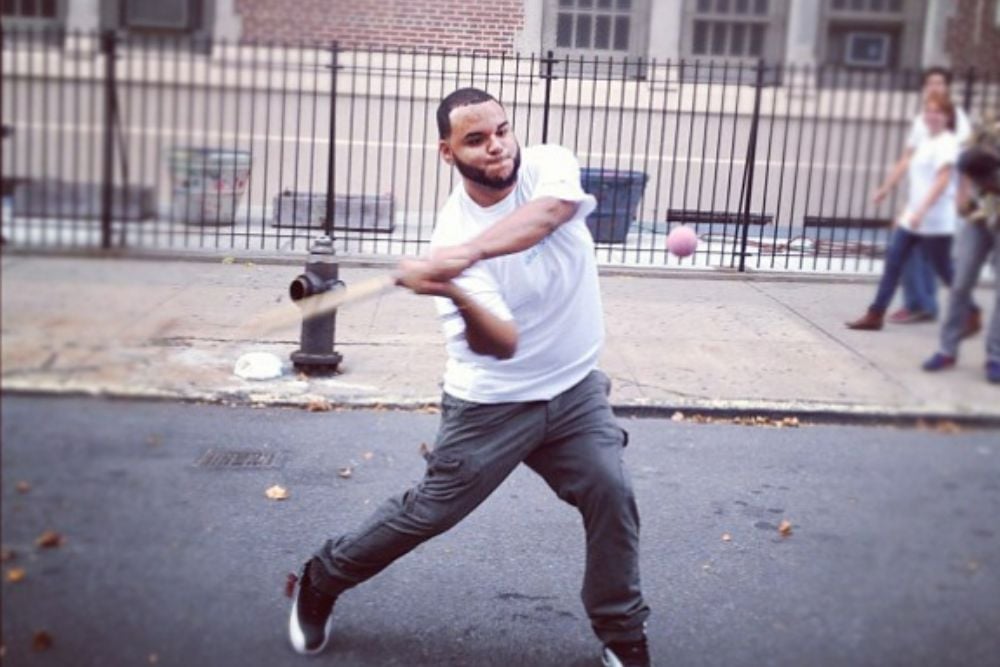
Urban children transformed city streets into makeshift ballfields using broomsticks and rubber balls. These impromptu games continued until darkness fell or mothers called from windows, providing hours of physical activity.
The modified baseball variant required quick reflexes, hand-eye coordination, and explosive sprinting between bases. Players developed multidirectional agility and throwing mechanics without formal coaching—skills that transfer across numerous sports and activities.
Like Go2Tutors’s content? Follow us on MSN.
Red Rover Showdowns
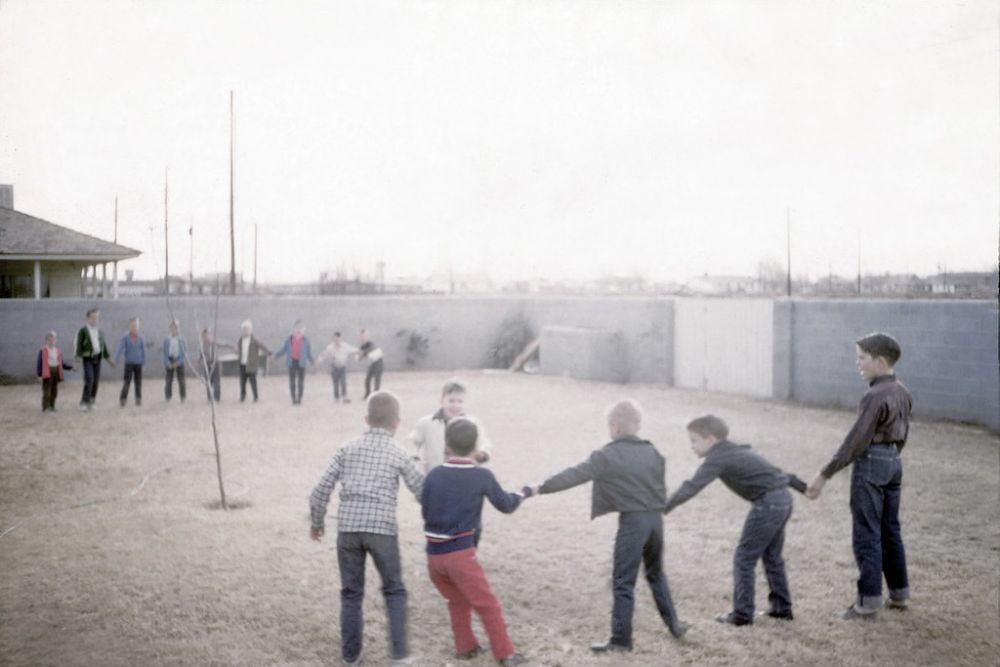
The classic Red Rover challenge created perfect opportunities for developing both upper and lower body strength. Teams formed human chains by linking arms tightly, while opponents attempted to break through by running at maximum speed.
This seemingly simple game built remarkable grip strength, shoulder stability, and leg power. The frequent collisions—though sometimes resulting in minor injuries—developed physical resilience alongside social bonding that characterized neighborhood play.
Marbles in the Dirt
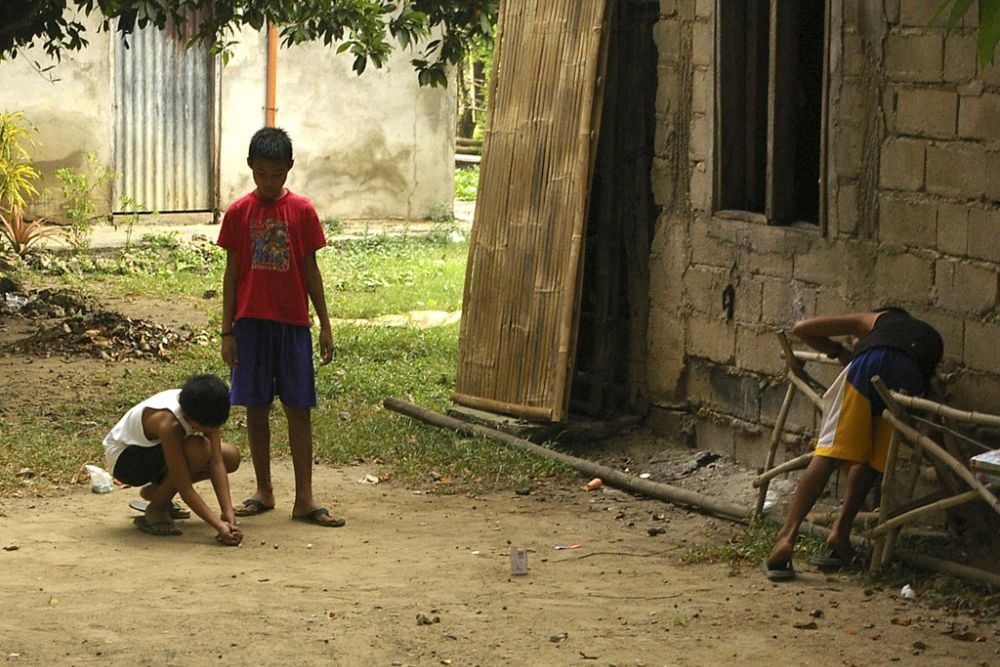
Competitive marble games required sustained periods in deep squat positions that would challenge even dedicated yoga practitioners today. Players spent hours in these demanding postures while developing remarkable finger dexterity and precision.
The concentration required alongside the isometric lower body demands created a unique combination of mental focus and physical endurance. The sustained static positions built hip mobility and thigh strength that many adults now struggle to develop.
Puddle Jumping Adventures
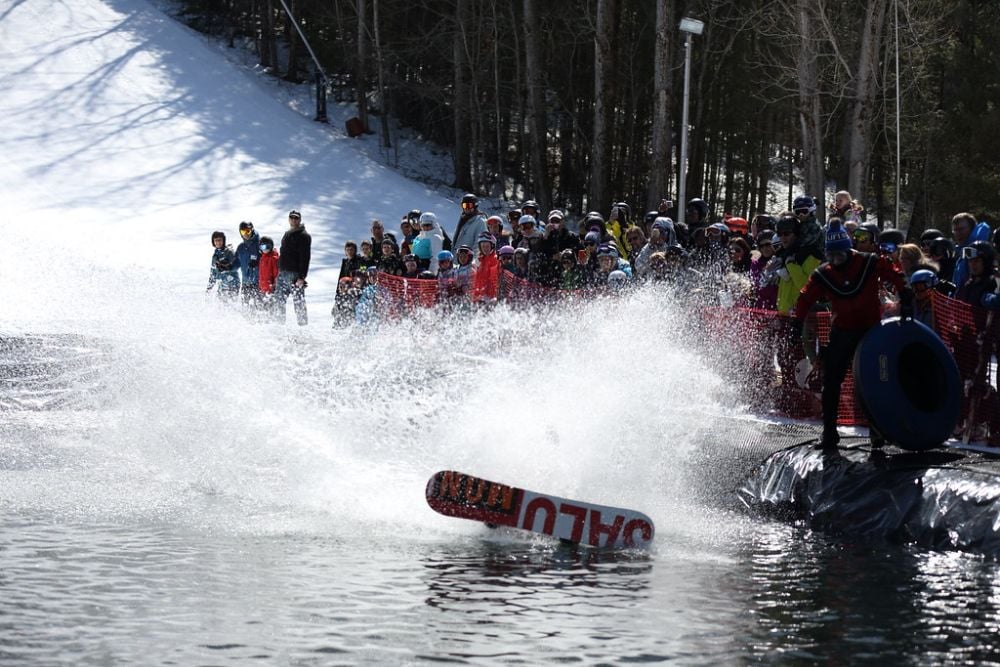
Rainy afternoons transformed neighborhoods into water-filled obstacle courses beckoning for exploration. Children donned raincoats and boots not to stay dry but to find the most impressive puddles for jumping competitions.
Each leap combined plyometric power with proprioceptive challenges as they attempted to make maximum splash without falling. Moving through muddy terrain in water-soaked clothing created natural resistance training while developing balance and coordination.
Like Go2Tutors’s content? Follow us on MSN.
Cowboys and Indians
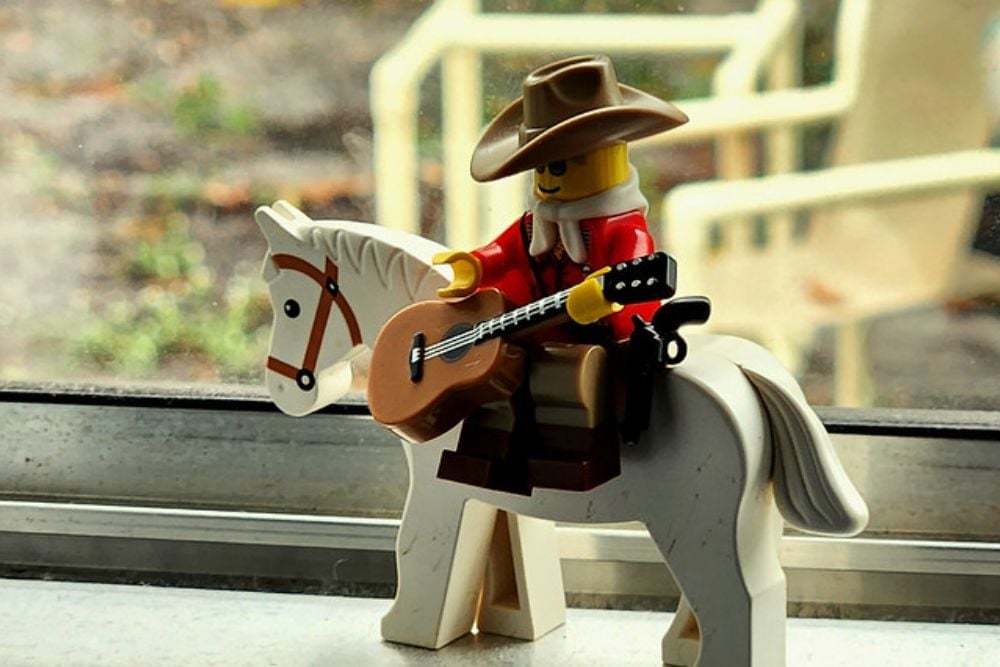
This imaginative role-playing game sent children racing across yards and parks, climbing trees, building hideouts, and conducting mock battles. While cultural attitudes have evolved regarding the game’s theme, the physical benefits were undeniable.
Players covered significant territory—sometimes multiple acres—while running, jumping, climbing, and crawling through various terrain. The extended play sessions provided remarkable cardiovascular conditioning alongside natural movement patterns that developed whole-body coordination.
Physical Legacy of Natural Movement

Those after-school activities from the ’60s reveal something profound about childhood development before structured exercise became commonplace. Natural movement patterns emerged through play, simultaneously building strength, endurance, coordination, problem-solving abilities, and social skills.
The physical capabilities developed through these spontaneous activities created movement foundations that served an entire generation well into adulthood. Modern exercise science increasingly recognizes what these children knew intuitively—that regular, varied, enjoyable movement may be the most sustainable approach to lifetime fitness.
More from Go2Tutors!

- 18 Unexpectedly Valuable Collectibles You Might Have Lying Around
- 20 Little-Known Historical Battles That Had Huge Consequences
- 20 Historical Artifacts That Scientists Can’t Explain
- 15 Inventions That Were Immediately Banned After Being Created
- 20 Actors Who Were Almost Cast in Iconic Roles
Like Go2Tutors’s content? Follow us on MSN.



