15 Animals Known Only From Fossils
The fossil record is like nature’s greatest photo album, preserving snapshots of creatures that lived millions of years ago. While we share our planet with incredible animals today, some of the most fascinating species exist only as stone impressions and mineralized bones.
These ancient creatures tell stories of evolution, survival, and extinction that would make any modern wildlife documentary seem tame. From massive predators that dwarfed today’s biggest hunters to tiny creatures with bizarre adaptations, the fossil record reveals a world vastly different from our own.
Here is a list of 15 animals known only from fossils that showcase the incredible diversity of life that once roamed Earth.
Therizinosaurus
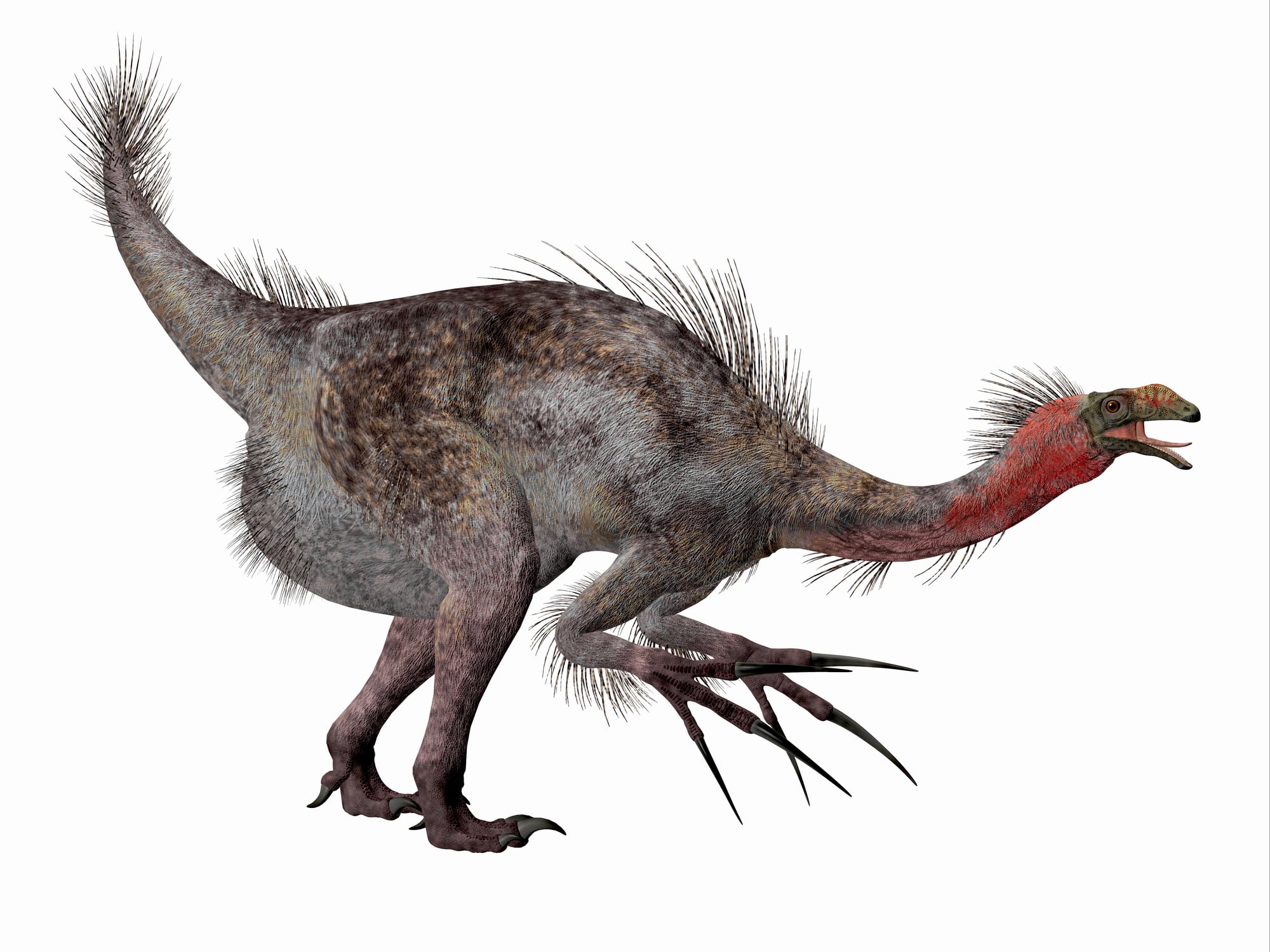
This massive dinosaur looked like someone crossed a giant sloth with a pair of garden shears. Therizinosaurus stood about 16 feet tall and sported claws that stretched over 3 feet long, making them some of the largest claws ever discovered.
Despite looking like a fearsome predator, this gentle giant was actually a plant-eater that used those impressive claws to pull down tree branches for lunch.
Dunkleosteus
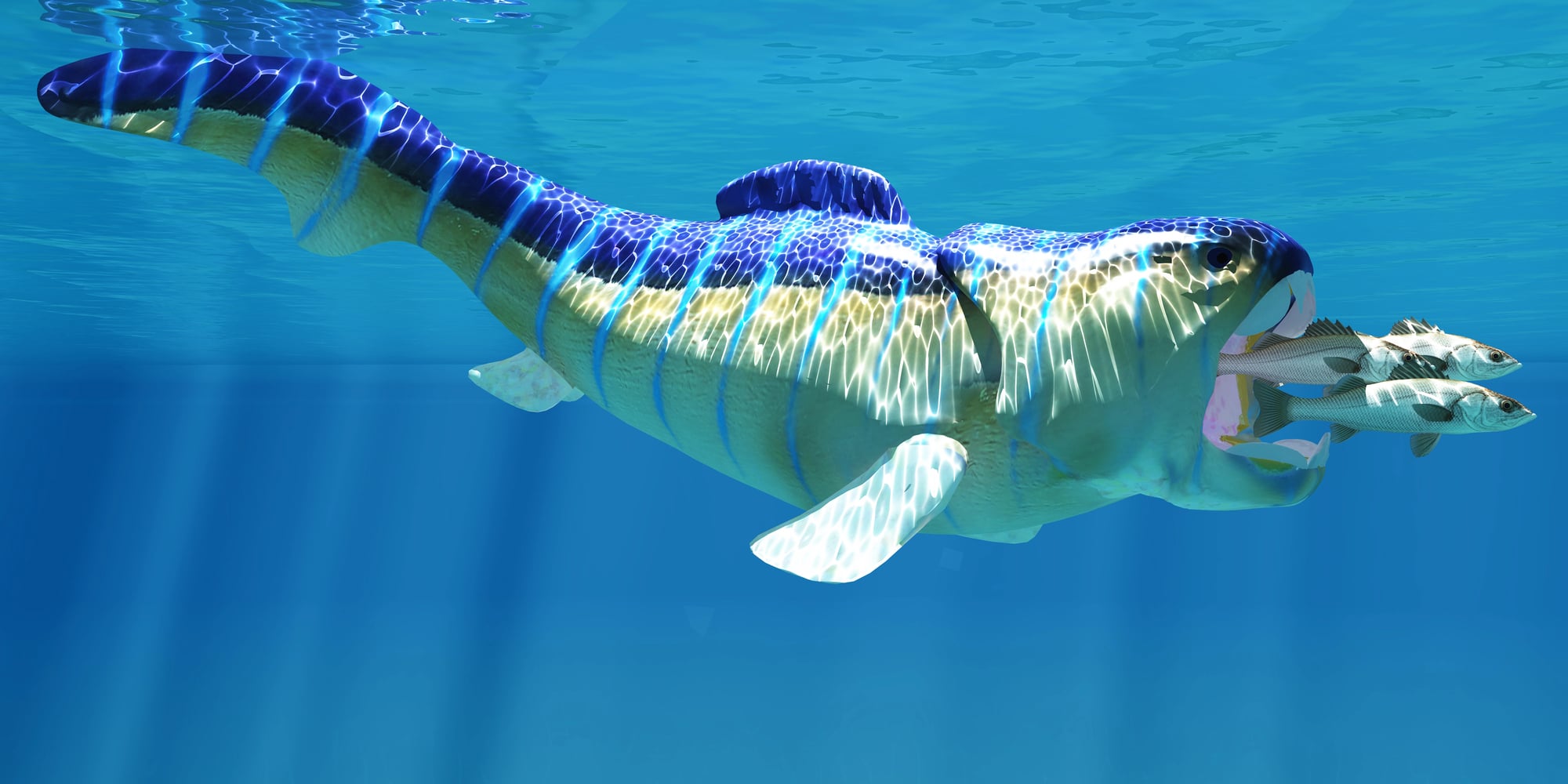
Before sharks ruled the seas, there was Dunkleosteus – a 30-foot armored fish that could bite through almost anything with a jaw force of 11,000 pounds per square inch. Instead of teeth, this ancient predator had razor-sharp bone plates that worked like massive scissors.
Think of it as a swimming tank with bolt cutters for a mouth, and you’ll get the idea of how terrifying this creature must have been to encounter.
Like Go2Tutors’s content? Follow us on MSN.
Quetzalcoatlus

This pterosaur was basically a giraffe with wings, standing as tall as a modern giraffe when on the ground but capable of soaring through the skies. With a wingspan reaching 35 feet, Quetzalcoatlus was one of the largest flying animals ever discovered.
It likely spent its time stalking small dinosaurs and early mammals on foot, then taking to the air when it needed to cover long distances or escape danger.
Megalodon
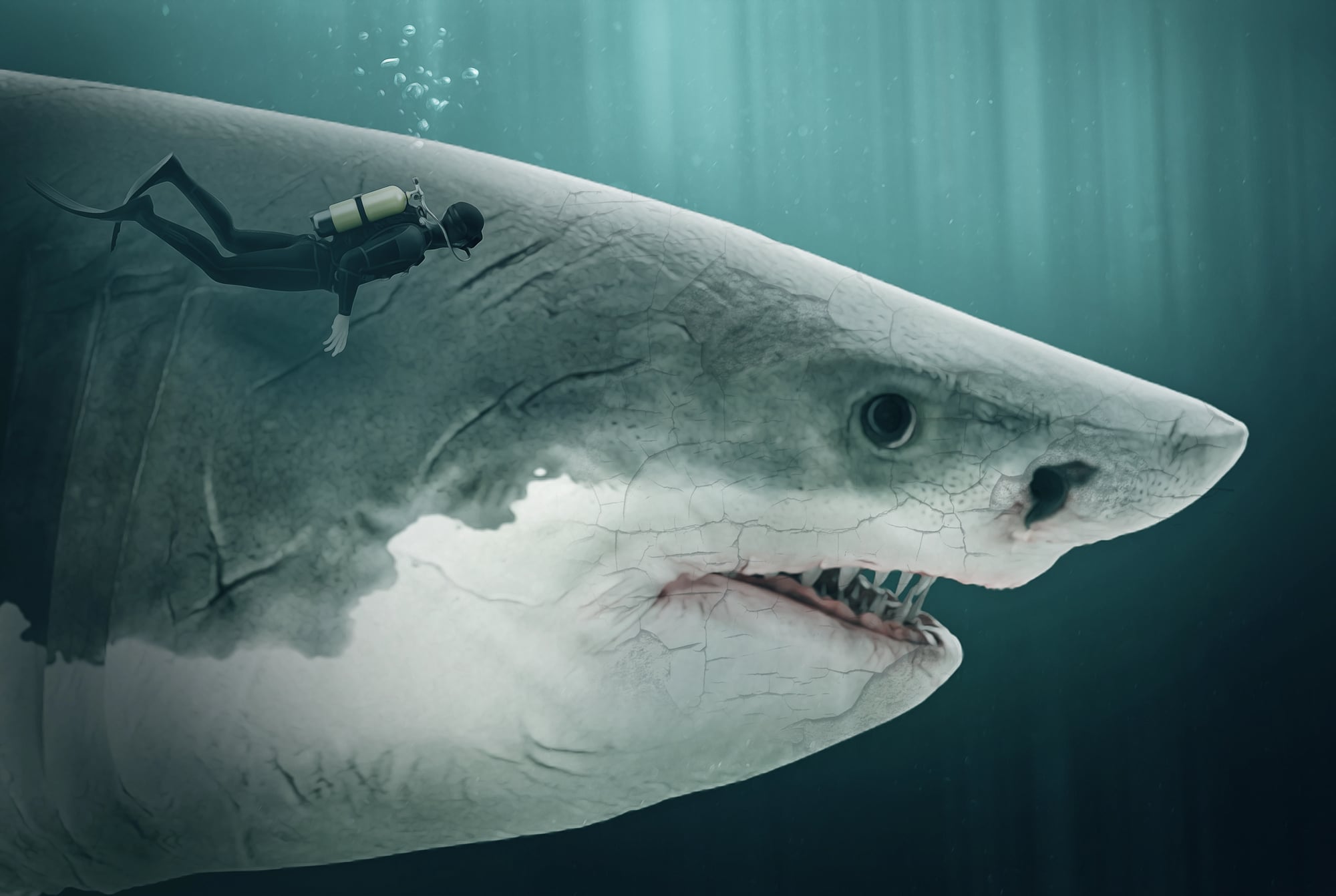
The ultimate apex predator of ancient seas, Megalodon was a shark so large it makes today’s great whites look like minnows. Reaching lengths of up to 60 feet, this prehistoric shark had teeth the size of your hand and could probably swallow a small car whole.
Scientists estimate its bite force at around 40,000 pounds per square inch, which means it could crush a small car just as easily as it could swallow one.
Anomalocaris
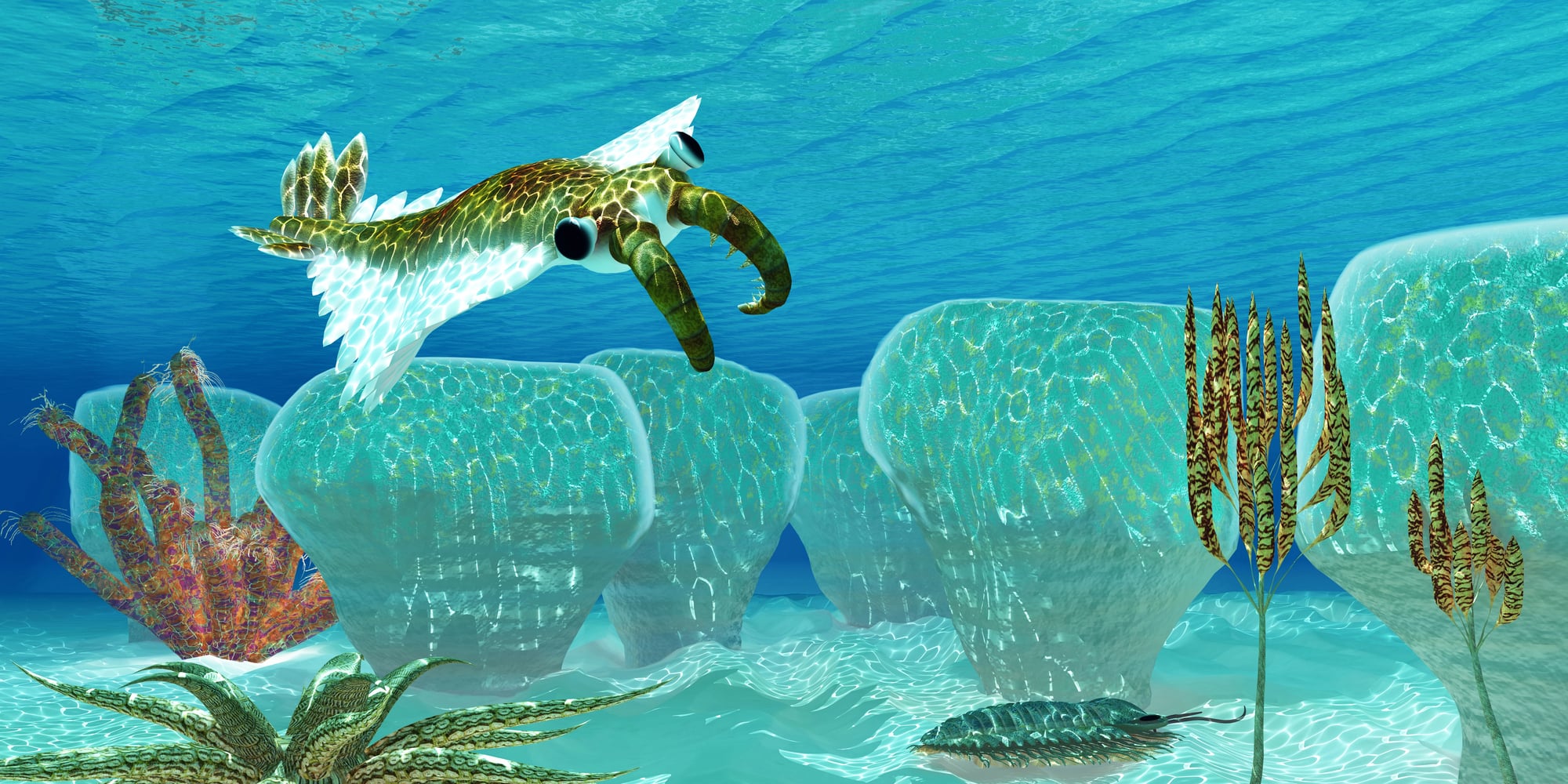
This Cambrian period creature looked like someone’s fever dream of what a shrimp should be, growing up to 6 feet long with flexible arms ending in wicked spines. Anomalocaris was one of the ocean’s first major predators, using its grabbing arms to snatch up smaller creatures and stuff them into its circular, pineapple-ring-shaped mouth.
It swam by undulating its flexible side fins, making it look like a prehistoric flying carpet gliding through ancient seas.
Like Go2Tutors’s content? Follow us on MSN.
Carnotaurus
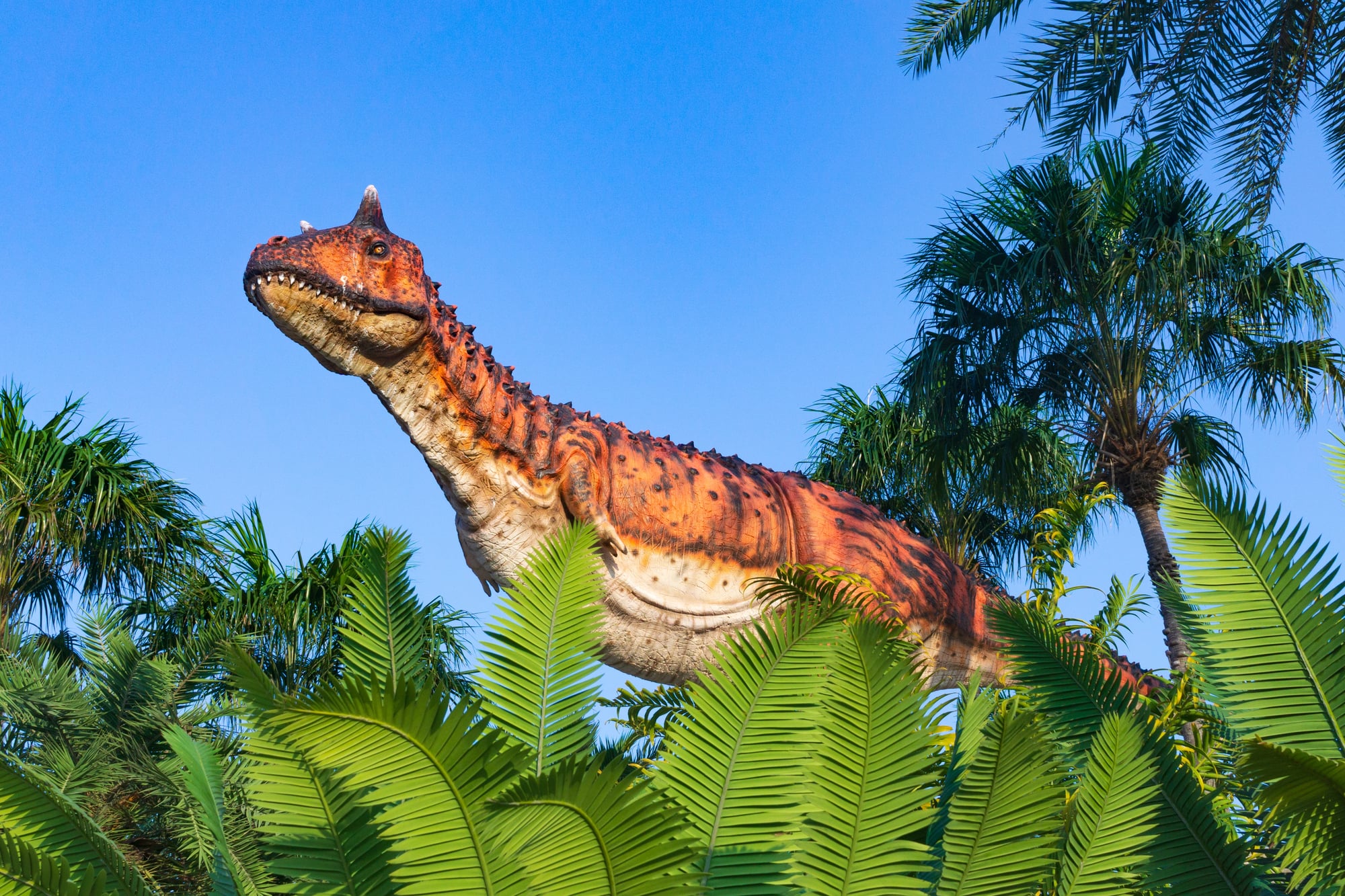
Meet the sports car of the dinosaur world – Carnotaurus was built for speed with long, powerful legs that could probably outrun most modern vehicles. This meat-eater had two devil-like horns above its eyes and tiny, almost useless arms that made T. rex look well-equipped.
Scientists believe it could reach speeds of 35 miles per hour, making it one of the fastest large predators ever to walk the Earth.
Helicoprion
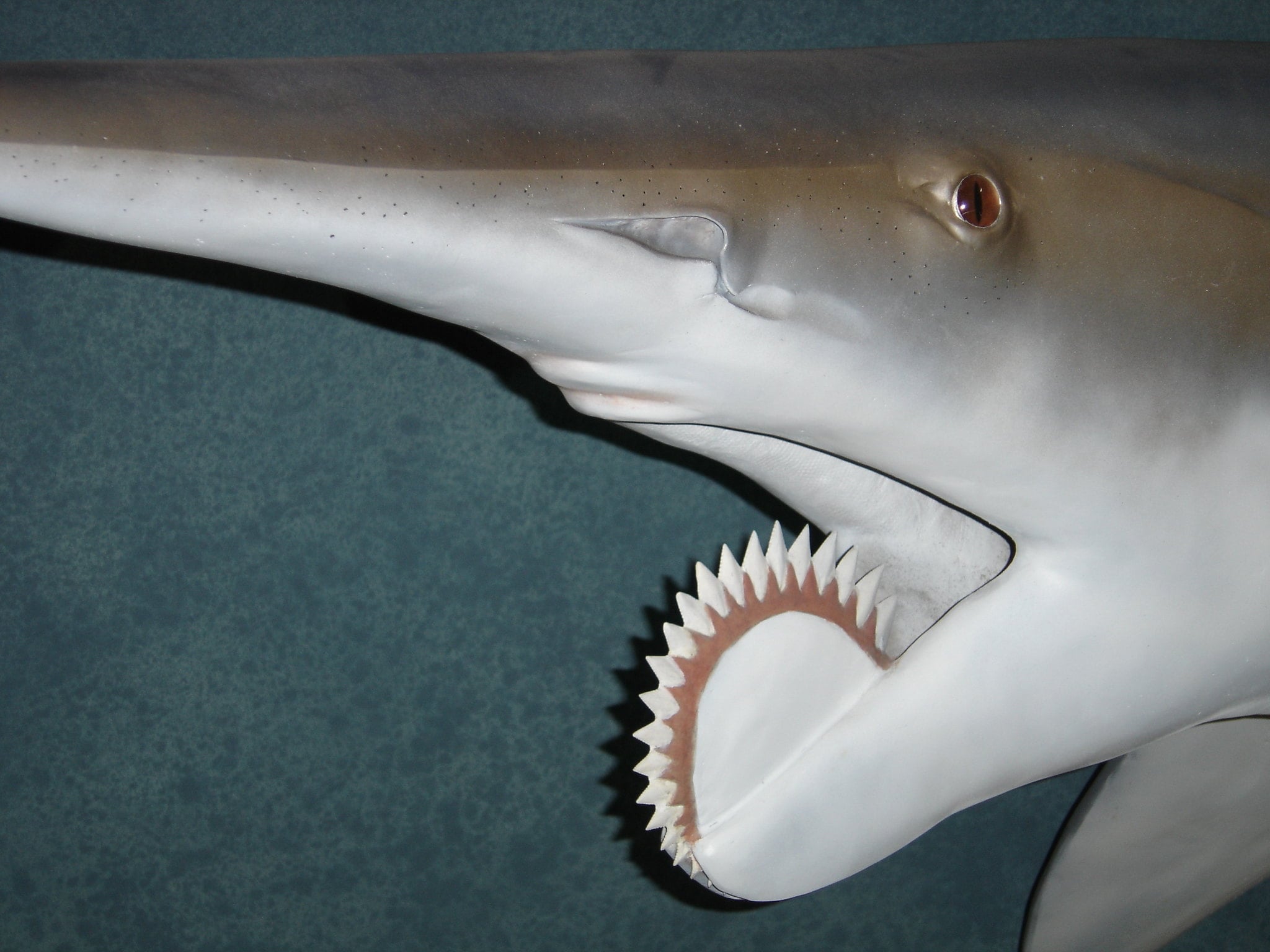
Imagine a shark that forgot how to use its lower jaw properly, and you’ll have Helicoprion – a bizarre fish with a spiral whorl of teeth that jutted out like a buzzsaw. This ‘buzz-saw shark’ lived about 290 million years ago and grew up to 35 feet long.
Scientists still debate exactly how it used its strange dental arrangement, but it was probably pretty effective at slicing up soft-bodied prey like squid and small fish.
Amargasaurus
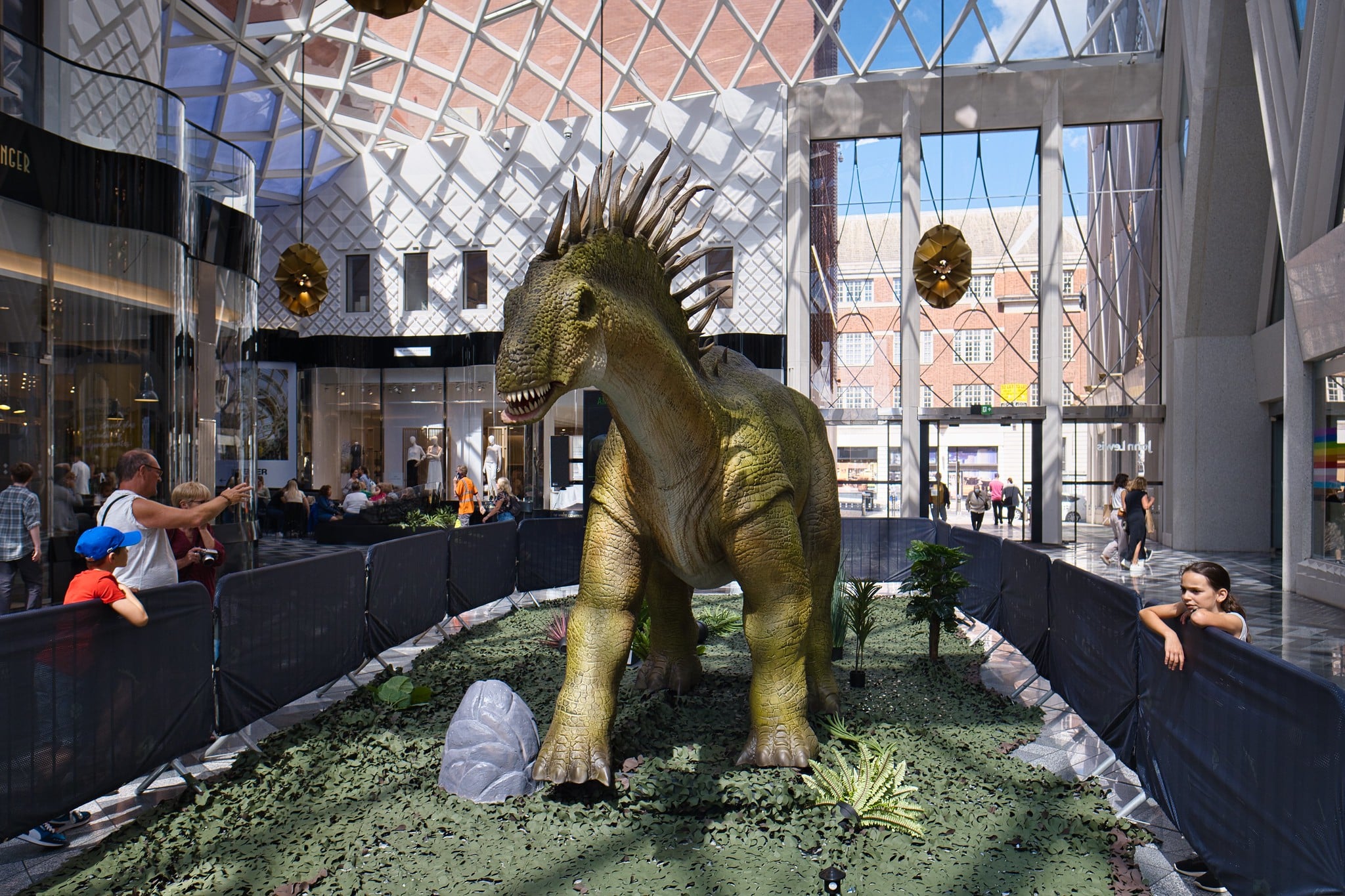
While most long-necked dinosaurs looked like living construction cranes, Amargasaurus went for a more punk rock appearance with tall spines running down its neck and back. These spines may have supported colorful skin sails that helped with temperature regulation or showing off to potential mates.
At about 30 feet long, it was relatively small for a sauropod, but those decorative spines made it one of the most distinctive plant-eaters of its time.
Like Go2Tutors’s content? Follow us on MSN.
Opabinia
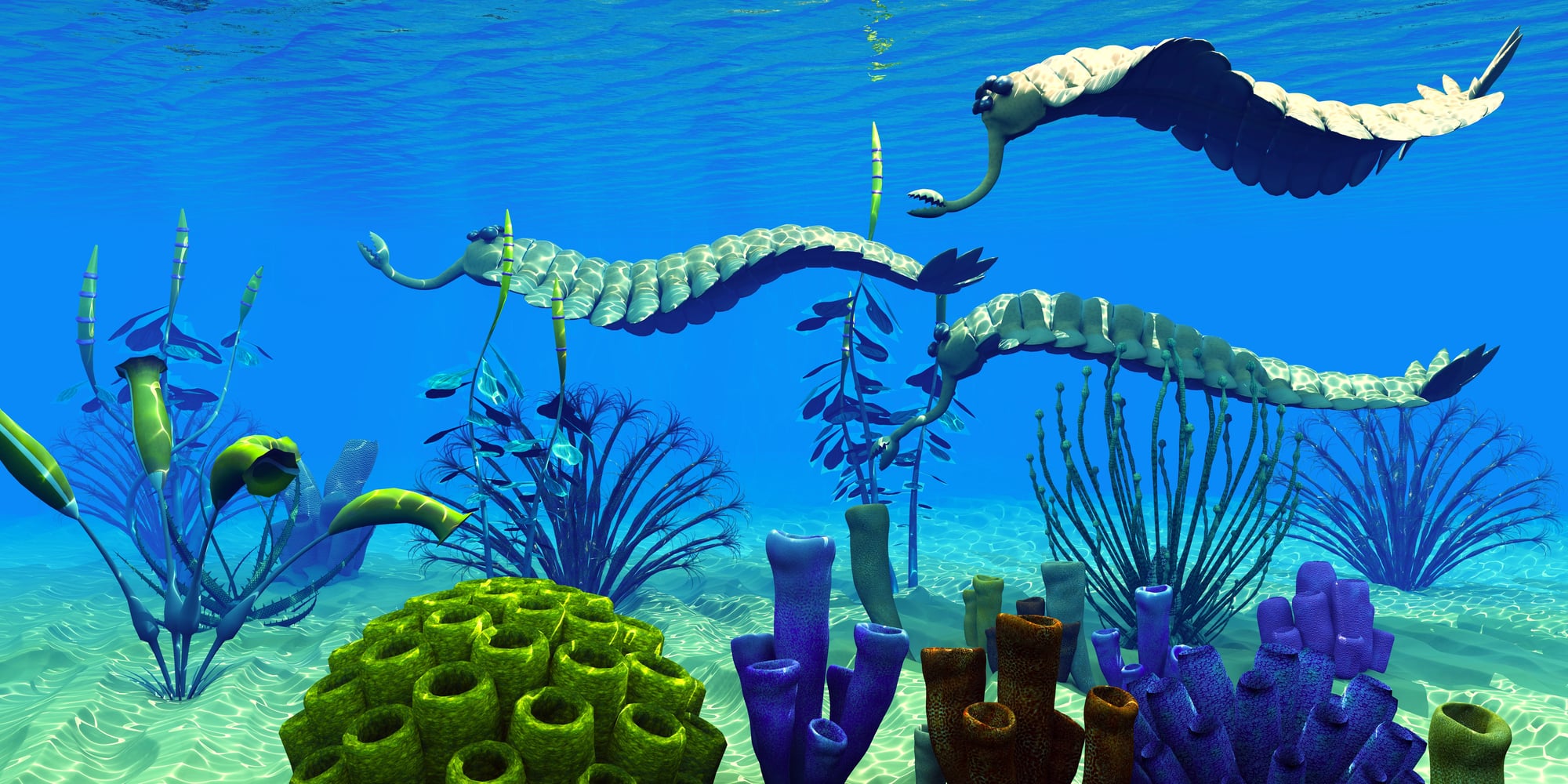
This Cambrian oddball looked like someone took a vacuum cleaner hose, gave it five mushroom-shaped eyes, and taught it to swim. Opabinia had a long, flexible proboscis tipped with a grasping claw that it used to snatch up small prey from the seafloor.
At only about 2 inches long, it might have been small, but its bizarre appearance makes it one of the most memorable creatures from the ‘Cambrian explosion’ of early life forms.
Giganotosaurus
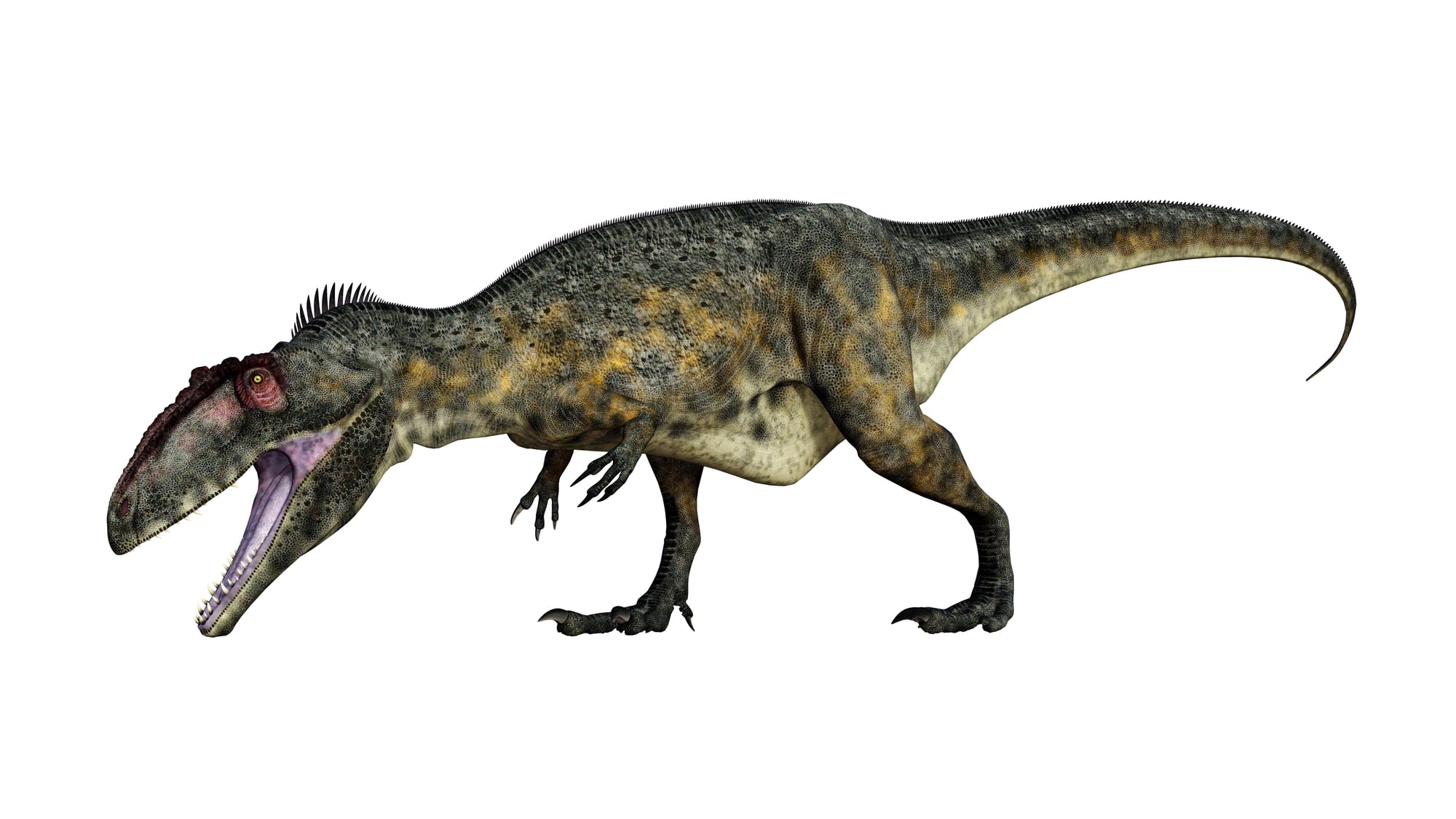
Before T. rex became the poster child for giant predators, Giganotosaurus was terrorizing South America with its massive size and razor-sharp teeth. This beast was actually larger than T. rex, reaching lengths of up to 43 feet and weighing as much as an elephant.
Unlike the bone-crushing bite of T. rex, Giganotosaurus had a more slicing bite designed for cutting through flesh like a massive steak knife.
Hallucigenia

With a name that sounds like a bad trip, Hallucigenia was a tiny creature covered in defensive spines that made it look like a living pincushion with legs. Scientists were so confused by its fossils that they initially reconstructed it upside down and backward.
This 2-inch-long creature walked along the ocean floor on seven pairs of legs while its back bristled with protective spines that kept predators at bay.
Like Go2Tutors’s content? Follow us on MSN.
Wiwaxia

Covered in scales and spines like a medieval knight’s armor, Wiwaxia crawled across Cambrian seafloors looking for organic matter to munch on. This creature was about the size and shape of a football, but covered in two different types of defensive structures – small scales and larger, needle-sharp spines.
Scientists still debate whether it was more closely related to mollusks or worms, but everyone agrees it was one well-protected little creature.
Parasaurolophus
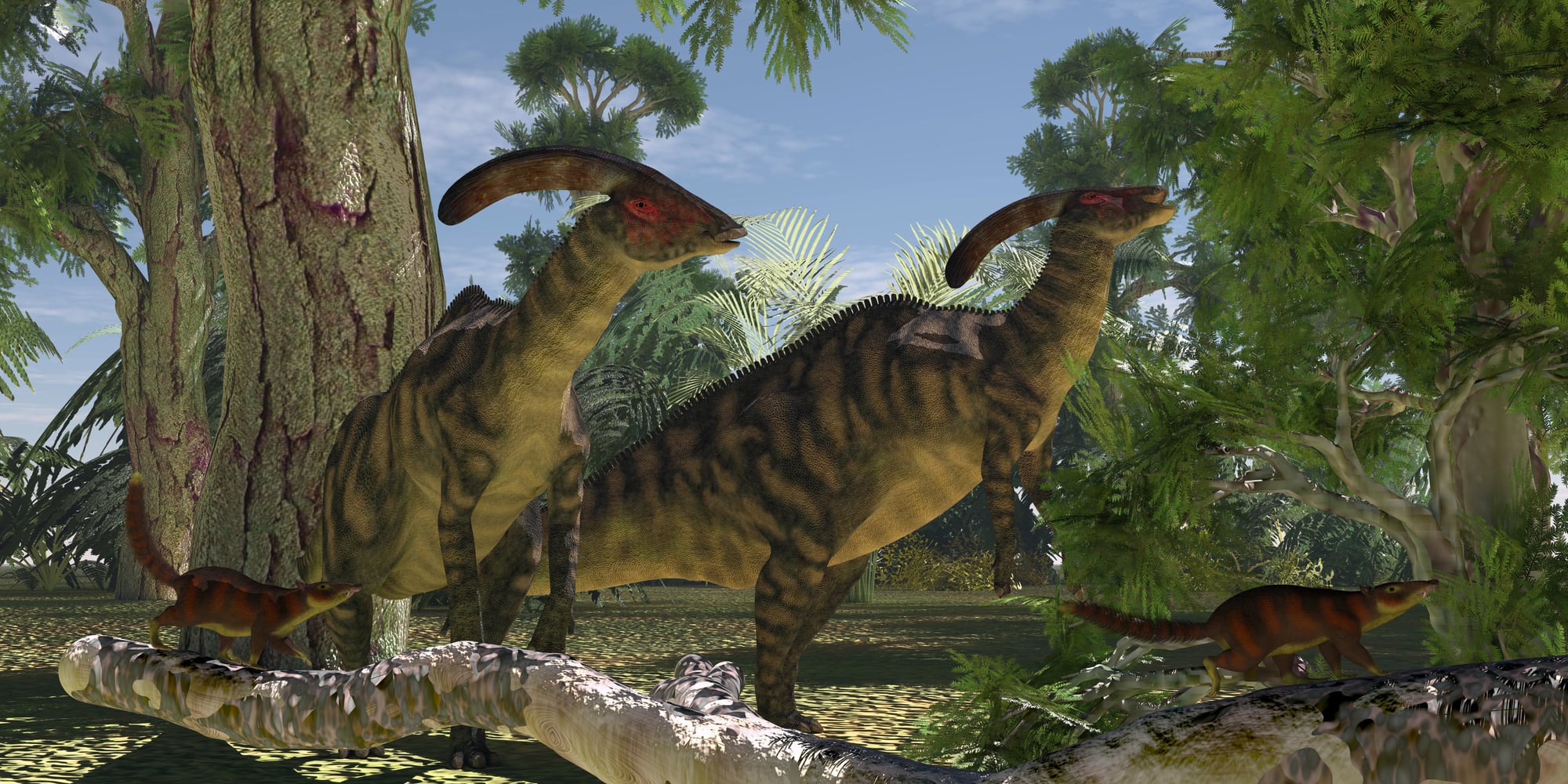
This duck-billed dinosaur was basically the trombone player of the Cretaceous period, using its long, curved head crest to produce deep, resonant calls that could be heard for miles. The hollow crest worked like a wind instrument, and different species had different crest shapes that produced unique sounds.
Scientists have even recreated the sounds these dinosaurs made, giving us a rare chance to ‘hear’ a voice from 75 million years ago.
Kronosaurus
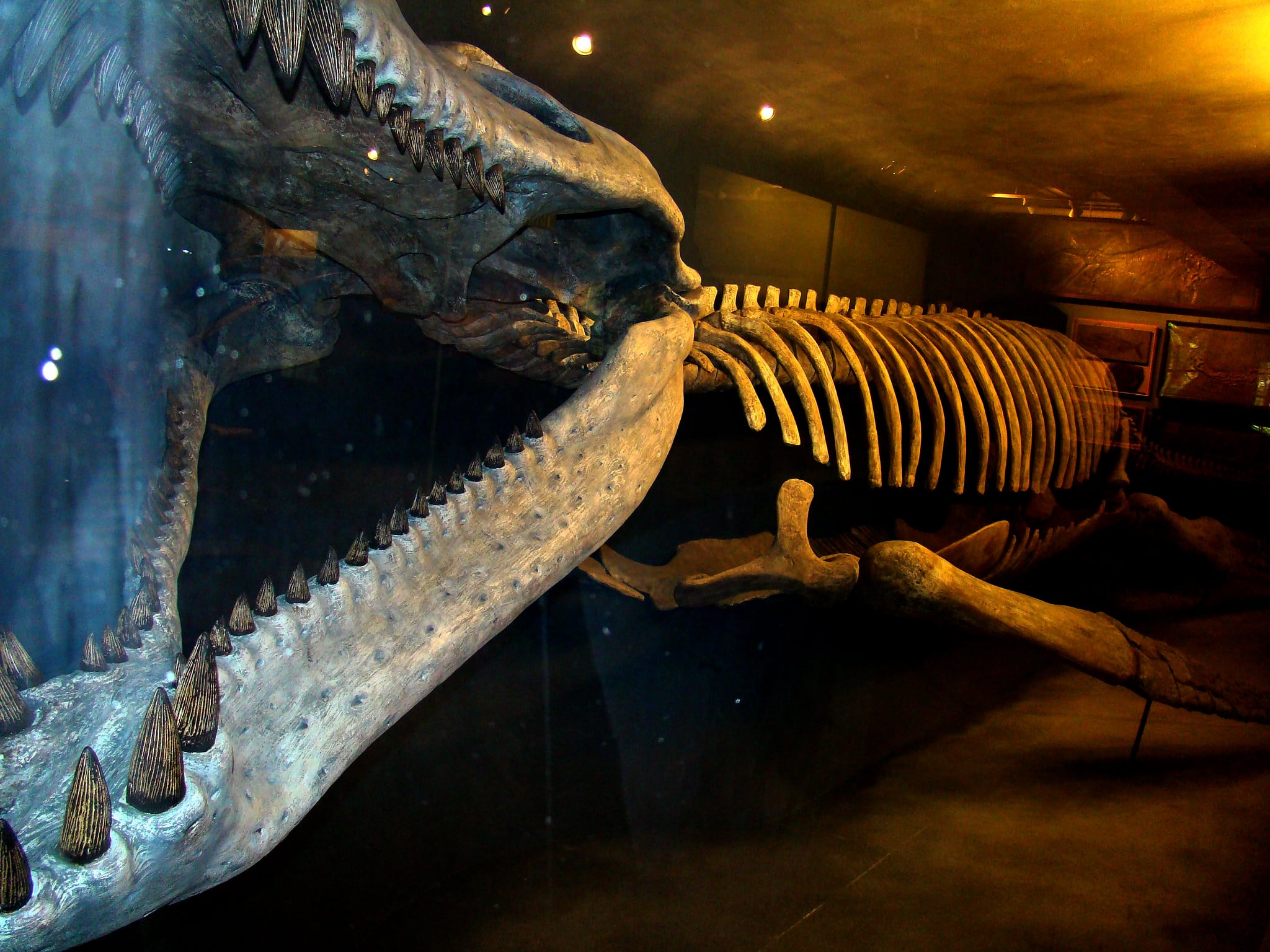
Named after the Greek titan who ate his own children, Kronosaurus was a marine reptile with a head longer than most cars and teeth the size of bananas. This 30-foot sea monster ruled the oceans of Australia about 110 million years ago, using its massive jaws to crunch through anything from fish to other marine reptiles.
Think of it as a crocodile that decided the ocean was more interesting than rivers and grew to truly monstrous proportions.
Like Go2Tutors’s content? Follow us on MSN.
Echoes in Stone
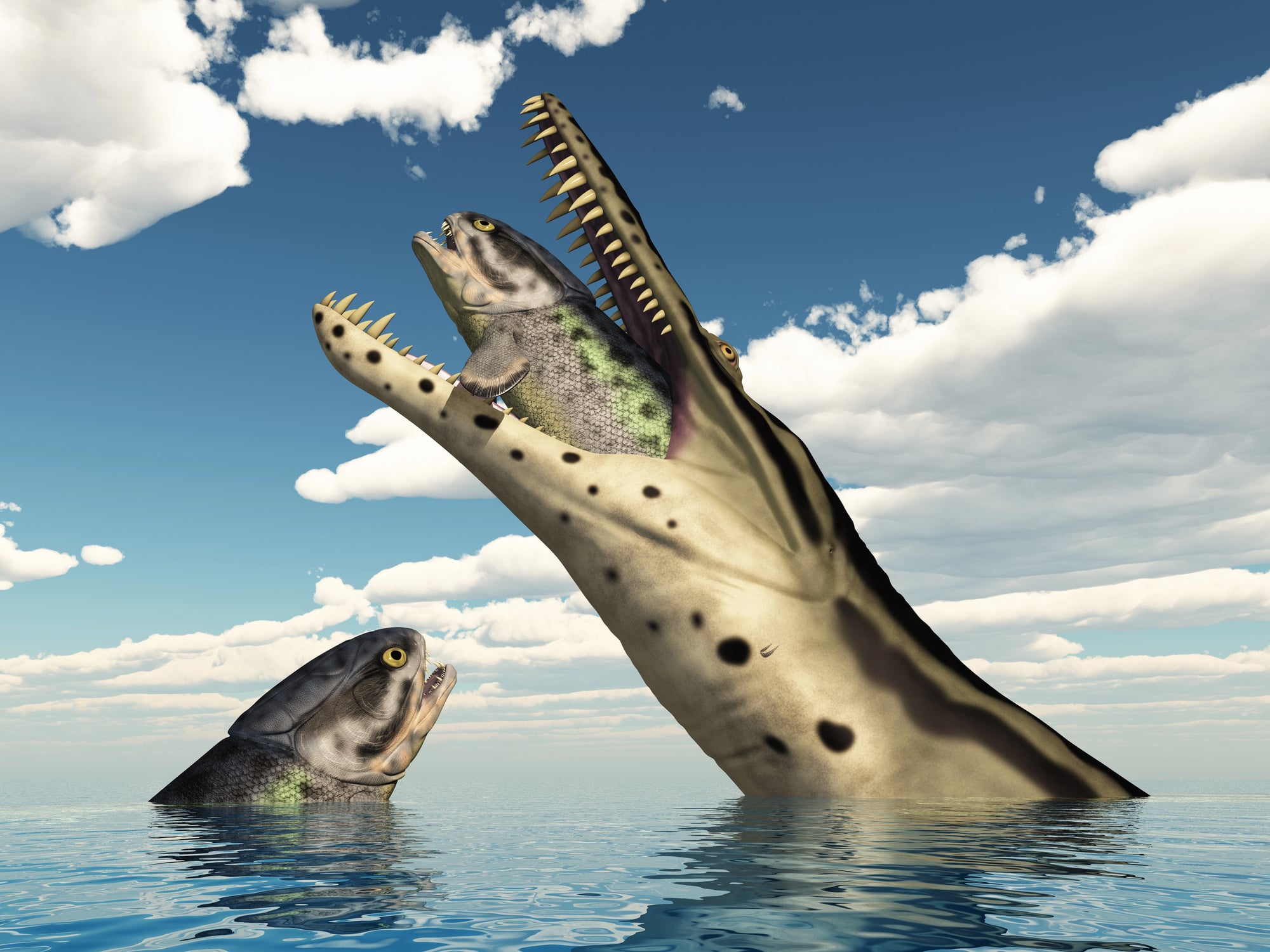
These ancient creatures remind us that Earth has been home to an incredible parade of life forms, most of which we’ll never see outside of museums and textbooks. The fossil record shows us that evolution is constantly experimenting with new body plans, survival strategies, and ways of life that often seem completely alien to our modern world.
While these 15 animals exist only as mineralized remains today, they once moved, hunted, and lived in ecosystems as complex and vibrant as any we see today. Their stories, written in stone, continue to reshape our understanding of life’s incredible journey on this planet.
More from Go2Tutors!

- 16 Historical Figures Who Were Nothing Like You Think
- 12 Things Sold in the 80s That Are Now Illegal
- 15 VHS Tapes That Could Be Worth Thousands
- 17 Historical “What Ifs” That Would Have Changed Everything
- 18 TV Shows That Vanished Without a Finale
Like Go2Tutors’s content? Follow us on MSN.