Unusual Tools Students Once Used
Take a look inside a classroom from a century or two ago, and the tools on every desk would look quite foreign. Before laptops, tablets, and even traditional notebooks, students made do with devices that look rather archaic and museum-like today.
Many of these tools were made out of necessity, based on materials, teaching methods, and practicalities.
Some of these tools were quite brilliant solutions to everyday problems, while others reflect an entirely different approach to teaching and learning. What they have in common is their intended function: to help students learn and assimilate information using available materials and technology.
Let’s have a look at some unusual tools students have used and their place in history.
Hornbooks

One of the earliest classroom learning tools was the hornbook, widely used in Europe and North America from the 1500s through the 1700s. Despite the name, it was not actually a book.
Instead, it was a small wooden paddle holding a sheet of paper printed with the alphabet, numbers, and sometimes a short prayer.
A thin layer of transparent animal horn protected the printed page from damage, which made the tool durable enough for repeated use.
Children often carried the hornbook attached to a cord or strap so it would not easily be misplaced during the school day.
Even so, the rigid format reflected a time when memorization formed the foundation of early education, with teachers guiding students through each line repeatedly until it became second nature.
Slate Boards
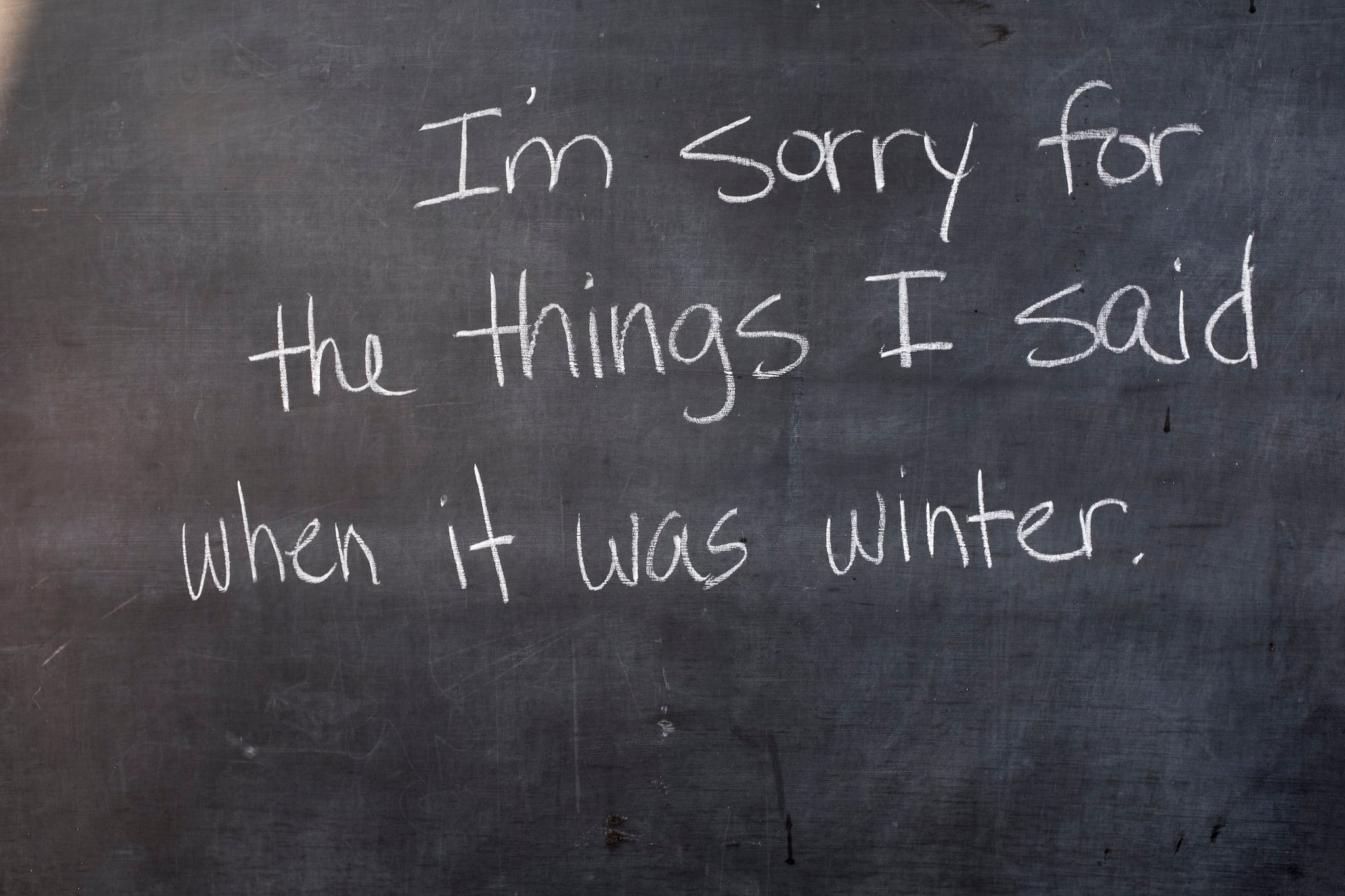
Before paper became inexpensive and widely available, students commonly wrote on small slate boards. These handheld writing surfaces were made from thin slabs of slate stone framed in wood, accompanied by a pointed slate pencil for writing.
Mistakes were easily corrected with a quick wipe of a cloth or even a sleeve, making the boards reusable throughout the day.
Still, the constant scraping sound of slate pencils filling a classroom must have created a distinctive soundtrack to daily lessons.
Teachers often asked students to hold up their slates when finished with an exercise so answers could be checked quickly without collecting papers.
Dip Pens And Inkwells

Writing once required far more patience than simply opening a notebook and picking up a pen. Students practiced handwriting with dip pens, which needed to be repeatedly dipped into small inkwells built directly into classroom desks.
The process demanded steady hands and careful attention, since too much ink could create blotches across the page.
Still, this slower pace encouraged deliberate writing habits and careful penmanship.
Teachers often inspected handwriting closely, since neat writing was viewed as a sign of discipline, education, and personal pride.
Copybooks

Copybooks were a central part of handwriting instruction in the 18th and 19th centuries. These books contained carefully printed examples of letters, words, and sentences that students copied repeatedly in order to refine their penmanship.
Teachers expected students to replicate each line as closely as possible, gradually improving control over the pen.
Some copybooks included moral sayings or short proverbs, turning handwriting practice into a quiet lesson about character as well.
Even so, the repetition could feel endless, with entire pages filled by the same sentence written again and again.
Abacus

Long before electronic calculators appeared in classrooms, students in many cultures learned arithmetic using the abacus. This frame filled with sliding beads allowed users to perform addition, subtraction, multiplication, and division with remarkable efficiency.
In countries across Asia, the abacus remained an essential educational tool for centuries.
Even so, its usefulness extended beyond simple counting.
Experienced users developed mental strategies based on visualizing bead movements, allowing them to calculate complex numbers rapidly even without touching the device.
Magic Lantern Projectors

In the 1800s, visual learning entered classrooms through a device known as the magic lantern. This early projector used a bright light and glass slides to display illustrated images onto a wall or screen.
Teachers used these images to bring geography, science, and history lessons to life. A classroom might suddenly display scenes of distant landscapes or detailed drawings of plants and animals.
Still, operating the device required careful preparation, and the slides themselves had to be stored and handled with care.
Recitation Benches
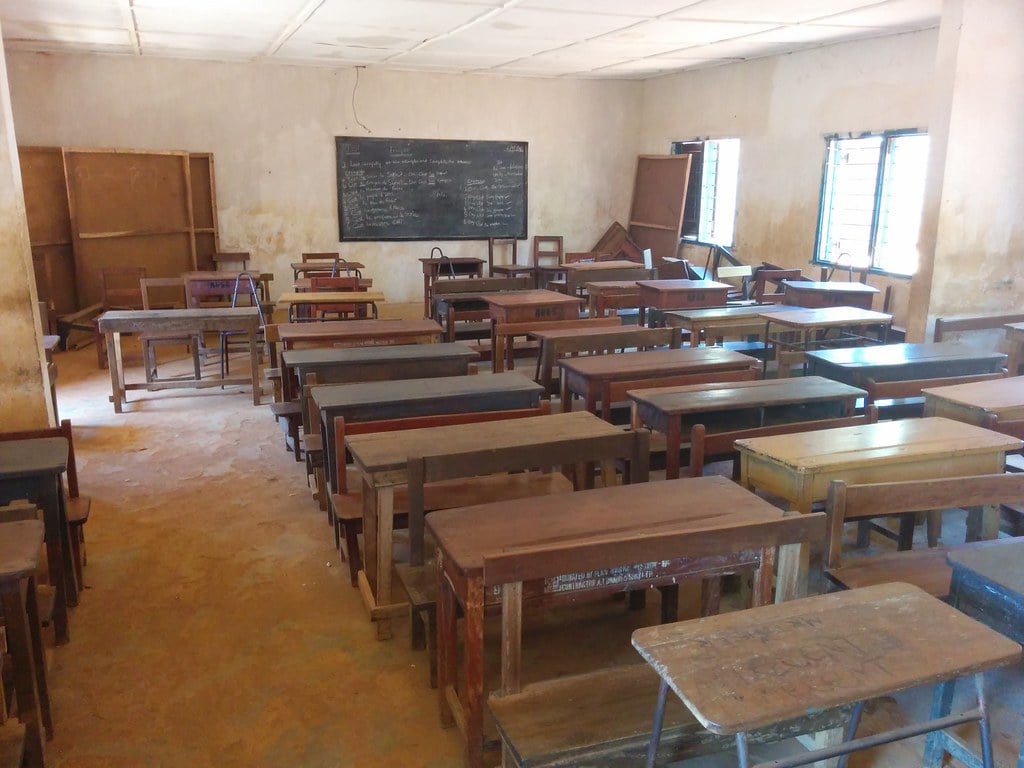
Many early classrooms relied heavily on memorization and oral repetition. To manage this system, some schools used recitation benches where students gathered to deliver lessons aloud in front of the teacher.
The benches allowed instructors to hear each student clearly while the rest of the class continued practicing quietly at their desks.
Still, the setup created a formal atmosphere where students were expected to perform their knowledge confidently.
Speaking clearly and recalling information from memory were considered essential academic skills.
Mechanical Calculators
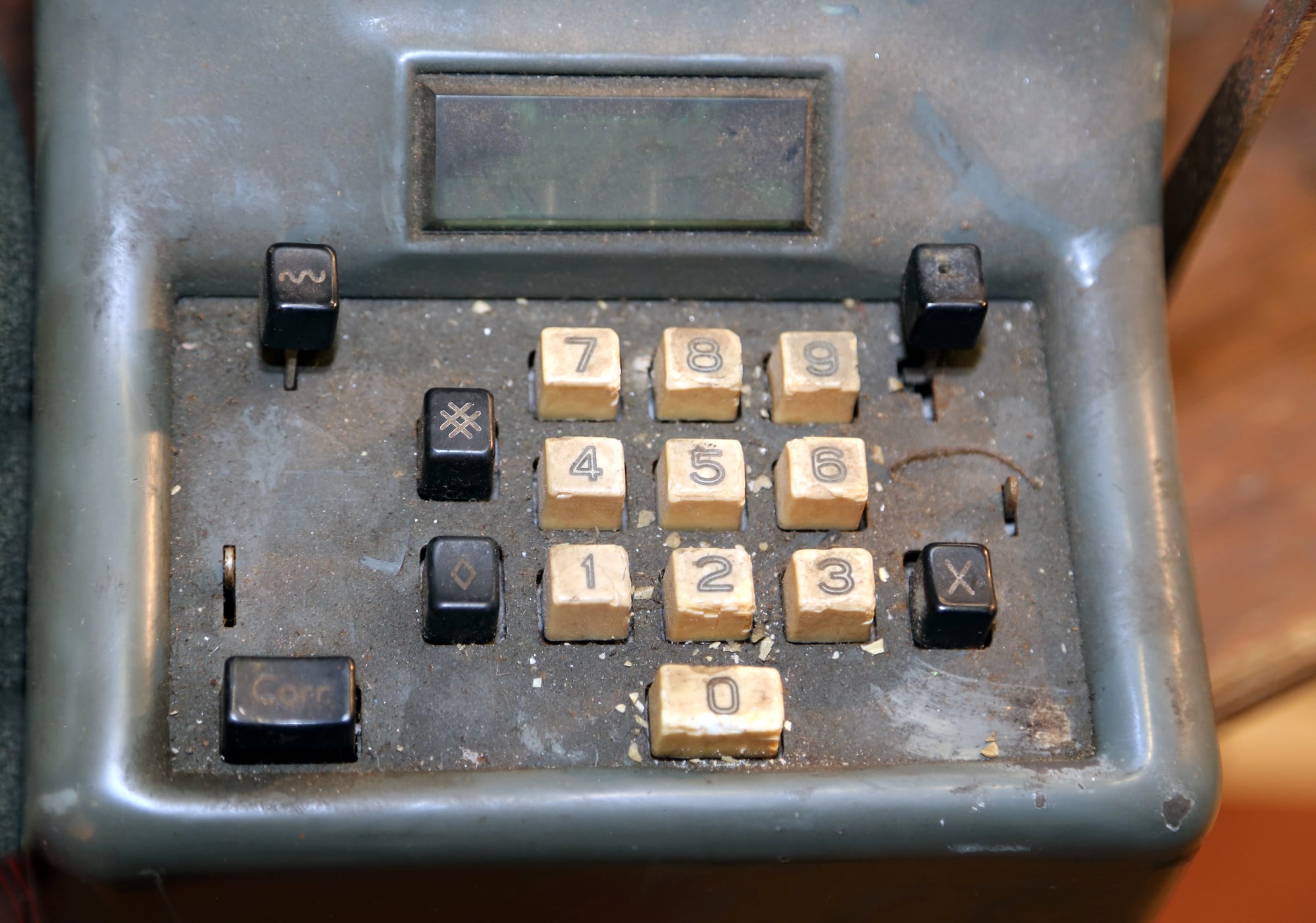
By the early twentieth century, some schools introduced mechanical calculating machines to assist with advanced mathematics. These devices used gears, levers, and numbered dials to perform calculations far more quickly than manual methods.
Students studying accounting, engineering, or higher mathematics sometimes trained on these machines to understand numerical processes more deeply.
Even so, the machines were often heavy and required careful handling.
Their presence in classrooms marked an early step toward the computerized tools that dominate modern education.
Sand Trays
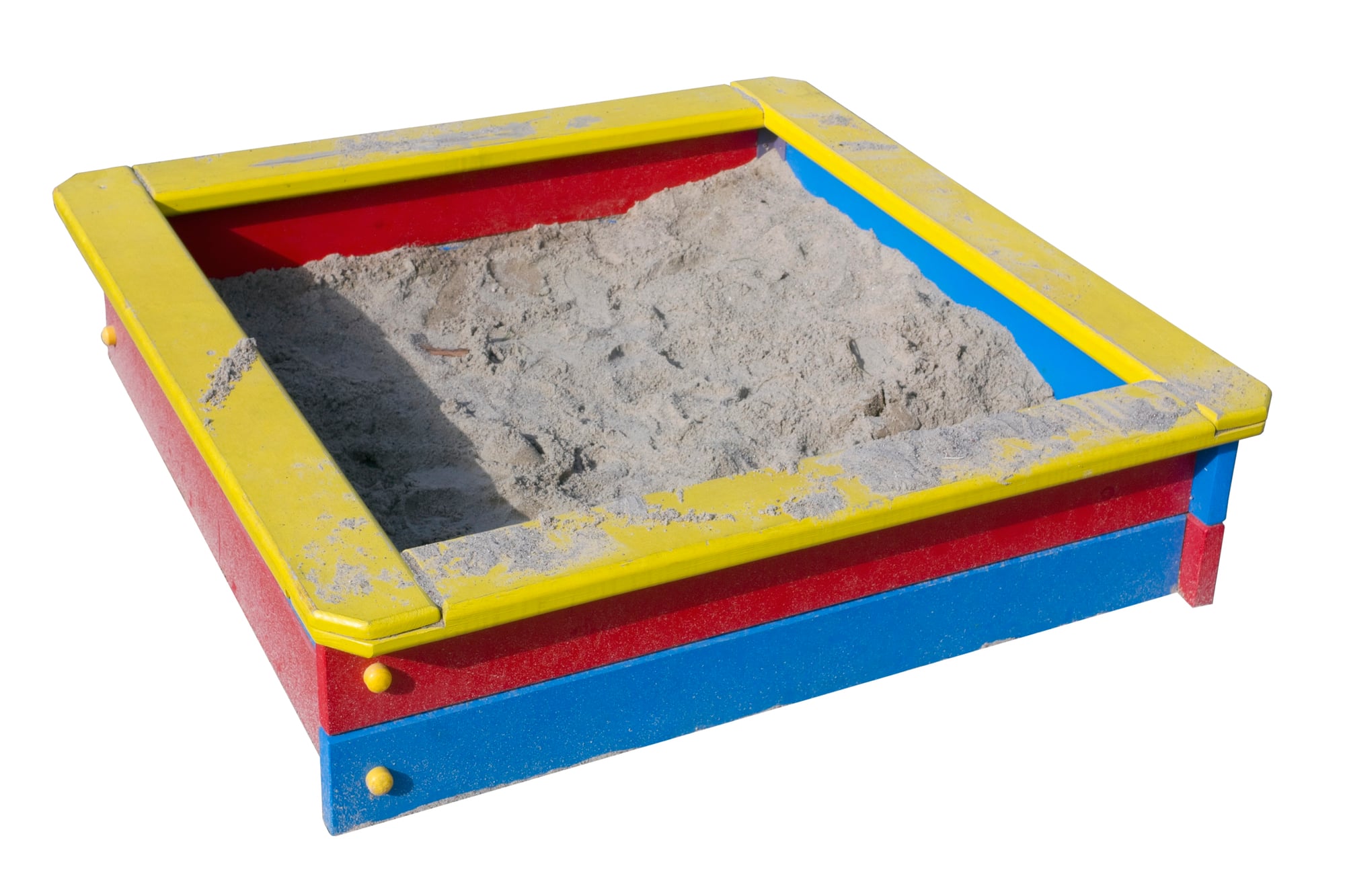
In some early classrooms, especially those focused on young learners, teachers used shallow trays filled with sand as writing surfaces. Students traced letters and numbers directly into the sand with their fingers or small sticks.
This tactile approach allowed children to practice shapes repeatedly without needing paper or ink.
Still, the method offered more than convenience.
The physical motion of tracing letters helped strengthen memory by linking movement with visual learning.
Early Teaching Globes

Geography instruction once relied heavily on large teaching globes placed prominently in classrooms. Unlike flat maps on walls, these detailed spheres allowed students to see the Earth’s continents and oceans in three dimensions.
Teachers often used the globes during demonstrations, slowly rotating them while explaining exploration routes, trade paths, or major rivers.
Even so, the globes were often fragile and expensive, which meant they were treated with great care and rarely handled by younger students.
Echoes Of An Earlier Classroom
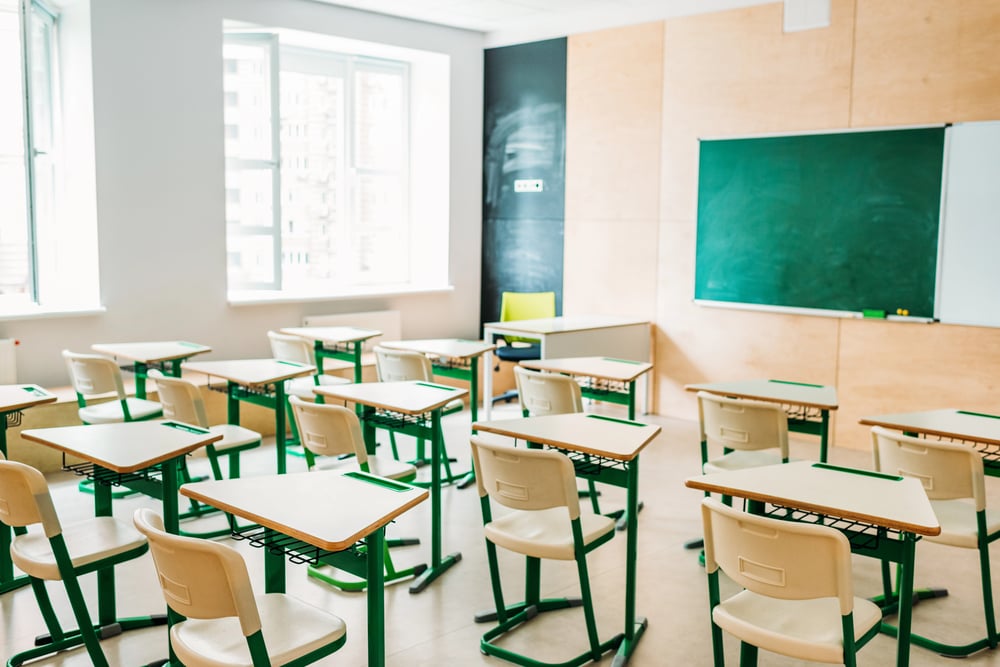
The peculiar tools that were previously present in classrooms are a clear indication of how education has changed over the years. Most of these tools were basic, yet they significantly impacted the way students learned to read, write, and perform calculations.
Most of them are a reminder of a generation that learned to perform tasks through repetition and observation.
Today’s classrooms are equipped with state-of-the-art tools, but it is important to remember that the main idea of education is still to allow students to learn by being actively involved in the learning process.
Looking back into history is a reminder that even basic tools can significantly impact the way knowledge is passed from generation to generation.
More from Go2Tutors!

- The Romanov Crown Jewels and Their Tragic Fate
- 13 Historical Mysteries That Science Still Can’t Solve
- Famous Hoaxes That Fooled the World for Years
- 15 Child Stars with Tragic Adult Lives
- 16 Famous Jewelry Pieces in History
Like Go2Tutors’s content? Follow us on MSN.



