15 Architectural Wonders Built in Impossible Places
Some architects clearly never got the memo about “impossible.” Throughout history, builders have looked at cliff faces, remote islands, and hostile environments and thought, “Yeah, this looks like a great spot for a massive structure.”
These aren’t your typical construction projects—they’re monuments to human’s bold ambition and engineering brilliance. From monasteries perched on needle-thin rock spires to entire cities carved into canyon walls, these structures make you wonder how anyone even got the materials to these places, let alone built something lasting.
Here is a list of 15 architectural wonders that prove engineers have always loved a good challenge.
Meteora Monasteries

Greek monks in the 14th century decided regular mountaintops weren’t challenging enough, so they built monasteries on top of massive sandstone pillars jutting hundreds of feet into the sky. Getting up there originally required climbing rickety wooden ladders or getting hauled up in nets—not exactly OSHA approved.
These rock formations look like someone stuck giant stone needles into the ground, and somehow the monks managed to construct entire complexes on top. The views are incredible, but you definitely don’t want to be afraid of heights when visiting these gravity-defying religious retreats.
Hanging Temple of Hengshan

Chinese engineers over 1,500 years ago looked at a sheer cliff face and decided it needed a temple stuck to it, so they built Xuankong Si using an intricate system of wooden brackets and crossbeams driven into the rock. The whole structure appears to float against the mountainside, held up by what looks like a bunch of toothpicks from a distance.
What makes it even more impressive is that it houses Buddhist, Taoist, and Confucian elements all in one precarious package. Earthquakes, floods, and wind haven’t managed to knock it down yet, which is pretty remarkable considering it’s basically hanging off a cliff.
Mont-Saint-Michel
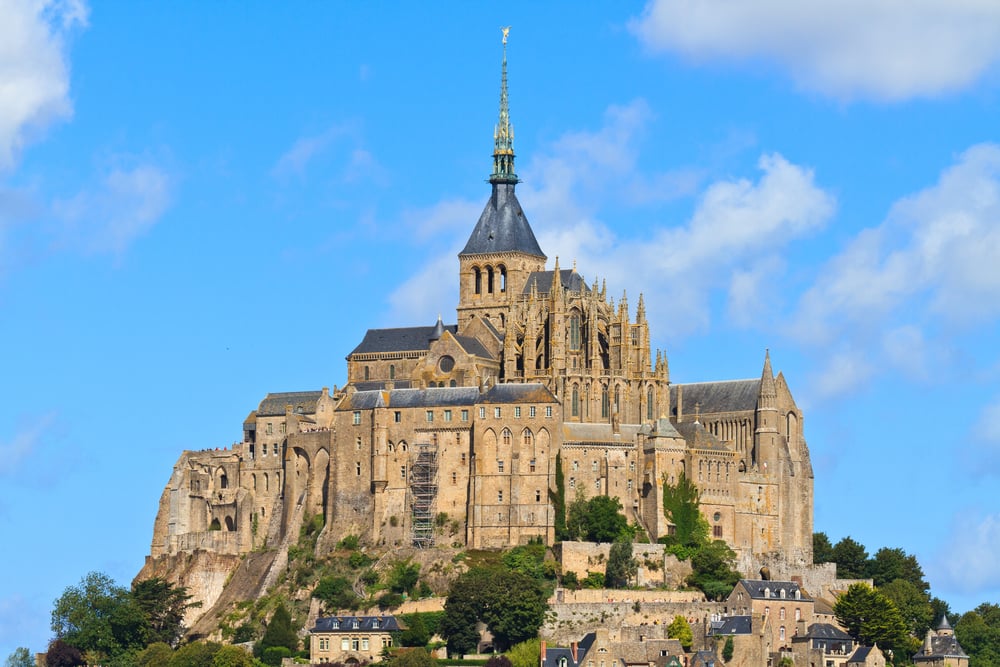
This French abbey sits on a tidal island that becomes completely surrounded by water when the tide rushes in, cutting it off from the mainland entirely. Medieval builders constructed the entire complex knowing it would be underwater part of the time, creating a fortress-monastery that’s practically impregnable when the tide’s up.
The causeway leading to it disappears under dangerous quicksand and rushing water twice daily, making timing absolutely crucial for visitors. Walking across during low tide feels like you’re racing against nature’s clock, and plenty of people throughout history didn’t make it back in time.
Tiger’s Nest Monastery

Bhutanese builders somehow constructed this monastery 3,000 feet up a cliff face in what appears to be a completely inaccessible location in the Himalayas. Legend says a guru flew there on the back of a tiger, which honestly seems more plausible than figuring out how they got construction materials up there.
The entire complex clings to the rock face like it’s defying gravity, with buildings that seem to grow right out of the mountain. Getting there today requires a steep hike followed by what feels like climbing straight up, but the original builders had to deal with moving massive stones and timber up that same route.
Neuschwanstein Castle
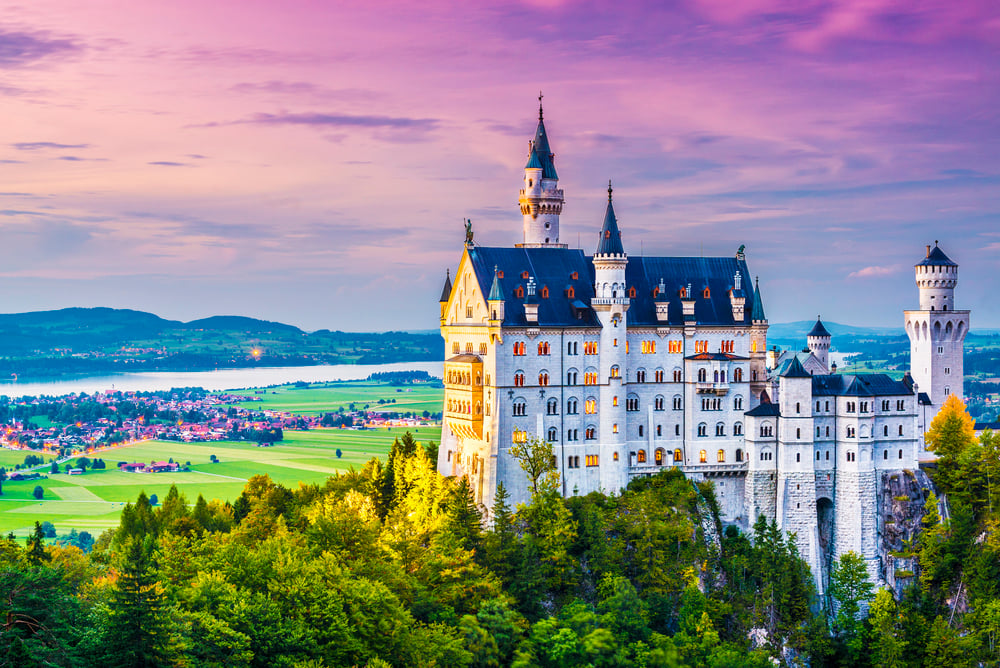
King Ludwig II of Bavaria picked possibly the most dramatic and impractical location imaginable for his fairy-tale castle—the top of a rugged Alpine peak that required blasting away huge chunks of rock just to create a foundation. Construction workers had to haul materials up steep mountain paths using primitive equipment, all while dealing with harsh weather and treacherous terrain.
The castle looks like something Disney would dream up, complete with towers and turrets that seem to sprout from the mountainside itself. Building it nearly bankrupted Bavaria, but Ludwig was obsessed with creating something that looked impossible, and he definitely succeeded.
Predjama Castle
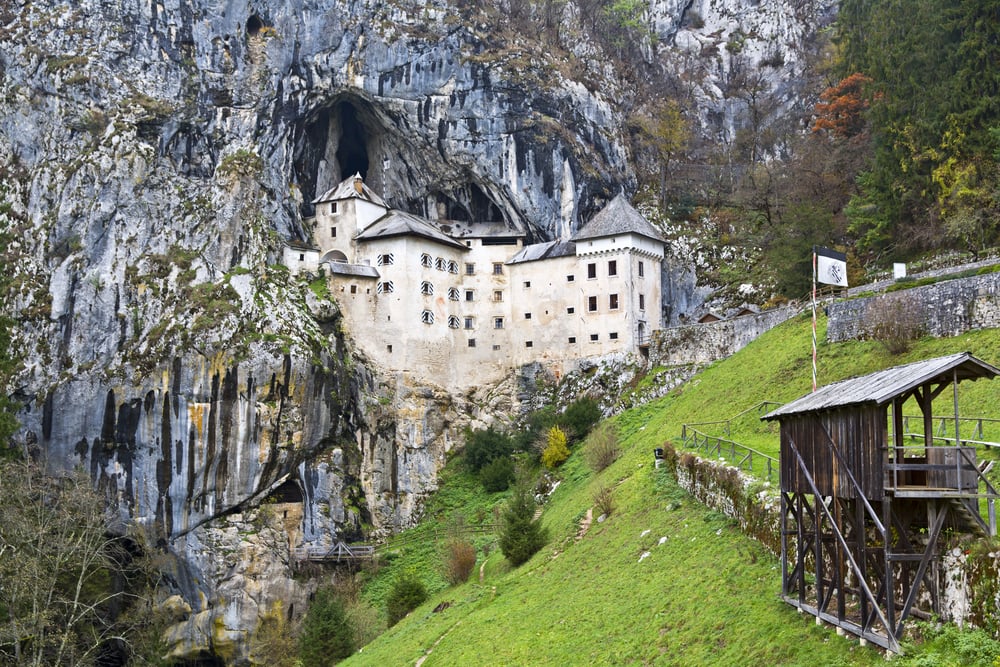
Slovenian builders took cave dwelling to the next level by constructing this castle directly into the mouth of a massive cave system, creating a fortress that’s literally part of the mountain. The rock face provides natural protection on three sides, while the front entrance is the only way in or out, making it practically siege-proof.
Secret passages connect to underground tunnels that lead deep into the cave system, giving defenders multiple escape routes that enemies couldn’t possibly block. It survived numerous attacks throughout history, with defenders sometimes holding out for over a year thanks to those hidden cave connections.
Kailasa Temple
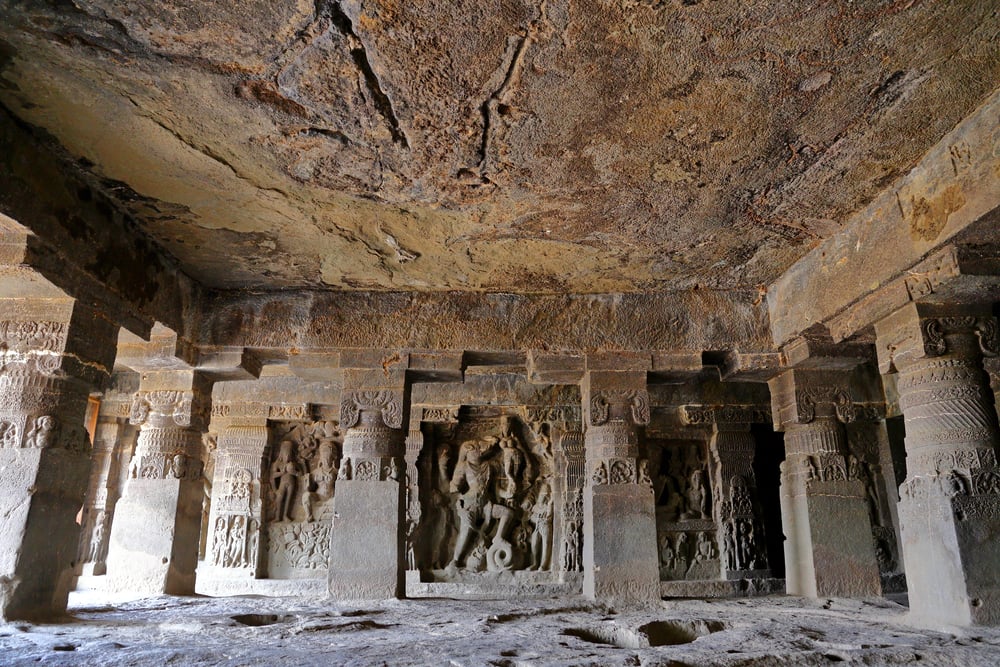
Indian stoneworkers at Ellora didn’t just carve a temple into a hillside—they carved downward through solid rock to create an entire temple complex that’s essentially a massive sculpture hollowed out from above. They started at the top of the cliff and worked their way down, removing an estimated 400,000 tons of rock using only hand tools and sheer determination.
The temple stands within a man-made quarry carved from the cliff itself, with intricate carvings covering every surface from floor to ceiling. Archaeologists still can’t figure out how they managed such precise engineering without modern equipment or even basic measuring tools.
Leh Palace
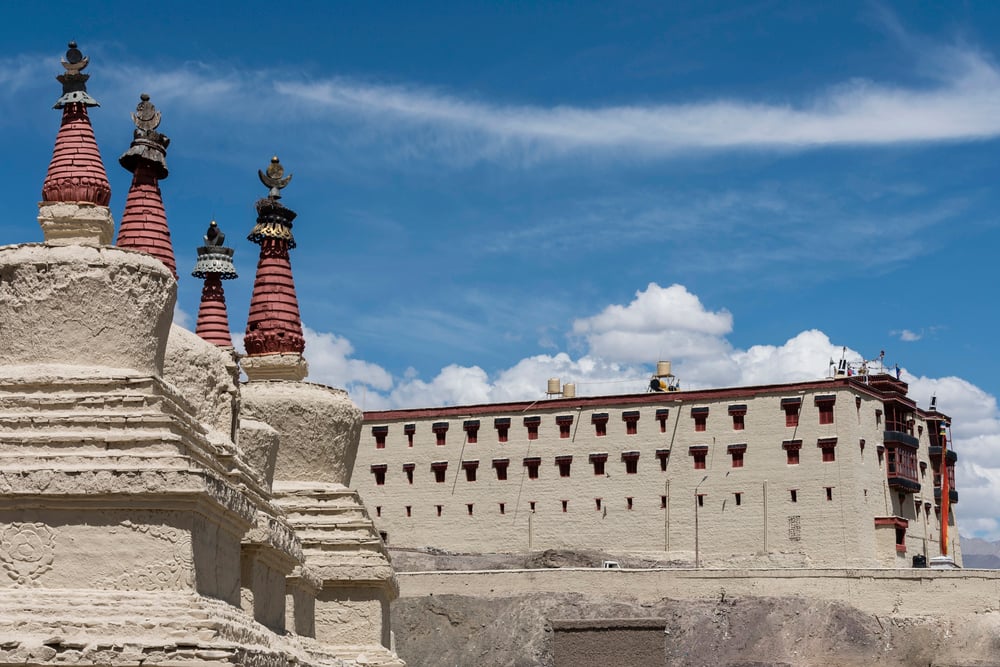
This nine-story Tibetan palace sits 11,500 feet above sea level in the Ladakh region, where the air is so thin that construction workers probably got winded just climbing the scaffolding. Builders had to work in extreme cold, high winds, and low oxygen conditions that would challenge modern construction crews equipped with all the latest gear.
The palace overlooks the entire Leh valley from its commanding position on a rocky outcrop, but getting materials up there must have been an absolute nightmare. Despite the brutal conditions, they managed to create a massive structure that’s survived centuries of earthquakes and harsh Himalayan weather.
Bran Castle

Romanian builders perched this medieval fortress on a rocky outcrop in the Carpathian Mountains, creating a defensive position that controls the narrow mountain pass below with an iron grip. The castle seems to grow right out of the cliff face, with walls that blend seamlessly into the natural rock formations surrounding it.
Getting building materials up the steep mountainside required incredible logistics, especially since they had to construct proper roads just to access the site. The dramatic location inspired countless vampire legends, though the real challenge was probably just keeping the construction workers from falling off the mountain.
Banaue Rice Terraces
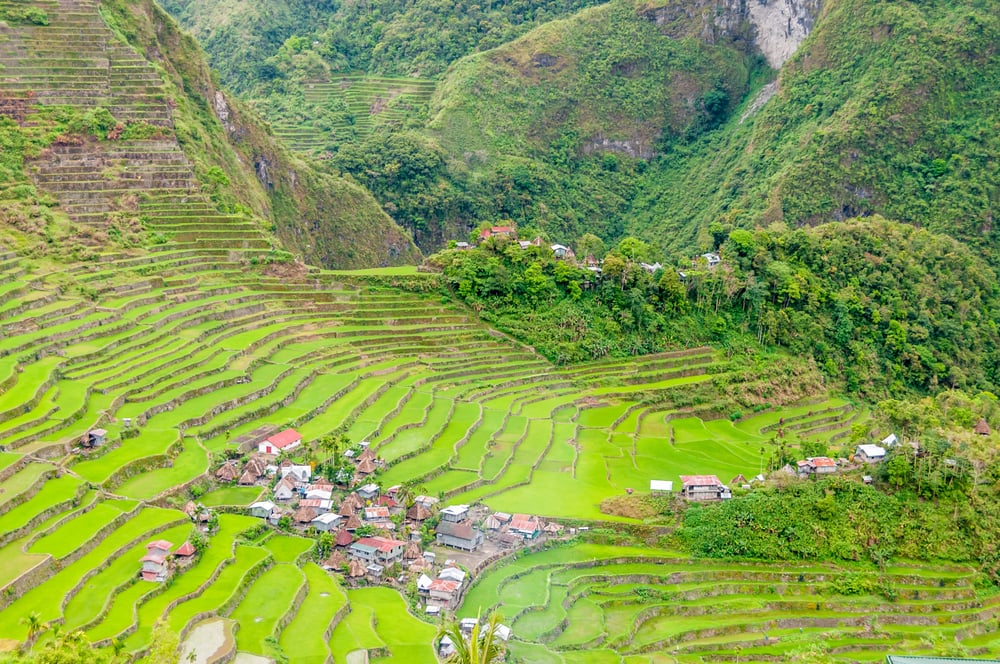
Filipino farmers carved these stepped terraces into steep mountain slopes over 2,000 years ago, creating an agricultural system that basically turned entire mountainsides into giant staircases. The engineering required to build irrigation channels that carry water down thousands of individual terraces without erosion is mind-boggling even by today’s standards.
They had to move massive amounts of earth and stone by hand, all while working on slopes so steep you need mountaineering gear to access some sections safely. Local tribes still maintain these terraces using the same techniques their ancestors developed, proving the original design was absolutely brilliant.
Sigiriya

Sri Lankan engineers built this royal complex on top of a 600-foot-tall volcanic rock formation that rises straight up from the jungle floor like a massive stone pillar. Getting to the summit requires climbing what feels like a vertical wall, but somehow ancient builders managed to haul enough materials up there to construct an entire palace complex.
The rock itself had to be carved and shaped to create level building platforms, while elaborate water gardens and pools were somehow installed at the summit. Frescoes painted on the sheer rock face halfway up show incredibly detailed artwork that required artists to work while hanging from ropes hundreds of feet above the ground.
Château de Foix

French builders constructed this medieval fortress on a rocky outcrop that towers over three river valleys, creating a defensive position that was virtually impossible to attack from any direction. The castle sits on such a narrow peak that there’s barely room for the structure itself, with walls that drop straight down into deep ravines on all sides.
Construction crews had to work on steep slopes while dealing with constant wind and weather exposure that made every day dangerous. The strategic location made it one of the most important fortresses in southern France, but building it required moving massive stone blocks up what amounts to a mountain-climbing route.
Sacré-Cœur

Parisian architects decided the highest point in the city needed a massive basilica, so they built Sacré-Cœur on top of Montmartre hill using a foundation system that had to deal with unstable soil and old gypsum mines underneath. The entire structure sits on 83 pillars driven deep into the ground to prevent the building from sinking into the honeycomb of caves and tunnels below.
Construction took over 40 years, partly because workers kept running into underground voids and had to constantly adjust their engineering approach. The white limestone exterior makes it visible from all over Paris, but the real achievement is keeping something that massive stable on such problematic ground.
Machu Picchu

Inca engineers somehow hauled massive granite blocks up to 8,000 feet elevation and fitted them together so precisely you can’t slide a knife blade between the joints, all without wheels, iron tools, or pack animals. The entire city sits on a narrow mountain ridge between two peaks, requiring extensive terracing just to create flat building surfaces on such steep terrain.
Water management systems channel mountain streams through the city using stone aqueducts that still function perfectly after 500 years of earthquakes and weather. Getting the raw materials up there would challenge modern construction crews with helicopters and heavy machinery, but the Inca did it using only human labor and ingenious engineering.
Hallstatt

Austrian builders constructed this alpine village on such a narrow strip of land between a massive lake and steep mountains that houses basically stack on top of each other climbing up the mountainside. Every building site had to be carved out of the slope, with some houses literally built into the rock face to save space.
The village sits in a valley so narrow that sunlight only reaches it for a few hours each day during winter months, making construction timing absolutely critical. Getting materials into such a confined space required moving everything by boat across the lake, then hauling it up steep paths that barely qualify as roads even today.
Gravity-Defying Legacies
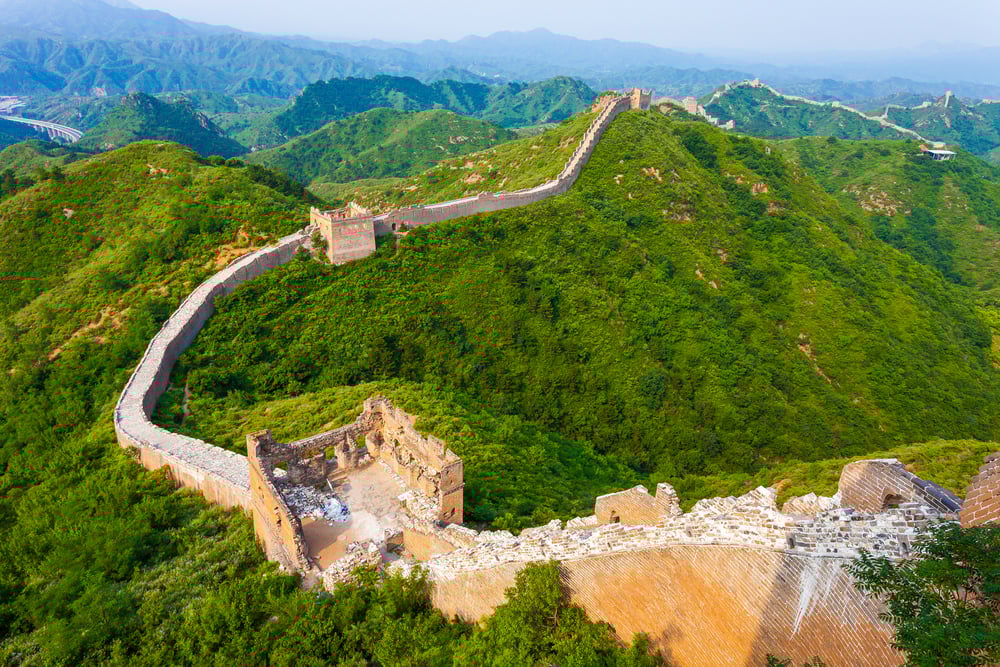
These impossible constructions remind us that humans have always found ways to build exactly where they wanted, regardless of what nature threw at them. Each structure represents countless workers who figured out solutions to problems that would make modern engineers scratch their heads and reach for computer modeling software.
Whether driven by religious devotion, military necessity, or just plain stubbornness, these builders refused to let physics get in their way. The next time you complain about a difficult home improvement project, remember these folks managed to build entire cities and castles in places where just getting to work every morning was a life-threatening adventure.
More from Go2Tutors!

- The Romanov Crown Jewels and Their Tragic Fate
- 13 Historical Mysteries That Science Still Can’t Solve
- Famous Hoaxes That Fooled the World for Years
- 15 Child Stars with Tragic Adult Lives
- 16 Famous Jewelry Pieces in History
Like Go2Tutors’s content? Follow us on MSN.