15 Architecture Marvels Built in Record Time
Throughout history, architectural achievements have often been measured by their grandeur, innovation, and beauty—rarely by the speed of their construction. Yet some of the world’s most impressive structures rose from empty plots to finished landmarks in timeframes that seem almost impossible. These accelerated building projects combine cutting-edge engineering, innovative construction techniques, and sometimes just sheer human determination to accomplish what conventional timelines deemed unthinkable.
Here is a list of 15 architectural marvels that were completed in astonishingly short timeframes, demonstrating how human ingenuity can compress years of work into mere months or even days.
Empire State Building

This iconic 102-story skyscraper went from groundbreaking to completion in just 410 days during the early 1930s. Workers assembled the steel frame at a rate of about four and a half floors per week, with the entire structure requiring 7 million hours of labor spread across 3,400 workers.
The building’s rapid construction resembled a vertical assembly line, with materials arriving just in time to be hoisted into position—an early example of lean construction techniques before the concept formally existed.
Burj Khalifa

The world’s tallest building reached its full height of 2,717 feet in just six years, with construction moving at approximately one floor every three days at its peak efficiency. Builders used a specially designed concrete that could be pumped to unprecedented heights and would set despite Dubai’s extreme heat.
The construction crews worked around the clock in shifts, with the spire being assembled inside the building and then lifted into place like a telescope extending upward.
Like Go2Tutors’s content? Follow us on MSN.
Pentagon

The world’s largest office building was constructed in just 16 months during World War II, an almost unfathomable pace for a structure spanning 6.5 million square feet. Workers poured concrete 24 hours a day, with peak daily progress including 25,000 cubic yards of concrete and the installation of 10 miles of ducts.
The massive workforce of 13,000 laborers lived in nearby hastily-built housing, making the construction site temporarily one of Virginia’s largest population centers.
Beijing National Stadium
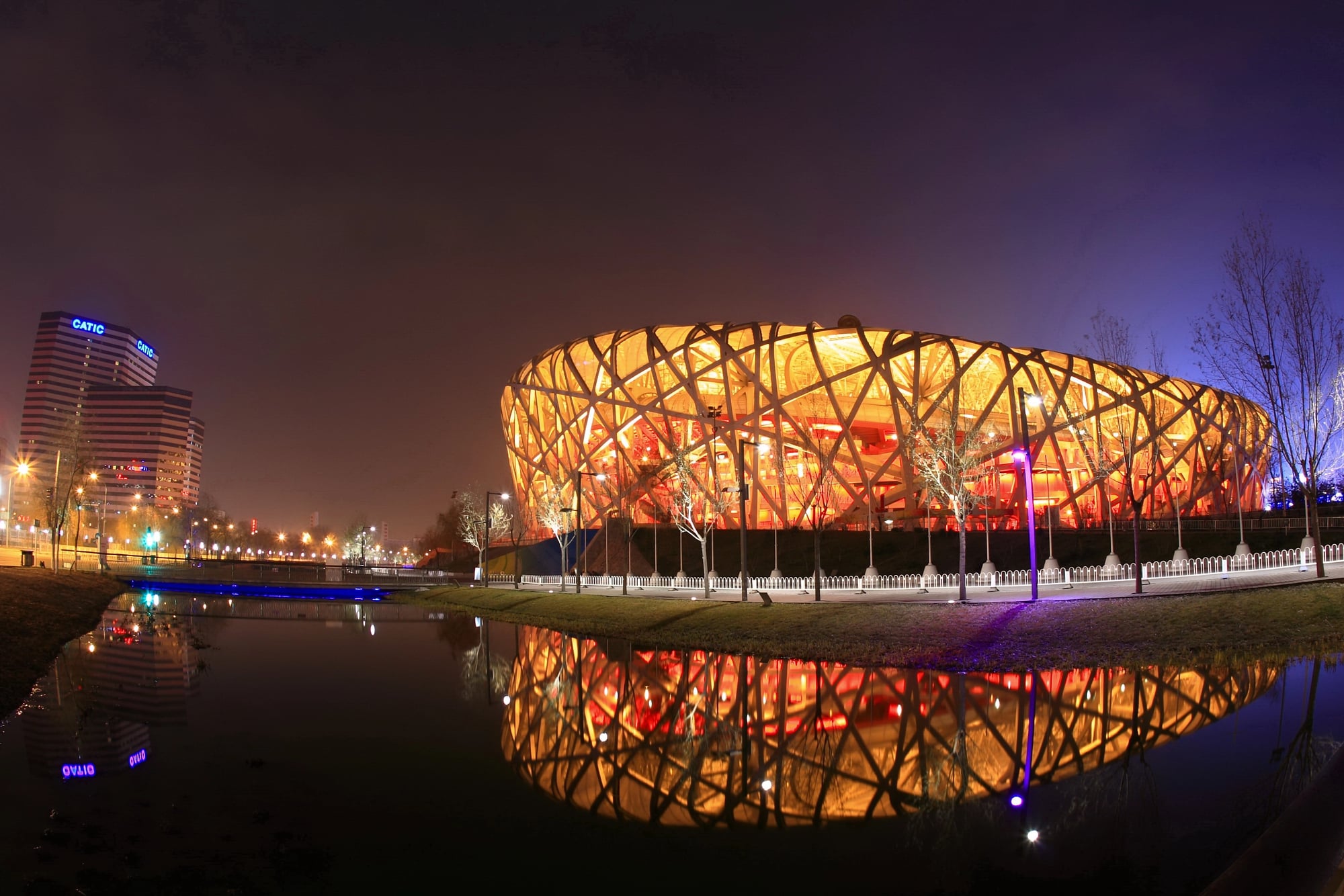
Known as the ‘Bird’s Nest,’ this Olympic venue went from design to completion in just five years despite its incredibly complex steel structure. The stadium’s distinctive latticed exterior required precise placement of 42,000 tons of steel, with some sections being pre-assembled on the ground and then lifted into position.
The accelerated schedule became even more impressive considering that construction halted for nearly a year for design reviews and safety considerations before resuming at an even faster pace.
Venetian Macao
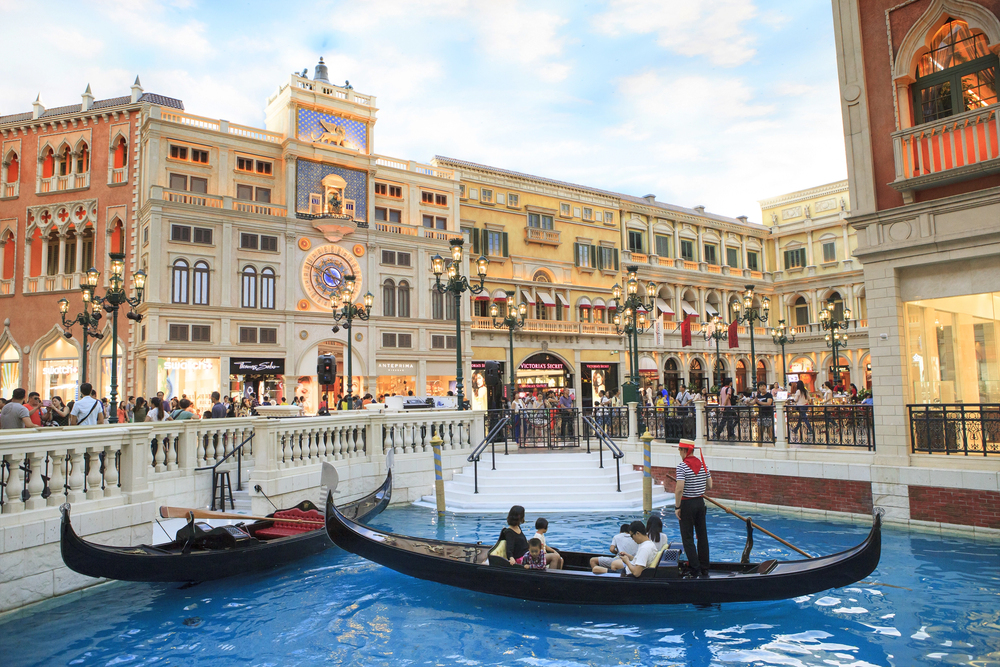
This massive integrated resort became the largest single hotel building in Asia and the second-largest building in the world when it opened after just three years of construction. The complex contains enough steel to build 20 Eiffel Towers and features canals with genuine Venetian gondolas transported from Italy.
The construction schedule required managing over 15,000 workers at peak times, with prefabricated sections being assembled off-site and then installed to maintain the aggressive timeline.
Like Go2Tutors’s content? Follow us on MSN.
Prefabricated Hospital in Wuhan

In response to the COVID-19 pandemic, China constructed the 1,000-bed Huoshenshan Hospital in just 10 days in early 2020. The facility spanned 645,000 square feet and was built by 7,000 workers operating in round-the-clock shifts.
Builders used prefabricated units that could be quickly connected to the main infrastructure, creating a fully functional hospital comparable to permanent facilities but assembled at an unprecedented speed.
Crystal Palace

This massive glass and iron exhibition hall constructed for the Great Exhibition of 1851 in London went from design to completion in just nine months. The modular building used standardized components that could be mass-produced off-site, with the final assembly requiring only six months.
The structure covered 19 acres and incorporated 293,655 panes of glass, yet workers could assemble 80 panes per hour thanks to the ingenious standardized design by Joseph Paxton.
Broad Group Tower
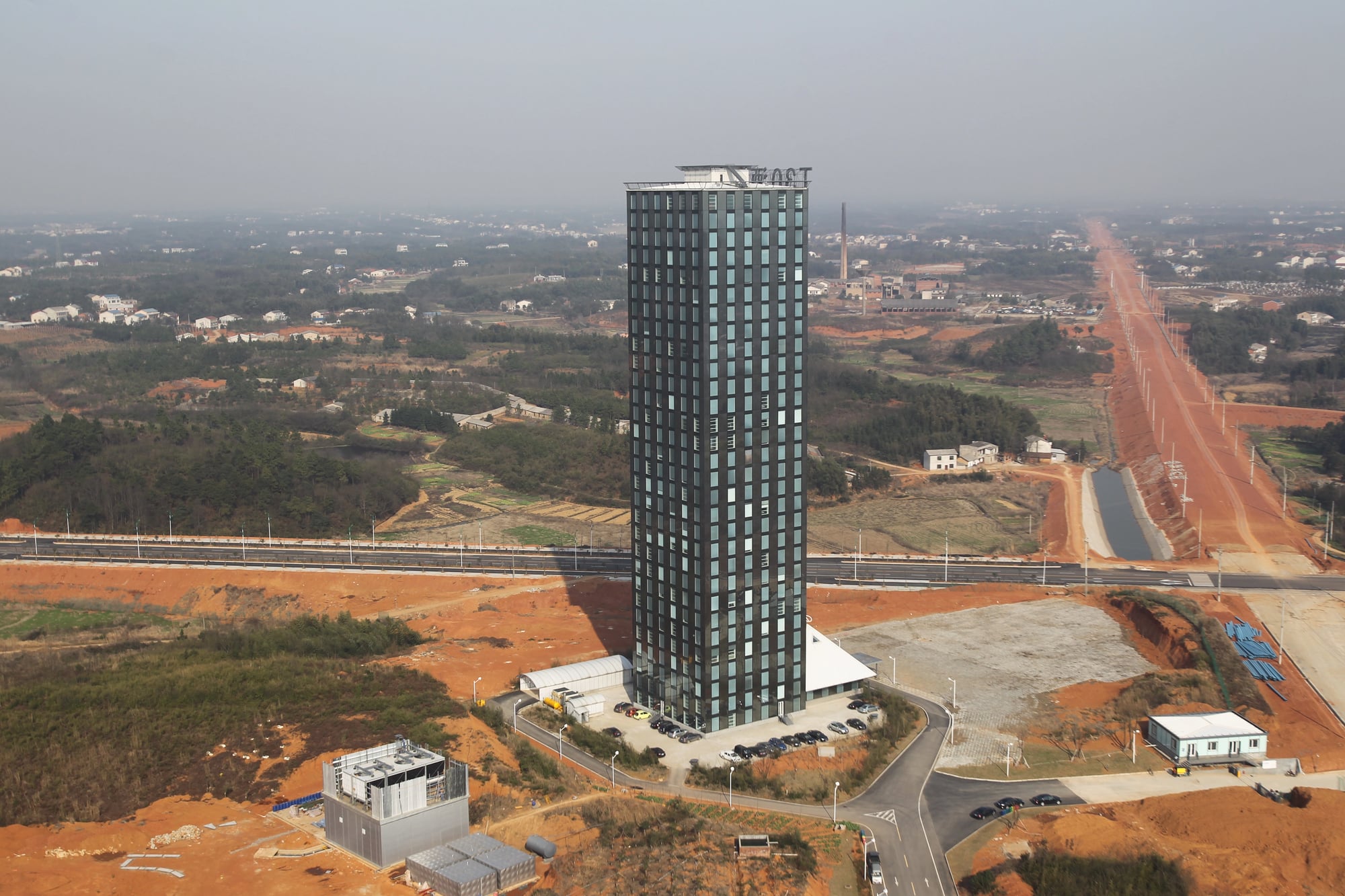
This 57-story skyscraper in Changsha, China, stunned the world by going from groundbreaking to completion in a mere 19 days. The building used prefabricated modules complete with plumbing, electrical wiring, and interior finishes that simply needed to be bolted together on-site.
The construction method reduced waste by 99% compared to traditional methods and created a building that exceeds earthquake resistance standards while using only a fraction of the typical construction time.
Like Go2Tutors’s content? Follow us on MSN.
Le Grand Louvre
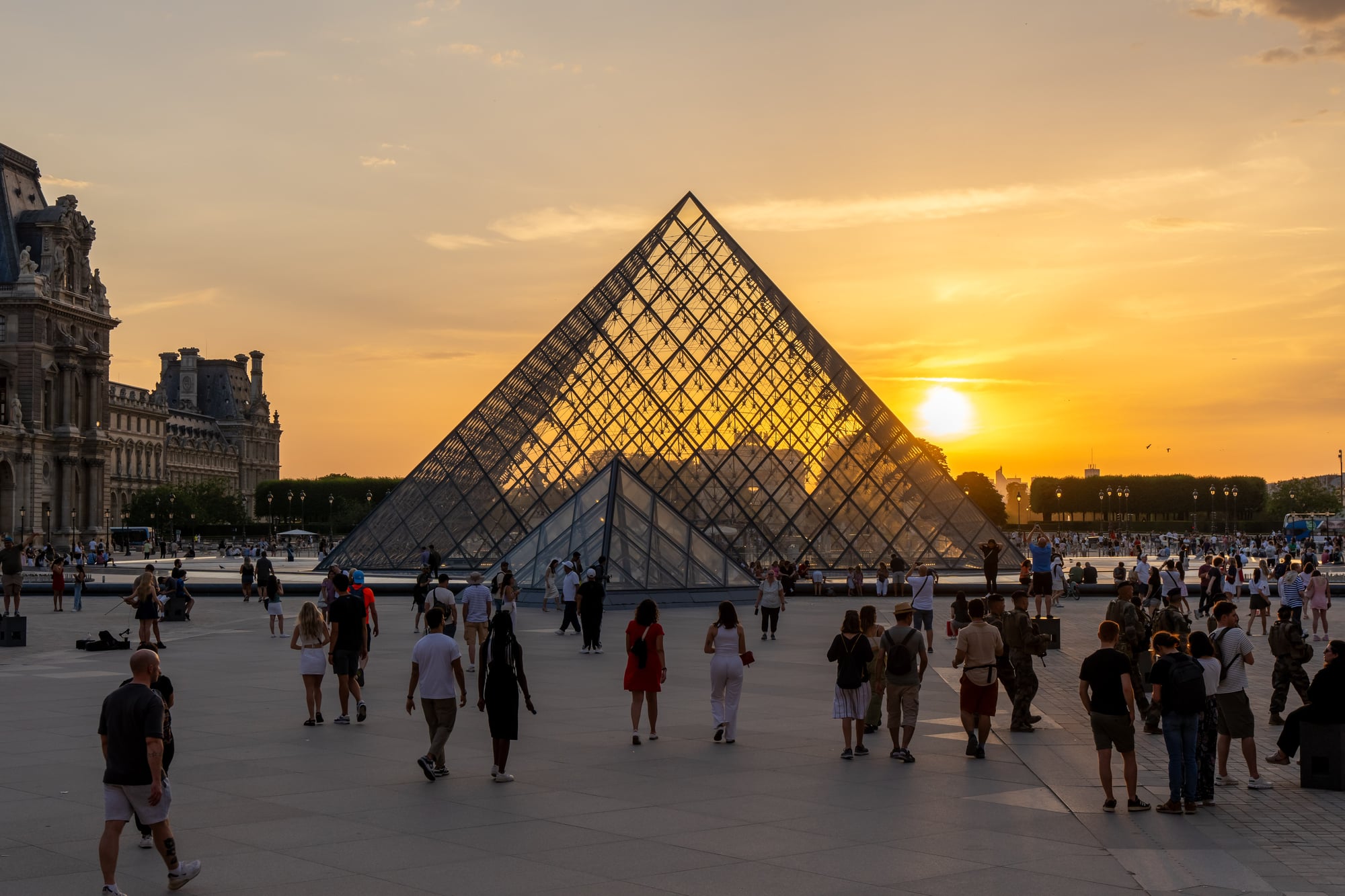
The iconic glass pyramid designed by I.M. Pei at the Louvre Museum in Paris was constructed in just two years, a remarkable achievement given its complex geometry and exacting specifications. Each of the 675 glass panels had to be precision-manufactured to create the perfect pyramid shape, with no room for error in the supporting structure.
The construction team had to work around priceless artworks and an operational museum, adding layers of complexity to an already ambitious timeline.
Taj Mahal

This marble masterpiece was completed in approximately 22 years—a surprisingly short period considering the 17th-century construction methods available. The workforce of 20,000 artisans and laborers created intricate marble inlays and perfect symmetry without modern tools or equipment.
The construction speed becomes even more impressive considering that materials were transported to the site by over 1,000 elephants and countless ox-drawn carts from quarries hundreds of miles away.
Bolshoy Ice Dome
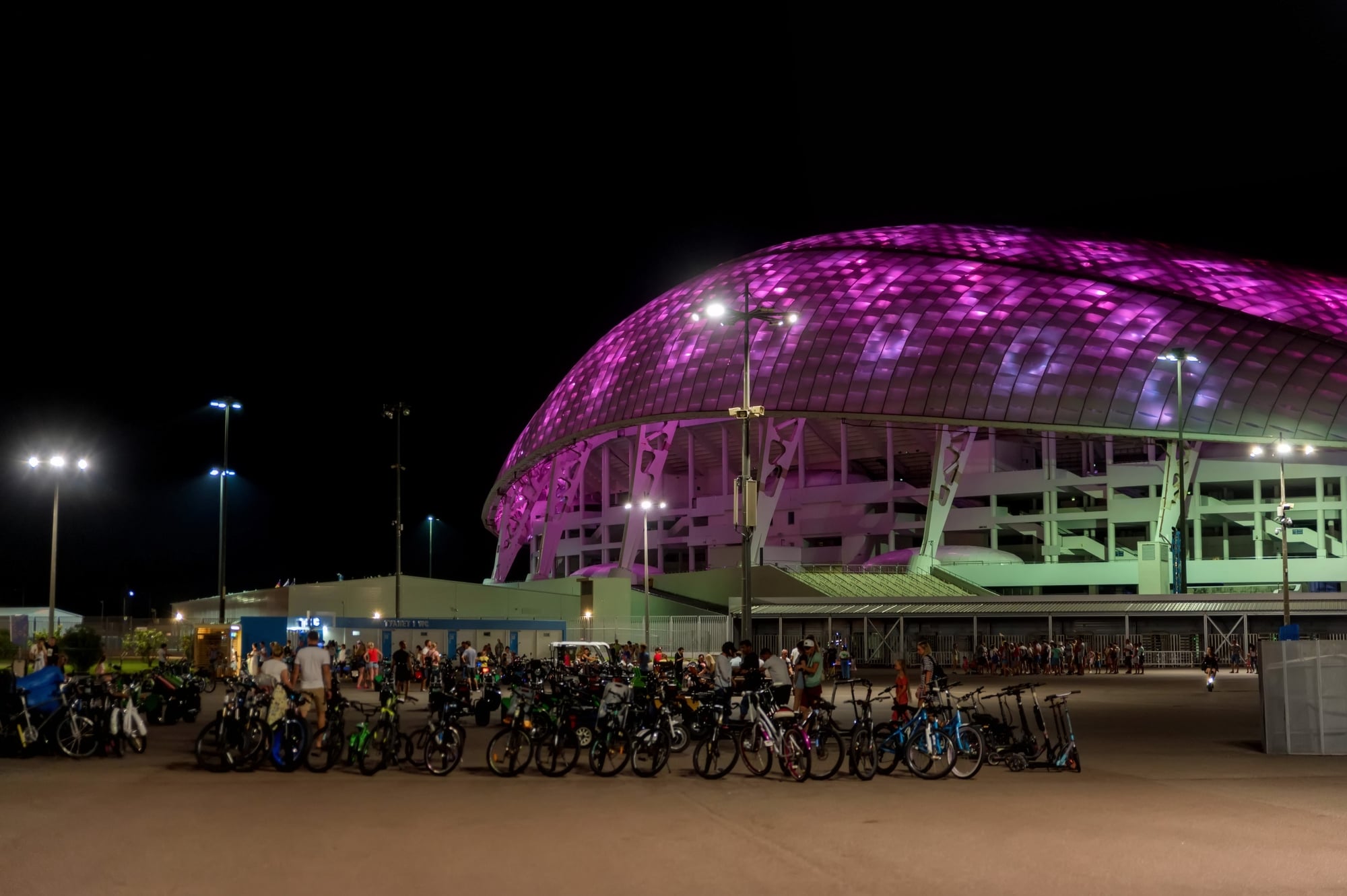
This 12,000-seat arena built for the 2014 Sochi Winter Olympics was constructed in just three years, with its complex dome shape presenting significant engineering challenges. The structure’s distinctive roof resembles a frozen droplet and features the world’s largest translucent polycarbonate dome, requiring precise installation methods.
Construction crews worked through harsh winter conditions to meet the immovable Olympic deadline, often adjusting designs on the fly to overcome unforeseen challenges.
Like Go2Tutors’s content? Follow us on MSN.
The Shard
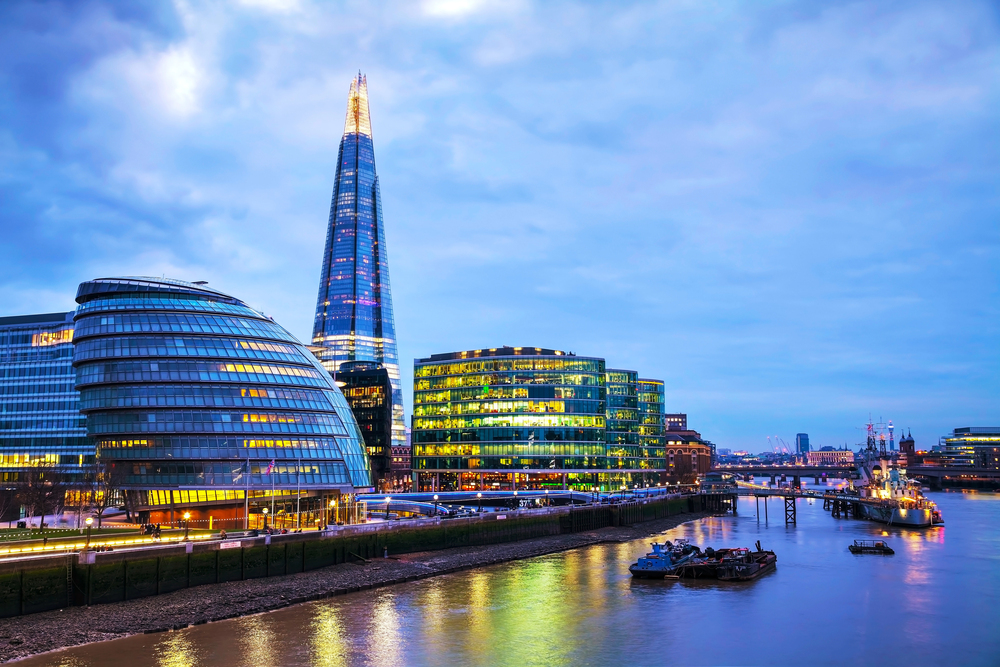
London’s 95-story glass tower went from groundbreaking to completion in just three years between 2009 and 2012. The building’s distinctive tapering design required innovative engineering solutions, with each facade panel being unique in size and angle.
Construction crews often had to work in confined spaces with materials arriving just-in-time due to the tight urban location, making the rapid completion even more impressive.
Lakepoint Sports Complex
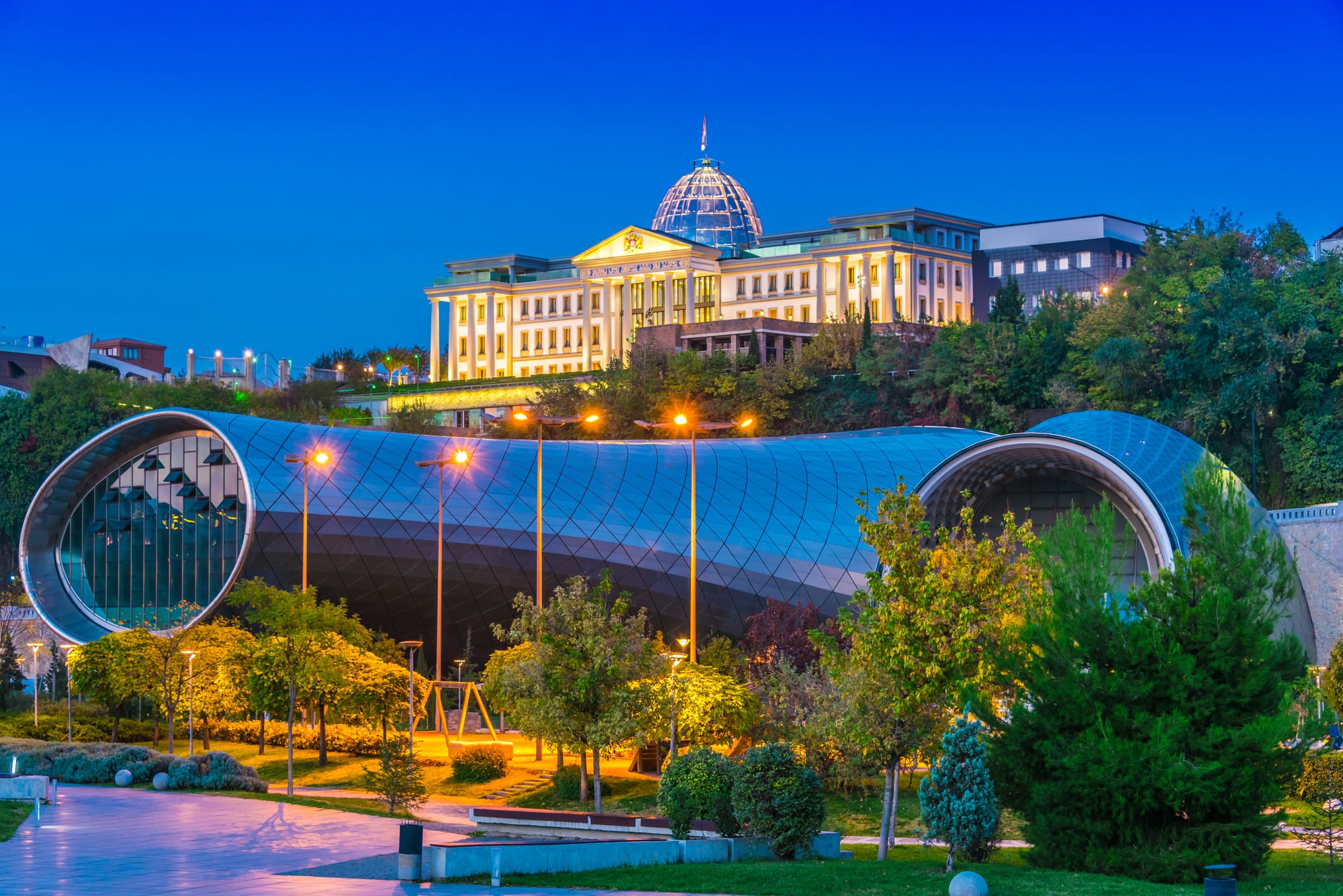
This massive youth sports facility in Georgia became the world’s largest sports vacation destination when it opened just 11 months after breaking ground. The complex includes 24 baseball fields, 10 multi-purpose fields, and numerous indoor facilities spread across 1,400 acres.
Contractors used GPS-guided machinery and 3D modeling to precisely grade playing surfaces and install drainage systems simultaneously across dozens of fields, allowing construction to progress at unprecedented speed.
The Guggenheim Bilbao
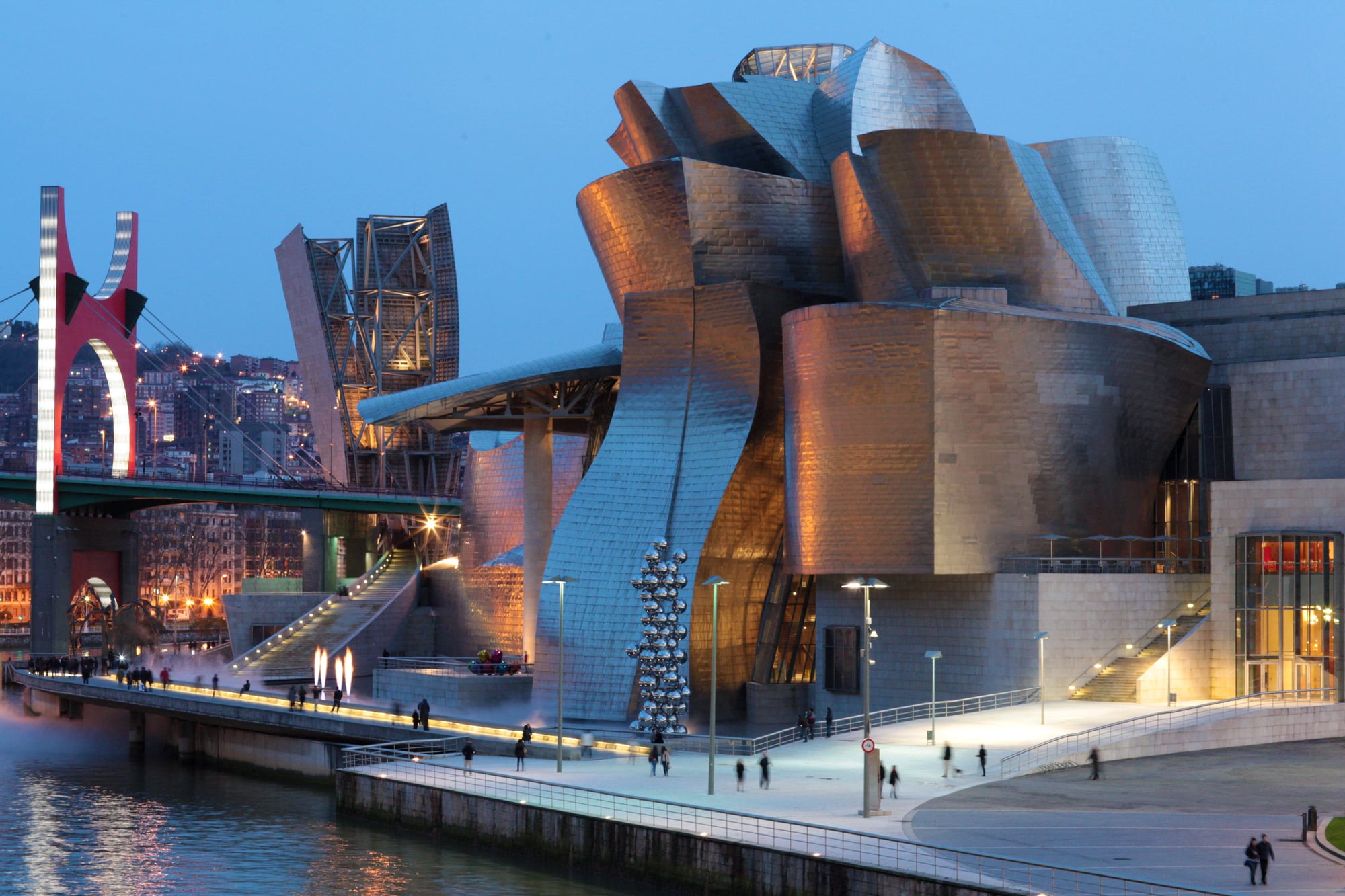
Frank Gehry’s masterpiece in Spain went from design to completion in just four years, a remarkable achievement given its revolutionary curved titanium exterior. The building’s complex geometries required pioneering use of 3D computer modeling software originally developed for aerospace engineering.
Construction crews had to develop new techniques for attaching the 33,000 titanium panels, each with unique dimensions and curves, to the building’s frame.
Like Go2Tutors’s content? Follow us on MSN.
The Salesforce Tower

San Francisco’s tallest building rose from foundation to its full 1,070-foot height in under four years despite challenging soil conditions and strict seismic requirements. The tower’s foundation extends 310 feet below ground, actually deeper than any other building in the city is tall.
Construction crews developed innovative concrete pouring techniques to create a continuous foundation that could transfer the building’s enormous weight to bedrock while resisting earthquake forces.
Impressive Feats of Construction

These remarkable structures demonstrate that ambitious architectural visions can be realized on timelines once thought impossible. From ancient wonders built with primitive tools to modern skyscrapers utilizing advanced prefabrication techniques, the evolution of fast-track construction continues to push boundaries.
As building technology advances with innovations like 3D printing and AI-optimized construction sequencing, tomorrow’s architectural marvels may rise even faster while setting new standards for safety, sustainability, and design excellence.
More from Go2Tutors!

- 16 Restaurant Chains That Went Too Fast
- 12 Things Sold in the 80s That Are Now Illegal
- 15 Strange Things People Have Tried to Ban (And Failed)
- 16 Collectibles People Tossed Out Too Soon
- 17 Myths from Your Childhood That Were Actually Based on Real Things
Like Go2Tutors’s content? Follow us on MSN.



