15 Brain Tricks That Actually Work
Have you ever wished you could nudge your brain to perform just a little bit better? Turns out, our minds are pretty amazing, and with a few simple tricks, you can actually improve your focus, memory, and even how you interact with others. It’s less about complex neuroscience and more about understanding how your brain prefers to work.
Here is a list of 15 brain tricks that actually work, making your daily life a bit smoother and more efficient.
The Pomodoro Technique (Boost Your Focus)

This trick involves breaking down your work into focused 25-minute intervals, separated by short breaks. When you know a break is coming soon, your brain is more willing to knuckle down and concentrate intensely.
This method helps prevent burnout and keeps your mental energy high throughout the day, improving sustained attention.
The Memory Palace (Recall Information Easily)

Imagine a familiar place, like your house, and then mentally ‘place’ information you want to remember in specific spots within it. When you need to recall that information, you simply take a mental stroll through your memory palace.
This technique links new information to existing spatial memories, making retrieval much easier, especially for lists or sequences.
Like Go2Tutors’s content? Follow us on MSN.
The Two-Minute Rule (Beat Procrastination)
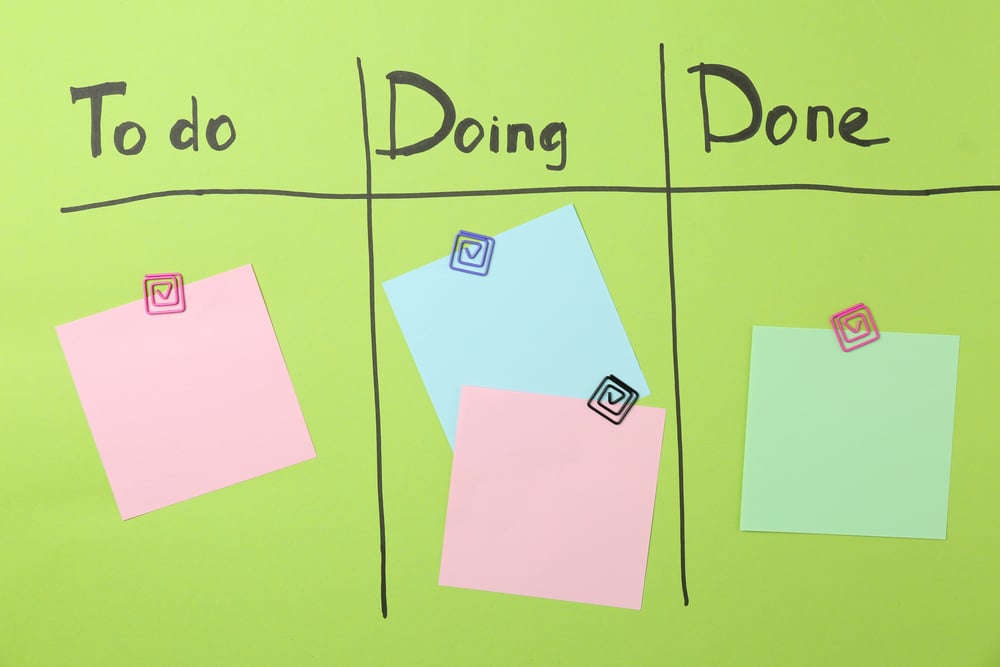
If a task takes less than two minutes to complete, do it immediately. This simple rule helps you tackle small chores before they pile up and become overwhelming.
It builds momentum and reduces the mental load of a growing to-do list, making larger tasks feel less intimidating.
The Feynman Technique (Learn Faster)

To truly understand something, try to explain it in simple terms to someone else, as if they were a child. This process forces you to clarify your thoughts, identify gaps in your understanding, and simplify complex ideas.
If you can’t explain it simply, you probably don’t understand it well enough yet, highlighting areas for further study.
The Reciprocity Principle (Influence Others)

When you do something nice for someone, they often feel compelled to do something nice for you in return. This is a fundamental social principle.
Offering a small favor or gesture can create a sense of obligation, making people more willing to help you out later, which is useful in many social interactions.
Like Go2Tutors’s content? Follow us on MSN.
Mirroring Body Language (Build Rapport)

Subtly mimicking someone’s posture, gestures, or expressions can make them feel more comfortable and connected to you. It’s a subconscious way of building rapport and signaling that you’re on the same wavelength.
Just be careful not to overdo it; subtlety is key to making this trick work naturally.
The Sunk Cost Fallacy (Avoid Bad Decisions)

Our brains tend to justify continued investment in something, even if it’s clearly failing, just because we’ve already invested time or resources. Recognizing this bias can help you cut your losses and make more rational decisions, rather than throwing good money after bad.
Saving you from further setbacks.
The Zeigarnik Effect (Remember Tasks)

Unfinished tasks tend to stick in our minds more than completed ones. If you’re struggling to remember to do something, start it, then intentionally pause before finishing.
Your brain will keep it at the forefront of your thoughts until it’s done, acting as an internal reminder.
Like Go2Tutors’s content? Follow us on MSN.
The Priming Effect (Set the Mood)

Exposure to certain words, images, or ideas can subtly influence your subsequent thoughts and actions. For example, seeing happy faces before a task might make you approach it with a more positive attitude.
You can use this by surrounding yourself with things that promote the mindset you desire, impacting your overall outlook.
The Halo Effect (Forming Impressions)

When you perceive someone positively in one area, you’re more likely to see them positively in other, unrelated areas. This is why first impressions are so important.
A good first impression can create a ‘halo’ that makes others view your other qualities more favorably, influencing their overall perception.
The Door-in-the-Face Technique (Negotiate Effectively)

Start by making a large request that you expect to be rejected. After the rejection, follow up with a smaller, more reasonable request – the one you actually wanted all along.
The second request seems more acceptable by comparison, increasing your chances of success in negotiations.
Like Go2Tutors’s content? Follow us on MSN.
The Foot-in-the-Door Technique (Gain Compliance)

This trick is the opposite of ‘door-in-the-face.’ Start with a small, easy request that someone is likely to agree to.
Once they’ve said yes to the small request, they’re more likely to agree to a larger, related request later on, building commitment incrementally.
The Serial Position Effect (Optimize Memory)

When you’re presented with a list of items, you’re most likely to remember the first few and the last few. This is why speakers often put their most important points at the beginning and end of a presentation.
You can use this to your advantage when studying or making a shopping list, arranging items for optimal recall.
Spaced Repetition (Retain Knowledge)

Instead of cramming, review information at increasing intervals over time. For example, review something today, then in three days, then a week, and so on.
This method leverages how your memory works, moving information from short-term to long-term storage much more effectively, enhancing long-term retention.
Like Go2Tutors’s content? Follow us on MSN.
Mental Contrasting (Achieve Goals)

This trick involves visualizing your desired outcome, then immediately contrasting it with the obstacles that might stand in your way. This isn’t just wishful thinking; it helps you identify potential problems and create a realistic plan to overcome them.
Making you more likely to achieve your goals by addressing challenges proactively.
The Mind’s Ingenuity

Our brains are always working in fascinating ways, and by understanding a few of these clever mechanisms, we can better navigate our daily lives. From remembering names to tackling daunting tasks, these subtle brain tricks are not about manipulating others or ourselves, but rather about working with our natural cognitive tendencies.
Embracing these simple insights allows us to be more effective, more focused, and ultimately, more successful in achieving what we set out to do, leveraging the brain’s inherent capabilities.
More from Go2Tutors!

- 16 Historical Figures Who Were Nothing Like You Think
- 12 Things Sold in the 80s That Are Now Illegal
- 15 VHS Tapes That Could Be Worth Thousands
- 17 Historical “What Ifs” That Would Have Changed Everything
- 18 TV Shows That Vanished Without a Finale
Like Go2Tutors’s content? Follow us on MSN.