15 Breweries With the Wildest Backstories
Most people think starting a brewery is just about loving beer and having a decent recipe. While that helps, some of the most successful brewing operations have origin stories that sound more like Hollywood scripts than business plans. From former priests to reformed criminals, these breweries prove that sometimes the best beer comes from the most unexpected places.
Here’s a list of 15 breweries whose founding stories will make you appreciate your next pint even more.
Dogfish Head Craft Brewery
— Photo by homank76
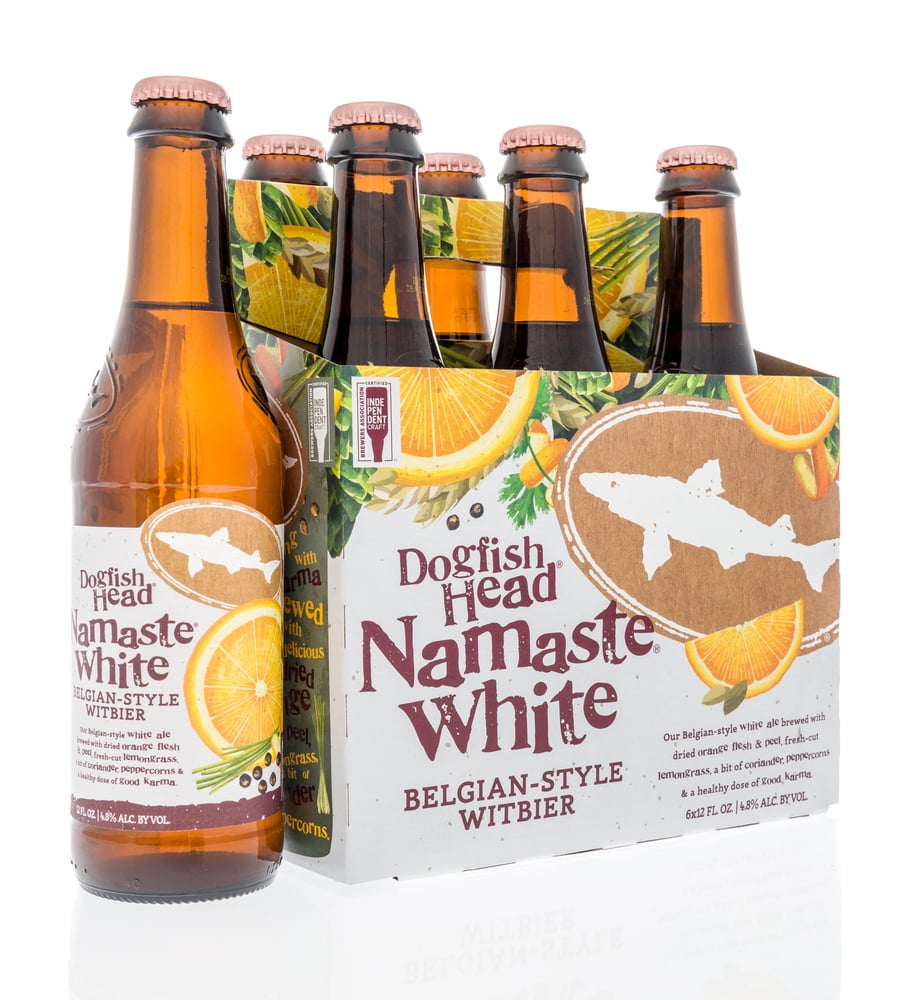
Sam Calagione started Dogfish Head in 1995 with equipment so small he had to brew multiple times just to fill a single fermenter. His first brewing system was cobbled together from a propane burner, turkey fryer, and whatever metal containers he could find at restaurant supply stores. The Delaware brewery became famous for ‘continual hopping’ – adding hops throughout the brewing process rather than at set intervals, which Calagione accomplished by rigging up a vibrating football game that would shake hops into the boil every few minutes.
Stone Brewing
Greg Koch and Steve Wagner launched Stone Brewing in 1996 with a mission to demolish bland American beer culture, and they weren’t subtle about it. Their bottle caps carried messages like ‘You’re Not Worthy’ and their marketing campaigns openly mocked macro breweries and their customers. The San Diego brewery’s aggressive approach worked so well that they became one of the largest craft brewers in America while maintaining their reputation for hop-forward beers that could strip paint.
Yuengling Brewery
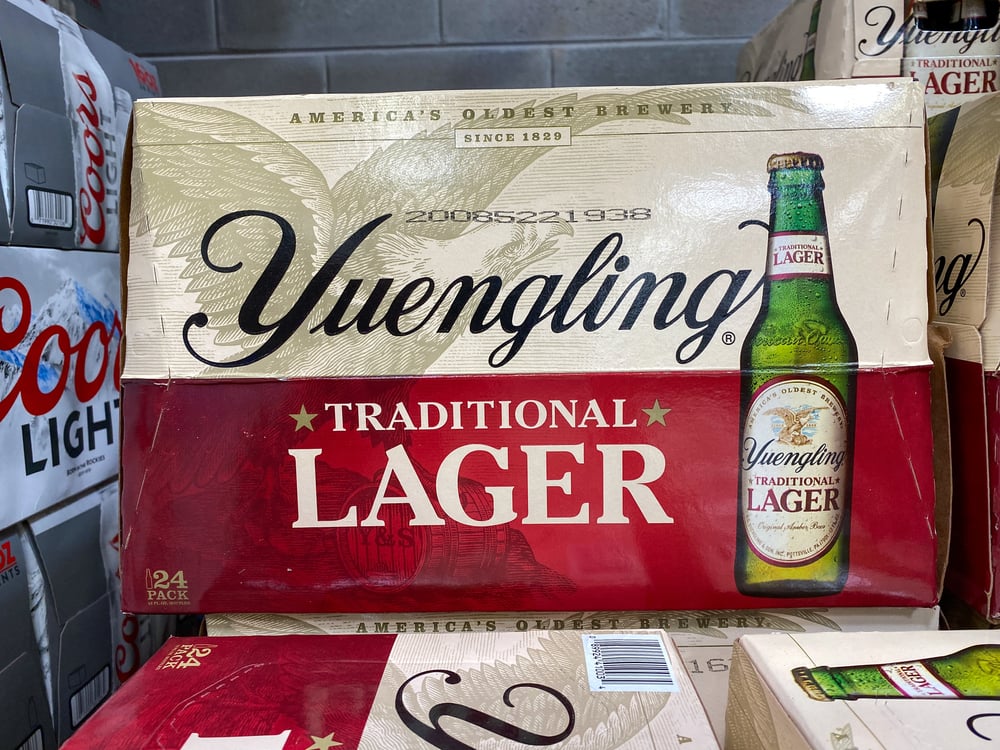
— Photo by Jshanebutt
America’s oldest operating brewery has survived Prohibition, the Great Depression, and five generations of family ownership since 1829. During Prohibition, the Yuengling family kept their Pennsylvania brewery alive by producing ice cream and near-beer, then celebrated the end of the dry era by sending a truckload of beer to President Franklin D. Roosevelt. The brewery still operates from the same hillside caves where German immigrant David Yuengling first started brewing, and family members continue to run the operation nearly two centuries later.
New Belgium Brewing
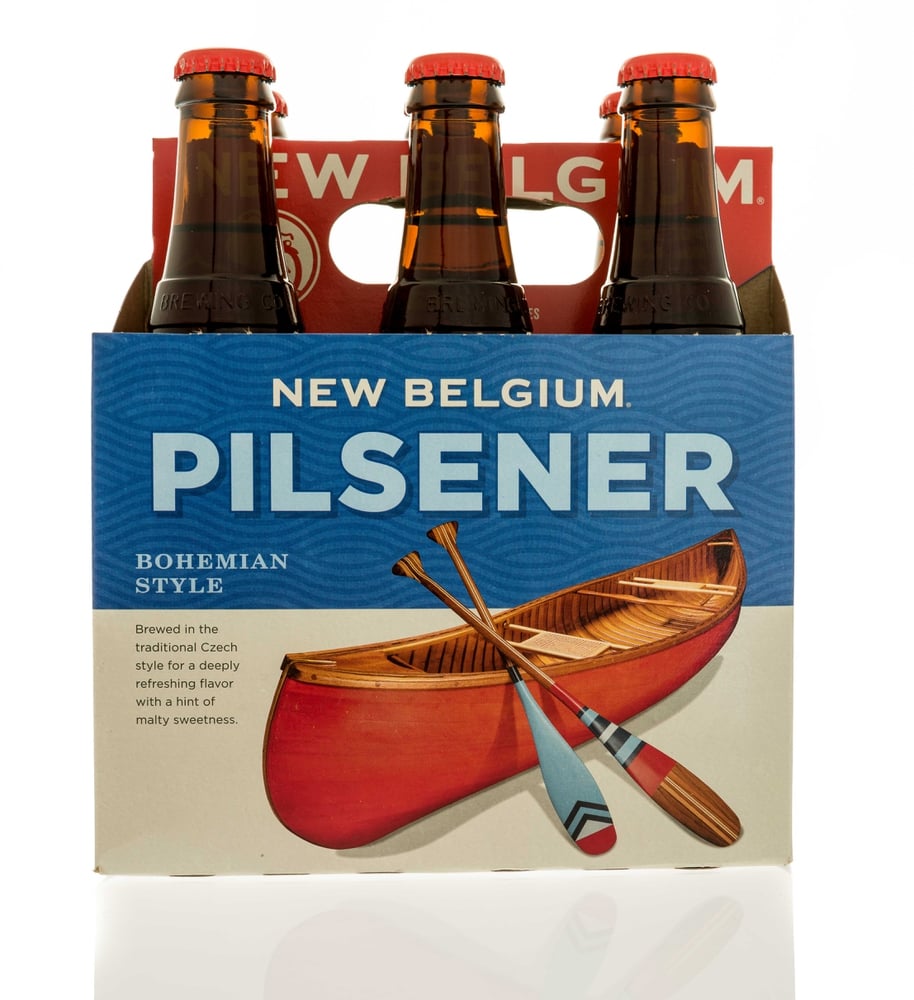
— Photo by homank76Winneconne, WI – 7 January 2017: Six pack of New Belgium pilsener beer on an isolated background.
Jeff Lebesch founded New Belgium after a bicycle trip through Belgium opened his eyes to the country’s beer traditions, but the real story is how his wife Kim Jordan transformed their basement hobby into a business empire. She handled the business side while Jeff focused on brewing, and her decision to make New Belgium employee-owned turned their workers into passionate advocates for the brand. The Fort Collins brewery became the first wind-powered brewery in America and pioneered sustainable brewing practices that other companies now copy.
Sierra Nevada Brewing
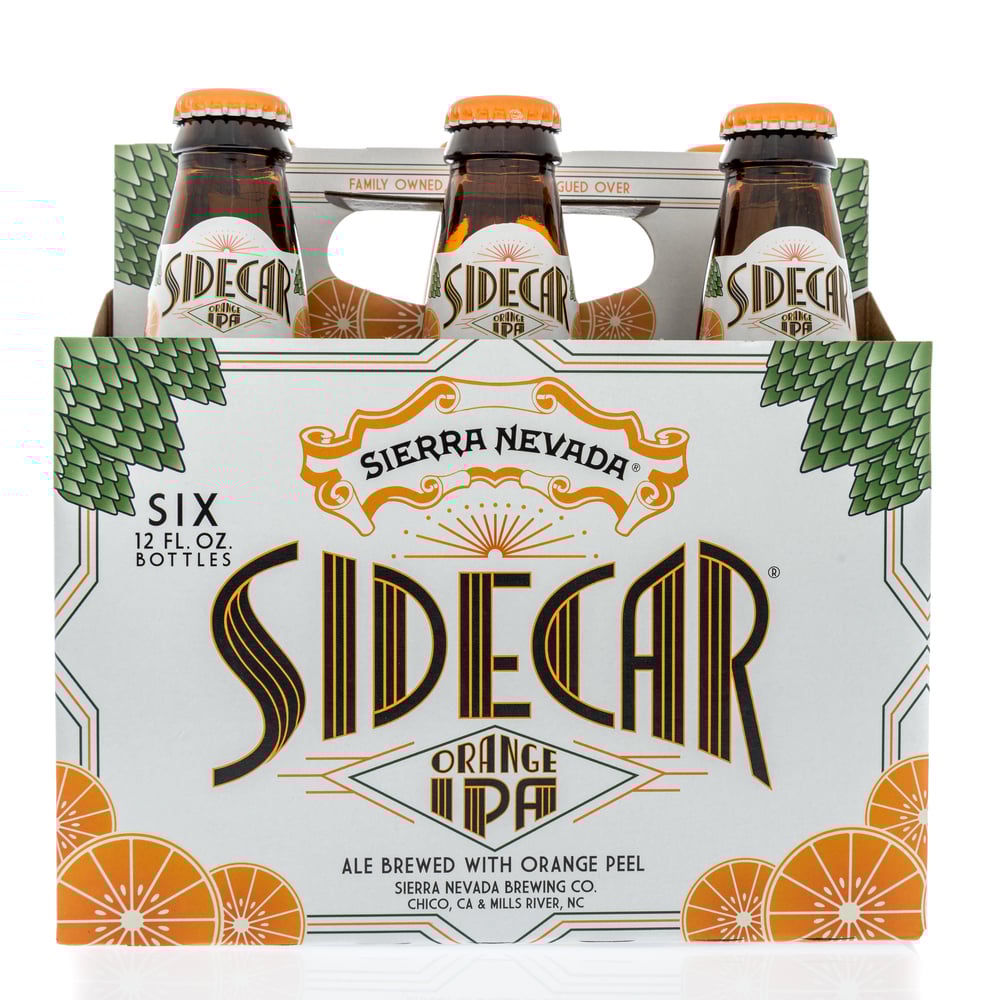
— Photo by homank76
Ken Grossman built Sierra Nevada’s original brewing equipment by hand in the 1970s, welding together dairy tanks and modifying restaurant equipment because commercial brewing systems were too expensive. He taught himself welding, plumbing, and electrical work to construct what became one of the most influential breweries in America. The Chico brewery’s Pale Ale introduced American beer drinkers to the intense hop flavors that would define the craft beer movement, and Grossman’s DIY approach inspired countless other homebrewers to go professional.
Bell’s Brewery

Larry Bell started Bell’s in 1985 with a $9,000 loan and a 15-gallon soup kettle he used as his first brewing vessel in a storefront in Kalamazoo, Michigan. His early batches were so inconsistent that he couldn’t sell them to bars, so he convinced local restaurants to serve his beer for free just to get feedback. Bell’s breakthrough came when he created Oberon, a wheat beer that became so popular in Michigan that its annual release triggers statewide celebrations and beer fans camp out at stores to buy the first cases.
The Trappist Breweries
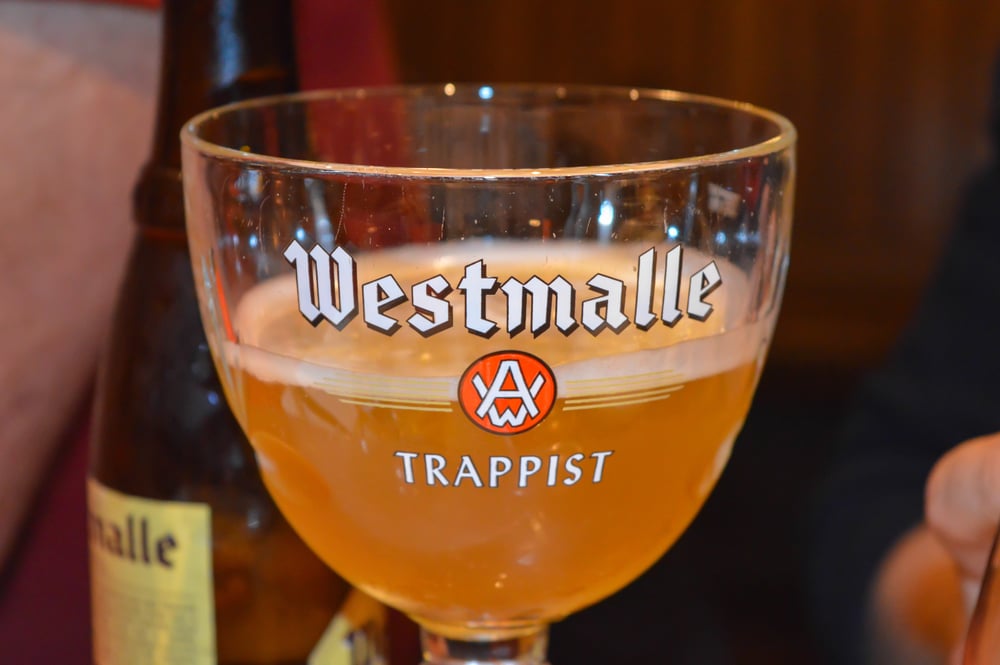
— Photo by vitaliybilyak@gmail.com
Six American Trappist monasteries now brew beer as part of their religious devotion, following traditions that date back over 1,000 years in Europe. Spencer Brewery in Massachusetts became the first certified American Trappist brewery in 2013, with monks who wake at 3:30 AM for prayers before spending their day brewing beer to fund their monastery. The monks view brewing as a form of prayer and meditation, and they donate all profits above their basic living expenses to charity, making their beer both spiritually and literally blessed.
Anchor Brewing
— Photo by homank76
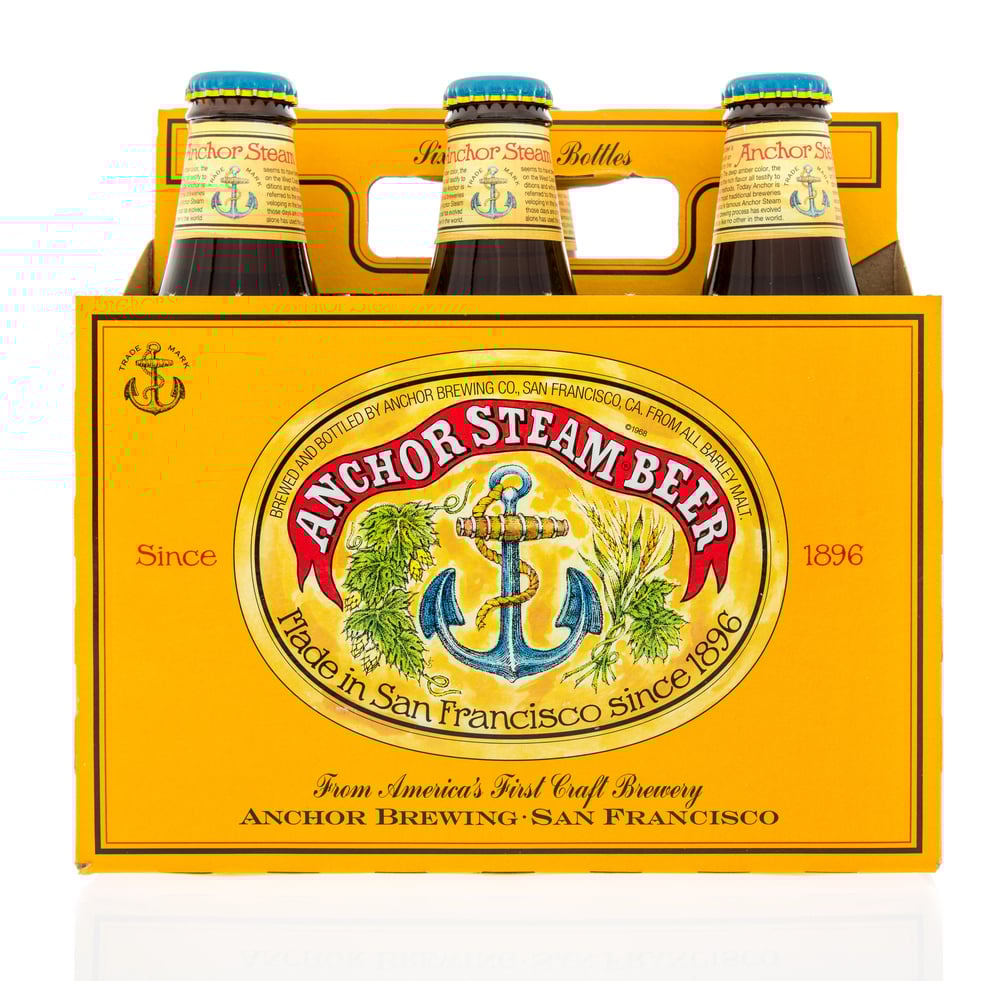
Fritz Maytag saved Anchor Brewing from closure in 1965 by purchasing the failing San Francisco brewery for $5,000 and spending the next decade learning how to make decent beer. The company was down to its last few accounts and producing beer so inconsistent that bars were afraid to serve it when Maytag took over. His decision to revive traditional brewing methods and create Anchor Steam beer launched the American craft beer revolution, proving that small breweries could compete with industrial giants by focusing on quality and tradition.
Brooklyn Brewery

— Photo by CeriBreeze
Steve Hindy learned brewing techniques from Islamic fundamentalists while working as a foreign correspondent in the Middle East, where alcohol was banned but homebrewing thrived in secret. He partnered with banker Tom Potter in 1988 to launch Brooklyn Brewery, bringing Middle Eastern brewing knowledge to New York City. Their Brooklyn Lager became the first New York beer to gain national recognition since Prohibition, and the brewery helped revitalize the Brooklyn neighborhood of Williamsburg decades before it became a hipster paradise.
Boston Beer Company

— Photo by Piter2121
Jim Koch’s great-great-grandfather’s beer recipe had been sitting in his family’s attic for over 100 years when Koch decided to quit his consulting job and start Samuel Adams in 1984. He spent months going door-to-door to Boston bars trying to convince bartenders to serve his beer, carrying samples in his briefcase and giving impromptu tastings. Koch’s persistence paid off when Samuel Adams Boston Lager won the Great American Beer Festival’s first-ever competition, launching the brewery that would become the largest American-owned beer company.
Lagunitas Brewing
— Photo by homank76
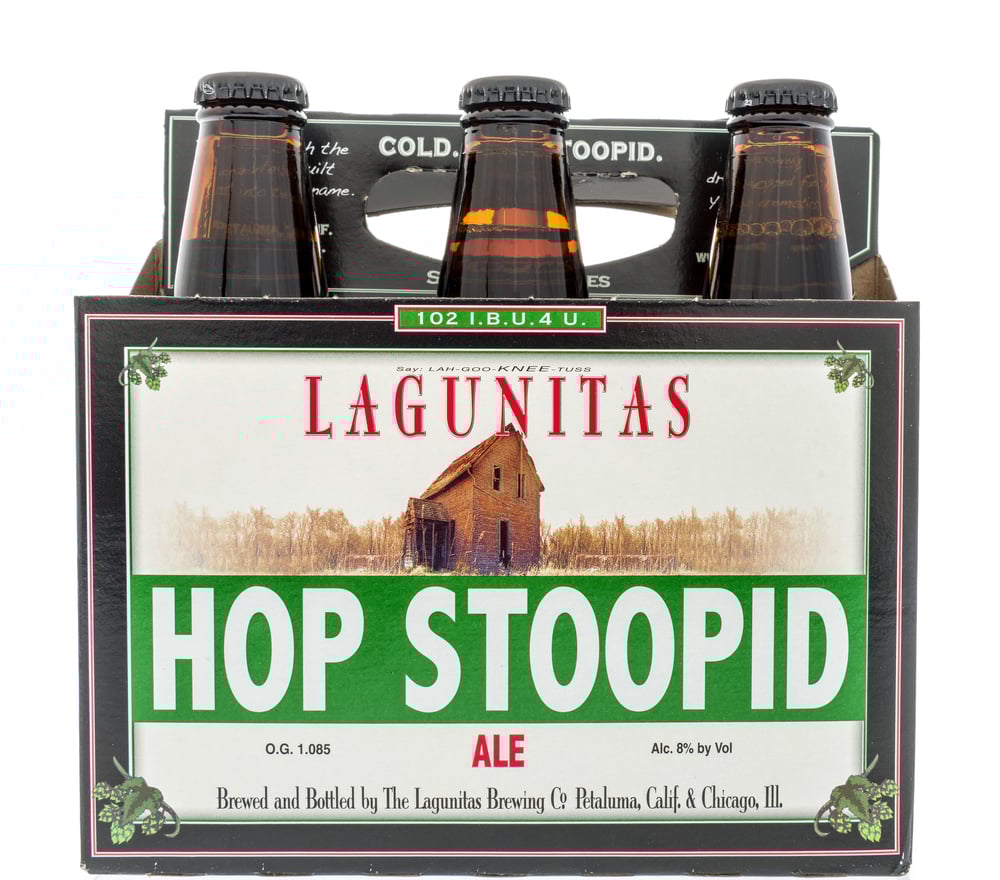
Tony Magee started Lagunitas in 1993 in his kitchen in Lagunitas, California, with no business plan and a philosophy that beer should be fun rather than serious. The brewery nearly shut down in 2005 when California authorities raided their facilities and suspended their license for allowing customers to consume cannabis on the premises during a private party. Magee fought the suspension by organizing a ‘Free the Hops’ campaign that turned the controversy into marketing gold, and Lagunitas emerged stronger with a reputation for rebellious independence.
Allagash Brewing
— Photo by homank76
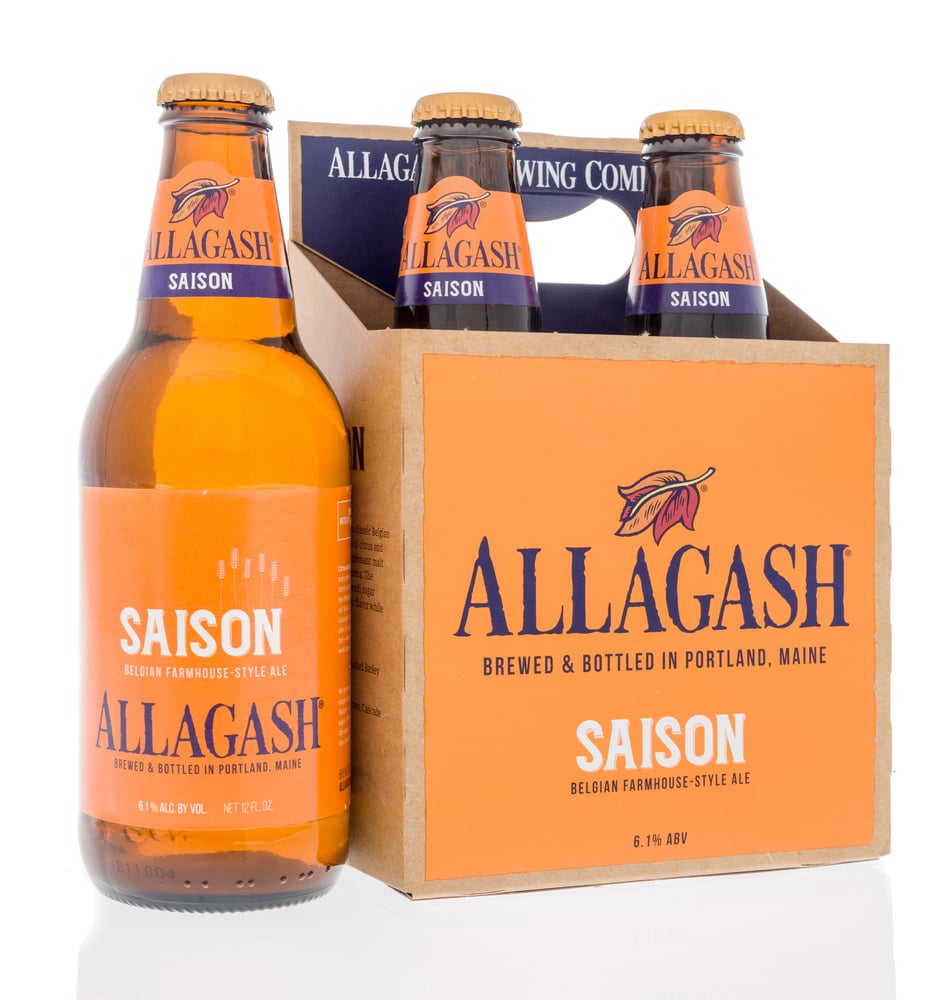
Rob Tod founded Allagash in 1995 specifically to brew Belgian-style beers in Maine, even though nobody in America knew what Belgian beer was supposed to taste like. He spent years perfecting recipes while working alone in a Portland warehouse, often brewing through Maine’s harsh winters without proper heating. Tod’s dedication to Belgian traditions paid off when Allagash White became one of the most respected wheat beers in America, proving that authenticity and persistence could overcome market skepticism.
Russian River Brewing
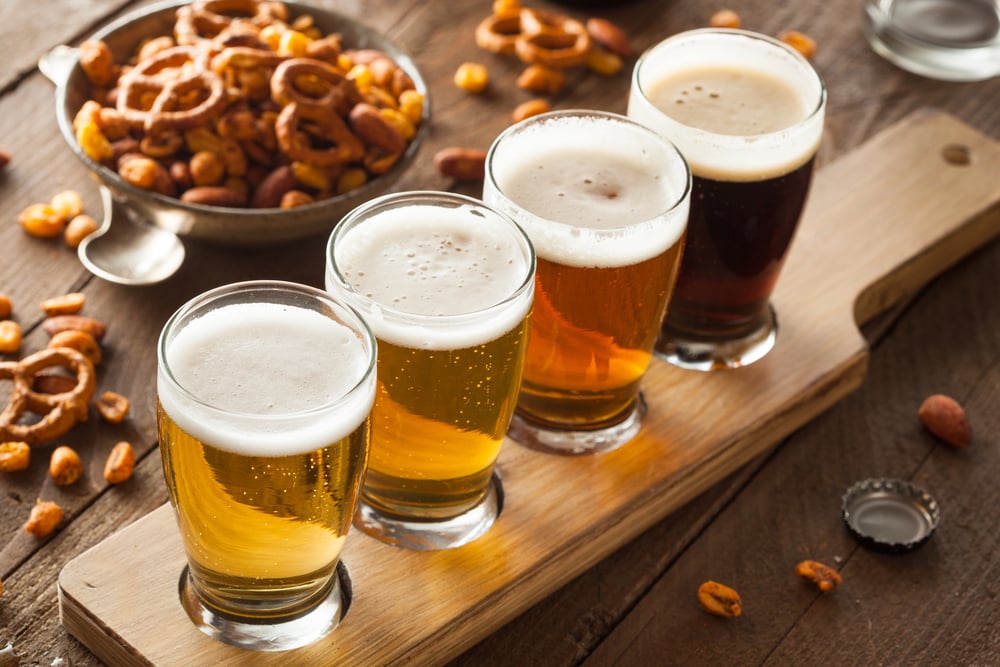
Vinnie Cilurzo created the first American double IPA at Blind Pig Brewery in 1994 because he ran out of fermentation space and needed to make a stronger beer that could age longer. When Blind Pig closed, he and his wife Natalie moved to Russian River Brewing in 2003, where they perfected Pliny the Elder, a beer so sought-after that people drive hundreds of miles just to try it. The Sonoma County brewery releases Pliny the Younger only once a year, creating lines that stretch for blocks and turning beer releases into cultural events.
Founders Brewing
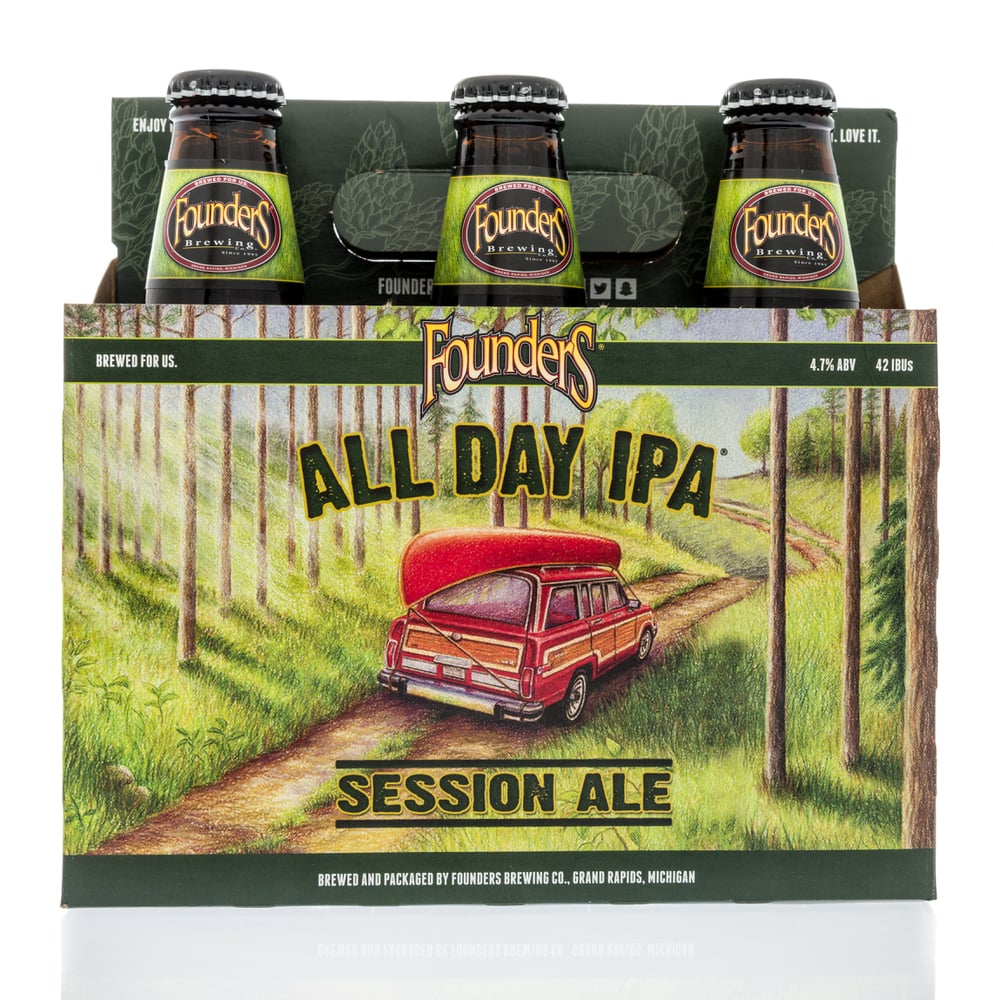
Mike Stevens and Dave Engbers started Founders in 1997 with dreams of brewing European-style beers in Grand Rapids, Michigan, but their early recipes were so bad they nearly bankrupted the company. They spent their first decade losing money and producing beer that even they didn’t want to drink, surviving only because they were too stubborn to quit. Everything changed when they started brewing higher-alcohol, more flavorful beers like Kentucky Breakfast Stout, which transformed Founders from a failing local brewery into a national powerhouse.
Boulevard Brewing
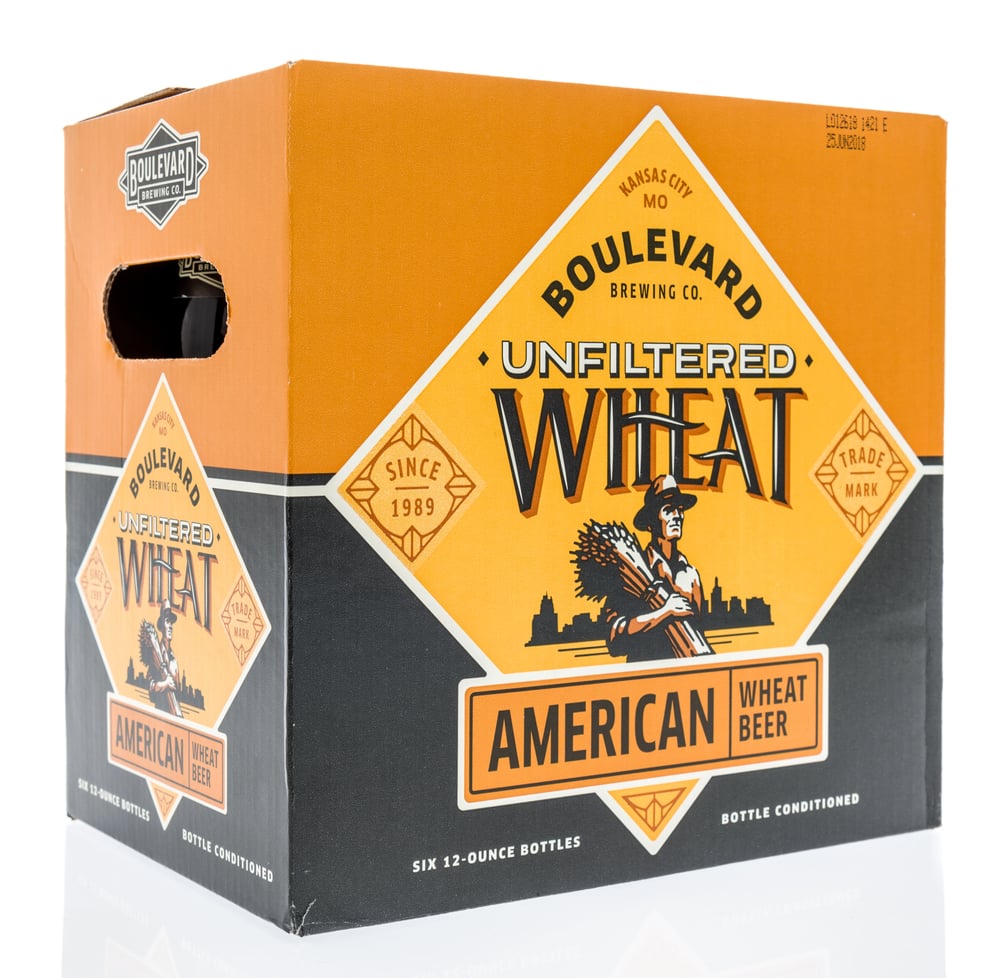
— Photo by homank76
John McDonald founded Boulevard in 1989 in a turn-of-the-century building in Kansas City that had previously housed a laundry, and the building’s industrial past influenced the brewery’s aesthetic and philosophy. He renovated the space himself, preserving the original brick walls and installing brewing equipment among the architectural remnants of Kansas City’s industrial heritage. Boulevard became the largest specialty brewer in the Midwest by combining traditional brewing methods with Midwestern practicality, proving that great beer could thrive in America’s heartland.
Craft Beer’s Lasting Legacy
These brewery origin stories remind us that the American craft beer revolution wasn’t built by marketing committees or corporate strategies, but by passionate individuals who refused to accept mediocrity. Each founder faced skepticism, financial hardship, and technical challenges that would have stopped most people, yet they persisted because they believed beer could be something more than just a commodity. Their willingness to experiment, fail, and try again created the diverse beer landscape we enjoy today, where every pint carries the DNA of countless small rebellions against bland conformity. The next time you visit a local brewery, remember that you’re not just drinking beer – you’re participating in a tradition of independence and creativity that continues to reshape American culture one glass at a time.
More from Go2Tutors!

- 16 Historical Figures Who Were Nothing Like You Think
- 12 Things Sold in the 80s That Are Now Illegal
- 15 VHS Tapes That Could Be Worth Thousands
- 17 Historical “What Ifs” That Would Have Changed Everything
- 18 TV Shows That Vanished Without a Finale
Like Go2Tutors’s content? Follow us on MSN.