15 Almost-Forgotten Naval Battles That Had Enormous Consequences
Historically, naval battles have formed empires, changed commerce routes, and determined national destiny. Although battles like Trafalgar and Midway stay firmly fixed in our shared consciousness, many equally decisive ones have faded into oblivion, their great influence on world events still felt.
Here is a list of naval battles that changed the course of history but have largely vanished from popular awareness.
Battle of Mykonos
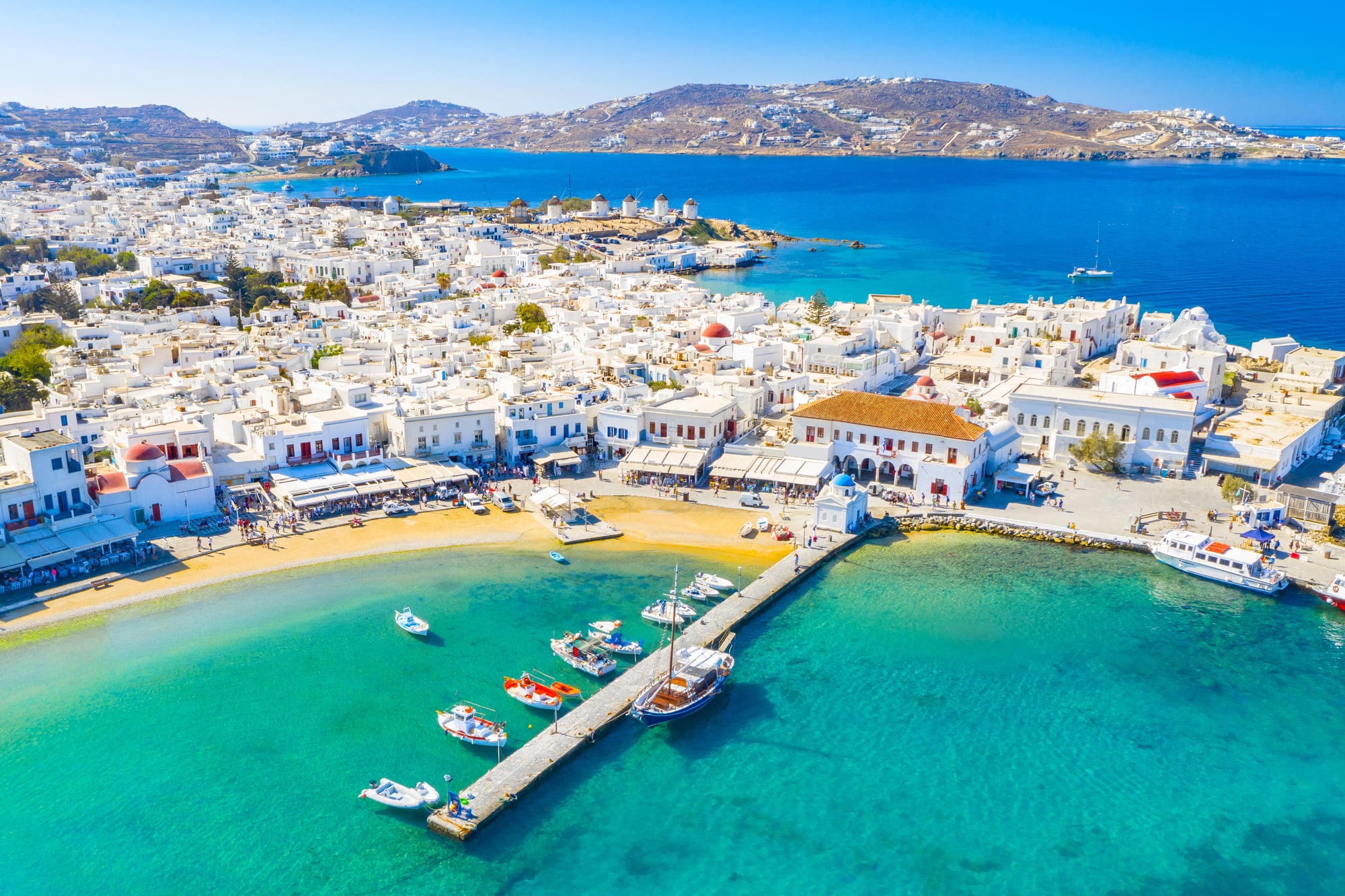
Few people realized when Venetian warships battled Ottoman ships close to this Greek island that it would decide the dominance of Aegean commerce for decades. The Venetians’ unexpected triumph cut Ottoman supply routes to Crete and pushed Venice’s commercial supremacy in the eastern Mediterranean for another generation.
Essentially, this naval battle maintained the westward flow of Eastern European products via Christian rather than Muslim middlemen.
Battle of Vigo Bay
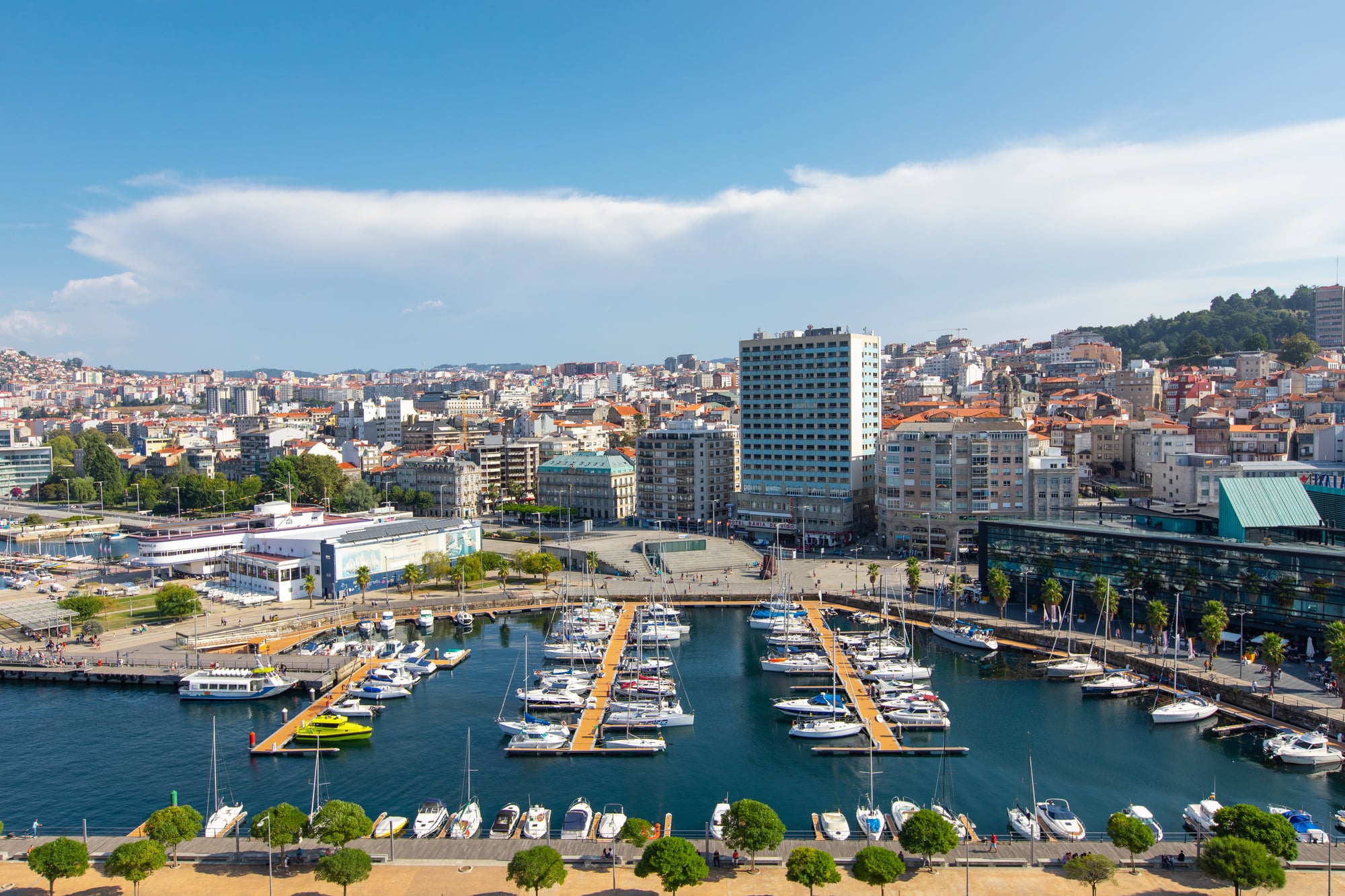
During the War of Spanish Succession, Anglo-Dutch forces destroyed Spanish treasure ships that had recently arrived from America in this northern Spanish bay. The massive financial blow crippled Spanish war efforts and forced King Philip V to finance his campaigns through French loans, effectively making Spain a financial puppet of France.
The economic repercussions reverberated through Spanish politics for nearly fifty years.
Battle of Quiberon Bay

Fought during a furious November storm off the French coast, this desperate encounter saw British Admiral Hawke drive the French fleet into a perilous rocky bay. During the Seven Years’ War, his bold triumph guaranteed Britain’s supremacy of the seas and wrecked French invasions.
Though it gets just a fraction of the notice, modern naval historians believe it more strategically relevant than the more well-known Battle of Trafalgar.
Battle of Porto Praya
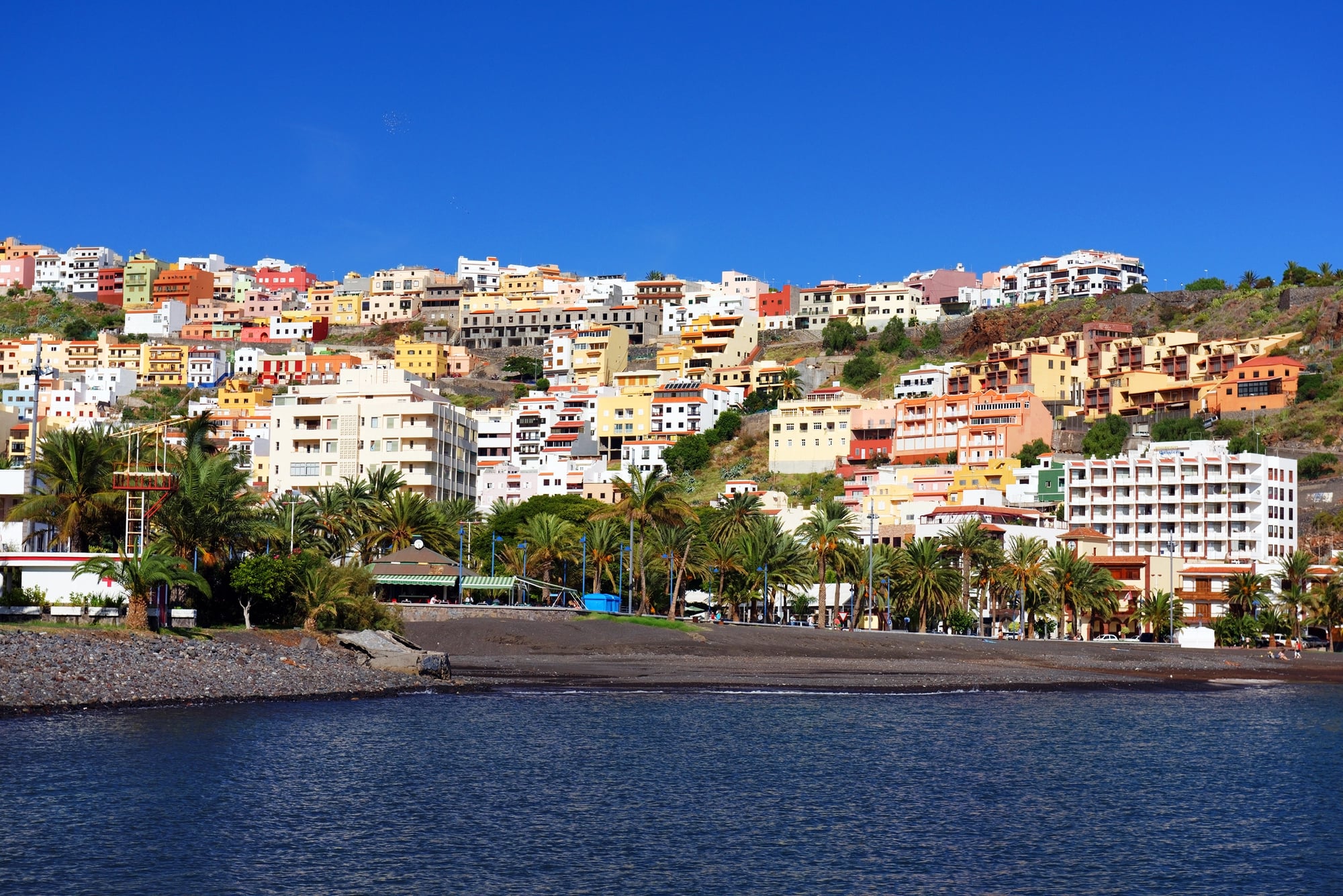
British and French squadrons stumbled across one another in the neutral Portuguese waters of Cape Verde and fought a makeshift war that decided Indian Ocean control. The French tactical win let Admiral Suffren arrive in India and momentarily question British supremacy in Asian waters.
This encounter basically stretched British resources to their breaking point, hence extending the American Revolution into a genuinely worldwide war.
Battle of Grand Port
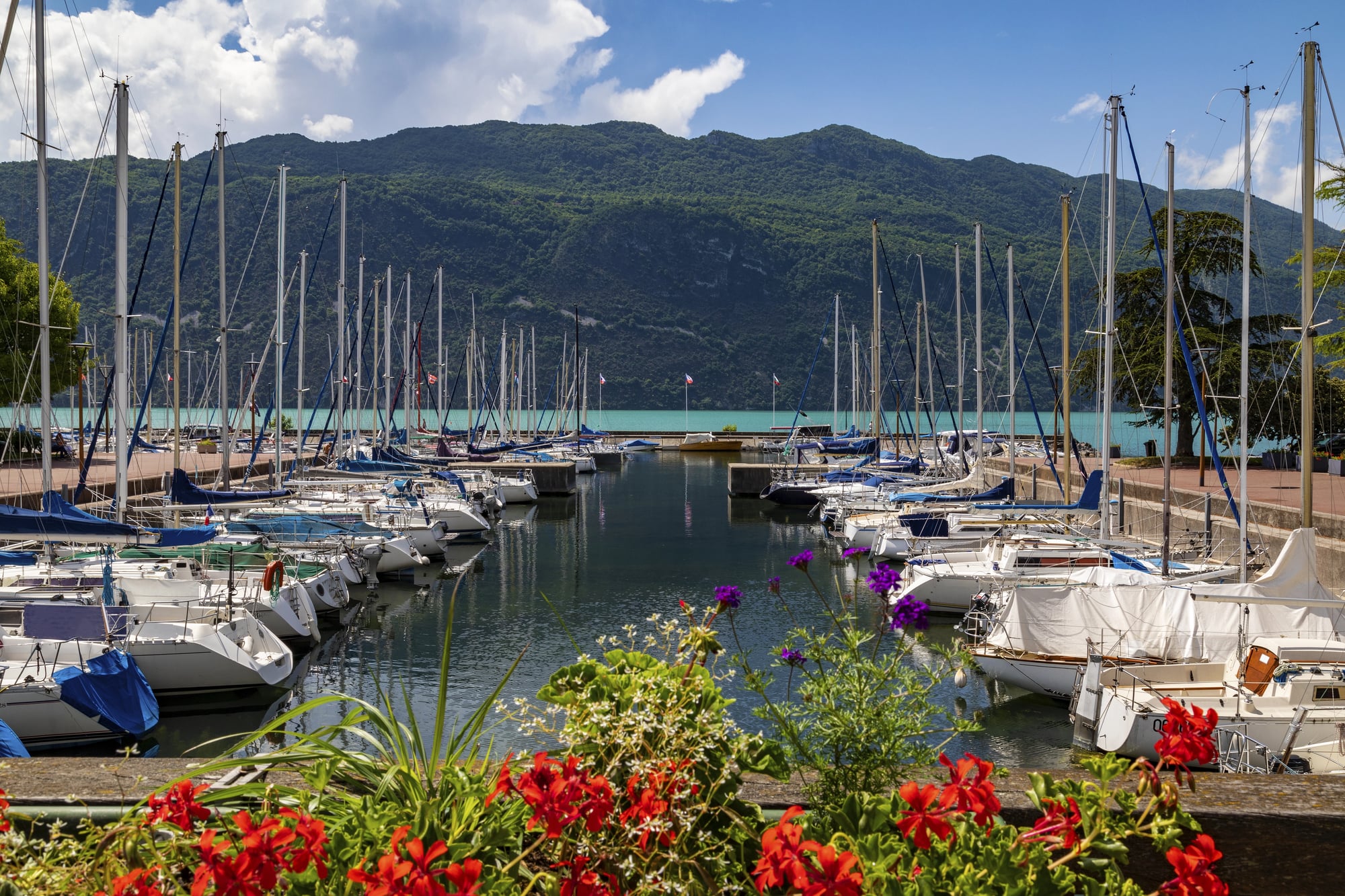
Napoleon’s lone naval triumph over the British was not in European waters but in a distant port in Mauritius. Through better understanding of the reef-strewn battleground, four French frigates triumphed over a comparable British squadron.
This uncommon French victory showed how geography may offset British naval dominance and upset British trade routes to India, therefore upsetting British trade routes to India. Though the fight is now forgotten, its psychological effect on British naval confidence was considerable.
Battle of Lake Borgne
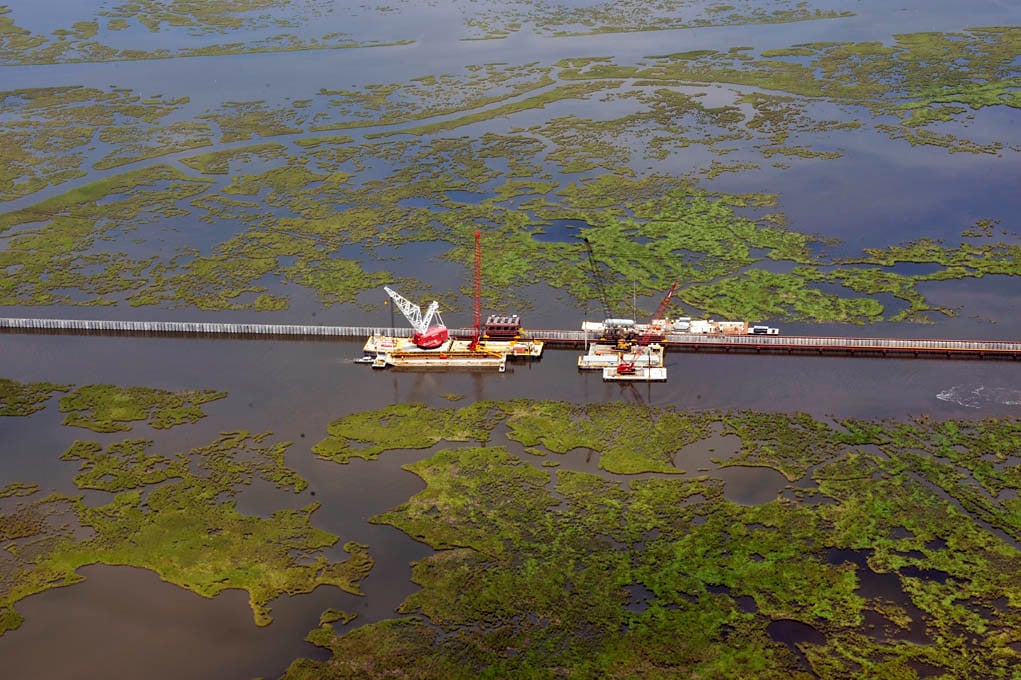
Just weeks before Andrew Jackson’s famous victory at New Orleans, this desperate action saw American gunboats attempting to delay a massive British invasion force. The outnumbered Americans fought valiantly before being overwhelmed, buying critical time for New Orleans’ defenses to be prepared.
Without this sacrificial delay action, Jackson would never have had time to establish his defensive positions around the city.
Battle of Navarino
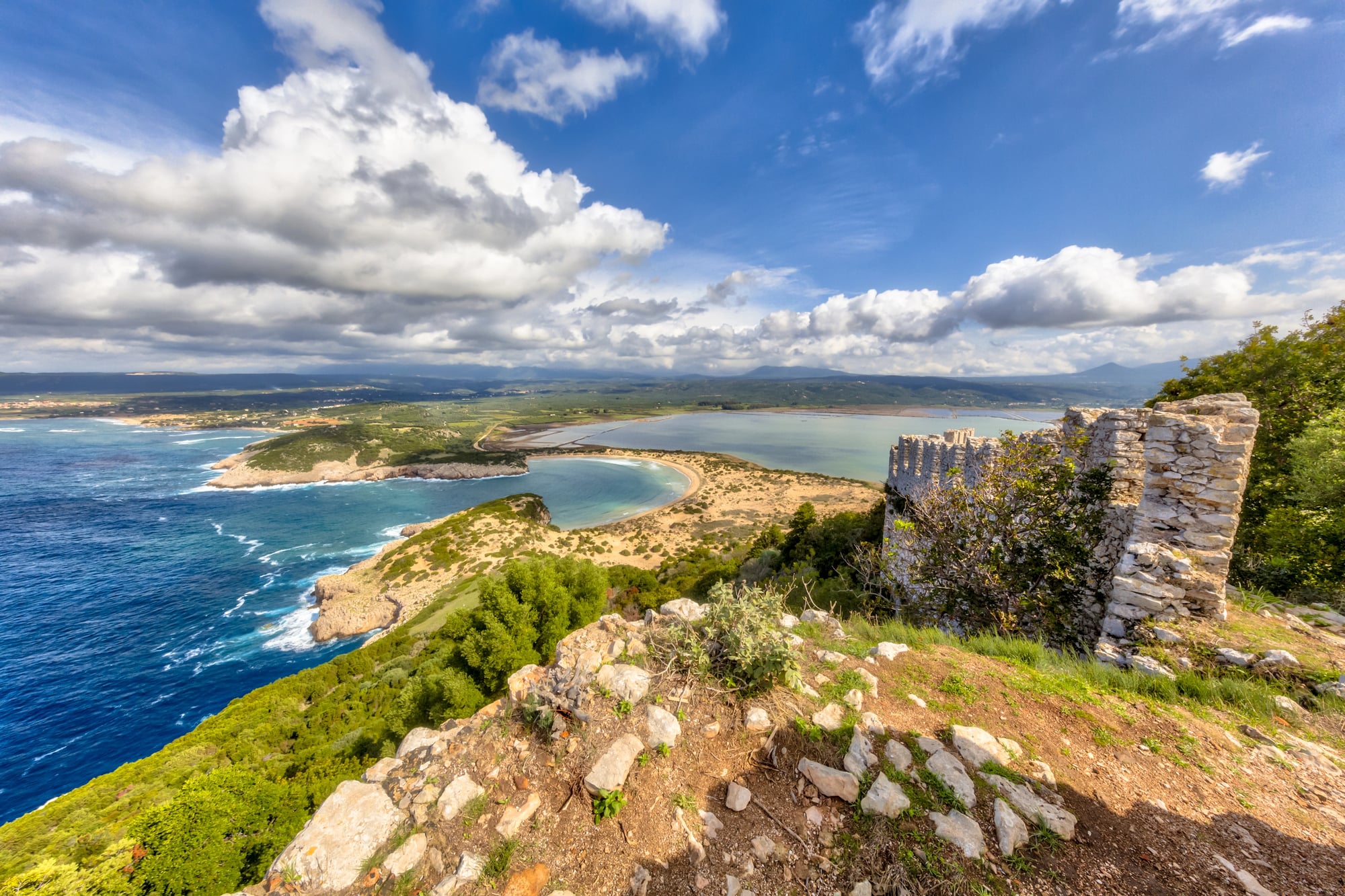
An allied British, French, and Russian fleet destroyed Ottoman-Egyptian naval power in the last major battle of sailing warships. This unintended engagement—meant only as a show of force—secured Greek independence and marked the beginning of Ottoman imperial decline.
The battle essentially created modern Greece and began the slow dissolution of the Ottoman Empire that would reshape the entire Middle East.
Battle of Cárdenas
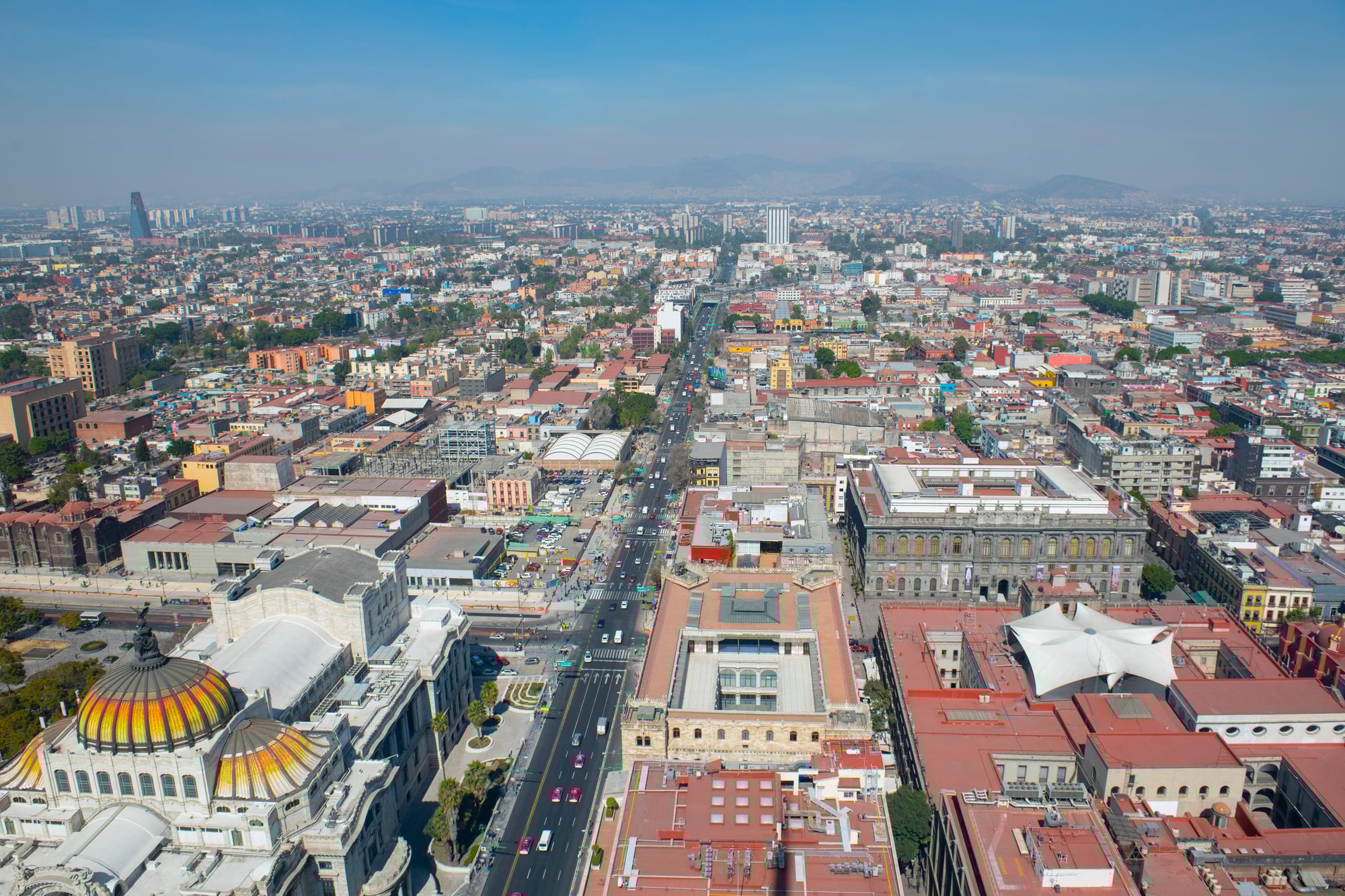
During the Spanish-American War, this minor engagement in a Cuban harbor witnessed the first American naval losses of the conflict. More significantly, it was one of the first battles where torpedo boats played a decisive role against larger warships.
The tactical lessons learned here would profoundly influence naval design and doctrine leading into World War I, as navies worldwide accelerated their torpedo boat construction programs.
Battle of Yalu River
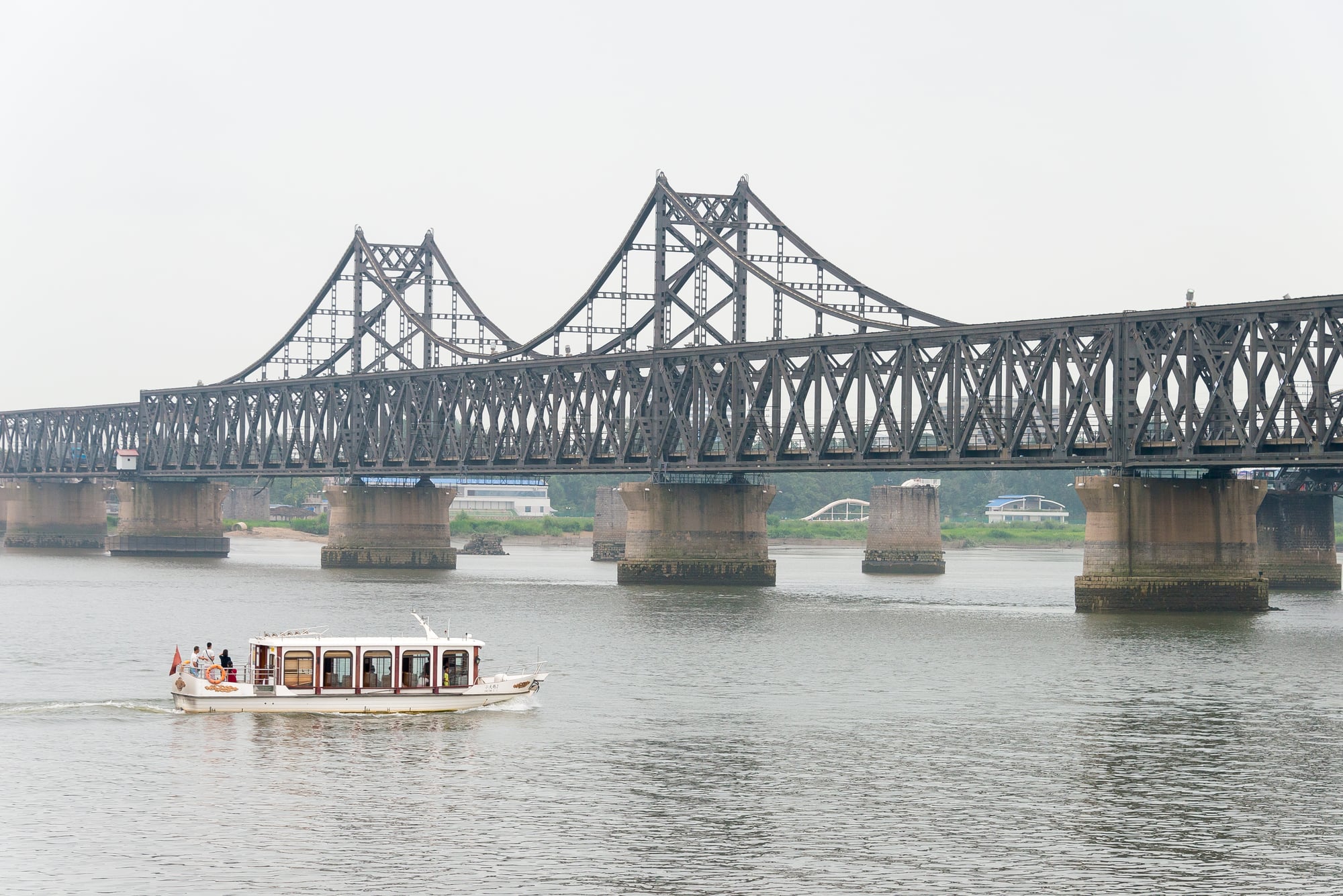
When Japanese and Chinese fleets met near Korea, the resulting Japanese victory announced the arrival of Japan as a modern naval power. Despite using older vessels, Japanese superior training and tactics destroyed the larger Chinese fleet, securing Korea as a Japanese sphere of influence.
This overlooked engagement essentially launched Japanese imperial expansion that would culminate in the Pacific War decades later.
Battle of Manila Bay
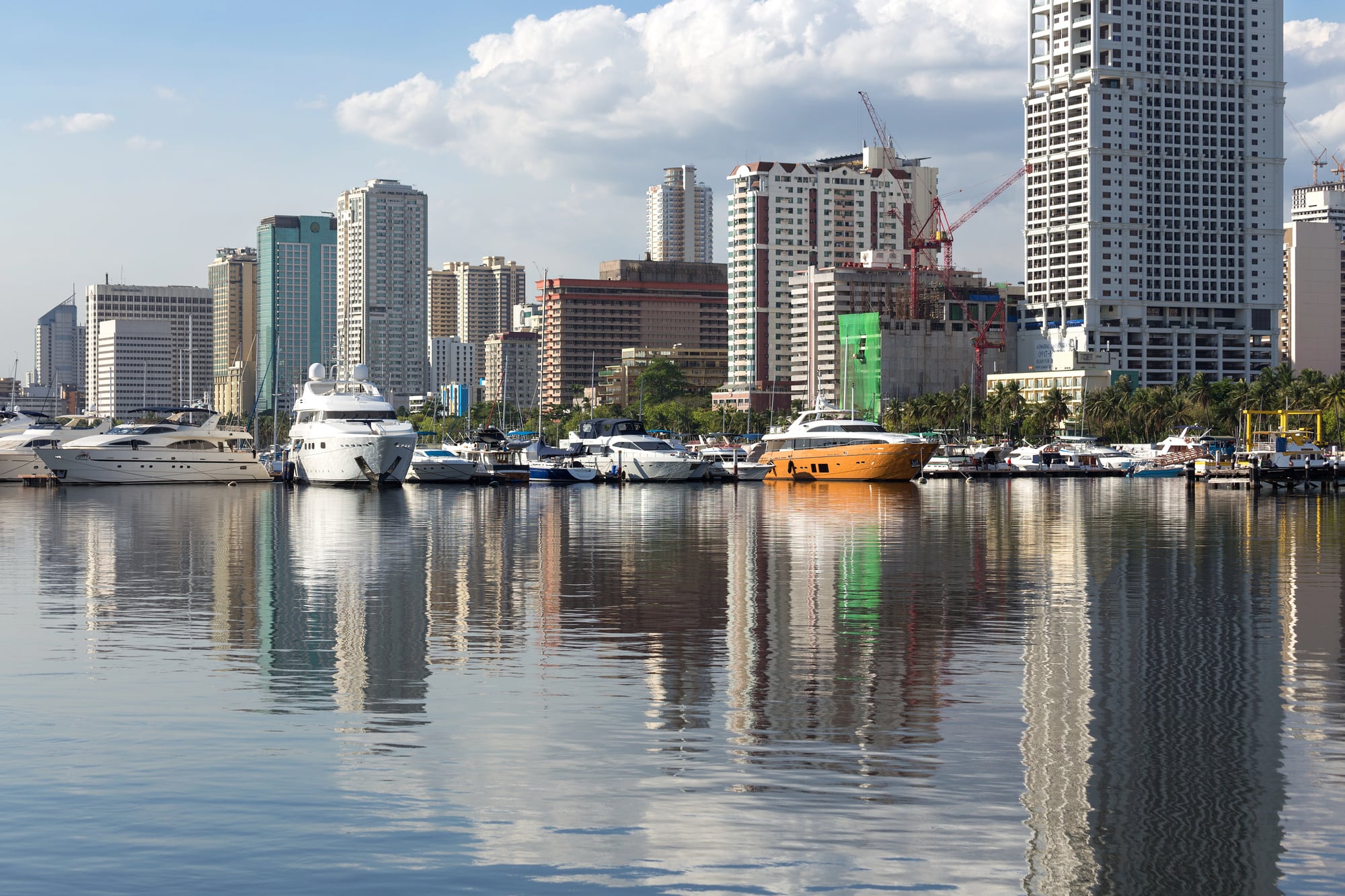
While somewhat better known than others on this list, this one-sided American victory over Spanish forces in the Philippines had consequences far beyond the Spanish-American War. The decisive engagement unexpectedly gave America its first major Pacific colony and thrust the United States onto the world stage as an imperial power.
The entire American position in the Pacific during the 20th century stems directly from this morning’s work by Admiral Dewey’s squadron.
Battle of Chemulpo Bay
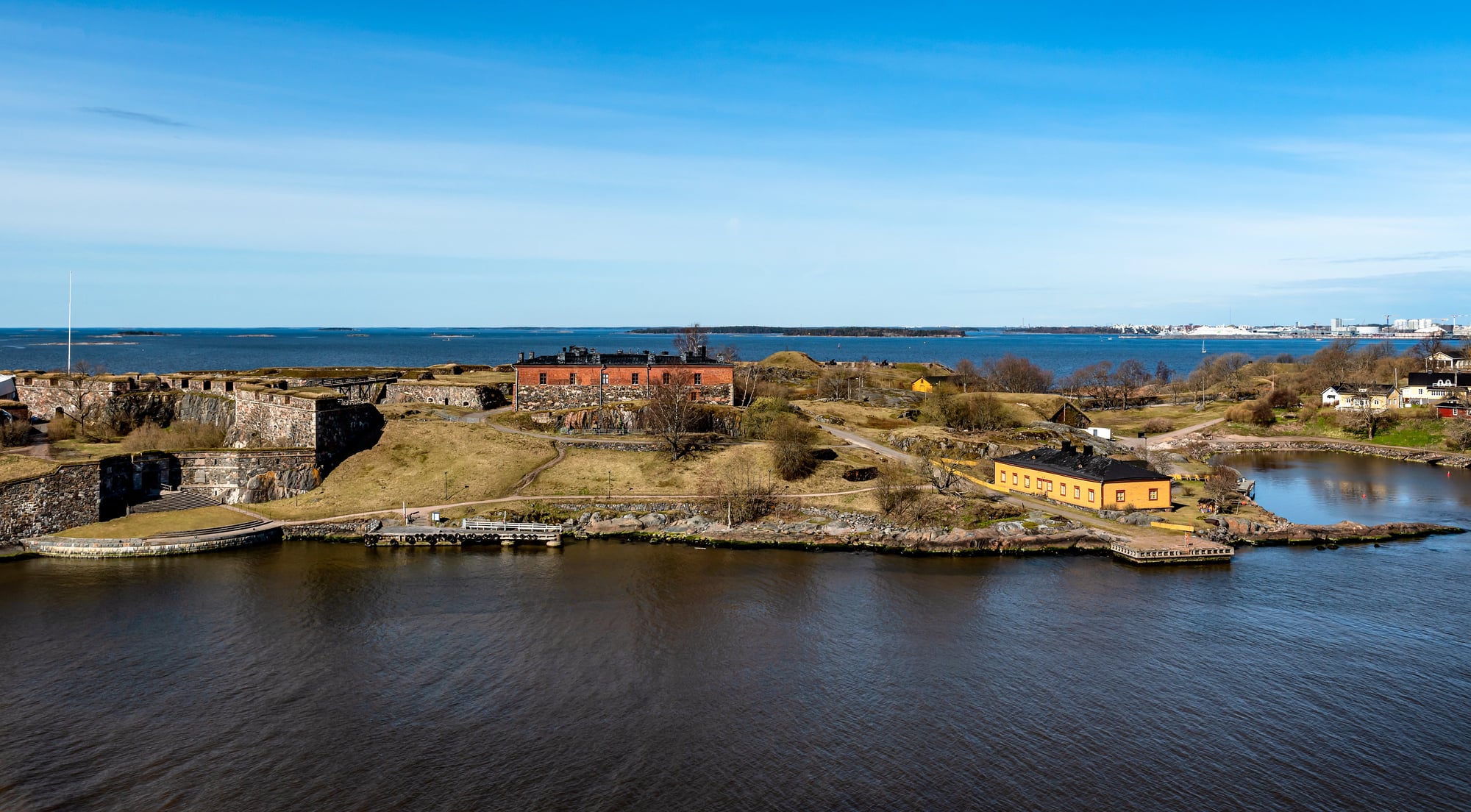
The opening naval engagement of the Russo-Japanese War saw a Russian cruiser and gunboat face an entire Japanese fleet rather than surrender without a fight. Though militarily insignificant, the battle’s psychological impact electrified Japan and shocked Western observers who had dismissed Japanese naval capabilities.
This forgotten skirmish announced to European powers that Asian nations could master modern warfare, fundamentally challenging assumptions of Western military superiority.
Battle of Coronel
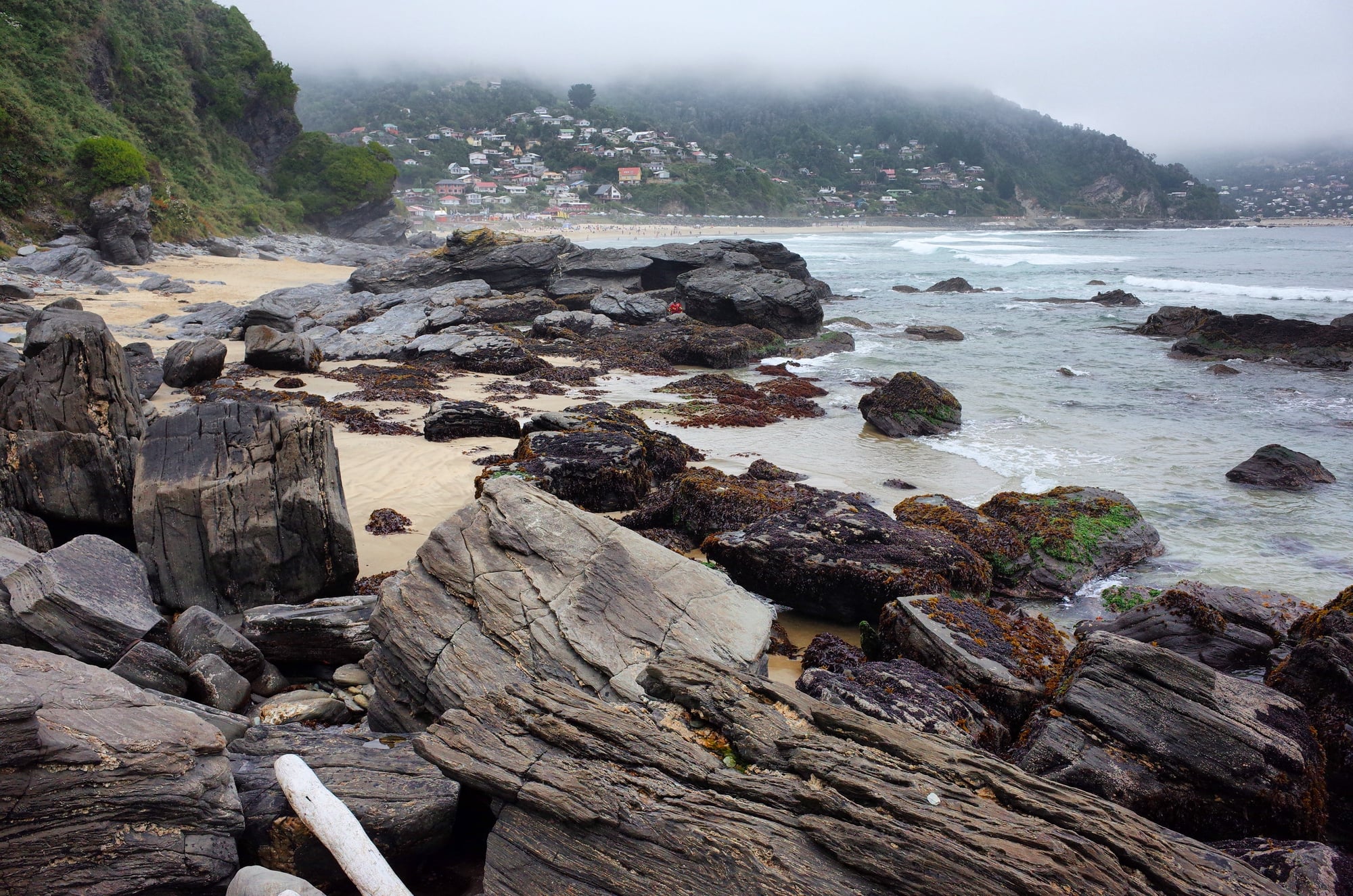
German Admiral von Spee’s Asiatic Squadron decisively destroyed a British force off the coast of Chile in the early months of World War I. This unusual German naval victory showed that although individual German squadrons might be quite successful despite great British numerical superiority, it sent shockwaves through the British Admiralty.
The British reaction—sending battle cruisers halfway around the world—showed how much they took this danger.
Battle of Calabria
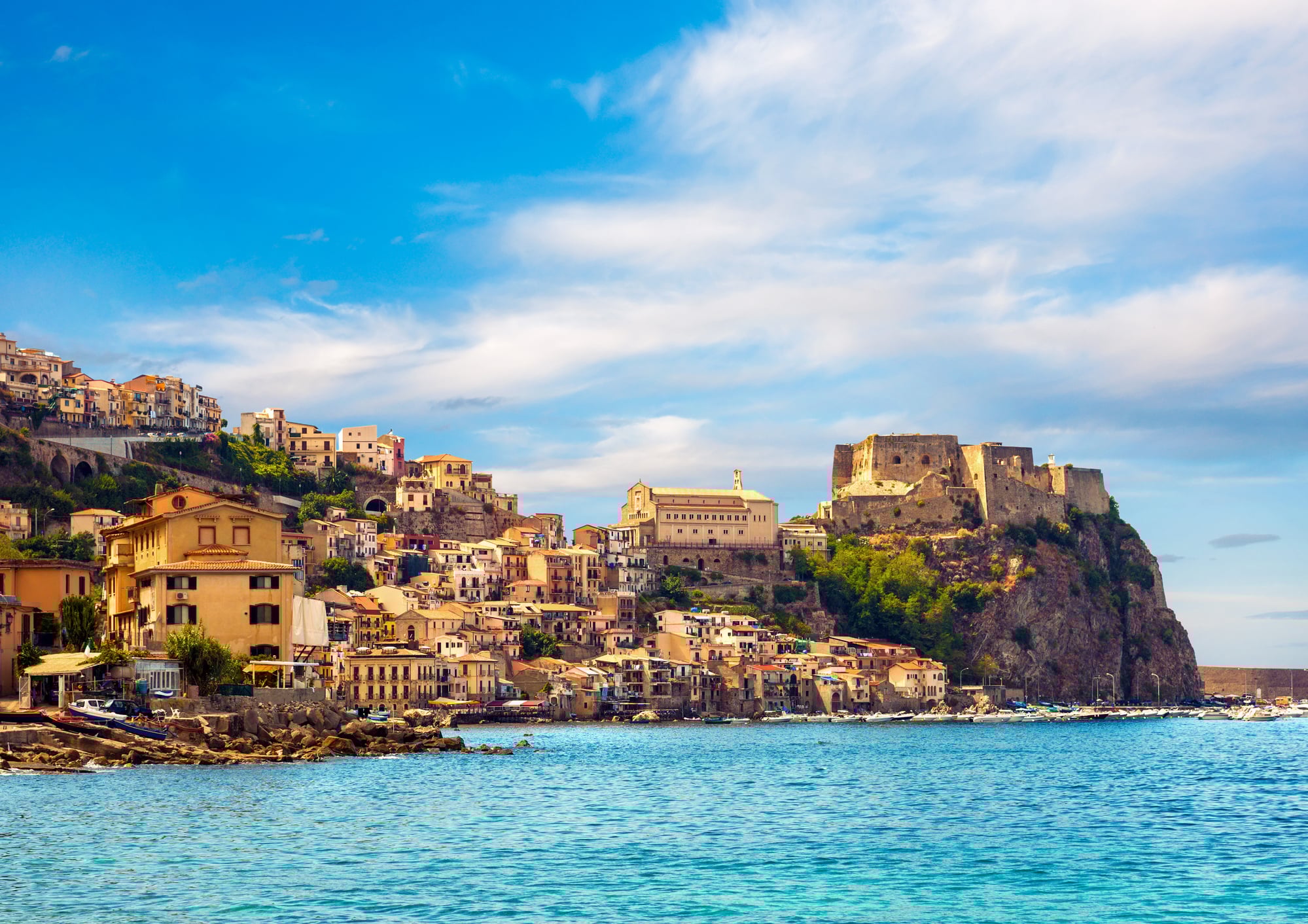
Beyond the small harm caused, this ambiguous engagement between British and Italian fleets early in World War II had far-reaching consequences. The Italian fleet’s readiness to retire even with numerical superiority led British strategists to believe that forceful action may offset Italian material dominance in the Mediterranean.
British naval operations across the North African campaign would be guided by this strategic awareness.
Battle of Makassar Strait
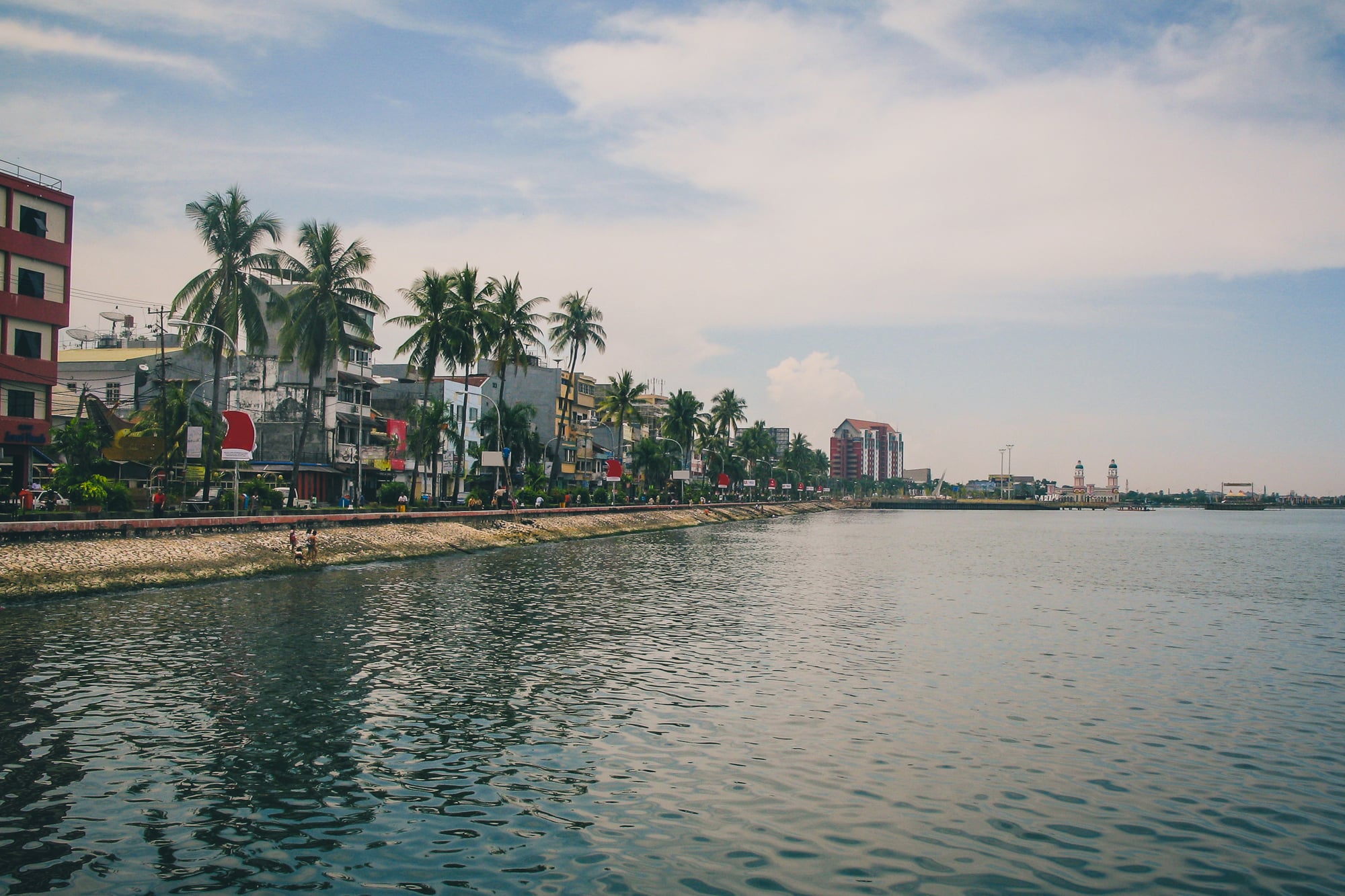
Weeks after Pearl Harbor, American destroyers attacked a Japanese invasion convoy in this strait in the Dutch East Indies. Though the Americans were eventually forced to withdraw, their disruption of the Japanese landing schedule bought precious time for Allied forces.
This overlooked action represented the first American naval offensive operation of World War II and demonstrated that aggressive small-unit actions could impede the seemingly unstoppable Japanese advance.
Battle of Northern Cebu
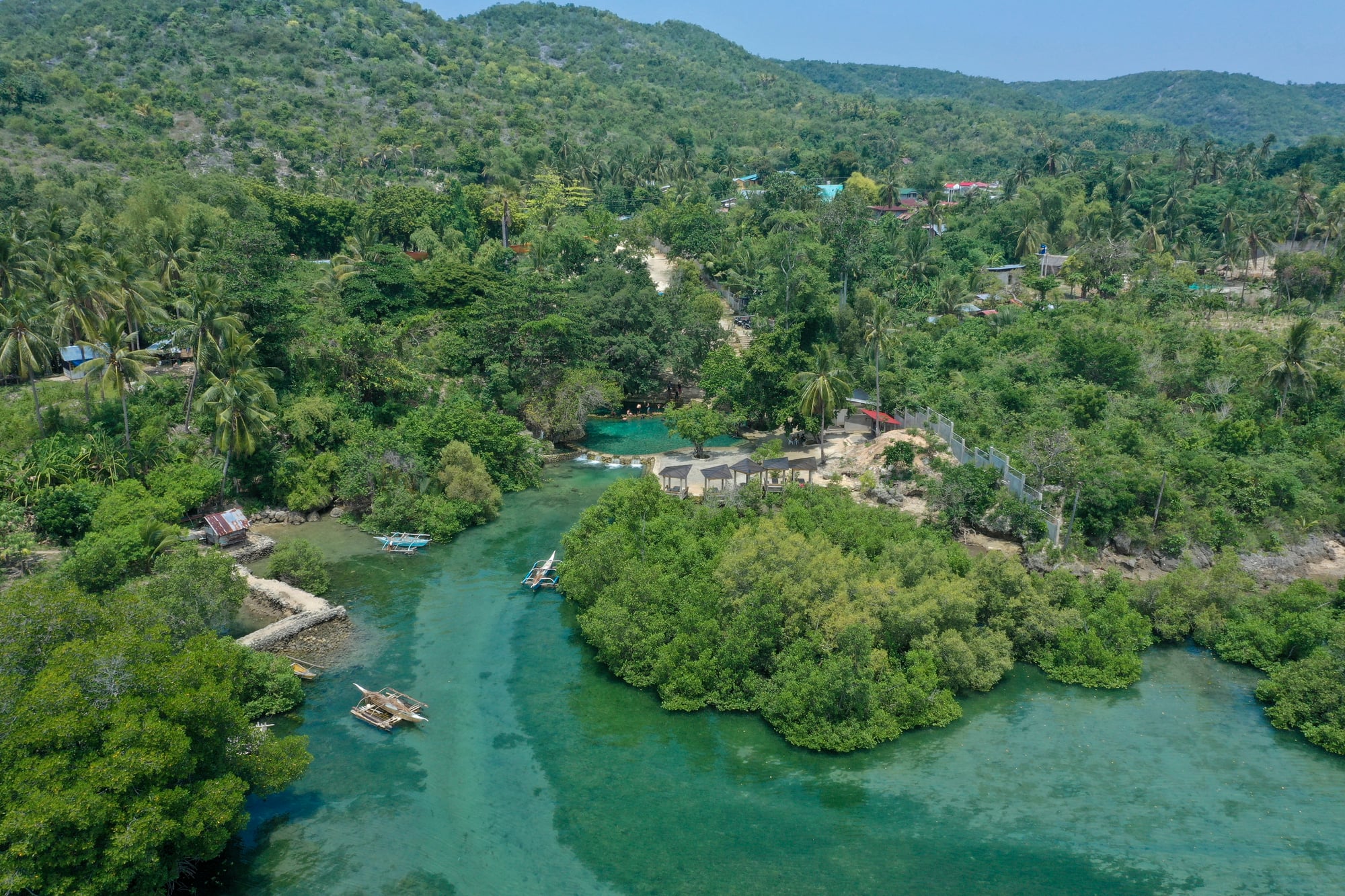
Late in World War II, American PT boats engaged Japanese fast attack craft attempting to resupply isolated garrisons in the Philippines. This obscure action represented the last significant Japanese naval offensive operation of the war and effectively ended Japan’s ability to support its remaining island garrisons.
The battle demonstrated how completely Allied forces had achieved naval dominance in the western Pacific.
The Waves of Change
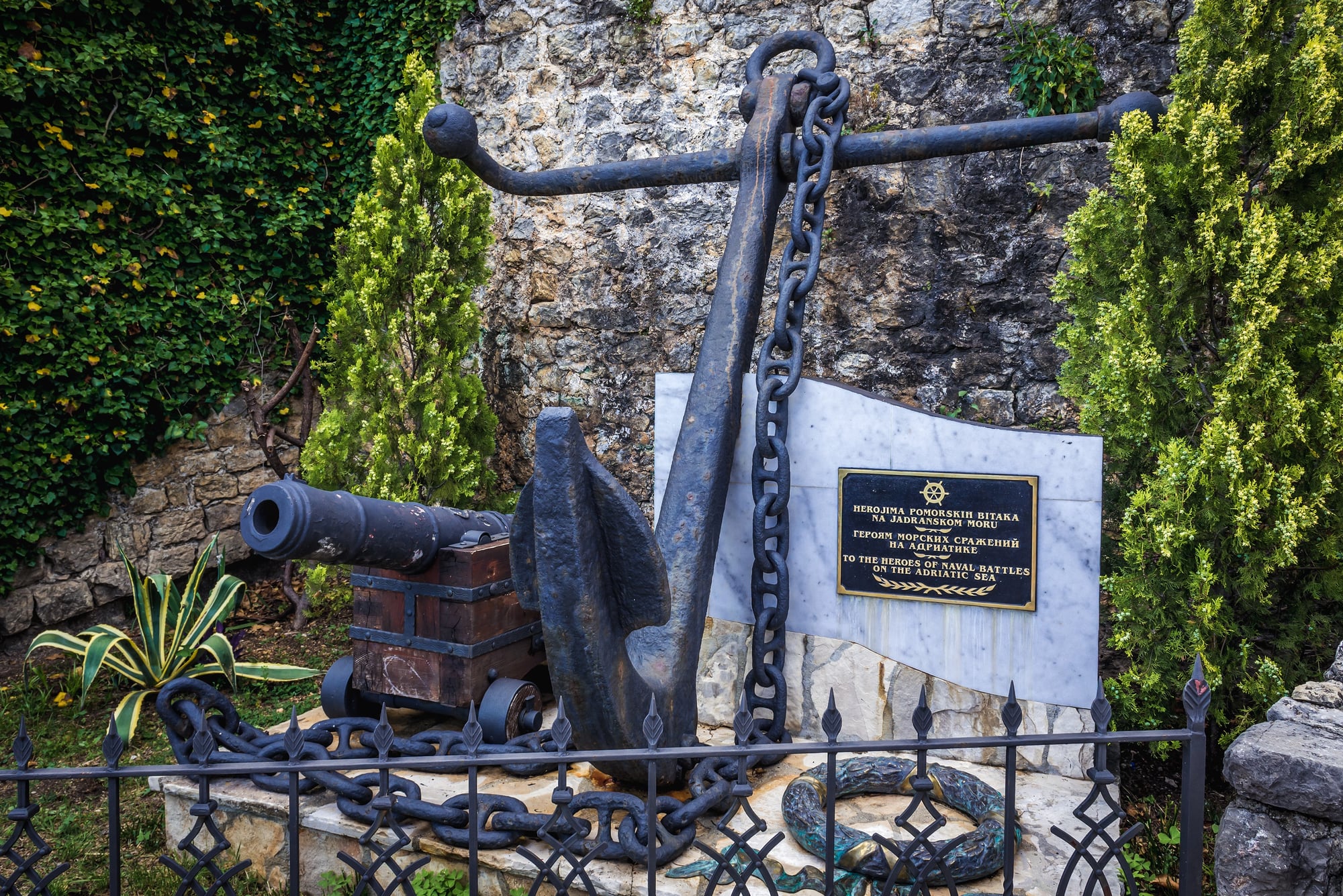
These naval confrontations remind us that history’s course is often altered in forgotten waters, far from the spotlight of famous engagements. From wooden sailing ships to steel warships with torpedoes, these battles collectively reshaped political boundaries, ended ancient empires, and birthed new global powers.
Their absence from popular historical accounts doesn’t diminish their impact—rather, it demonstrates how even momentous events can slip beneath the surface of our historical consciousness.
More from Go2Tutors!

- The Romanov Crown Jewels and Their Tragic Fate
- 13 Historical Mysteries That Science Still Can’t Solve
- Famous Hoaxes That Fooled the World for Years
- 15 Child Stars with Tragic Adult Lives
- 16 Famous Jewelry Pieces in History
Like Go2Tutors’s content? Follow us on MSN.



