15 Clothing Brands Making a Major Comeback
Fashion has always been cyclical, but some brands take that concept to the extreme. Companies that seemed destined for the retail graveyard are suddenly showing up everywhere again, from celebrity Instagram posts to mall storefronts. It’s like watching your favorite childhood movie get a modern reboot—sometimes it works brilliantly, and sometimes it makes you wonder why they bothered.
The difference between a successful comeback and a corporate disaster often comes down to timing, authenticity, and understanding what made the brand special in the first place. Here are 15 clothing brands that are making a major comeback right now.
Champion
Champion spent decades as the go-to brand for high school gym classes and discount athletic wear before luxury fashion embraced its reverse-weave hoodies. The brand’s collaboration with streetwear labels and high-end designers transformed it from bargain-bin basics to must-have fashion statements. Now you’ll find Champion pieces selling for hundreds of dollars in boutiques that once wouldn’t have touched the brand.
Fila
This Italian sportswear company nearly disappeared from American consciousness until hip-hop culture and retro sneaker trends brought it roaring back. Fila’s chunky Disruptor sneakers became one of the most popular shoes of the late 2010s, proving that sometimes ugly can be beautiful. The brand successfully repositioned itself from forgotten athletic wear to trendy streetwear that appeals to both nostalgic millennials and style-conscious Gen Z shoppers.
Juicy Couture
The velour tracksuit empire that defined early 2000s fashion seemed dead and buried until celebrities started wearing vintage Juicy pieces again. Paris Hilton and other Y2K icons began sporting the brand on social media, sparking renewed interest among younger consumers who missed the original trend. Juicy’s comeback strategy focuses on limited drops and collaborations rather than trying to recapture its former ubiquity.
Von Dutch
The trucker hat brand that epitomized mid-2000s celebrity culture disappeared almost as quickly as it arrived, but recent years have seen a surprising resurgence. Celebrities like Bella Hadid and Addison Rae have been spotted wearing vintage Von Dutch pieces, creating demand among fans who weren’t even alive during the brand’s original heyday. The company has responded with new collections that capture the irreverent spirit of the original while updating designs for modern tastes.
Ed Hardy

Christian Audigier’s tattoo-inspired fashion line was everywhere in the mid-2000s before becoming synonymous with questionable taste and reality TV stars. The brand has slowly been rebuilding its image through strategic collaborations and a more refined aesthetic that maintains its edgy roots. Ed Hardy’s comeback relies heavily on nostalgia marketing and limited-edition releases rather than the mass-market saturation that hurt its reputation originally.
Kappa
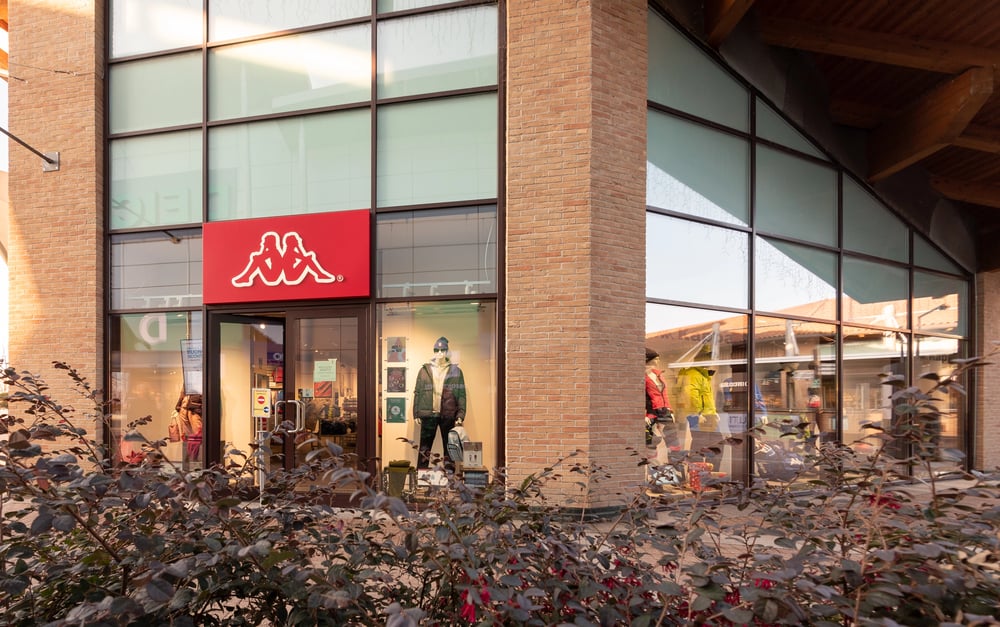
The Italian sportswear brand with its distinctive logo of a man and woman sitting back-to-back found new life in streetwear and hip-hop culture. Kappa’s track suits and logo tapes became staples in rap videos and street fashion, helping the brand transition from European soccer sidelines to American urban style. The company’s strategic partnerships with influencers and musicians have made it relevant to audiences who had never heard of the brand before.
Ellesse
This Italian tennis and ski brand from the 1970s seemed relegated to vintage shops until retro sportswear became fashionable again. Ellesse’s colorful track jackets and distinctive logo caught the attention of fashion influencers looking for authentic vintage athletic pieces. The brand has capitalized on this renewed interest by reissuing classic designs and creating new pieces that maintain the original aesthetic.
Starter
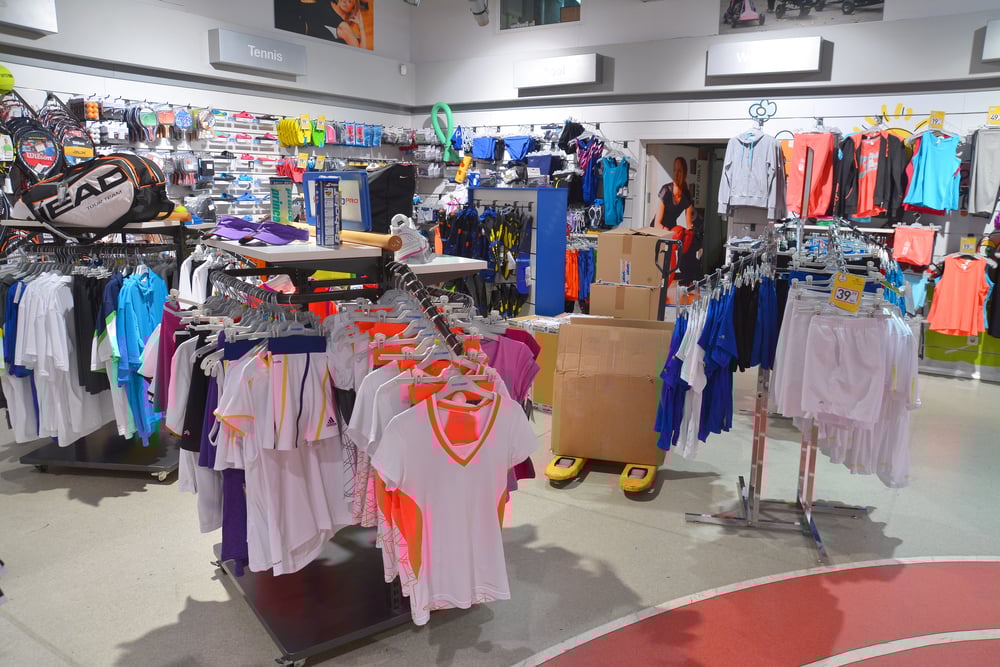
The sports apparel company that dominated the 1990s with its satin jackets and team gear has found new relevance in streetwear culture. Starter’s partnership with major fashion retailers and strategic collaborations with contemporary designers have introduced the brand to consumers who associate it with hip-hop’s golden age. The company’s focus on limited releases and premium materials has elevated it from discount sports gear to collectible fashion pieces.
FUBU

‘For Us By Us’ became a cultural phenomenon in the 1990s before fading from mainstream fashion, but the brand has experienced a revival thanks to nostalgia and renewed interest in Black-owned businesses. FUBU’s founders have been strategic about their comeback, focusing on quality over quantity and maintaining the brand’s cultural authenticity. The company’s relaunch coincided with increased consumer awareness about supporting diverse-owned fashion brands.
Cross Colours

The colorful urban wear brand that defined early 1990s hip-hop fashion disappeared for over a decade before returning with updated versions of its classic designs. Cross Colours’ comeback strategy emphasizes its role in hip-hop history and its commitment to positive messaging through fashion. The brand has found success by targeting both nostalgic original customers and younger consumers interested in authentic 90s streetwear.
Reebok
While never completely gone, Reebok had lost significant ground to Nike and Adidas before its recent resurgence in lifestyle and retro categories. The brand’s focus on classic silhouettes like the Club C and Instapump Fury has resonated with consumers seeking alternatives to more mainstream athletic brands. Reebok’s partnerships with high-fashion designers and streetwear labels have elevated its status from discount athletic wear to credible fashion choice.
Puma

Puma spent years playing third fiddle to Nike and Adidas before strategic celebrity partnerships and retro revivals brought it back into the spotlight. The brand’s collaboration with Rihanna and focus on lifestyle products rather than pure performance helped it carve out a distinct identity. Puma’s success in combining athletic heritage with fashion-forward design has made it relevant to consumers who want both style and sport functionality.
Tommy Hilfiger
The preppy American brand that peaked in the 1990s seemed outdated until it embraced streetwear collaborations and celebrity partnerships. Tommy Hilfiger’s work with artists like A$AP Rocky and its revival of archive pieces have introduced the brand to new generations. The company’s strategy of mixing high-fashion runway shows with accessible retail pieces has successfully modernized its preppy American image.
Guess

The denim and accessories brand that symbolized 1980s glamour had lost much of its cultural relevance before strategic collaborations brought it back into fashion conversations. Guess has focused on limited-edition releases and partnerships with contemporary artists to refresh its image while maintaining its signature aesthetic. The brand’s success in Asian markets has also helped fuel its global comeback and provided resources for innovation.
Dickies
The workwear company founded in 1922 found unexpected popularity among young fashion consumers looking for authentic, durable clothing with street credibility. Dickies’ transition from purely functional workwear to fashionable streetwear happened organically as skaters, musicians, and style influencers adopted the brand. The company has embraced this cultural shift while maintaining the quality and authenticity that made it popular with working professionals.
The Art of the Fashion Phoenix

These comebacks prove that in fashion, death isn’t always permanent—sometimes it’s just a really long nap. The brands that succeed in their second acts understand that nostalgia alone isn’t enough; they need to offer something relevant to today’s consumers while respecting what made them special originally. The most successful revivals combine authentic heritage with contemporary relevance, creating products that feel both familiar and fresh. In a world where everything old becomes new again, these brands remind us that good design and cultural authenticity never really go out of style—they just wait for the right moment to return.
More from Go2Tutors!

- The Romanov Crown Jewels and Their Tragic Fate
- 13 Historical Mysteries That Science Still Can’t Solve
- Famous Hoaxes That Fooled the World for Years
- 15 Child Stars with Tragic Adult Lives
- 16 Famous Jewelry Pieces in History
Like Go2Tutors’s content? Follow us on MSN.