15 Construction Disasters That Changed Building Safety Laws
Throughout history, some of the most significant advances in construction safety have come from tragedy. When buildings collapse, fires rage through structures, or workers fall from great heights, the aftermath often brings sweeping changes to how we design, build, and maintain our structures. These disasters serve as harsh teachers, forcing lawmakers and engineers to confront weaknesses in existing codes and practices.
The lessons learned from these catastrophes have shaped the modern building codes that protect millions of people today. Here is a list of 15 construction disasters that fundamentally transformed building safety laws around the world.
The Great Chicago Fire (1871)
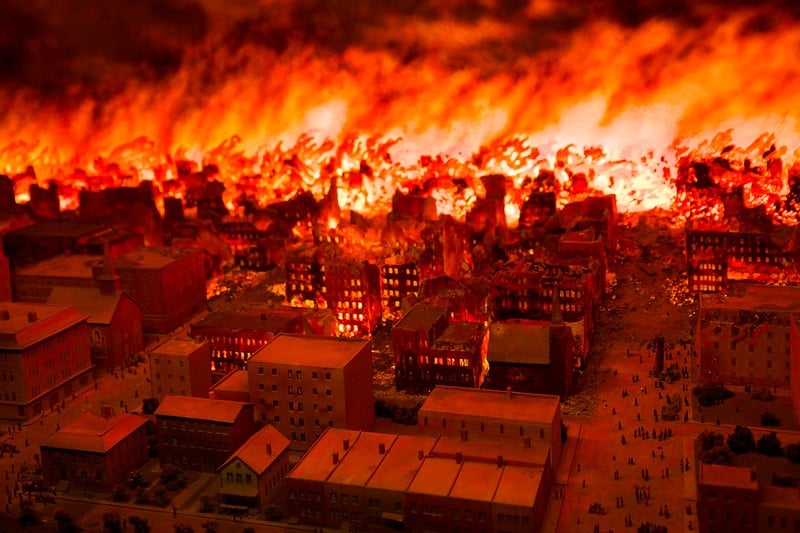
The Great Chicago Fire consumed over 17,000 structures across 2,100 acres, leaving 300 people dead and a third of the city’s population homeless. The blaze spread so rapidly because most buildings were constructed entirely of wood, including sidewalks and even some roads.
This disaster led to Chicago’s first comprehensive fire safety ordinances, requiring fire-resistant materials like brick and stone for construction in the city center.
Triangle Shirtwaist Factory Fire (1911)
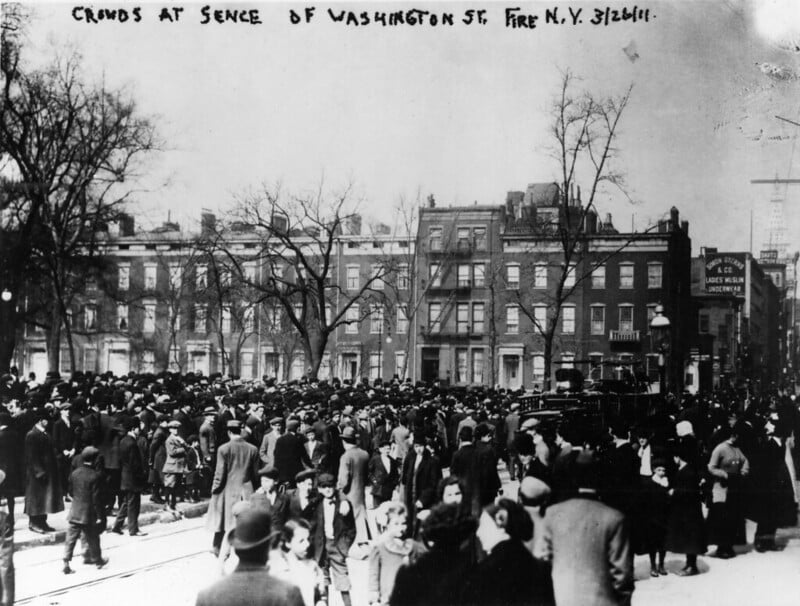
When fire broke out on the upper floors of the Triangle Shirtwaist Factory in New York City, 146 garment workers died in just 18 minutes. Many workers found themselves trapped because management had locked exit doors to prevent theft.
The public outrage following this tragedy sparked the creation of New York’s Building Code, which became a model for cities nationwide.
Ronan Point Collapse (1968)

A gas explosion in a London apartment building caused an entire corner of the 22-story Ronan Point tower to collapse like a house of cards. The blast on the 18th floor triggered a progressive collapse that pancaked floors above and below, killing four residents.
This disaster revolutionized how engineers approach structural redundancy and progressive collapse prevention in building codes worldwide.
Hyatt Regency Walkway Collapse (1981)
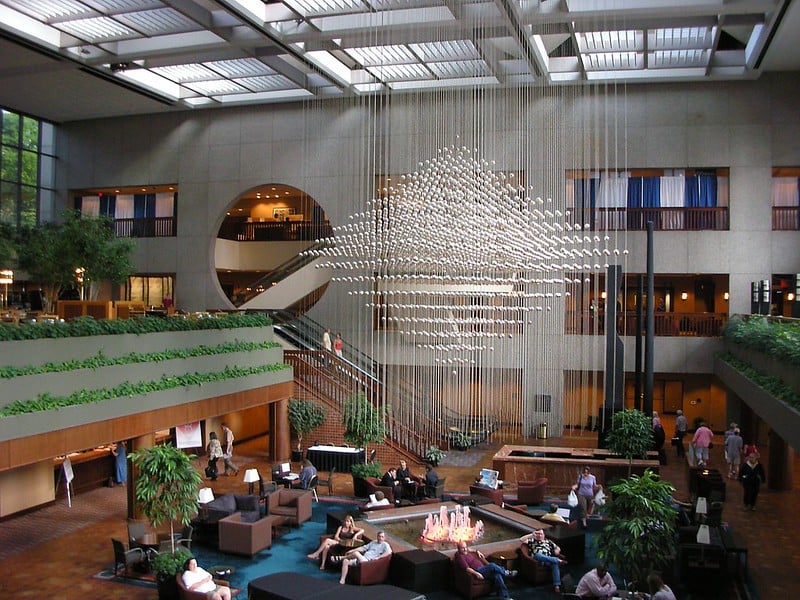
During a crowded tea dance at Kansas City’s Hyatt Regency Hotel, two suspended walkways suddenly plummeted to the lobby floor, crushing 114 people and injuring over 200. An engineering design change had doubled the load on a critical connection, causing catastrophic failure.
The tragedy led to stricter engineering review processes and clearer lines of responsibility between architects and structural engineers.
MGM Grand Fire (1980)
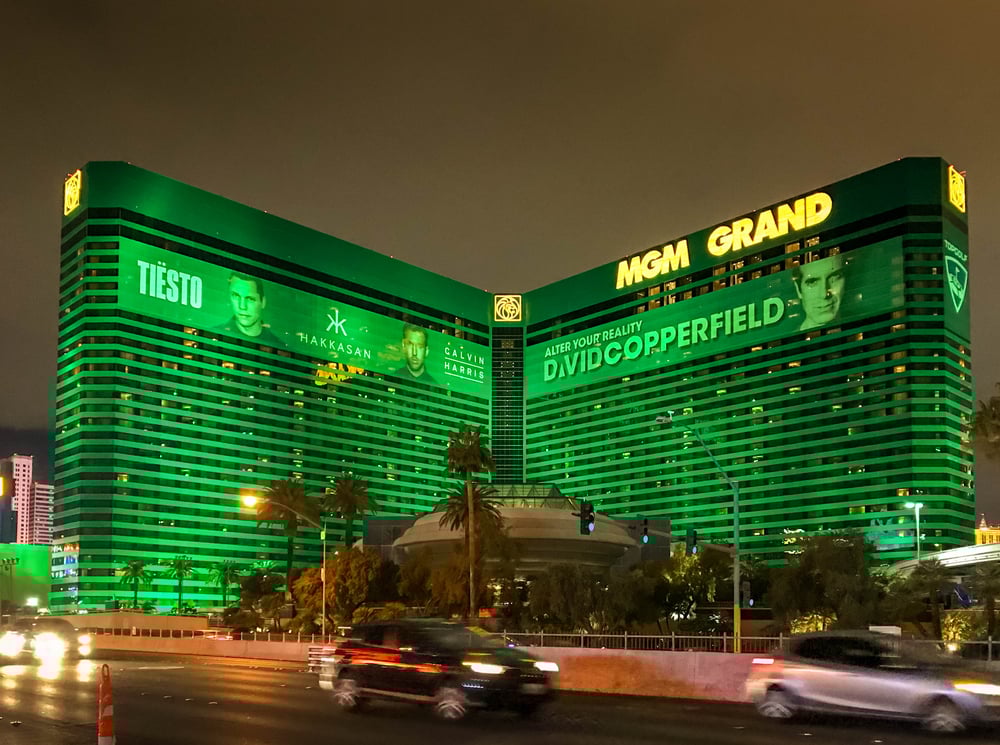
— Photo by CeriBreeze
A faulty electrical connection in a restaurant display case sparked a fire that killed 85 people at the MGM Grand Hotel in Las Vegas. The blaze remained confined to the casino level, but deadly smoke traveled through the building’s ventilation system to upper floors.
This disaster transformed fire safety standards for high-rise buildings, requiring compartmentalization systems to prevent smoke spread and pressurized stairwells for safe evacuation.
Sampoong Department Store Collapse (1995)

The five-story Sampoong Department Store in Seoul collapsed in just 20 seconds, killing 502 people and injuring 937 others. Investigators discovered the building had been constructed with substandard materials and critical columns had been removed to create more retail space.
South Korea completely overhauled its building inspection system following this catastrophe, implementing stricter oversight of construction projects and mandatory structural reviews.
World Trade Center Attack (2001)

The collapse of the Twin Towers revealed critical weaknesses in how skyscrapers respond to extreme events like terrorist attacks. The buildings’ lightweight steel construction and fireproofing systems couldn’t withstand the intense heat from burning jet fuel.
New building codes now require enhanced fireproofing for steel structures, improved stairwell design for emergency evacuation, and better communication systems for coordinating rescue efforts.
Station Nightclub Fire (2003)

Pyrotechnics ignited flammable foam insulation at The Station nightclub in Rhode Island, creating a rapidly spreading fire that killed 100 people. The club had only one usable exit, which quickly became blocked by panicking patrons.
This tragedy led to stricter regulations on building materials, requiring flame-resistant insulation in public venues and revised exit capacity calculations based on maximum occupancy levels.
Big Dig Ceiling Panel Collapse (2006)

A 12-ton concrete ceiling panel fell from a tunnel in Boston’s Big Dig project, crushing a car and killing one person. Investigators found that the epoxy adhesive used to anchor the panels had failed due to poor installation and inadequate testing.
The incident prompted new standards for adhesive anchoring systems in transportation infrastructure, including mandatory long-term testing and regular inspection protocols.
Hard Rock Hotel Collapse (2019)

The partially constructed Hard Rock Hotel in New Orleans suddenly collapsed during construction, killing three workers and injuring dozens more. The building’s design had been modified multiple times during construction without proper structural analysis.
This disaster reinforced the importance of maintaining structural integrity throughout the construction process, leading to enhanced oversight of design changes and mandatory structural reviews.
Surfside Condominium Collapse (2021)
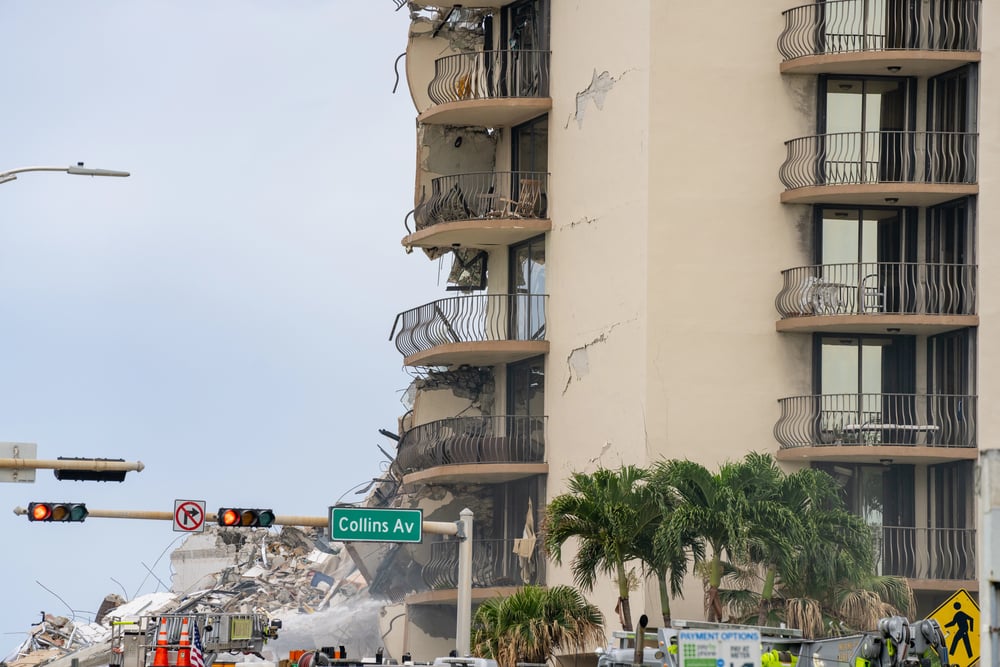
— Photo by felixtm
The 12-story Champlain Towers South in Florida collapsed without warning, killing 98 residents. The building had been showing signs of structural deterioration for years, with cracking concrete and corroded steel reinforcement in critical areas.
This tragedy spurred nationwide reviews of aging high-rise buildings and new requirements for regular structural inspections of older concrete structures, particularly in coastal environments.
Grenfell Tower Fire (2017)

External cladding on London’s Grenfell Tower turned a small apartment fire into an inferno that consumed the entire 24-story building, killing 72 residents. The aluminum composite panels used in a recent renovation contained a flammable core that helped spread flames up the building’s exterior.
The disaster led to global bans on combustible cladding materials and mandatory inspections of similar high-rise buildings worldwide.
I-35W Bridge Collapse (2007)

The eight-lane Interstate 35W bridge over the Mississippi River in Minneapolis suddenly collapsed during rush hour, plunging 111 vehicles into the water and killing 13 people. A design flaw in the bridge’s gusset plates, combined with increased loads from construction equipment, caused the catastrophic failure.
This disaster prompted the Federal Highway Administration to require immediate inspection of similar bridge designs nationwide and led to increased funding for infrastructure maintenance programs.
Rana Plaza Collapse (2013)

The eight-story Rana Plaza building in Bangladesh collapsed like a house of cards, killing over 1,100 garment workers. The structure had been built with substandard materials and lacked proper permits for the upper floors, which housed heavy industrial equipment.
This tragedy sparked international building safety initiatives and stricter oversight of industrial construction in developing countries, with major retailers now requiring independent safety inspections.
Citicorp Center Crisis (1978)
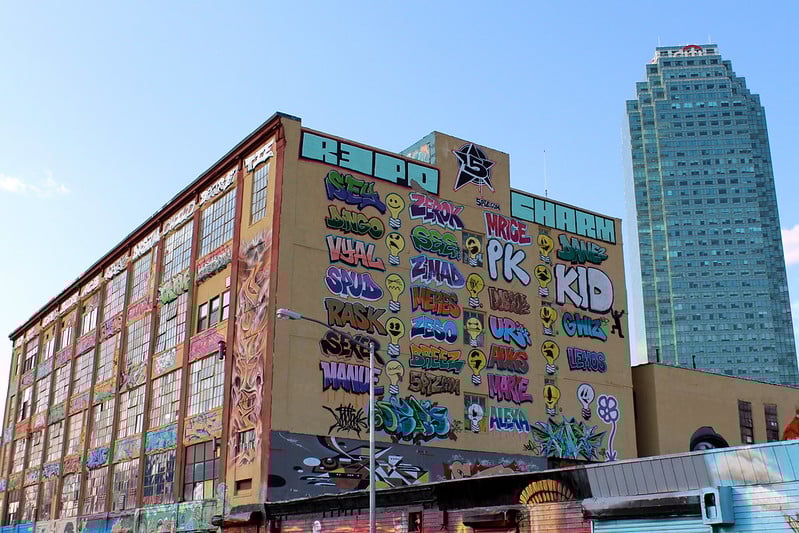
The 59-story Citicorp Center in New York was discovered to have a critical structural flaw that could have caused collapse in high winds. The building’s unique design, with stilts at the center of each side rather than at the corners, created unexpected stresses that weren’t properly analyzed.
Though disaster was averted through secret emergency repairs, this near-miss led to more rigorous computer modeling requirements for unusual architectural designs and mandatory peer review of innovative structural systems.
Building Tomorrow on Yesterday’s Lessons

These catastrophes remind us that progress often comes at a terrible price, with each tragedy serving as a wake-up call for the construction industry. The building codes we follow today aren’t abstract regulations dreamed up in committee rooms—they’re written in the memories of those who didn’t make it home. Modern structures benefit from decades of hard-learned lessons, from fireproof materials to redundant support systems that can handle the unexpected. Every beam, exit sign, and sprinkler head represents someone’s attempt to ensure that history’s darkest construction moments never repeat themselves.
More from Go2Tutors!

- 16 Historical Figures Who Were Nothing Like You Think
- 12 Things Sold in the 80s That Are Now Illegal
- 15 VHS Tapes That Could Be Worth Thousands
- 17 Historical “What Ifs” That Would Have Changed Everything
- 18 TV Shows That Vanished Without a Finale
Like Go2Tutors’s content? Follow us on MSN.



