Historic Hotels With Celebrity Secrets
Some hotels are just places to sleep.
Others are where history gets made, relationships fall apart, and legends are born.
The world’s most famous hotels have always attracted celebrities seeking privacy, luxury, or simply a place where their eccentricities wouldn’t raise eyebrows.
Behind the elegant lobbies and discreet staff, these establishments have witnessed affairs, overdoses, creative breakthroughs, and moments that would have destroyed careers if they’d become public at the time.
The walls may not literally talk, but the stories that have leaked out over the decades reveal just how much drama unfolds when fame checks into a room.
Here’s a closer look at the hotels where celebrity secrets were made, kept, and occasionally exposed.
Chateau Marmont

Perched above Sunset Boulevard since 1929, the Chateau Marmont became Hollywood’s favorite hideaway precisely because it perfected the art of discretion.
The hotel’s unofficial motto—“If you must get in trouble, do it at the Chateau Marmont”—wasn’t just marketing.
Howard Hughes rented multiple bungalows simultaneously to conduct various affairs without his companions discovering each other.
Jean Harlow and Clark Gable carried on a secret relationship in one of the garden cottages.
Decades later, Led Zeppelin rode motorcycles through the lobby, and John Belushi died of a drug overdose in Bungalow 3 in 1982.
The hotel’s policy of never commenting on guest behavior, no matter how outrageous, made it a sanctuary for celebrities who needed to escape the scrutiny that followed them everywhere else.
Hotel Chelsea
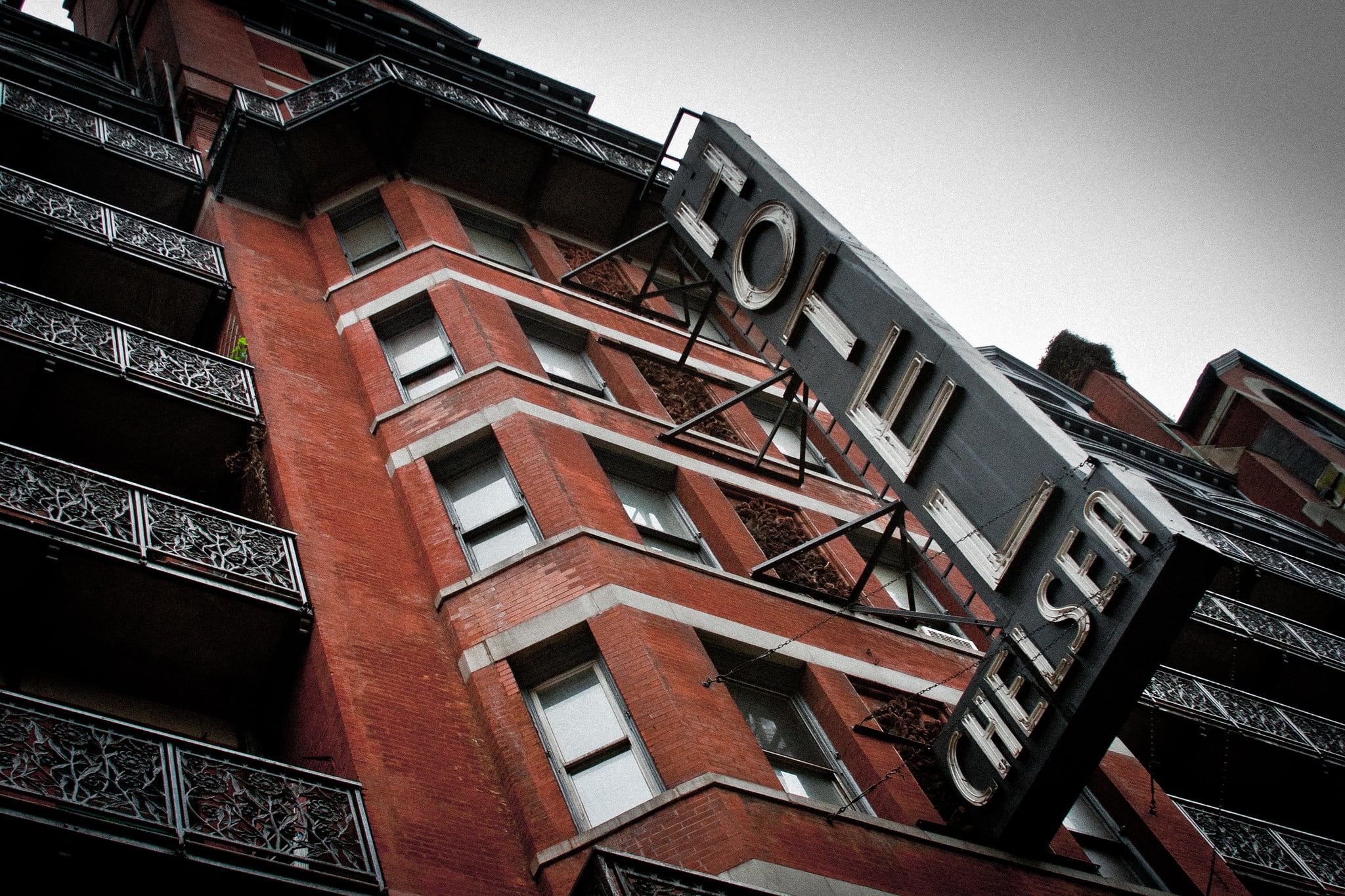
New York’s Hotel Chelsea wasn’t just a place where artists stayed—it was where they lived, created, and sometimes self-destructed.
The Gothic Revival building housed an astonishing roster of creative talent from the 1960s through the 1980s, including Bob Dylan, Janis Joplin, Leonard Cohen, and Patti Smith.
Dylan wrote “Sad Eyed Lady of the Lowlands” during an all-night session in his room.
Cohen had an affair with Janis Joplin that inspired his song “Chelsea Hotel No. 2,” which he later regretted making public.
The hotel’s most infamous moment came in 1978 when Sid Vicious allegedly stabbed his girlfriend Nancy Spungen in their room, though the circumstances remain disputed.
Chelsea’s tolerance for bohemian chaos made it a magnet for people living on the edge of fame and disaster.
The Plaza

The Plaza Hotel in New York has hosted everyone from the Beatles to the Kennedys, but its role as a backdrop for secret meetings and clandestine affairs often went unnoticed by the tourists admiring its gilded architecture.
Frank Lloyd Wright lived there for years, and Truman Capote threw his legendary Black and White Gala in the Grand Ballroom in 1966, creating a guest list that read like a who’s who of American culture.
The hotel’s Palm Court became a favorite spot for powerful people to have conversations they didn’t want overheard in more formal settings.
When the Beatles stayed during their first American tour in 1964, they were essentially prisoners of their fame, unable to leave their suite without causing riots.
The Plaza understood that sometimes the greatest luxury it could offer wasn’t opulence but invisibility.
Beverly Hills Hotel
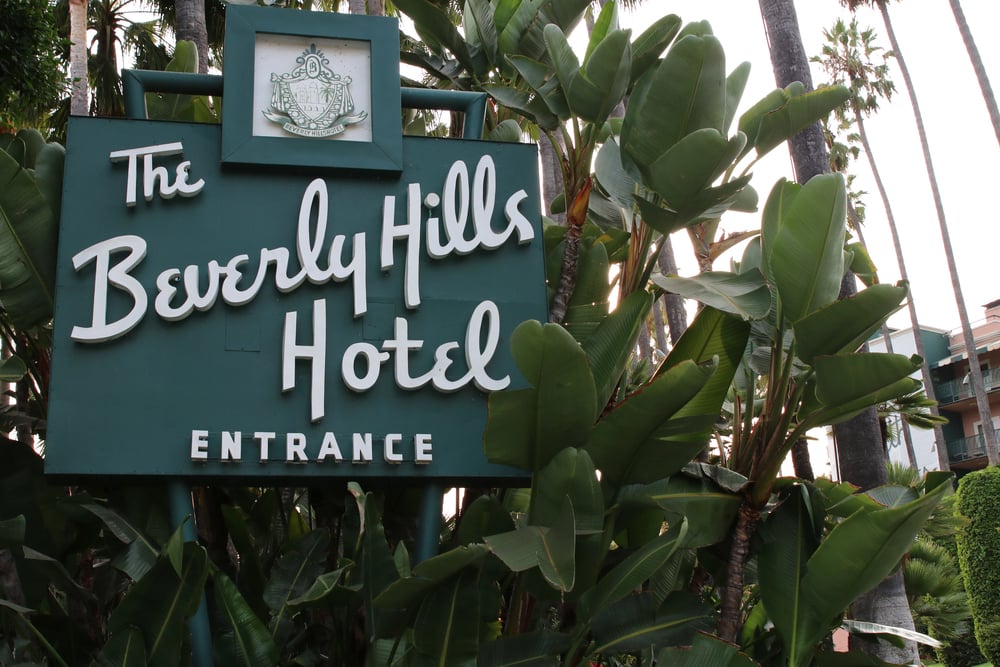
The pink palace on Sunset Boulevard has been Hollywood’s living room since 1912, and its Polo Lounge became the place where deals were made and affairs were started.
Elizabeth Taylor honeymooned there six times with different husbands, turning the hotel into a personal tradition.
Howard Hughes rented Bungalows 1, 3, and 4 for over 30 years, sometimes living in one while using the others for business meetings and romantic encounters.
Marilyn Monroe and Yves Montand had an affair in one of the bungalows during the filming of “Let’s Make Love,” while her husband Arthur Miller stayed elsewhere.
The hotel’s bungalows, hidden by lush tropical landscaping, offered privacy that the main building couldn’t match.
For decades, being spotted in the Polo Lounge meant you were somebody, but what happened in the bungalows stayed secret.
The Algonquin

The Algonquin Hotel’s Round Table became legendary in the 1920s as the daily meeting spot for Dorothy Parker, Robert Benchley, and other writers who shaped American wit and culture.
Their lunches, filled with cutting remarks and clever wordplay, were covered by newspapers, making the participants famous for their conversations as much as their published work.
But the hotel also provided quieter refuge for writers working on deadlines or recovering from personal disasters.
William Faulkner stayed there while working on revisions, and numerous playwrights used it as a base during Broadway productions.
The hotel understood that creative people needed both community and solitude, often in rapid succession.
Its legacy isn’t just about famous guests but about creating an atmosphere where intelligence and creativity were the currency that mattered most.
Raffles Hotel Singapore
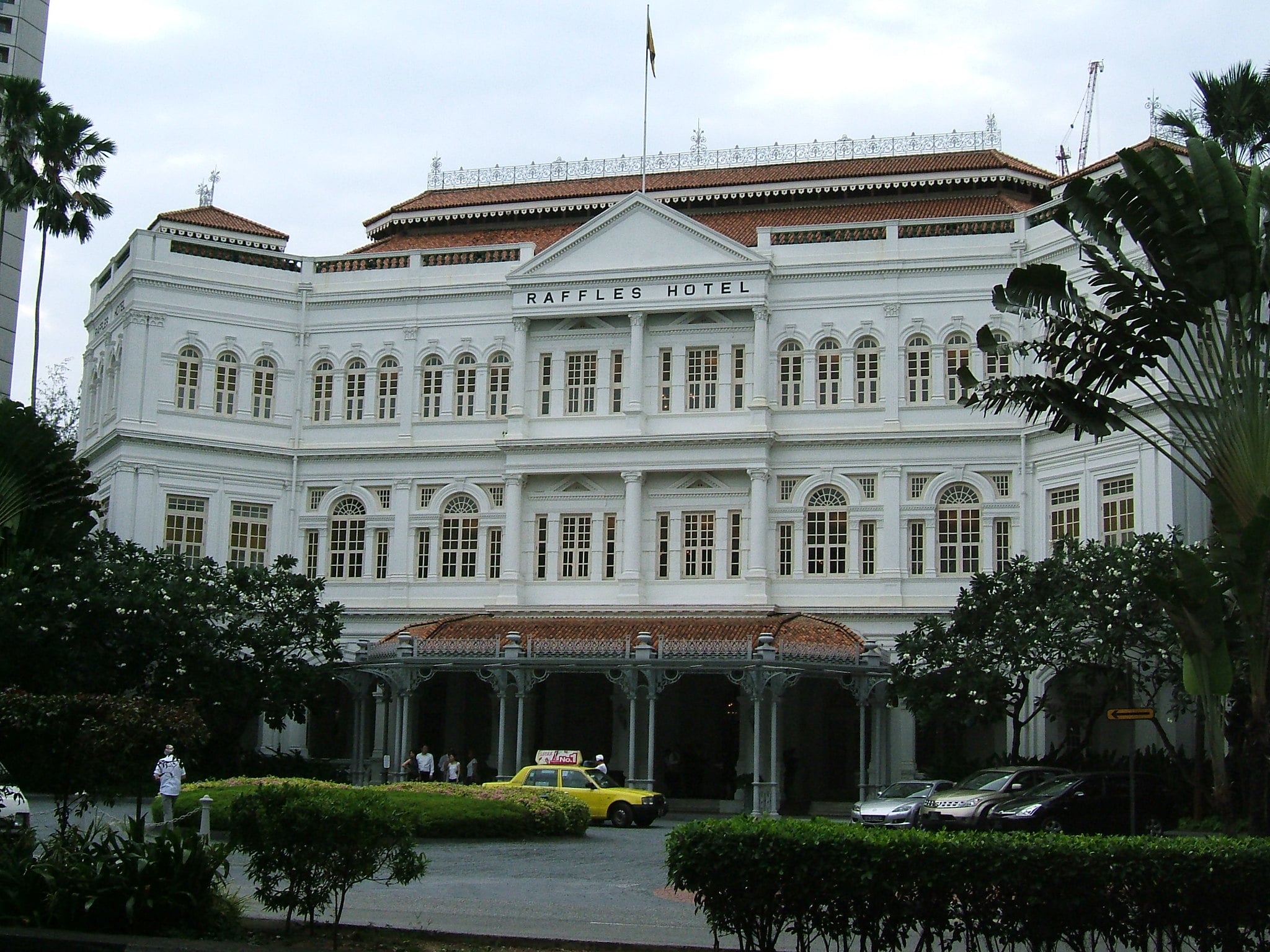
Raffles Hotel, opened in 1887, became the epitome of colonial luxury in Southeast Asia and attracted literary figures, spies, and socialites who wanted to experience the exotic East with Western comforts.
Somerset Maugham stayed there repeatedly, gathering material for his stories about expatriate life and moral compromise in the tropics.
Rudyard Kipling, Joseph Conrad, and Charlie Chaplin all passed through its doors, and the hotel’s Long Bar invented the Singapore Sling in 1915.
During World War II, the hotel served as a transit camp for refugees, then a Japanese officers’ quarters, witnessing the region’s turbulent transformation.
The secrets here were often about colonial guilt, forbidden relationships across racial lines, and the moral ambiguity of empire—themes that permeated the literature written by guests who observed the world from its verandas.
The Carlyle
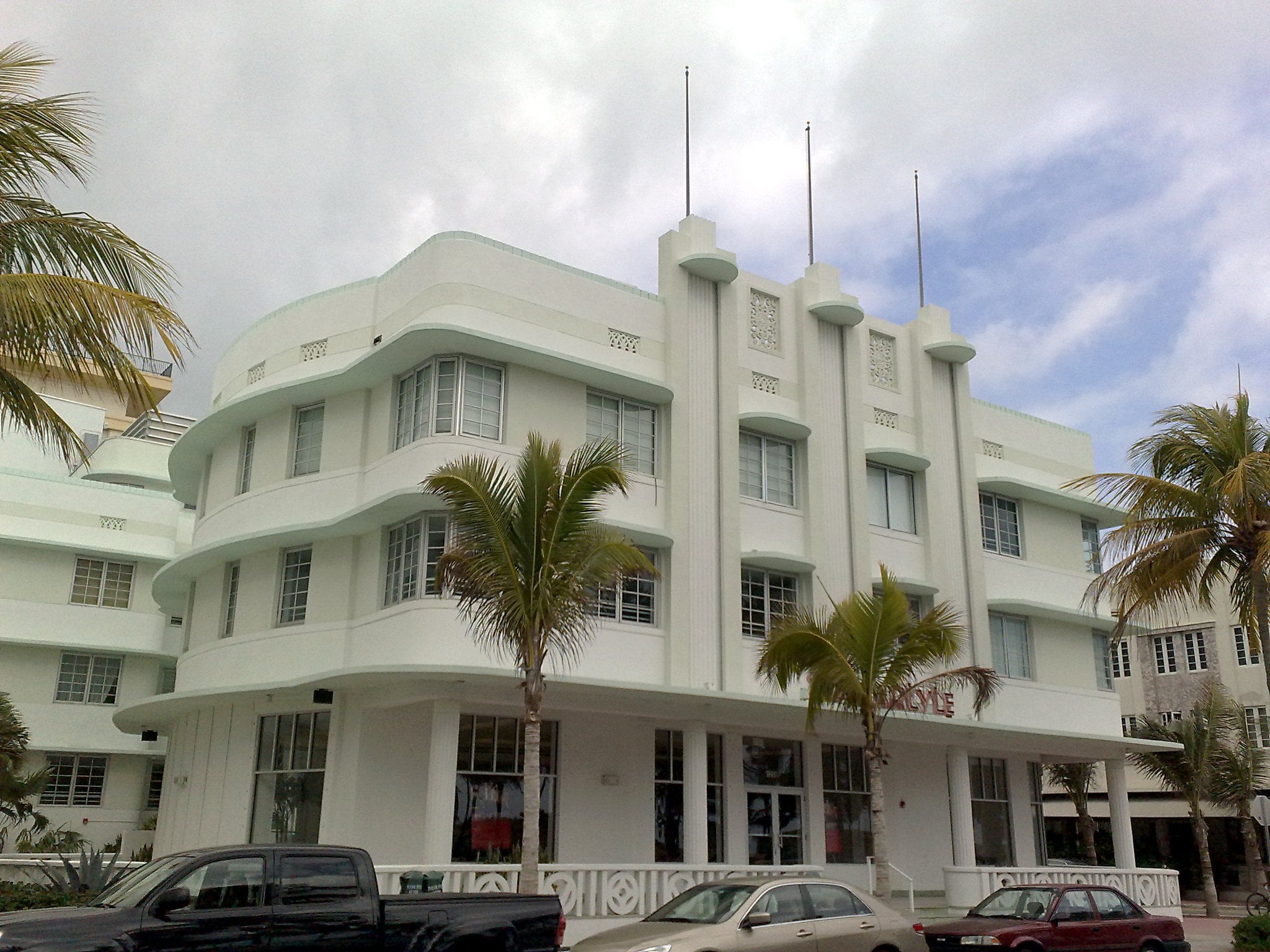
The Carlyle Hotel in New York’s Upper East Side became synonymous with presidential discretion when John F. Kennedy maintained a private apartment there during his presidency.
He used a series of underground tunnels and back entrances to meet Marilyn Monroe and other women away from Secret Service scrutiny and press attention.
The hotel’s staff was legendary for its silence—they saw everything and revealed nothing.
Princess Diana stayed there during her visits to New York, appreciating the privacy it offered when her every move was tracked by paparazzi elsewhere.
The Carlyle’s Café Carlyle hosted Woody Allen’s jazz performances for decades, and Bobby Short’s residency made it a destination for people who appreciated old-school elegance.
The hotel succeeded by understanding that true luxury for the famous meant protection from public exposure.
Hotel Ritz Paris

The Ritz Paris, opened in 1898, set the standard for luxury hotels worldwide and attracted everyone from Coco Chanel, who lived there for 34 years, to Ernest Hemingway, who claimed to have “liberated” the hotel bar from German occupation in 1944.
Chanel conducted an affair with a German officer during World War II in her Ritz suite, a relationship that nearly destroyed her reputation and forced her to flee to Switzerland.
F. Scott Fitzgerald and Ernest Hemingway drank together at the bar, a friendship that deteriorated into bitter rivalry.
Princess Diana spent her last hours at the Ritz before the car crash that killed her in 1997.
The hotel’s guest registers read like a history of the 20th century’s most glamorous and troubled figures, all seeking the Ritz’s particular combination of luxury and discretion.
Sunset Tower Hotel

Originally opened in 1929 as an apartment building, Sunset Tower became a hotel and quickly attracted Hollywood figures who appreciated its Art Deco elegance and proximity to the studios.
John Wayne kept an apartment there, and Howard Hughes used it for clandestine meetings when he wanted to avoid the Chateau Marmont’s growing fame.
The building’s history includes numerous affairs, business deals sealed over drinks, and the kind of old Hollywood glamour that exists now mostly in movies about that era.
Bugsy Siegel lived there while planning his Las Vegas ventures, and numerous stars maintained secret apartments for purposes their spouses didn’t know about.
The tower’s elevated position above the Sunset Strip offered both literal and figurative distance from the chaos below.
The Savoy
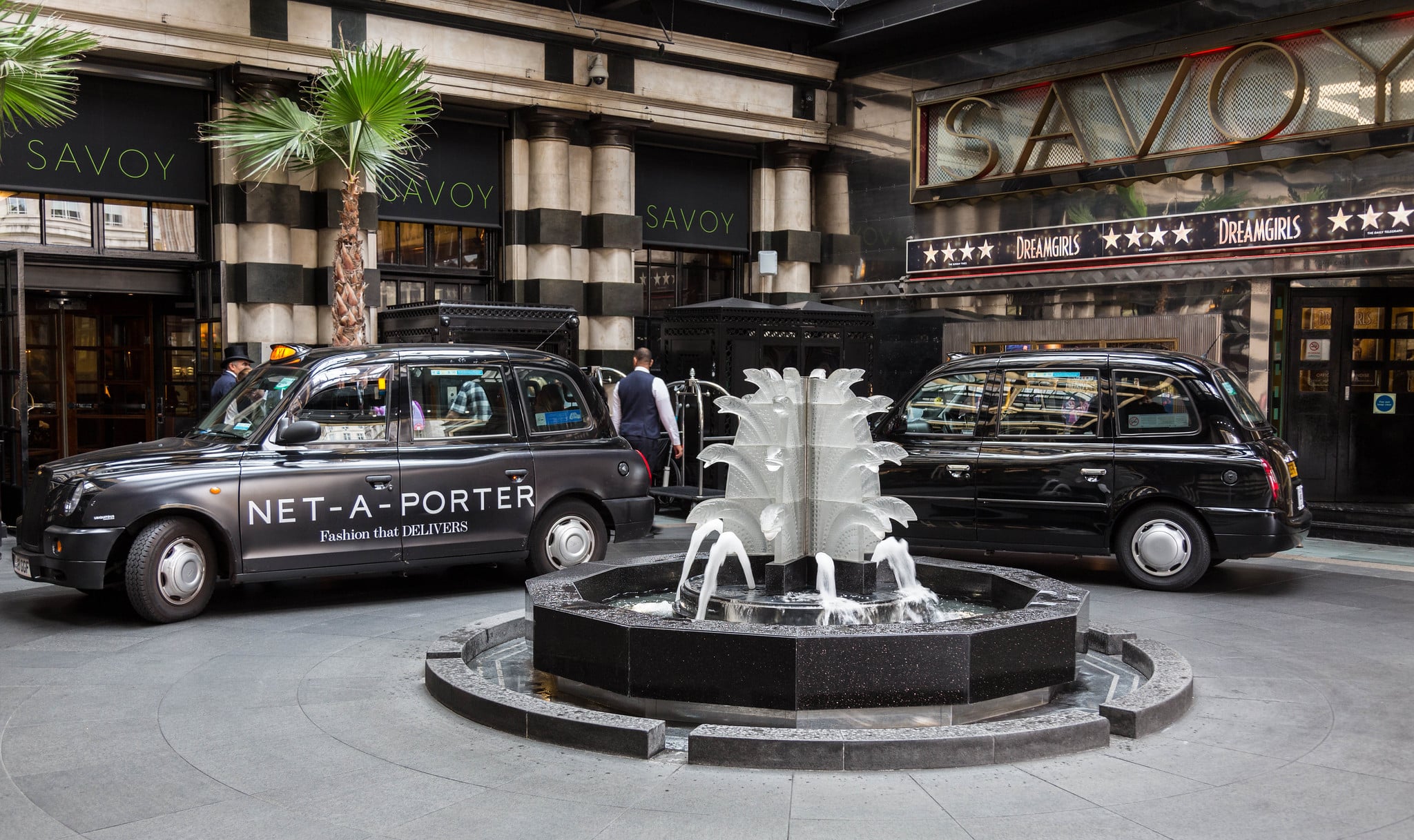
London’s Savoy Hotel, opened in 1889, became the place where British high society mingled with international celebrities and where Oscar Wilde’s life began its tragic unraveling.
Wilde and his lover Lord Alfred Douglas stayed there, and the subsequent scandal and trial destroyed Wilde’s career and freedom.
Monet painted the Thames from his Savoy balcony, capturing London’s fog in a series of masterpieces.
Winston Churchill held regular meetings at the hotel, and Marilyn Monroe stayed during her disastrous visit to England while filming “The Prince and the Showgirl.”
The Savoy hosted everyone from Frank Sinatra to the Beatles, and its American Bar became one of the world’s most famous cocktail venues.
The hotel’s position on the Strand made it a crossroads where deals, affairs, and artistic collaborations unfolded away from public view.
Where Secrets Still Live

These hotels survive because they mastered something more valuable than luxury—they perfected discretion at a time when fame offered no escape from scrutiny.
The scandals that eventually emerged were just fragments of the larger stories these walls contained, moments when privacy failed or participants chose to go public.
Modern celebrity culture, with its surveillance and instant exposure, makes the kind of secrecy these hotels once offered nearly impossible.
Yet they remain landmarks not just because famous people slept there, but because they represented sanctuaries where public figures could temporarily stop performing and simply be human—flawed, passionate, creative, and occasionally destructive.
The real secret these hotels kept wasn’t just about affairs or excess, but about the gap between the images celebrities projected and the complicated people they actually were.
More from Go2Tutors!

- The Romanov Crown Jewels and Their Tragic Fate
- 13 Historical Mysteries That Science Still Can’t Solve
- Famous Hoaxes That Fooled the World for Years
- 15 Child Stars with Tragic Adult Lives
- 16 Famous Jewelry Pieces in History
Like Go2Tutors’s content? Follow us on MSN.



