Facts About the World’s Largest Opal
Most gemstones have tales that extend far beyond their luster. Among them, however, are the opals, which have captured the imagination of people because of their shifting hues and luminosity.
Although most of them can fit comfortably in a ring or a pendant, one of them towers above the others in terms of its enormity and popularity.
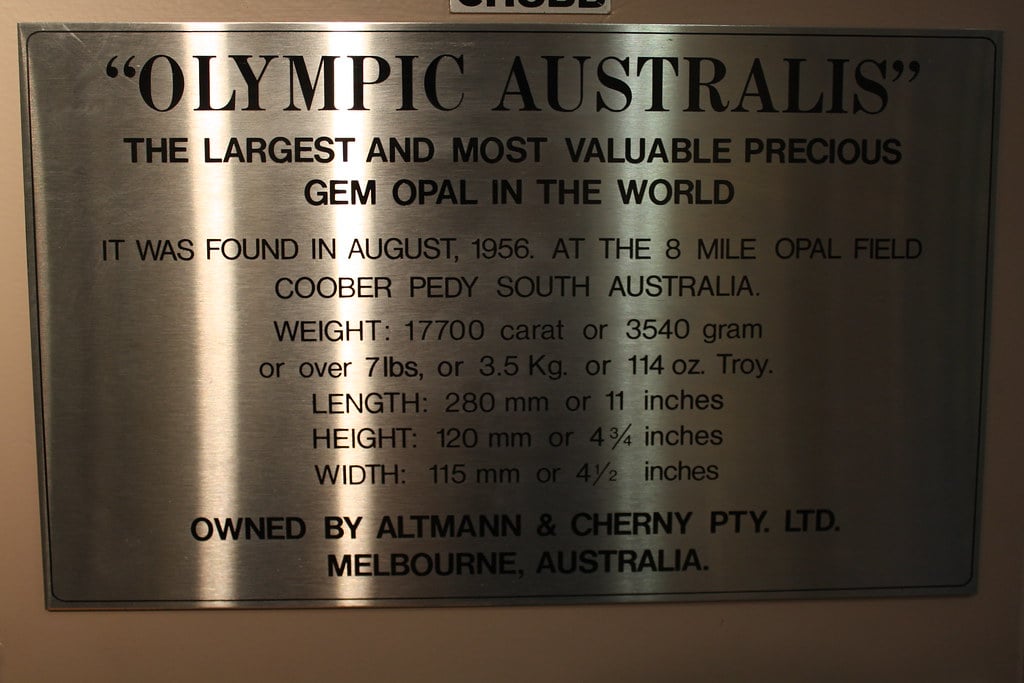
The largest gemstone ever found is called the Olympic Australis, and this remarkable gemstone, which has captured the imagination of people, has its origins in Australia in the mid-20th century. With its discovery, this gemstone has become a symbol of the rich mining history of the country and the strange beauty that lies beneath the desert sands.
Let us now have a look at this remarkable gemstone.
Olympic Australis
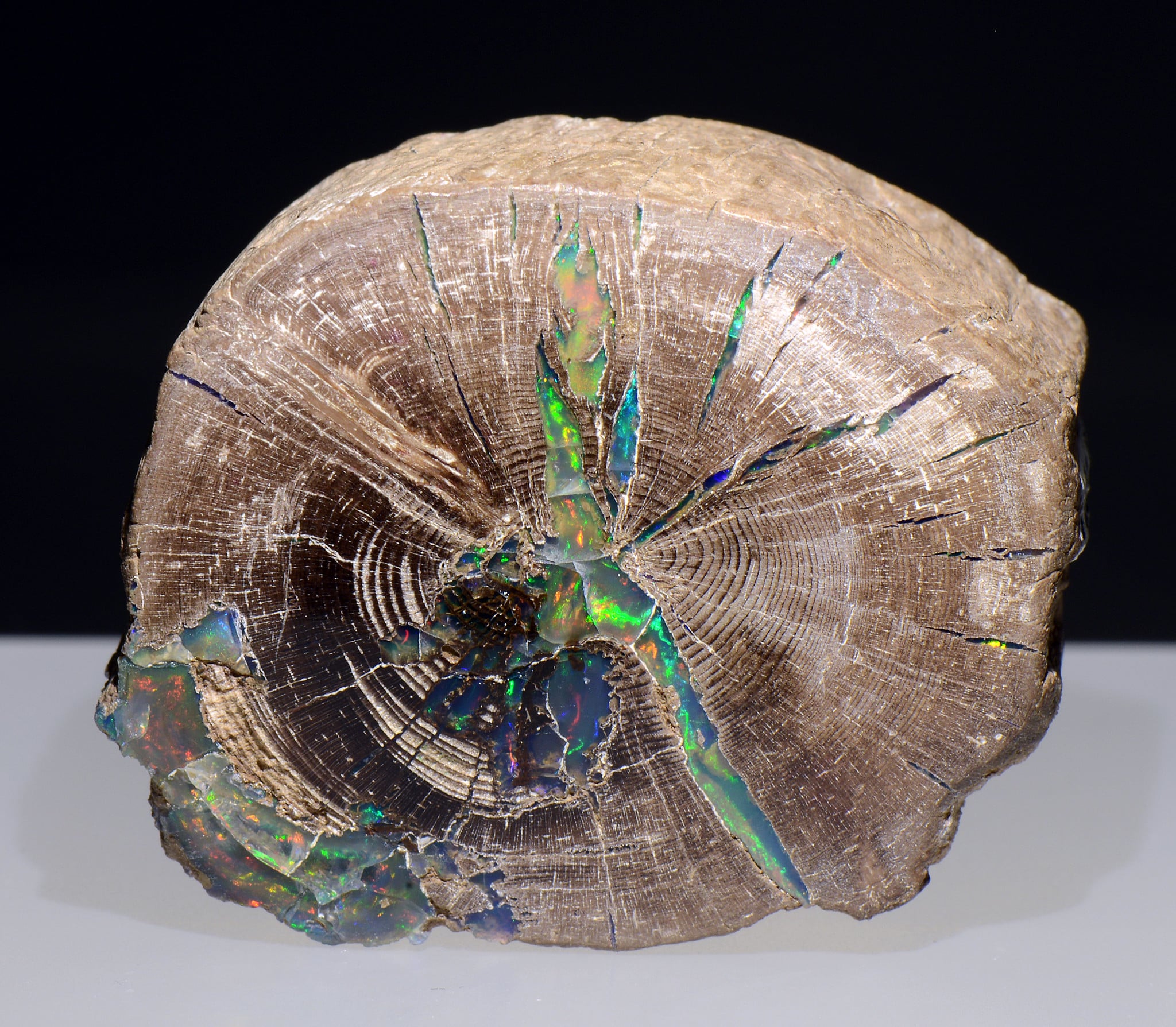
The Olympic Australis holds the title of the largest and most valuable gem-quality opal ever found. Discovered in 1956, the stone weighs around 17,000 carats, which translates to roughly 7.6 pounds.
Measuring approximately 11 inches long, it is dramatically larger than most gem opals, which are often only a few carats in size. Even so, what truly sets the Olympic Australis apart is not just its scale but its remarkable internal color patterns, which shimmer with flashes of green, blue, and orange when viewed under light.
Unlike many gemstones that are cut into smaller pieces, the Olympic Australis remains intact. Its sheer size and stability made it more valuable as a single natural specimen than as multiple smaller stones.
Today, it stands as one of the most famous opals ever discovered.
Discovery In Coober Pedy

The Olympic Australis was uncovered in the opal mining town of Coober Pedy in South Australia. The stone was discovered on August 4, 1956, by miner John Dunstan while working in the arid desert region.
The date of the discovery happened to coincide with the Olympic Games being held in Melbourne that year, which inspired the stone’s name.
Coober Pedy has long been considered the opal capital of the world. The region’s dry climate and mineral-rich ground make it one of the most productive opal mining areas on Earth.
Dunstan’s discovery quickly gained attention within the mining community, as stones of this size and quality are exceptionally rare.
A Giant By Gemstone Standards
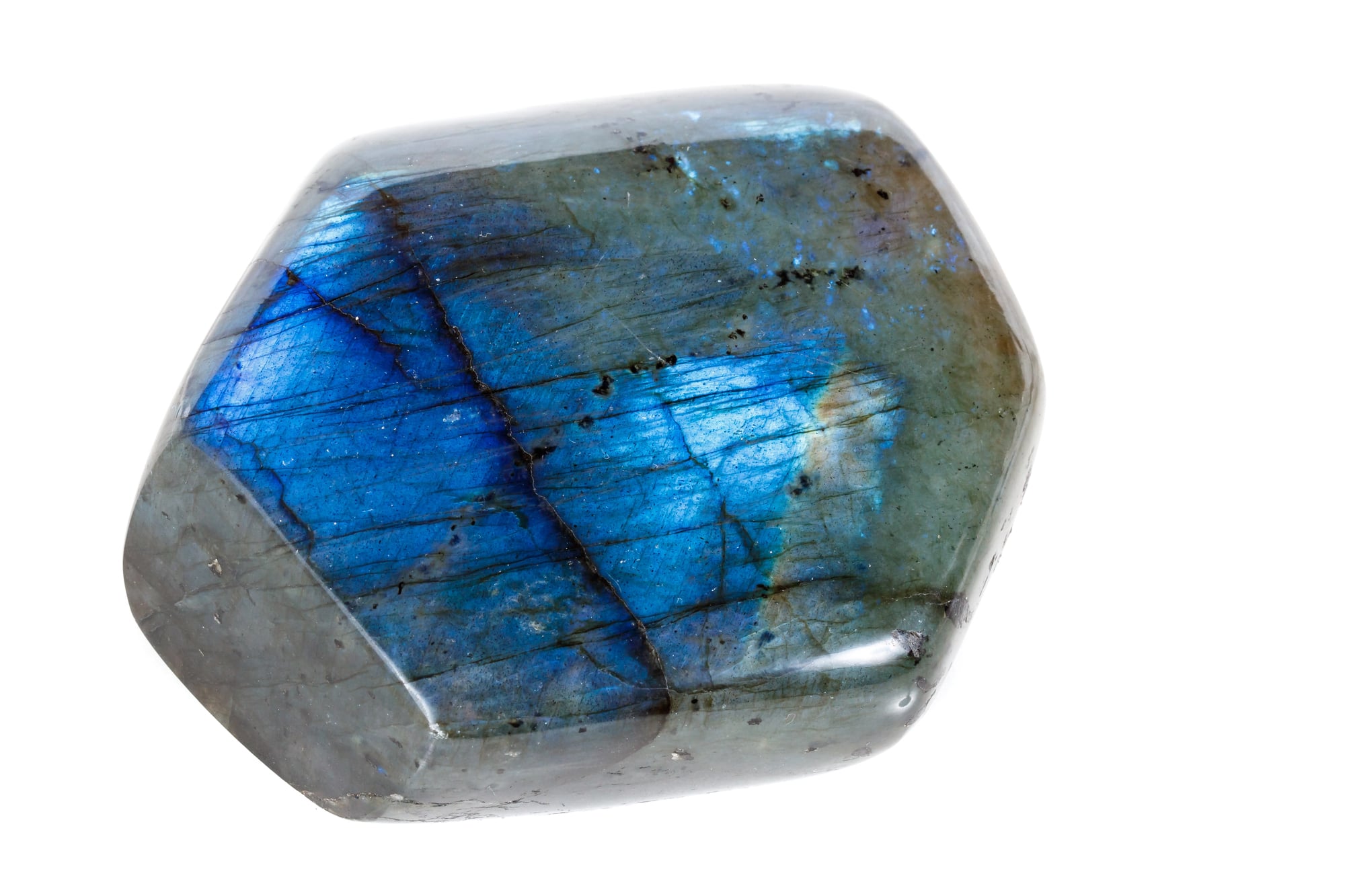
In the world of gemstones, the Olympic Australis is truly enormous. At more than 17,000 carats, it dwarfs most opals that reach the jewelry market.
Many gem-quality opals used in rings or necklaces weigh less than ten carats, making this specimen thousands of times larger than the average polished stone.
The opal itself is composed of about 99 percent precious opal, meaning the vast majority of the stone contains the colorful material prized by collectors. Only a small portion consists of common opal or host rock.
This unusually high concentration of gem-quality material is one of the reasons the stone is considered so extraordinary.
The Play Of Color
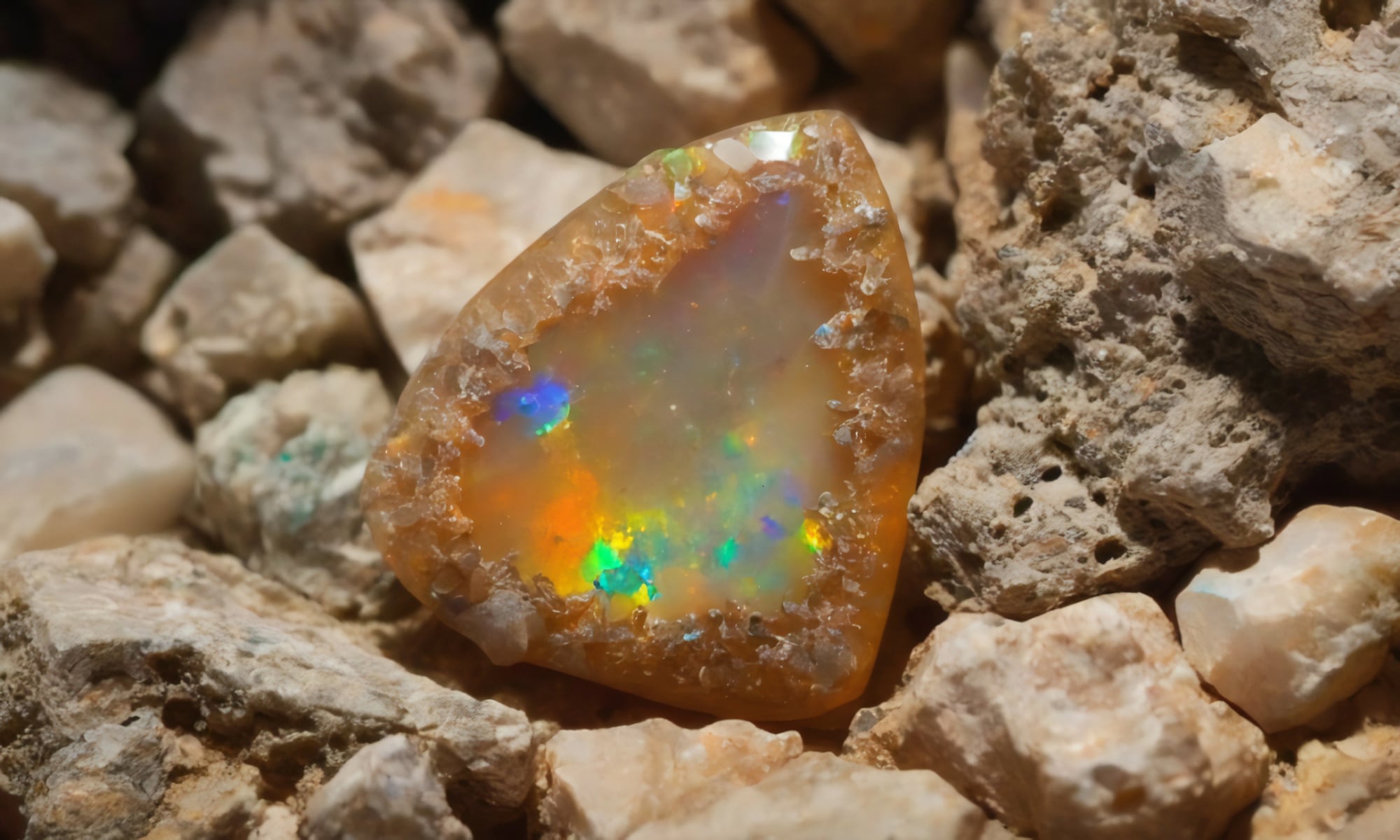
Opals are famous for their ‘play of color,’ a visual effect where shifting flashes of rainbow hues appear as the stone moves under light. This phenomenon occurs because opals contain microscopic silica spheres arranged in an orderly structure.
When light enters the stone, it bends and scatters through those spheres, producing vibrant colors that seem to dance across the surface.
The Olympic Australis displays this effect across a wide portion of its surface. Its color palette includes green, blue, yellow, and orange flashes that appear and fade depending on the viewing angle.
Even so, the stone’s brightness is considered moderate rather than extremely intense, which is typical for large natural opals that have not been heavily polished.
Why The Opal Was Never Cut
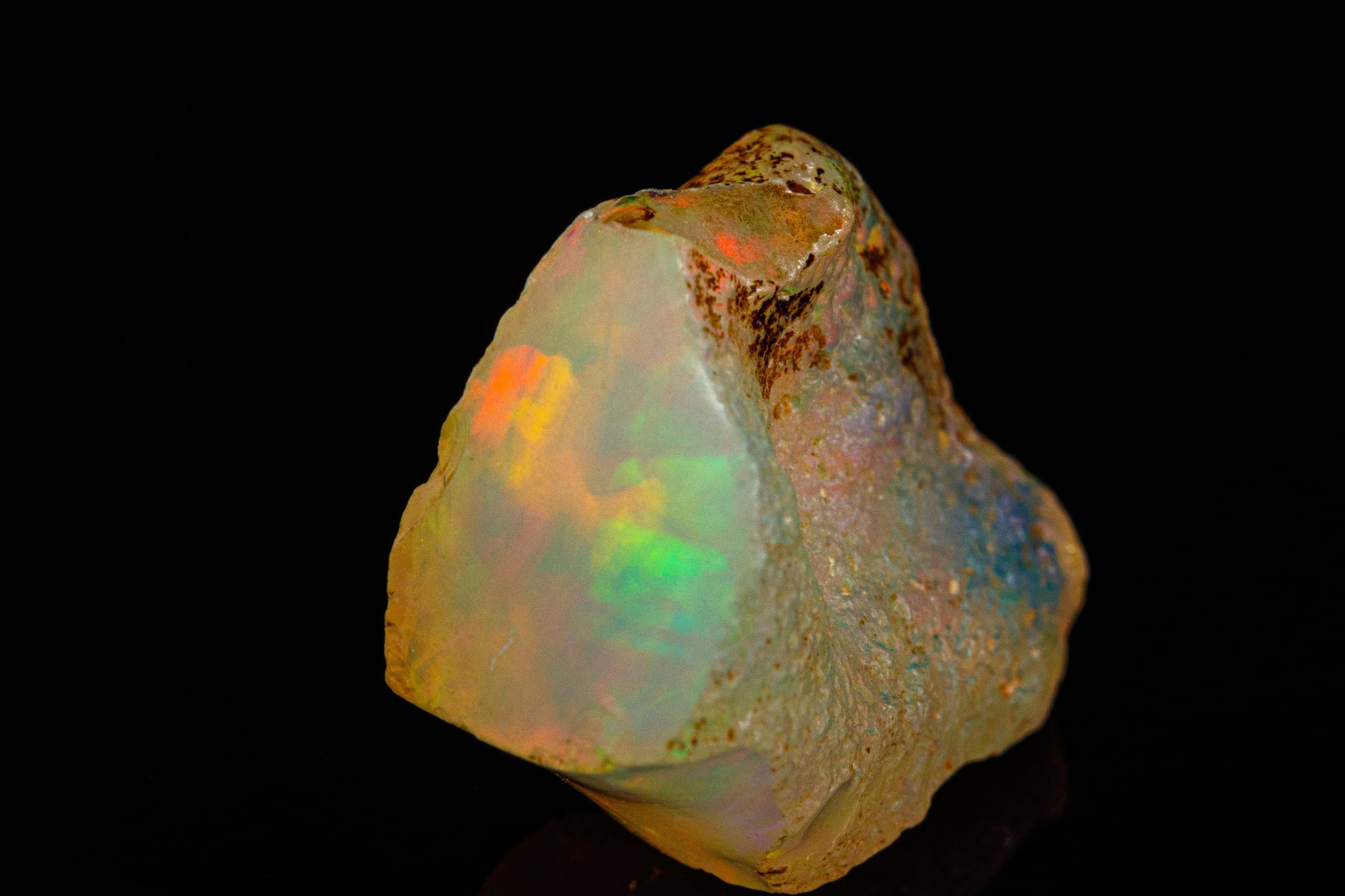
Most large gemstones are eventually cut into smaller pieces to maximize their value. That approach allows jewelers to produce multiple stones for rings, necklaces, and other pieces.
The Olympic Australis, however, followed a different path.
Cutting the stone would have destroyed the integrity of one of the largest gem opals ever found. Collectors and dealers recognized that its historical significance far outweighed the potential profit from slicing it into smaller gems.
As a result, the opal has remained intact for decades, preserved as a single extraordinary specimen.
Still, keeping it uncut also reduced the risk of damaging the internal structure. Large opals can be fragile, and improper cutting sometimes leads to fractures or loss of color patterns.
Australia’s Opal Heartland
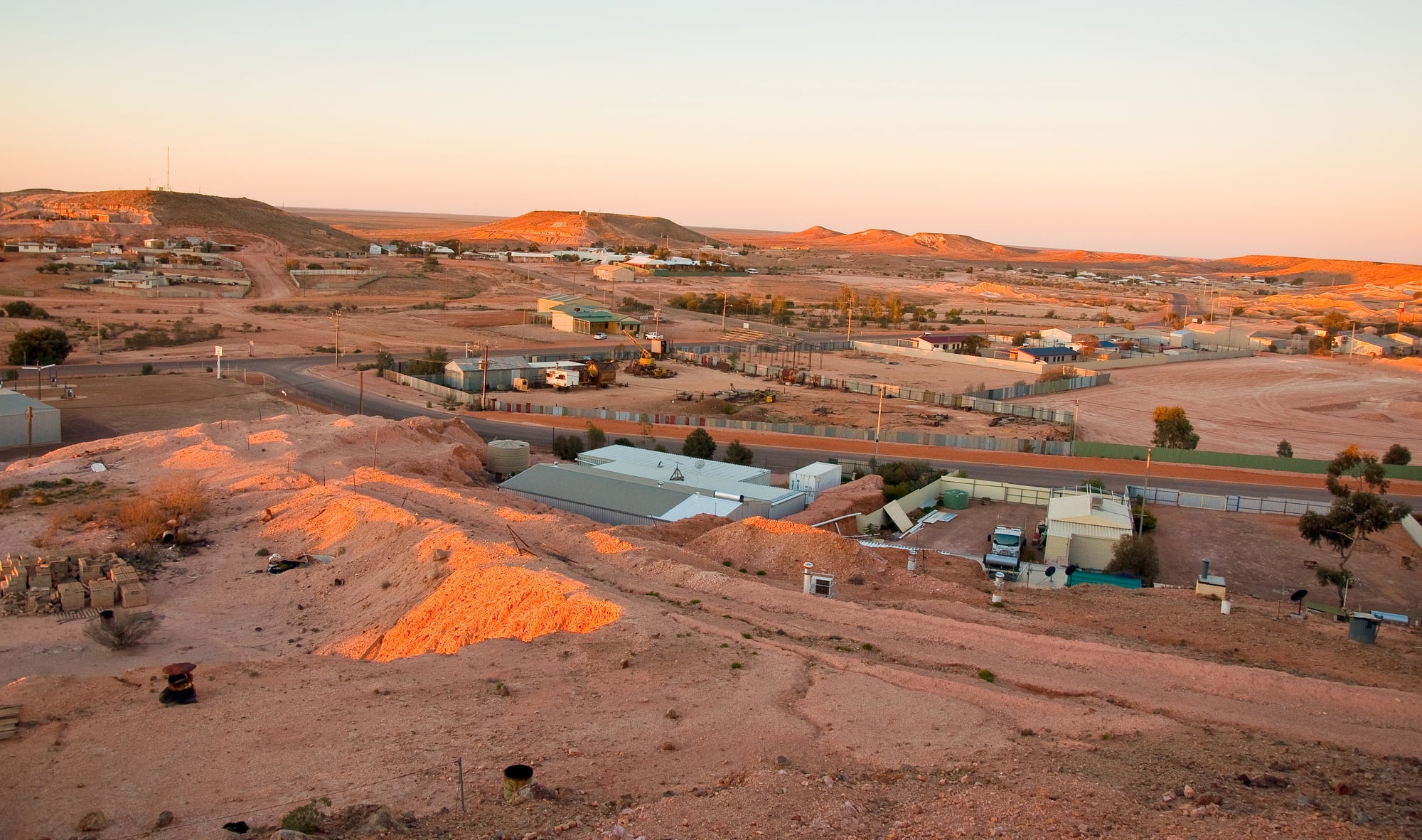
Australia produces the vast majority of the world’s precious opal, and South Australia sits at the center of that industry. Towns like Coober Pedy, Andamooka, and Mintabie have supplied gemstones to global markets for decades.
The desert landscape may appear barren at first glance, yet beneath the dusty ground lies a network of mineral seams rich with opal.
Mining in Coober Pedy often involves digging shafts deep into the ground and tunneling through layers of sandstone. Temperatures on the surface can exceed 100 degrees Fahrenheit during summer, which is one reason many residents live in underground homes carved into the rock.
These dwellings remain naturally cool despite the intense desert heat.
The discovery of stones like the Olympic Australis helped cement the region’s reputation as one of the most important gemstone sources on Earth.
The Science Behind Opal Formation
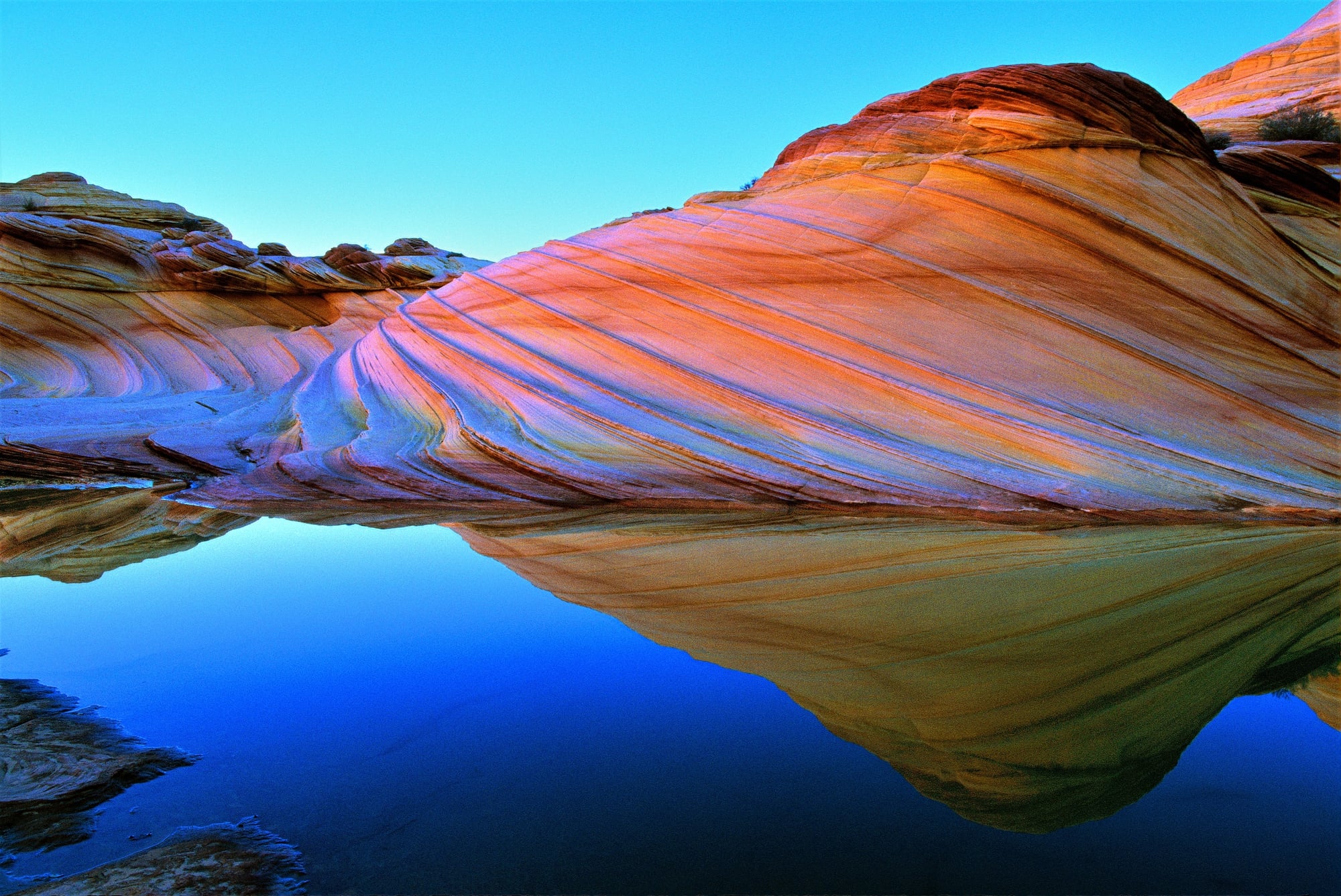
Opals form in a way that differs from most other gemstones. Instead of growing as crystals, opals develop from silica-rich water that seeps into cracks within rocks.
Over time, the water evaporates, leaving behind tiny spheres of silica that gradually solidify into the gemstone.
The precise arrangement of these spheres determines whether an opal displays the famous play of color. When the spheres are uniform in size and arranged in orderly layers, light interacts with them to produce flashes of color.
When the structure is irregular, the result is common opal, which lacks the rainbow effect.
In places like Coober Pedy, geological conditions millions of years ago created the perfect environment for this process. Ancient inland seas once covered the region, leaving behind sediment layers where silica-rich water slowly formed opal deposits.
A Treasure Of The Desert
The Olympic Australis emerged from one of the harshest landscapes in Australia. The surrounding desert may appear lifeless from a distance, yet it holds geological treasures beneath its surface.
Miners in the region often work in narrow tunnels carved through sandstone layers, searching for thin seams where opal might appear.
Discoveries like Dunstan’s are extremely rare. Most mining operations produce small fragments or modest stones suitable for jewelry.
Finding a specimen weighing several pounds is almost unheard of in the gemstone industry.
Even so, the Olympic Australis serves as a reminder of the unpredictable nature of mining. Sometimes a single strike beneath the desert sand reveals something extraordinary.
Estimated Value
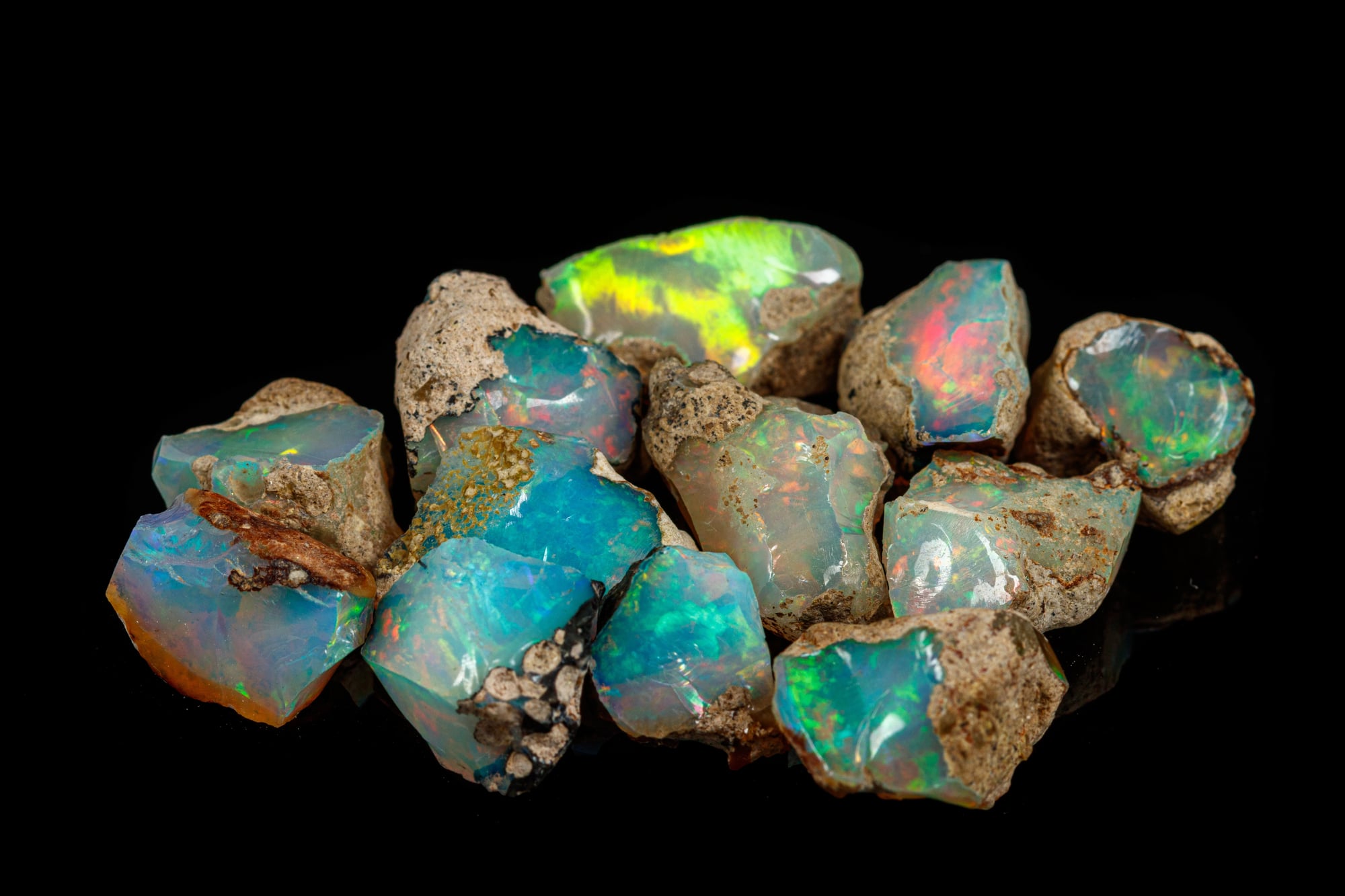
Assigning a precise price to the Olympic Australis is surprisingly difficult. Because the stone has never been cut or sold through a traditional jewelry market, its value depends largely on collector interest and historical significance rather than standard gemstone pricing.
Experts have estimated the stone’s worth at several million dollars. That figure reflects not only its weight but also its rarity and cultural importance.
Large gem opals are already uncommon, and specimens of this scale almost never appear.
In the collector world, uniqueness often carries more value than raw material weight. The Olympic Australis falls squarely into that category.
A Symbol Of Australia’s Opal Legacy
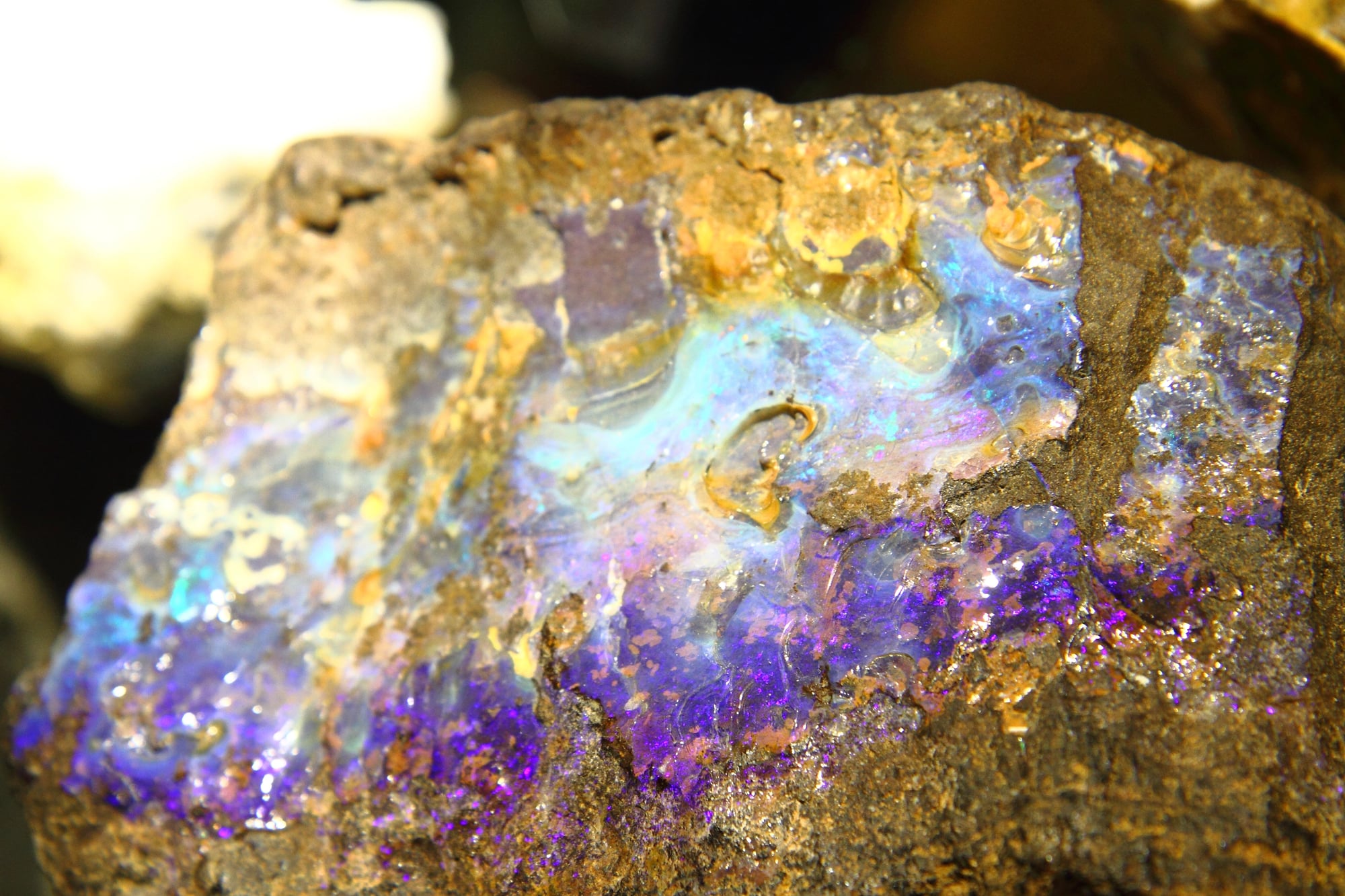
Opals have long been associated with Australia’s national identity. The gemstone was even declared the country’s national gem in 1993, reflecting the important role opal mining has played in local communities.
Stones from Australian mines are prized for their vivid colors and stability. Unlike some opals from other regions, many Australian varieties are less prone to cracking when exposed to changes in temperature or humidity.
The Olympic Australis represents the peak of that legacy. Its discovery helped strengthen Australia’s reputation as the world’s leading source of precious opal.
Why It Still Captivates Collectors
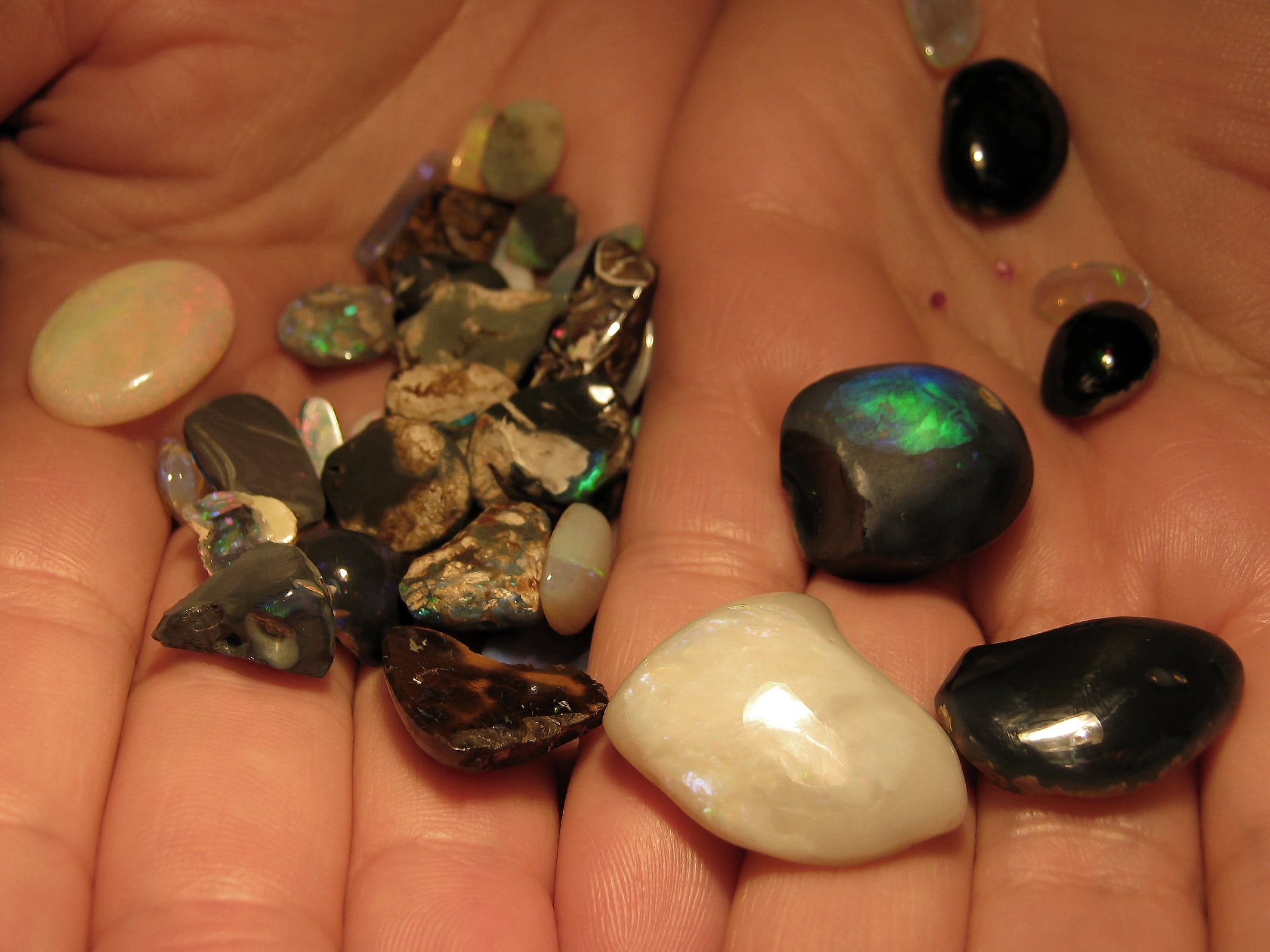
Decades after its discovery, the Olympic Australis continues to attract attention from gemstone enthusiasts and collectors. Its sheer size makes it an instant conversation piece, yet the real fascination lies in the natural processes that created it.
Few gemstones illustrate Earth’s geological creativity quite so vividly.
Even so, the stone also represents a moment in mining history when patience and persistence paid off in spectacular fashion. Discoveries like this are rare enough to shape entire industries.
The Legacy Beneath The Desert
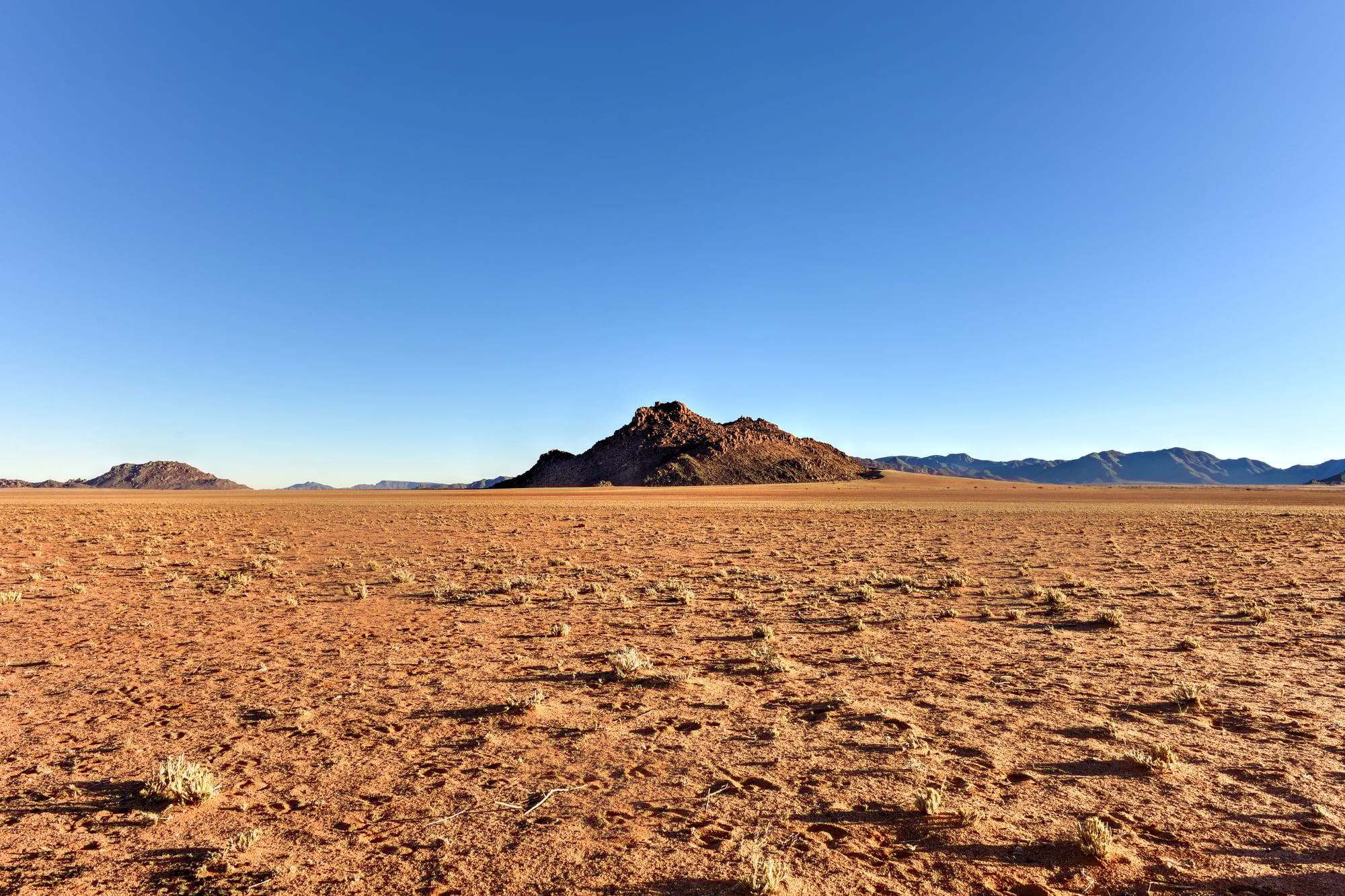
The history of the Olympic Australis ranges from the ancient geological past to the present-day world of gemstones. It began as a product of geological formation over time, only to finally appear under the dusty soil in South Australia as a result of a single mining strike in 1956.
In many ways, the Olympic Australis is more than just a geological phenomenon. It is a product of the ingenuity of miners, the unusual landscapes that conceal treasures within, and the fascination that humans have for gemstones that shine in unusual ways.
In many ways, the Olympic Australis is a reminder that some of the most amazing treasures that our planet has to offer are hiding in plain sight, waiting patiently for the right time to be discovered.
More from Go2Tutors!

- The Romanov Crown Jewels and Their Tragic Fate
- 13 Historical Mysteries That Science Still Can’t Solve
- Famous Hoaxes That Fooled the World for Years
- 15 Child Stars with Tragic Adult Lives
- 16 Famous Jewelry Pieces in History
Like Go2Tutors’s content? Follow us on MSN.