15 Everyday Inventions Created to Solve Problems That No Longer Exist
Daily, we utilize dozens of items without a second thought. Once revolutionary answers to grave issues most people no longer confront, these familiar objects.
They’ve tenaciously remained, either discovering new uses or so ingrained in our society that we overlook their initial goal. Here are 15 daily inventions meant to address issues all but gone from contemporary living.
Wristwatches
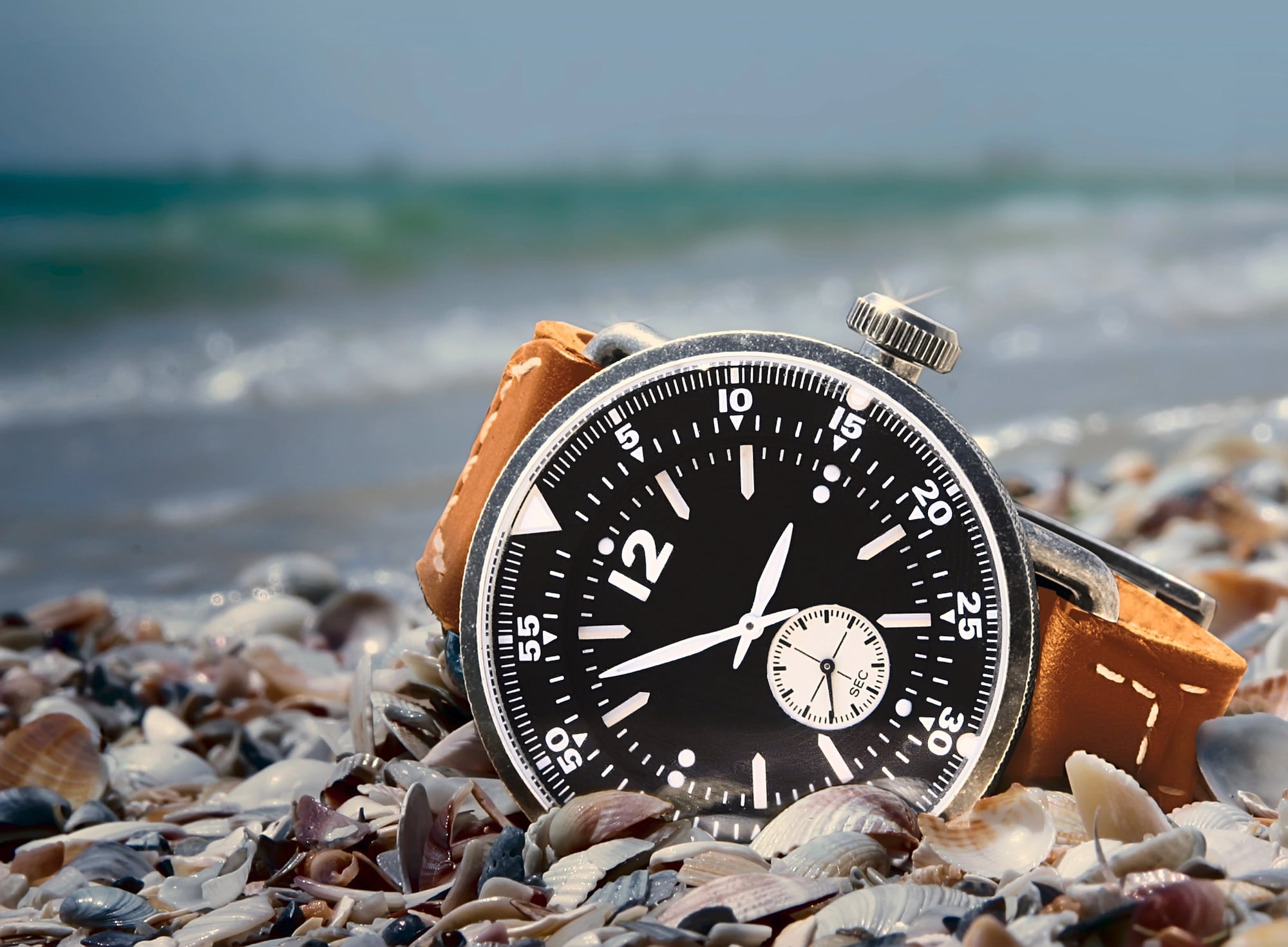
Prioritizing women’s jewelry over men’s pocket watches, wristwatches weren’t always the manly ornaments they eventually became. When soldiers had to plan attacks during World War I without fumbling in their pockets, everything changed.
Specialized ‘trench timepieces’ with grills covering the face were created by manufacturers to endure the severe conditions of battle. With cellphones literally in everyone’s hands these days, many people no longer find the original timekeeping function to be all that useful.
Margarine
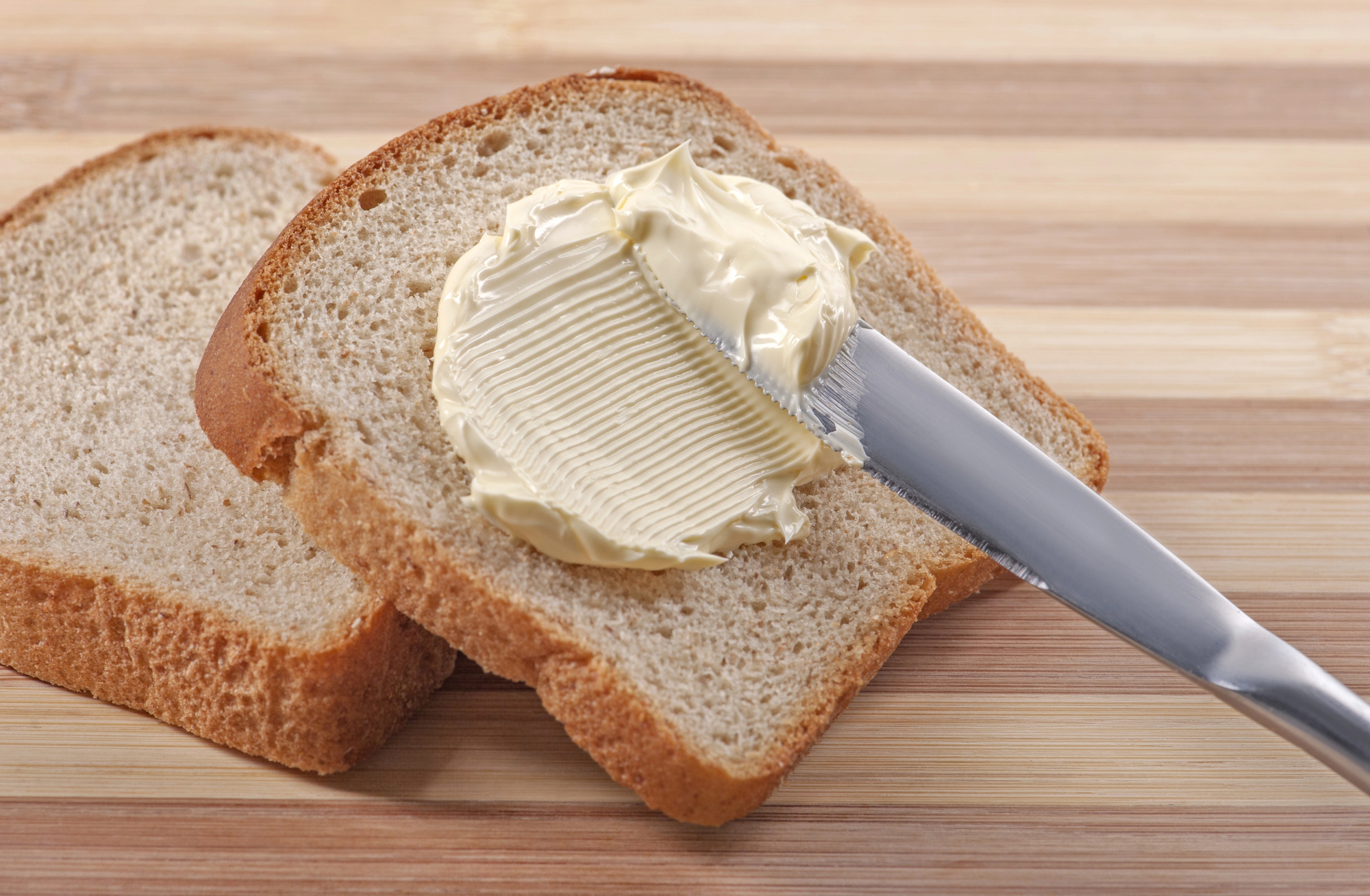
This butter substitute emerged in 1869 as a cheap replacement during a major butter scarcity in France. Anyone who could create a reasonably priced butter replacement for military troops and low-income people would be rewarded handsomely by Emperor Napoleon III.
Made from beef tallow and milk, the original product helped to solve important nutritional gaps during times of war rationing and economic crisis. Modern versions currently exist mostly as vegetarian or health-conscious alternatives rather than emergency replacements.
Like Go2Tutors’s content? Follow us on MSN.
Typewriter Keyboard Layout
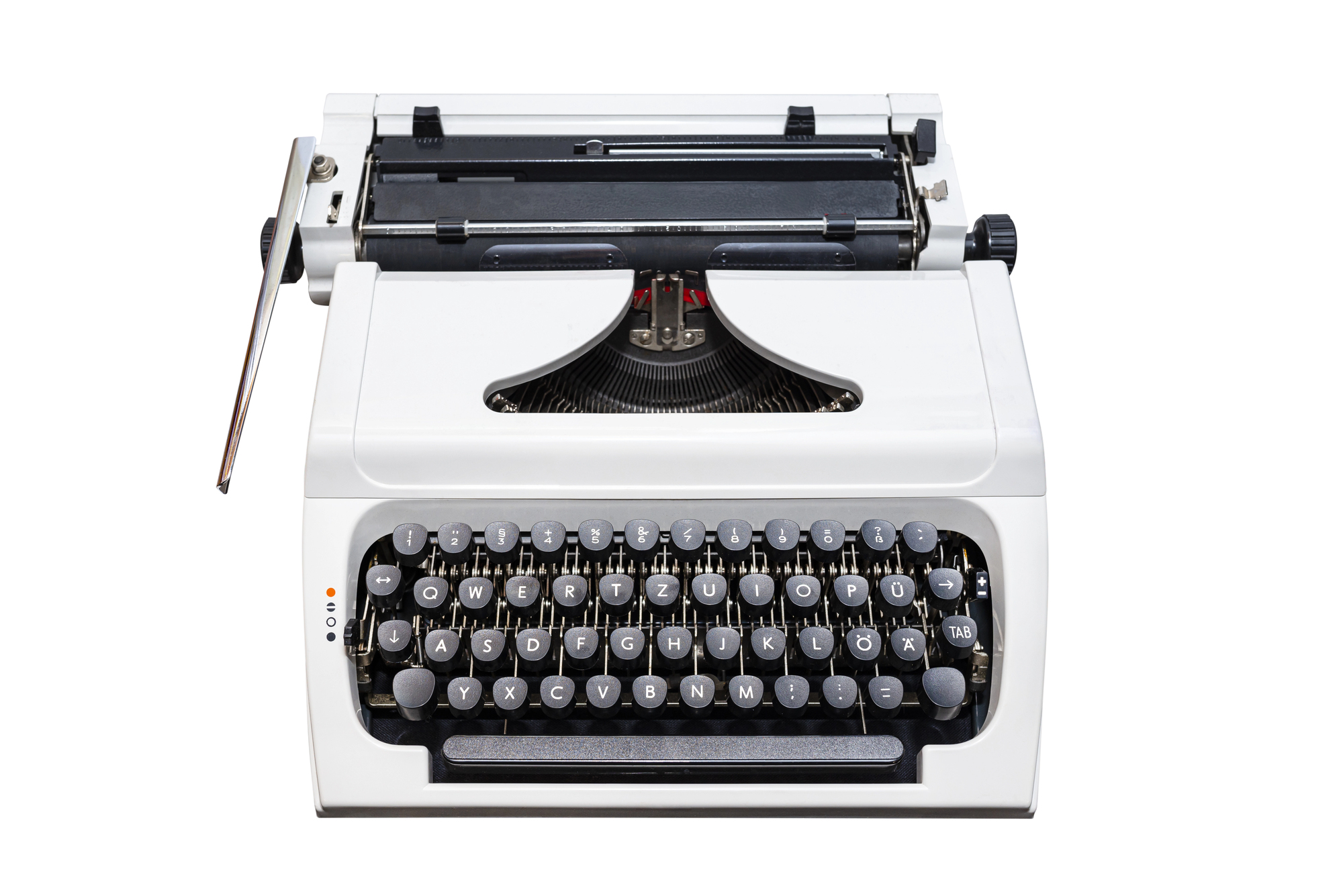
You’re most likely using a QWERTY keyboard layout, which was not intended to be efficient at all. Christopher Sholes, the inventor, purposefully positioned the keys to separate frequently used letter combinations since early typewriters jammed when neighboring keys were tapped too quickly.
Due to convention and the exorbitant cost of retraining millions of typists, we have adhered to this purposefully inefficient layout even though modern keyboards don’t have any mechanical components that could jam.
Pockets on Men’s Suit Jackets

Those small pockets adorning the front of suit jackets weren’t meant for business cards or smartphones – they originally housed pocket watches before wristwatches gained popularity. The tiny upper pocket – technically called a ticket pocket – was specifically created to hold train tickets for convenient access during the railway travel’s golden era.
Now they’ve become purely decorative elements or storage for items their designers couldn’t have possibly imagined.
Ice Houses

Before electrical refrigeration transformed food preservation, wealthy families and commercial establishments maintained ice houses – partially subterranean, insulated structures designed to store winter ice through summer months. These architectural marvels utilized sawdust, straw, and sophisticated design principles to maintain frozen conditions for months despite rising external temperatures.
Particularly elaborate examples on grand estates could preserve ice for up to two years – all to provide fresh food and chilled beverages in an era devoid of electrical cooling technology.
Like Go2Tutors’s content? Follow us on MSN.
Clothes Irons
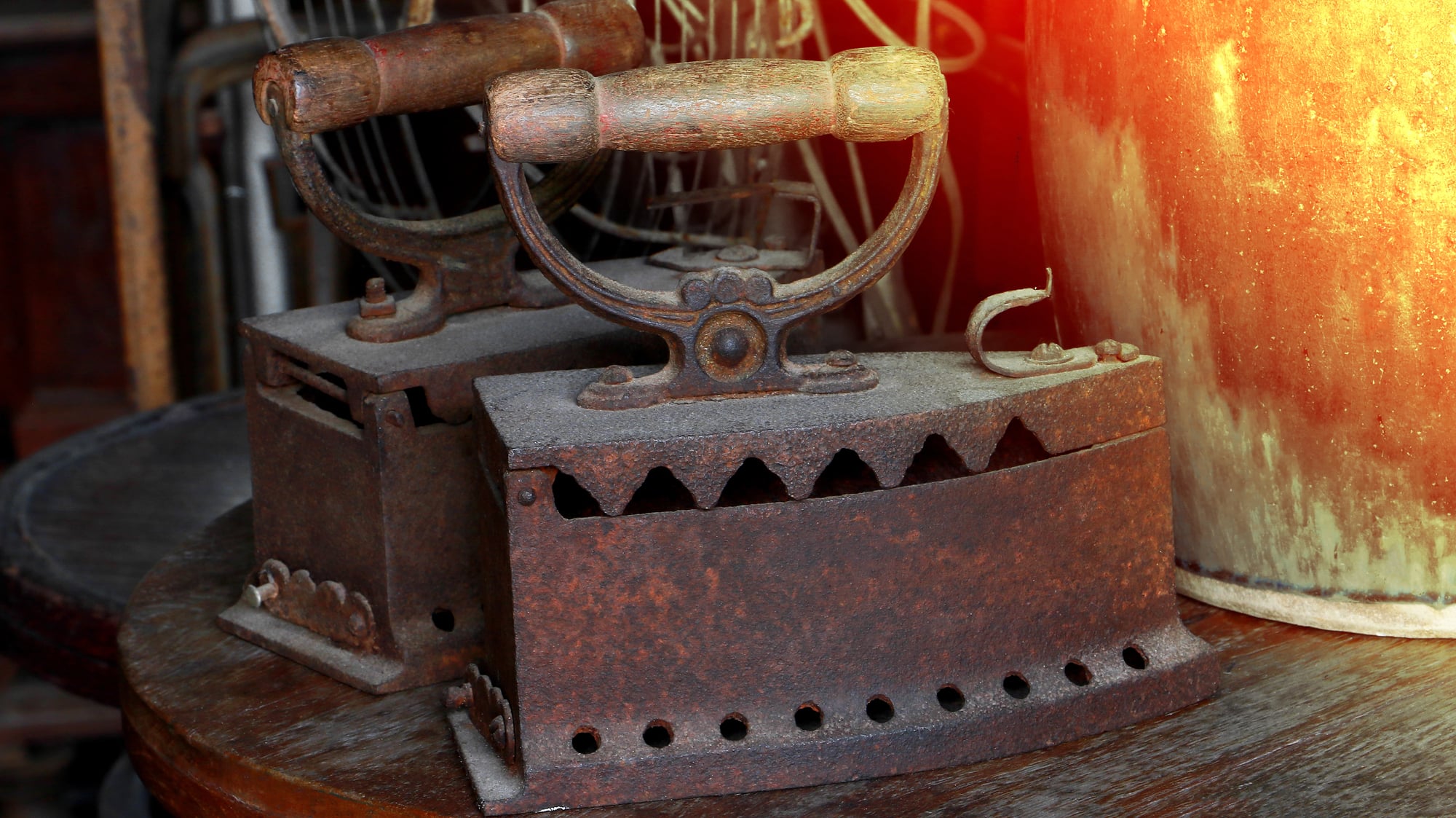
The earliest clothes irons weren’t just named for their material – they were literally solid iron wedges heated directly in hearth fires. Later innovations featured hollow chambers for hot coals that demanded constant attention to maintain optimal temperature.
These unwieldy implements required significant upper-body strength and careful handling techniques; otherwise, burns and scorched garments were inevitable. Modern electric irons solve problems that barely exist anymore, as contemporary fabrics typically feature wrinkle-resistant properties or casual aesthetics that don’t necessitate meticulous pressing.
Phone Books

These enormous paper directories were once invaluable infrastructure for reaching out to firms and people in your area. Prior to internet searches and online contact lists, finding a phone number meant tediously leafing through hundreds of tissue-thin pages alphabetically arranged by last name.
Phone books became so ingrained in culture that ‘let your fingers do the walking’ became a catch-all recognition everywhere. They’re now usually sent directly to recycling facilities, addressing a dilemma that smartphones and search engines have completely erased.
Bookmarks

Physical bookmarks weren’t simply nice accessories – they were vital tools when reading meant interacting with actual paper pages. Before e-readers with automatic position-saving capabilities, losing your spot meant potentially scanning through hundreds of pages to find where you left off.
These markers evolved from simple ribbon fragments sewn directly into bindings to elaborate collectible items featuring tassels and ornate decorations. They effectively solved the universal frustration of dog-eared pages and the perpetual ‘where was I?’ dilemma that digital reading has largely eliminated.
Like Go2Tutors’s content? Follow us on MSN.
Pencil Erasers
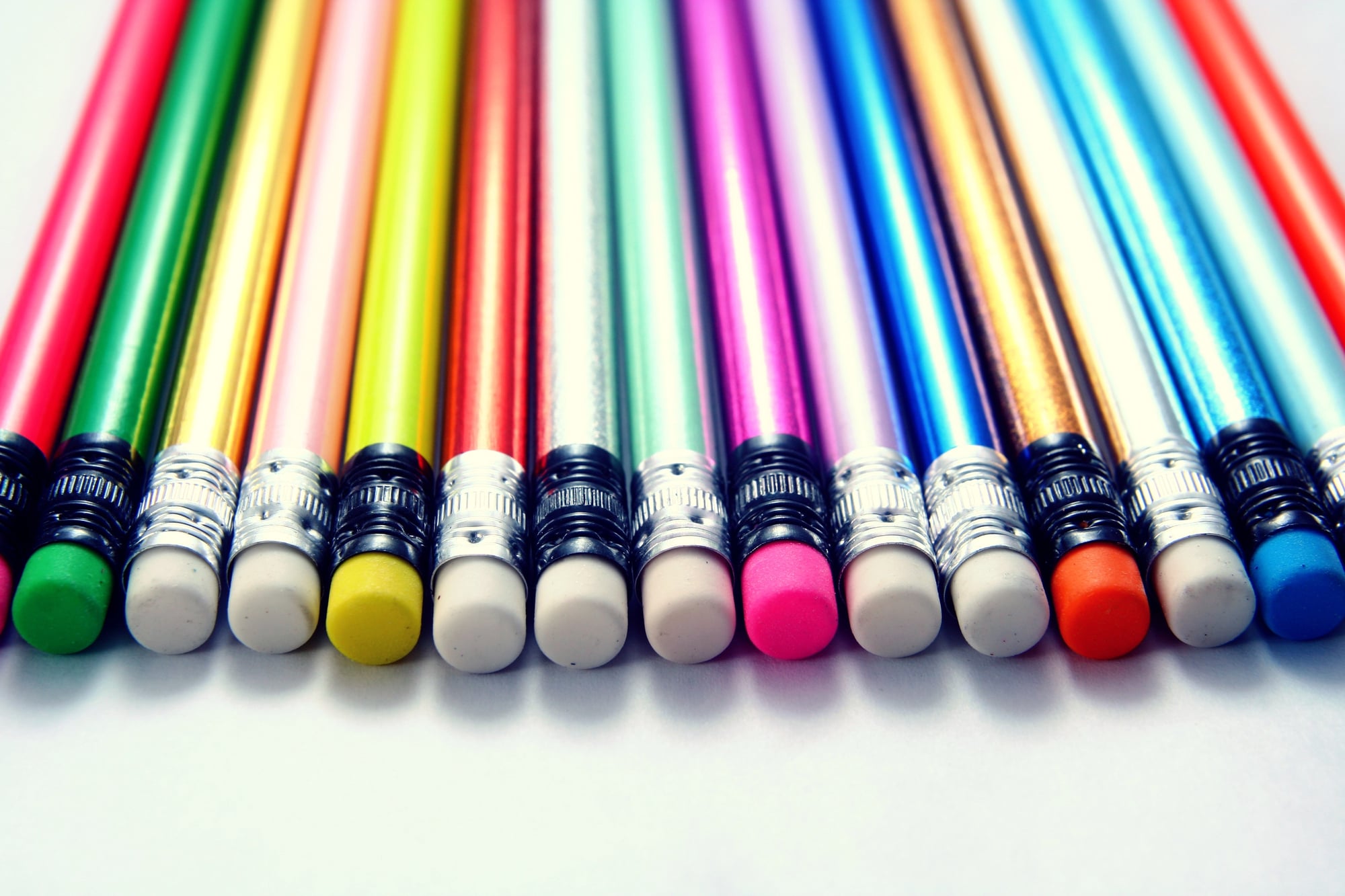
The erasers attached to pencils weren’t always standard equipment – they represented a genuine innovation when added in 1858 by Hymen Lipman. Prior to this development, people commonly used separate bread erasers literally, crustless bread kneaded into a malleable ball, to remove pencil markings.
Standalone erasers required additional desk space and were frequently misplaced during detailed work sessions. The seemingly obvious combination of pencil and eraser solved an everyday frustration that digital documents have rendered increasingly irrelevant.
Chimney Sweeps

Chimney sweeps weren’t just picturesque characters from Victorian literature – they performed critical health and safety services in everyday households. When homes relied primarily on coal and wood heating, creosote would accumulate inside chimneys, creating serious fire hazards and toxic fume concerns.
Young boys were often employed as sweeps because their small frames could navigate the narrow confines of chimney flues. With contemporary heating systems now standard in most regions, the life-threatening problem of chimney fires has largely disappeared from typical households.
Candle Snuffers

These specialized instruments helped extinguish candles without generating smoke or spattering wax across furniture and floors. Before widespread electric lighting, when candles provided essential illumination throughout homes, proper extinguishing techniques were both economically practical and safety-critical concerns.
Blowing out dozens of candles throughout a residence would fill rooms with acrid smoke, while pinching wicks proved messy and potentially hazardous. Snuffers created a clean, controlled way to end the day when artificial light was a precious commodity.
Like Go2Tutors’s content? Follow us on MSN.
Mechanical Alarm Clocks
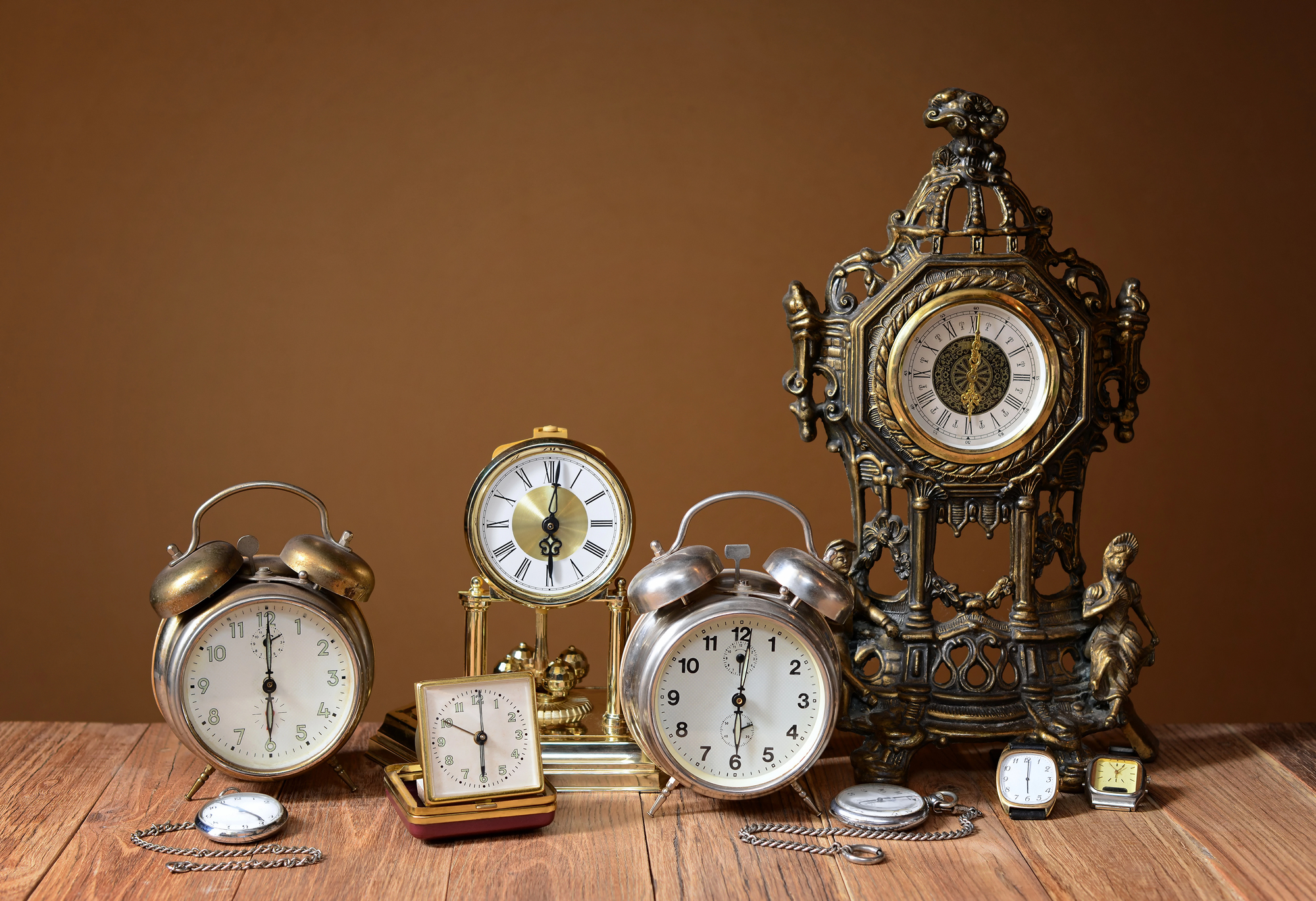
Wind-up alarm clocks with physical bells addressed the crucial challenge of waking punctually when no alternatives existed. Missing an important morning appointment or work shift could have serious professional consequences, and natural sunrise wasn’t sufficiently reliable for industrial schedules.
These notoriously loud, entirely mechanical devices functioned without electricity and operated independently of any external system. Contemporary smartphone alarms have rendered traditional alarm clocks largely obsolete, though some people still prefer their reliability and simplicity.
Ice Picks
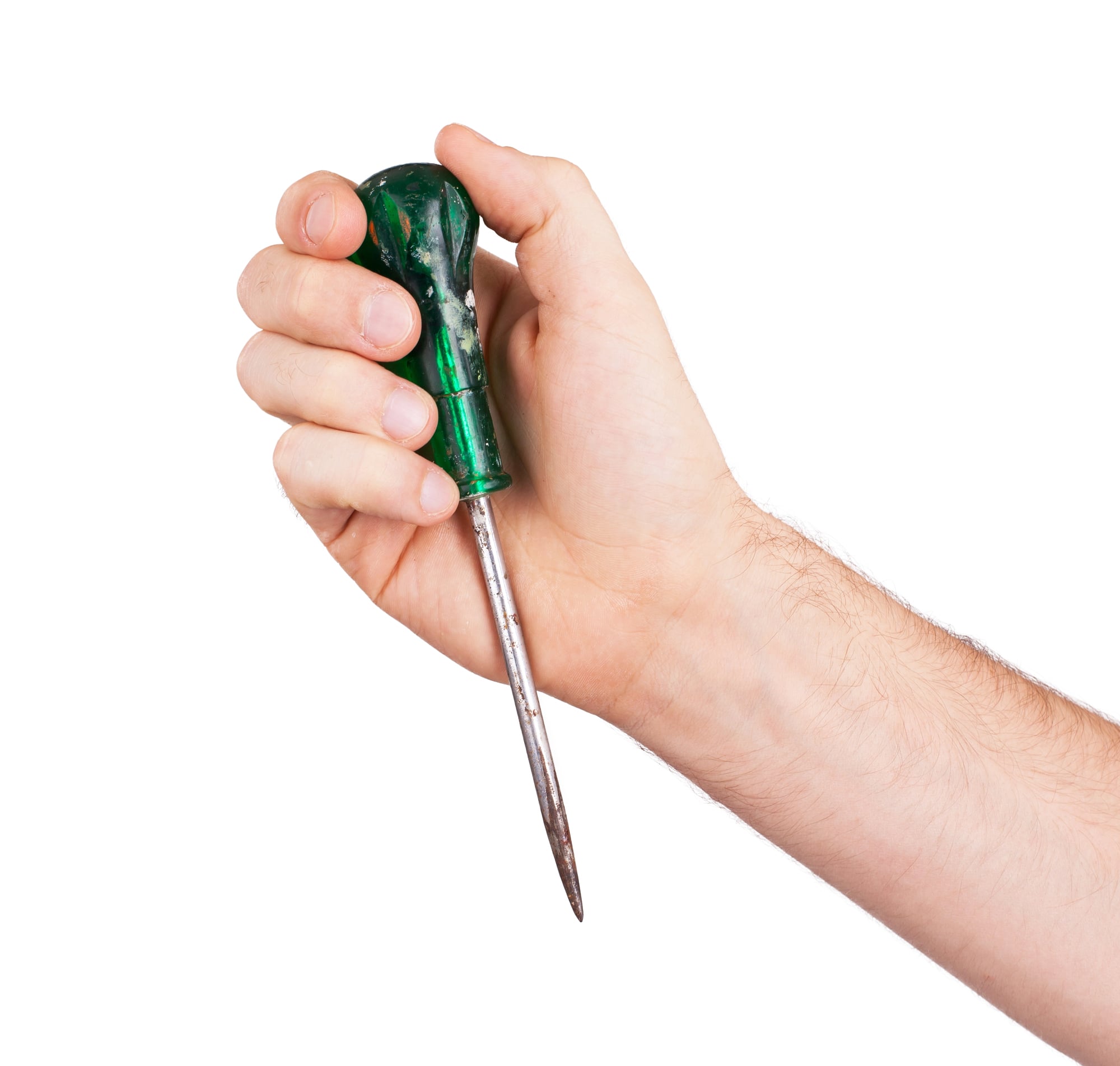
These sharp, specialized tools weren’t optional extras—they were household essentials during eras when refrigeration meant actual ice blocks delivered directly to homes. Ice picks allowed families to break large, unwieldy frozen chunks into usable portions for iceboxes and beverages.
Households would carefully chip off precisely what they needed, as wasted ice translated directly to wasted money and potentially spoiled food. With automatic ice makers now commonplace in modern kitchens, the dangerous and labor-intensive process of manual ice management has disappeared from daily routines.
Button Hooks
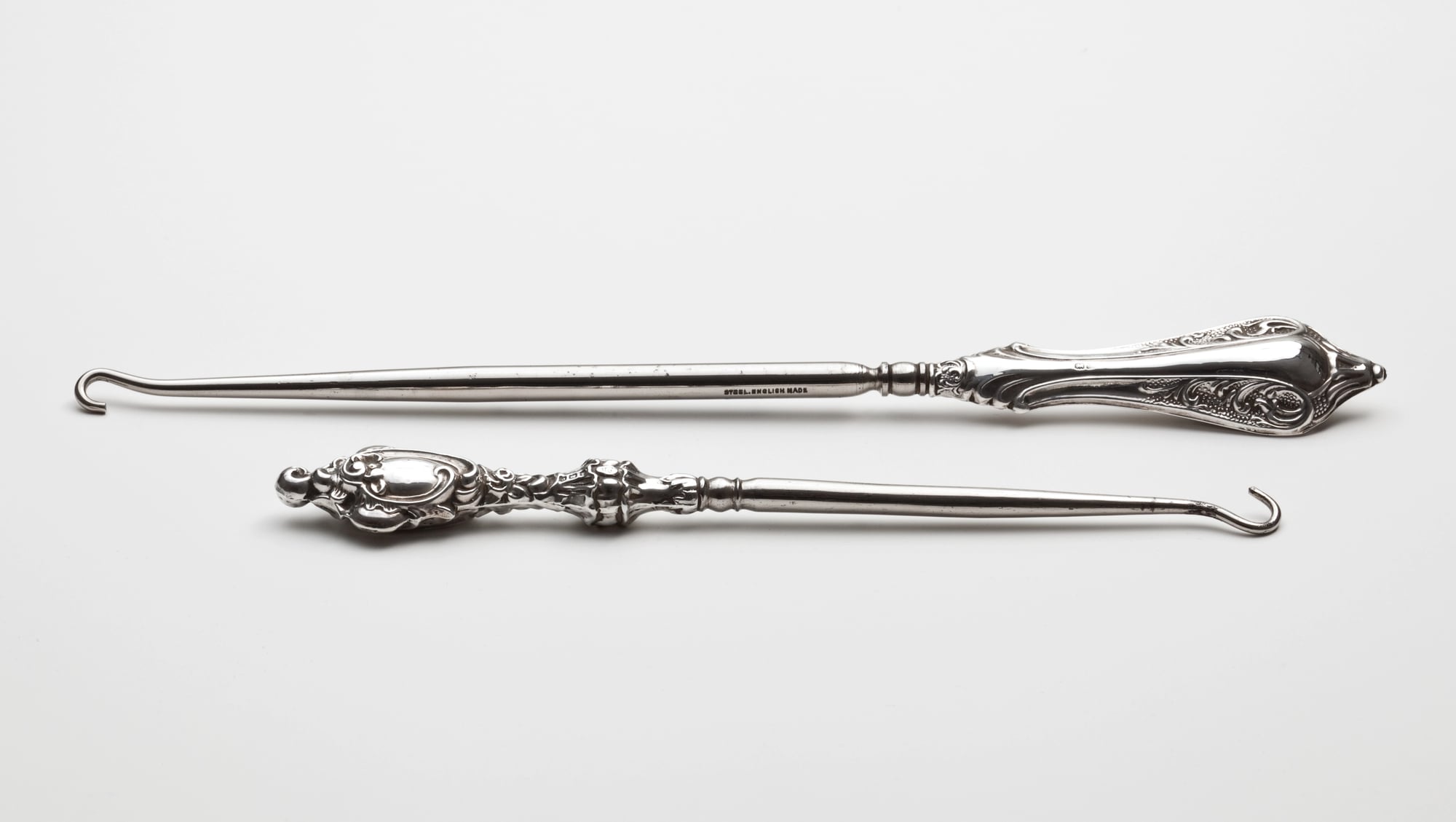
Long before zippers and elastic materials revolutionized clothing, fashionable Victorian footwear featured rows of tiny, decorative buttons that proved impossible to fasten without assistance. Button hooks were slender, precisely crafted tools featuring a small curved end that efficiently pulled buttons through their corresponding holes.
Getting dressed could involve manipulating dozens of these minute fasteners, making the button hook as essential as the shoes themselves. Contemporary footwear designs have completely eliminated this once-daily struggle through simplified closures.
Like Go2Tutors’s content? Follow us on MSN.
Spittoons

These specialized receptacles for expectorated tobacco provided a moderately hygienic solution to an unavoidably messy social habit. When chewing tobacco consumption was commonplace in public venues, spittoons prevented floors, streets, and government buildings from becoming unbearably unsanitary.
Found everywhere from local taverns to formal courthouses, these brass vessels became so ubiquitous that public buildings designated regular “spittoon duty” for maintenance personnel. Modern restrictions on tobacco usage have largely eliminated this particular public health challenge from contemporary society.
Persistence Through Evolution
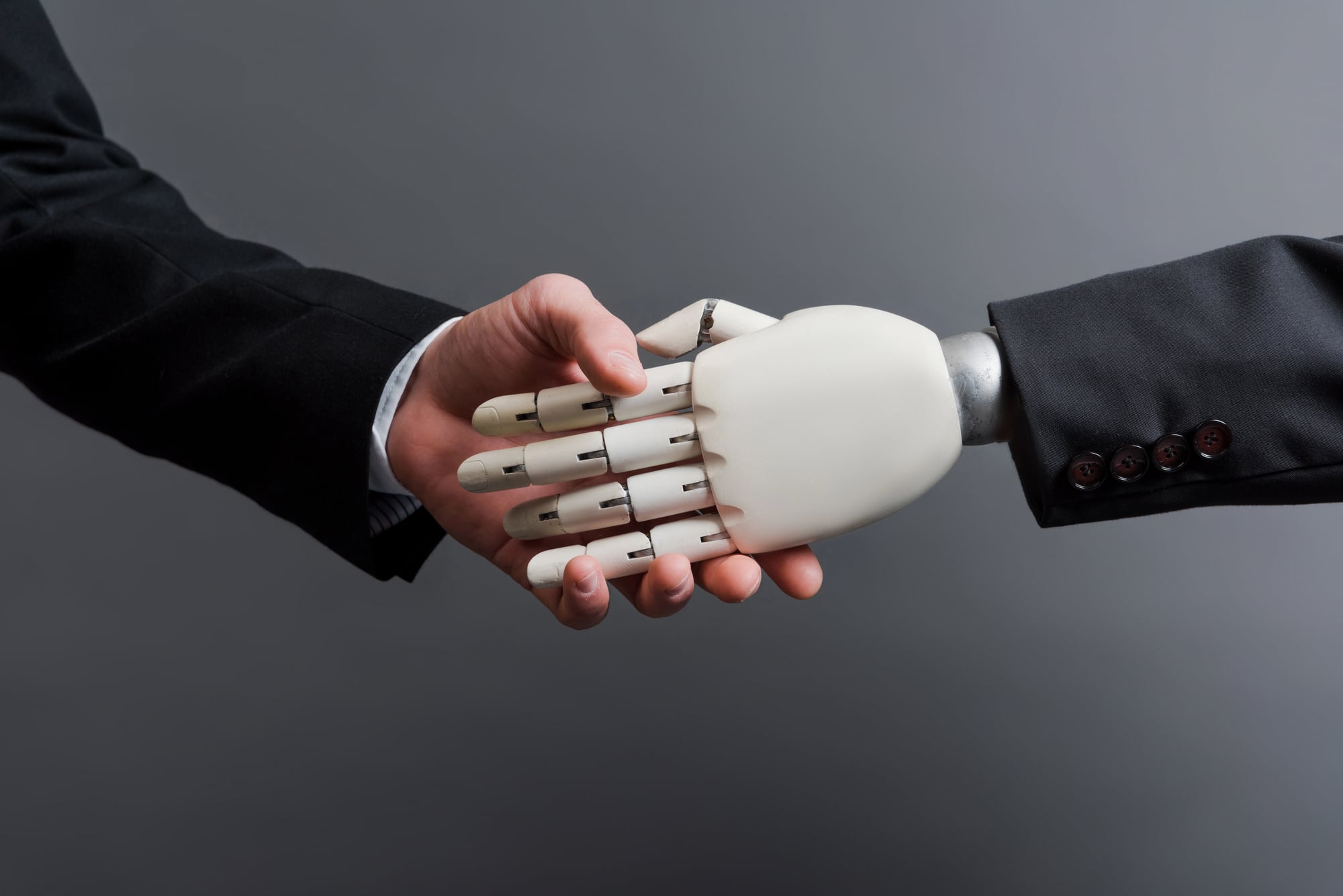
These inventions highlight how rapidly societal needs transform over relatively short timeframes. Many items considered indispensable today likely address problems future generations won’t recognize or understand.
What seems absolutely essential now might easily become tomorrow’s curious relic, preserved more through habit than practical necessity. While these innovations began as pragmatic solutions to urgent problems, they’ve endured through adaptability, finding new applications or becoming cultural touchstones that transcend their original purposes.
They remain physical testaments to how daily challenges shift with technological advancement and social evolution, even as human ingenuity continues creating solutions to each new generation of problems.
More from Go2Tutors!

- 18 Unexpectedly Valuable Collectibles You Might Have Lying Around
- 15 Things Every Teenager in the ’70s Did That Teens Today Wouldn’t Understand
- 15 Strange Things People Have Tried to Ban (And Failed)
- 15 Inventions That Were Immediately Banned After Being Created
- 20 Actors Who Were Almost Cast in Iconic Roles
Like Go2Tutors’s content? Follow us on MSN.



