15 Everyday Phrases That Began as Military Slang
The English language continues to change as a result of centuries of diverse influences. Of these, military jargon has infiltrated our everyday discourse more often than we usually realize.
The unique idioms that soldiers stationed around the world brought home eventually lost their military meaning, but they still had the same impact and usefulness in everyday discourse. This list of 15 common expressions having military roots shows how specialized terminology may be used in daily situations.
On the Double

This command to hurry up wasn’t always for harried parents rushing kids to school. Military drill sergeants coined it when they needed troops moving at twice their standard marching pace.
Soldiers literally doubled their speed when hearing this directive — a practical battlefield necessity. These days it’s just what you might say when someone’s taking too long grabbing coffee before the morning meeting.
No Man’s Land

Between enemy trenches stretched a deadly zone in World War I — not claimed by either side, yet crossed by the brave or desperate. This haunting term described terrain where death waited almost certainly.
Over the decades, it morphed beyond battlefields. That awkward space between suburban properties nobody maintains?
No man’s land. The conversation topic everyone avoids at Thanksgiving dinner? Same thing.
Like Go2Tutors’s content? Follow us on MSN.
Blockbuster
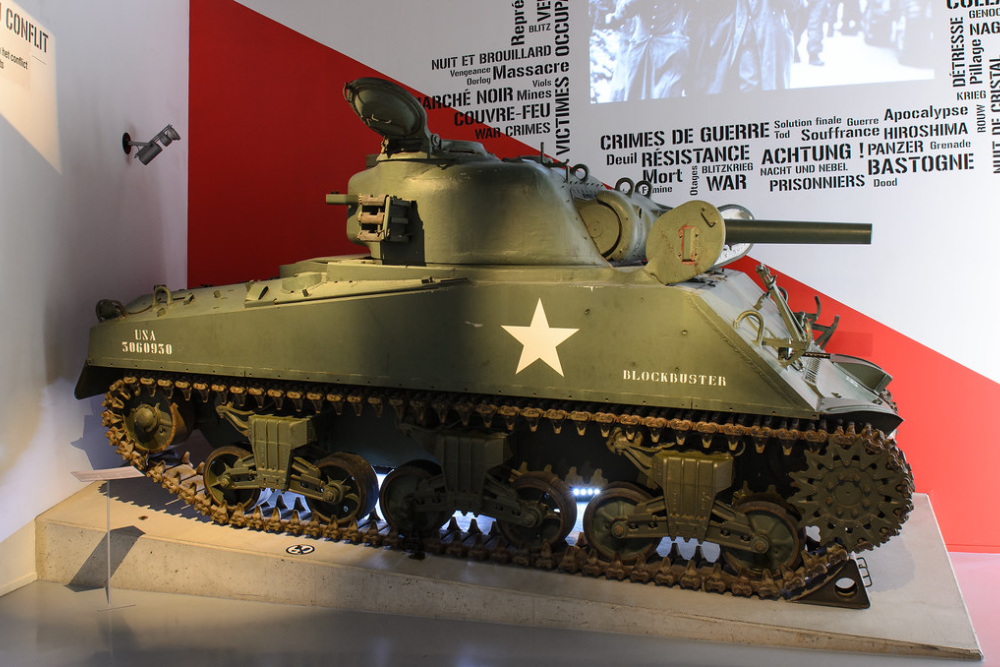
Before Netflix killed the video store chain, “blockbuster” described something far deadlier — massive 4,000-pound bombs designed to flatten entire city blocks during World War II. The term’s journey from military destruction to entertainment success happened naturally as people sought vivid words for overwhelming impact.
Hollywood adopted it for films that similarly demolished box office expectations — quite the career change for a word born in warfare.
Bite the Bullet
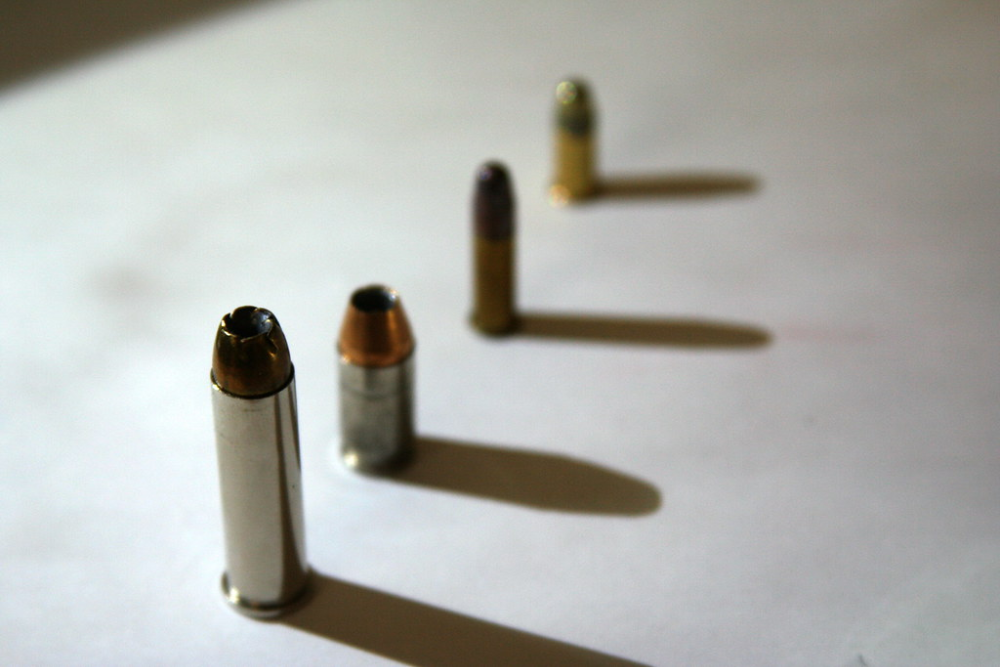
Surgery without anesthesia sounds nightmarish, though it happened routinely on battlefields throughout history. Wounded soldiers got bullets to bite down on during painful procedures — the hard lead object giving them something to clench against overwhelming pain.
We’ve kept this phrase for facing difficult situations with courage, whether it’s getting fired or delivering bad news. The bullet’s gone, but the grit remains.
By the Book
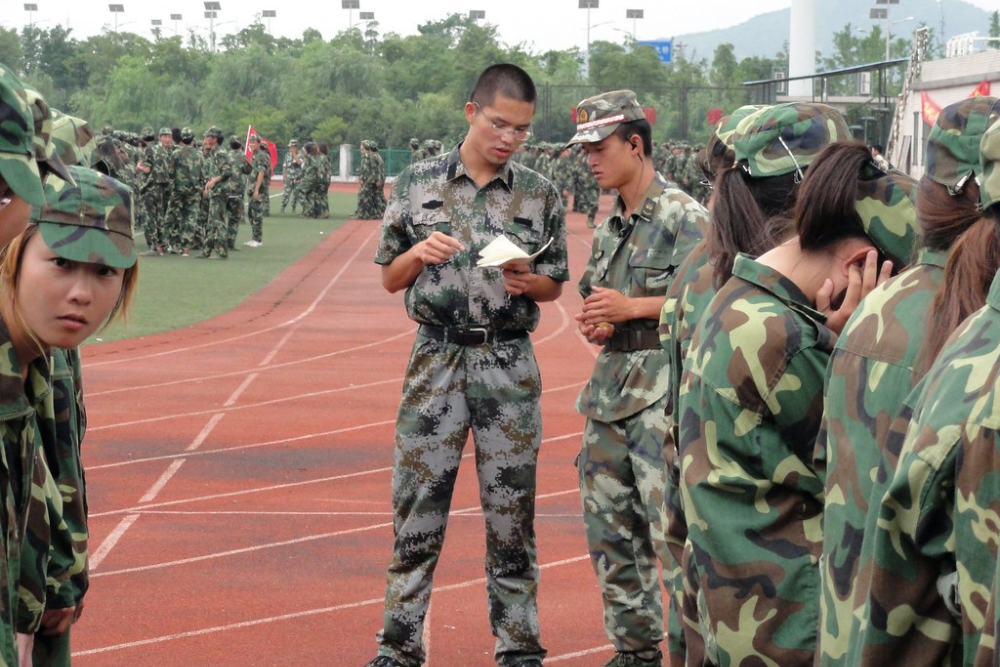
Naval operations couldn’t tolerate improvisation when lives hung in the balance — hence extensive regulation manuals governed every procedure. Officers who followed these protocols precisely were said to do things “by the book.”
This sensible approach traveled beyond military vessels into civilian offices, where it describes strict adherence to established rules. Though nowadays, sometimes it carries a hint of rigidity rather than just proper procedure.
Like Go2Tutors’s content? Follow us on MSN.
Chopper
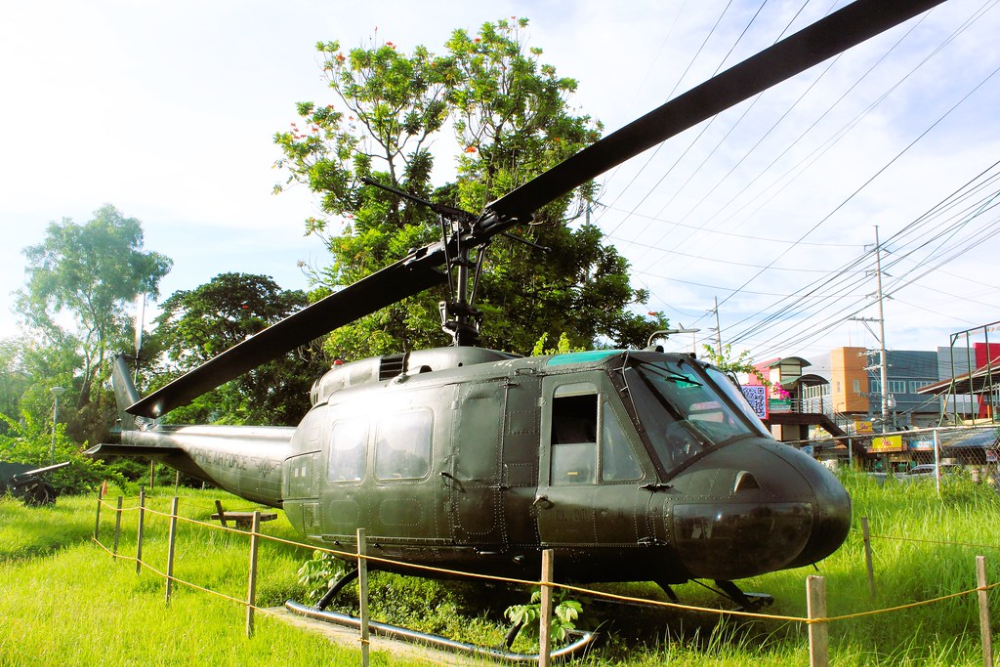
Slicing through the air, helicopter blades produce a unique chopping sound—an auditory signature that named these planes during the Korean War. “Helicopter” was abbreviated by soldiers to “chopper” for pragmatic communication.
The phrase remained since it is snappy, memorable, and honestly simpler to yell over the terrible rotor noise. Television coverage of Vietnam confirmed this word in daily vocabulary; it still exists despite more recent aircraft models with quieter technology.
Roger That

Crystal-clear communication can mean life or death in combat situations. Radio operators adopted “Roger” to confirm receipt of messages — it represented “R” for “received” in older phonetic alphabets. The modern military has switched to “Romeo” instead, yet “Roger that” survives everywhere from truckers’ CB radios to office email replies.
There’s something satisfyingly definitive about this phrase that everyday “yes” or “okay” simply doesn’t capture.
Got Your Six

In the midst of screaming engines and machine gun fire during World War I, pilots required effective ways to transmit directions. Twelve o’clock signified directly ahead, and six o’clock meant directly behind.
They borrowed the clock positions. “Got your six” assured other pilots that their precarious back position was safe. When someone feels vulnerable, the word still conveys loyalty and has the same protective connotation.
“I’m watching your back” is summed up in this way without coming across as overly theatrical.
Like Go2Tutors’s content? Follow us on MSN.
Murphy’s Law
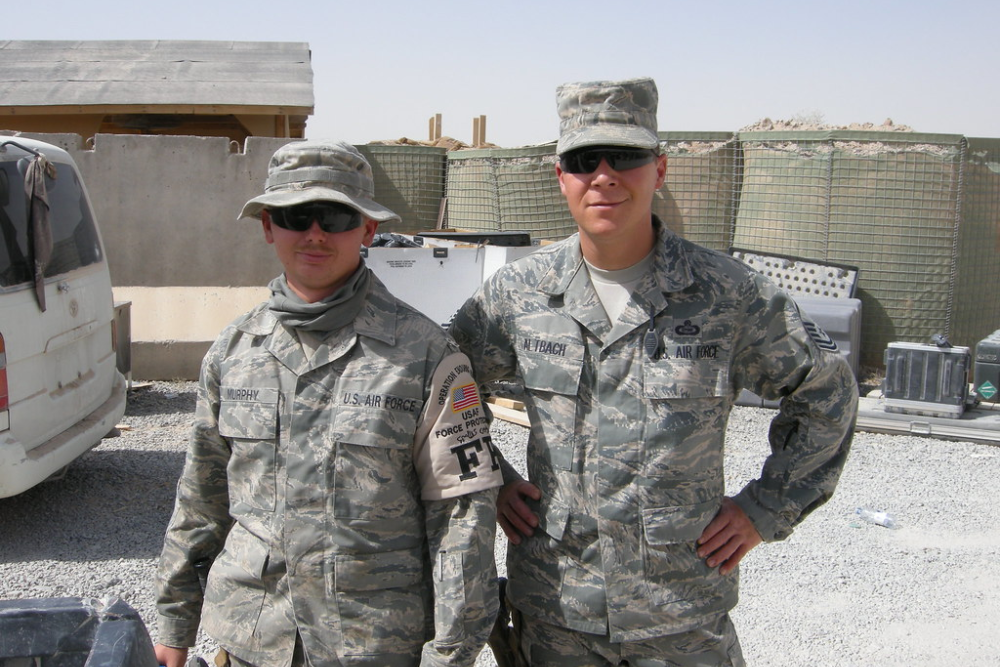
Pessimism has never been so perfectly expressed as in this principle made famous during the 1940s Air Force rocket sled experiments. Captain Edward Murphy reportedly cursed a technician who installed equipment backward, declaring that “if there’s any way to do it wrong, he’ll find it.”
Engineers embraced this sentiment since it encouraged triple-checking everything. The concept spread beyond military testing facilities because it resonated with the universal human experience of things going sideways despite careful planning.
SNAFU
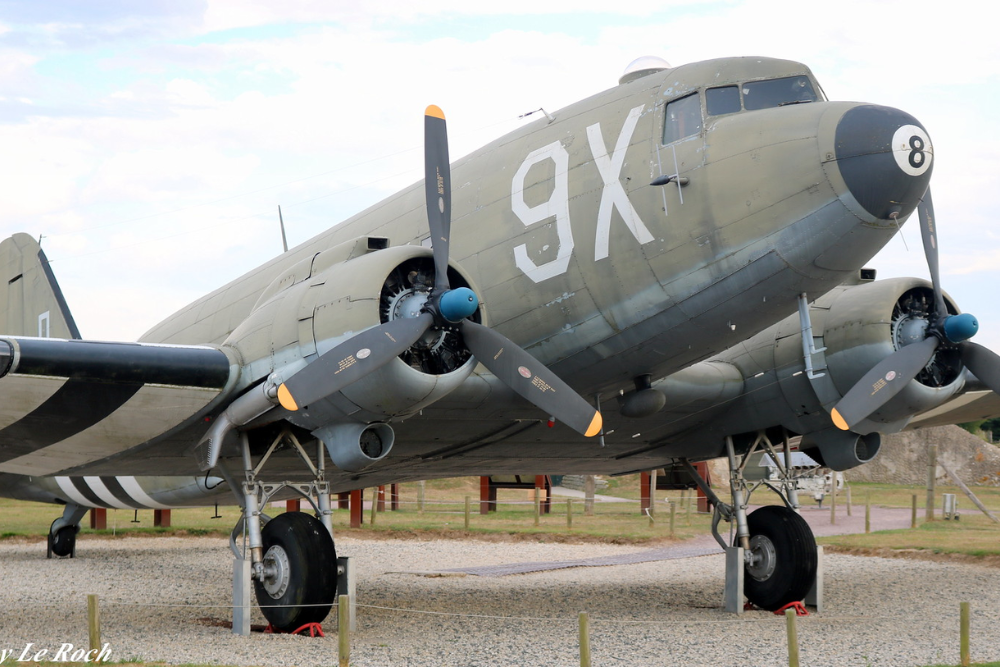
Military acronyms rarely enter mainstream vocabulary, yet “Situation Normal: All Fouled Up” (with soldiers using a stronger F-word) perfectly captured wartime frustration. World War II troops used it to describe how chaos routinely overwhelmed careful planning.
The term’s genius lies in recognizing disorder as the normal state of affairs rather than the exception. Today it describes workplace disasters, family gatherings gone wrong, or any situation where chaos seems weirdly predictable.
AWOL

Soldiers who disappeared without authorization were labeled “Absent Without Leave” – a serious offense in military justice. The acronym proved too useful to remain confined to barracks, though.
It entered civilian language as shorthand for anyone vanishing from obligations unexpectedly. Missing an important meeting?
Someone might joke you’ve gone AWOL. The term carries a subtle suggestion of irresponsibility alongside its basic meaning of unexpected absence.
Like Go2Tutors’s content? Follow us on MSN.
Loose Cannon
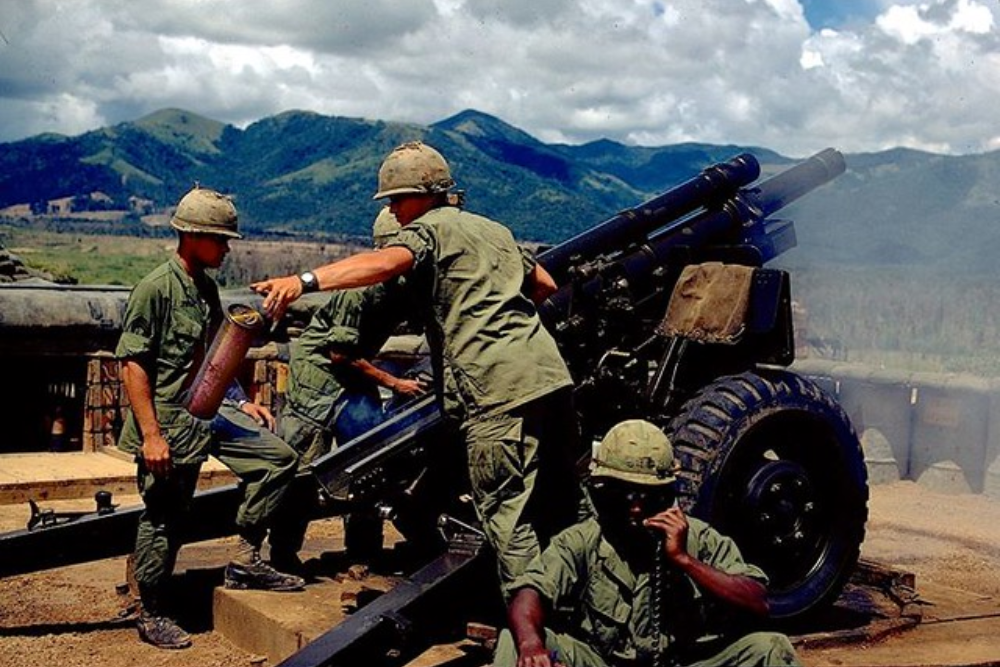
Wooden warships faced internal dangers during storms when cannons broke free from their restraints. These massive weapons could crash across decks, causing more damage than enemy fire.
Naval officers feared “loose cannons” with good reason. The phrase perfectly captures unpredictable people whose actions might harm organizations today.
Political commentators particularly love this term for maverick politicians who don’t follow party discipline.
Camouflage
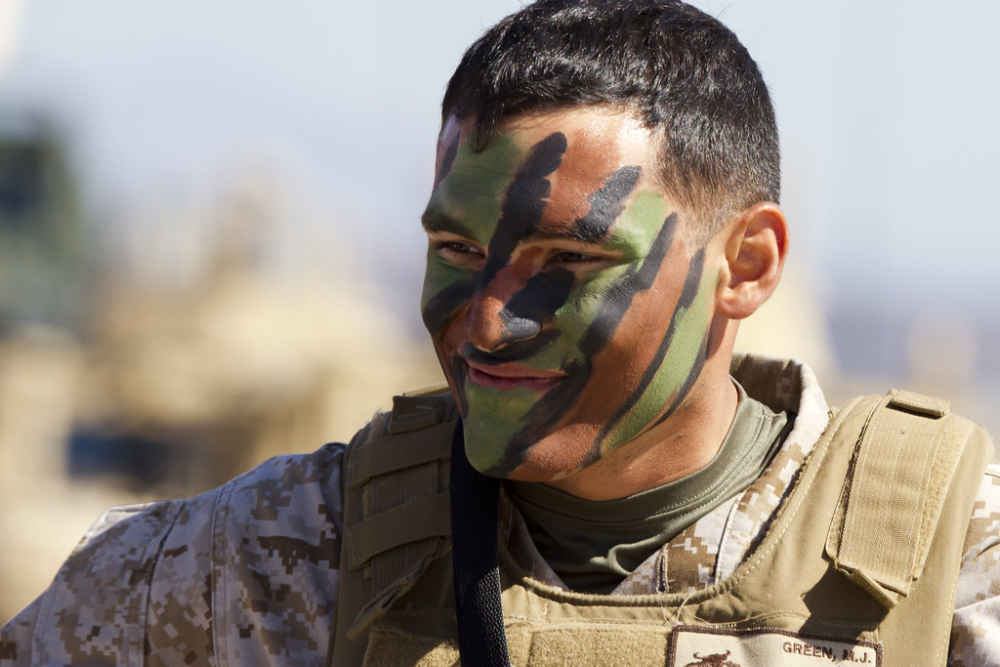
The systematic concealment of military assets became crucial when aerial reconnaissance developed during World War I. The French term “camouflage” entered English through military necessity.
Its meaning expanded beyond warfare to include animal adaptations, fashion trends, and even social behavior where someone tries blending into backgrounds. Few military terms have embedded themselves so thoroughly across different aspects of civilian life.
Scuttlebutt
Ships traditionally featured a water barrel called the “scuttlebutt” where sailors gathered for drinks and gossip. The term naturally shifted from the physical container to the information exchanged there.
Corporate offices replaced water barrels with coolers, yet the rumor-sharing function remains identical. “Heard the latest scuttlebutt?” still asks for unofficial information, preserving nautical tradition in modern workplaces.
Like Go2Tutors’s content? Follow us on MSN.
Boots on the Ground
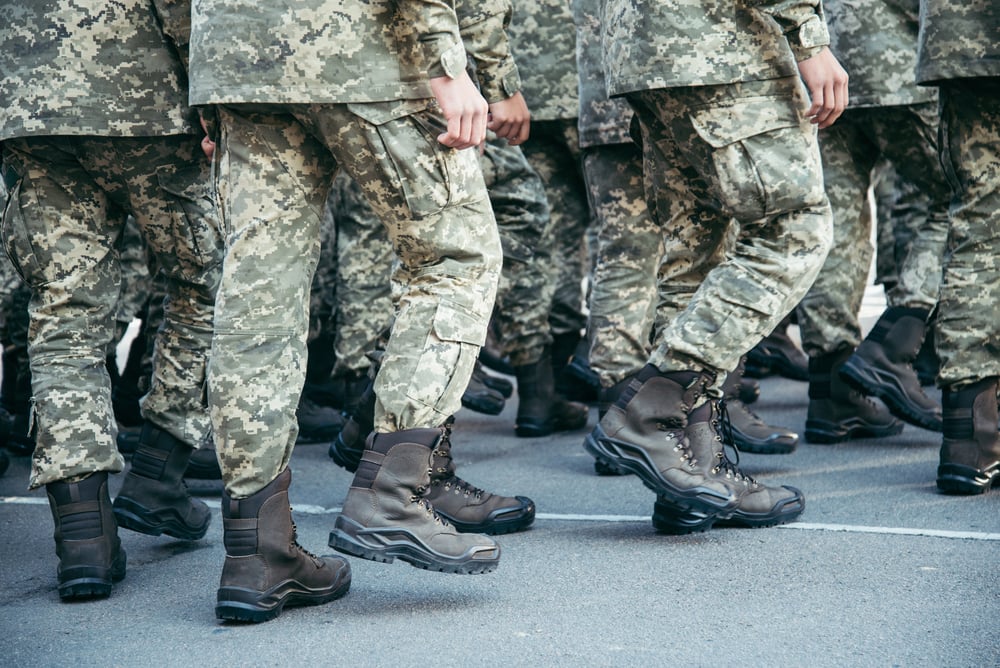
Military strategists distinguish between aerial operations and having actual infantry soldiers deployed in conflict zones. The phrase gained prominence during the late 20th century conflicts where air power alone couldn’t secure territory.
Business consultants and political operatives adopted it to emphasize direct personal involvement versus remote management. The physical image of boots touching terrain powerfully conveys presence and commitment beyond abstract planning.
How Language Marches Forward
Military expressions demonstrate language’s fascinating evolution. Technical jargon becomes everyday speech through veterans carrying words home, media coverage amplifying terms, and civilian adoption of particularly vivid phrases.
War creates intense experiences that generate equally intense vocabulary—language that cuts through verbal clutter with precision and impact. These military phrases connect our ordinary conversations to extraordinary historical moments.
Though speakers rarely consider origins when using these expressions, they’re unknowingly preserving fragments of military history with every casual mention. Language carries our collective experiences forward—sometimes in ways we’d never expect.
More from Go2Tutors!

- 18 Unexpectedly Valuable Collectibles You Might Have Lying Around
- 15 Things Every Teenager in the ’70s Did That Teens Today Wouldn’t Understand
- 15 Strange Things People Have Tried to Ban (And Failed)
- 15 Inventions That Were Immediately Banned After Being Created
- 20 Actors Who Were Almost Cast in Iconic Roles
Like Go2Tutors’s content? Follow us on MSN.



