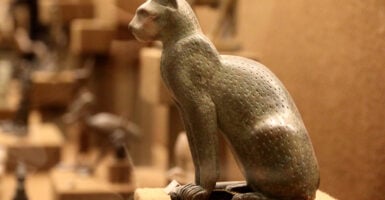
15 Extinct Animals That Lived Longer Than Expected
Most extinction stories don’t happen like the movies suggest. Instead of dramatic asteroid impacts or overnight climate disasters, animals typically fade away slowly. Some species, however, refuse to follow the script and keep showing up long after scientists have written their obituaries.
Plenty of creatures that researchers declared extinct kept living their lives in remote places, completely unaware they were supposed to be gone. Others adapted in unexpected ways or simply got really good at hiding from humans who were busy cataloging their disappearance.
Here is a list of 15 extinct animals that stubbornly outlived their expected expiration dates.
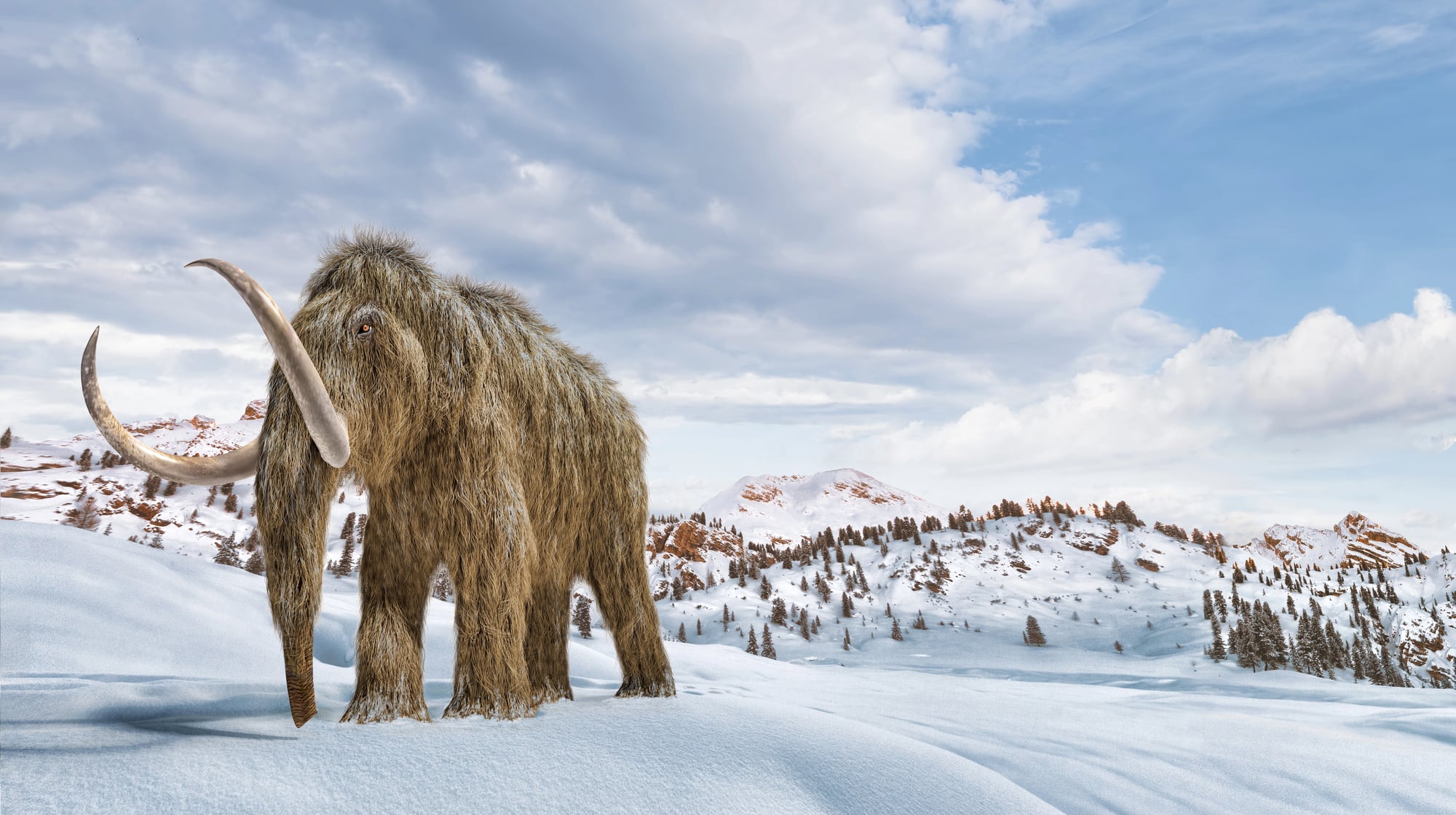
Woolly Mammoth
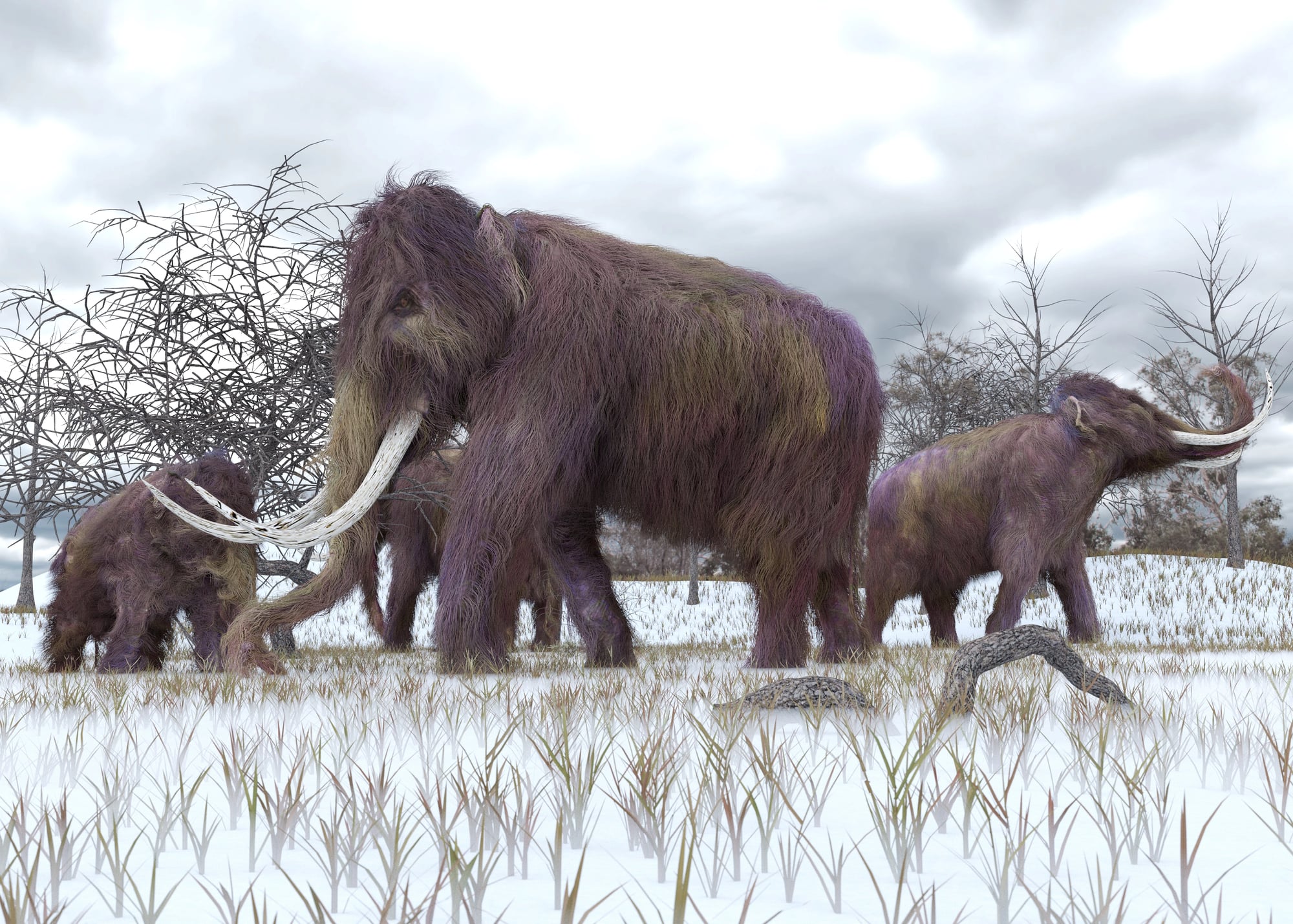
Most folks think woolly mammoths disappeared with the last ice age about 10,000 years ago. Not quite true, though—some populations hung around until roughly 4,000 years ago.
These tough giants managed to survive on isolated Arctic islands like Wrangel Island, where they actually evolved into smaller versions of their mainland cousins. The wild part? These island mammoths were still wandering around when Egyptians were busy building pyramids.
Tasmanian Tiger
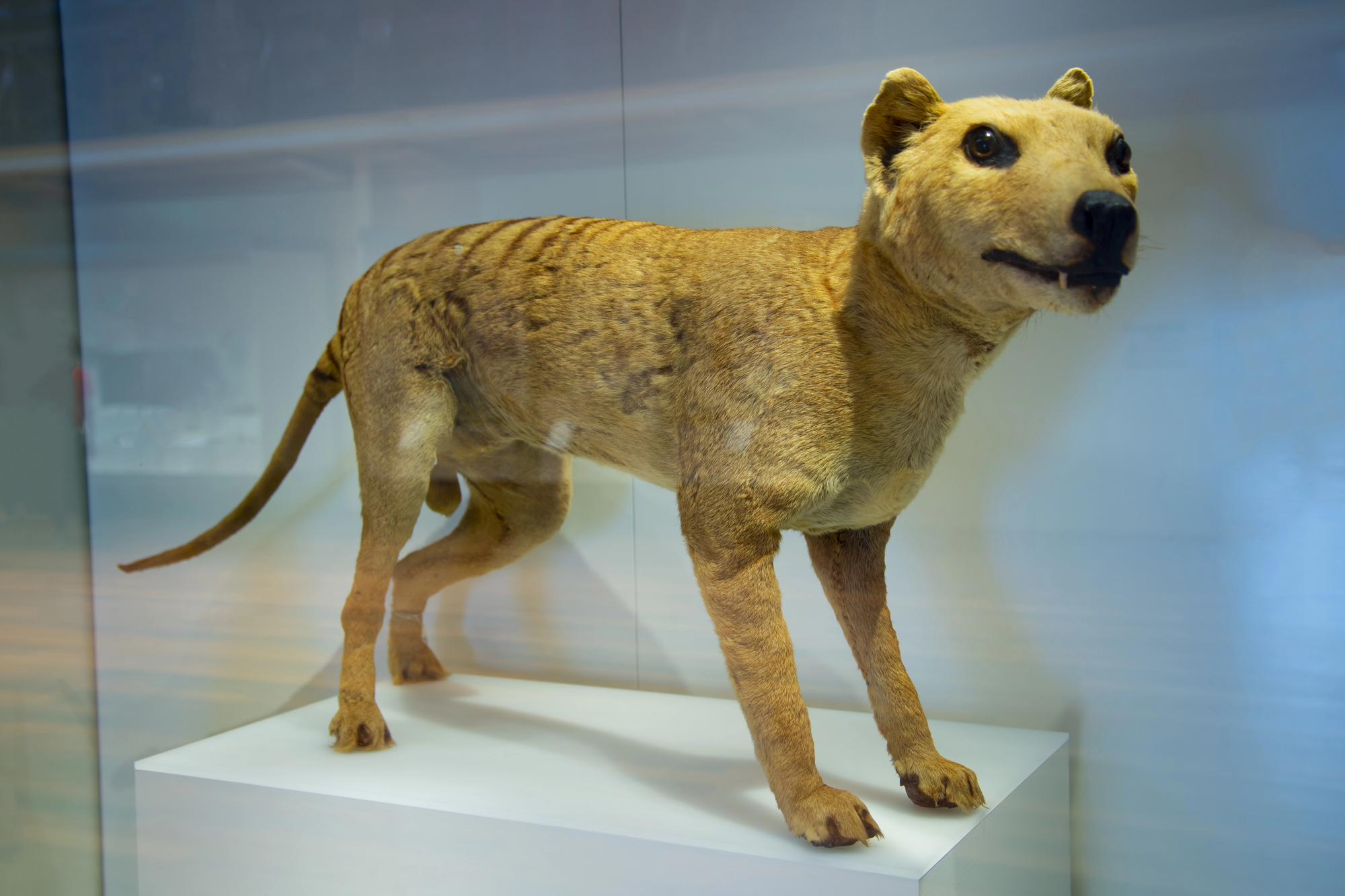
The last captive Tasmanian tiger died in 1936, but that doesn’t mean wild ones immediately vanished. Reliable sightings and fresh tracks kept turning up through the 1960s and 70s in Tasmania’s most remote areas.
Experienced trackers and researchers documented these encounters consistently. While officially extinct, the evidence suggests these striped marsupials probably survived several decades longer than the history books claim.
Like Go2Tutors’s content? Follow us on MSN.
Passenger Pigeon
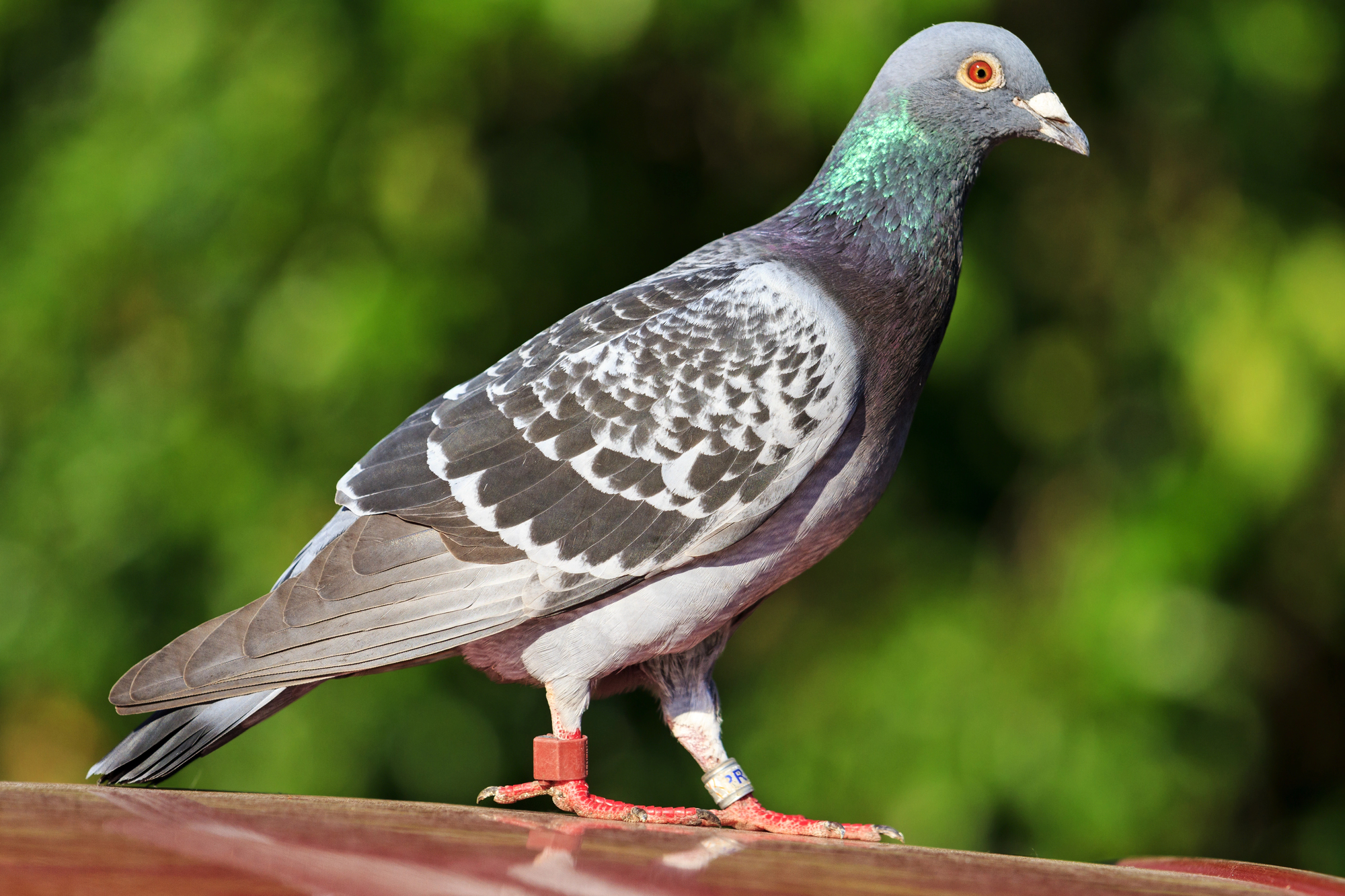
Even after their numbers crashed from billions to almost nothing by the 1870s, passenger pigeons somehow managed to stick around until 1914. The last wild bird got shot in 1900, yet captive populations lived another 14 years until Martha—the final passenger pigeon—died at the Cincinnati Zoo.
Shows how some species can hang on way longer than seems possible, even when everything’s stacked against them.
Great Auk
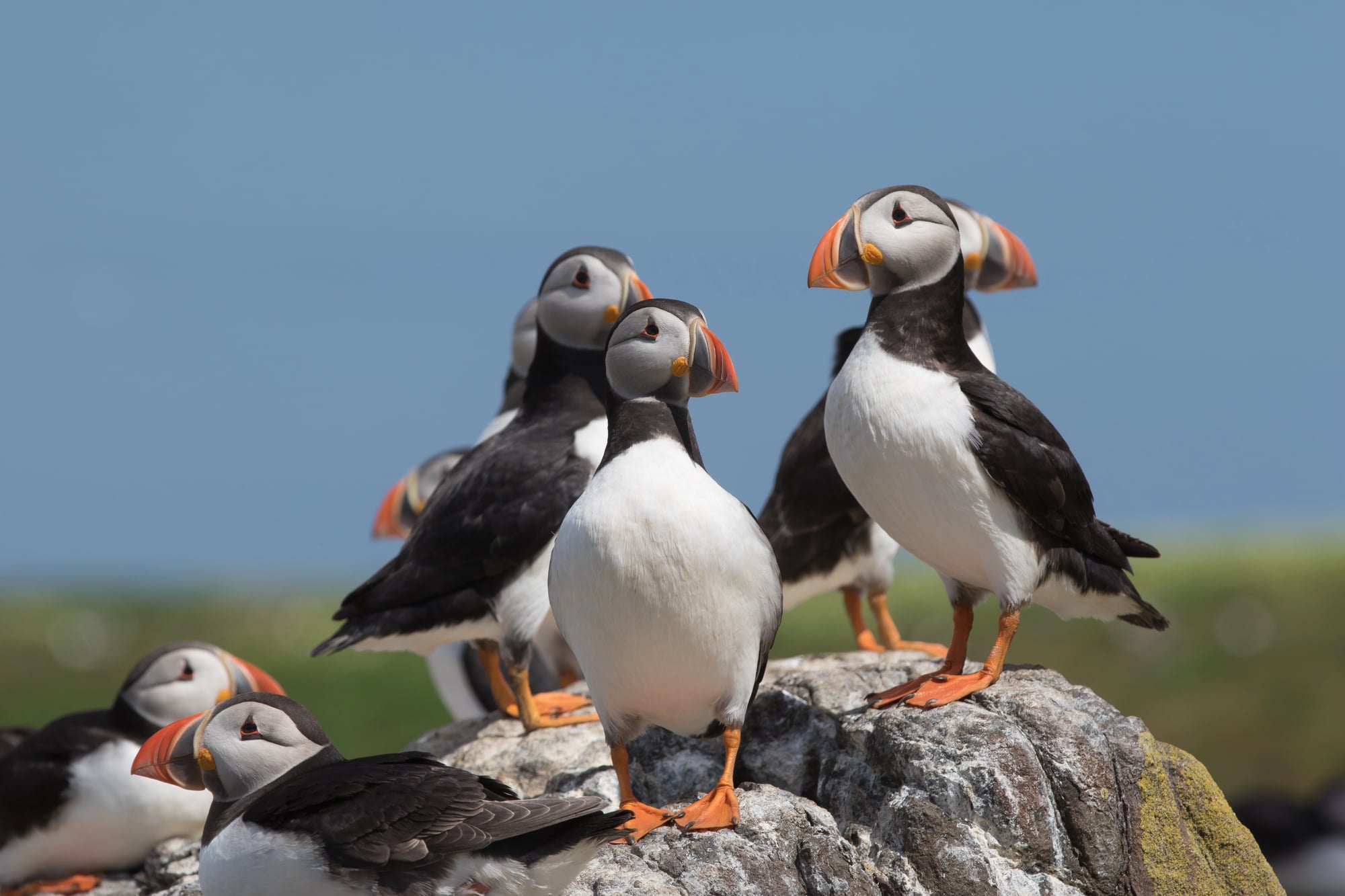
These flightless seabirds were already pretty rare by the 1700s, but the last breeding pair didn’t get killed until 1844 on a tiny island off Iceland. What’s impressive is how they survived intense hunting pressure for over a century longer than anyone expected.
Even when their numbers dropped to just a few dozen birds, great auks kept returning to the same remote breeding spots. Talk about creatures of habit.
Caspian Tiger
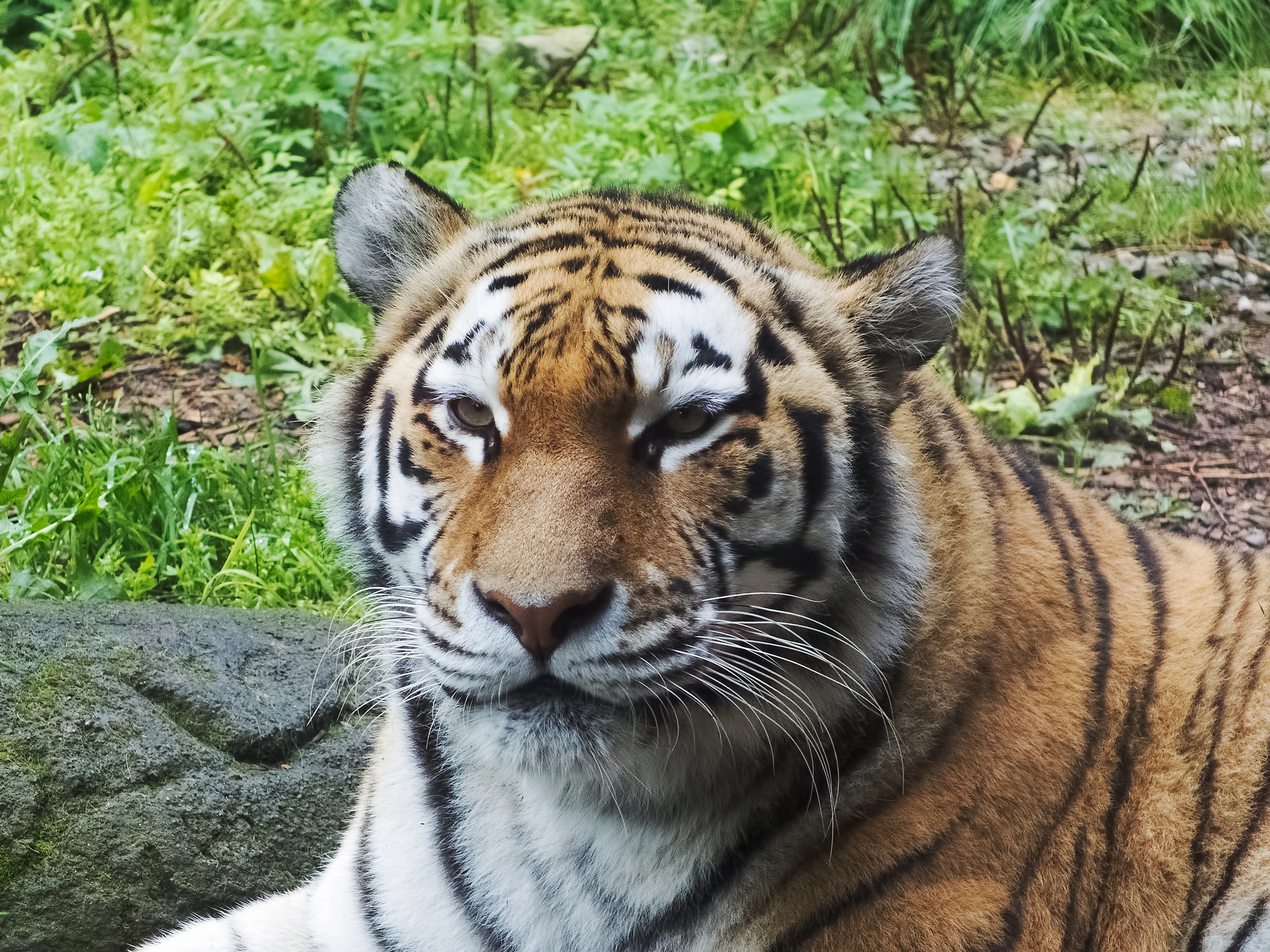
Scientists thought Caspian tigers went extinct in the 1950s, but recent evidence points to survival until at least the 1970s in remote parts of Central Asia. Camera trap footage and solid eyewitness accounts from Iran and Afghanistan suggest these massive cats managed to avoid human detection for decades.
Turns out those harsh mountain environments provided perfect cover for staying hidden.
Like Go2Tutors’s content? Follow us on MSN.
Caribbean Monk Seal
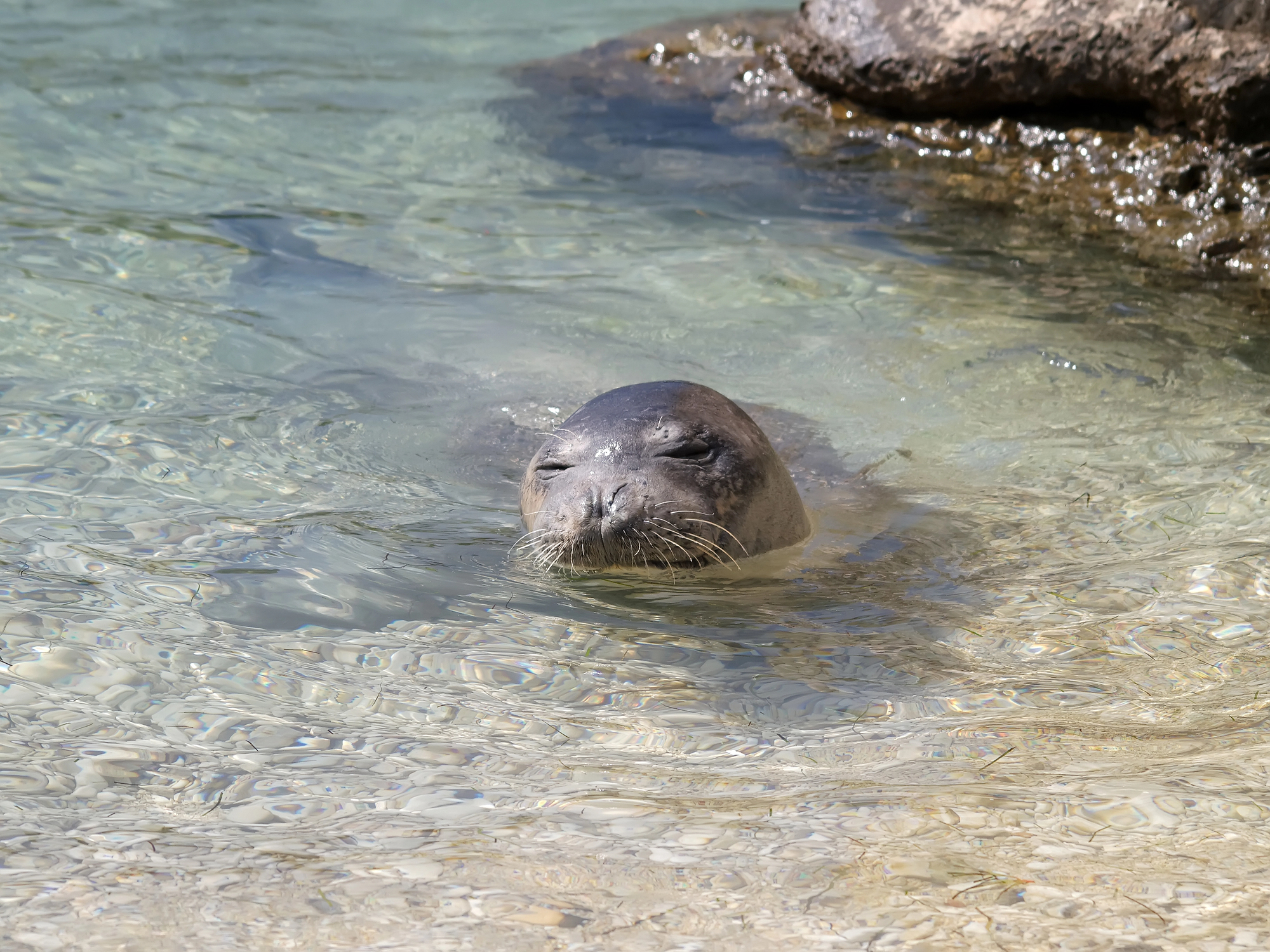
The last officially recorded Caribbean monk seal was spotted in 1952, though fishermen and researchers kept reporting encounters well into the 1970s and 80s. These seals had become incredibly skilled at avoiding humans, which helped them survive in remote Caribbean waters much longer than expected.
Scientists didn’t officially declare them extinct until 2008 because they wanted to be absolutely sure no secret populations remained.
Steller’s Sea Cow

This enormous marine mammal was discovered in 1741 and supposedly hunted to extinction by 1768—just 27 years later. However, Aleut hunters reported seeing these gentle giants as late as the 1880s in remote Alaskan waters.
At 30 feet long and weighing up to 10 tons, they weren’t exactly easy to miss. Somehow they managed to stay out of sight for over a century after their official extinction date.
Quagga
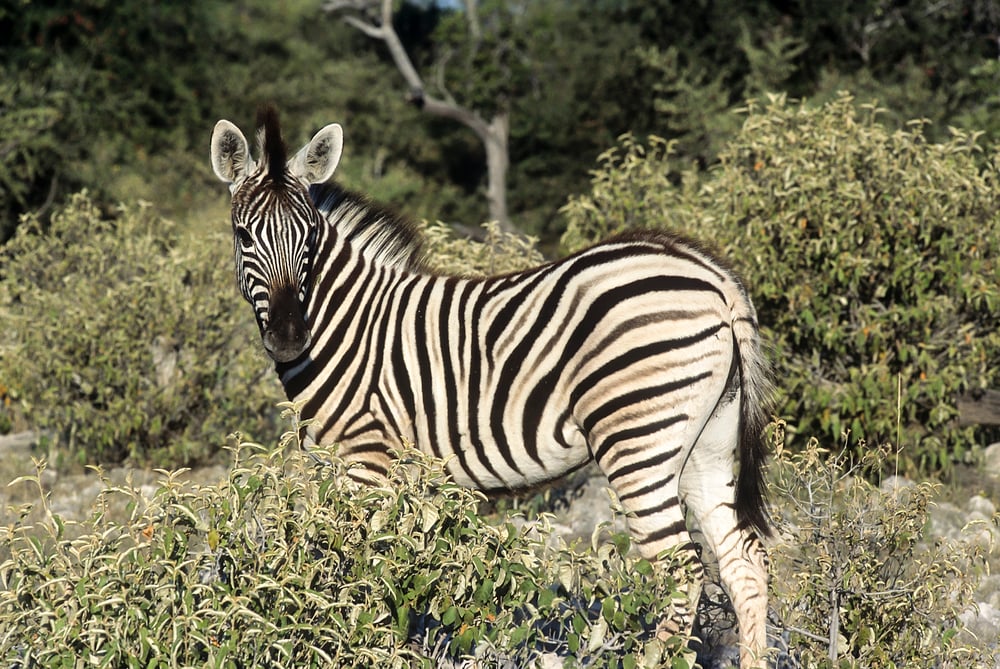
These half-zebra, half-horse looking animals were thought to have died out in the wild by 1878, with the last captive dying in 1883. Recent genetic analysis revealed something surprising though—what we called ‘quaggas’ were actually just a southern subspecies of plains zebra.
This means quaggas technically lived on in other zebra populations much longer than anyone realized. Their genes are still floating around in South African zebra herds today.
Like Go2Tutors’s content? Follow us on MSN.
Pyrenean Ibex
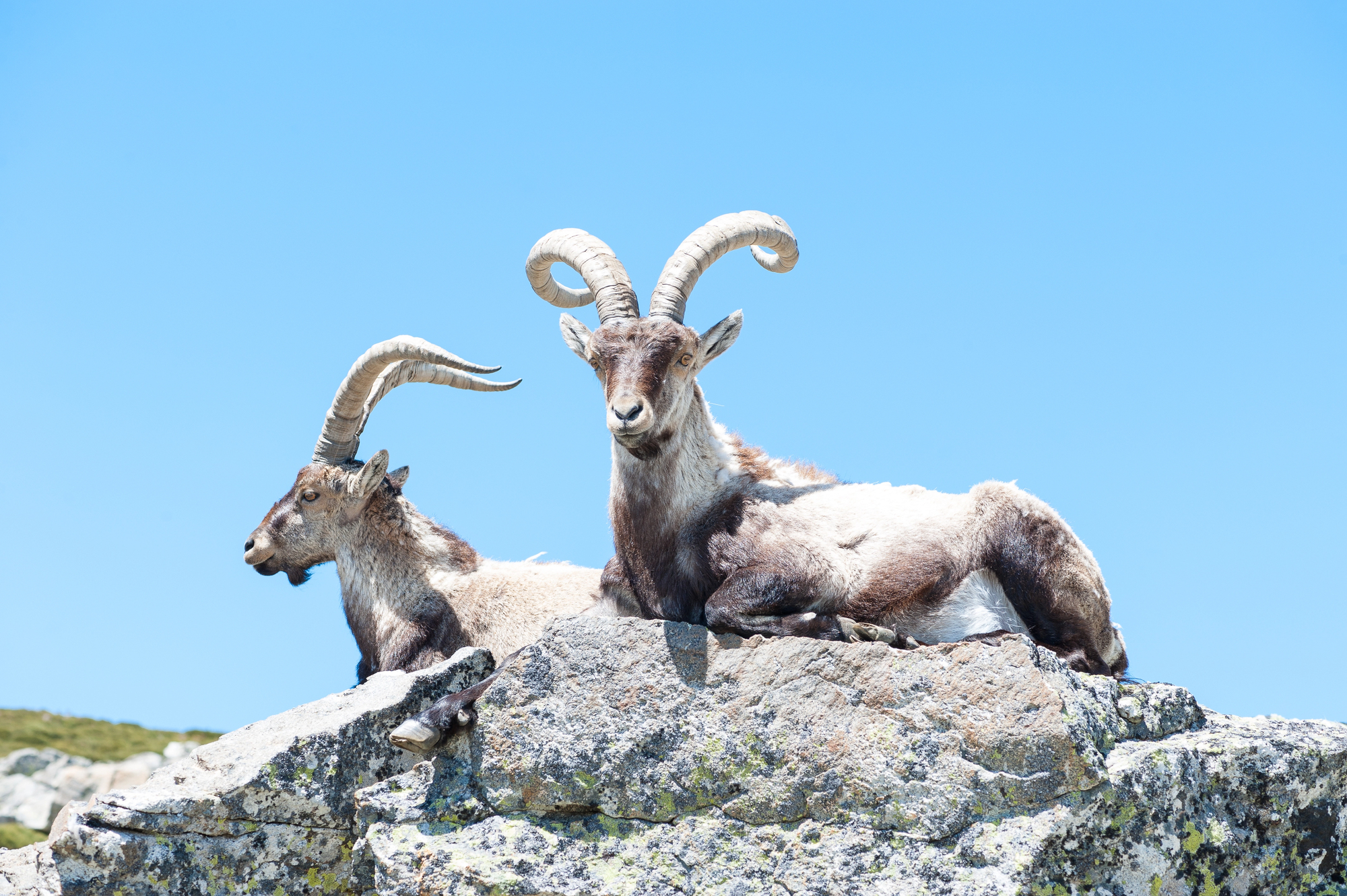
The Pyrenean ibex became extinct in 2000 when the last female, Celia, got killed by a falling tree. Here’s where things get weird—scientists managed to clone Celia in 2003, briefly bringing the species back to life.
The cloned kid only survived a few minutes because of lung problems. But it technically means the Pyrenean ibex lived three years longer than its natural extinction date.
Ivory-billed Woodpecker
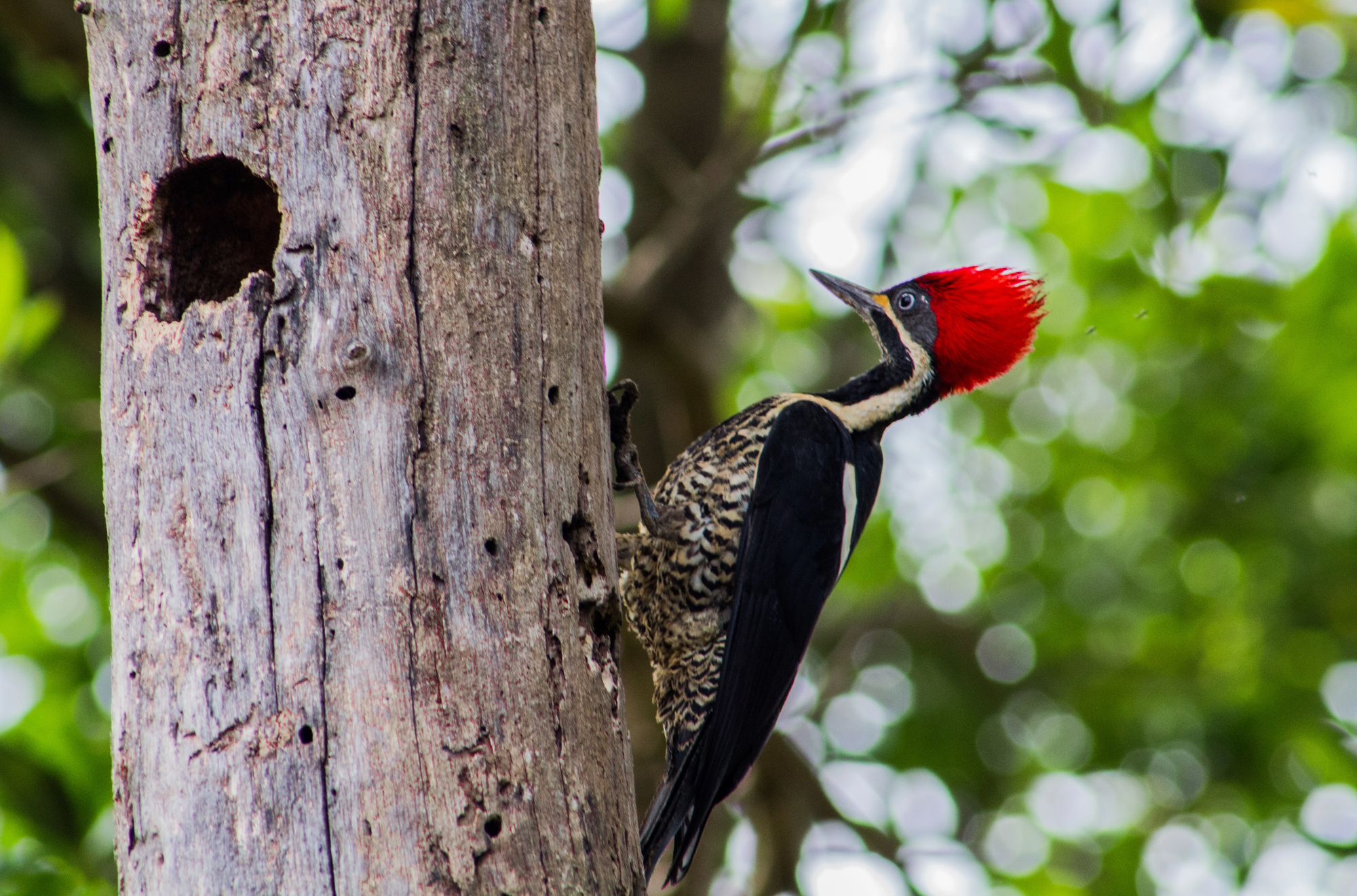
Once declared extinct in the 1940s, ivory-billed woodpeckers have been the subject of numerous ‘rediscovery’ claims over the decades. The most famous sighting happened in Arkansas in 2004, complete with blurry video footage that sparked years of scientific arguments.
While nobody’s found conclusive proof yet, the possibility that these magnificent birds survived 60+ years longer than expected in remote southern swamps keeps researchers searching.
Golden Toad
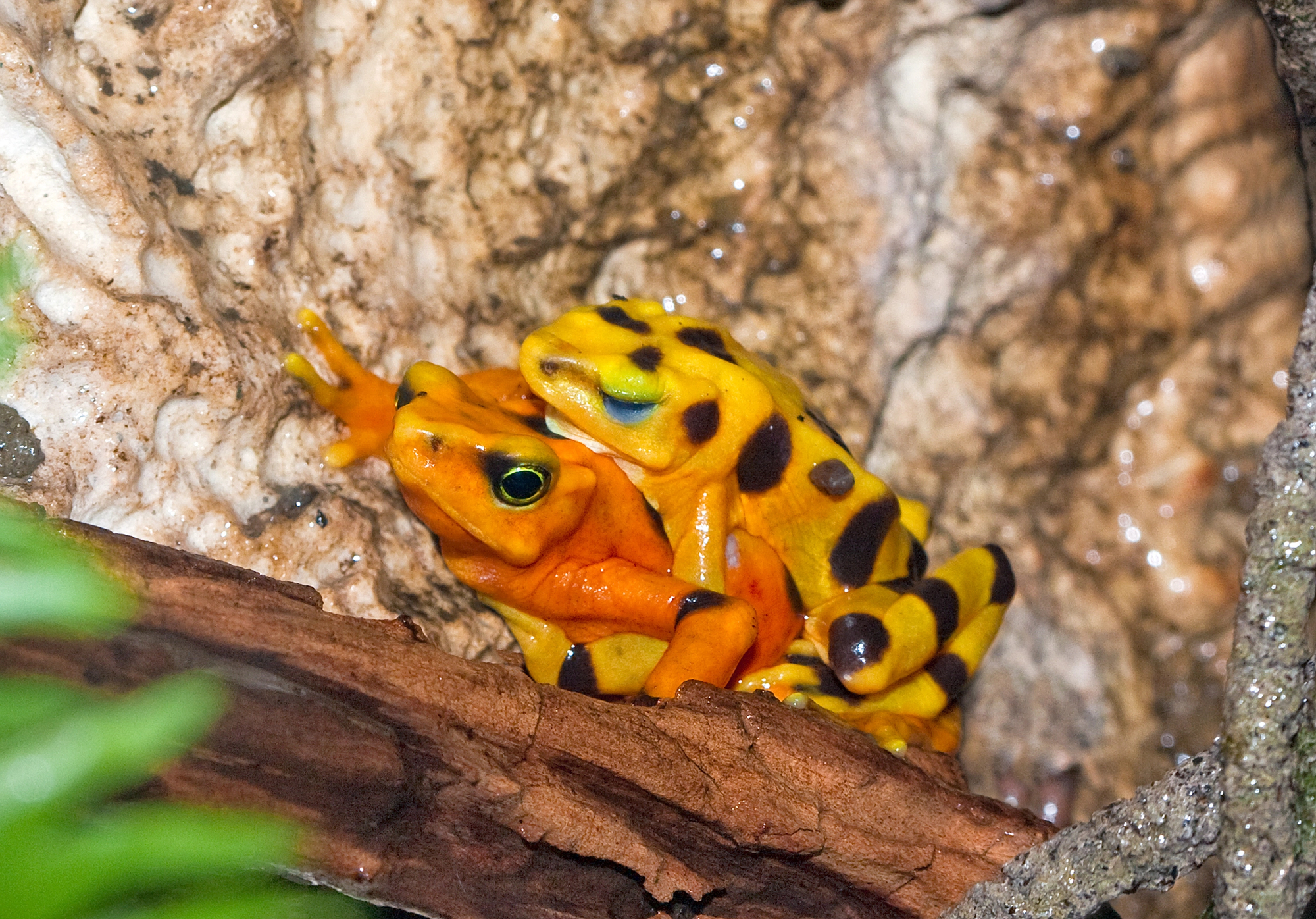
Costa Rica’s golden toad was last seen in 1989 and declared extinct by 1994, though scientists kept looking for survivors well into the 2000s. The species had evolved to live in very specific cloud forest conditions, so researchers hoped small populations might have survived in unexplored areas of the Monteverde region.
Their bright golden color made them easy to spot, which makes any extended survival pretty remarkable.
Like Go2Tutors’s content? Follow us on MSN.
Toolache Wallaby
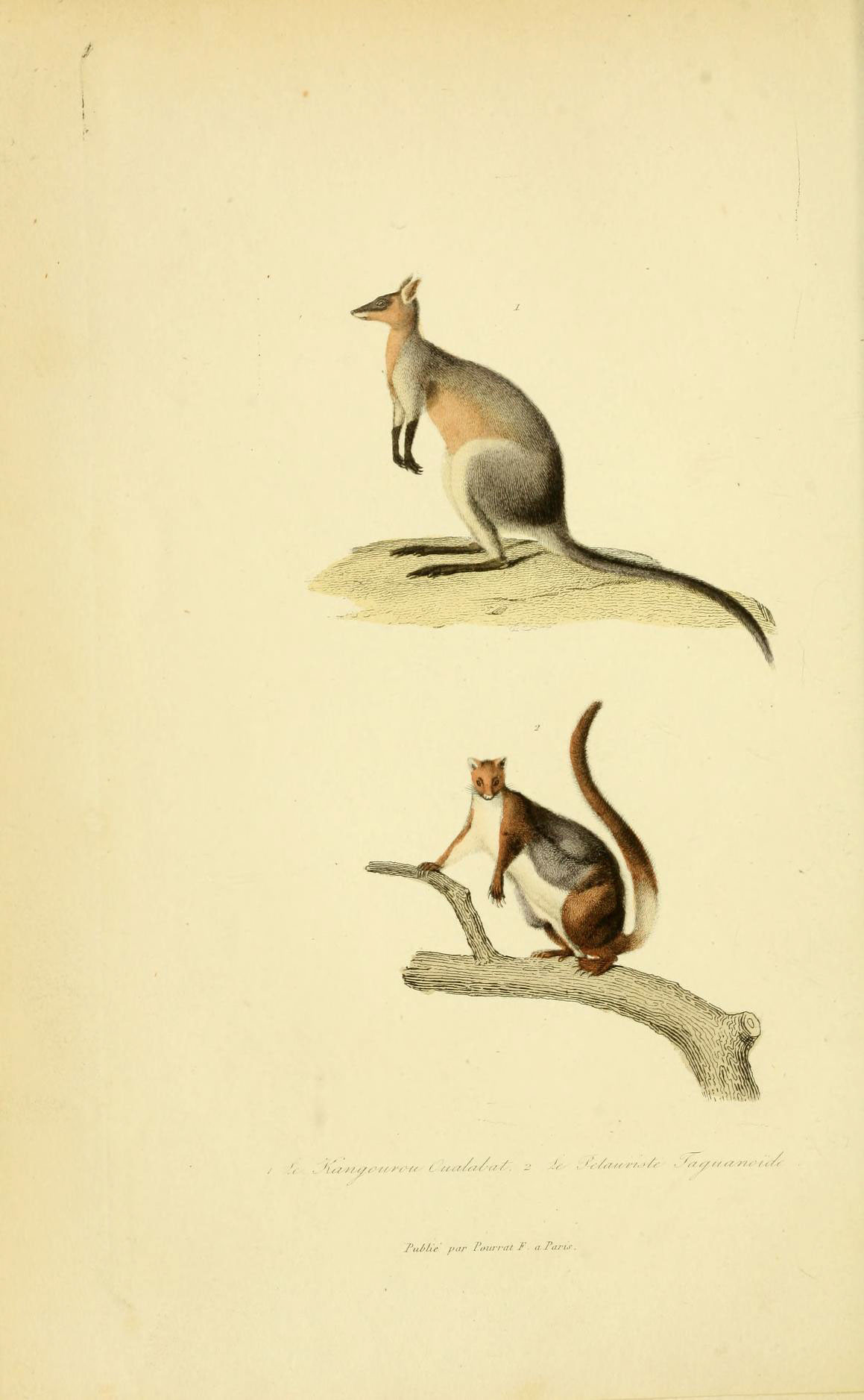
This elegant wallaby from South Australia was thought extinct by 1943, but reliable sightings continued into the early 1970s. The toolache wallaby was famous for its incredible speed and grace, which helped it dodge predators and hunters for nearly three decades longer than expected.
Remote populations apparently held on in the state’s southeastern regions. Staying far away from human settlements.
Western Black Rhinoceros
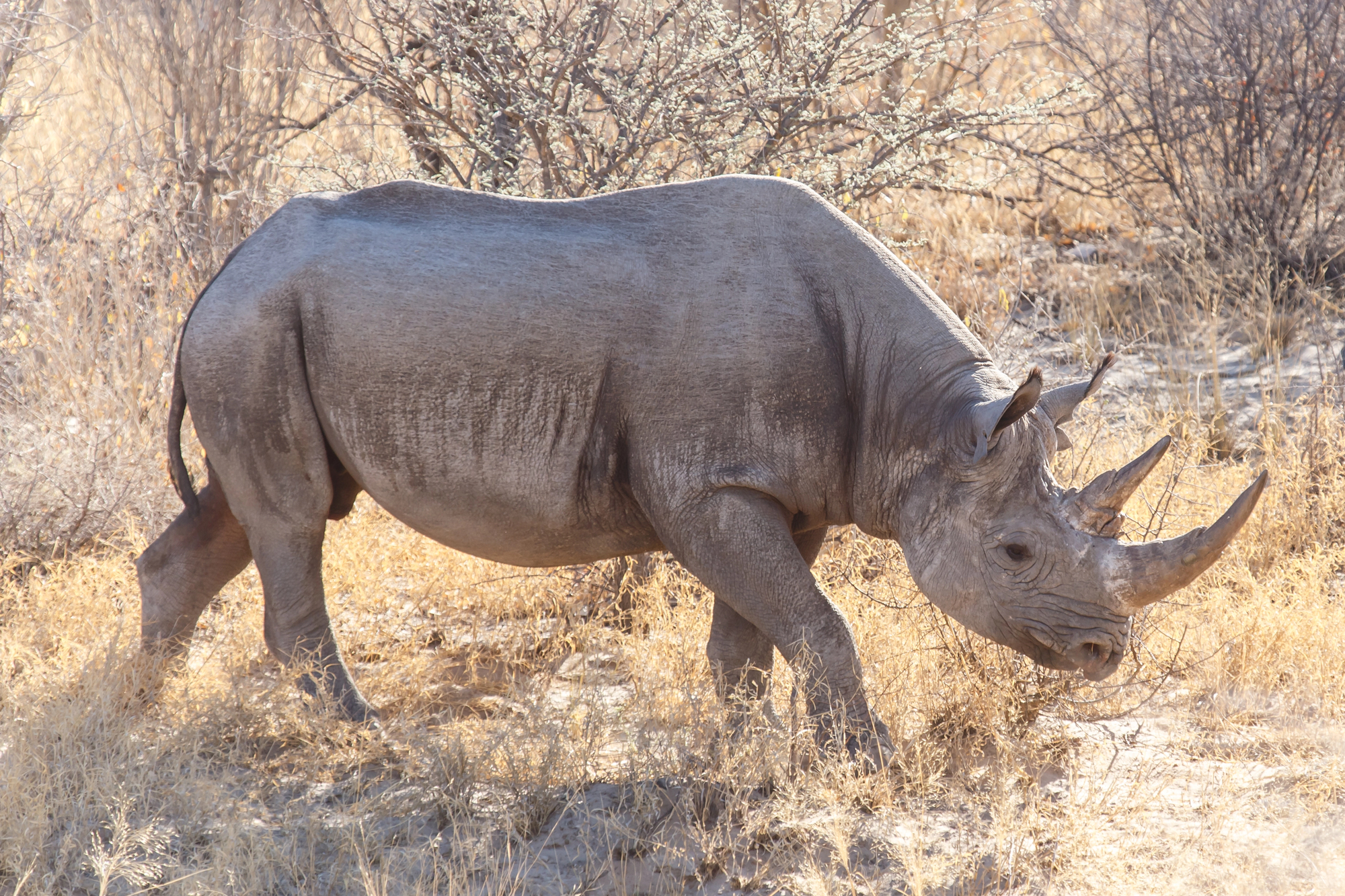
The western black rhino was declared extinct in 2011, though the last confirmed individual actually died around 2006. What’s remarkable is how this subspecies managed to survive intensive poaching pressure and habitat loss until the mid-2000s.
Small populations stayed hidden in remote parts of Cameroon by sticking to dense forest areas where tracking was nearly impossible.
Thylacine Sightings in New Guinea
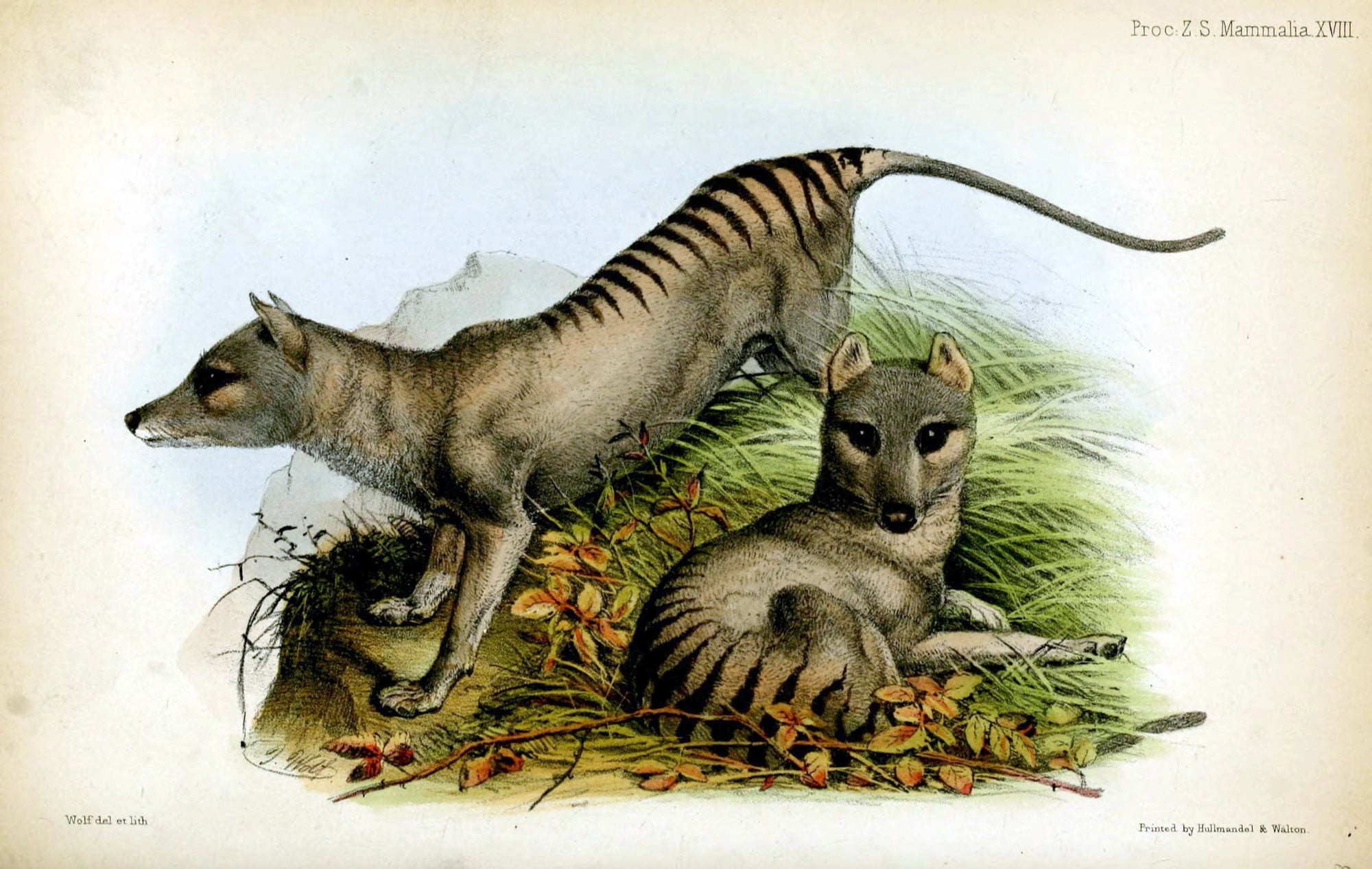
While Tasmanian thylacines died out in 1936, their New Guinea relatives may have survived much longer. Local hunters reported encounters with thylacine-like animals well into the 1970s and 80s in remote highland forests.
The rugged terrain and dense jungle of New Guinea provided perfect cover for these elusive marsupials. Potentially extending their survival by several decades beyond their Tasmanian cousins.
Like Go2Tutors’s content? Follow us on MSN.
Javan Tiger
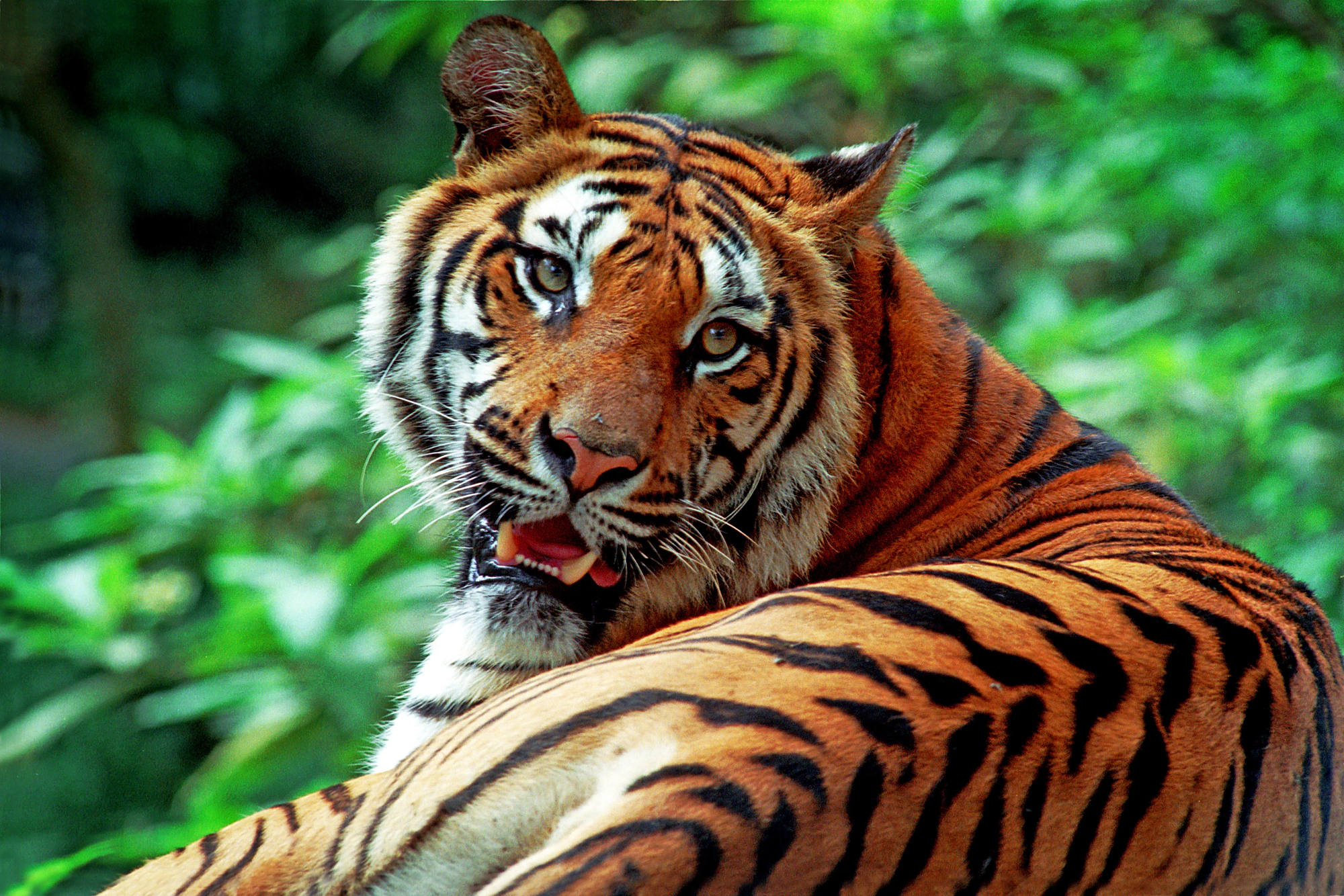
Officially extinct since the 1980s, Javan tigers may have survived until the early 2000s based on camera trap evidence and local reports. These adaptable cats managed to persist in Java’s remaining forest fragments much longer than expected.
Despite intense human pressure on the island, their ability to hunt in degraded habitats and avoid human contact kept them alive for at least two decades after scientists thought they were gone.
When Extinction Gets Complicated
The stories of these stubborn survivors remind us that extinction isn’t the clean, straightforward process textbooks make it out to be. Animals have this amazing ability to adapt, hide, and keep going when everything seems hopeless.
Some found hideouts in remote places where humans rarely went, while others figured out new ways to survive that bought them precious extra time. These survival stories have taught scientists to be more careful about declaring species extinct and helped us better understand how animals deal with environmental pressure.
Next time you hear about a species facing extinction, remember that nature usually has more tricks up its sleeve than we give it credit for.
More from Go2Tutors!

- 16 Historical Figures Who Were Nothing Like You Think
- 12 Things Sold in the 80s That Are Now Illegal
- 15 VHS Tapes That Could Be Worth Thousands
- 17 Historical “What Ifs” That Would Have Changed Everything
- 18 TV Shows That Vanished Without a Finale
Like Go2Tutors’s content? Follow us on MSN.