15 Films That Influenced Fashion Trends
Movies have always done more than tell stories. They dress people.
They put a specific collar, a particular shade of lipstick, or a pair of boots on screen and suddenly everyone wants one. Some of the biggest shifts in how people dressed didn’t start in Milan or Paris — they started in a darkened cinema.
Here are 15 films that left a real mark on how the world got dressed.
Breakfast At Tiffany’s (1961)
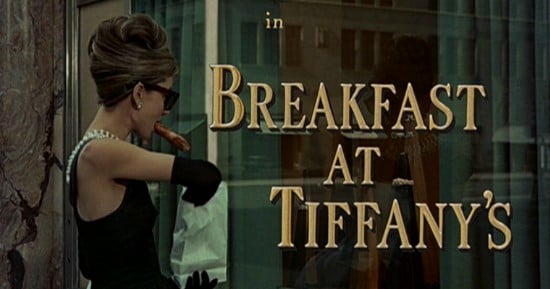
Audrey Hepburn’s opening scene — black Givenchy gown, long gloves, oversized sunglasses, hair piled high — became one of the most copied images in fashion history. The little black dress wasn’t new, but the way Holly Golightly wore it made it feel like armor.
Elegant, slightly untouchable, entirely deliberate. The cat-eye sunglasses Hepburn wore in the film still appear in collections today.
Designers keep returning to that image because it hasn’t lost its pull.
Annie Hall (1977)
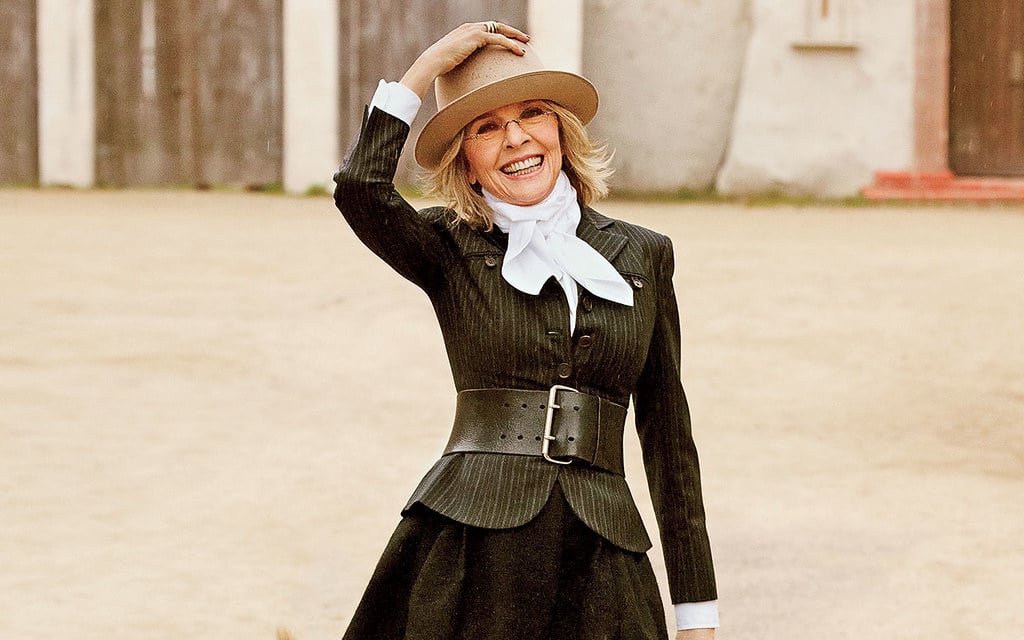
Diane Keaton’s wardrobe in this Woody Allen film broke all the rules that women’s fashion had spent decades enforcing. She wore men’s trousers, oversized vests, neckties, and wide-brimmed hats — all styled in a way that felt effortlessly personal rather than borrowed.
Ralph Lauren designed the clothes. The look became known as “Annie Hall style” and genuinely shifted how women approached dressing, particularly around the idea that clothes didn’t need to be traditionally feminine to be appealing.
Saturday Night Fever (1977)
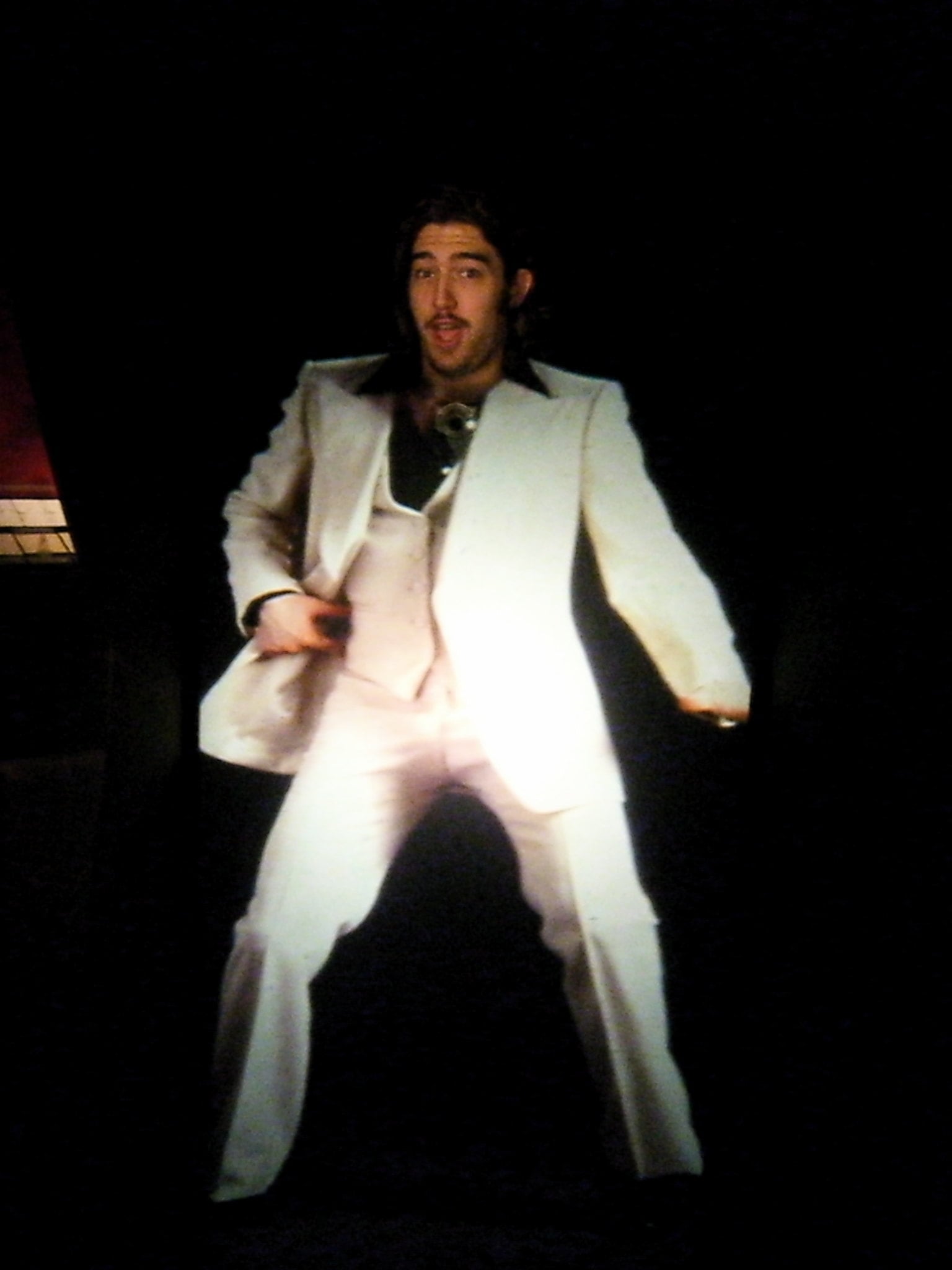
John Travolta’s white three-piece suit. That’s really all that needs to be said, but there’s more to it.
The film put disco fashion on the map in a way that music alone hadn’t quite managed. Polyester, platform shoes, open-collar shirts — things that had been club staples became mainstream overnight.
The suit itself sold at auction decades later for a staggering amount. It had become an artifact.
Flashdance (1983)
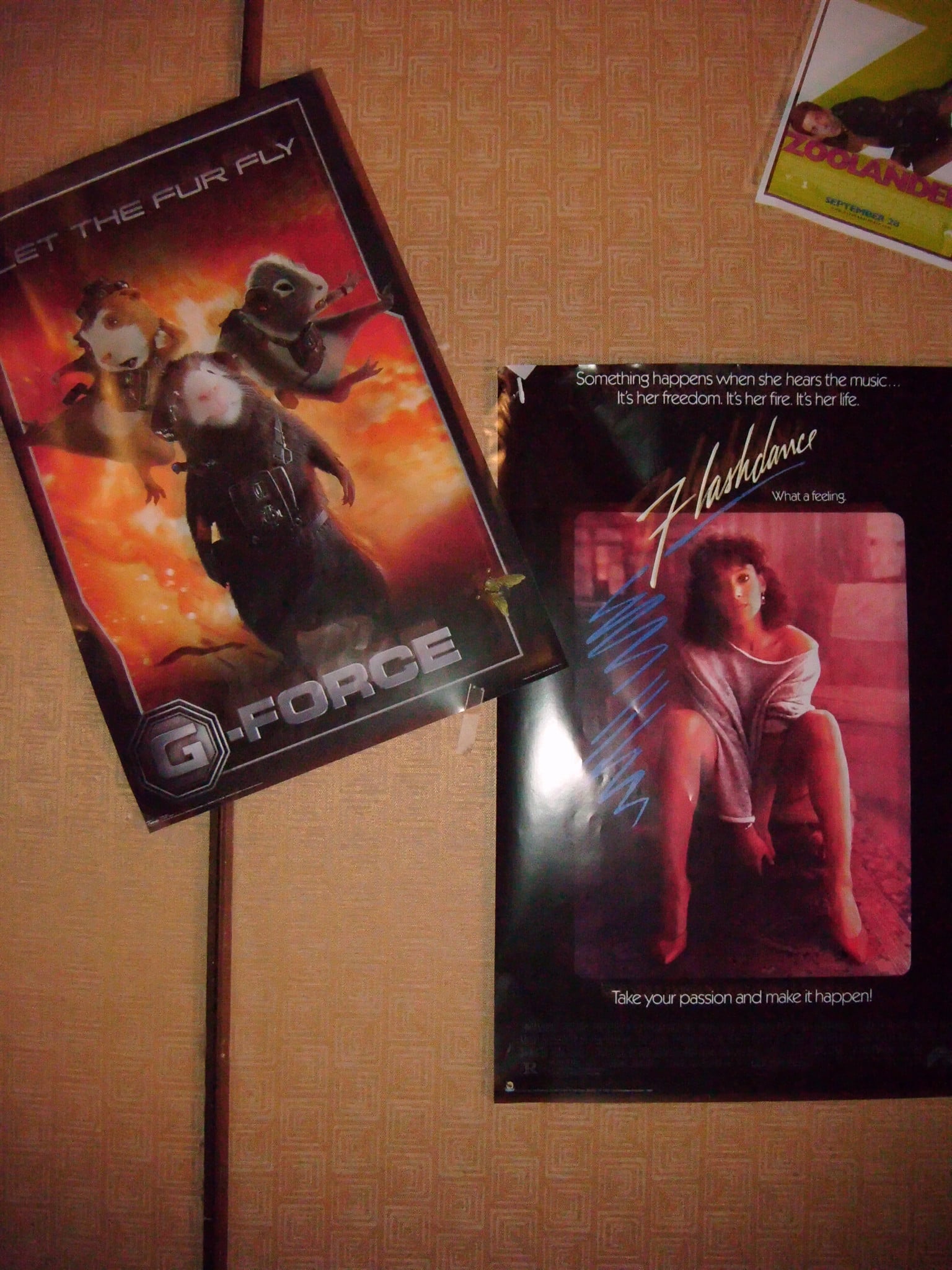
Off-the-shoulder sweatshirts. Legwarmers.
The whole torn, layered, athletic-but-not-quite aesthetic that defined early ’80s casual wear. Flashdance did that.
Jennifer Beals’s character was a welder who danced, and her wardrobe reflected something scrappy and self-made. That combination of sportswear with something more expressive filtered through mall fashion almost immediately.
Pretty In Pink (1986)
The John Hughes teen films defined how a generation understood getting dressed as an act of identity. Pretty in Pink in particular, with Molly Ringwald’s character constructing her own clothes and thrift-store-mixing patterns, made DIY style feel like a genuine statement.
The pink prom dress at the end is remembered as controversial, but the whole film treated fashion as a class marker and a form of self-expression in ways that felt real.
Working Girl (1988)
Power shoulders. The structured blazer.
Women in finance dressing with visible authority. Working Girl crystallized a look that had been building through the ’80s and gave it cultural weight.
Melanie Griffith’s character carried sneakers in her bag to commute and changed into heels at the office. That specific image — the practical commuter shoe swap — became a real thing women actually did for years afterward.
Pretty Woman (1990)
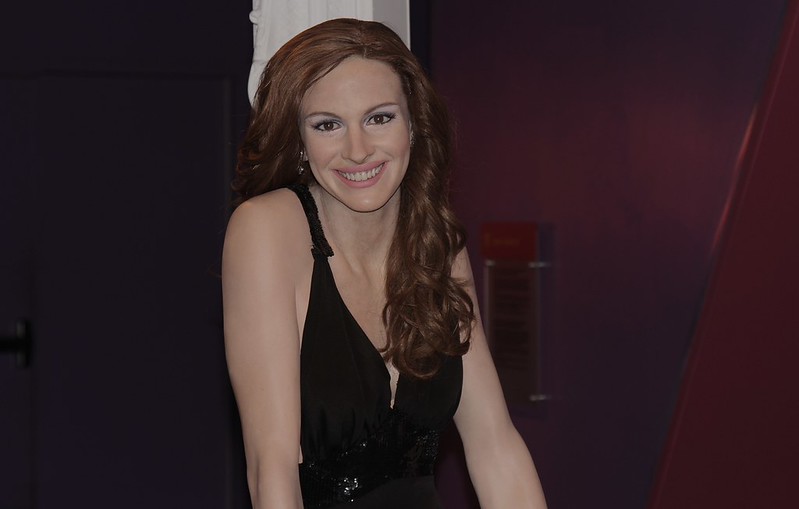
Julia Roberts’s transformation in this film moved merchandise. The red off-the-shoulder gown.
The polka-dot dress with the big hat. The thigh-high boots that came before the makeover.
Each outfit in Pretty Woman was doing narrative work, but they also functioned as trend-setters in their own right. The film reinvigorated interest in vintage-style silhouettes and gave the concept of the “makeover montage” a blueprint that fashion films still copy.
Clueless (1995)
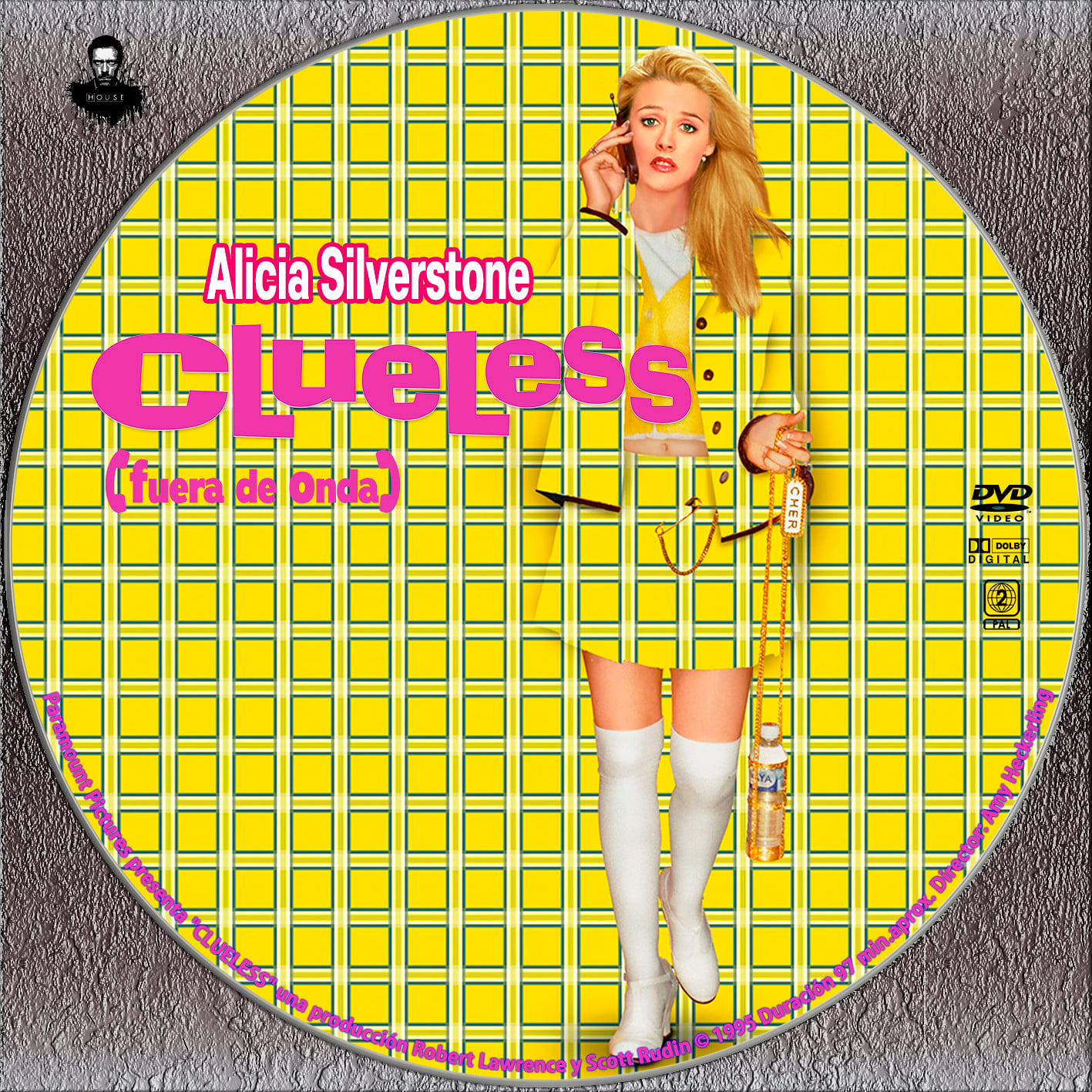
Plaid co-ord sets. Knee-high socks.
Fluffy pens and color-coordinated everything. Cher Horowitz’s wardrobe was designed by Mona May and was so vivid and specific that it practically invented a genre of teen fashion.
The film got a full revival in the 2010s and 2020s, and with it came another wave of plaid blazers and matching skirt sets. It keeps coming back because the clothes were genuinely good — not just costumes, but considered designs that happened to be on a teenager.
The Matrix (1999)
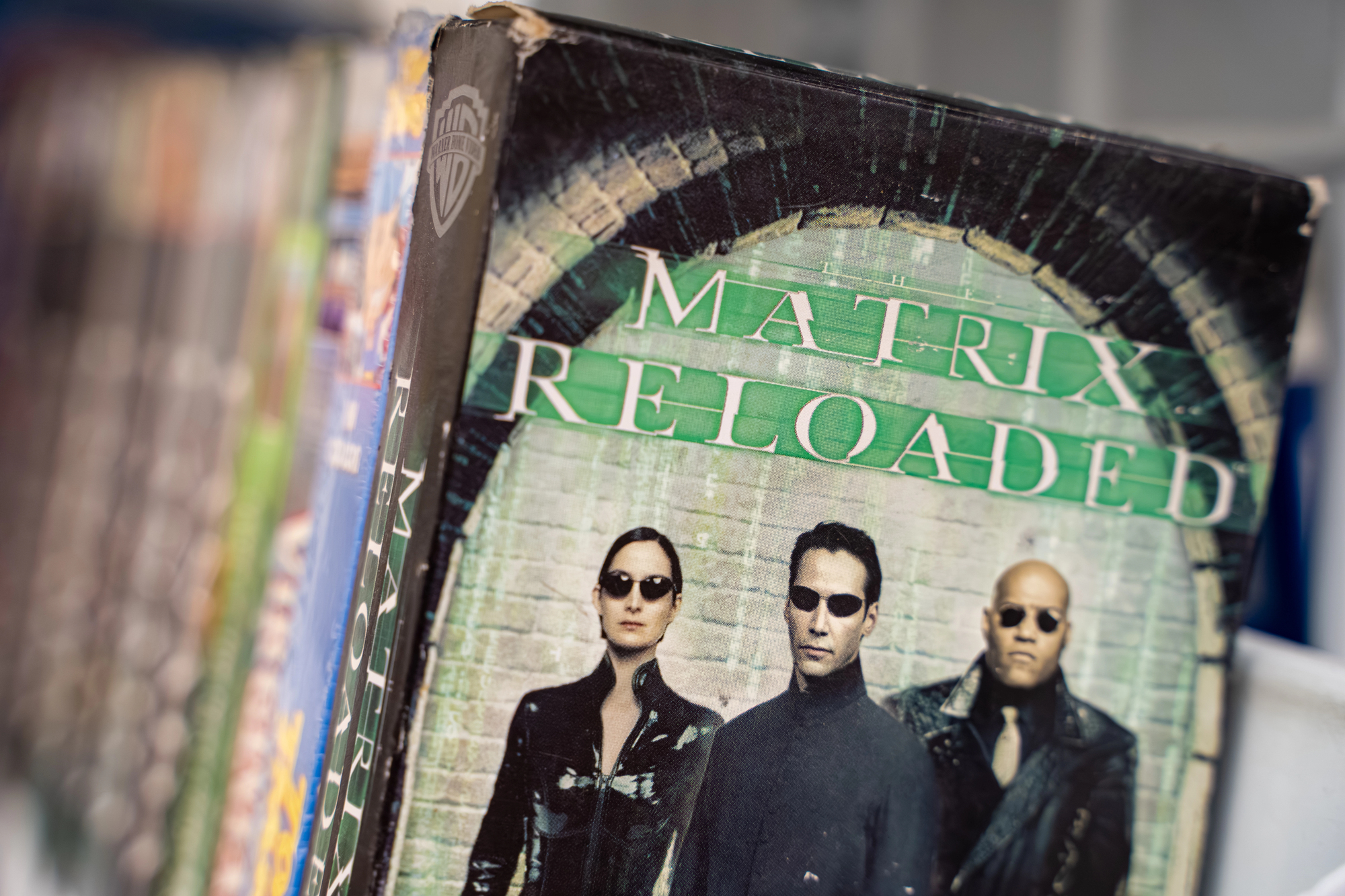
Long black leather coats. Rectangular sunglasses.
An entirely monochromatic palette. The Matrix arrived at exactly the right moment — when Y2K anxiety and techno-futurism were already shaping culture — and gave that mood a wardrobe.
The trench coat in particular had a major resurgence after the film. Designers responded quickly, and the cyberpunk-adjacent aesthetic the film popularized had a long tail that stretched well into the 2000s.
Moulin Rouge! (2001)
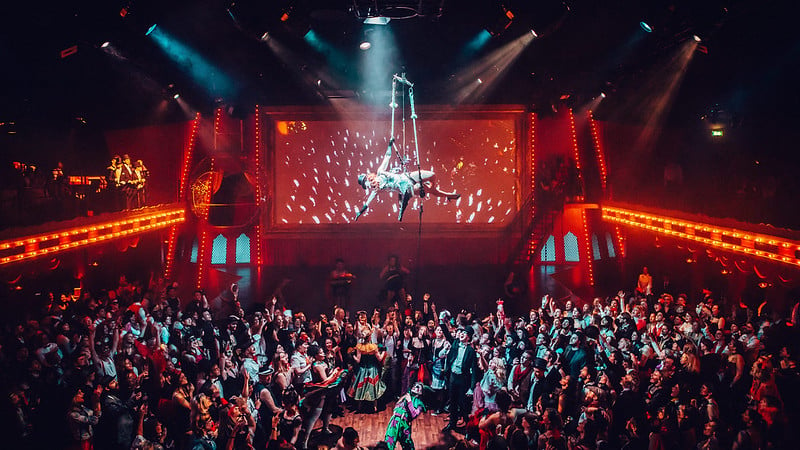
Baz Luhrmann’s film was a visual explosion, but it had a real fashion impact. The corset worn as outerwear — already present in ’90s club wear — got a cinematic endorsement that made it feel glamorous rather than subcultural.
Nicole Kidman’s costumes, designed by Catherine Martin, were theatrical in the best way. The film pushed the idea that maximalism was an option again, right at a moment when fashion was starting to feel very minimal.
The Devil Wears Prada (2006)
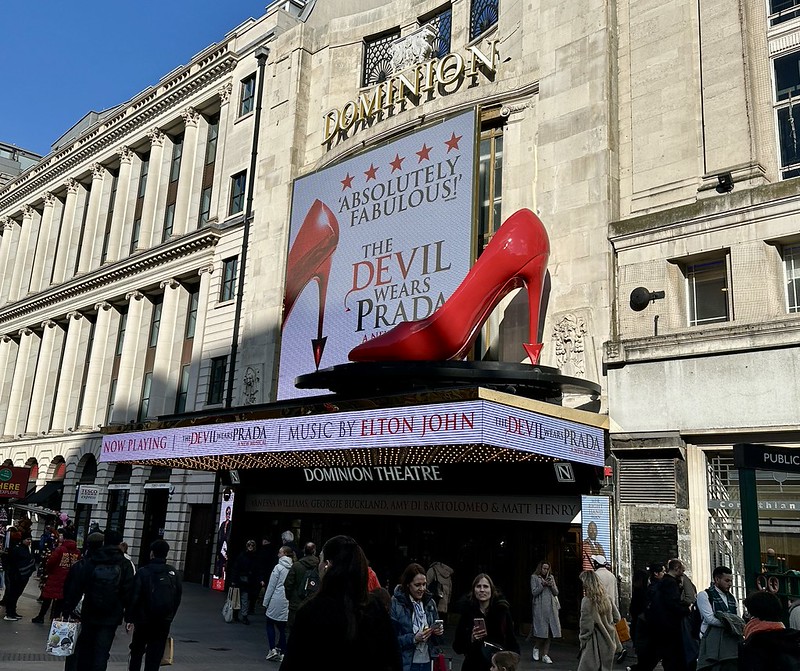
This film didn’t just influence fashion trends — it influenced how people thought about the fashion industry itself. Anne Hathaway’s character’s transformation from “frumpy” to polished was essentially a masterclass in how clothes communicate belonging and ambition.
But the more lasting impact was Meryl Streep’s costumes. The silver hair, the white coats, the calm authority of her dressing — Miranda Priestly became a reference point for how powerful women in any industry might choose to present themselves.
Atonement (2007)
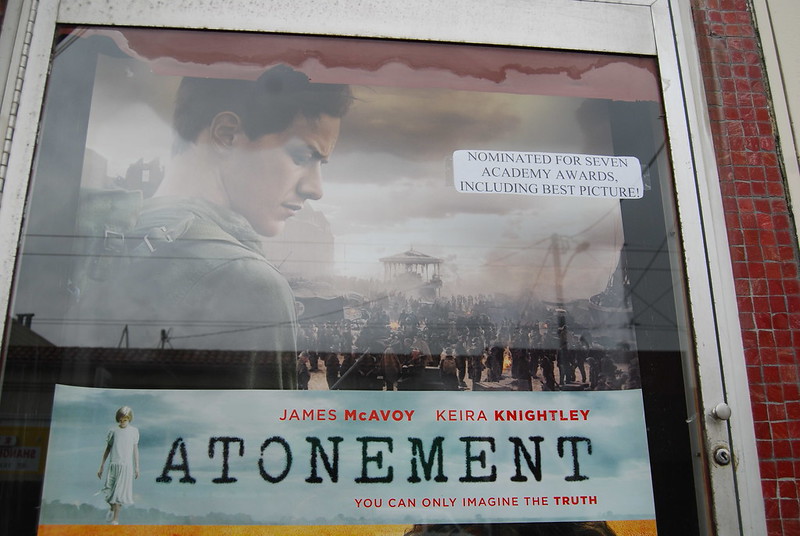
Keira Knightley’s green bias-cut silk dress is probably one of the most discussed costume pieces of the 2000s. Designed by Jacqueline Durran, it’s simple in theory — a backless gown in emerald green — but it sparked immediate interest in that particular silhouette and shade.
Green as a major fashion color had a notable comeback after this film. The bias cut also got renewed attention from designers who had largely moved away from it.
Black Swan (2010)
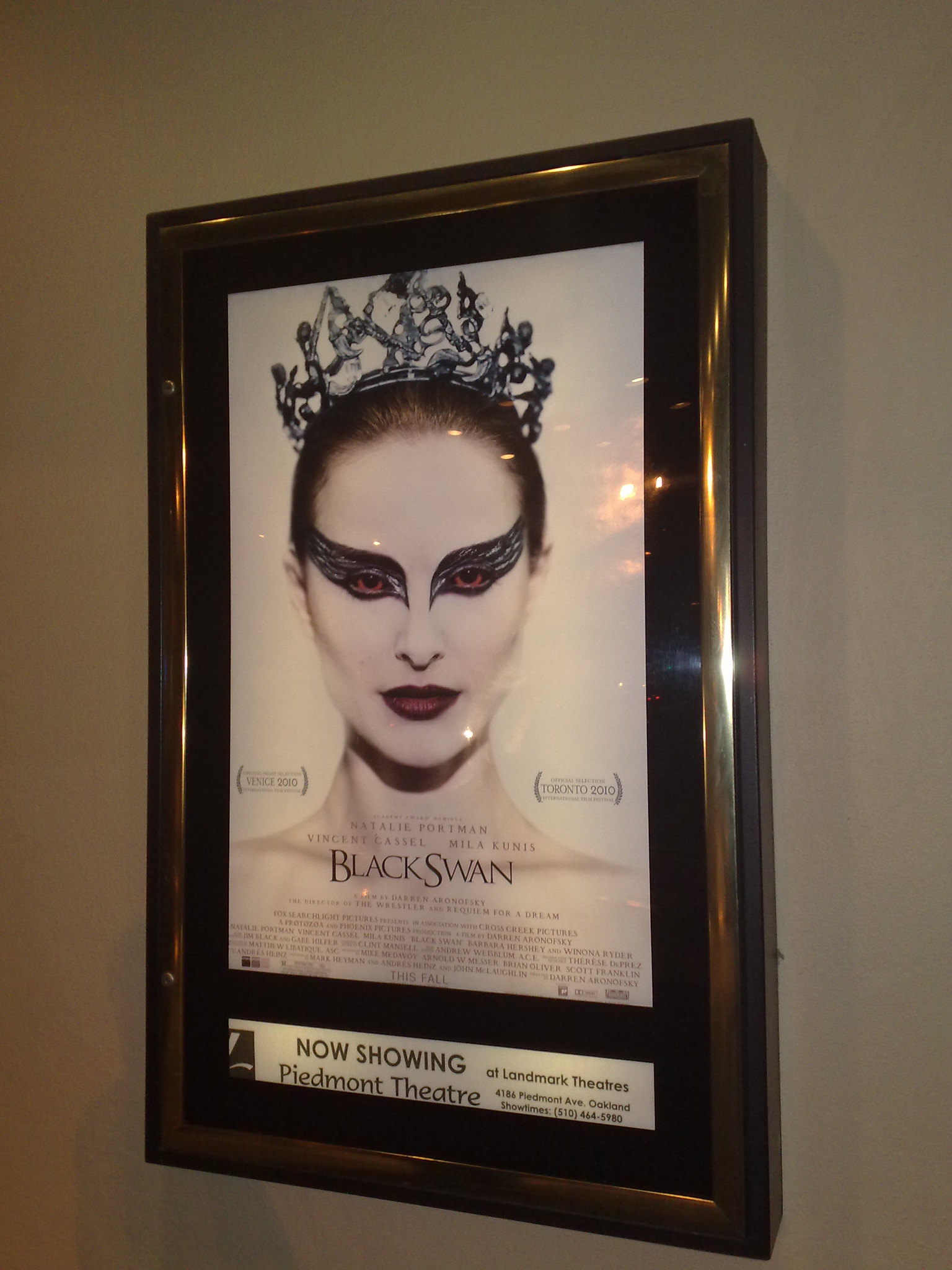
A sudden shift came when Natalie Portman wore tulle skirts off set, not just on stage. Her layered looks, hinting at dancewear, began showing up everywhere soon after.
Soft pink pieces, once tied to purity, stood out sharply next to darker tones later in the story. These choices didn’t stay on screen long.
Within months, versions appeared across city streets and stores alike. That movie quietly shaped what came after.
Outfits once seen only on stage now show up on sidewalks. Think soft sweaters draped over shoulders.
Thin ribbons knotted around flat shoes. Tutus stacked under jeans or blazers.
Each look carries a whisper of Black Swan. Fashion shifted without announcing why.
The Great Gatsby 2013
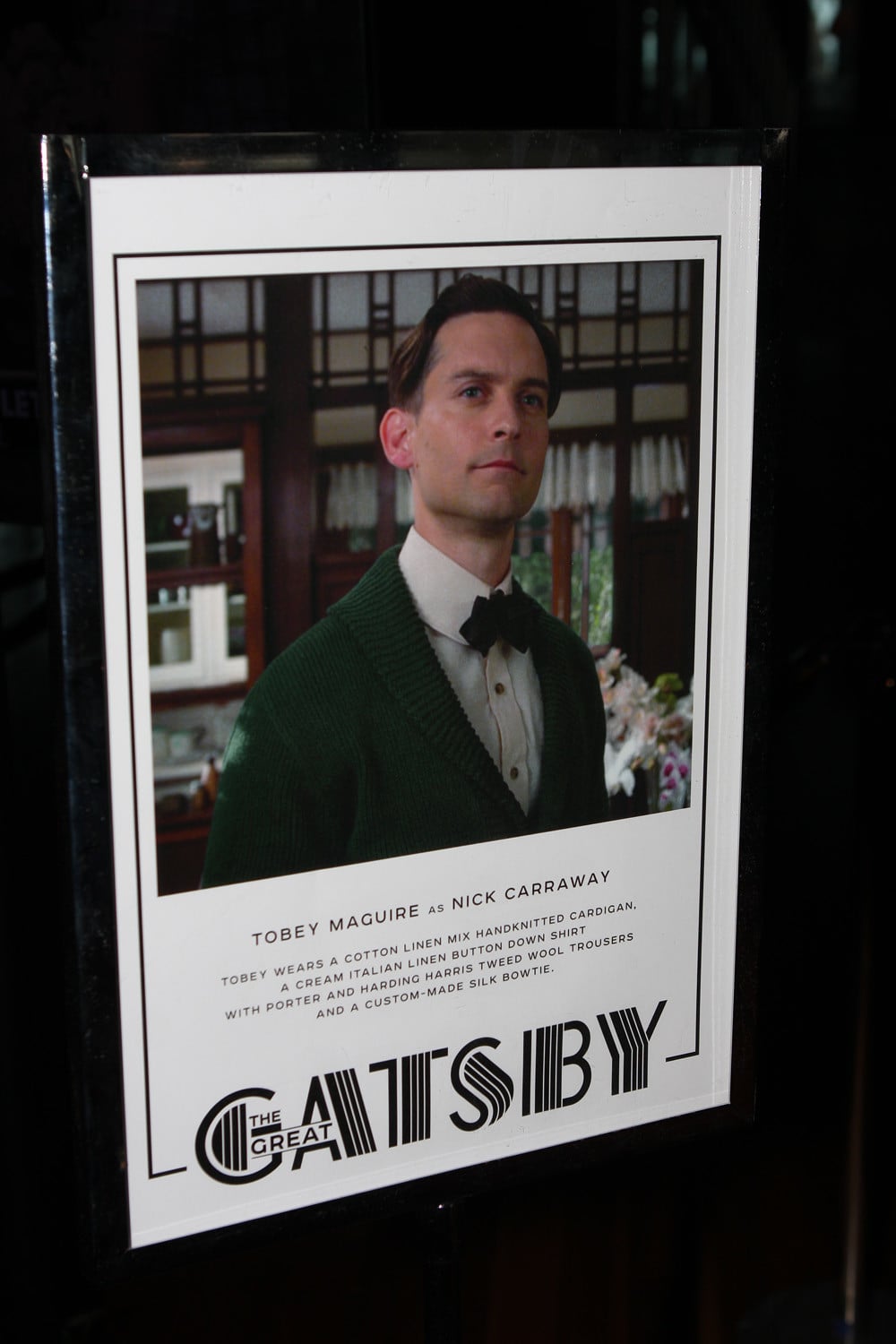
Baz Luhrmann returns. This round, his collaboration landed straight at Prada and Miu Miu’s doorsteps – costumes handled by them.
Out of it came a movie feeling less like fiction, more like runway footage stitched into scenes. Frosted glass necklaces, low-cut dresses, plumed hairpieces – after the movie came out, these pieces flooded shops and catwalks alike.
Thanks to that glitzy affair on screen, dressing like a 1920s gala guest turned into an actual thing people did.
Black Panther (2018)
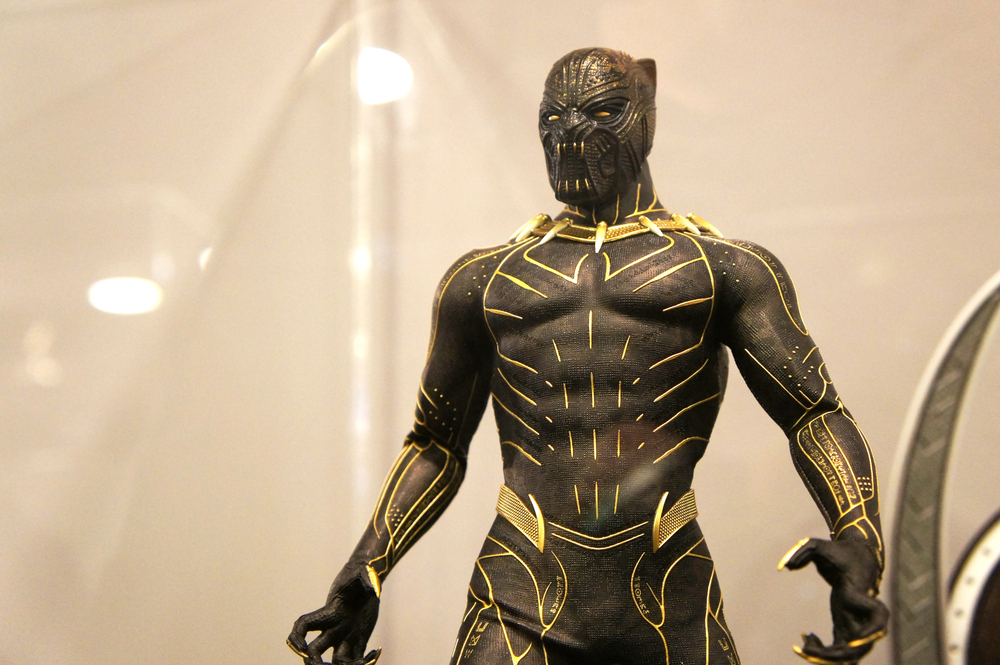
Award season smiled on Ruth E. Carter’s work here – her costumes didn’t just win a statue, they shifted eyes toward African textiles in ways Hollywood rarely notices. Mainstream fashion began seeing those patterns differently after that.
After the movie came out, searches jumped for kente fabric, ankara patterns, big shaped outfits. Designers from Africa noticed fresh eyes from overseas buyers.
This stood out – a film shaping what people wanted instead of echoing past trends.
What The Screen Leaves Behind
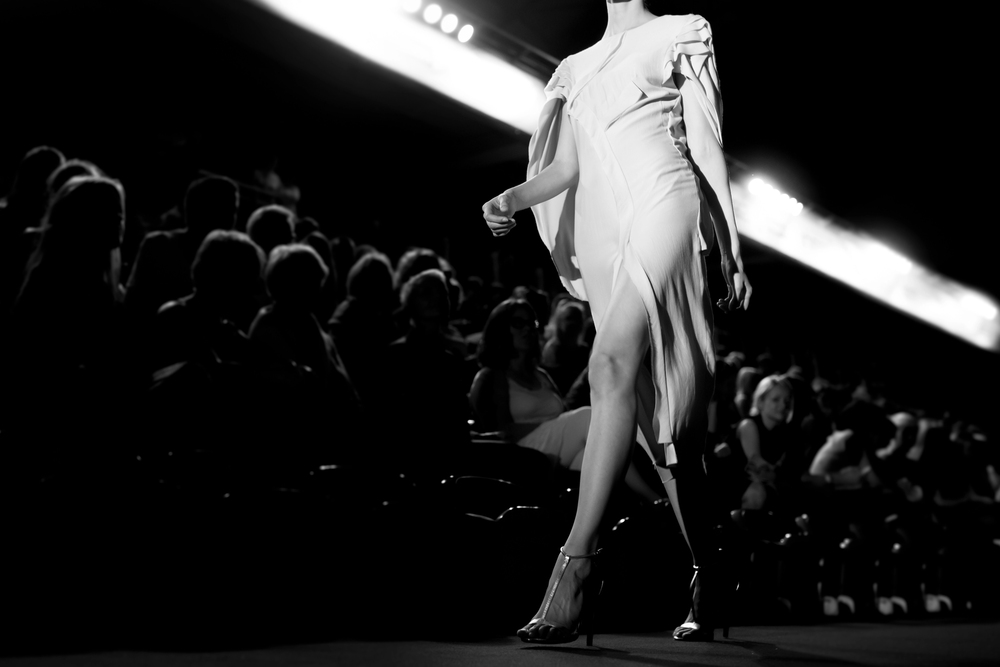
Screen stories shape how we dress, just as clothes help tell those stories. A single outfit might catch eyes without anyone planning it.
When filmmakers choose what characters wear, they’re also choosing signals for real life. Some looks start small, then echo far beyond the theater.
What appears by chance on camera often becomes tomorrow’s runway moment. Every one of these 15 movies shares a trait: clothing didn’t merely cover bodies.
Instead, outfits revealed who people were – what they wanted, where they stood, how they resisted. Because once viewers feel that link, appreciation turns into longing – to slip into those roles, literally.
More from Go2Tutors!

- The Romanov Crown Jewels and Their Tragic Fate
- 13 Historical Mysteries That Science Still Can’t Solve
- Famous Hoaxes That Fooled the World for Years
- 15 Child Stars with Tragic Adult Lives
- 16 Famous Jewelry Pieces in History
Like Go2Tutors’s content? Follow us on MSN.



