15 Foods That Naturally Glow, Change Color, or Do Something Weird
Food isn’t just about taste—sometimes it can surprise us with unexpected properties that seem almost magical. From fruits that glow under certain conditions to vegetables that change color when cooked, nature has created some truly fascinating edible oddities.
Here is a list of 15 foods that naturally glow, change color, or exhibit other unusual properties that might surprise you at your next meal.
Honey Mushrooms
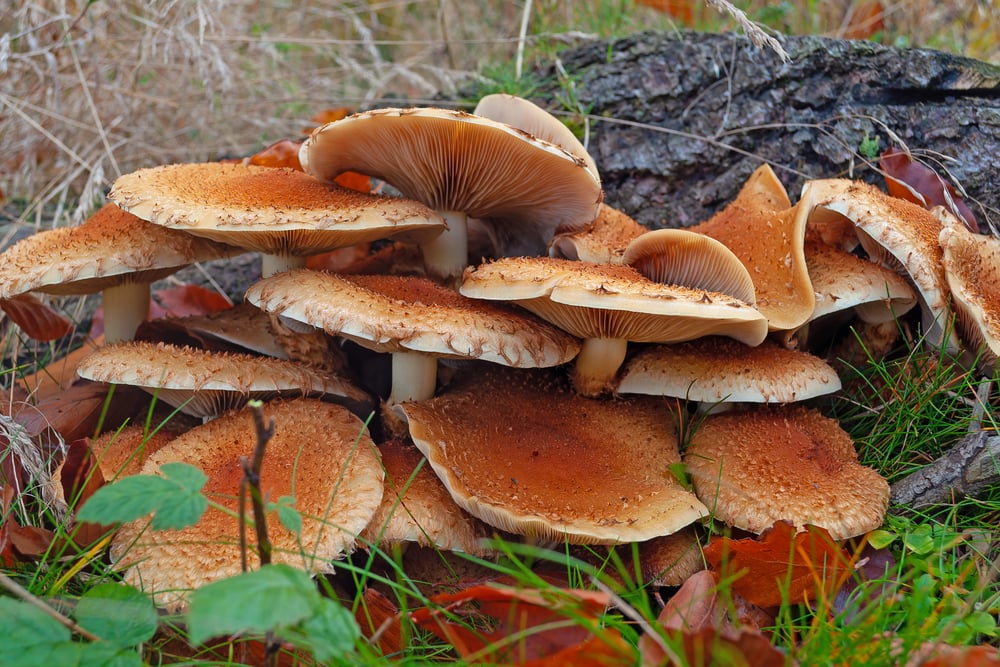
These seemingly ordinary mushrooms contain bioluminescent compounds that cause them to emit a faint greenish glow in the dark. The glow is actually caused by an enzyme called luciferase that produces light through a chemical reaction.
Honey mushrooms are found in forests across North America and parts of Europe, creating an ethereal nighttime display that looks like something from a fantasy movie.
Butterfly Pea Flowers
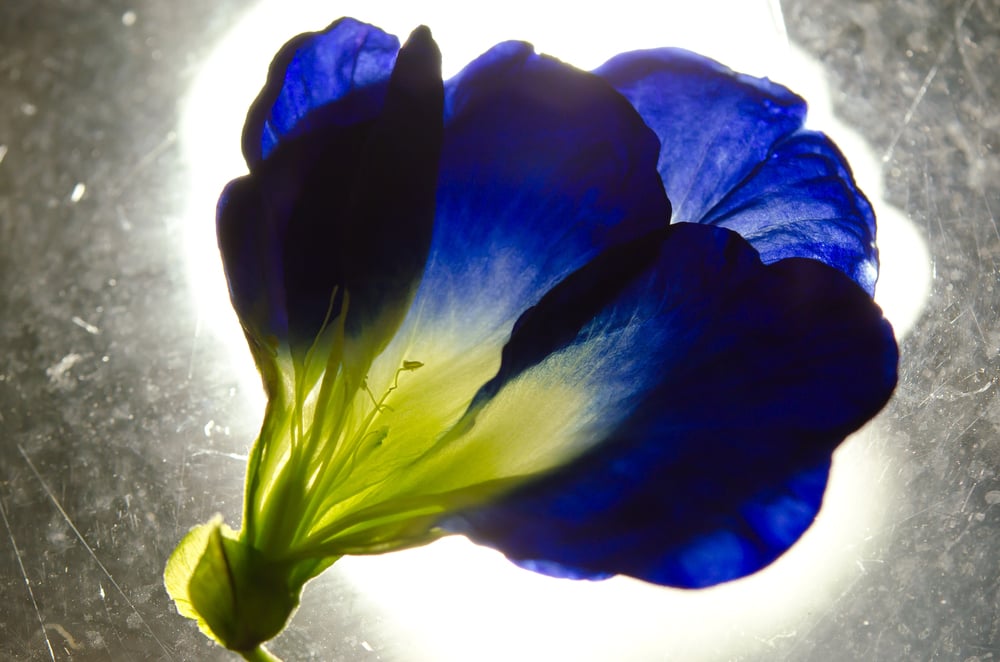
This vibrant blue flower creates a tea that acts as a natural pH indicator, changing from deep blue to purple to pink depending on the acidity of what you add to it. Add lemon juice to your butterfly pea tea and watch it transform instantly from blue to purple or pink.
The effect is so dramatic that these flowers have become popular in color-changing cocktails and specialty beverages.
Miracle Berries
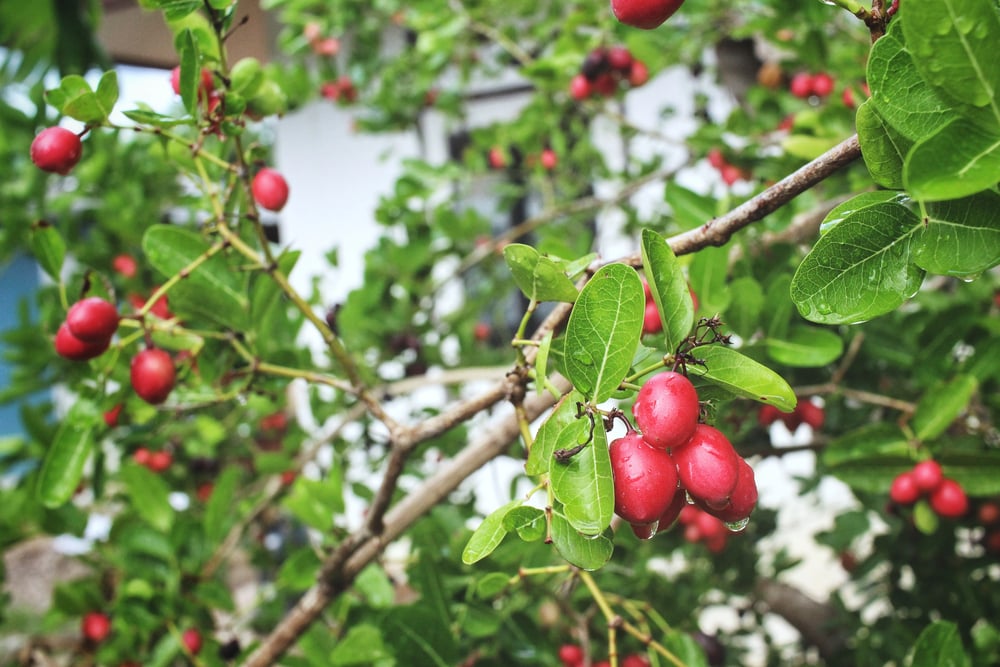
These small red berries contain a protein called miraculin that temporarily binds to your taste buds and makes sour foods taste sweet. After eating a miracle berry, biting into a lemon will taste like sweet lemonade for about 30 minutes to an hour.
Chefs have used this property to create ‘flavor-tripping’ dining experiences where guests consume normally sour or bitter foods that suddenly taste sweet.
Bananas
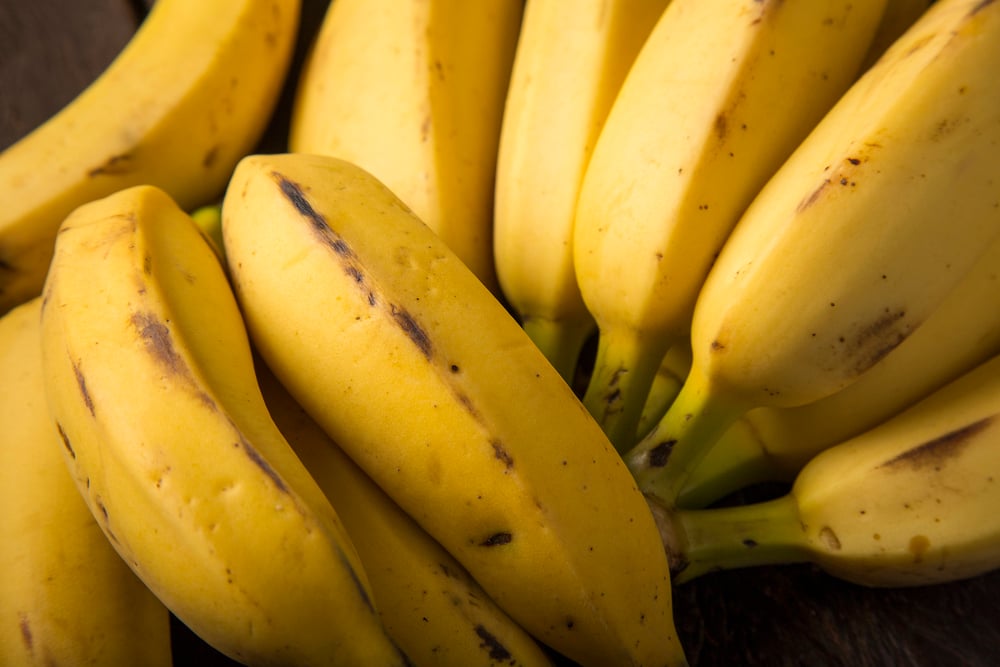
Most people don’t realize that bananas are mildly radioactive due to their high potassium content, and they actually glow slightly under ultraviolet light. The glow isn’t visible to the human eye, but with the right equipment, you can see bananas emitting a subtle blue luminescence.
This natural radioactivity is completely harmless to humans—you’d need to eat several million bananas at once to experience any negative effects.
Artichokes
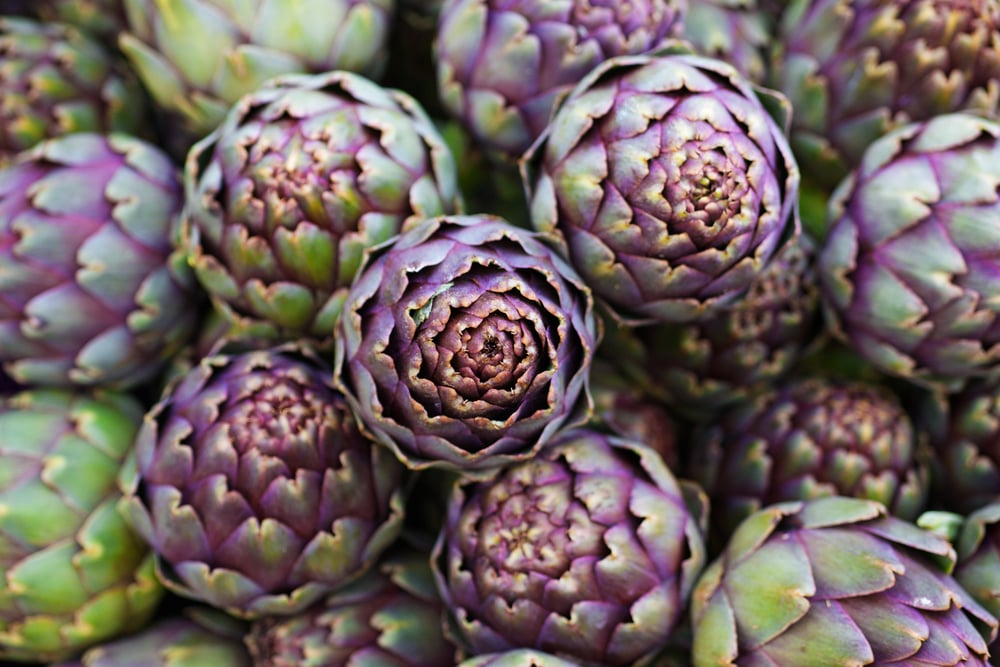
These spiky vegetables contain a compound called cynarin that temporarily alters your taste receptors. After eating artichokes, water and other beverages can taste unusually sweet for a short time afterward.
The cynarin dissolves sweet receptors on your taste buds, which then rapidly regenerate when you drink water, creating the perception of sweetness where there is none.
Black Sapote
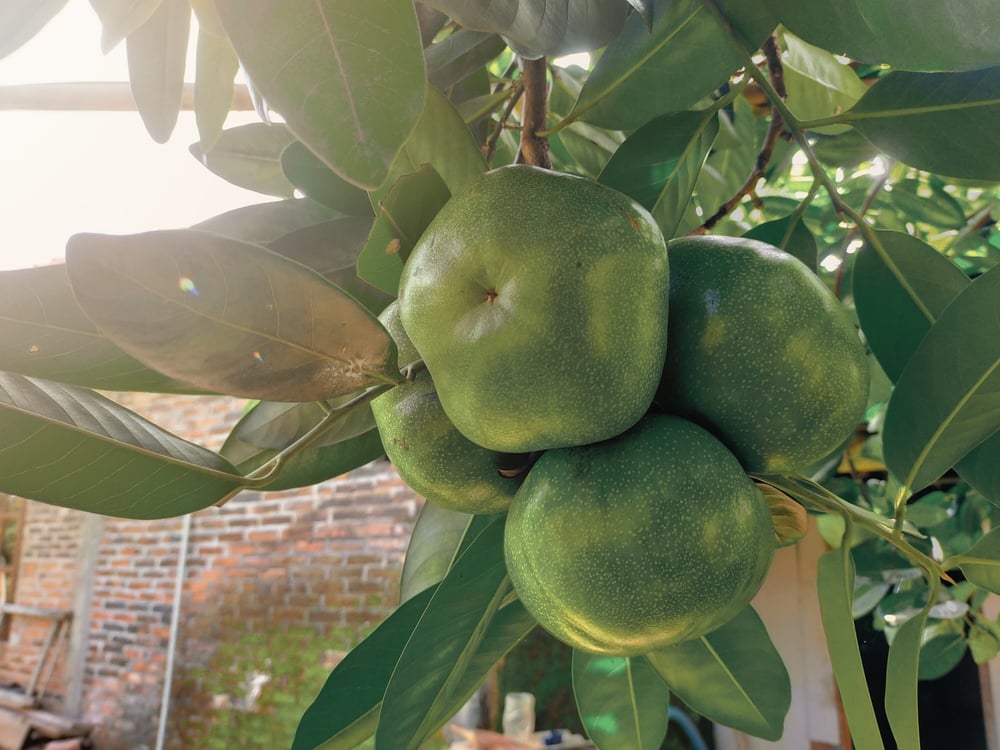
Often called the ‘chocolate pudding fruit,’ this tropical fruit starts out firm and bitter but transforms dramatically when ripe. After ripening, the flesh turns from light-colored to a deep brown-black color with a texture and taste remarkably similar to chocolate pudding.
Despite looking like something that’s gone bad, a perfectly ripened black sapote is a delicious, natural chocolate-like dessert.
Dragonfruit
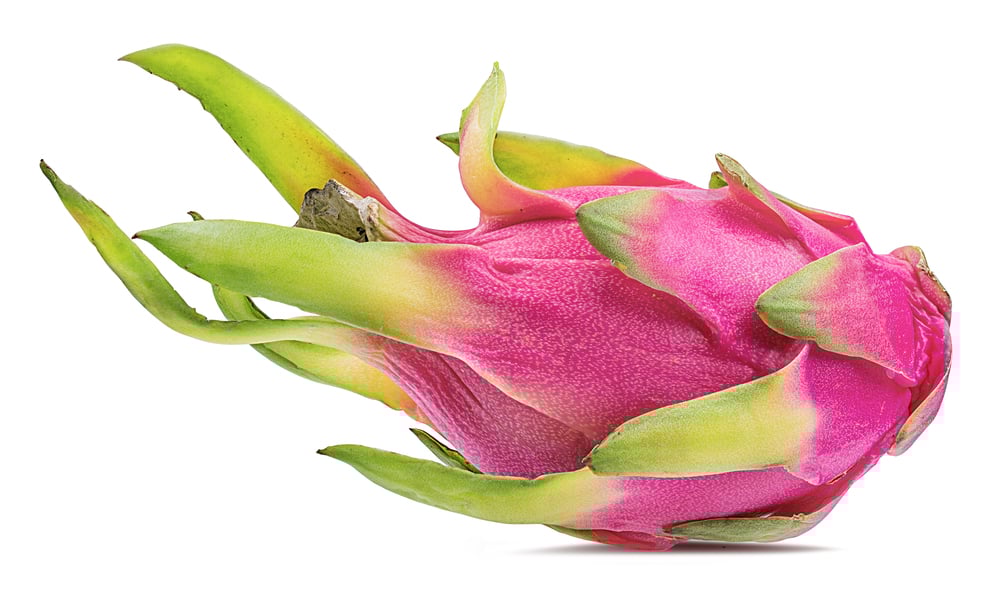
The vibrant pink exterior of dragonfruit is striking enough, but some varieties contain an enzyme that temporarily stains urine pink or red after consumption. This harmless but startling effect has sent many unsuspecting dragonfruit eaters rushing to the doctor, thinking something was seriously wrong.
The pigments responsible are called betalains, which are also found in beets.
Fiddlehead Ferns
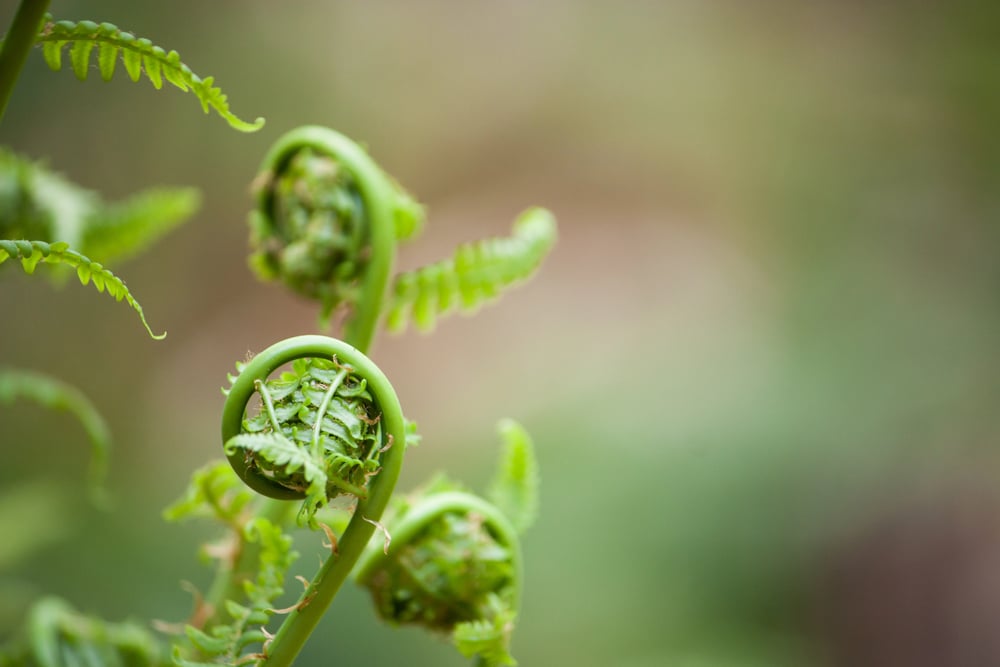
These tightly coiled young ferns contain compounds that can cause them to appear to be moving slightly when placed in water. The natural unfurling process of the fern, combined with water currents creates a subtle animation effect.
When preparing them, some chefs take advantage of this property by presenting them in clear water as a visually dynamic garnish.
Maize
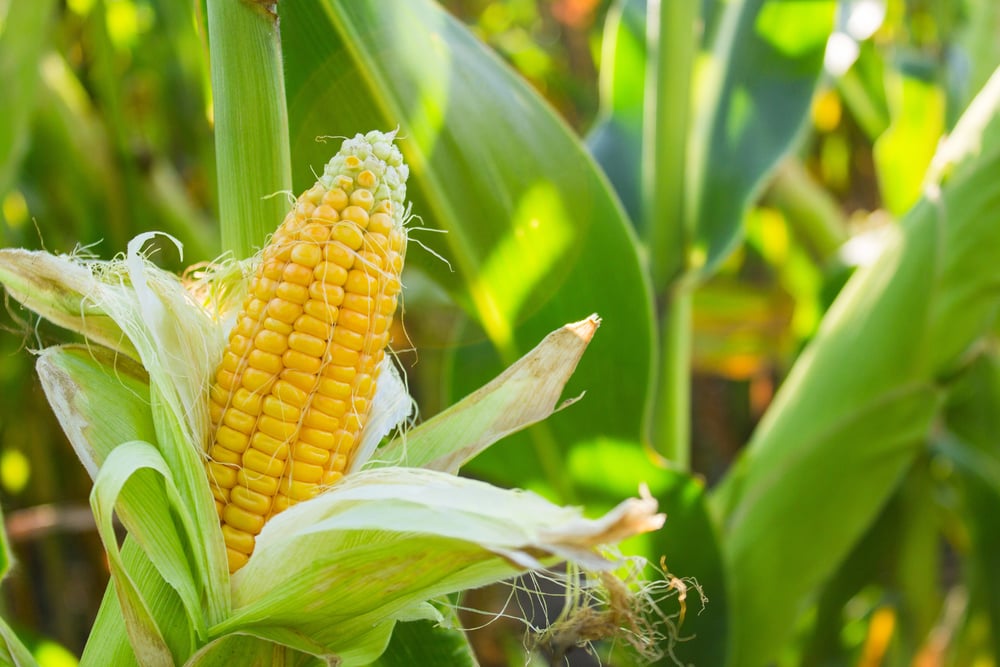
Traditional blue corn contains anthocyanins that change color when exposed to different pH levels during cooking. When treated with an alkaline substance like lime (calcium hydroxide), blue corn turns a vibrant turquoise color.
This color-changing property has been utilized for centuries in traditional Mexican cuisine when making blue corn tortillas.
Crabapples
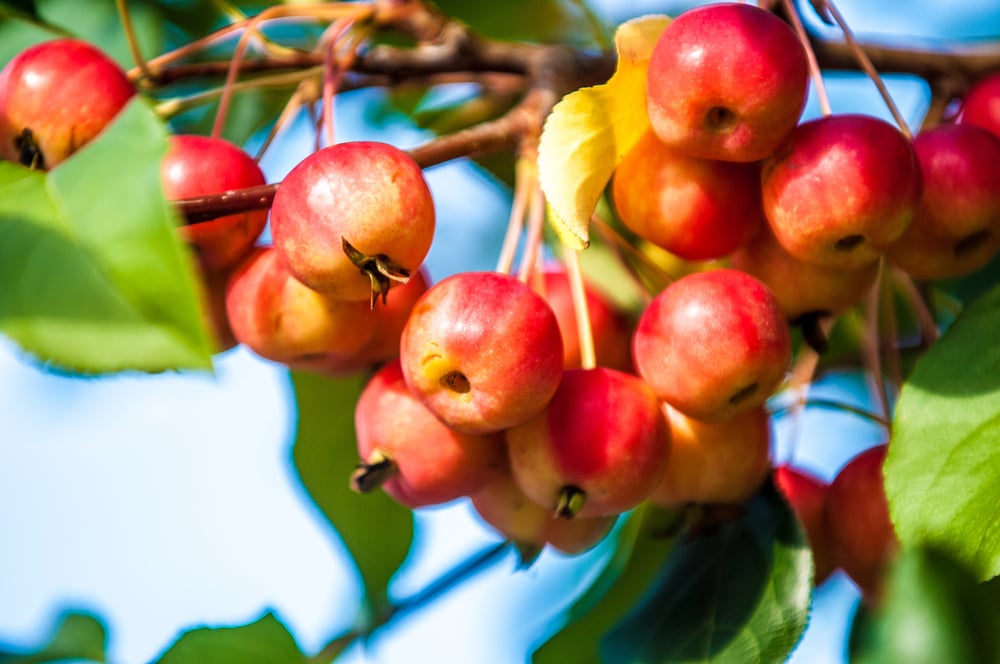
These small, tart fruits contain a high concentration of pectin that changes form dramatically during preparation. When cooked with sugar, crabapples release their pectin, creating a natural glow that can be seen if you stir the mixture in a dark room.
The luminescence is caused by the crystallization process of the sugar interacting with the pectin molecules.
Radicchio
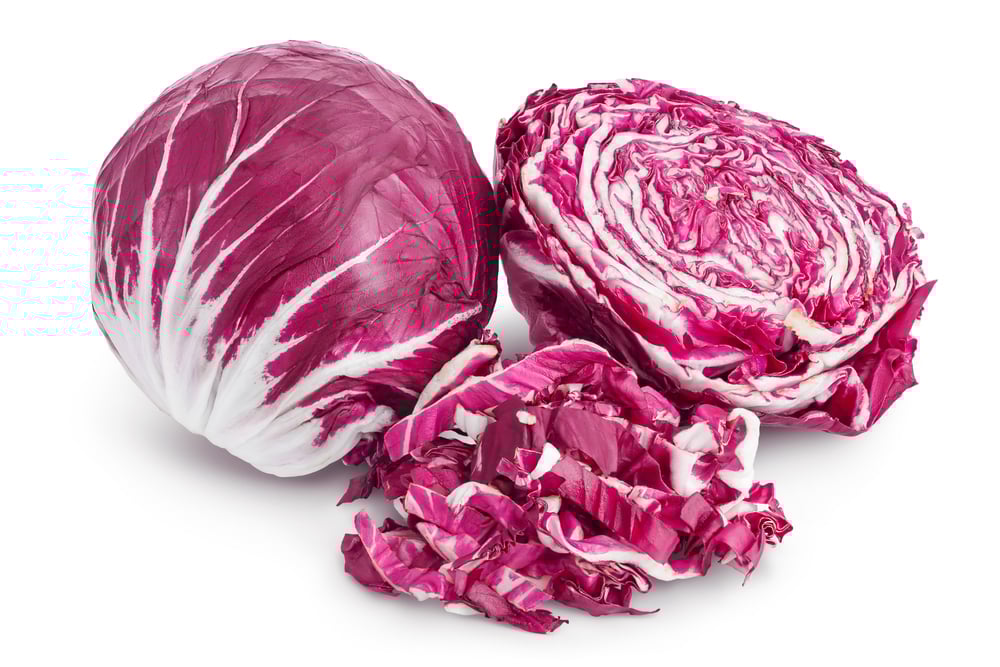
This red-purple leafy vegetable contains compounds that change color dramatically when cooked. The vibrant purple color transforms to a muted brown or tan when heat is applied, due to anthocyanins breaking down.
What makes radicchio particularly interesting is that this color change corresponds with a significant flavor change, from bitter when raw to surprisingly sweet when cooked.
Star Fruit
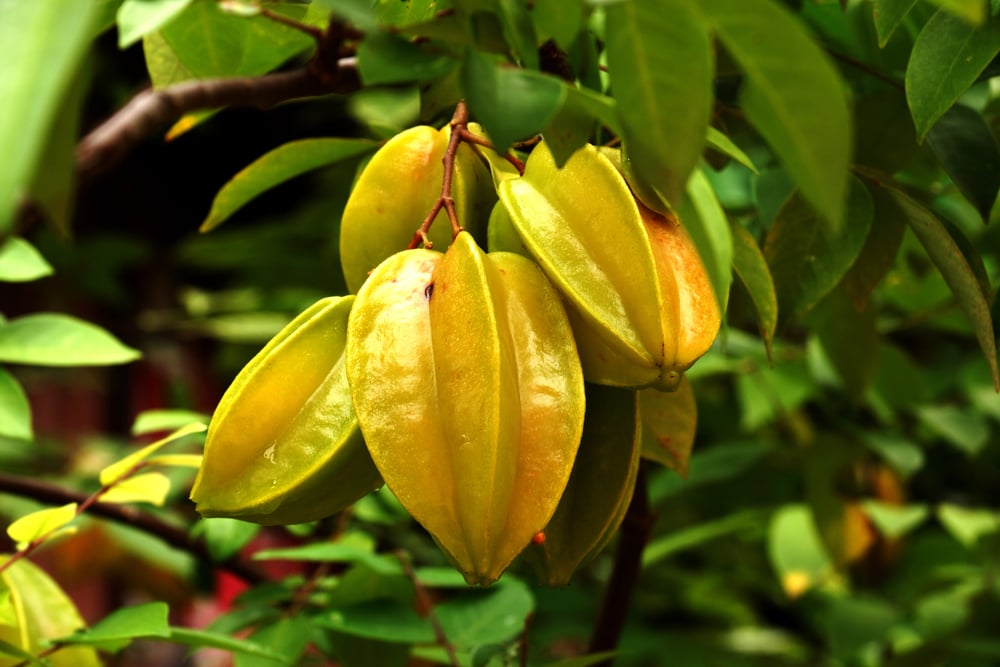
When sliced crosswise, this tropical fruit forms a perfect five-pointed star shape, but its most unusual property is how it interacts with light. The waxy surface of star fruit contains natural crystalline structures that can cause light to refract and create tiny rainbow patterns when held at certain angles to light.
This is similar to how prisms work, splitting white light into its component colors.
Litchi Nuts
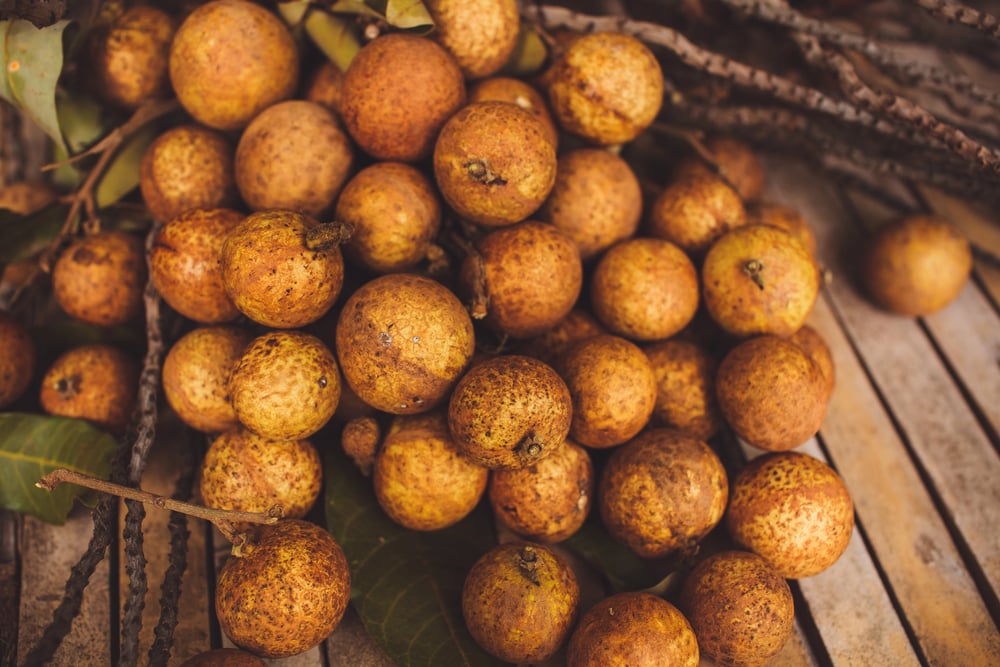
The translucent white flesh of these tropical fruits contains enzymes that create a slight warming sensation when eaten. Unlike spicy foods that trigger heat receptors, litchi nuts generate actual thermal energy through enzyme activity.
This warming property is especially noticeable when eating several in succession and is caused by the breakdown of complex carbohydrates in the fruit.
Tonic Water
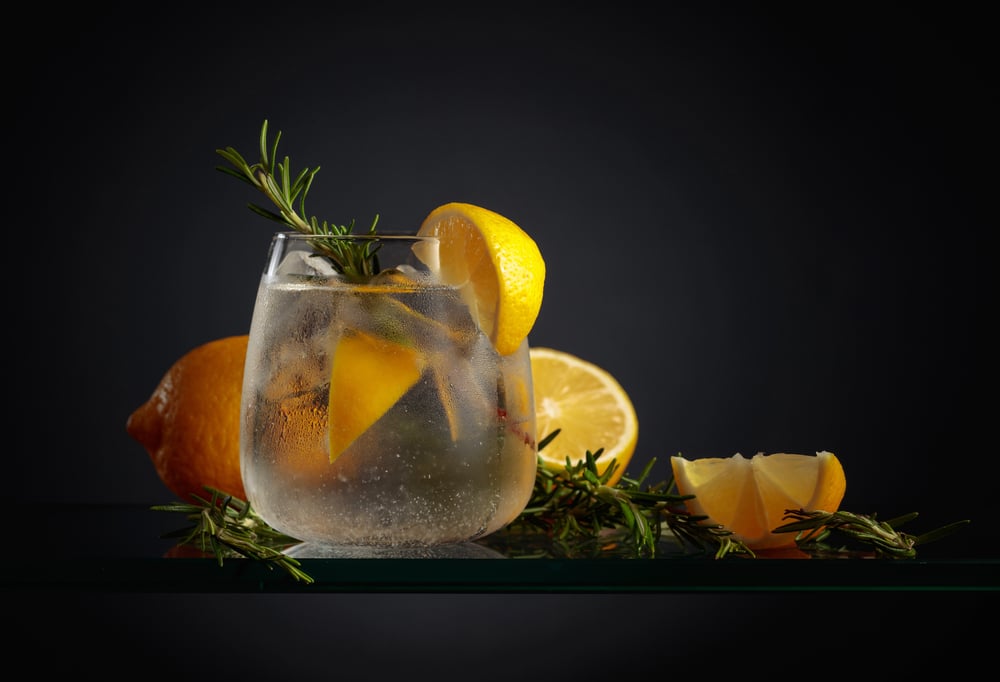
While not strictly a food, tonic water contains quinine that causes it to glow bright blue under ultraviolet light. This natural fluorescence happens because quinine molecules absorb UV light and then emit visible blue light.
The effect is so strong that a glass of tonic water can illuminate a dark room when placed under a blacklight.
Purple Carrots
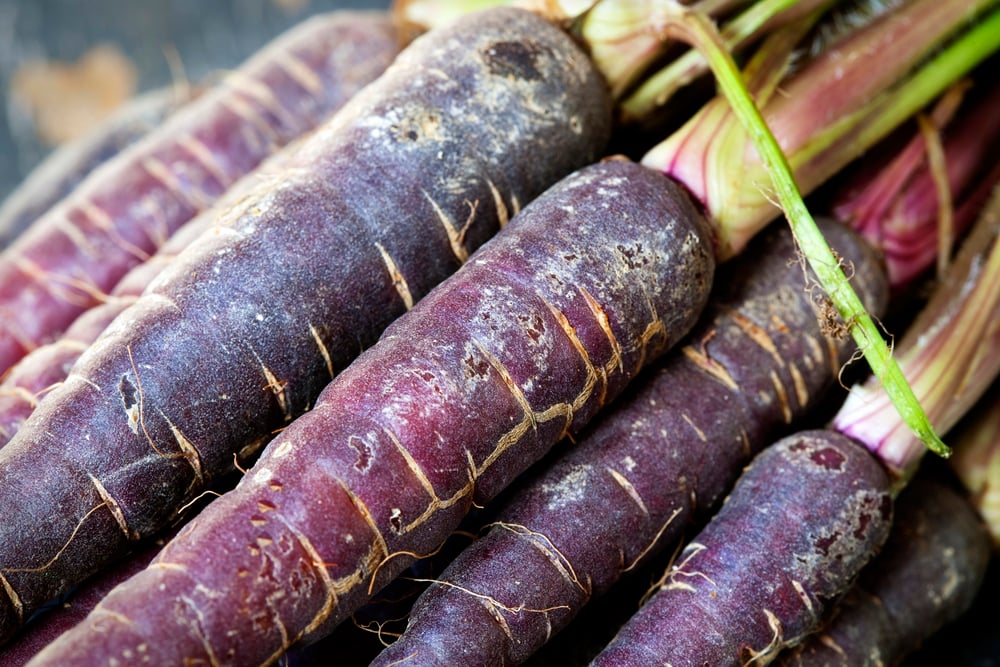
Original carrots were actually purple before being selectively bred for the orange variety we commonly see today. These purple carrots contain pigments that can temporarily stain your hands and mouth, and can actually change color during digestion.
The anthocyanins responsible for the purple color react differently depending on the pH of your digestive system, sometimes turning your waste a different color entirely.
Nature’s Color Laboratory
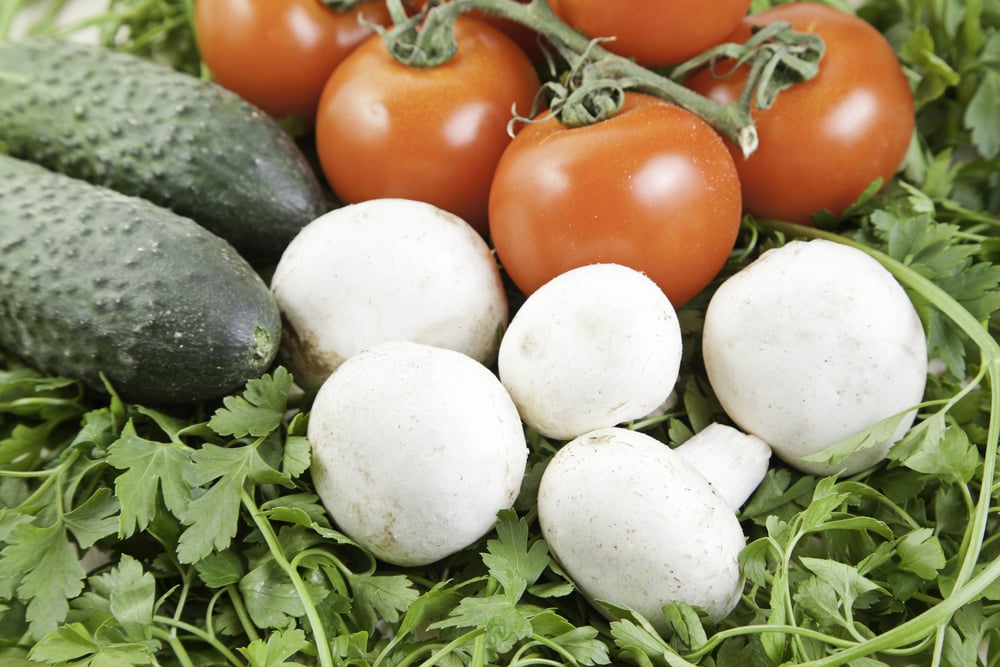
The fascinating properties of these foods remind us that what we eat is full of complex chemistry happening right on our plates. These natural phenomena demonstrate how plants and fungi have evolved complex compounds for survival that happen to create unusual effects we find entertaining or beautiful.
Next time you’re at a farmers market or trying a new exotic fruit, remember there might be more to your food than meets the eye—it might glow, change color, or surprise you in ways you never expected. These natural food oddities are perfect examples of how science and everyday life intersect in the most delicious ways.
More from Go2Tutors!

- The Romanov Crown Jewels and Their Tragic Fate
- 13 Historical Mysteries That Science Still Can’t Solve
- Famous Hoaxes That Fooled the World for Years
- 15 Child Stars with Tragic Adult Lives
- 16 Famous Jewelry Pieces in History
Like Go2Tutors’s content? Follow us on MSN.



