15 Government Cover‑ups That Were Eventually Exposed
There’s something unsettling about discovering that the people you trust most with national security have been lying to your face for decades. Not white lies or political spin — full-scale deceptions involving fake documents, destroyed evidence, and sworn denials that later crumble under the weight of leaked memos and whistleblower testimonies.
These stories remind us that transparency isn’t a gift from those in power; it’s something that has to be fought for, document by document, lawsuit by lawsuit, until the truth finally surfaces years or sometimes decades later.
MK-Ultra
The CIA spent the better part of two decades dosing unsuspecting Americans with LSD. No consent forms, no medical supervision, no follow-up care when subjects ended up in psychiatric hospitals or worse.
They called it mind control research. The reality was closer to sanctioned torture — experiments on prisoners, mental patients, and random civilians who had no idea they were being used as guinea pigs.
The program ran from 1953 to 1973, and it took a congressional investigation in the 1970s to drag the details into daylight.
Watergate
Nixon’s people got caught breaking into Democratic headquarters, and the president spent two years insisting he knew nothing about it. The cover-up involved destroyed evidence, hush money, and a parade of officials lying under oath until the whole thing collapsed.
What started as a “third-rate burglary” ended with a president resigning in disgrace. The tapes that brought Nixon down were the gun — recordings of him personally orchestrating the obstruction of justice he’d been denying for months.
The Tuskegee Syphilis Study
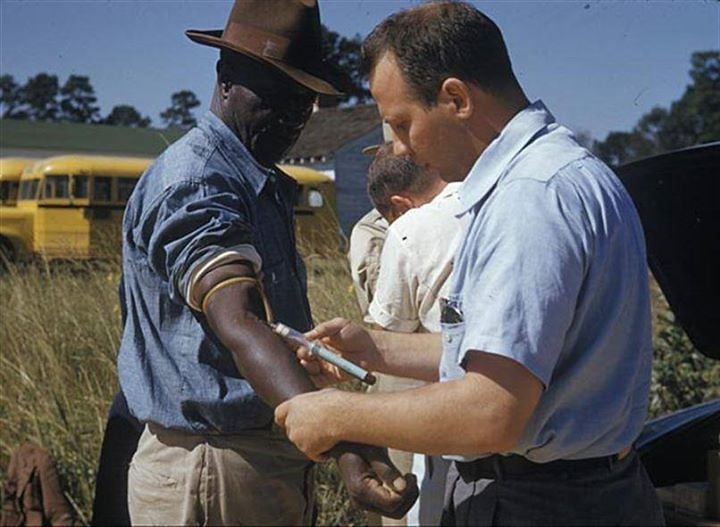
For forty years (and this is the part that makes your stomach drop), the U.S. Public Health Service told Black men in rural Alabama they were receiving free treatment for “bad blood” — which was their euphemism for syphilis — when in reality, the men were getting nothing more than placebos and the occasional aspirin.
The real purpose? To study what untreated syphilis does to the human body over decades, and the researchers had no intention of ever actually treating these men, even after penicillin became widely available and everyone knew it could cure the disease completely. The study continued from 1932 to 1972, ending only when a Public Health Service employee named Peter Buxtun leaked the story to the press because he couldn’t stomach being part of it anymore.
By then, dozens of men had died from syphilis complications that could have been easily prevented, their wives had been infected, and children had been born with congenital syphilis — all in the name of research that served no legitimate medical purpose since effective treatment already existed. And here’s the part that really gets you: when the story broke, some officials actually defended the study, arguing it provided valuable data about disease progression, as if that somehow justified four decades of medical malpractice disguised as public health.
COINTELPRO
The FBI had a secret program to “disrupt, misdirect, discredit, and neutralize” civil rights leaders, antiwar activists, and anyone else J. Edgar Hoover decided was a threat to the established order.
They forged letters to break up marriages, spread false rumors to destroy reputations, and harassed activists with bogus investigations. Martin Luther King Jr. was a primary target — the Bureau sent him anonymous letters suggesting he should take his own life.
The program operated from 1956 to 1971 and only came to light when activists burglarized an FBI office and leaked the documents.
Iran-Contra Affair
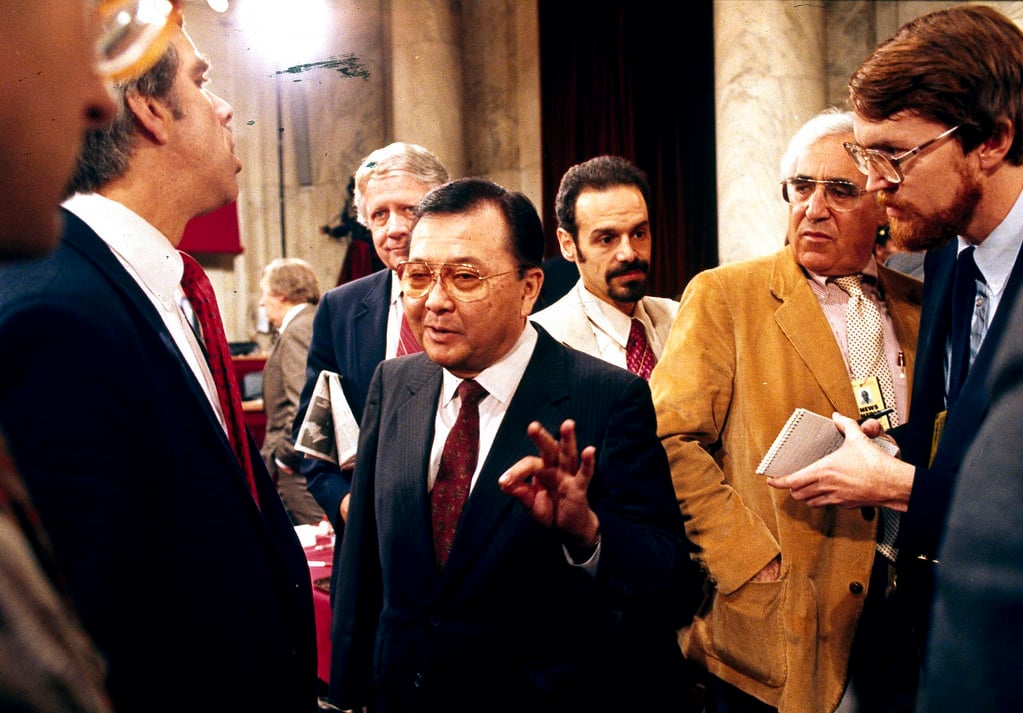
Reagan’s people had a problem. Congress said no arms sales to Iran, no funding for Nicaraguan rebels, so naturally they did both and used the profits from one to pay for the other.
The scheme involved secret arms deals, diverted funds, and a network of officials who swore they were following orders that technically didn’t exist. When it all unraveled, Reagan claimed he didn’t know what his own administration was doing. Some people bought that story.
The Pentagon Papers
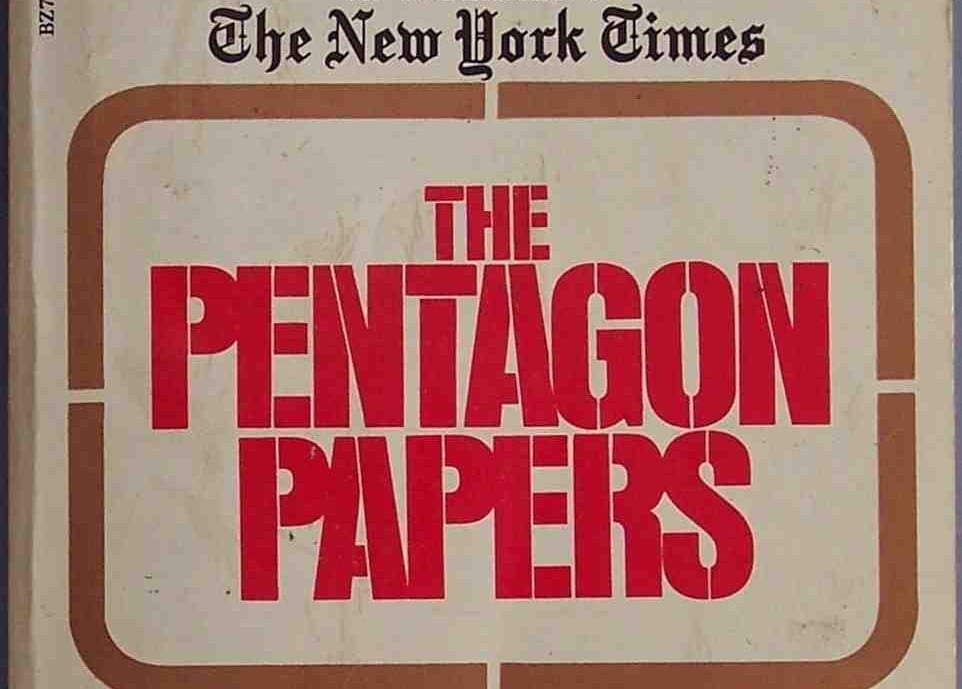
The Vietnam War was going much worse than anyone in Washington was willing to admit publicly. Daniel Ellsberg knew this because he’d helped write the classified study that proved it — thousands of pages documenting how four presidents had systematically lied to Congress and the American people about everything from casualty figures to the likelihood of victory.
The papers showed that officials knew the war was unwinnable as early as the mid-1960s but kept escalating anyway, sending more troops into a conflict they privately described as hopeless. Ellsberg spent months agonizing over what to do with this information before finally deciding that the public’s right to know outweighed his oath of secrecy.
When he leaked the documents to The New York Times in 1971, the Nixon administration tried to stop publication through the courts and later attempted to discredit Ellsberg by breaking into his psychiatrist’s office — a move that would later contribute to Nixon’s downfall during Watergate.
Operation Northwoods
Military leaders proposed staging fake terrorist attacks on American soil to justify invading Cuba. The plan included hijacking planes, bombing military bases, and killing American citizens — all to be blamed on Castro’s government.
The Joint Chiefs signed off on it in 1962. President Kennedy rejected the proposal, but the documents remained classified for nearly forty years.
When they finally surfaced, they revealed how far some officials were willing to go to manufacture a reason for war.
Agent Orange Cover-up
The military knew Agent Orange was poisoning soldiers and Vietnamese civilians alike, but they kept spraying it anyway and denied the health risks for decades afterward.
Veterans came home with cancer, birth defects in their children, and a government that insisted there was no connection to their service in Vietnam. It took years of lawsuits and congressional pressure before officials admitted what they’d known all along — that the herbicide was killing the people who handled it and everyone downwind from where it was used.
NSA Mass Surveillance
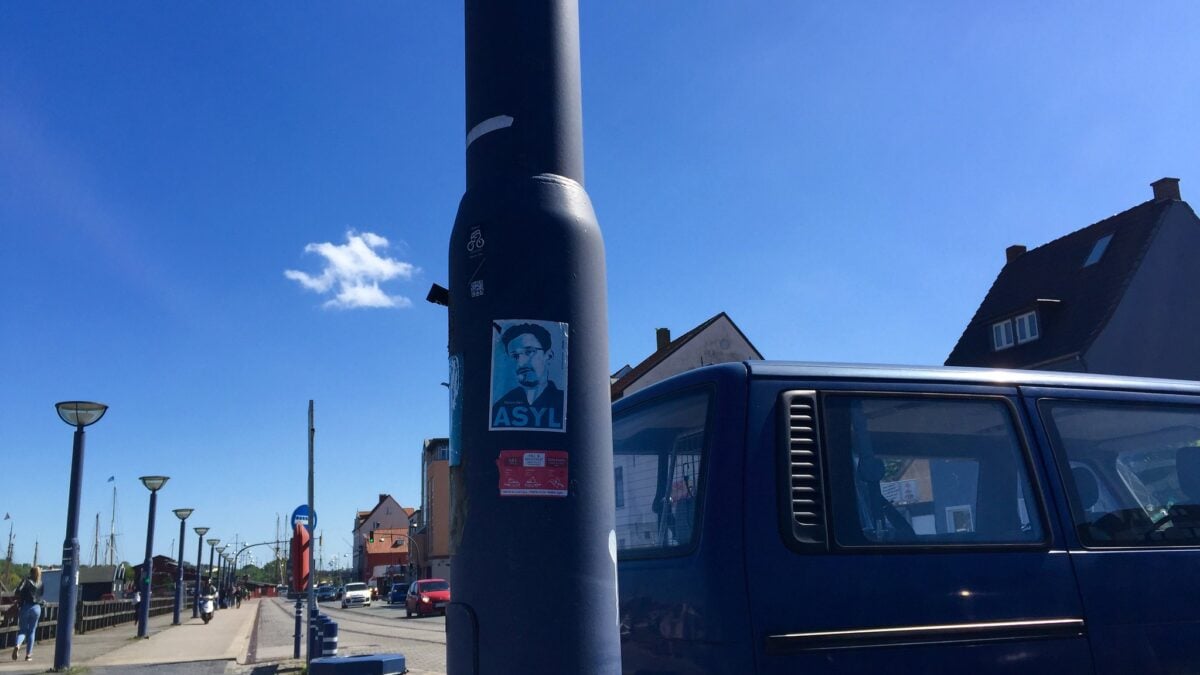
Edward Snowden’s 2013 revelations pulled back the curtain on something that sounds like paranoid fantasy until you see the actual documents: the National Security Agency was collecting phone records, emails, and internet communications from millions of Americans who had never been suspected of any crime, building databases that would make previous generations of government surveillance look quaint by comparison.
The programs had names like PRISM and XKeyscore, and they operated with the cooperation of major tech companies who handed over user data under secret court orders that came with gag orders preventing them from telling anyone what was happening. What made the whole thing particularly galling was that intelligence officials had repeatedly testified before Congress that no such mass collection was taking place — James Clapper, the Director of National Intelligence, had told senators directly that the NSA did not wittingly collect data on millions of Americans, which turned out to be such a spectacular lie that he later had to apologize for giving “the least untruthful” answer he could think of.
So much for congressional oversight.
Plutonium Experiments on Humans
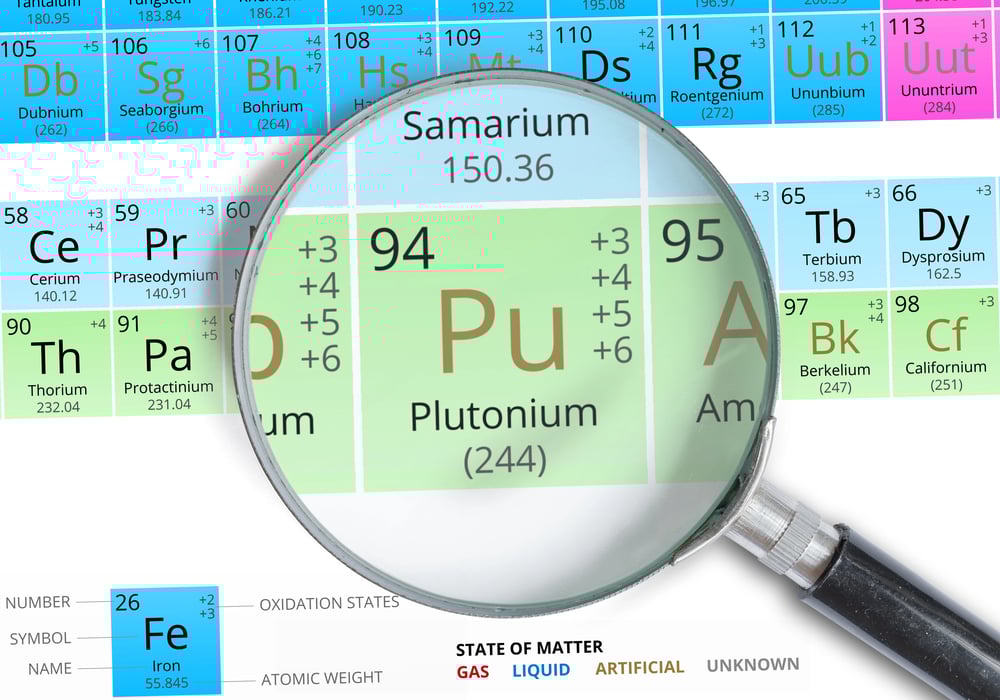
Government researchers injected hospital patients with plutonium without telling them what they were getting. The subjects thought they were receiving experimental medical treatment for their conditions.
Instead, they were human test subjects in radiation experiments designed to help scientists understand what happened to workers in nuclear weapons plants. The studies ran from the 1940s through the 1970s, and families didn’t learn the truth until a presidential investigation in the 1990s revealed the scope of the program.
FBI Surveillance of Martin Luther King Jr.
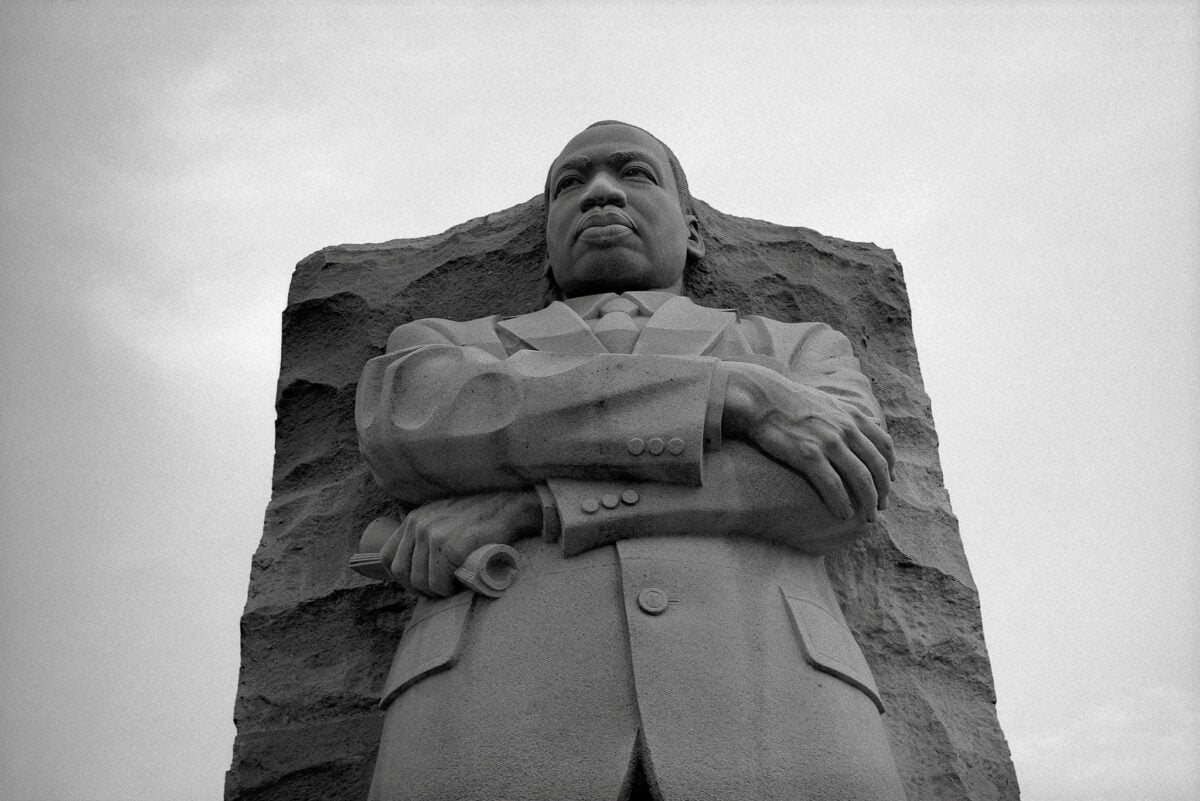
J. Edgar Hoover was convinced Martin Luther King Jr. was either a communist or under communist influence, so the FBI wiretapped his phones, bugged his hotel rooms, and followed him everywhere he went.
They recorded private conversations, photographed personal moments, and compiled detailed files on his activities. When surveillance didn’t produce the evidence they wanted, agents sent King anonymous packages containing recordings of his private conversations along with letters suggesting he should harm himself before accepting the Nobel Peace Prize.
Gulf of Tonkin Incident
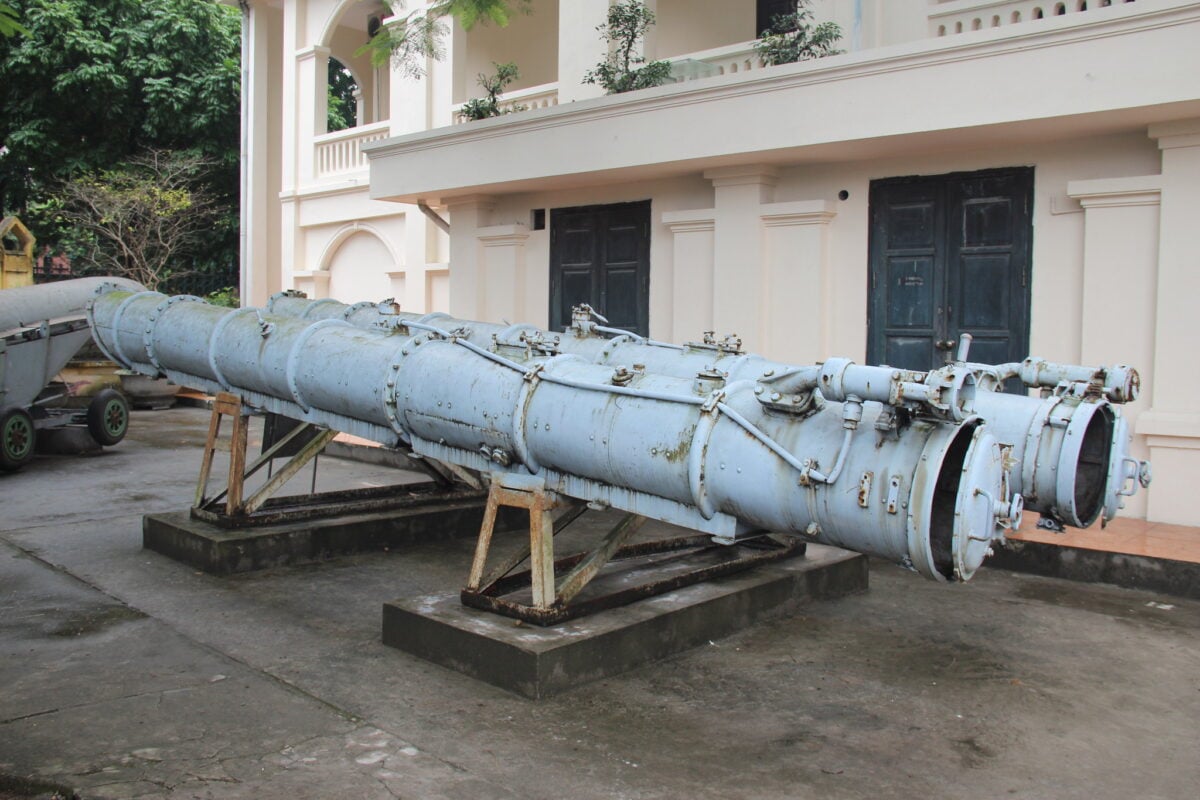
The Johnson administration told Congress that North Vietnamese forces had attacked American ships in international waters, providing the justification for massive military escalation in Vietnam.
Turns out the second attack never happened. Johnson and Defense Secretary Robert McNamara knew the intelligence was questionable, but they used it anyway to get congressional authorization for what became a decade-long war. The truth didn’t emerge until classified documents were declassified years later.
Operation Paperclip
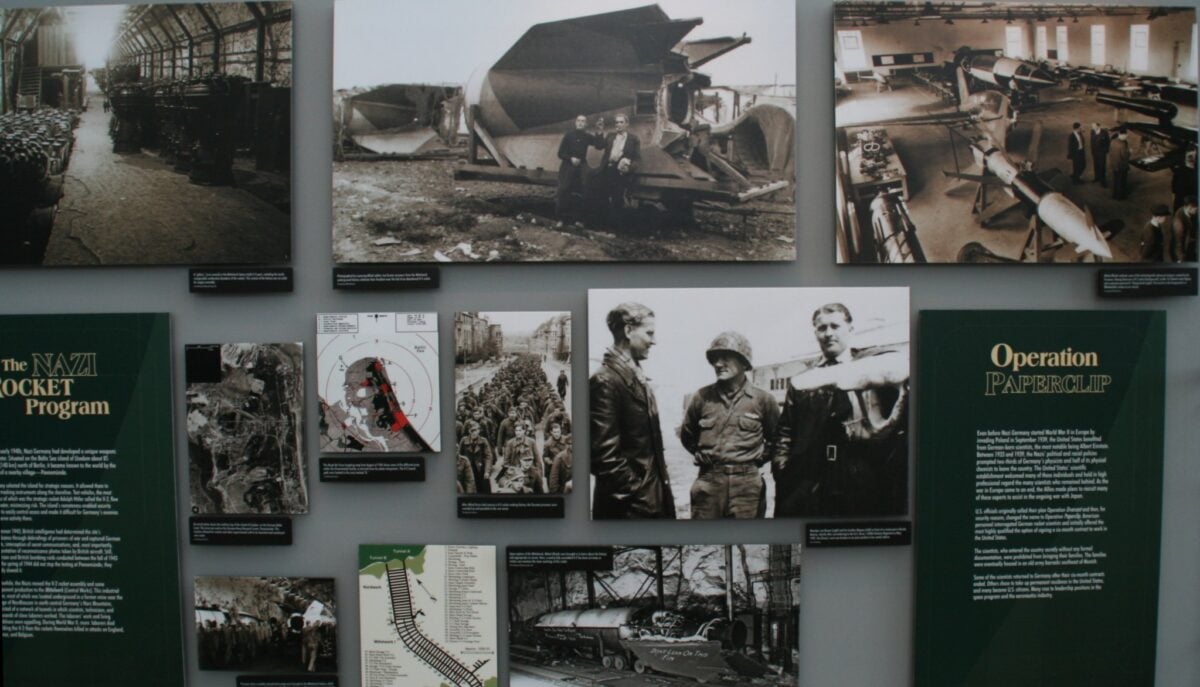
After World War II, the U.S. secretly recruited Nazi scientists to work on American rocket and weapons programs, then lied about their backgrounds for decades.
These weren’t just minor party members — some had used slave labor and conducted horrific experiments on concentration camp prisoners. The government gave them new identities, security clearances, and comfortable lives in exchange for their expertise.
When their pasts occasionally surfaced, officials insisted they’d been thoroughly vetted and posed no security risk.
Radiation Testing on Prisoners and Students
Government researchers exposed prisoners, students, and hospital patients to radiation to study its effects on the human body, often without informed consent.
The experiments included feeding radioactive material to mentally disabled children at a state school, exposing prisoners’ testicles to radiation, and injecting pregnant women with radioactive substances. Many subjects were told they were participating in nutrition studies or routine medical procedures.
CIA Drug Trafficking
During the 1980s, the CIA turned a blind eye to drug trafficking by Nicaraguan rebels they were supporting, and evidence suggests the agency was more directly involved in facilitating cocaine shipments to fund their operations.
Tons of cocaine flowed into American cities while the government was supposedly fighting a war on drugs. When investigative reporter Gary Webb exposed these connections, his career was destroyed and the story was buried.
Later investigations confirmed many of his findings, but by then it was too late to undo the damage to his reputation.
When the Dust Settles
These revelations share a common thread that cuts deeper than partisan politics or bureaucratic incompetence. Each cover-up required hundreds of people to stay silent while fellow citizens were harmed, lied to, or put at risk for reasons that had more to do with protecting institutional power than protecting national security.
The real tragedy isn’t that these programs existed — it’s how long they continued after the people running them knew they were wrong, and how many lives could have been spared if someone in authority had chosen transparency over self-preservation just a few years earlier.
More from Go2Tutors!

- The Romanov Crown Jewels and Their Tragic Fate
- 13 Historical Mysteries That Science Still Can’t Solve
- Famous Hoaxes That Fooled the World for Years
- 15 Child Stars with Tragic Adult Lives
- 16 Famous Jewelry Pieces in History
Like Go2Tutors’s content? Follow us on MSN.



