15 Historic Coffee Bean Discoveries
Coffee has traveled an incredible journey from ancient Ethiopian highlands to modern specialty cafes around the world. Along the way, numerous discoveries have shaped the beans we love today – from legendary goat herders stumbling upon energized animals to careful botanists selecting disease-resistant plants.
Each discovery tells a story of human curiosity, agricultural innovation, and sometimes pure accident. These moments have built the foundation of our global coffee culture, transforming a wild Ethiopian plant into one of the world’s most valuable commodities.
Here is a list of 15 historic coffee bean discoveries that changed everything we know about coffee.
Kaldi’s Discovery in Ethiopia
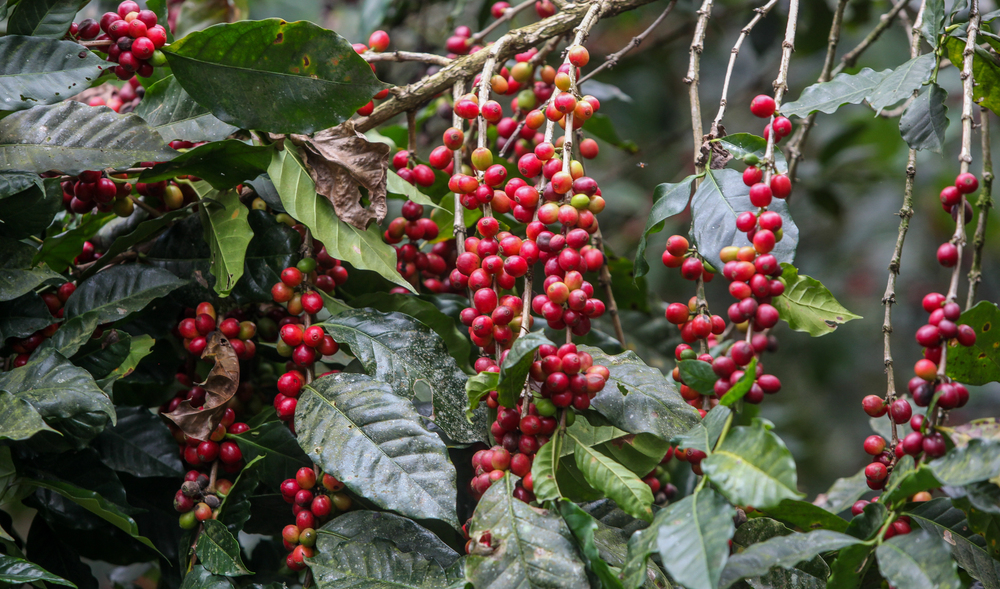
According to legend, a goat herder named Kaldi was the first person who discovered coffee beans and their benefits around 850 CE. He noticed his goats were full of energy and restless at night after eating cherries from a certain tree.
Kaldi shared this discovery with a local monastery where monks found the beans useful for staying awake during long prayers. Though the tale is more myth than fact, it highlights coffee’s energizing power.
Wild Coffee in the Kaffa Region
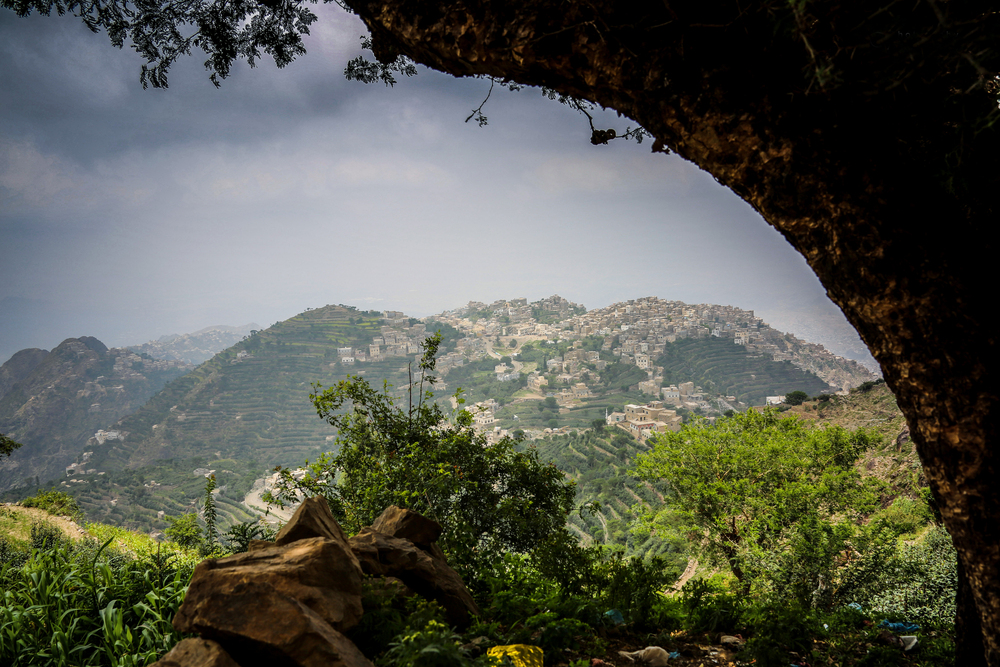
Coffee plants are believed to have originated in Ethiopia’s Kaffa region, where wild species still grow. This area is considered the birthplace of arabica coffee’s genetic diversity.
Coffee beans come from the seeds inside fruits of trees and shrubs naturally grown in African forests. Even today, scientists study Kaffa’s wild coffee for its rich genetic value.
Like Go2Tutors’s content? Follow us on MSN.
Coffee Cultivation in Yemen
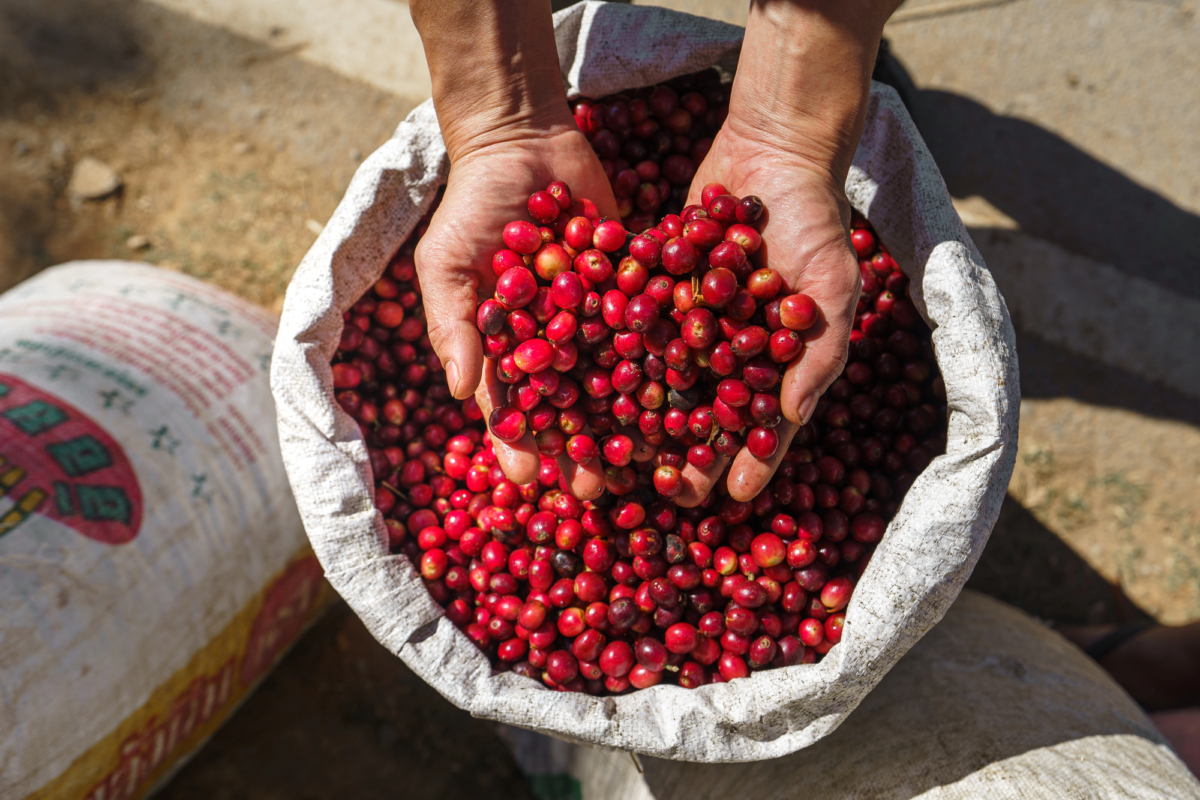
By the 15th century, coffee had crossed the Red Sea to Yemen, where it was first cultivated. The Arabs roasted and brewed coffee, transforming it into a drink.
They built the first coffee plantations in Yemen, marking the shift from wild harvesting to organized farming. This laid the foundation for global coffee culture.
The Typica Line from Java
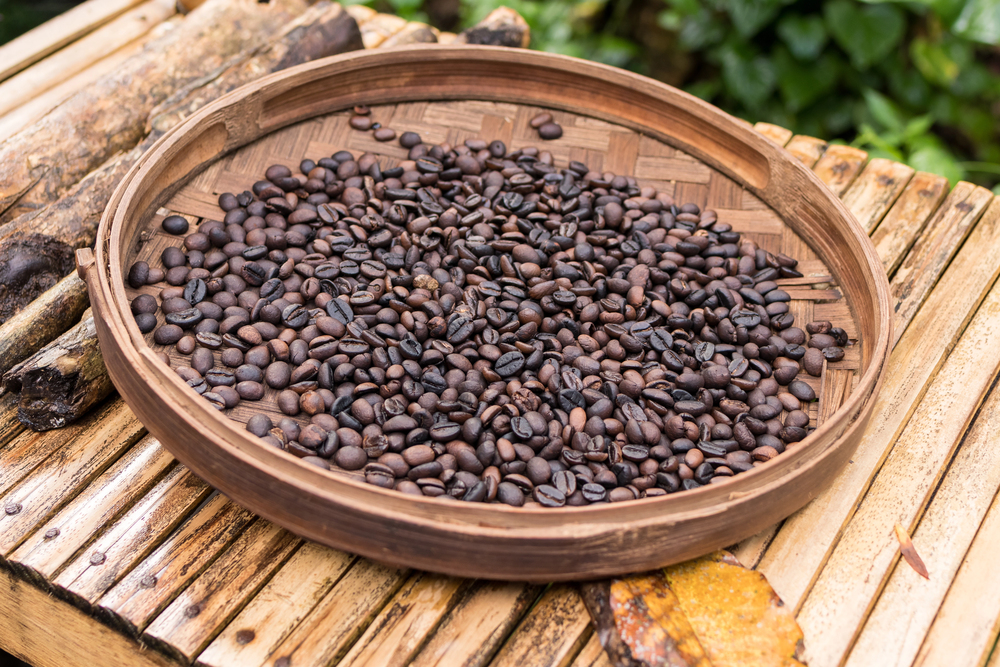
Typica beans, considered one of the best arabica varietals, trace back to Yemen. Dutch traders smuggled the plants to Java in the 17th century.
From there, Typica spread worldwide in the 1700s and became a cornerstone of modern coffee cultivation. Its introduction shaped the coffee industry across continents.
Bourbon Discovery on Réunion Island
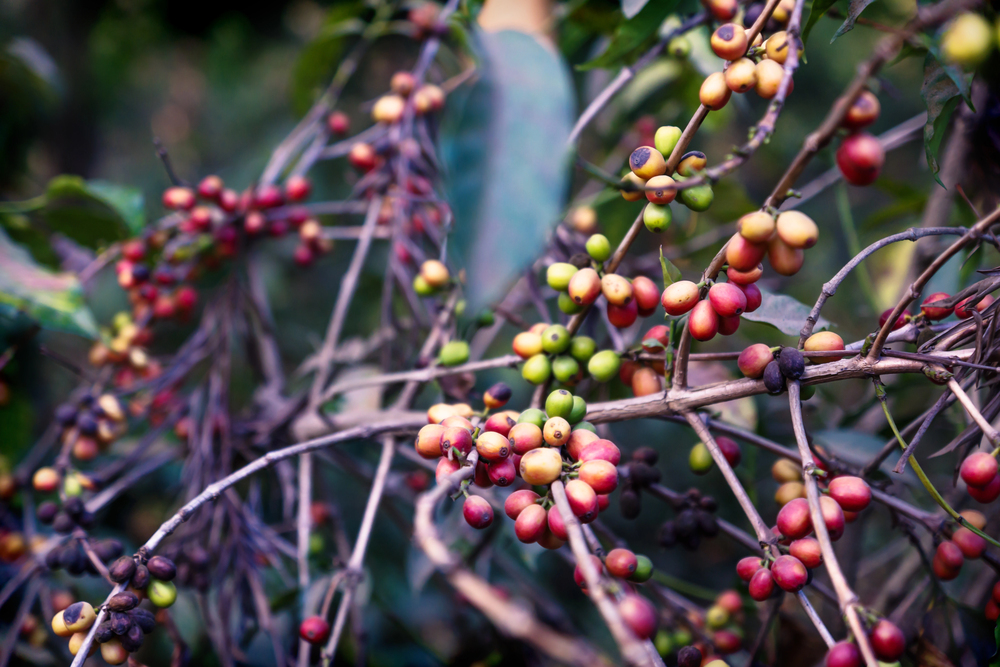
French missionaries brought coffee from Yemen to Bourbon Island (now Réunion) in the early 1700s. After several attempts, the plants took root and developed distinct traits.
The Bourbon variety spread globally by the mid-1800s as missionaries carried it to Africa and the Americas. Its isolation on the island gave it unique characteristics.
Like Go2Tutors’s content? Follow us on MSN.
Baba Budan’s Indian Introduction
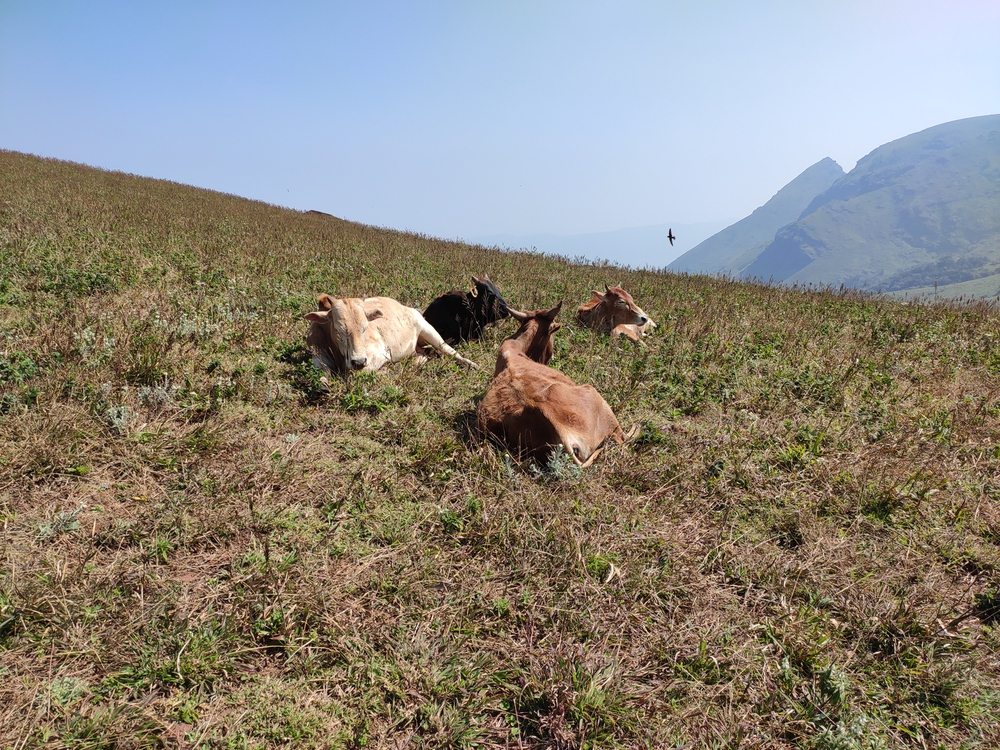
In 1670, Baba Budan smuggled coffee seeds from Yemen to India. These seeds included both Bourbon and Typica types.
They flourished in the Mysore region, establishing India’s coffee industry. His daring act shaped the future of South Asian coffee production.
Kent’s Disease-Resistant Selection
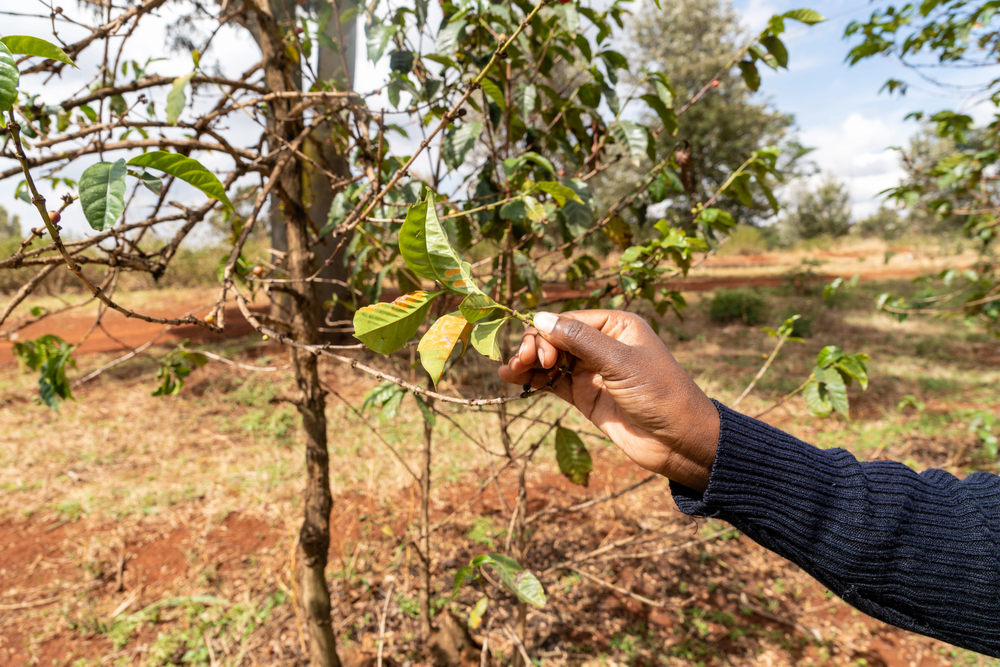
In 1911, a unique Typica tree in Mysore, India, showed natural resistance to leaf rust. Discovered by a man named Kent, it became a key cultivar.
This variety spread to other British colonies, offering farmers stronger plants. It marked the first major step toward breeding disease-resistant coffee.
Maragogipe Giant Mutation
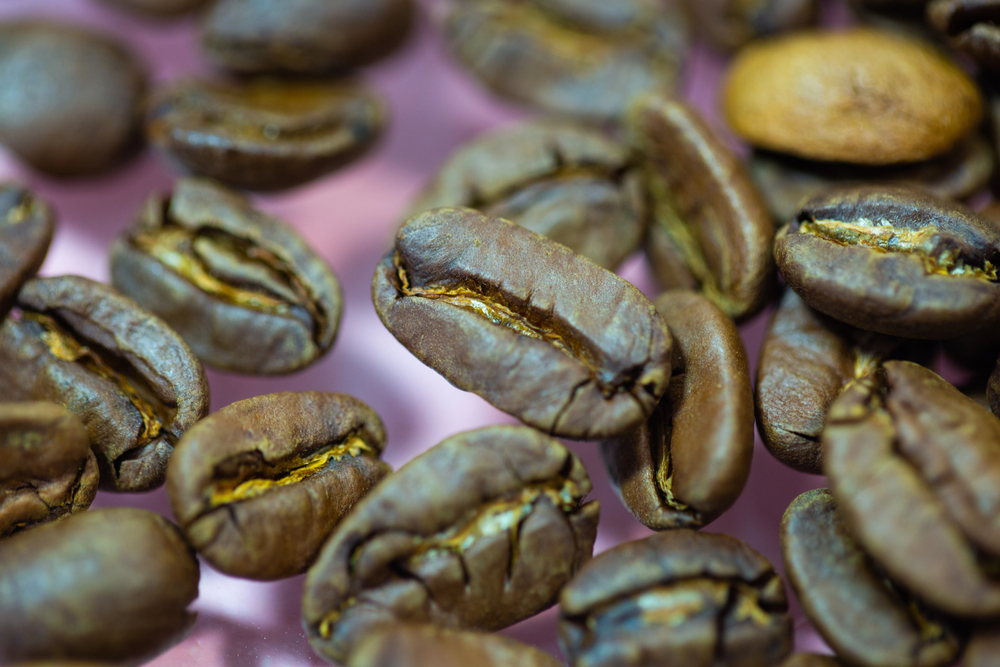
Discovered in Brazil in 1870, Maragogipe is a giant mutation of Typica. Its trees, cherries, and beans are nearly twice the normal size.
Though yields are lower, the massive “elephant beans” became a curiosity in the coffee world. Farmers stumbled upon this variety entirely by chance.
Like Go2Tutors’s content? Follow us on MSN.
Colombian Coffee Introduction
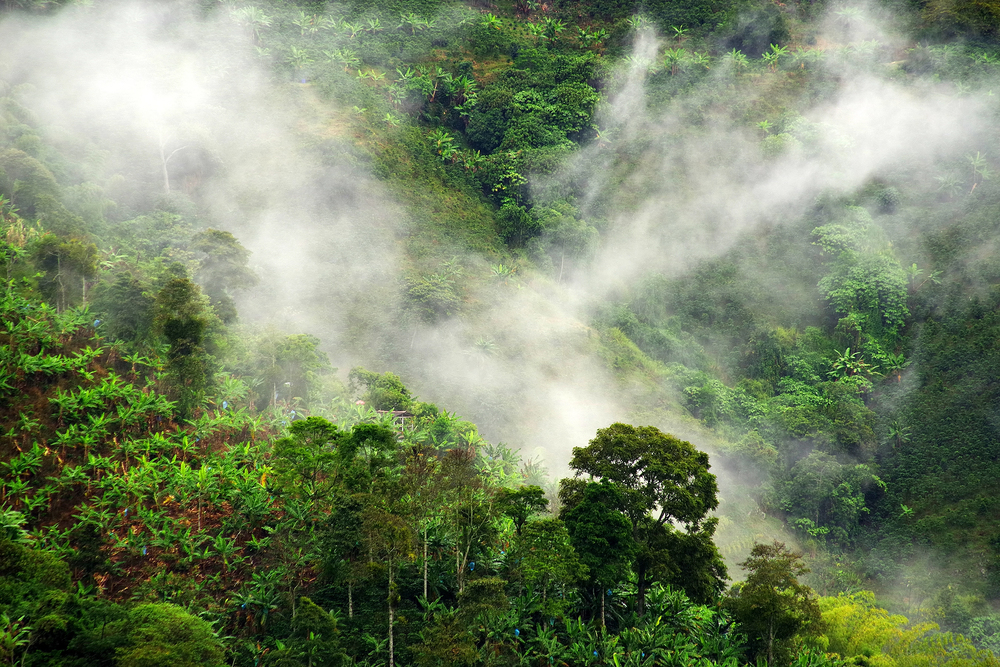
Colombia’s commercial coffee trade began formally in 1907 when imports to North America expanded. Its geography and climate proved ideal for cultivation.
Over time, Colombia became one of the most recognized coffee origins worldwide. The country built its reputation on consistent, high-quality arabica beans.
Brazilian Coffee Expansion
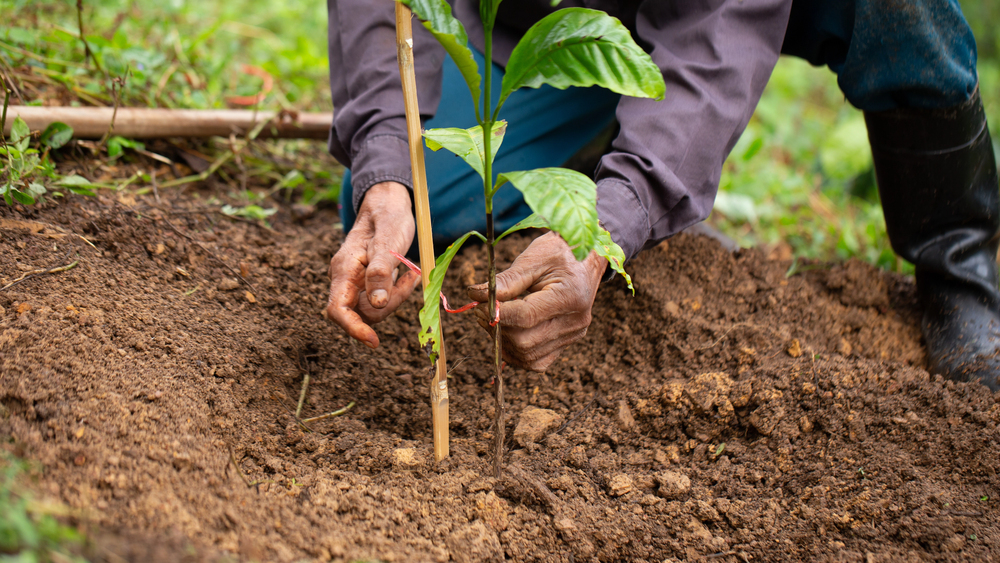
In 1727, Francisco de Melo Palheta smuggled coffee seeds from French Guiana to Brazil. The story says he charmed the governor’s wife to obtain them.
This secret act launched Brazil’s coffee industry. It later grew to dominate global coffee production, making Brazil the largest producer in the world.
Caturra’s Natural Mutation
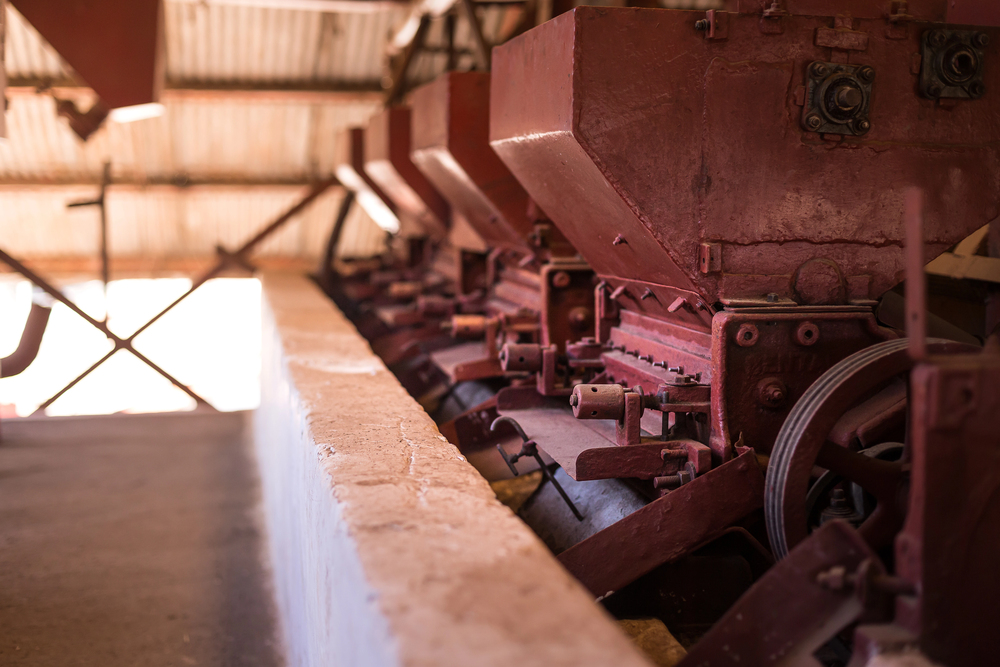
Caturra, a natural Bourbon mutation, was first identified in 1947. Its compact size made it easier to grow and harvest.
This smaller tree allowed higher planting density, boosting yields. It revolutionized coffee farming by proving efficiency mattered as much as size.
Like Go2Tutors’s content? Follow us on MSN.
Mundo Novo Hybrid Discovery

In the 1940s, researchers in Brazil discovered a natural hybrid between Typica and Bourbon. They named it Mundo Novo.
It thrived in dense planting environments, resisted disease, and produced high yields. Farmers quickly adopted it for its balance of strength and productivity.
Pacas Family Discovery
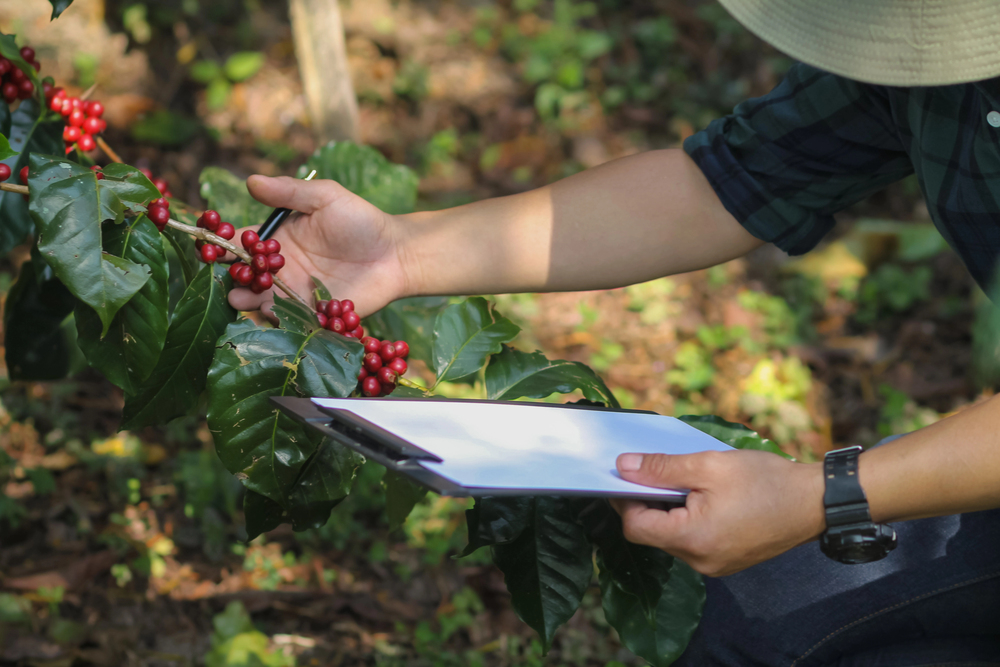
In 1949, the Pacas family in El Salvador identified a unique Bourbon mutation on their farm. The new variety was shorter and easier to harvest.
Its discovery improved efficiency in coffee picking. Farmers’ observations, rather than laboratories, often led to such breakthroughs.
Timor Hybrid Spontaneous Cross
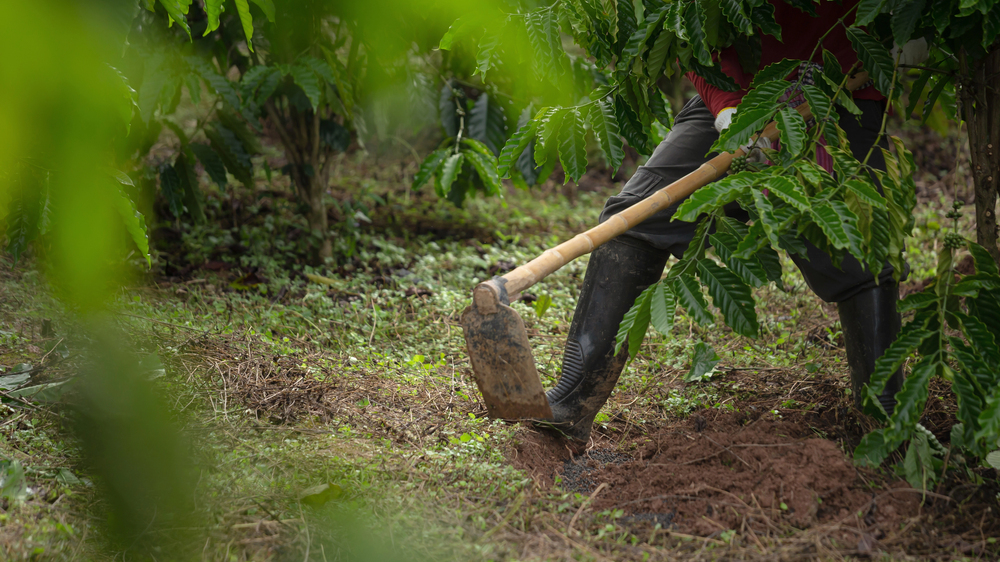
On Timor Island in the 1950s, nature created a cross between arabica and robusta. Farmers noticed its resistance to coffee leaf rust.
The Timor Hybrid combined arabica’s flavor with robusta’s toughness. It became one of the most important natural hybrids in coffee history.
Like Go2Tutors’s content? Follow us on MSN.
Gesha’s Panama Rediscovery
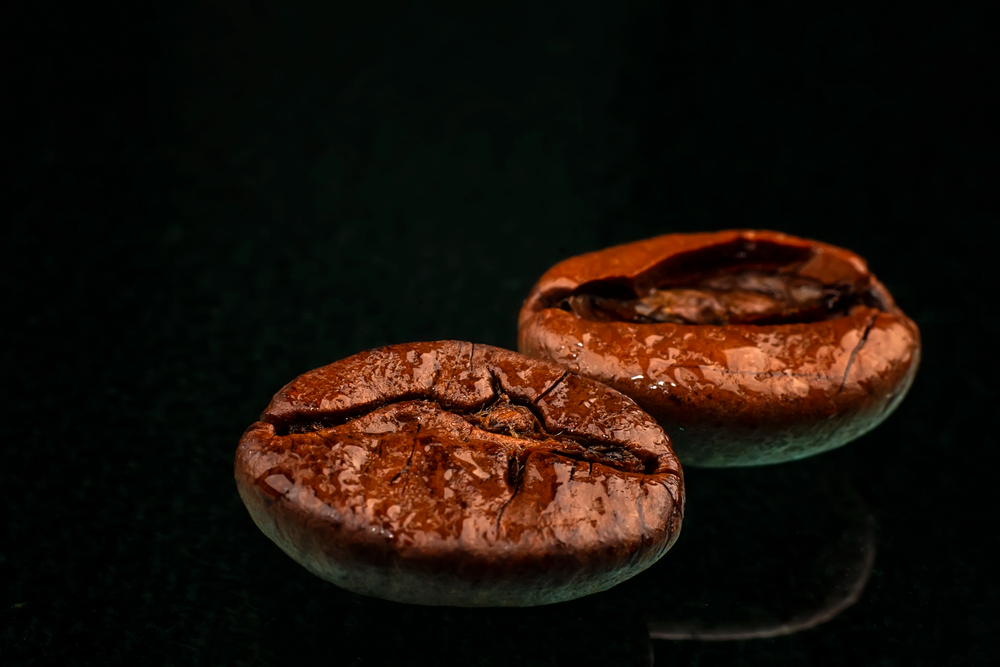
Though originally from Ethiopia in the 1930s, Gesha’s fame came in 2004 in Panama. Hacienda La Esmeralda entered it into a competition, where its unique taste stood out.
It sold for record prices, transforming Gesha into one of the most prized coffees worldwide. Its rediscovery proved coffee’s potential for luxury status.
The Genetic Revolution Continues

Each discovery adds to coffee’s growing family tree, connecting history, culture, and science. Breeding efforts now focus on climate resilience, flavor, and sustainability.
The next breakthrough may already be growing unnoticed in a field. From legend to modern labs, coffee’s story is still being written.
More from Go2Tutors!

- 16 Historical Figures Who Were Nothing Like You Think
- 12 Things Sold in the 80s That Are Now Illegal
- 15 VHS Tapes That Could Be Worth Thousands
- 17 Historical “What Ifs” That Would Have Changed Everything
- 18 TV Shows That Vanished Without a Finale
Like Go2Tutors’s content? Follow us on MSN.