Landmarks That Move or Shift Location
Most landmarks stay put. That’s the whole point, really.
They mark a spot, anchor a place in memory, give directions meaning. But some landmarks break the rules. They wander across borders, slide down hillsides, drift through water, or get packed up and moved somewhere completely different.
These restless monuments remind us that even the things we think are permanent can surprise us.
The Abu Simbel Temples Climbed a Mountain
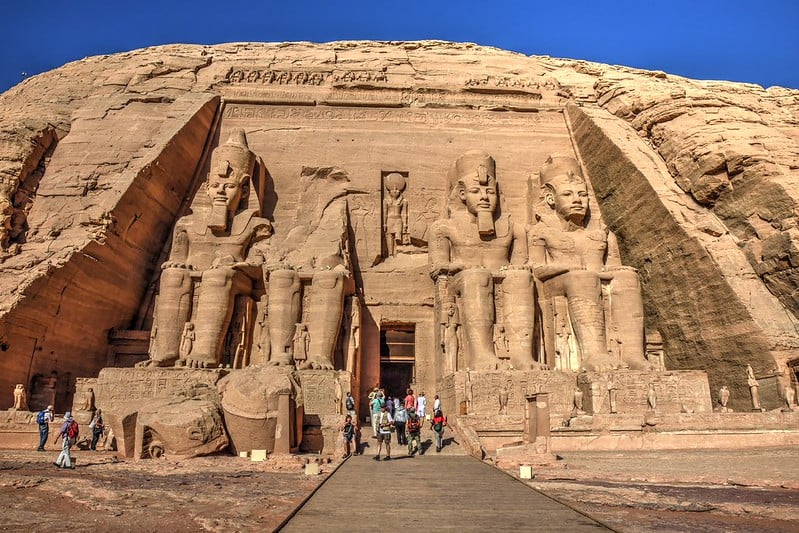
Egypt’s Abu Simbel temples didn’t just move a few feet. They traveled 200 feet up and 650 feet back from their original position.
Engineers had to do this in the 1960s when the construction of the Aswan High Dam threatened to drown the ancient structures under Lake Nasser. The project took four years and involved cutting the temples into more than 1,000 blocks, some weighing up to 30 tons.
Each piece got numbered, moved, and reassembled like the world’s heaviest puzzle. The four massive statues of Ramesses II still guard the entrance, and most visitors today never realize they’re standing on an entirely reconstructed site.
Plymouth Rock Keeps Getting Smaller
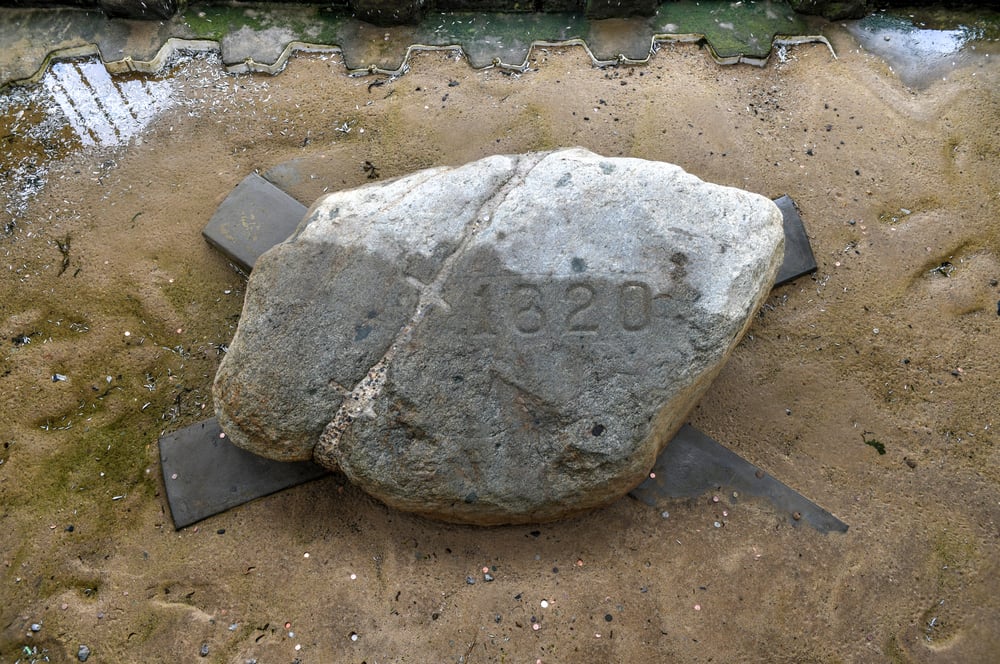
America’s most famous rock has been chipped away, moved, dropped, and reassembled so many times that historians aren’t even sure it’s the right rock anymore. The pilgrims supposedly stepped on it in 1620, but nobody mentioned it until 1741.
Since then, it’s been relocated to the town square, broken in half during the move, repaired with cement, moved again, placed in a fancy pavilion, and lost chunks to souvenir hunters. What you see today is roughly one-third the original size, sitting in yet another new location near the waterfront.
The rock has traveled more since the pilgrims landed than it did in the previous few thousand years.
The Cape Hatteras Lighthouse Walked Away from the Ocean
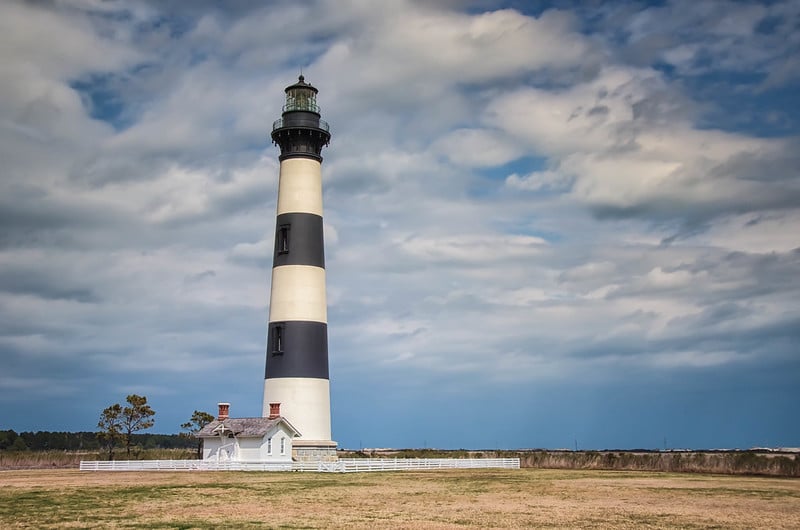
Lighthouses are supposed to stand their ground, but Cape Hatteras Lighthouse in North Carolina had to retreat. Beach erosion ate away at the coastline until waves lapped just 120 feet from the foundation.
In 1999, engineers lifted the 4,830-ton brick structure and moved it inland on rails, traveling 2,900 feet over 23 days. The lighthouse is now about 1,500 feet from the shore, which should buy it another century or so before the ocean catches up again.
The move preserved the tallest brick lighthouse in America and proved that even buildings designed to be immovable can learn to walk when necessary.
Half Dome Appears to Change Shape
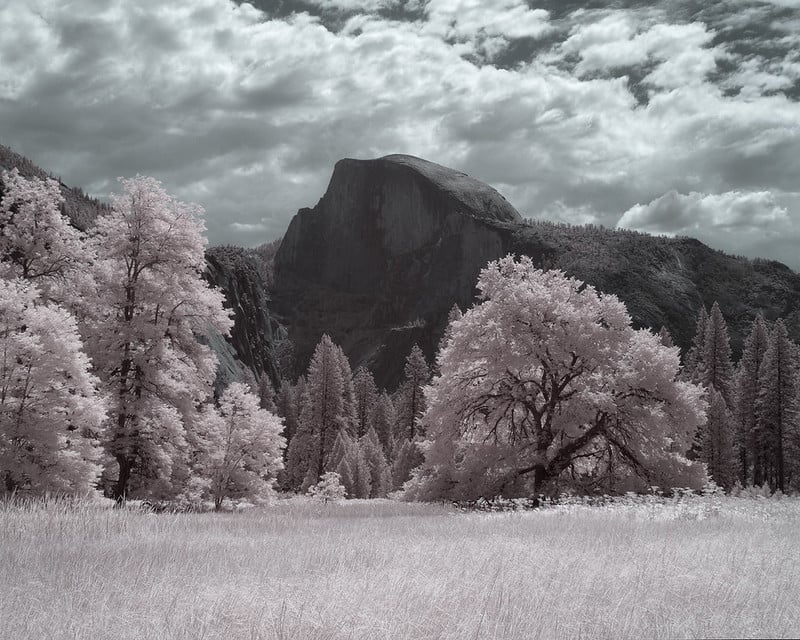
Yosemite’s Half Dome doesn’t actually move, but it pulls off a pretty convincing illusion. The granite formation looks completely different depending on where you stand.
From Glacier Point, it looks like someone sliced a sphere in half with a knife. From the valley floor, it appears as a thin ridge.
From other angles, it seems almost rounded. The “missing” half didn’t go anywhere—it was never there.
Glaciers carved away one side while leaving the other intact, but the name stuck because from certain viewpoints, that’s exactly what it looks like. The landmark shifts its appearance based on your perspective, which is almost as impressive as actual movement.
London Bridge Now Lives in Arizona

When London needed a new bridge in the 1960s, they sold the old one. An American businessman bought it for $2.5 million, had it dismantled stone by stone, shipped to Arizona, and rebuilt it over a man-made channel in Lake Havasu City.
All 10,246 granite blocks made the journey across the Atlantic Ocean. The bridge now connects an island to the mainland in the middle of the desert, about as far from the Thames as you can get.
Some people claim the buyer thought he was purchasing the more famous Tower Bridge, but he always denied this. Either way, a piece of London now sits under the Arizona sun, still functioning as a bridge but in an entirely different world.
The Leaning Tower of Pisa Almost Stopped Leaning

Pisa’s most famous landmark has been tilting since construction began in 1173, and engineers spent centuries trying to either fix it or keep it from falling over completely. By 1990, the lean reached 5.5 degrees, and authorities closed the tower to visitors. Engineers then did something counterintuitive—they removed soil from beneath the high side, which let the tower settle back slightly.
The work took 11 years and straightened the tower by about 17 inches. It still leans, just not quite as much.
The landmark technically moved backward, which probably disappointed visitors who wanted to see it at its most precarious angle.
Moai Statues Walked to Their Platforms
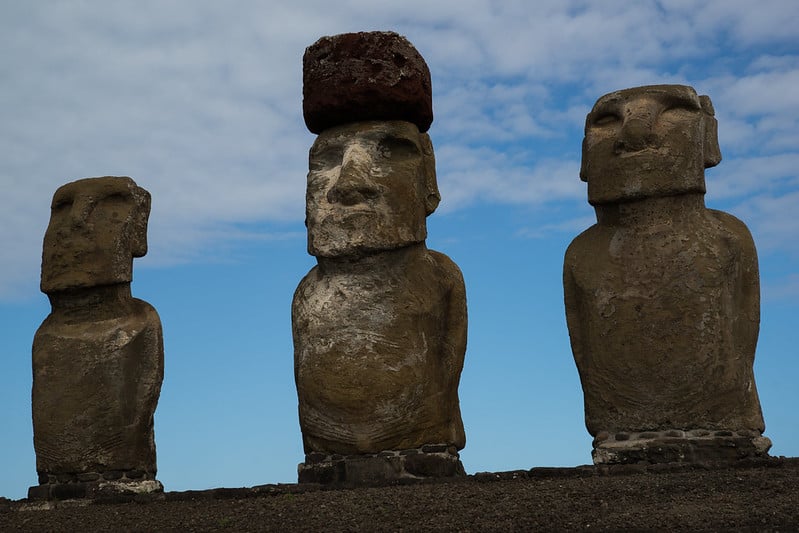
Easter Island’s giant stone heads didn’t just appear where they stand today. Ancient Polynesians carved nearly 1,000 moai at a single quarry, then somehow transported them across the island to various ceremonial platforms.
For years, archaeologists debated how people moved statues weighing up to 82 tons without wheels or large animals. Recent experiments suggest they “walked” the moai upright by rocking them side to side with ropes, which matches oral traditions passed down through generations.
The statues literally shifted locations by walking, though not under their own power. Many moai still lie along ancient roads where they fell during transport, marking their final positions centuries ago.
The Old Indiana Courthouse Took a Road Trip
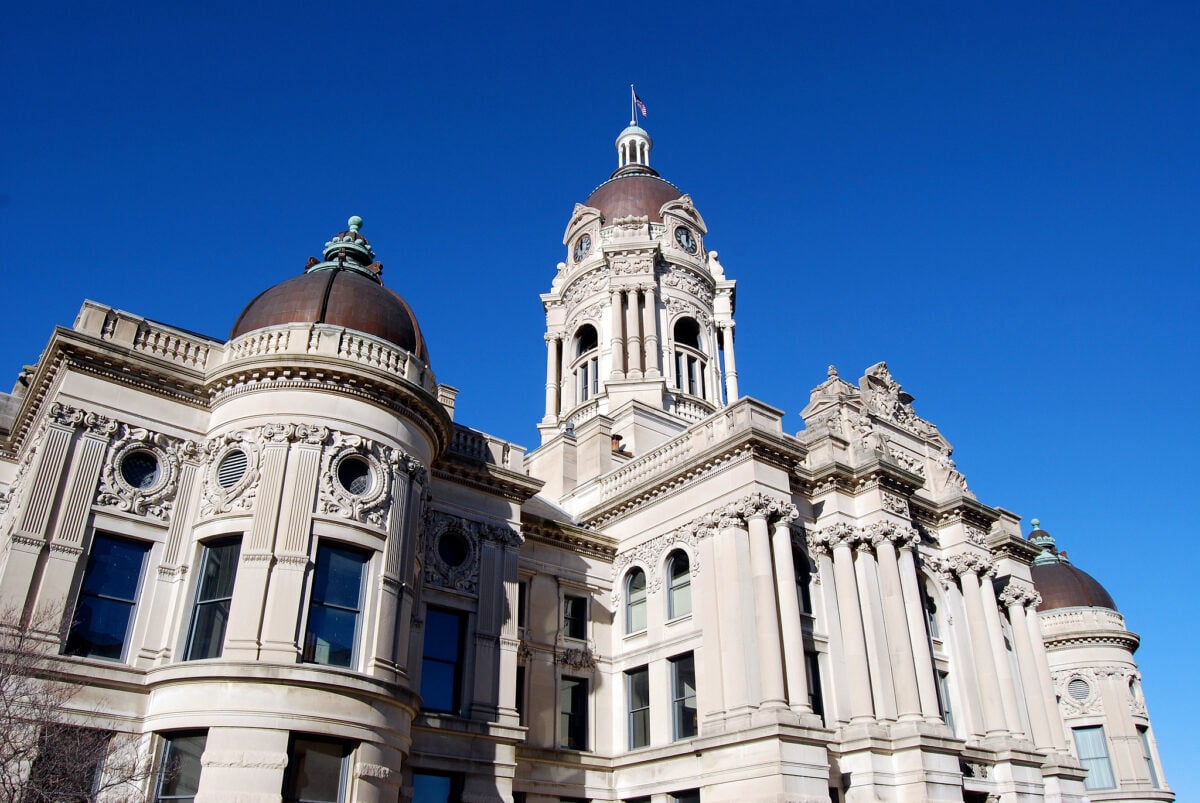
When Spencer County, Indiana needed a new courthouse location in 1936, they moved the old one instead of building a new one. The entire three-story brick building traveled 50 miles to its new home in Rockport.
Workers lifted the structure, placed it on a special trailer, and hauled it down Highway 66 over several days. The courthouse continued operating during the move—judges held court while the building was literally rolling down the road.
After arriving at its destination, it served for several more decades before becoming a museum. Most courthouses that get relocated move a few blocks. This one crossed county lines.
Glaciers Carry Rocks Across Continents
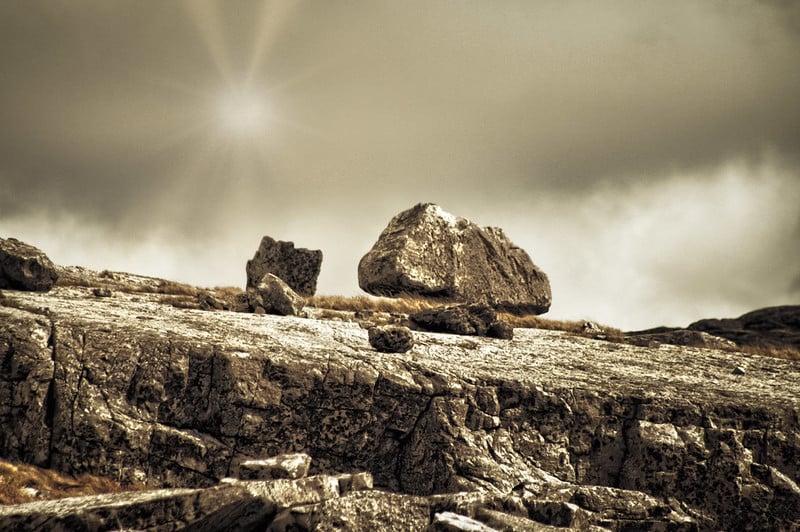
Glacial erratics are boulders that moved from their original locations by hitching a ride on ice sheets during the last Ice Age. These landmarks show up in places where they clearly don’t belong—granite rocks sitting in limestone regions, massive boulders perched on hilltops nowhere near where that type of stone forms.
Some traveled hundreds of miles. Native American groups built stories around these out-of-place stones, and early geologists struggled to explain them until they understood glacial movement.
The rocks themselves didn’t choose to move, but they’re landmarks now specifically because they ended up somewhere unexpected. They mark not a place but a journey.
The Statue of Liberty Almost Went to Egypt
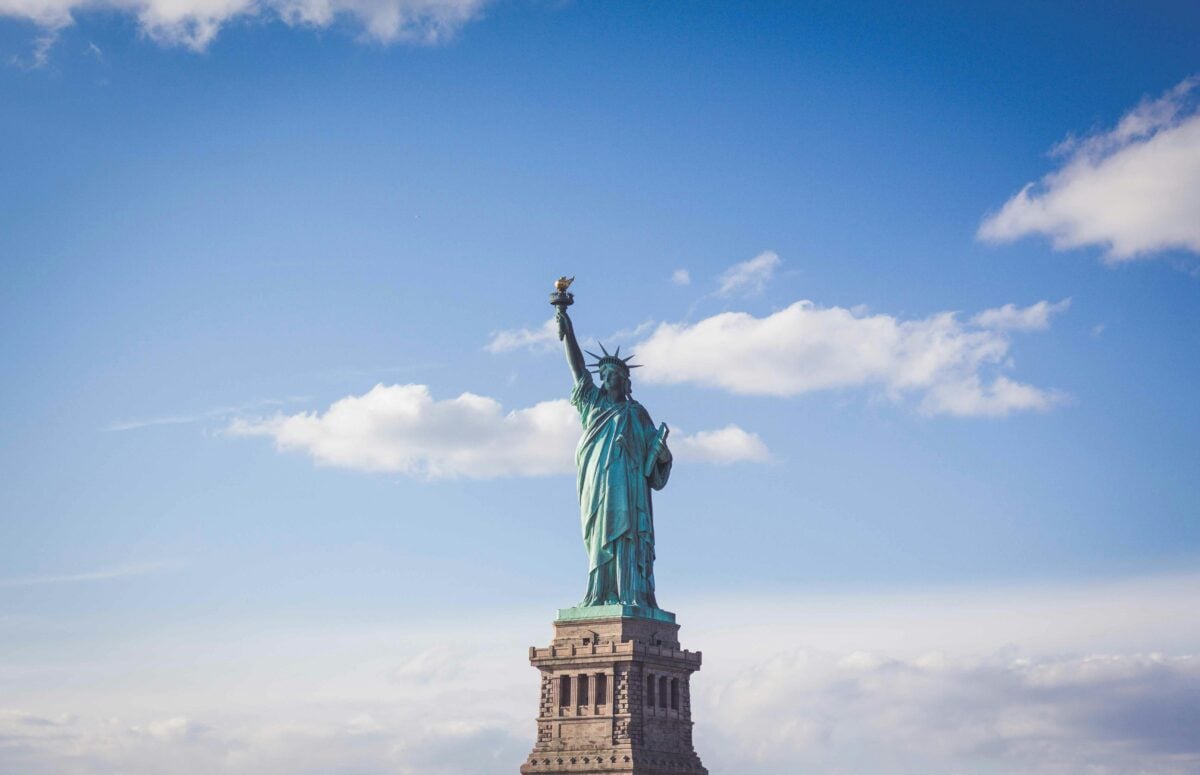
Before Liberty found her home in New York Harbor, sculptor Frédéric Auguste Bartholdi wanted to place her at the entrance to the Suez Canal. He designed a massive statue called “Egypt Carrying the Light to Asia” that would function as a lighthouse.
When Egypt declined due to cost, Bartholdi reworked the concept and pitched it to France and America as a gift celebrating freedom. The statue’s planned location shifted from one continent to another before she ever got built.
Once assembled on Bedloe’s Island (now Liberty Island), she stayed put—though the island itself got enlarged with landfill from subway excavations, so in a way, the ground beneath her moved too.
Faneuil Hall Got Jacked Up and Expanded
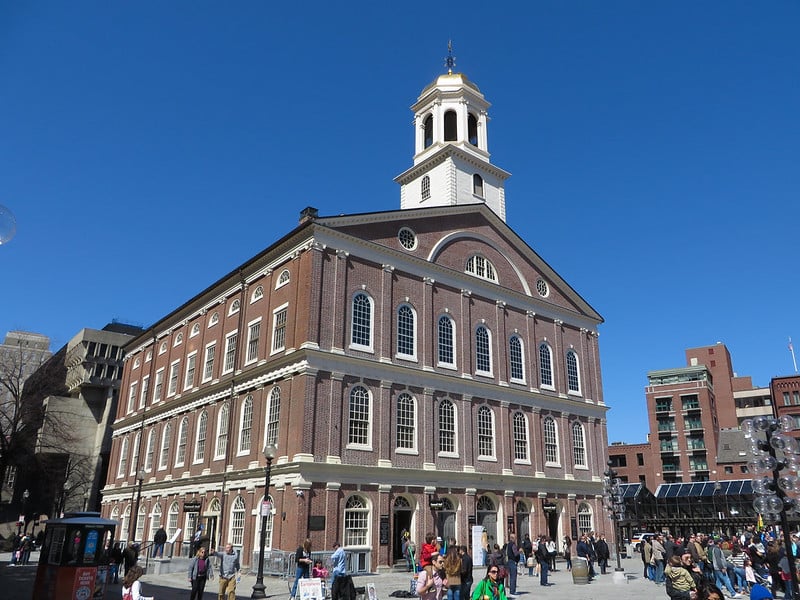
Boston’s Faneuil Hall, the “Cradle of Liberty,” has been modified, burned, rebuilt, and expanded so many times that little original structure remains. In 1805, the building was lifted off its foundation and expanded by Charles Bulfinch, who added a third floor and doubled the width.
The hall shifted from a two-story meeting house to a three-story marketplace while hovering in mid-air. Later renovations changed it further. The landmark’s location stayed the same, but the building itself transformed around its original footprint.
What you see today bears only a passing resemblance to what Samuel Adams knew.
The Entire Town of Hibbing, Minnesota Moved
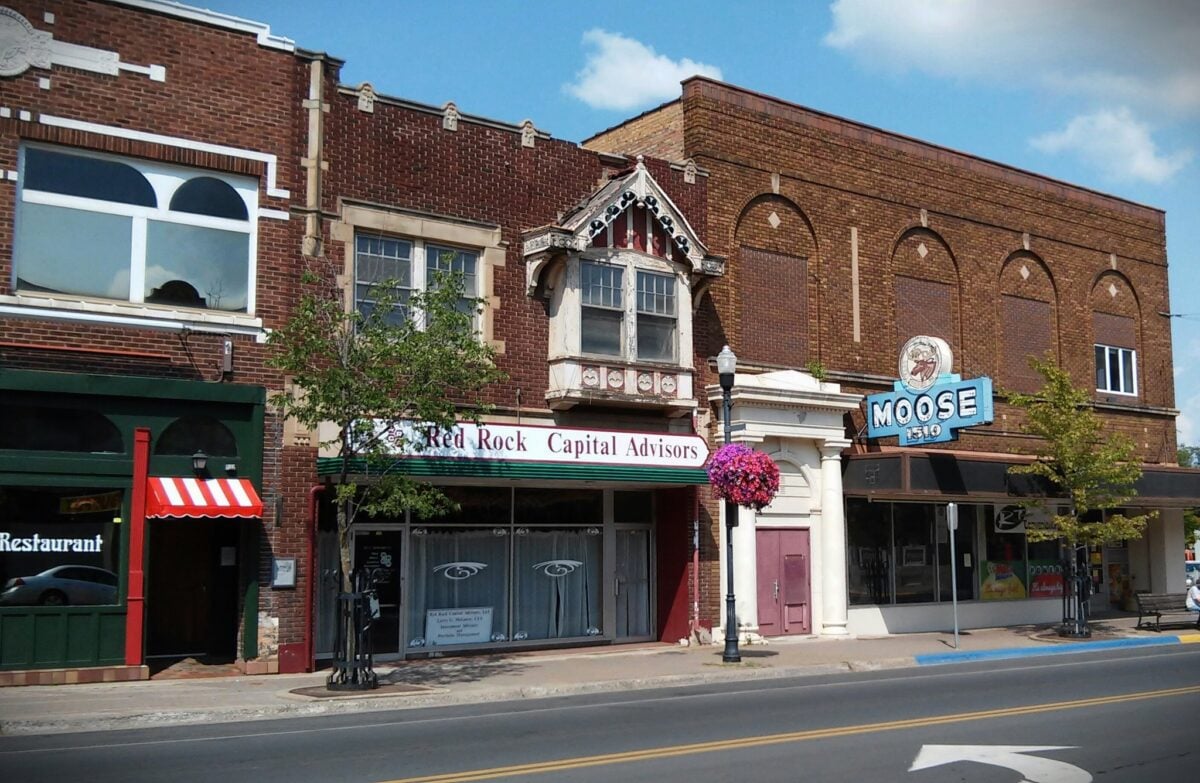
When iron ore was discovered directly under Hibbing in the early 1900s, mining companies needed the land more than residents needed their homes. So they moved the entire town—houses, businesses, trees, everything—two miles south.
Buildings traveled on rollers and rails between 1919 and 1921. Some structures split in half for the journey, then got reassembled at their new locations. Even telephone poles and infrastructure made the trip.
The old town site became the Hull-Rust-Mahoning Open Pit Mine, now the largest open-pit iron mine in the world. Residents watched their landmarks slide past them, then settled in as if nothing strange had happened.
The Statue of Ramesses II Takes the Cairo Metro

In 2006, Egypt moved a 3,200-year-old statue of Ramesses II from a traffic-choked square in central Cairo to a new museum near the pyramids. The 83-ton granite statue traveled on a specially designed vehicle through the streets at 2 miles per hour while engineers monitored stress levels.
The journey took 10 hours and drew crowds along the route. Workers had stabilized the statue with steel supports and cushioned it with rubber to absorb vibrations. After millennia standing in one spot, Ramesses got a slow-motion tour of modern Cairo before settling into his new home.
The pharaoh probably would have preferred a chariot, but the hydraulic trailer got the job done.
Sand Dunes Never Stop Moving
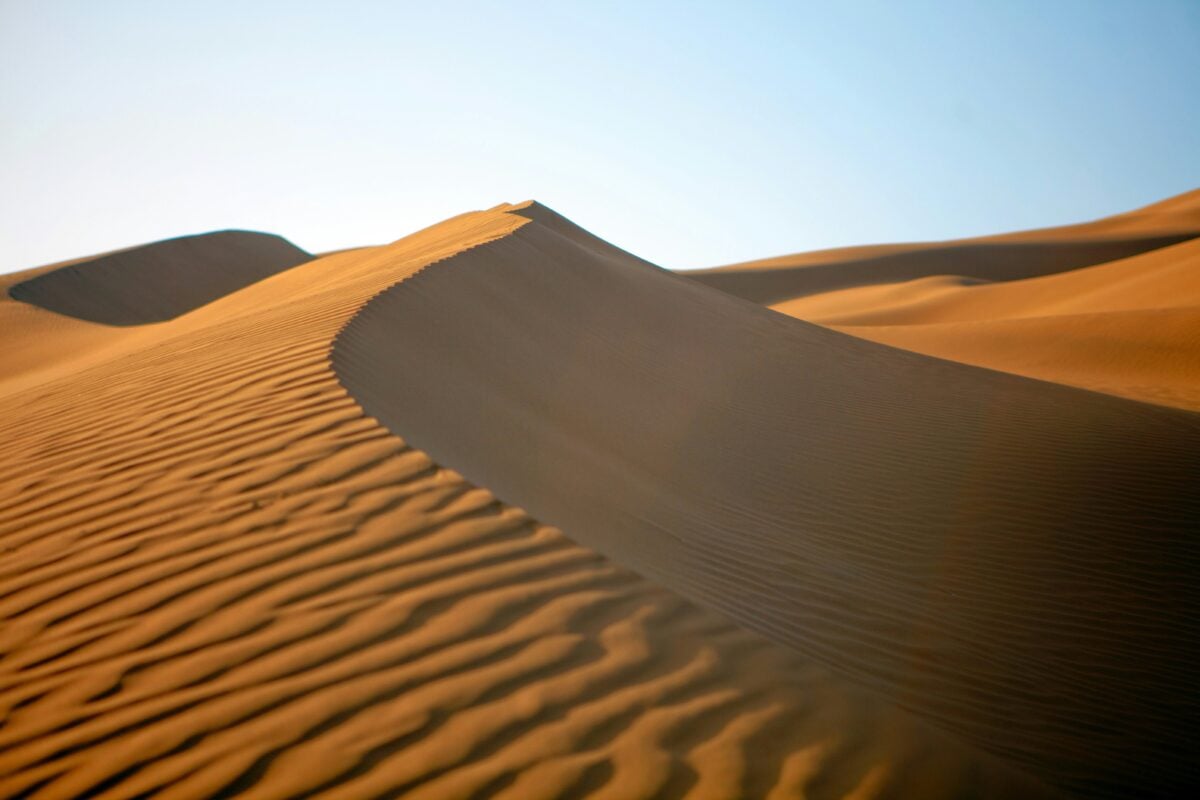
Some of Earth’s most dramatic landmarks refuse to sit still. The Kelso Dunes in California’s Mojave Desert shift constantly as wind pushes sand grains up one side and they tumble down the other.
Over decades, entire dunes migrate hundreds of feet. The same thing happens with the Dune du Pilat in France, Europe’s tallest sand dune, which swallows trees and buildings as it creeps inland at about 15 feet per year.
These landmarks exist in a state of permanent motion. You can visit them, climb them, photograph them, but the landmark you’re standing on today won’t be in exactly the same place tomorrow.
The movement happens too slowly to see, but it never stops.
Where Things End Up Matters More Than Where They Started
Moving landmarks mess with what we usually call a landmark. Location might not be as key as we assume.
Plymouth Rock carries weight – not due to its spot, but what folks agreed it stands for. The moai statues? Their journey gives them power, more than their current position.
Sure, some sites never budge – take Half Dome – but their meaning can drift based on who’s viewing and why. The restless monuments show nothing lasts forever.
Waves wear down shores. Towns expand over time.
What people need shifts. Things thought solid fade away, yet what’s striking about some landmarks isn’t staying still – but knowing when to shift ground.
More from Go2Tutors!

- The Romanov Crown Jewels and Their Tragic Fate
- 13 Historical Mysteries That Science Still Can’t Solve
- Famous Hoaxes That Fooled the World for Years
- 15 Child Stars with Tragic Adult Lives
- 16 Famous Jewelry Pieces in History
Like Go2Tutors’s content? Follow us on MSN.



