15 Little-Known Events That Happened Right Before Major World Moments
History often focuses on watershed moments that reshape nations and redefine eras. Yet these monumental events rarely emerge from nowhere. Behind the headlines and textbook entries lie lesser-known incidents that set the stage, redirect the flow of events, or provide critical context for what follows.
These overlooked precursors sometimes contain as much drama and significance as their more famous successors. Here is a list of 15 little-known events that occurred just before major historical moments, revealing how seemingly minor occurrences can trigger world-changing outcomes.
The False Armistice
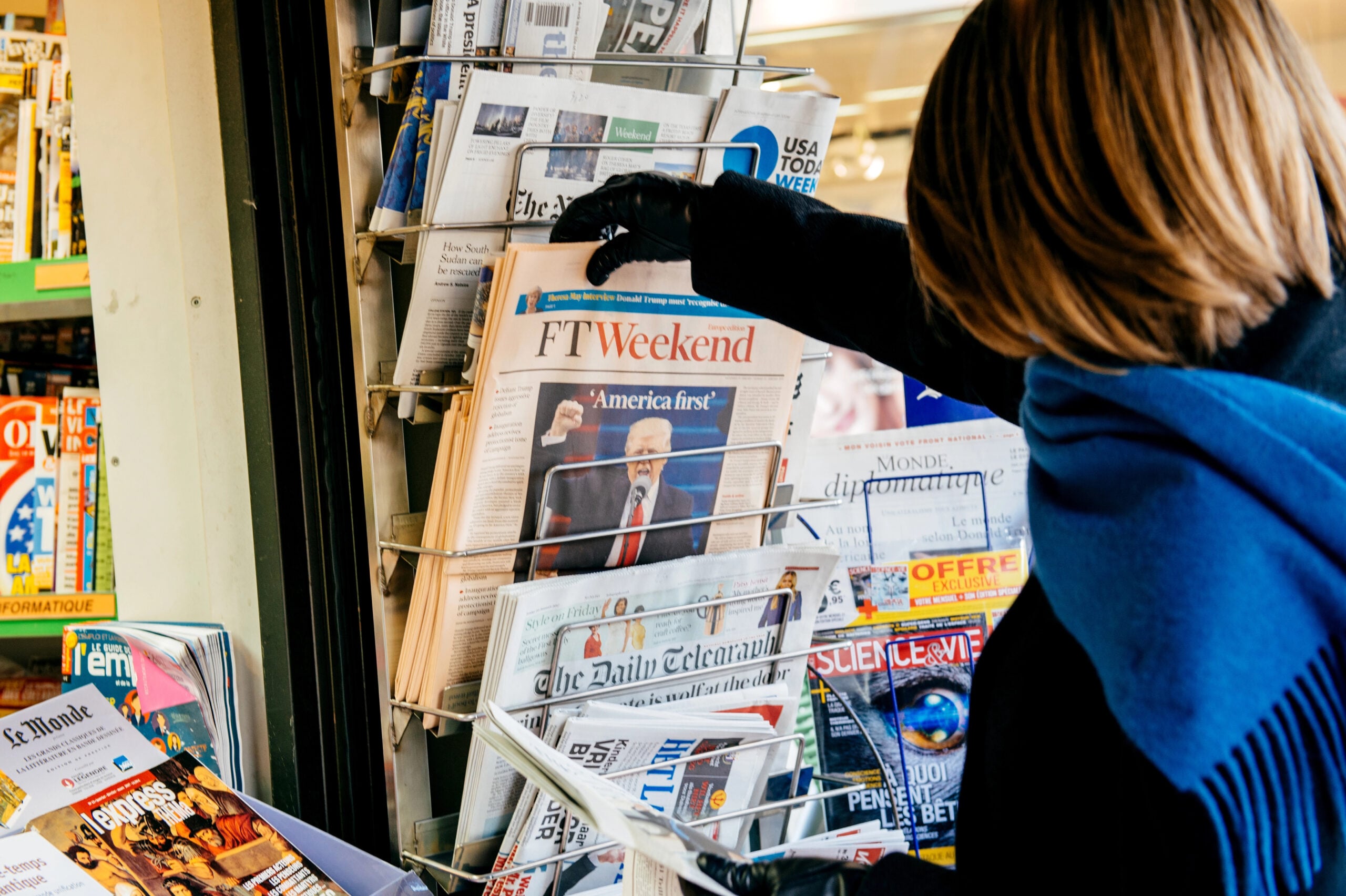
On November 7, 1918, four days before the actual World War I armistice, a miscommunication led American newspapers to incorrectly announce the war’s end. Celebrations erupted across the United States as people flooded the streets in jubilation.
This premature celebration made the actual armistice on November 11 feel like an afterthought to many Americans and complicated the public’s understanding of the war’s conclusion.
Truman’s Poker Game

The night before Franklin D. Roosevelt died in 1945, Vice President Harry Truman was playing poker with friends in the Senate building. Truman received a cryptic call to come to the White House immediately but was told it wasn’t urgent enough to skip finishing his hand.
He completed the game before heading over, unaware he would become president within hours and inherit the immense responsibility of ending World War II.
The Misplaced Warning
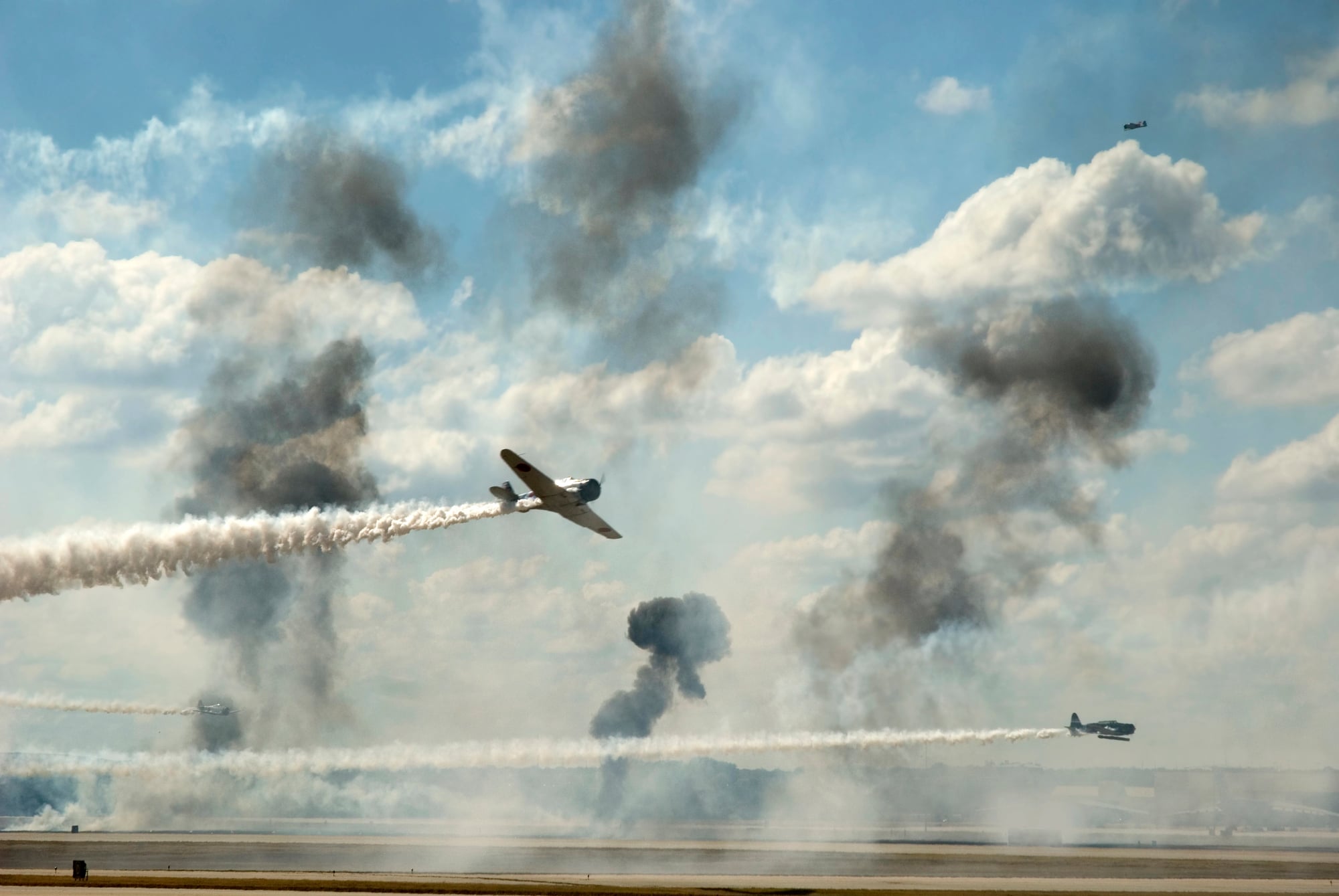
Hours before the Pearl Harbor attack in 1941, American intelligence decoded a Japanese message indicating imminent hostile action. The warning was deemed important but not crucial enough for immediate delivery to Pearl Harbor commanders.
It was sent by regular mail rather than by priority telegram and arrived after the attack had already begun. This bureaucratic misstep contributed to America’s unpreparedness for the assault that brought them into World War II.
Einstein’s Missing Letter
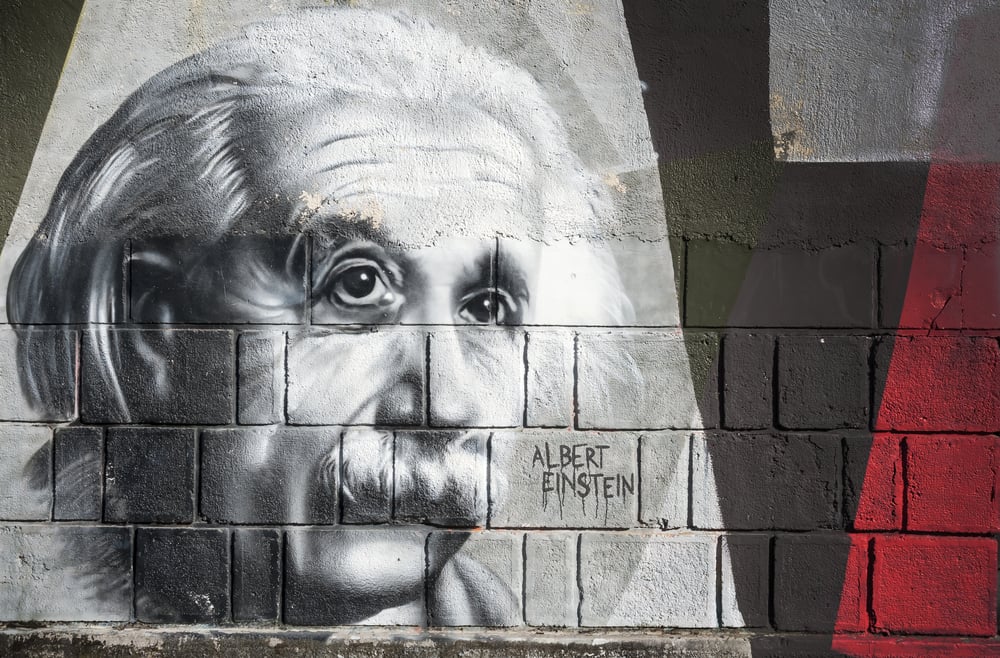
Just days before applying for a clerk position at the Swiss patent office in 1902, Albert Einstein sent a letter to renowned physicist Wilhelm Ostwald asking for any available research position. Ostwald never replied, leading the desperate Einstein to take the patent office job.
During his time there, with minimal academic responsibilities, Einstein developed his revolutionary theories of relativity that changed physics forever.
The Ignored Assassination Plot
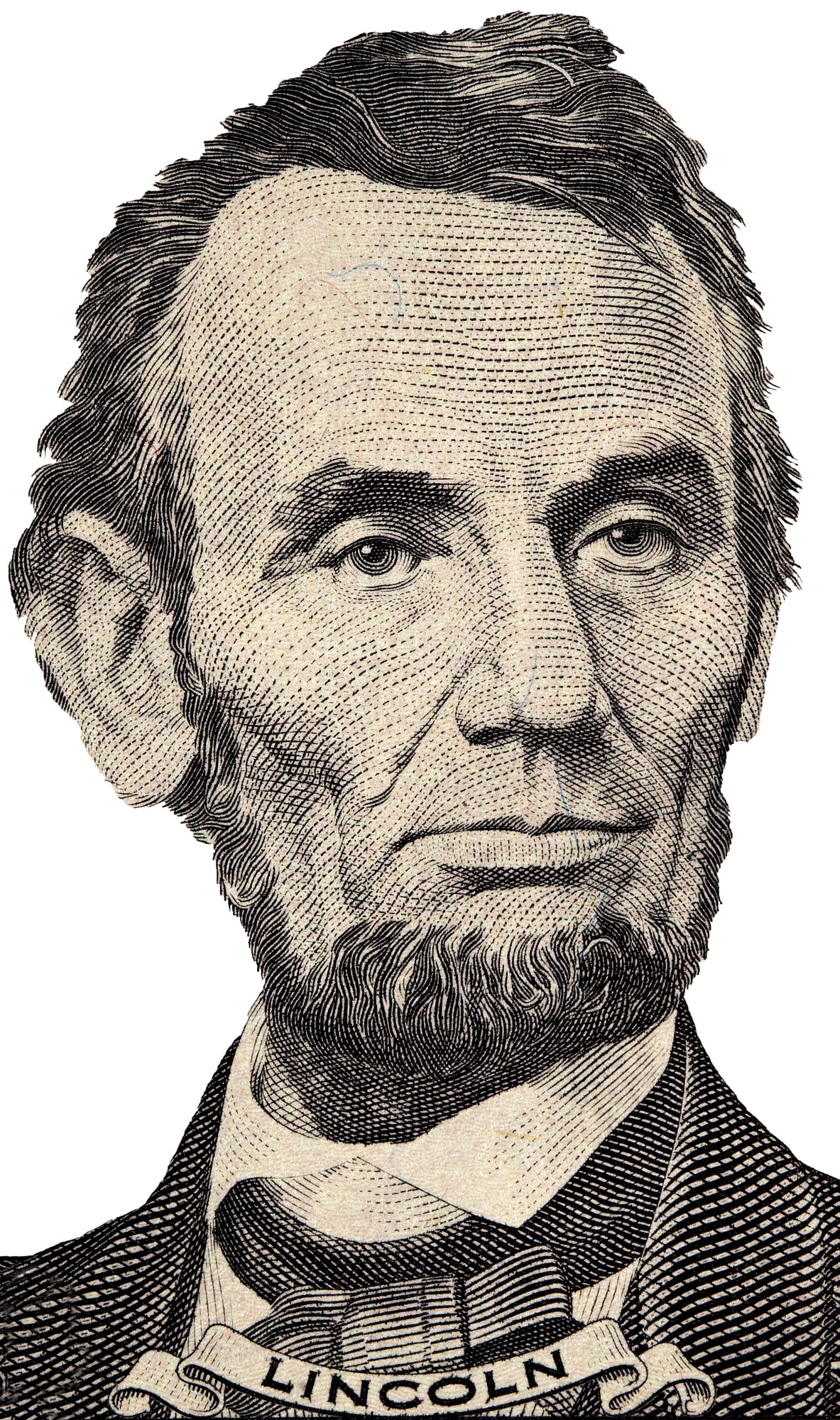
Three days before President Lincoln’s assassination, a man named John Wilkes Booth checked into the same hotel where Vice President Andrew Johnson was staying. Booth asked specifically about Johnson’s location and habits but aroused no suspicion from hotel staff.
This overlooked reconnaissance mission helped Booth finalize the details of his broader conspiracy that would ultimately claim Lincoln’s life and change the course of post-Civil War Reconstruction.
The Berlin Wall’s Accidental Opening
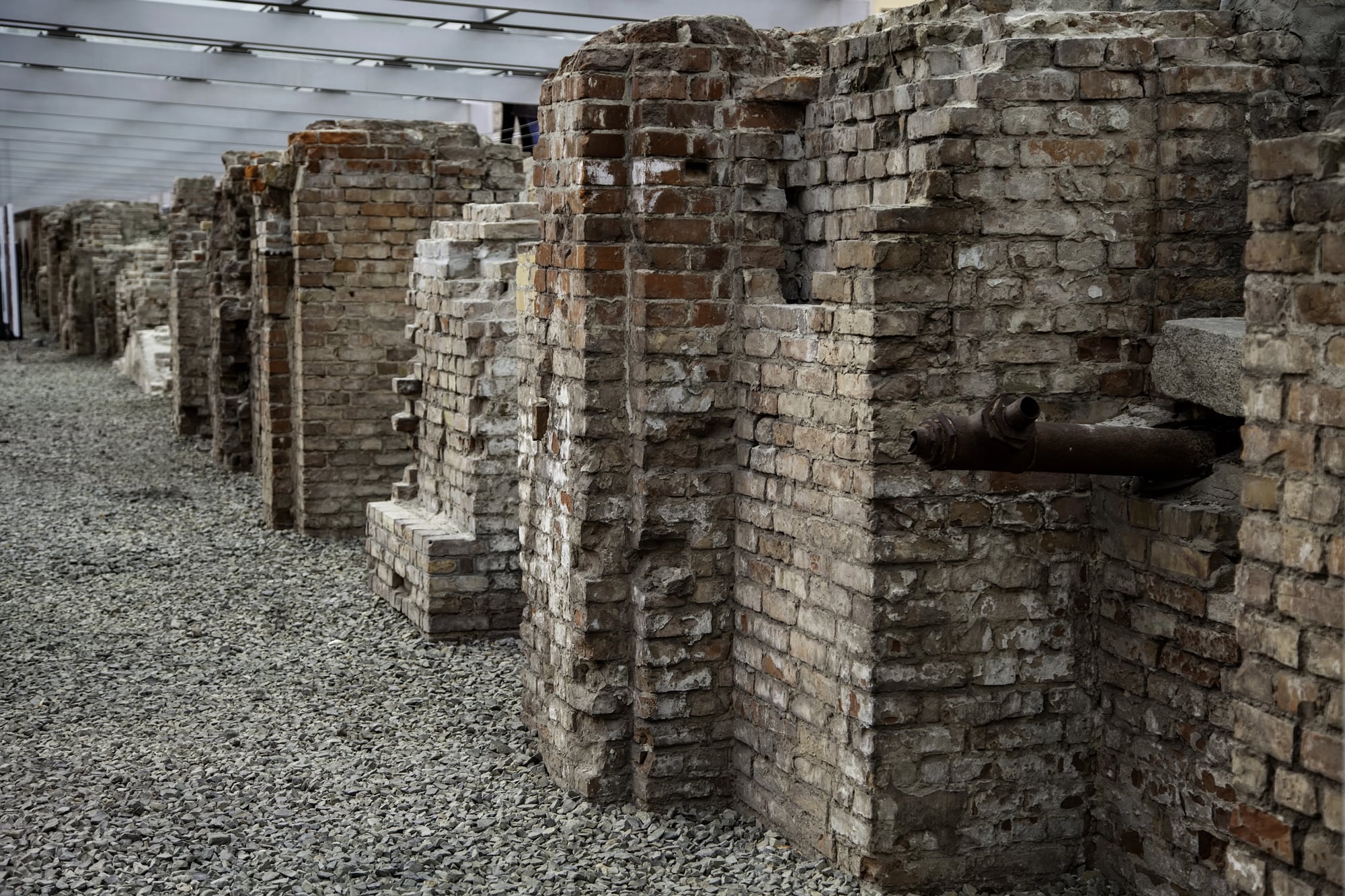
The night before the Berlin Wall fell in 1989, East German official Günter Schabowski mistakenly announced at a press conference that new travel regulations would take effect ‘immediately.’ The regulations were actually intended to begin the following day with controlled procedures.
His verbal slip caused thousands of East Berliners to gather at the wall that night, overwhelming border guards who eventually opened the gates, leading to the wall’s unexpected and chaotic fall.
Fleming’s Messy Lab

In the summer of 1928, Alexander Fleming left for vacation without properly cleaning his laboratory. Upon returning, he discovered mold growing on a contaminated culture plate, killing the surrounding bacteria.
This fortunate instance of laboratory untidiness led to the discovery of penicillin, revolutionizing medicine and saving countless lives in the decades that followed.
The Sarajevo Wrong Turn

In Sarajevo on June 28, 1914, the driver of the vehicle belonging to Archduke Franz Ferdinand took a false turn and unintentionally passed assassin Gavrilo Princip. After giving up after failing in his previous try, Princip found his target right in front of him.
The sequence of events that led to World War I began when Princip made a navigational error that allowed him to fire the shots that killed the Archduke and his wife.
The Hijacked Revolution
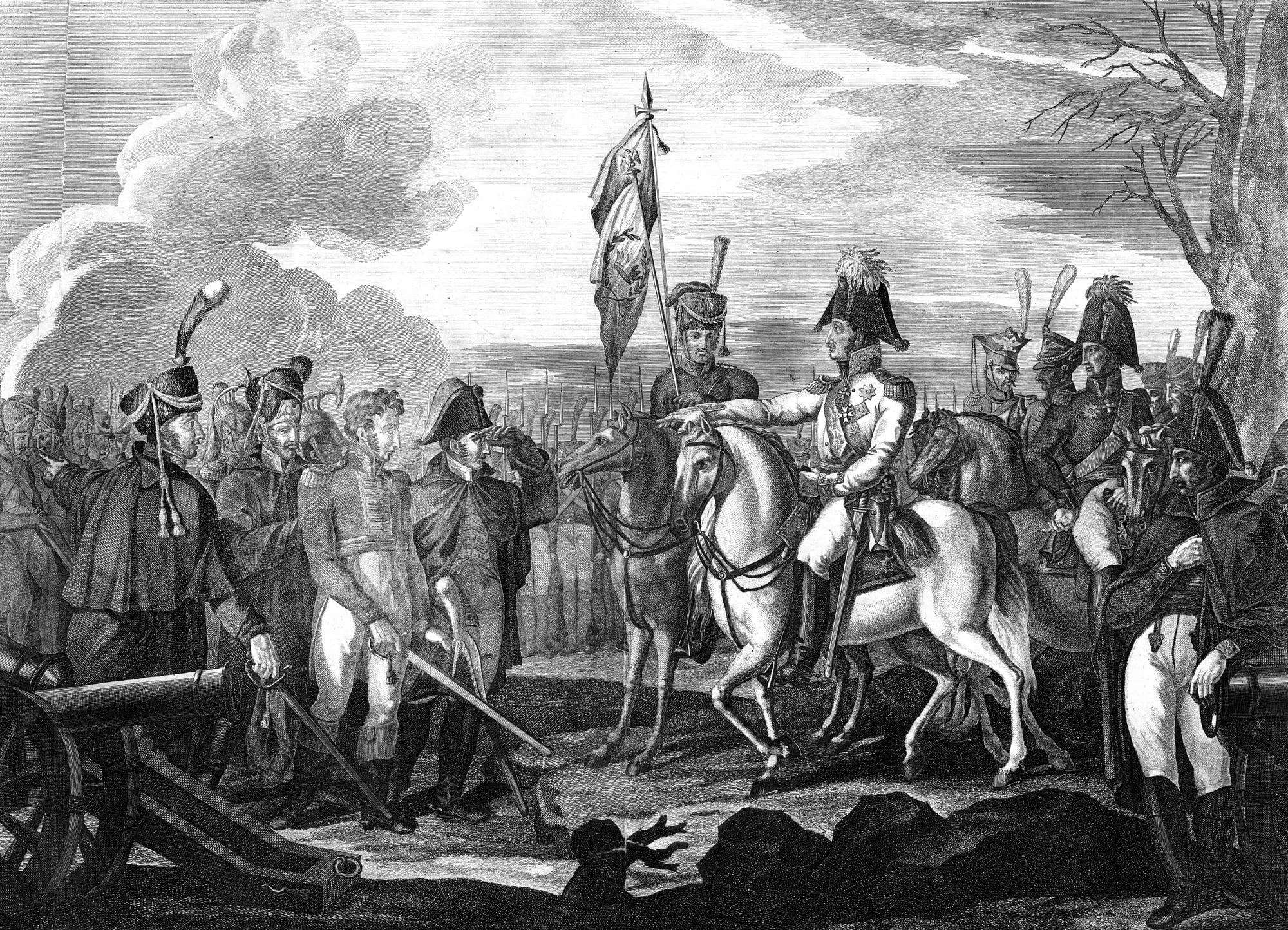
The German government covertly arranged for Vladimir Lenin to return to Russia from exile in Switzerland just days before the start of the 1917 Russian Revolution. In the hopes that his extreme opinions would destabilize their Russian adversaries, they gave him a sealed train through German territory.
When Lenin arrived to lead the Bolshevik Revolution that changed Russia and ultimately gave rise to the Soviet Union, this well-thought-out maneuver proved to be more successful than they had anticipated.
Nixon’s Makeup Refusal

Richard Nixon refused to use cosmetics before the first televised presidential debate in 1960, even though he was pale and had just been admitted to the hospital. John Kennedy, meanwhile, reclined on camera and looked tanned.
Television viewers largely supported Kennedy in the debate, but radio listeners believed Nixon won. Nixon might have lost the presidency as a result of this cosmetic choice, illustrating how politics had changed in the era of television.
The Missing Life Jackets

Hours before the Titanic struck an iceberg in 1912, the ship’s lookouts realized their binoculars were missing. The binoculars had been stored in a locker whose key had gone ashore with an officer who was transferred before the voyage.
Without them, the lookouts spotted the fatal iceberg too late to allow the massive ship time to turn. This simple misplaced key contributed to a maritime disaster that would change shipping regulations forever.
The Ignored Weather Report

The day before the D-Day invasion in 1944, meteorologists predicted a brief window of clear weather amid otherwise stormy conditions. Many German commanders believed no invasion would be attempted in such generally poor weather and were away from their posts when Allied forces landed.
General Rommel himself had returned to Germany for his wife’s birthday, convinced the adverse conditions would provide at least a few days’ reprieve from invasion concerns.
The Last-Minute Flight Change
On September 10, 2001, Mark Bingham and several other passengers made last-minute changes to book seats on United Flight 93. The next day, these individuals would lead the passenger revolt against hijackers, forcing the plane to crash in a Pennsylvania field rather than reaching its intended target in Washington, DC.
Their spontaneous travel changes placed them in position to alter the course of the 9/11 attacks.
The Declined Artillery Barrage
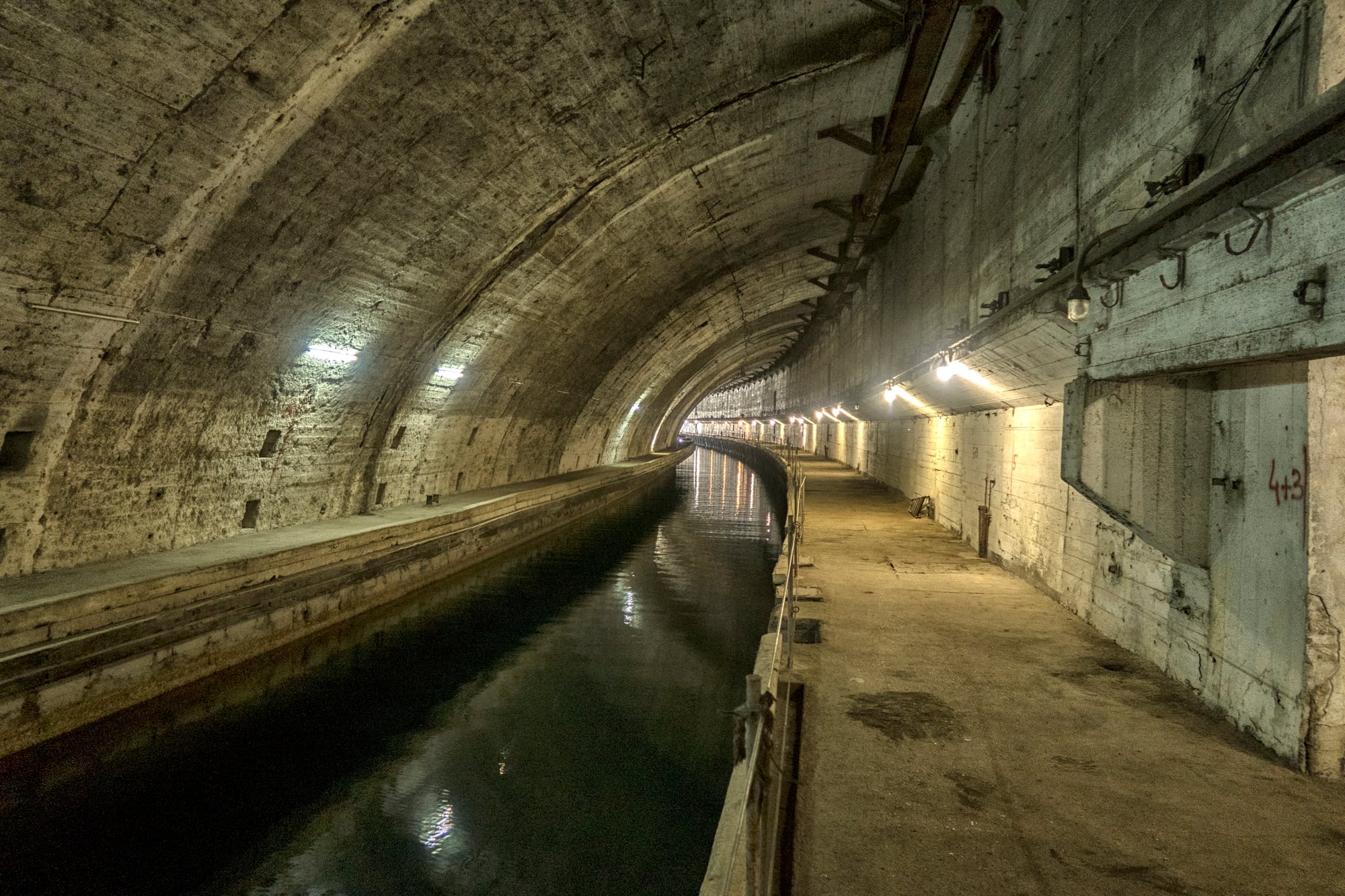
Following the passing of General Stonewall Jackson, Confederate General Robert E. Lee reorganized his artillery command just weeks before the Battle of Gettysburg in 1863. Communication issues occurred during the crucial parts of the war as a result of this last-minute reorganization.
Porter Alexander, the artillery chief, proposed a continuous bombardment prior to Pickett’s Charge, but his suggestions were disregarded, which led to the assault’s failure and the Confederate defeat at this pivotal juncture in the Civil War.
The Missing Envelope

In January 1973, just days before the landmark Roe v. Wade Supreme Court decision, Justice Harry Blackmun accidentally left his briefcase containing early drafts of the majority opinion on a DC sidewalk. A passerby found it and returned it without examining the contents.
Had these documents leaked, the court’s deliberations might have faced unprecedented public pressure, potentially altering the outcome of one of America’s most consequential legal decisions.
Precursors and Catalysts
Historical watersheds often teeter on the edge of these lesser-known events, demonstrating how chance, human mistake, and rash decisions may alter the path of history. These historical footnotes shed light on the complex network of cause and effect that drives important events.
They remind us that history is not just made up of grand concepts and bold plans, but also of the accumulation of small, often accidental, events. The gap between these forerunners and their well-known results demonstrates the inherent unpredictability of history.
These little-known episodes serve as a reminder that, despite the benefit of hindsight, the course of events is rarely predetermined and is instead dependent on a myriad of factors that are beyond anyone’s complete control.
More from Go2Tutors!

- The Romanov Crown Jewels and Their Tragic Fate
- 13 Historical Mysteries That Science Still Can’t Solve
- Famous Hoaxes That Fooled the World for Years
- 15 Child Stars with Tragic Adult Lives
- 16 Famous Jewelry Pieces in History
Like Go2Tutors’s content? Follow us on MSN.



