15 Major Companies Everyone Thought Would Last Forever (But Didn’t)
The business world can be brutally unpredictable, with today’s industry titans sometimes becoming tomorrow’s cautionary tales. Companies that once seemed utterly unshakable have collapsed under the weight of changing markets, technological disruption, or their own missteps.
These corporate giants appeared so deeply entrenched in everyday life that their disappearance seemed impossible. Here is a list of 15 major companies that everyone believed would stand the test of time but ultimately didn’t survive.
Blockbuster Video
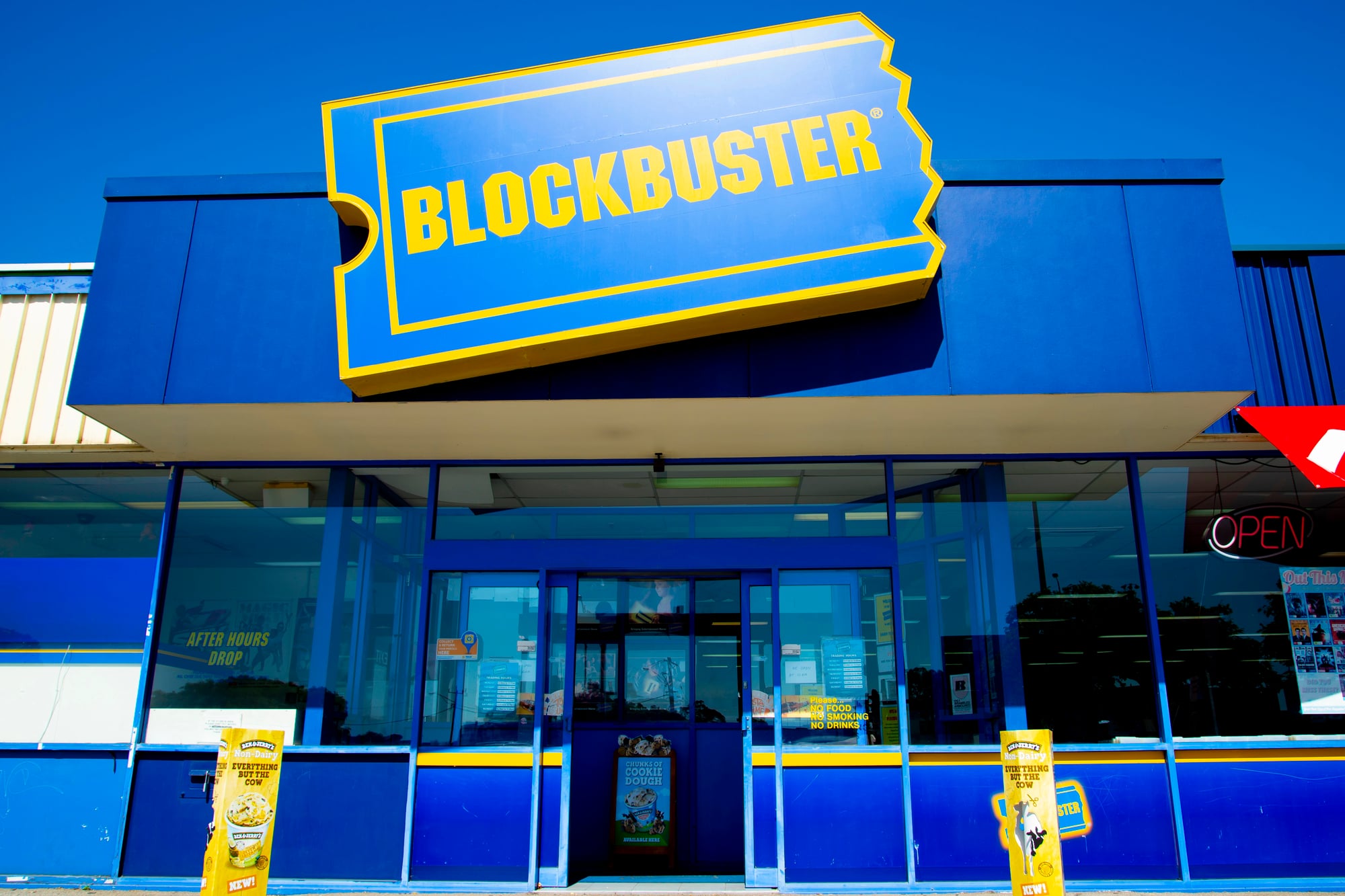
This entertainment giant dominated the movie rental landscape with over 9,000 stores worldwide at its peak. Blockbuster turned down an opportunity to buy Netflix for $50 million in 2000, a decision that seems almost comically shortsighted now.
The company failed to adapt to streaming technology and changing consumer preferences, filing for bankruptcy in 2010 while its once-small competitor Netflix grew into an entertainment powerhouse.
Toys R Us

For generations of American children, this toy retailer was paradise with its endless aisles of games, bikes, and dolls. Toys R Us grew to over 1,500 locations worldwide and seemed as much a cultural institution as a business.
The company couldn’t keep pace with online competition and struggled under massive debt from a leveraged buyout, ultimately closing its U.S. stores in 2018 despite widespread nostalgia for the brand.
Pan American World Airways

Pan Am wasn’t just an airline—it was America’s unofficial flag carrier and a symbol of luxury travel that shaped how people viewed aviation. The blue globe logo represented international sophistication and adventure during the golden age of air travel.
Financial struggles following the 1988 Lockerbie bombing and soaring fuel prices during the Gulf War ultimately grounded Pan Am permanently in 1991, ending an era in aviation history.
Kodak
Kodak practically invented personal photography and held over 90% of the film market at its height. The company employed over 145,000 people globally and was so dominant that ‘Kodak moment’ became part of everyday language.
Ironically, Kodak invented the digital camera in 1975 but shelved the technology to protect its film business, ultimately filing for bankruptcy in 2012 after failing to embrace the digital revolution it had pioneered.
Borders Books

This retail chain created the modern book superstore concept with its massive selection and comfortable browsing environment. Borders stores invited customers to spend hours exploring titles while enjoying coffee and music.
The company expanded too aggressively and outsourced its online operations to Amazon, essentially handing customers to its biggest competitor. Borders closed its doors in 2011, marking the end of a significant chapter in bookselling.
Circuit City

As one of America’s leading electronics retailers, Circuit City operated over 700 superstores selling everything from computers to car stereos. The familiar red and white storefronts anchored shopping centers across the country for decades.
Poor management decisions, including firing experienced employees to cut costs and focusing on extended warranties instead of customer service, led to bankruptcy in 2008 and liquidation in 2009 as consumers took their business elsewhere.
Oldsmobile
This General Motors brand produced vehicles for 107 years, making it one of the oldest automobile manufacturers in the world. Oldsmobile introduced innovations like the first production automatic transmission and was once associated with reliable American engineering and middle-class success.
Changing consumer preferences and competition from foreign automakers led GM to discontinue the brand in 2004, shocking many who saw it as an unshakable part of American automotive history.
Compaq

In the early days of personal computing, Compaq stood alongside IBM as a pioneer and market leader with its innovative portable computers. The company grew to become the largest PC supplier in the 1990s and was valued at billions.
A troubled merger with HP in 2002 eventually led to the Compaq name being phased out despite its strong reputation for quality and innovation, surprising many who expected the brand to remain a computing mainstay.
Woolworth’s

This five-and-dime store grew into one of the largest retail chains in the world, with its iconic lunch counters and red storefront signs familiar in towns across America. For many families, Woolworth’s represented affordable shopping for everything from household goods to toys.
The rise of discount department stores like Walmart made Woolworth’s model obsolete, leading to the closure of its last American stores in 1997 after over 100 years in business.
Tower Records

Music enthusiasts considered Tower Records stores sacred ground with their comprehensive selection spanning every genre imaginable. The yellow and red logo signaled a musical wonderland where fans could discover new artists and spend hours browsing.
Digital downloads and changing music consumption habits delivered a blow that Tower couldn’t recover from, leading to bankruptcy in 2006 and closing all U.S. stores despite its cultural significance in the music world.
Montgomery Ward

This retail pioneer operated for over 130 years and invented the mail-order catalog concept that revolutionized American shopping. Montgomery Ward made consumer goods accessible to rural customers decades before online shopping existed.
The company failed to differentiate itself from competitors like Sears and struggled with outdated stores, finally closing in 2001 after multiple attempts at reinvention failed to reconnect with consumers who had moved on to newer retail concepts.
RadioShack

For electronics hobbyists and early tech adopters, RadioShack provided components, gadgets, and expertise through nearly 7,000 neighborhood stores. The chain’s ubiquity made it seem like a permanent fixture in American retail, with locations within minutes of most consumers.
The company couldn’t find its place in the smartphone era and became increasingly irrelevant as electronics became more integrated and less user-serviceable. This led to bankruptcy in 2015 and the closure of most locations.
TWA

Trans World Airlines represented the glamour of air travel with its distinctive red and white aircraft and world-class service standards. Howard Hughes’ former ownership added to the mystique of an airline that seemed synonymous with American global reach.
Financial troubles following deregulation and the 1996 Flight 800 disaster weakened TWA, ultimately leading to its acquisition by American Airlines in 2001, removing a brand many travelers thought would always grace the skies.
Polaroid

Instant photography became possible because of Polaroid, whose cameras delivered the magic of watching images develop before your eyes. The technology seemed revolutionary, and Polaroid cameras became must-have items for capturing memories at parties and family gatherings.
Digital photography eliminated the need for instant film. Despite the retro appeal of physical photographs, Polaroid filed for bankruptcy twice before the brand was acquired by new owners who produce niche products for enthusiasts.
F.W. Woolworth
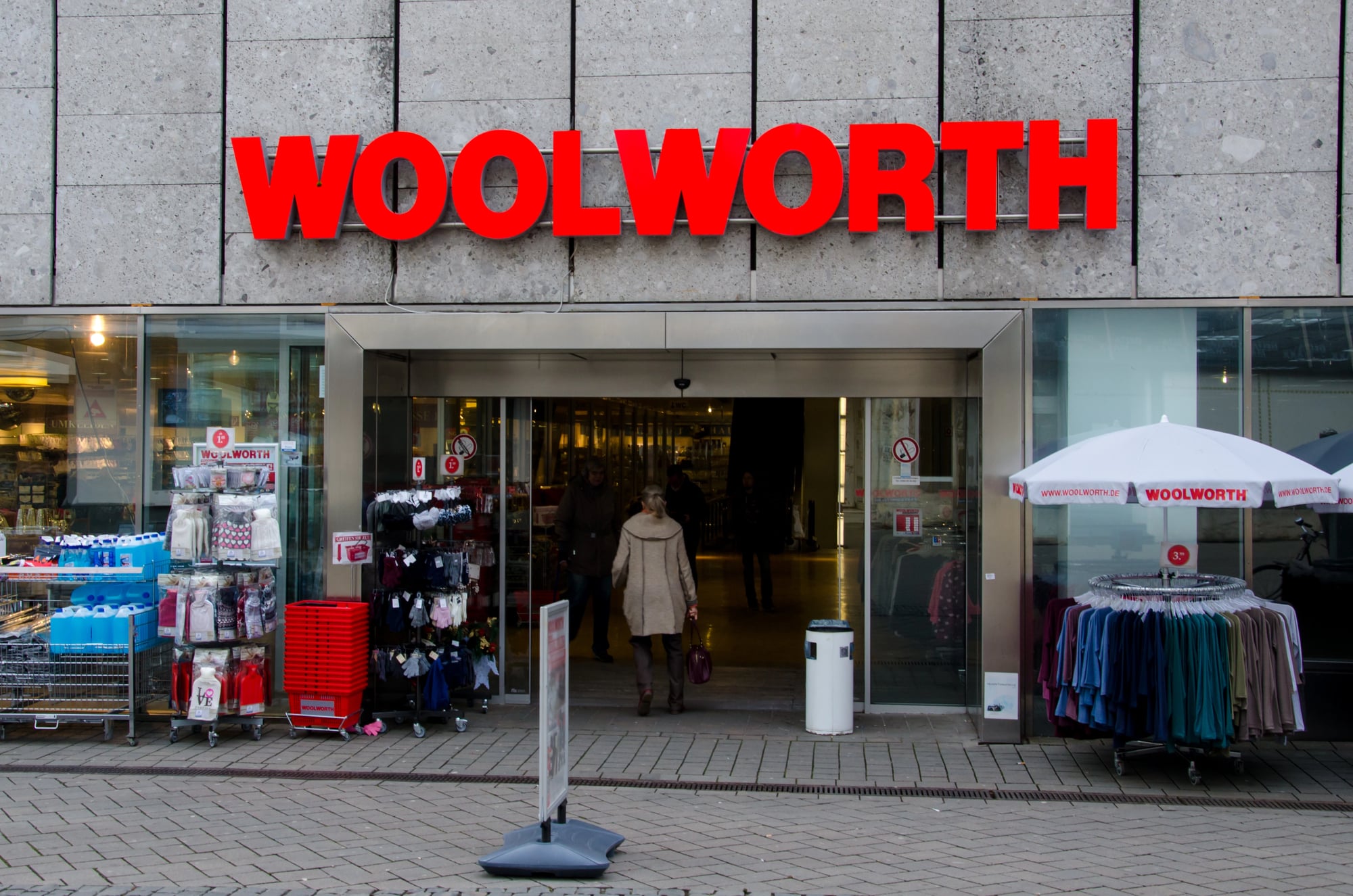
This retail chain’s distinctive architecture still stands in many American downtowns, though the stores themselves have long since disappeared. At its peak, the company operated the tallest building in the world (the Woolworth Building in New York) and ran over 5,000 stores.
Changing shopping habits and the rise of suburban malls led to Woolworth’s closure in 1997. However, the parent company lived on as Foot Locker, focusing solely on athletic footwear rather than general merchandise.
Corporate Mortality

These fallen giants remind us that market dominance is never permanent, regardless of how entrenched a company might seem in daily life. Adaptability often proves more valuable than size, with many of these businesses failing because they couldn’t envision a world where their products or services became obsolete.
Their stories serve as powerful reminders that innovation and flexibility remain essential for survival in an ever-changing business landscape.
More from Go2Tutors!

- The Romanov Crown Jewels and Their Tragic Fate
- 13 Historical Mysteries That Science Still Can’t Solve
- Famous Hoaxes That Fooled the World for Years
- 15 Child Stars with Tragic Adult Lives
- 16 Famous Jewelry Pieces in History
Like Go2Tutors’s content? Follow us on MSN.