15 Marketing Gimmicks That Actually Built Entire Customer Bases
Sometimes the most unexpected marketing tactics end up transforming companies from struggling startups into household names. What might initially seem like a quirky promotional stunt can evolve into the very foundation of a brand’s identity and customer loyalty.
Here is a list of 15 marketing gimmicks that went beyond mere publicity stunts to actually build substantial, loyal customer bases.
The Dollar Shave Club Video

Dollar Shave Club launched with a single irreverent YouTube video that cost just $4,500 to produce. The video featured founder Michael Dubin delivering deadpan humor while walking through a warehouse.
Within 48 hours of its release, Dollar Shave Club had 12,000 new customers. The casual, straight-talking approach resonated with men tired of overpaying for razors and created an instant community of like-minded consumers.
TOMS One-for-One Model
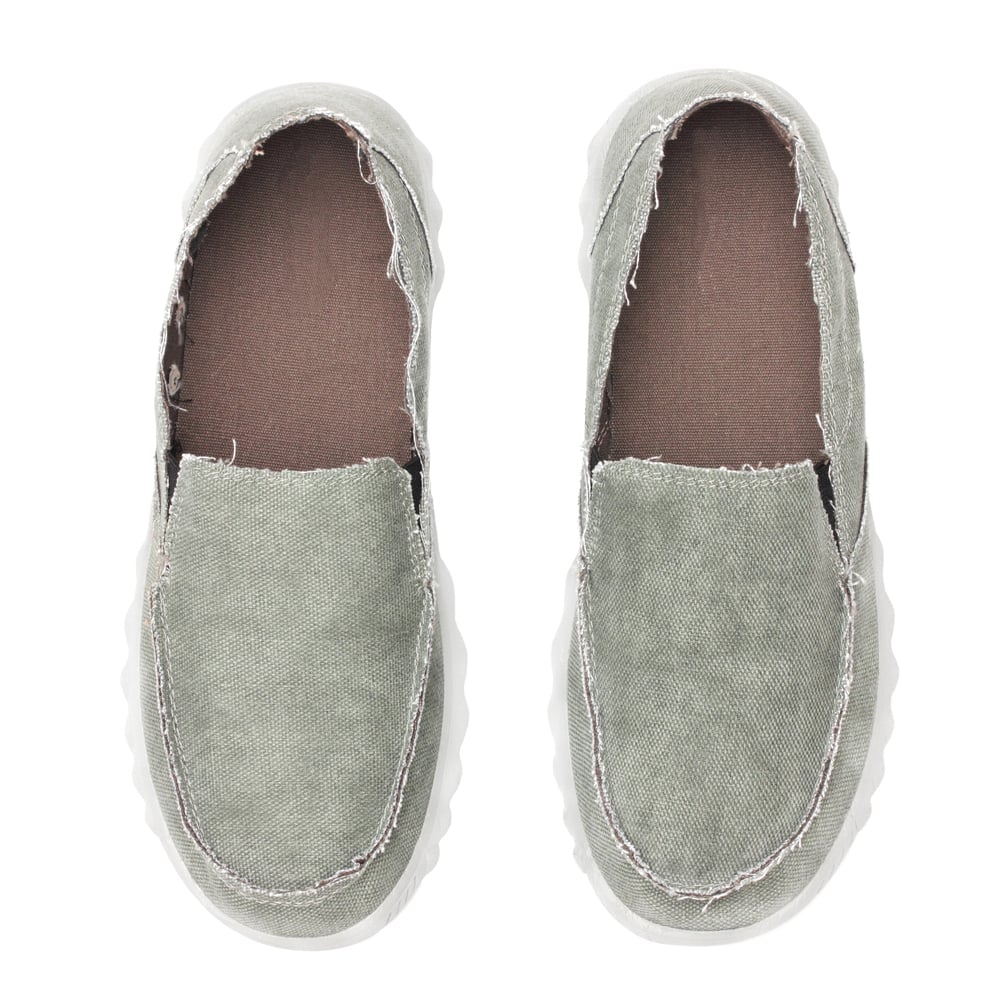
When TOMS introduced the ‘One for One’ concept—buy a pair of shoes, and they donate a pair to a child in need—they weren’t just selling footwear. They were selling participation in a movement.
This simple gimmick transformed ordinary shoe buyers into philanthropists and created a customer base willing to pay premium prices for basic canvas shoes. The success spawned dozens of copycat business models across industries.
Warby Parker Home Try-On Program
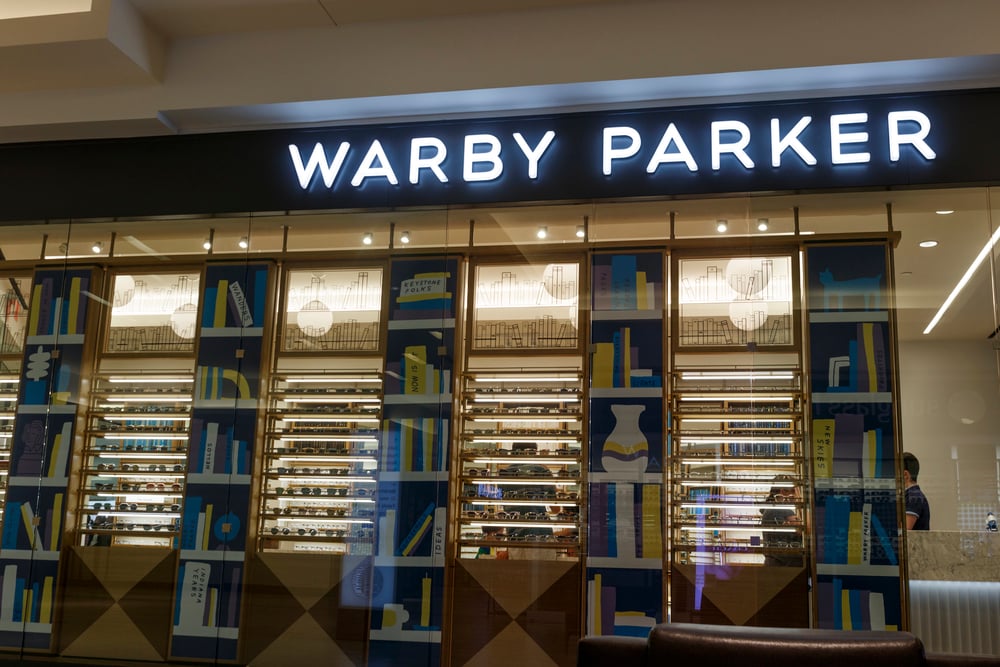
Warby Parker revolutionized eyewear shopping by shipping five frames to potential customers to try at home for free. This seemingly risky marketing gimmick addressed the primary hesitation people had about buying glasses online.
The home try-on program created buzz through social sharing, as customers naturally asked friends for opinions on different frames, extending Warby Parker’s reach organically.
Trader Joe’s Hawaiian Shirts
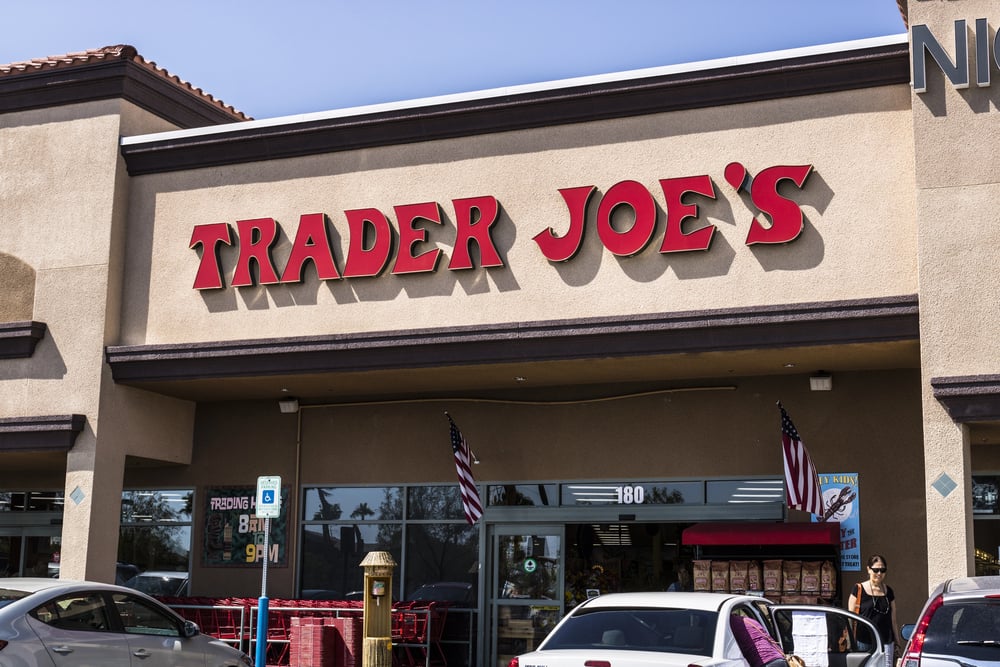
When Trader Joe’s first implemented their Hawaiian shirt uniforms, few realized this would become a cornerstone of their brand identity. The casual, approachable uniform signals to shoppers that this isn’t your typical sterile grocery experience.
Combined with nautical themes and hand-drawn signage, this seemingly small gimmick helped create a distinct shopping experience that attracts customers who value personality over corporate polish.
Red Bull’s Extreme Sports Sponsorships

Red Bull transformed from an obscure Austrian energy drink to a global powerhouse through its extreme sports sponsorships. Rather than traditional advertising, they funded events like cliff diving, air races, and Felix Baumgartner’s space jump.
This approach turned energy drink consumers into fans of an entire lifestyle brand. The beverage itself almost became secondary to the adrenaline-fueled culture Red Bull created.
Blendtec’s ‘Will It Blend?’ Videos

Blendtec was a relatively unknown blender manufacturer until they started their ‘Will It Blend?’ YouTube series. Founder Tom Dickson began blending unusual items—iPhones, golf balls, glow sticks—demonstrating the power of their products in entertaining ways.
These videos generated millions of views and transformed their industrial blenders into must-have kitchen appliances for home consumers who previously had no interest in high-powered blending.
Zappos’ Customer Service Extremes

Zappos built its empire on a seemingly unsustainable gimmick: unlimited free shipping both ways and 365-day returns. But the real game-changer was their legendary customer service, including record-breaking phone calls (the longest lasted over 10 hours) and representatives sending flowers to customers.
These gestures created an almost cult-like customer base that was willing to check Zappos first for any footwear need.
GoPro’s User-Generated Content Strategy

GoPro built its entire marketing strategy around customer-created videos. By highlighting breathtaking user-generated content rather than traditional advertising, they effectively let their customers sell their products for them.
This approach created a virtuous cycle—the more amazing videos people saw, the more cameras they bought, generating more incredible content. The customer base became both consumers and the marketing department.
Denny’s Bizarre Social Media Persona

Denny’s restaurants took social media by storm with their unexpectedly weird, meme-filled Twitter and Tumblr accounts. Instead of posting generic food photos, they embraced surreal humor that appealed to younger audiences.
This bizarre approach transformed Denny’s from an outdated diner chain into a surprisingly relevant brand for millennials and Gen Z, bringing in customers who came as much for the cultural connection as the food.
Patagonia’s ‘Don’t Buy This Jacket’ Campaign

Patagonia ran a Black Friday ad telling customers not to buy their products unless absolutely necessary. This counterintuitive approach strengthened their image as an environmentally responsible company and attracted consumers who shared these values.
The campaign’s honesty built tremendous trust with customers who now feel their purchases align with their values, creating fierce brand loyalty.
Ikea’s Bizarre Catalog Measurements

Through its catalog and showrooms, Ikea created a unique shopping experience, complete with unusual Swedish product names and life-sized room displays. Their notorious size specifications and assembly requirements became part of the brand experience rather than drawbacks.
The shared struggle of assembling Ikea furniture has created a community of customers who bond over their experiences and return for more affordable, design-focused furniture.
Old Spice’s ‘The Man Your Man Could Smell Like’

Old Spice struggled with an outdated brand image until its absurdist ‘The Man Your Man Could Smell Like’ campaign featuring Isaiah Mustafa. The commercials were deliberately over-the-top and quickly went viral.
This approach rejuvenated a century-old brand by appealing to both men and women with humor rather than traditional masculine tropes, completely changing consumer perceptions and creating a new generation of loyal customers.
AirBnB’s Professional Photography Program

AirBnB addressed trust issues in their early days by offering free professional photography services to hosts. This seemingly expensive gimmick dramatically increased bookings as travelers felt more confident in what they were renting.
The professional photos also established a visual aesthetic for the brand and helped elevate home-sharing from a budget option to a desirable experience, building a customer base willing to choose homes over hotels.
Corona’s ‘Find Your Beach’ Simplicity
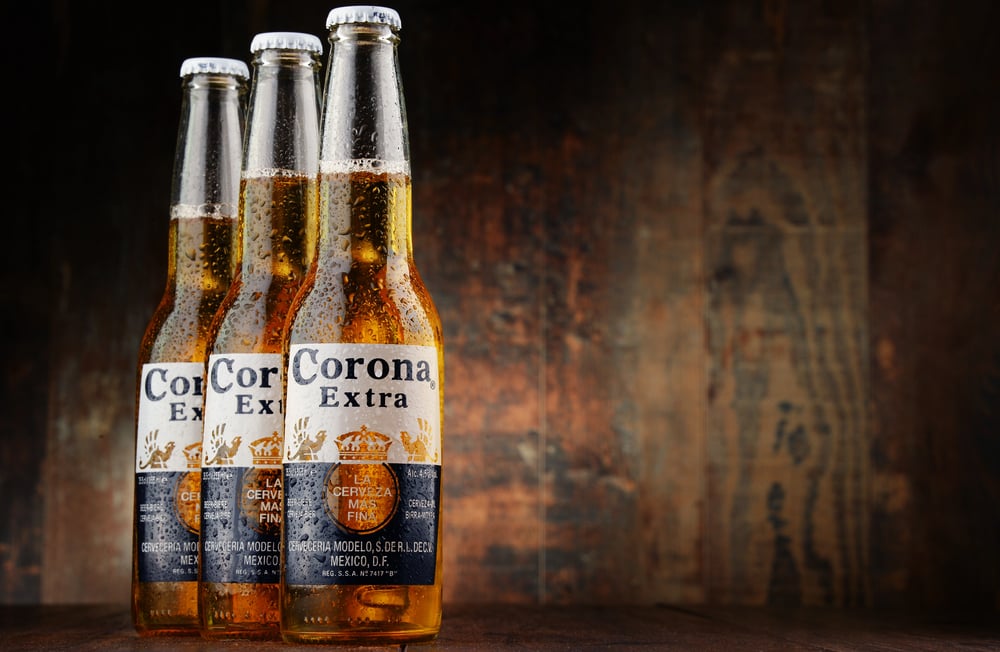
Corona built an empire on the simplest visual gimmick: a beer bottle with a lime wedge on a beach. This consistent imagery transported consumers mentally to vacation mode with every sip.
The lime ritual itself—originally used to clean the bottle top—became an integral part of the Corona experience. This approach created a customer base that associates the brand with relaxation and escape, regardless of their actual surroundings.
Dollar General’s Strategic Rural Expansion

Dollar General turned its focus to rural communities that larger retailers had abandoned or ignored. While not a traditional marketing gimmick, this strategic positioning—putting stores within a 10-minute drive of rural populations—created devoted customers with few other options.
By becoming essential to underserved communities, Dollar General built customer loyalty through convenience and necessity rather than flashy promotions.
The Lasting Impact of Marketing Innovation

These marketing approaches demonstrate how innovative thinking can transform a simple promotion into the foundation of a brand’s identity. The most successful gimmicks don’t just attract attention—they solve real consumer problems, create emotional connections, or provide unique experiences that customers genuinely value.
When this happens, what starts as a marketing tactic evolves into the very reason customers remain loyal for years to come.
More from Go2Tutors!

- The Romanov Crown Jewels and Their Tragic Fate
- 13 Historical Mysteries That Science Still Can’t Solve
- Famous Hoaxes That Fooled the World for Years
- 15 Child Stars with Tragic Adult Lives
- 16 Famous Jewelry Pieces in History
Like Go2Tutors’s content? Follow us on MSN.