15 Most Amazing Elements and Their Uses
Look around right now. The screen displaying these words, the air filling your lungs, the water in the glass nearby — everything tangible in your world exists because 118 different building blocks arranged themselves in countless combinations over billions of years. Some elements hide in plain sight, others demand attention with explosive personalities. A few have reshaped entire civilizations while others quietly make modern life possible.
These 15 elements didn’t earn their place here by accident. They’ve proven themselves essential, dangerous, beautiful, or so fundamentally useful that removing any one of them would leave a gap nothing else could fill.
Hydrogen

Hydrogen doesn’t wait for permission. It’s everywhere — three-quarters of all atoms in the universe, the fuel that keeps stars burning, the reason water exists. Two-thirds of your body weight comes from this single element.
Strip away everything complicated about chemistry and you’re left with one proton, one electron. That’s hydrogen. The rest is just details.
Carbon
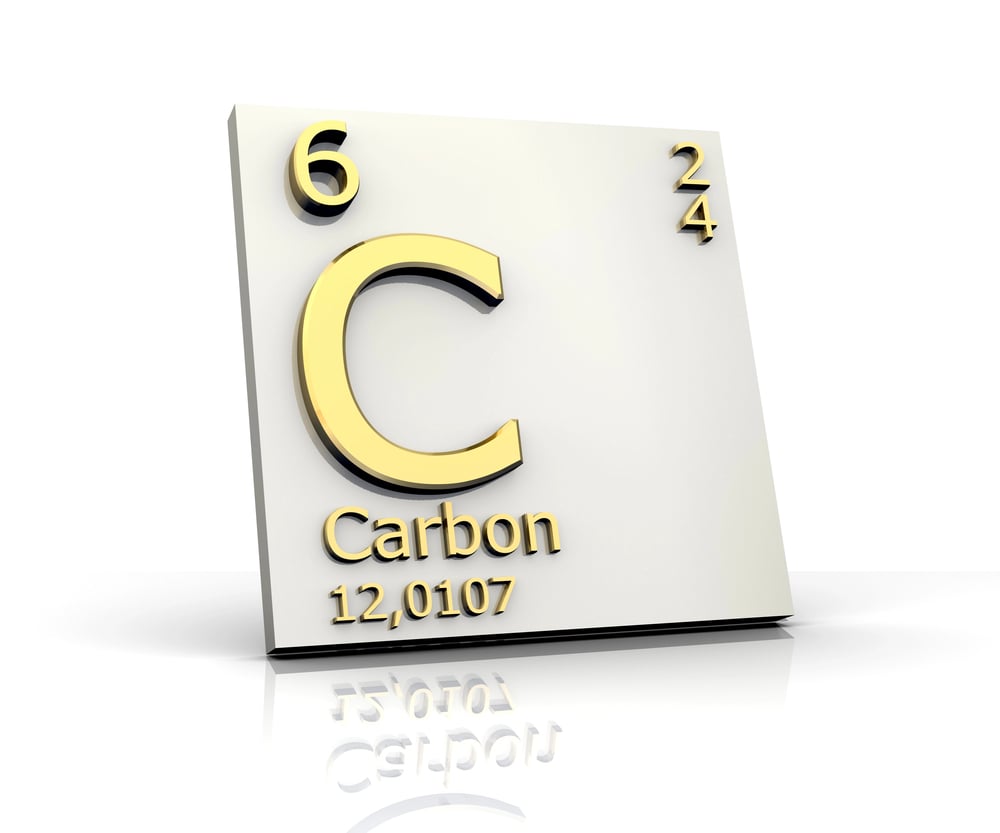
Carbon plays favorites, and the favorite happens to be itself (which makes sense when you consider that carbon-carbon bonds are among the strongest in chemistry, allowing this element to form chains, rings, and three-dimensional structures that would make a master architect jealous — the kind of complexity that, as it happens, makes organic life possible in the first place). But here’s what’s genuinely remarkable: carbon doesn’t just form the backbone of every living thing on Earth — it also creates diamonds when squeezed hard enough and graphite when arranged differently. Same element, completely different personality.
So you get pencil lead and the hardest natural substance on the planet from identical atoms. And yet that’s not even carbon’s most impressive trick, because this element also forms fullerenes (those soccer orb-shaped molecules), carbon nanotubes stronger than steel, and graphene that’s one atom thick but can support an elephant. Fair enough — maybe having four hands to hold onto other atoms gives you some advantages the rest of the periodic table doesn’t get.
Oxygen

Oxygen corrects you every time you take it for granted. Every breath, every fire, every rusty nail teaches the same lesson: this element doesn’t negotiate.
Twenty-one percent of the atmosphere, but that’s not where oxygen shows its range. It bonds with hydrogen to make water, with carbon to make carbon dioxide, with iron to make rust. Without oxygen, there’s no combustion, no respiration, no ozone layer protecting Earth from radiation.
Breathe in. That’s oxygen keeping you conscious for the next few seconds. Breathe out. Do it again.
Silicon

Silicon has quietly become the foundation of the modern world, though it took humanity a while to notice. This element makes up more than a quarter of Earth’s crust — it’s literally the ground beneath your feet, disguised as sand, quartz, and countless minerals. But silicon’s real genius lies in its ability to conduct electricity only when you want it to.
Pure silicon barely conducts at all. Add tiny amounts of other elements, though, and it becomes a semiconductor — the material that makes computer chips, solar panels, and every electronic device possible. Your smartphone contains billions of silicon transistors, each one smaller than a virus, switching on and off millions of times per second. Silicon turned sand into the information age.
Iron

Iron built civilization. No debate, no exceptions.
Tools, weapons, buildings, machines — everything that lifted humanity out of the Stone Age came from learning to heat rocks until iron separated out. Even now, steel production measures a country’s industrial strength. The Eiffel Tower, skyscrapers, cars, ships — all variations on the same theme.
Your blood contains iron too. Four iron atoms sit at the center of each hemoglobin molecule, grabbing oxygen in your lungs and releasing it where needed. Without iron, oxygen would dissolve in your bloodstream and accomplish nothing.
Gold
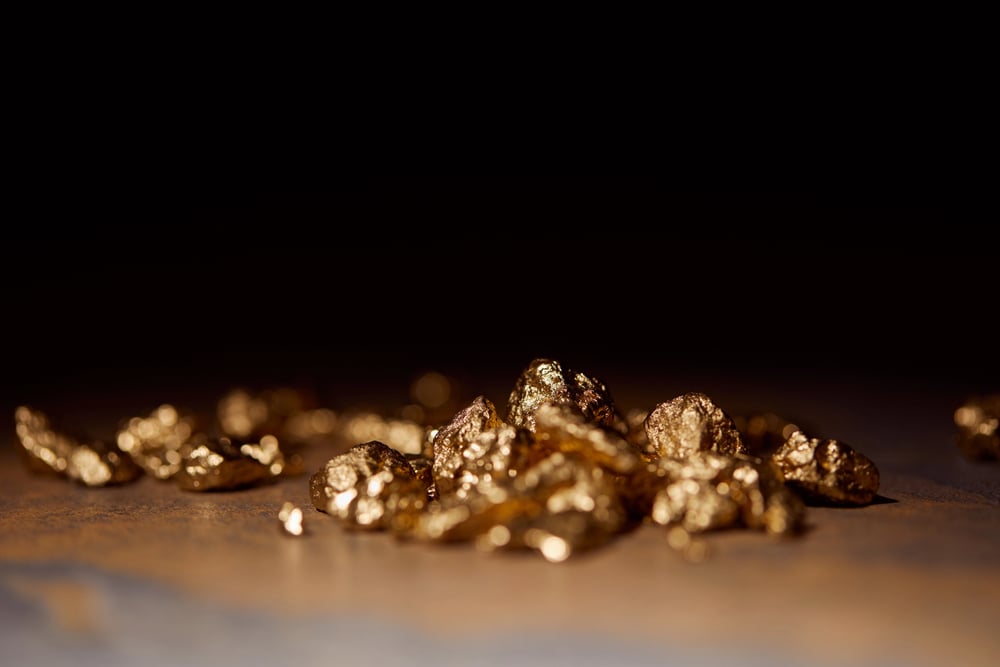
Gold refuses to rust, tarnish, or decay, which explains why ancient civilizations decided this metal represented permanence and divine authority. But gold’s real value isn’t its appearance — it’s the fact that this element conducts electricity better than almost anything else while never corroding.
Every computer, smartphone, and satellite relies on gold connections for the signals that matter most. Gold doesn’t just look precious; it performs when other metals would fail. Space missions use gold foil as radiation shielding because this element reflects heat and light while remaining chemically inert in the vacuum of space. Gold has been currency, art, and critical technology for thousands of years, and it’s not stopping now.
Copper
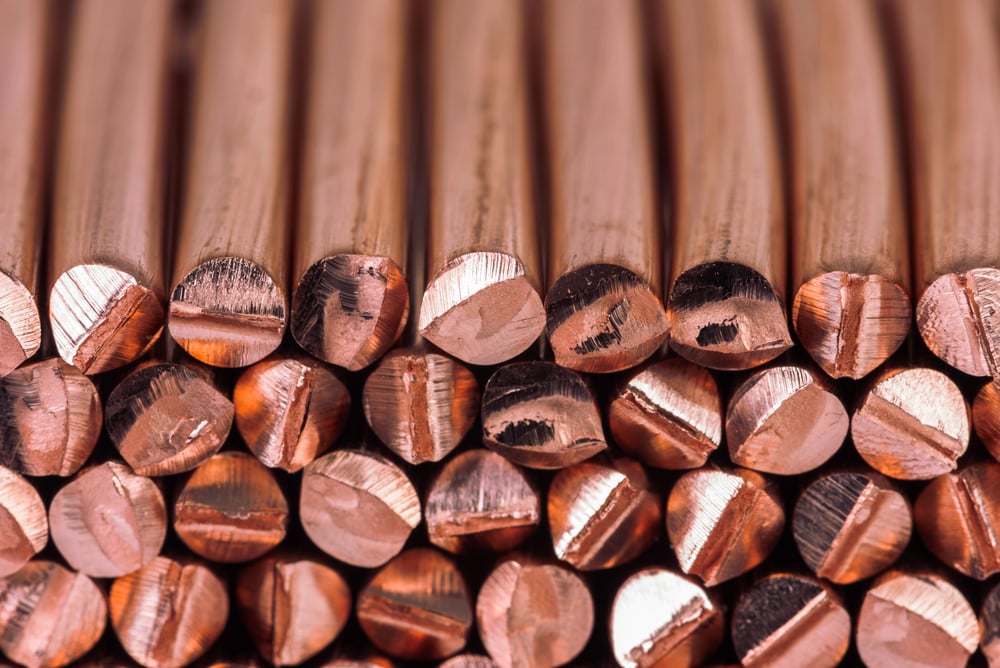
Copper was humanity’s first metal, discovered around 9000 BCE when someone noticed green rocks that melted into something useful. This element conducts heat and electricity so well that modern civilization runs on copper wiring — literally every building, every power grid, every motor depends on copper’s willingness to move electrons exactly where they need to go.
But copper also kills bacteria on contact, which ancient peoples couldn’t have known but used anyway. Copper vessels kept water cleaner, copper coins stayed more sanitary, and copper doorknobs in hospitals still reduce infection rates today. This element multitasks: it powers the electrical grid and fights germs without any help from you.
Helium

Helium plays by different rules entirely. This element refuses to form compounds under normal conditions — it won’t bond with anything, won’t react, won’t even stick around if given the chance to escape. And yet helium has become essential for everything from medical imaging to scientific research.
Liquid helium reaches temperatures close to absolute zero, making it the only coolant capable of operating superconducting magnets in MRI machines. Party balloons are helium’s least important job. Its real work happens in laboratories, space telescopes, and quantum physics experiments where nothing else can provide the extreme cold required. Helium is the ultimate loner that everyone needs.
Uranium

Uranium sits at the far end of the periodic table like the element that chemistry forgot to finish. Ninety-two protons, radioactive, unstable — uranium breaks apart whether you want it to or not.
That instability releases enormous amounts of energy. Nuclear power plants generate electricity by carefully controlling uranium’s decay. Nuclear weapons release that same energy all at once. Medical isotopes created from uranium help diagnose and treat cancer.
Uranium proves that even elements breaking down can power entire cities. Sometimes falling apart is the most useful thing you can do.
Lithium
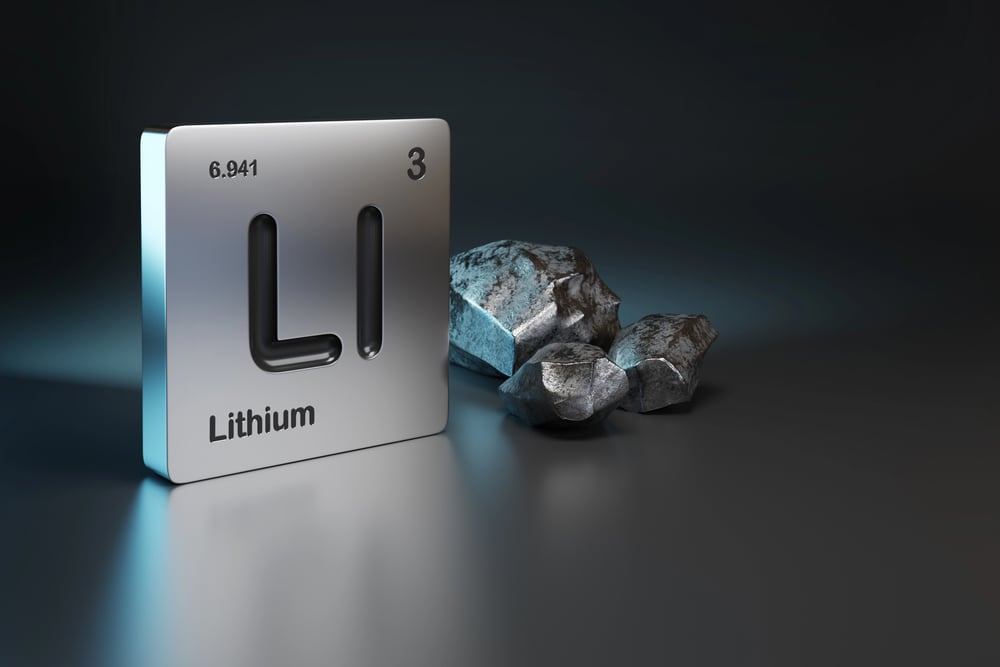
Lithium weighs almost nothing — it’s the lightest metal on the periodic table — but this element has quietly taken over modern life through its willingness to store and release electrical energy on command. Lithium-ion batteries power smartphones, laptops, electric cars, and grid-scale energy storage systems that balance power from solar and wind sources.
But lithium’s uses extend beyond technology. This element stabilizes mood disorders in ways scientists still don’t completely understand, treating bipolar disorder and severe depression when other medications fail. One element, two completely different applications: storing electricity and balancing brain chemistry. Lithium connects the digital revolution to mental health treatment in a way nobody saw coming.
Chlorine

Chlorine wants to react with everything, which makes it simultaneously dangerous and indispensable. This element kills bacteria, viruses, and fungi so effectively that adding tiny amounts to drinking water has prevented more deaths than any other public health measure in history.
Swimming pools, water treatment plants, and household bleach all rely on chlorine’s aggressive chemistry to destroy harmful microorganisms. But the same reactivity that makes chlorine useful as a disinfectant also makes it toxic in higher concentrations — chlorine gas was used as a chemical weapon in World War I. The difference between medicine and poison often comes down to dosage, and chlorine illustrates this principle more clearly than most elements.
Phosphorus

Phosphorus burns in air, glows in the dark, and forms the backbone of DNA, RNA, and ATP — the molecule that stores energy in every living cell. Without phosphorus, there would be no genetic code, no way to store biological energy, no life as we know it.
This element also makes matches ignite, fertilizers grow crops, and detergents clean clothes. But phosphorus is finite and irreplaceable — there’s no substitute for its role in biology, no way to synthesize it from other elements. All phosphorus on Earth came from dying stars billions of years ago, and when it’s gone, it’s gone. Phosphorus connects the cosmic history of elements to the future of agriculture and life itself.
Aluminum
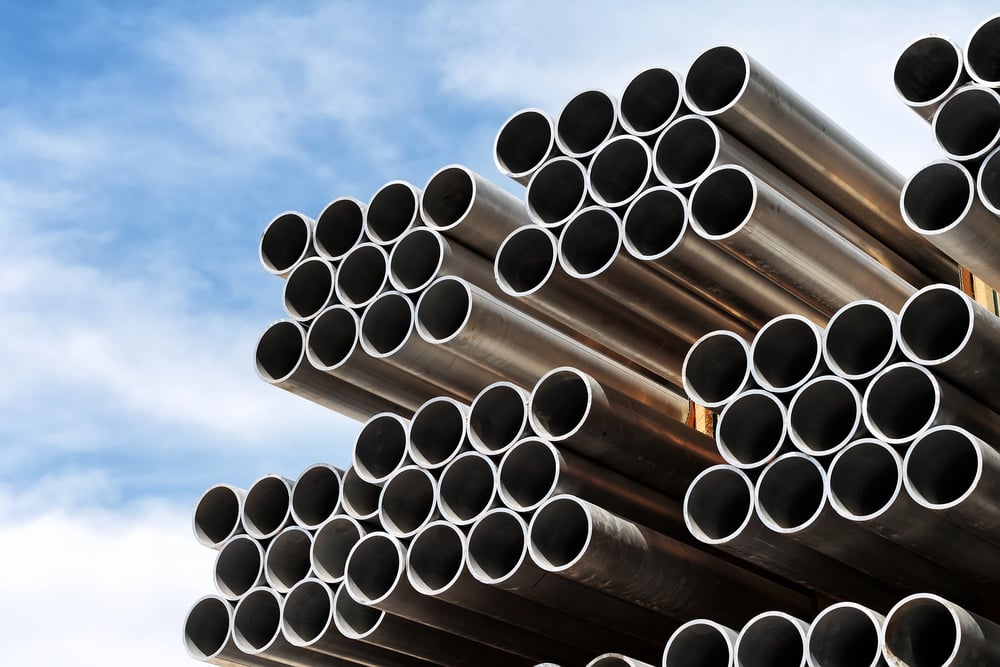
Aluminum was once more valuable than gold because extracting this element from its ores required more energy than any civilization could reasonably produce. The Washington Monument is capped with aluminum not as an afterthought, but because in 1884 this metal represented the pinnacle of technological achievement.
Then electricity became cheap and abundant, making aluminum extraction economically viable. Now aluminum is everywhere — cans, airplanes, building materials, computer heat sinks. This element combines strength with lightness in ways that make modern transportation possible. Aluminum taught humanity that an element’s value depends entirely on your ability to isolate and use it.
Nitrogen

Nitrogen makes up 78% of the atmosphere but refuses to react with much of anything under normal conditions — this element forms triple bonds with itself that are extraordinarily difficult to break. But nitrogen is also essential for proteins, DNA, and every amino acid, creating a paradox: life requires nitrogen, but nitrogen doesn’t want to participate in life.
The solution came from Fritz Haber, who figured out how to force atmospheric nitrogen into ammonia using high pressure and temperature. The Haber process now produces fertilizer that feeds nearly half the world’s population. Nitrogen went from being chemically stubborn to supporting billions of people through industrial agriculture. Sometimes the most reluctant elements prove the most essential.
Calcium
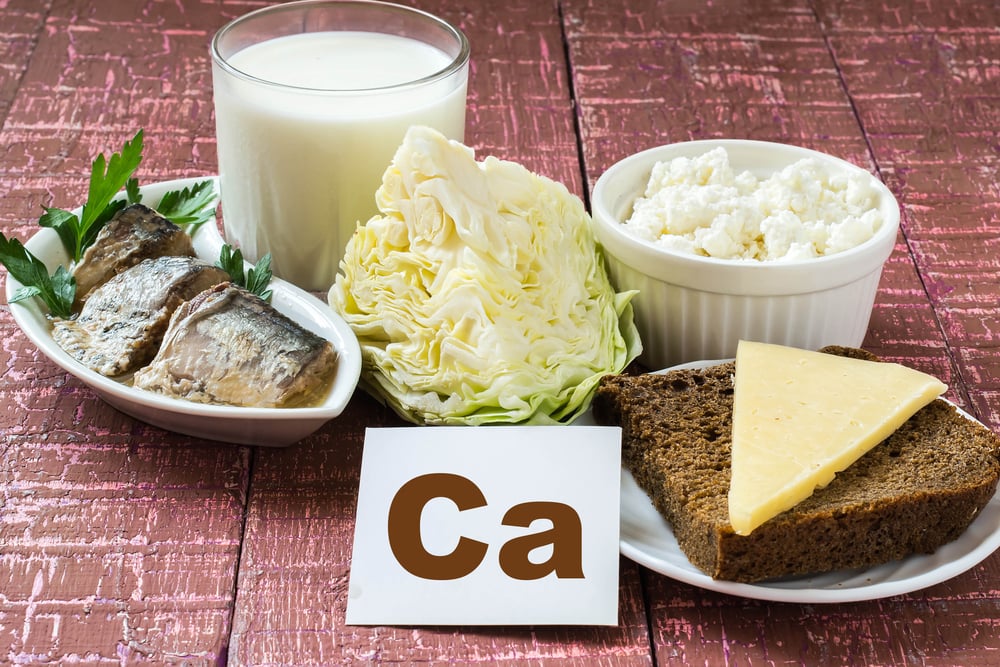
Calcium builds skeletons, triggers muscle contractions, and helps blood clot when you’re injured, but this element’s influence extends far beyond biology. Limestone, marble, and chalk are all forms of calcium carbonate — the same compound that makes up seashells and coral reefs.
Cement contains calcium, which means every concrete building, bridge, and sidewalk depends on this element’s ability to harden when mixed with water. Calcium connects the construction industry to biological processes in ways that become obvious once you notice them: bones, shells, and skyscrapers all rely on calcium’s tendency to form strong, lasting structures. Your skeleton and the building around you have more in common than you might expect.
A Universe Made of Possibilities
Elements don’t care about human plans or preferences — they follow the laws of physics and chemistry without exceptions or compromises. But within those constraints, they’ve created an almost infinite variety of forms, functions, and behaviors that make complexity possible.
Some elements power stars, others build bones. A few conduct electricity, many others insist on staying inert. The most abundant elements often hide in plain sight while the rarest ones demand attention through beauty or utility. Together, they’ve assembled everything from water molecules to galaxies, from DNA to computer processors, from the air you breathe to the thoughts processing these words right now.
More from Go2Tutors!

- The Romanov Crown Jewels and Their Tragic Fate
- 13 Historical Mysteries That Science Still Can’t Solve
- Famous Hoaxes That Fooled the World for Years
- 15 Child Stars with Tragic Adult Lives
- 16 Famous Jewelry Pieces in History
Like Go2Tutors’s content? Follow us on MSN.