15 Natural Disasters That Accidentally Created Beautiful Landscapes
Nature has a funny way of working. Sometimes the most catastrophic events leave behind something unexpectedly gorgeous. While natural disasters bring destruction and devastation, they occasionally sculpt landscapes that become world-renowned tourist destinations. These geological accidents have created some of Earth’s most breathtaking scenery – from crystal-clear lakes formed by volcanic explosions to dramatic canyons carved by massive floods.
It’s pretty wild how destruction can lead to creation, turning disaster zones into places people travel thousands of miles to see. Here is a list of 15 natural disasters that accidentally created beautiful landscapes.
Crater Lake, Oregon
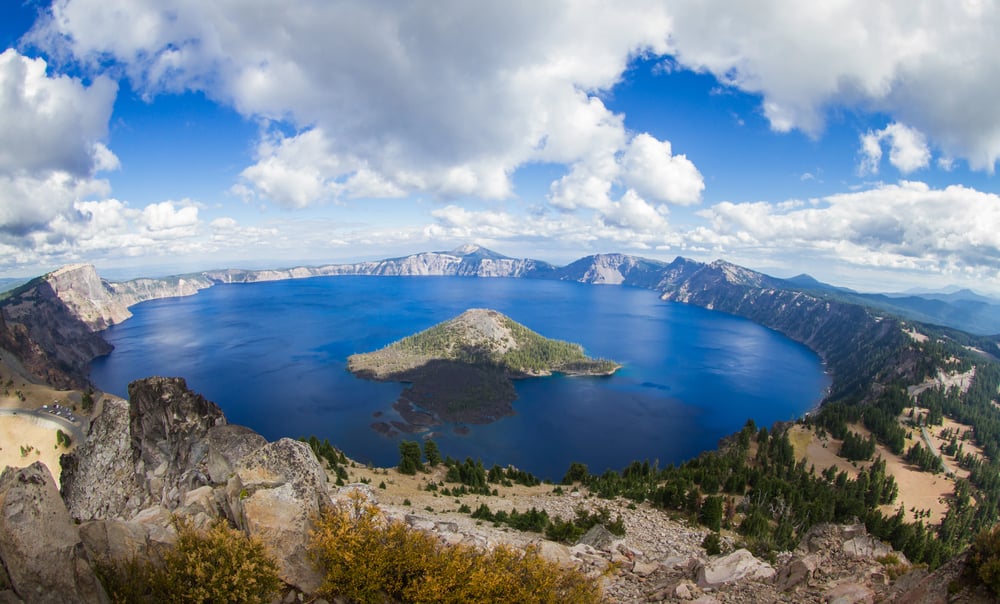
Mount Mazama’s catastrophic eruption about 7,700 years ago basically blew the top off the mountain, leaving behind a massive crater. Over time, snowmelt and rainfall filled this caldera – creating what’s now Crater Lake. The result? One of the deepest and clearest lakes in the world, with water so blue it almost looks fake. The lake sits nearly 2,000 feet deep, surrounded by dramatic cliffs that make the whole scene look like something from a fantasy movie.
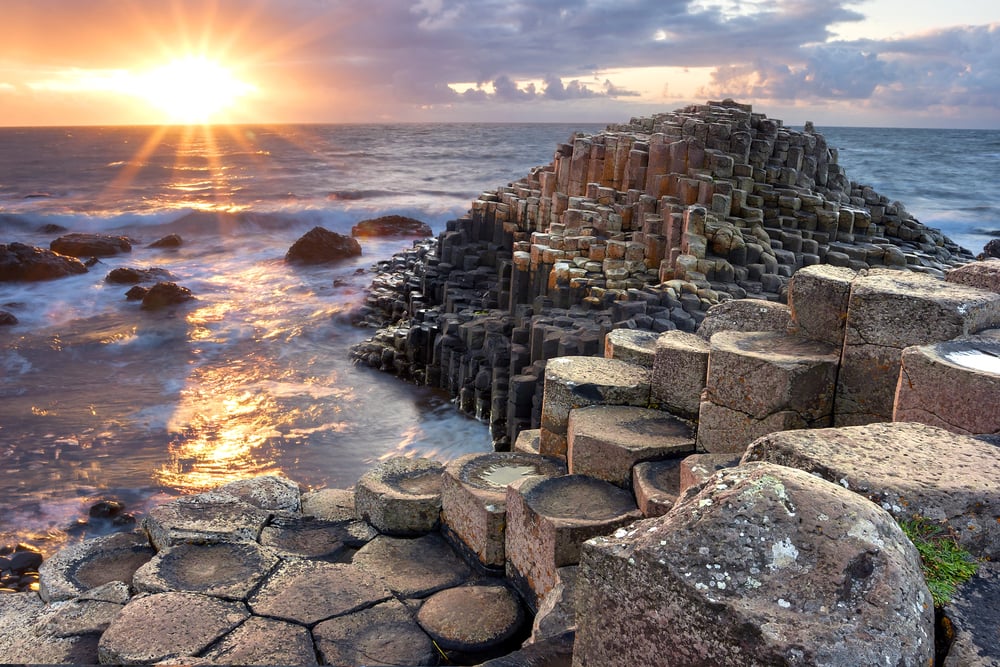
Giant’s Causeway, Ireland
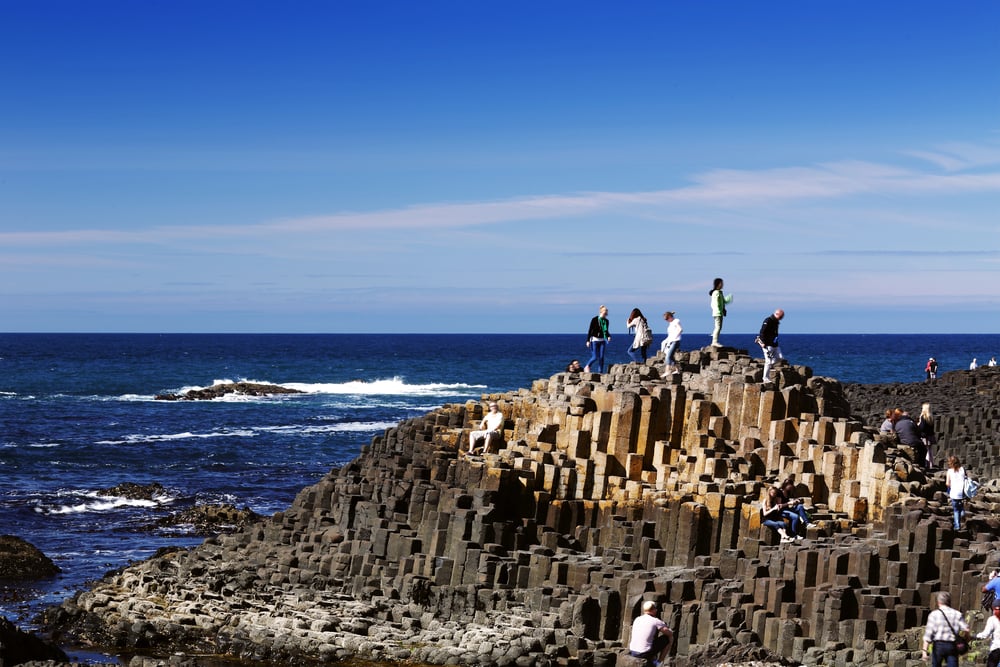
Intense volcanic activity around 60 million years ago created this bizarre geological wonder on Ireland’s coast. As the lava cooled rapidly, it formed roughly 40,000 interlocking basalt columns – most of them perfectly hexagonal. The precise geometric shapes look so intentional that local legends claim giants built this causeway to walk across the sea to Scotland. Scientists know better, but the mathematical precision of these natural formations still baffles visitors today.
Antelope Canyon, Arizona

Flash floods carved this stunning slot canyon over millions of years, creating one of the most photographed natural formations in the world. The narrow passageways and smooth, flowing walls were sculpted by water rushing through sandstone – polishing the rock into these incredible wave-like patterns. When sunlight filters down through the narrow openings above, it creates an almost supernatural light show that photographers can’t resist.
Devils Tower, Wyoming

This massive rock formation stands nearly 900 feet tall, jutting dramatically from the surrounding plains like some ancient monument. Volcanic activity created this geological oddity millions of years ago – though scientists still debate exactly how it formed. The tower’s distinctive vertical columns and imposing presence made it America’s first national monument. Rock climbers from around the world come here to tackle its challenging faces.
Yellowstone’s Grand Prismatic Spring
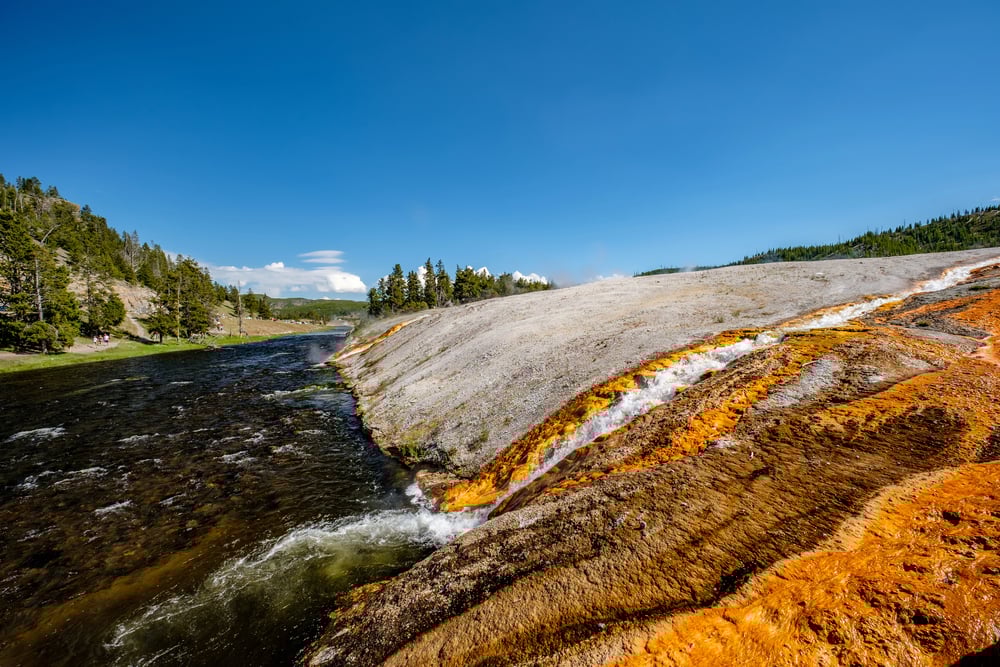
Massive volcanic eruptions created the Yellowstone caldera, but it’s the ongoing geothermal activity that produces this rainbow-colored hot spring. The spring’s vivid rings of color come from heat-loving bacteria that thrive at different temperatures – creating bands of orange, yellow, green, and blue radiating outward from the center. At nearly 400 feet across, it’s the largest hot spring in the United States and looks like something from another planet.
Torres del Paine, Chile
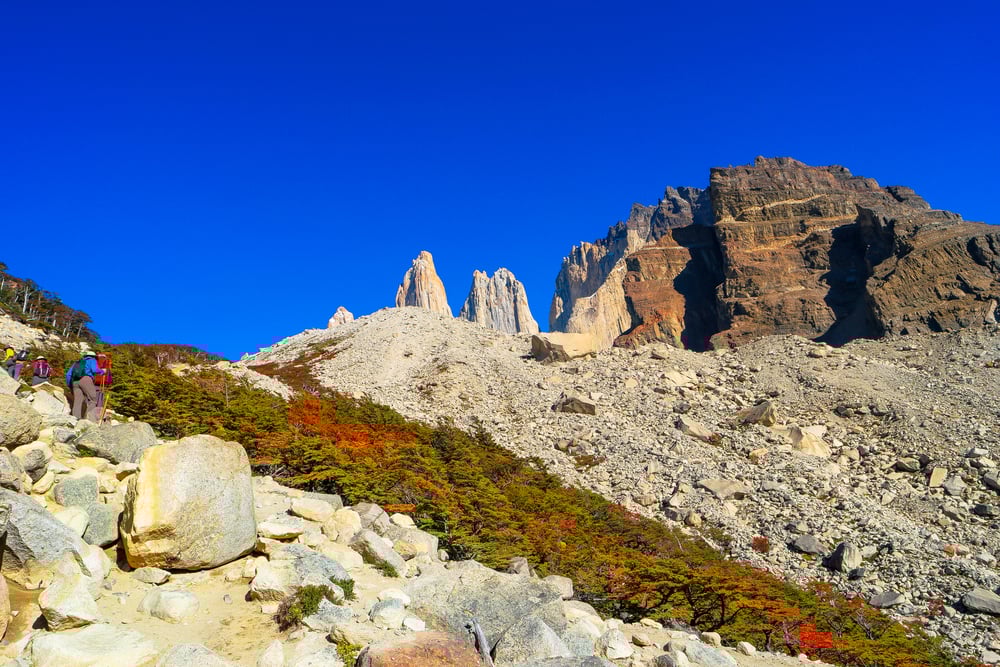
Glacial activity and tectonic forces combined to create these iconic granite towers that rise dramatically from the Patagonian landscape. Ice age glaciers carved away softer rock – leaving behind these spectacular spires that can reach over 9,000 feet high. The towers change color throughout the day as sunlight hits the granite at different angles, creating one of South America’s most recognizable landmarks.
The Matterhorn, Switzerland
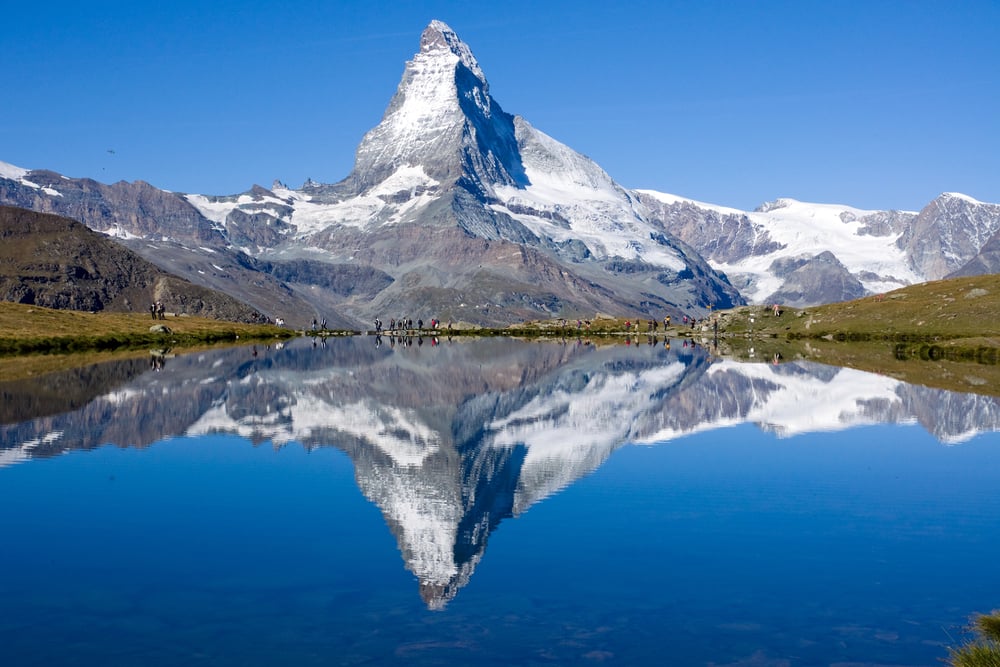
Glacial erosion sculpted this pyramid-shaped peak into one of the world’s most famous mountains. Ice age glaciers attacked the mountain from multiple sides – carving away rock until they created this distinctive pointed summit. The Matterhorn’s perfect triangular profile has made it an icon of the Alps, though its beauty comes at a cost since it remains one of the deadliest peaks for climbers.
Meteor Crater, Arizona
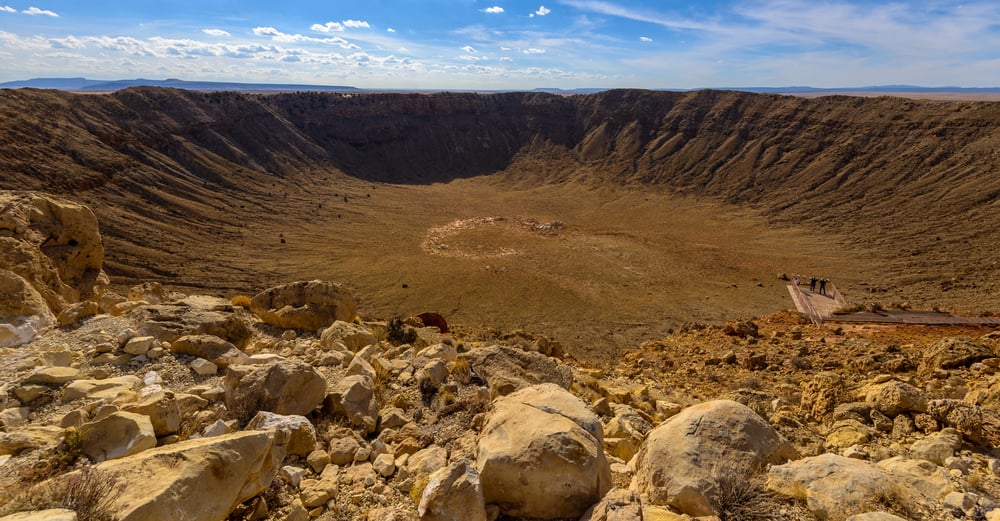
A massive asteroid impact about 50,000 years ago created this perfectly preserved crater in the Arizona desert. The meteorite was probably only about 150 feet across, but it packed the punch of 150 atomic bombs – blasting out a crater nearly a mile wide and 560 feet deep. Unlike most impact craters on Earth, this one survived erosion remarkably well, giving us a clear picture of what happens when space rocks meet our planet.
Mount Fuji, Japan
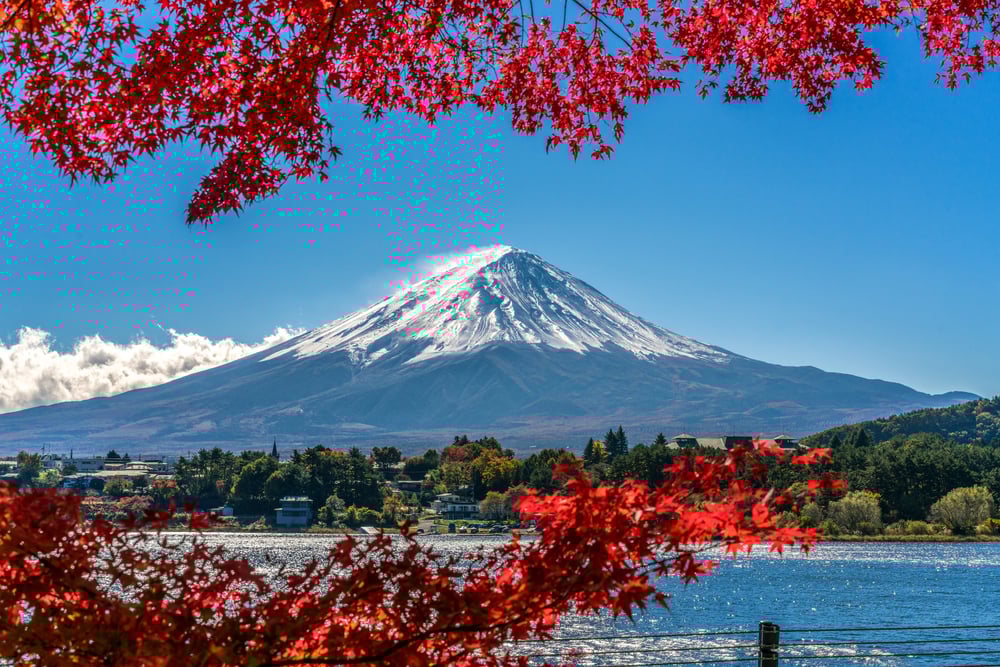
This nearly perfect volcanic cone formed through thousands of years of eruptions that built up layers of lava and ash. The mountain’s symmetrical shape and solitary presence have made it Japan’s most recognizable symbol – inspiring countless artists and poets throughout history. Though it last erupted in 1707, Mount Fuji remains an active volcano that could theoretically blow its top again at any time.
Ha Long Bay, Vietnam

Tectonic activity and erosion over millions of years created this stunning seascape of limestone pillars rising from emerald waters. The bay contains nearly 2,000 towering karst formations – each one carved by water and weather into unique shapes. Local legends say dragons created these islands by spitting out pearls and jade, but geological processes tell a different story of how time and water can sculpt stone into art.
Plitvice Lakes, Croatia
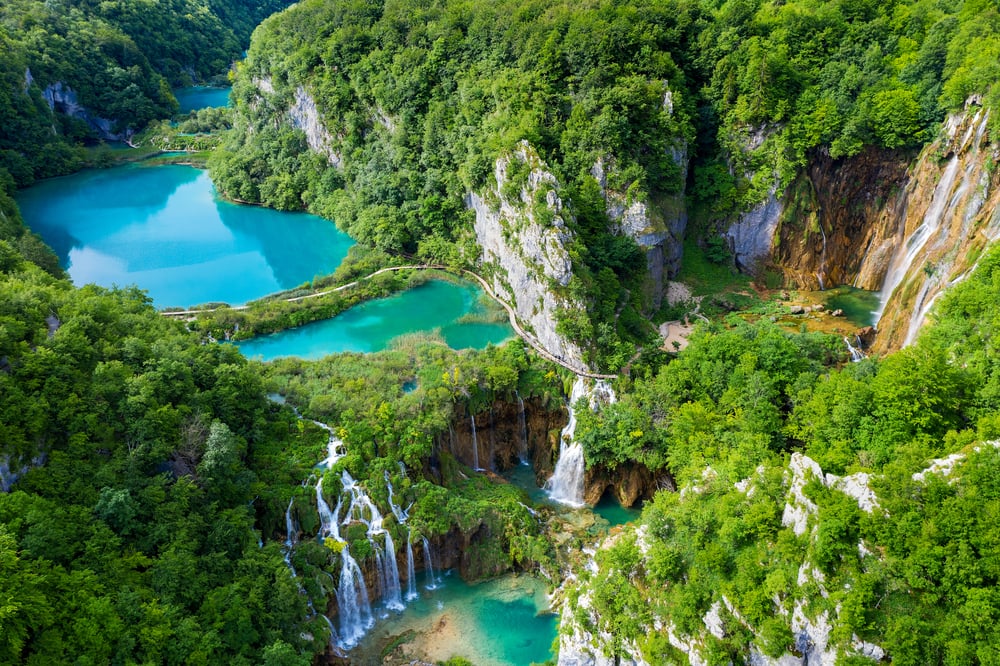
Travertine barriers formed by mineral-rich water created this stunning cascade of 16 terraced lakes connected by waterfalls. The process continues today as calcium carbonate deposits build new barriers while water constantly reshapes the landscape. The lakes’ vivid blue and green colors come from minerals and microorganisms in the water, creating a natural wonderland that changes with the seasons.
Bryce Canyon, Utah

Despite its name, Bryce isn’t actually a canyon but a series of natural amphitheaters carved by erosion. Frost, wind, and water sculpted the red sandstone into thousands of spire-like formations called hoodoos – creating what looks like a stone forest. The rock layers reveal millions of years of geological history, with different colors representing different time periods when this area was covered by ancient seas and deserts.
Socotra Island, Yemen
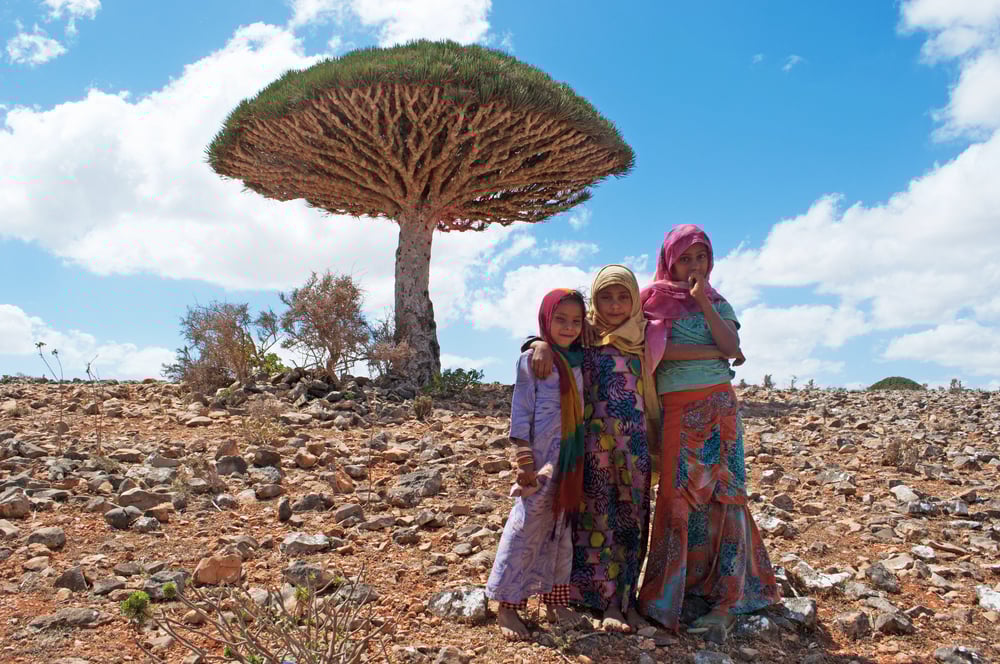
Geological isolation turned this island into a living laboratory of evolution, creating landscapes that look almost alien. When the island separated from the Arabian Peninsula millions of years ago, its plants and animals evolved in isolation – producing species found nowhere else on Earth. The result is a landscape filled with bizarre dragon trees and bottle trees that look like they belong on another planet.
Fingal’s Cave, Scotland
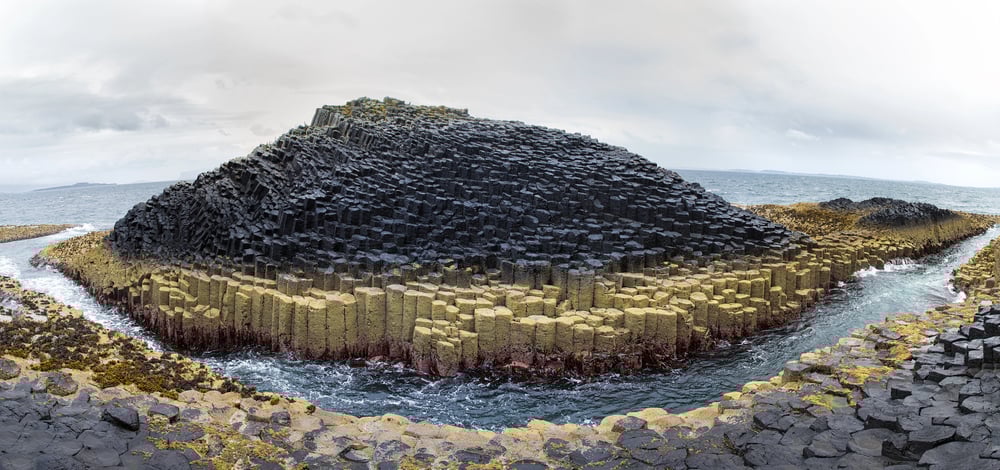
The same volcanic activity that created Giant’s Causeway also formed this incredible sea cave on the Scottish island of Staffa. Basalt columns create the cave’s cathedral-like interior, while the entrance frames dramatic views of the surrounding sea. The cave’s natural acoustics are so impressive that they inspired Mendelssohn’s famous “Hebrides Overture” after he visited in 1829.
Valley of the Moon, Chile
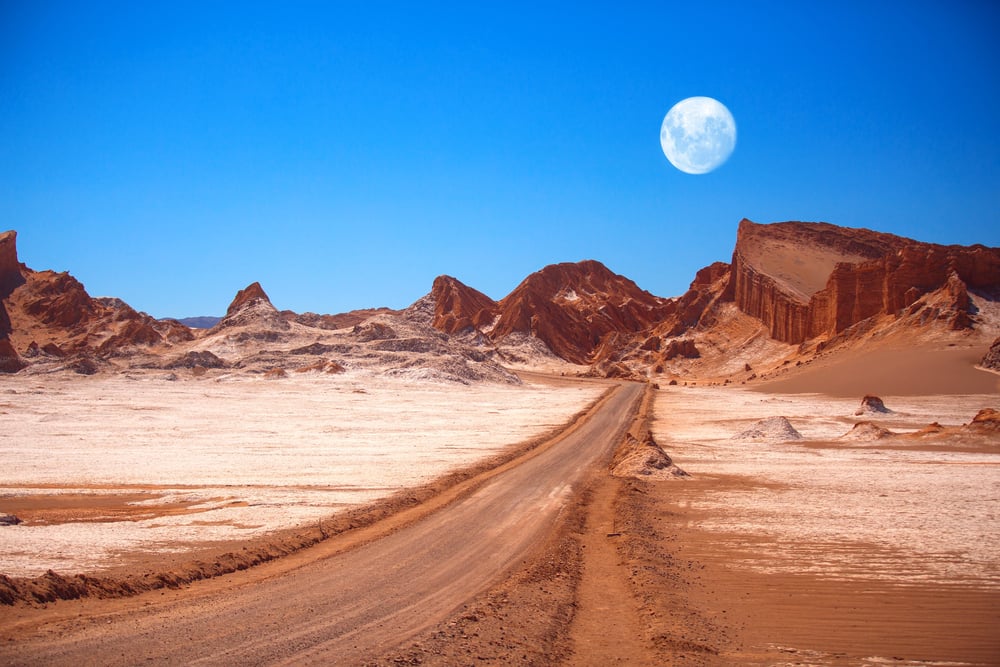
Extreme aridity and geological processes created this otherworldly landscape in Chile’s Atacama Desert. Salt deposits, wind erosion, and minimal rainfall sculpted the terrain into formations that really do look lunar – complete with salt flats, sand dunes, and rocky spires. The area receives so little precipitation that some weather stations have never recorded rainfall, making it one of the driest places on Earth.
When Destruction Becomes Art
These remarkable landscapes prove that nature operates on timescales we can barely comprehend, turning catastrophic events into tourist destinations over millions of years. The disasters that created these places would have been terrifying to witness, yet their aftermath has given us some of the planet’s most stunning scenery. Modern technology lets us appreciate these formations safely while understanding the incredible forces that shaped them. Whether formed by volcanic eruptions, asteroid impacts, or glacial carving, these accidental masterpieces remind us that beauty often emerges from chaos given enough time.
More from Go2Tutors!

- The Romanov Crown Jewels and Their Tragic Fate
- 13 Historical Mysteries That Science Still Can’t Solve
- Famous Hoaxes That Fooled the World for Years
- 15 Child Stars with Tragic Adult Lives
- 16 Famous Jewelry Pieces in History
Like Go2Tutors’s content? Follow us on MSN.



