15 Natural Phenomena You Can Only Witness in Certain Places
There’s something humbling about discovering that Earth still keeps secrets. Despite satellites mapping every corner and documentaries bringing distant places into living rooms, some of nature’s most extraordinary displays remain stubbornly tied to specific coordinates.
These phenomena don’t travel. They wait. Some require precise atmospheric conditions that exist nowhere else.
Others depend on unique geological formations millions of years in the making. A few happen so rarely that even locals might live entire lifetimes without witnessing them.
Yet they persist, indifferent to whether anyone shows up to watch.
Aurora Borealis In Northern Scandinavia
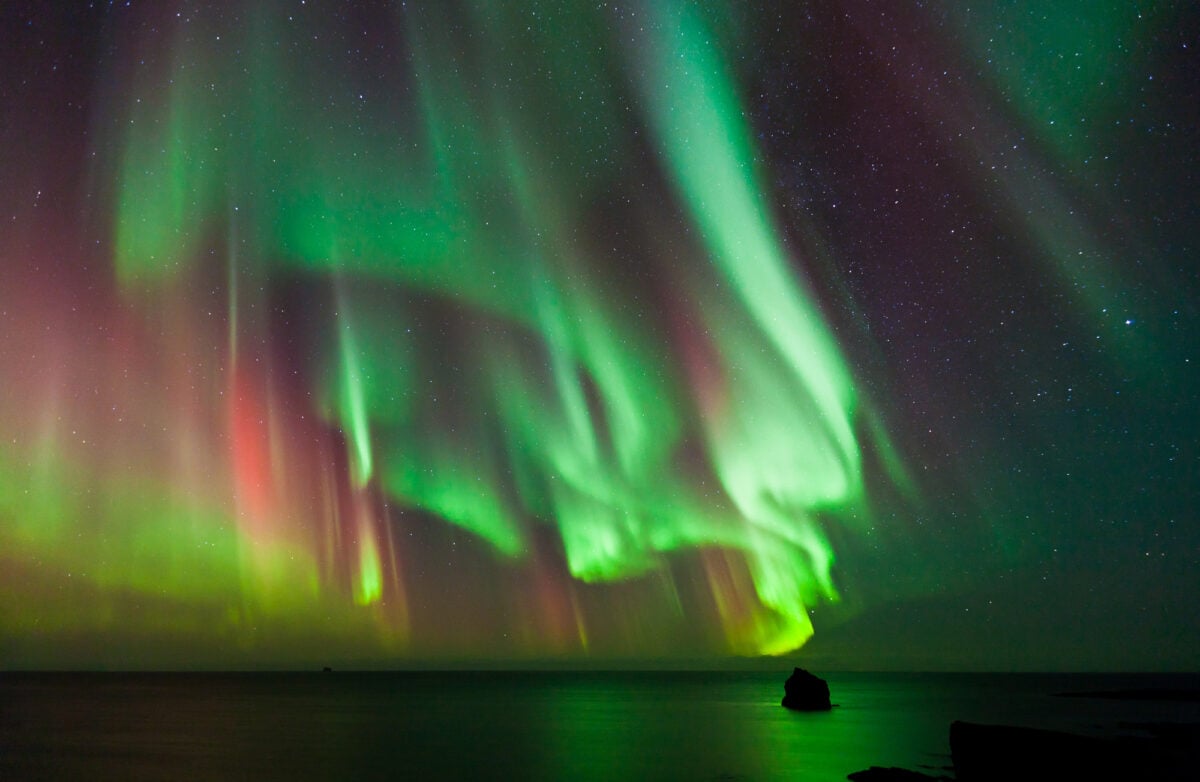
The northern lights don’t perform on demand. They require solar storms, clear skies, and darkness that only arrives in the Arctic winter.
Tromsø, Norway sits in the auroral oval where charged particles from the sun collide with Earth’s magnetic field. The result appears as curtains of green, purple, and red light dancing across the sky.
Bioluminescent Waves In The Maldives
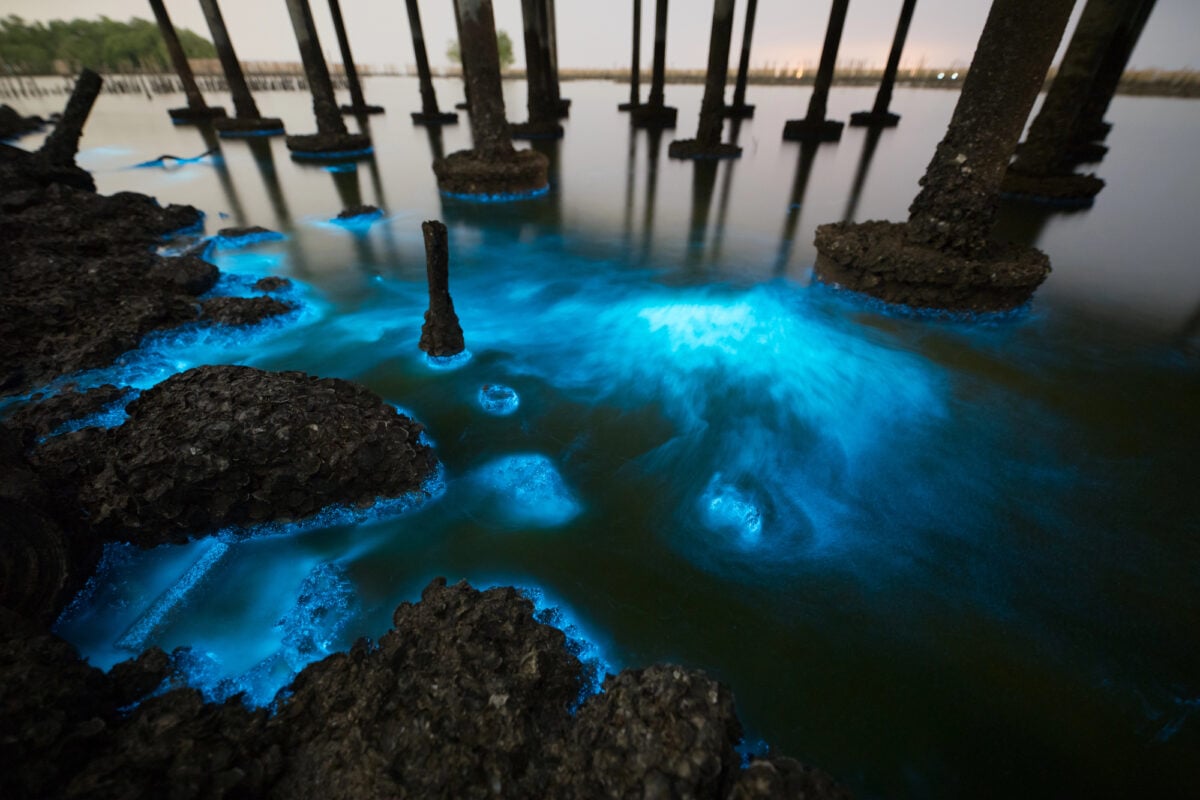
Microscopic plankton called dinoflagellates create blue fire in the water when disturbed. The phenomenon occurs in several locations worldwide, but Vaadhoo Island in the Maldives offers the most reliable displays.
Wave action triggers the bioluminescence, turning the shoreline into a galaxy of blue stars each night.
Morning Glory Clouds In Northern Australia

These roll clouds form only in the Gulf of Carpentaria, stretching up to 600 miles long and moving at speeds of 35 mph. Burketown, Queensland becomes a pilgrimage site for glider pilots each September and October when atmospheric conditions align perfectly.
The clouds appear like massive tubes rolling across an otherwise clear sky—and meteorologists still can’t fully explain why they form here and nowhere else consistently.
So here’s what happens: the peninsula’s unique geography creates a collision between sea breezes from the Gulf and land masses, but that’s just the beginning of a process that involves temperature inversions, humidity gradients, and wind shear patterns that somehow (and this is where it gets interesting) produce these solitary waves in the atmosphere that behave more like ocean swells than typical cloud formations. Most places have weather.
This place has architecture made of air.
Sailing Stones Of Death Valley
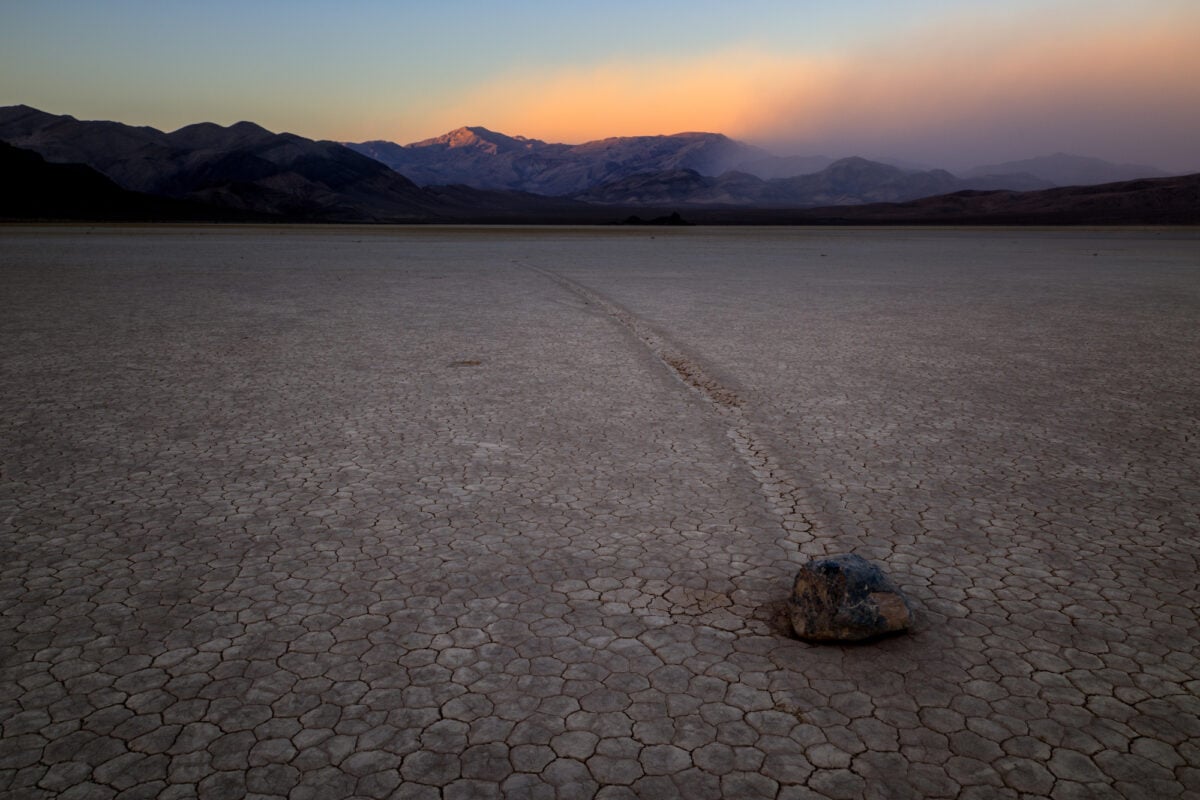
Death Valley’s Racetrack Playa contains rocks that move across the desert floor by themselves, leaving perfectly straight trails behind them. These boulders—some weighing hundreds of pounds—somehow slide across the flat lakebed when conditions align exactly right: ice sheets, morning sun, and light winds create a combination that occurs maybe once every few years.
The stones wait in silence between migrations, scattered across the playa like pieces from a game no one remembers the rules to. When they do move, it happens so quietly that researchers spent decades trying to catch them in the act.
The trails they leave behind tell stories of journeys measured in inches, etched into the desert floor with the patience of geological time.
Monarch Butterfly Migration In Central Mexico
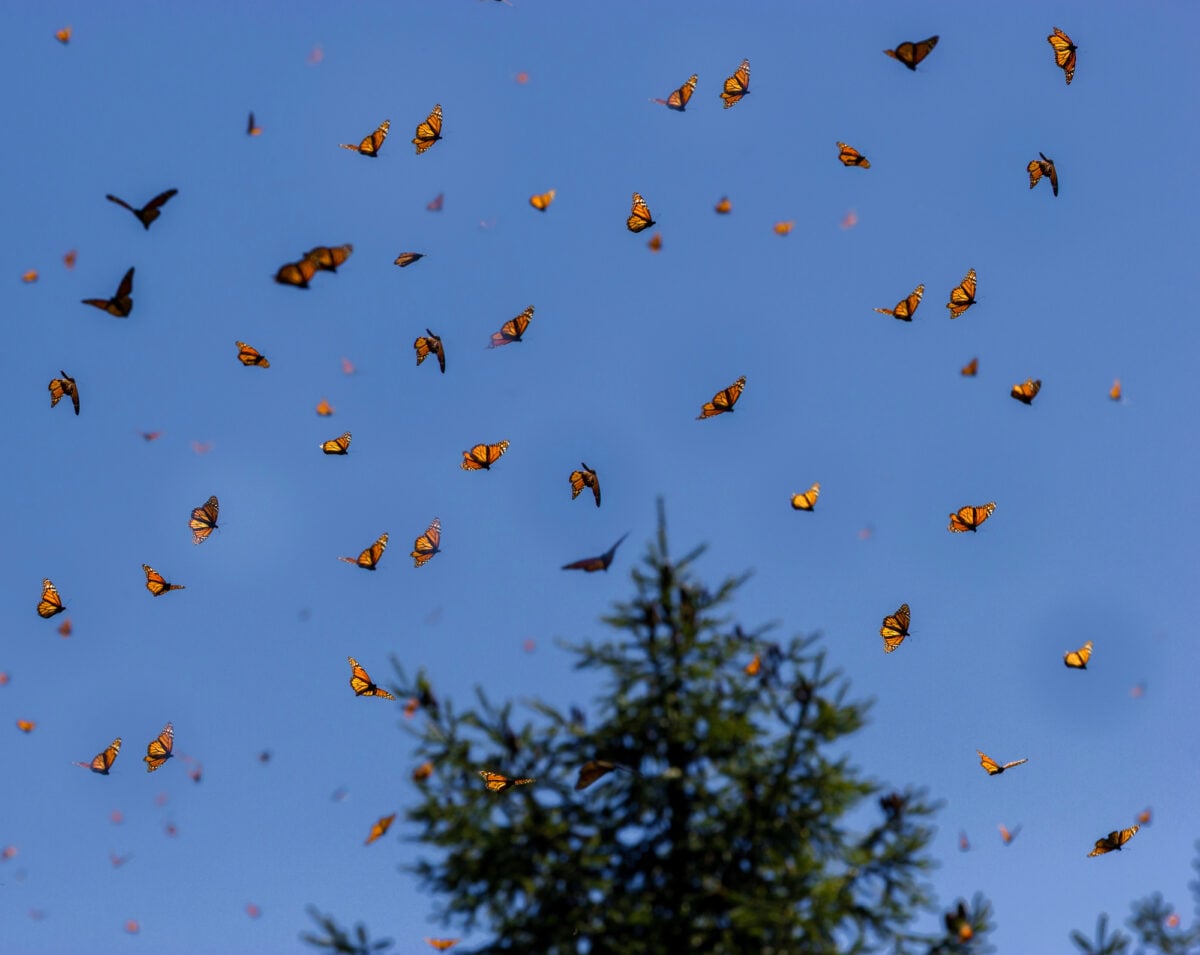
Millions of monarch butterflies travel up to 3,000 miles to overwinter in the oyamel fir forests of central Mexico. The phenomenon requires a specific altitude, temperature range, and tree species found only in a few locations in Michoacán and the State of Mexico.
The butterflies have never been to these forests before—they’re several generations removed from the ones who made the journey south—yet they find their way back to the exact same trees.
Catatumbo Lightning In Venezuela
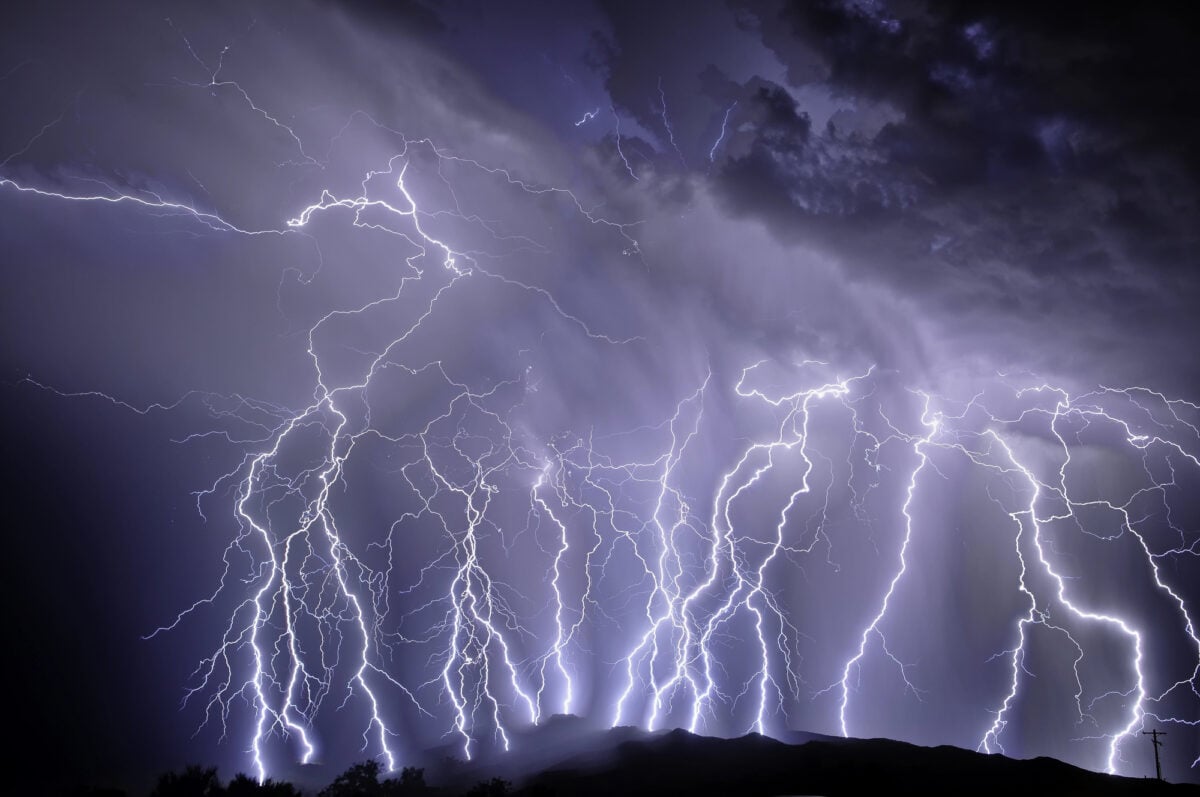
The Catatumbo River meets Lake Maracaibo in Venezuela, creating conditions for lightning storms that occur 300 nights per year. The phenomenon produces up to 28 lightning strikes per minute, visible from 250 miles away.
Local geography traps warm, moist air that rises and collides with cool mountain winds, creating an electrical storm factory that runs almost continuously. This isn’t weather having a bad day—it’s weather that’s found its rhythm and decided to stick with it.
The storms follow such a reliable schedule that sailors once used them for navigation, calling it the Maracaibo Beacon. Even the lightning here has a work ethic.
Blood Falls In Antarctica
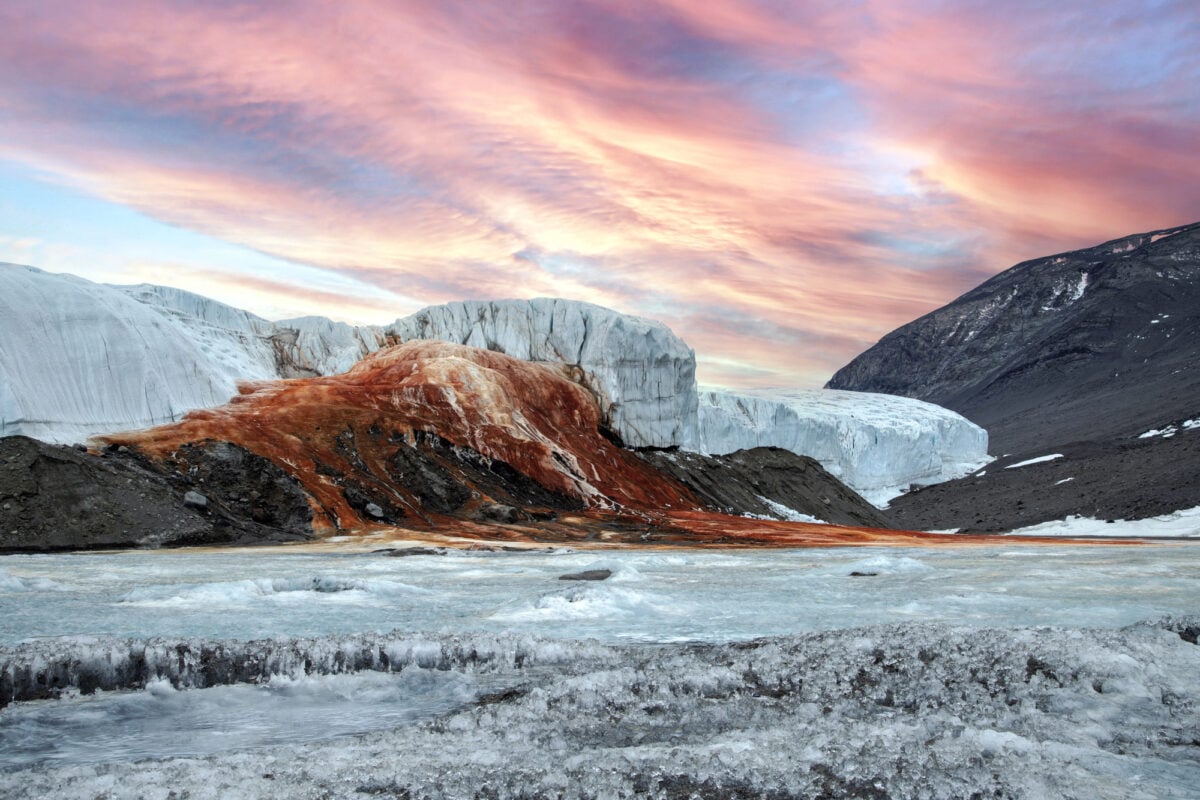
Antarctica’s McMurdo Dry Valleys contain a five-story waterfall that runs red, staining the white glacier like a wound. The color comes from iron-rich brine that’s been trapped under Taylor Glacier for over two million years.
When the water reaches the surface, the iron oxidizes instantly, creating the blood-red cascade. The water emerges from darkness so complete and ancient that it predates complex life on Earth.
It carries with it microbes that have evolved in isolation, feeding on sulfur and iron instead of sunlight—a ecosystem that exists entirely in the dark, beneath miles of ice, sustained by chemistry rather than photosynthesis. The waterfall becomes a portal between worlds: one where life depends on the sun, another where it doesn’t.
Hessdalen Lights In Norway
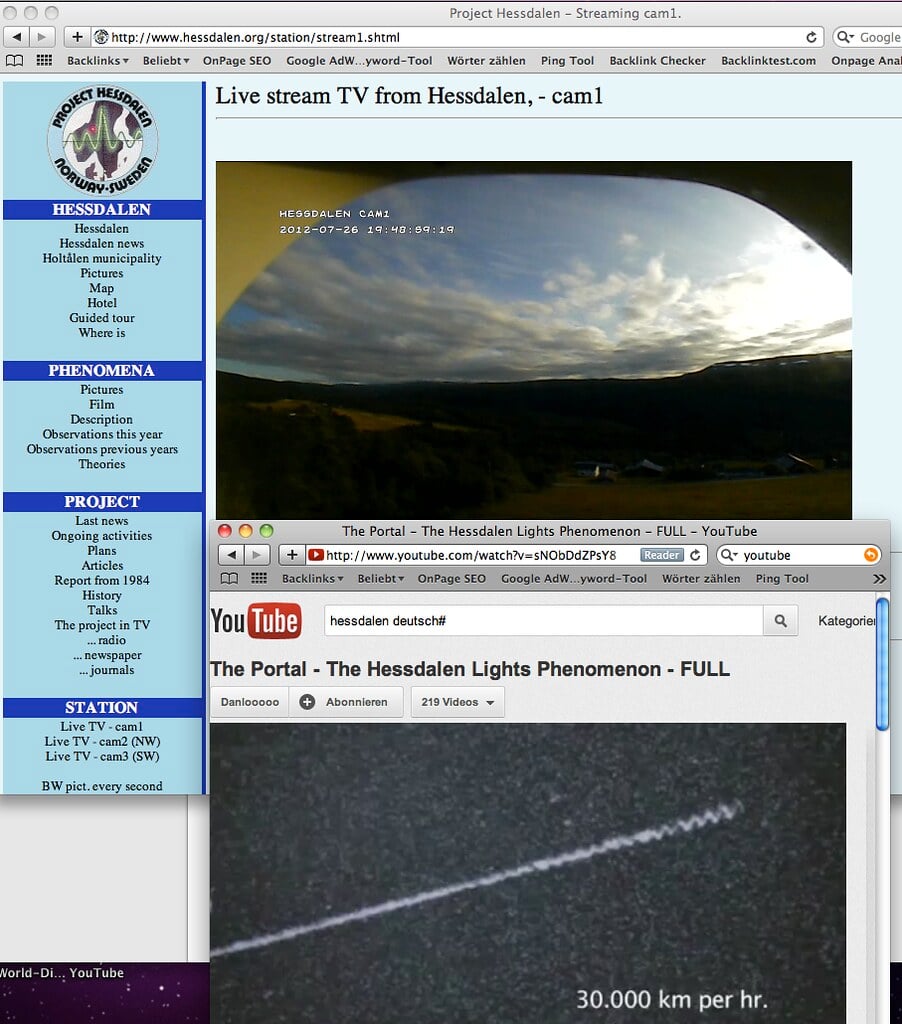
The Hessdalen Valley produces unexplained lights that appear several times per week, floating above the landscape for minutes or hours. These aren’t aurora—they occur too far south and behave differently, pulsing, changing colors, and moving in patterns that don’t match any known atmospheric phenomenon.
Scientists have been studying them since the 1980s without reaching a conclusion. The locals have stopped trying to explain them and moved on to the more practical matter of when they’ll appear next.
Some nights bring white orbs that hover motionless above the valley floor. Other nights produce dancing yellow lights that seem to respond to observers.
The lights have been photographed, filmed, and measured, but they remain stubbornly mysterious.
Socotra Island’s Dragon Blood Trees In Yemen
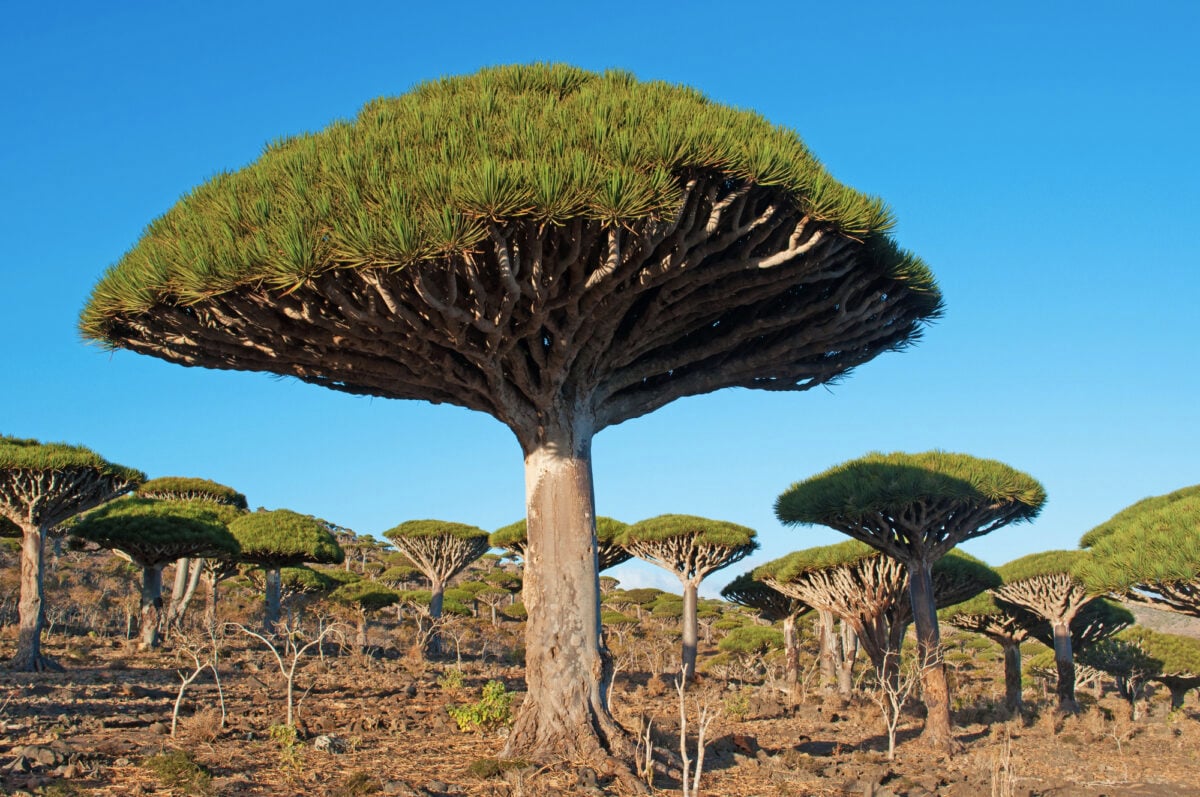
Socotra Island sits in the Arabian Sea, isolated enough that a third of its plant species exist nowhere else. The dragon blood trees look like giant umbrellas turned inside out, their branches reaching toward the ground instead of the sky.
These trees have evolved in isolation for millions of years, creating a landscape that belongs more on an alien planet than Earth. The trees wound red resin when cut, which local people have harvested for medicine and dye for centuries.
But it’s their shape that stops visitors cold—hundreds of these umbrella trees scattered across rocky plateaus, their canopies forming perfect domes that seem designed by committee rather than evolution. Walking among them feels like trespassing in a place humans weren’t meant to find.
Lenticular Clouds Over Mount Fuji
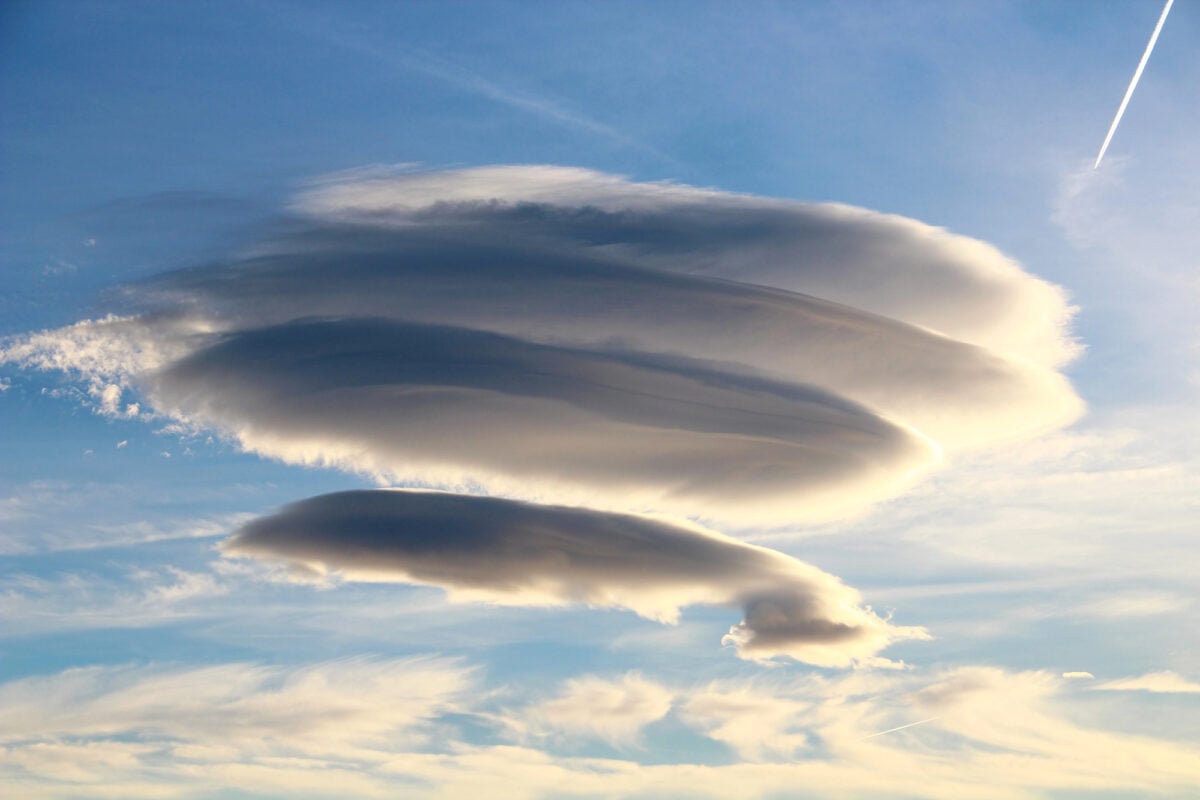
Mount Fuji creates its own weather, including lens-shaped clouds that form in the lee waves of strong winds. These lenticular clouds stack like plates above the mountain’s peak, remaining stationary while air flows through them.
The mountain’s perfect cone shape and height create the precise conditions needed for these formations. The clouds appear and disappear without moving, like thoughts made visible above the mountain’s head.
They form when moist air hits Fuji’s slopes and gets pushed upward, cooling and condensing into these smooth, otherworldly shapes that seem more sculpted than naturally formed.
Rainbow Mountains Of Zhangye Danxia In China
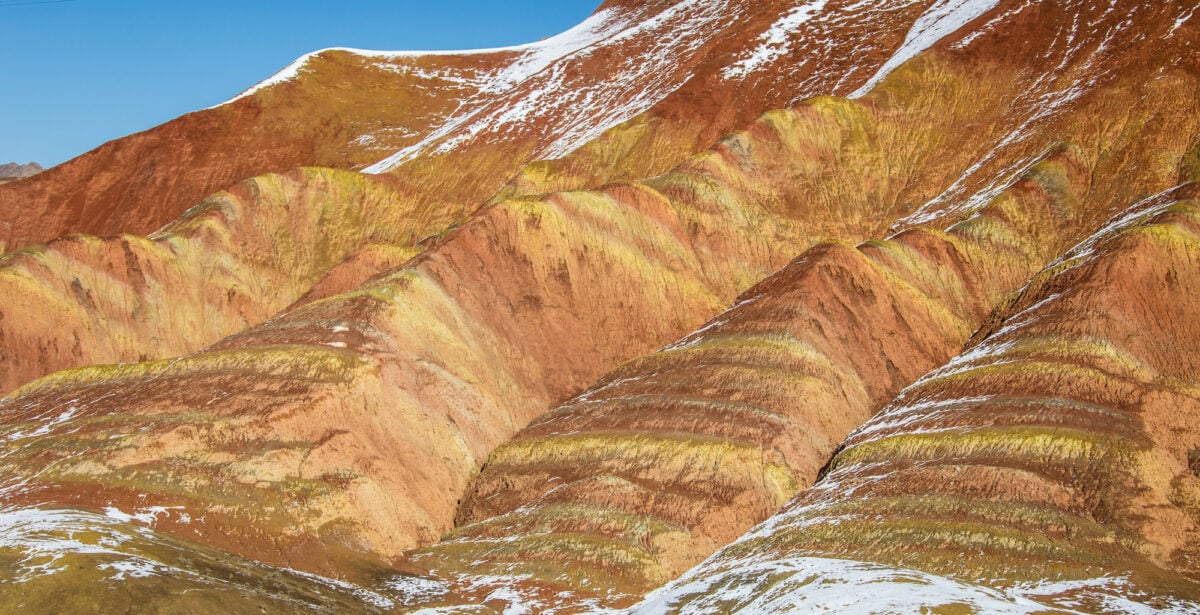
The Zhangye Danxia landform displays rock formations striped in vivid reds, yellows, oranges, and greens. These colors come from different mineral deposits laid down over 24 million years, then tilted and exposed by tectonic activity.
The result looks like someone spilled paint across an entire mountain range. Each stripe represents a different era, a different climate, a different story written in stone and mineral.
The mountains change color throughout the day as sunlight hits them from different angles, shifting from muted earth tones at dawn to blazing reds and oranges at sunset. Standing among them requires a complete recalibration of what mountains are supposed to look like—these belong in a dream, not a geography textbook.
Ice Caves Of Vatnajökull In Iceland
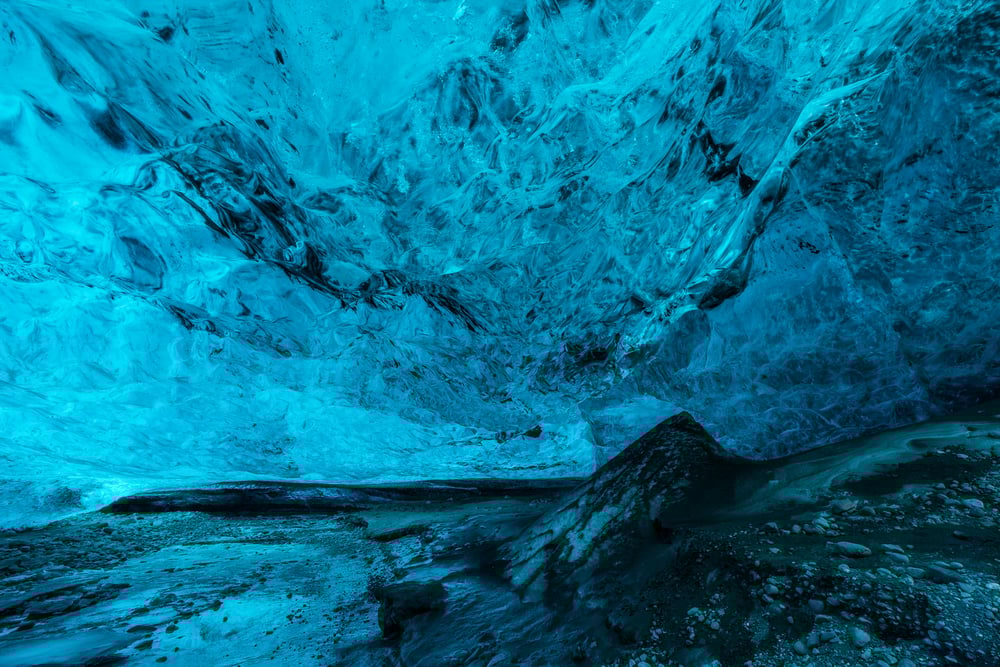
Europe’s largest glacier creates temporary ice caves that form and collapse each year. These caves exist only in winter when meltwater carves tunnels through the glacier, creating chambers with walls of compressed ice that glow blue in the filtered light.
Each cave is unique and temporary—what exists this year will be gone by next summer. Walking inside these caves means entering a world where every surface reflects and refracts light in impossible shades of blue.
The ice overhead formed from snow that fell centuries ago, compressed into something harder than concrete but still somehow luminous. The caves feel both ancient and ephemeral, like stepping inside a glacier’s dream.
Spotted Lake In British Columbia
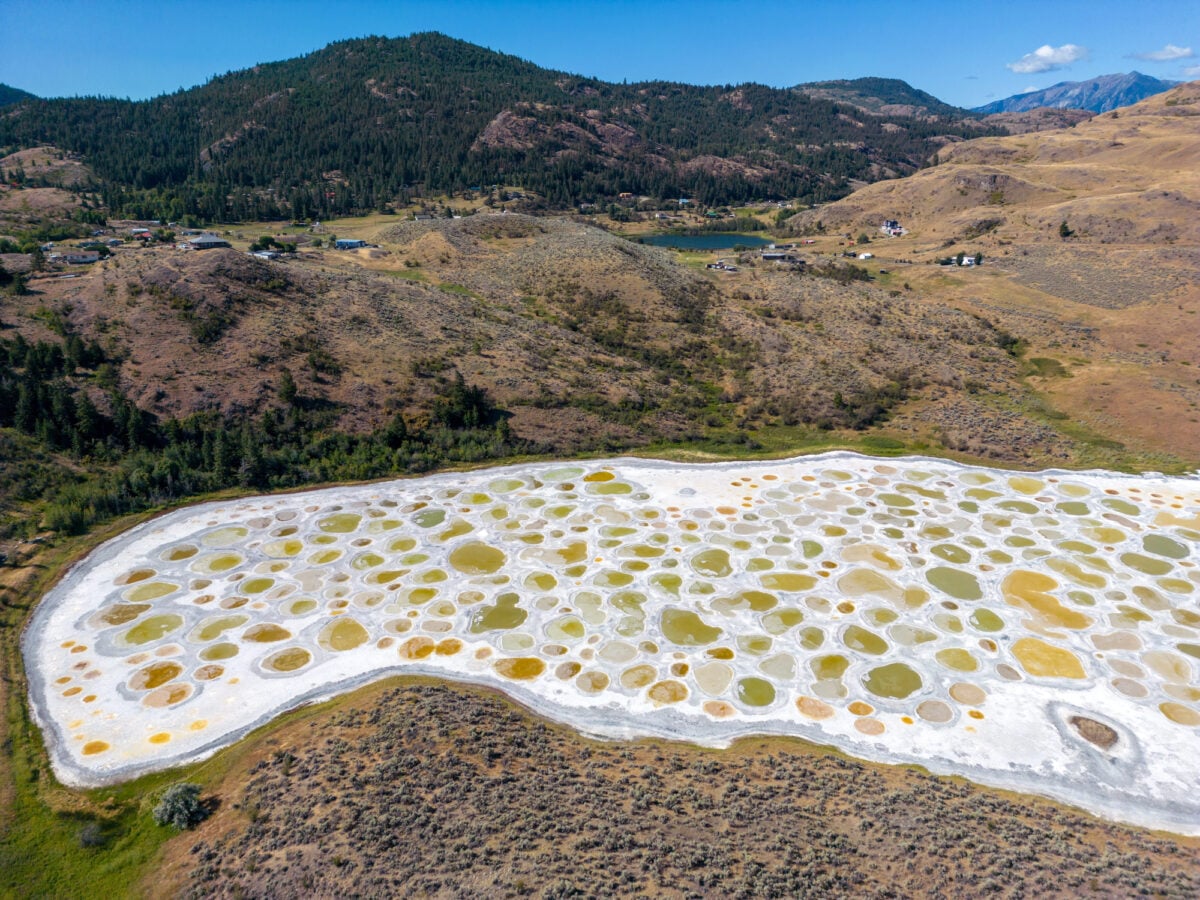
During summer, Kliluk Lake in British Columbia’s Okanagan Valley reveals hundreds of colored pools separated by mineral deposits. The lake contains some of the world’s highest concentrations of magnesium sulfate, calcium, and sodium sulfates, plus smaller amounts of silver and titanium.
As water evaporates, these minerals concentrate into spots of yellow, green, and blue. Indigenous peoples considered this lake sacred, and looking at it in summer, the reverence makes perfect sense.
The spots arrange themselves across the lakebed like a vast natural mosaic, each pool a different shade depending on which minerals dominate. The lake becomes art created by chemistry, a collaboration between water, minerals, and desert sun.
Fairy Chimneys Of Cappadocia
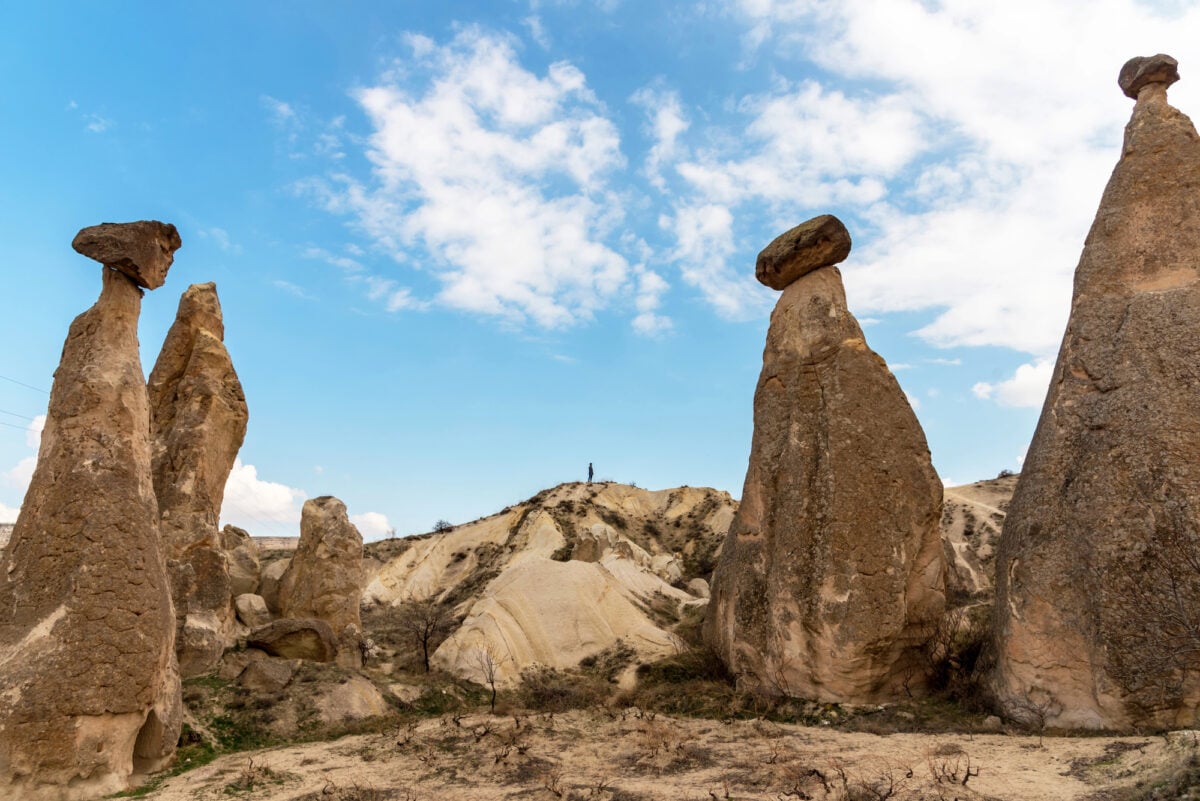
Central Turkey’s Cappadocia region contains thousands of cone-shaped rock formations created by volcanic eruptions and millions of years of erosion. The soft volcanic rock, called tuff, eroded faster than the harder basalt caps above it, creating these towering spires that early Christians carved into churches and homes.
These formations cluster together like a city designed by wind and time rather than architects. Some rise hundreds of feet, topped with darker caps that protected the softer rock below from complete erosion.
The result is a landscape that seems to grow from the earth like stone plants, each chimney unique in its curves and weathering patterns.
Glowworm Caves Of Waitomo

Deep in New Zealand’s North Island, limestone caves house colonies of glowworms that create their own constellation underground. These larvae—Arachnocampa luminosa—exist only in New Zealand and produce bioluminescent light to attract prey into their hanging silk threads.
The effect transforms cave ceilings into starry skies. Floating through these caves on underground rivers, the distinction between up and down disappears.
The glowworms create patterns that shift and pulse like living circuits, each point of light representing a single creature going about the business of survival in perpetual darkness. The silence amplifies the strangeness—thousands of tiny lights burning without sound, without warmth, sustained by nothing but the glowworms’ patient hunger.
Where Wonder Waits
These phenomena exist because Earth still has patience for the impossible. They remind us that the planet continues creating, continues experimenting, continues finding new ways to surprise anything paying attention.
Some require journeys to the edges of maps. Others demand waiting for conditions that align once in a decade.
But they persist, indifferent to whether cameras capture them or scientists explain them. They simply continue doing what they do, in the only places they can do it, for anyone willing to show up and witness something that exists nowhere else in the universe.
More from Go2Tutors!

- The Romanov Crown Jewels and Their Tragic Fate
- 13 Historical Mysteries That Science Still Can’t Solve
- Famous Hoaxes That Fooled the World for Years
- 15 Child Stars with Tragic Adult Lives
- 16 Famous Jewelry Pieces in History
Like Go2Tutors’s content? Follow us on MSN.