15 Natural Wonders Formed by Accidents
Sometimes the most breathtaking places on Earth exist because someone made a mistake. Whether it’s a drilling error that created a fiery crater or miners who stumbled into a crystal wonderland, these accidental discoveries have given us some of the planet’s most incredible natural spectacles.
The beauty of these formations lies not just in their stunning appearance, but in the unexpected stories behind their creation. Here is a list of 15 natural wonders that owe their fame to happy accidents and human errors.
Darvaza Gas Crater
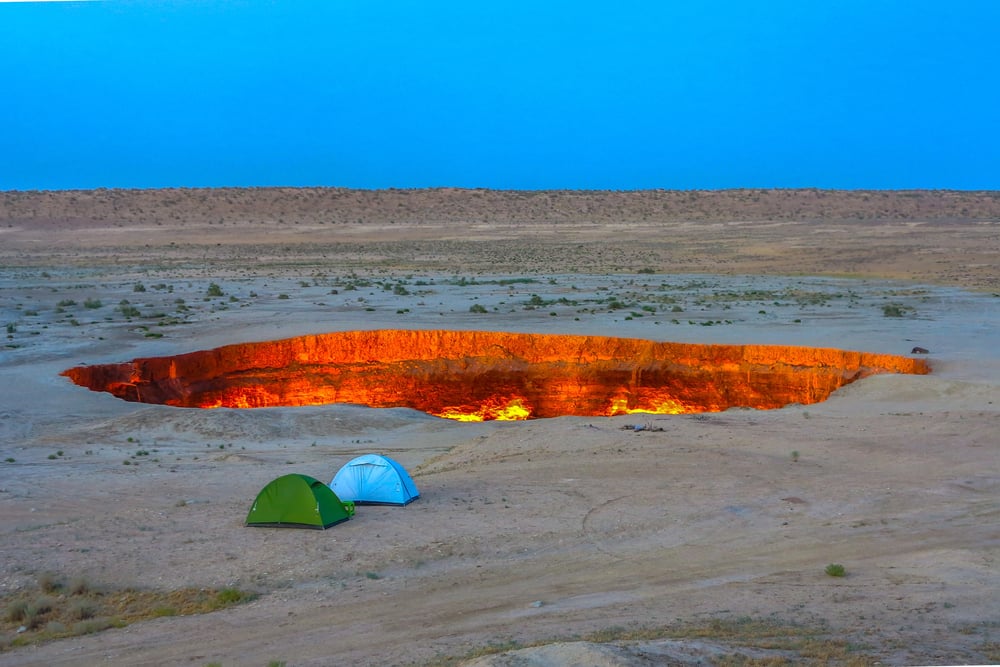
The ‘Door to Hell’ in Turkmenistan wasn’t supposed to be a tourist attraction. This incredible crater was accidentally created by Soviet geologists who set it on fire to prevent the spread of methane gas.
The flames have been burning continuously since 1971, creating an otherworldly glow that can be seen from miles away. What started as an engineering mistake became one of the world’s most dramatic natural gas phenomena.
Cave of the Crystals
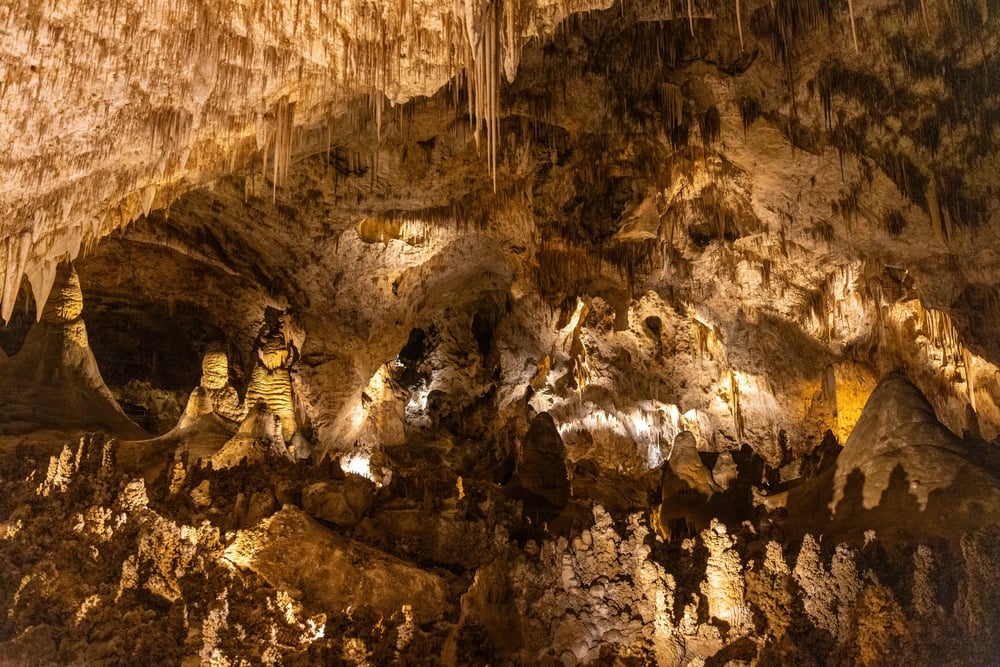
The cave was accidentally discovered by silver and lead miners in Mexico in 1910. What they found beneath the Naica mine was a cathedral-sized chamber filled with selenite crystals the size of telephone poles.
Some of the largest crystals ever discovered grow here, though conditions are harsh with temperatures reaching 120 degrees Fahrenheit. The miners were just trying to extract metal ore, but instead uncovered one of geology’s greatest treasures.
Like Go2Tutors’s content? Follow us on MSN.
Antelope Canyon

This slot canyon in Arizona became famous after a Navajo tour guide accidentally discovered its hidden entrance while searching for stray livestock in the 1930s. The narrow passages and ethereal light beams that photographers love so much remained unknown to the outside world until this chance encounter.
Flash floods had carved these incredible curved walls over thousands of years, but it took a lost sheep to bring them into the spotlight.
Mammoth Cave
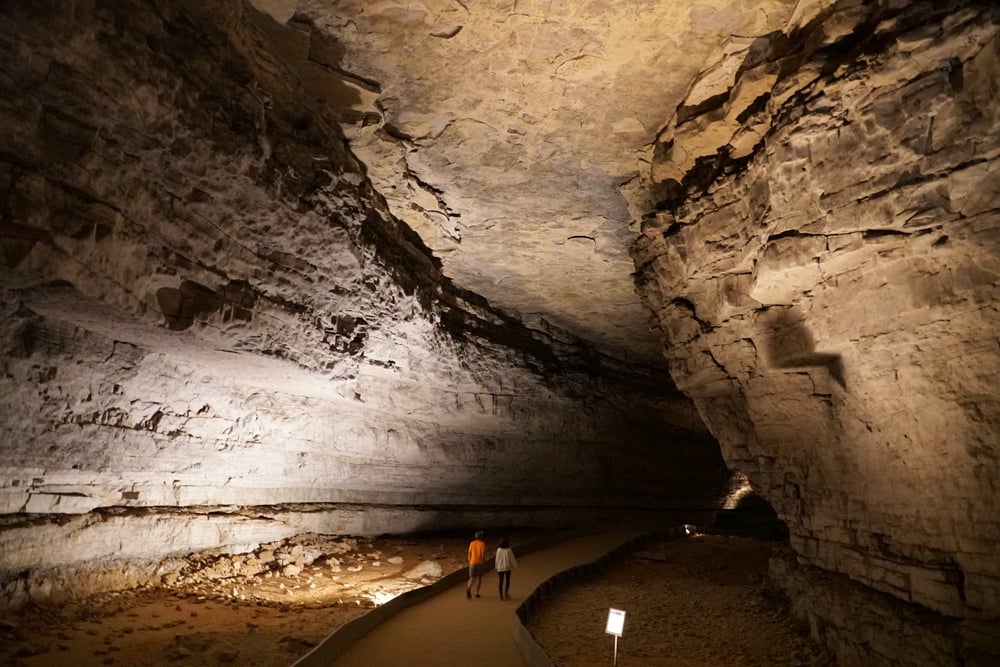
Kentucky’s massive cave system was discovered in 1797 when a hunter chased a wounded bear into what appeared to be a small opening in the ground. Instead of catching his prey, he found the entrance to what would become known as the world’s longest cave system.
The bear escaped, but the hunter’s accidental discovery revealed over 400 miles of surveyed passages stretching beneath the Kentucky landscape.
Carlsbad Caverns
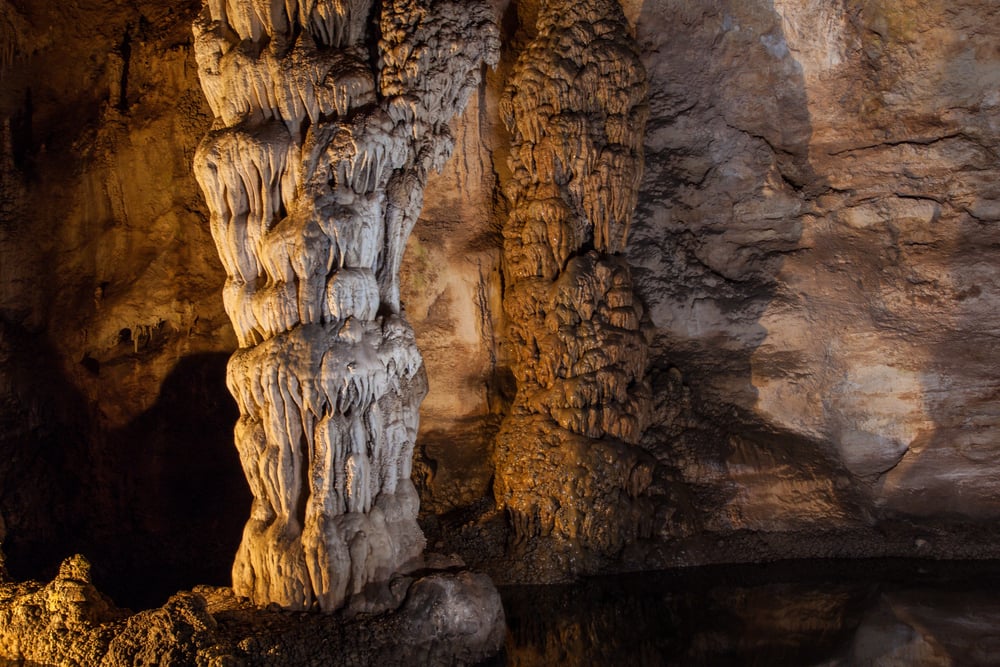
A cowboy named Jim White noticed a strange black cloud rising from the ground in 1898, thinking it might be smoke from a wildfire. When he got closer, he realized it was actually millions of bats emerging from a cave entrance.
His curiosity led him to explore what became one of America’s most famous cave systems. Without that cowboy’s mistake about the ‘smoke,’ visitors might never have discovered the spectacular underground chambers.
Like Go2Tutors’s content? Follow us on MSN.
Fingal’s Cave
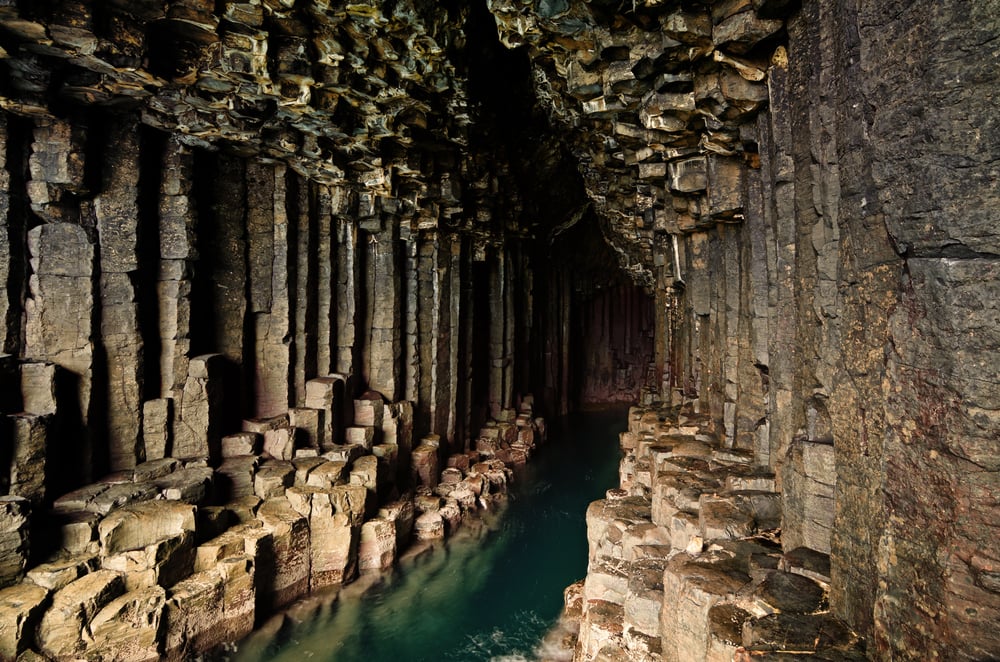
This sea cave on the Scottish island of Staffa was accidentally discovered in 1772 by naturalist Joseph Banks, who was blown off course during a voyage to Iceland. The hexagonal basalt columns forming the cave walls create natural acoustics that inspired Mendelssohn’s famous Hebrides Overture.
Banks wasn’t looking for geological wonders, but his navigational mishap revealed one of Scotland’s most mysterious natural formations.
Son Doong Cave
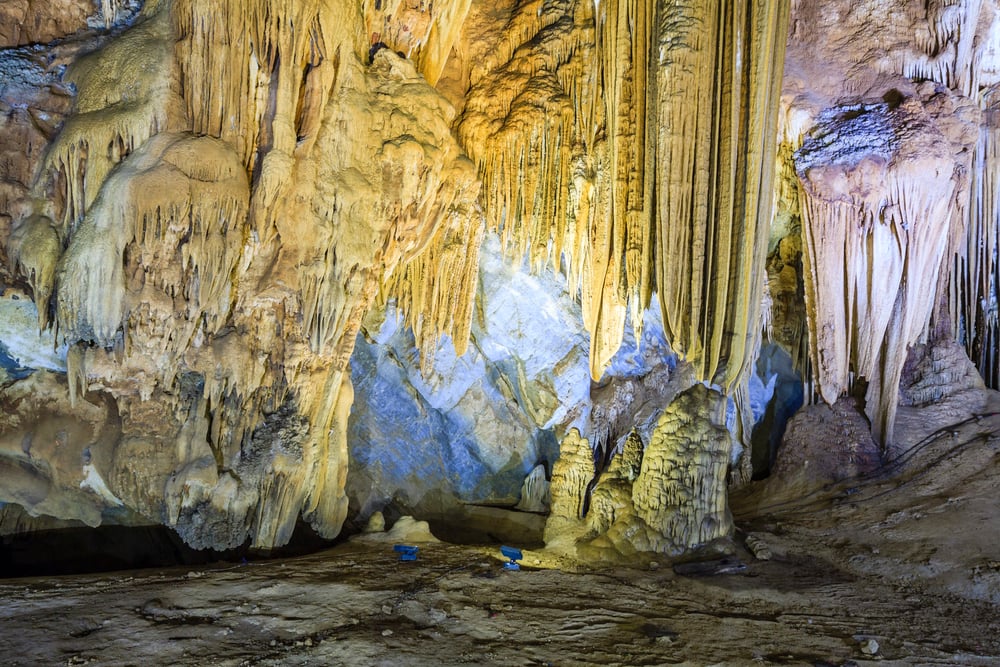
The world’s largest cave passage was discovered by accident when a Vietnamese farmer named Ho Khanh sought shelter from a storm in 1990. He heard the sound of rushing water through a crack in limestone and wind whistling through what seemed like a small opening.
It wasn’t until 2009 that explorers confirmed his accidental discovery was actually the entrance to chambers large enough to fly a Boeing 747 through.
Blue Grotto
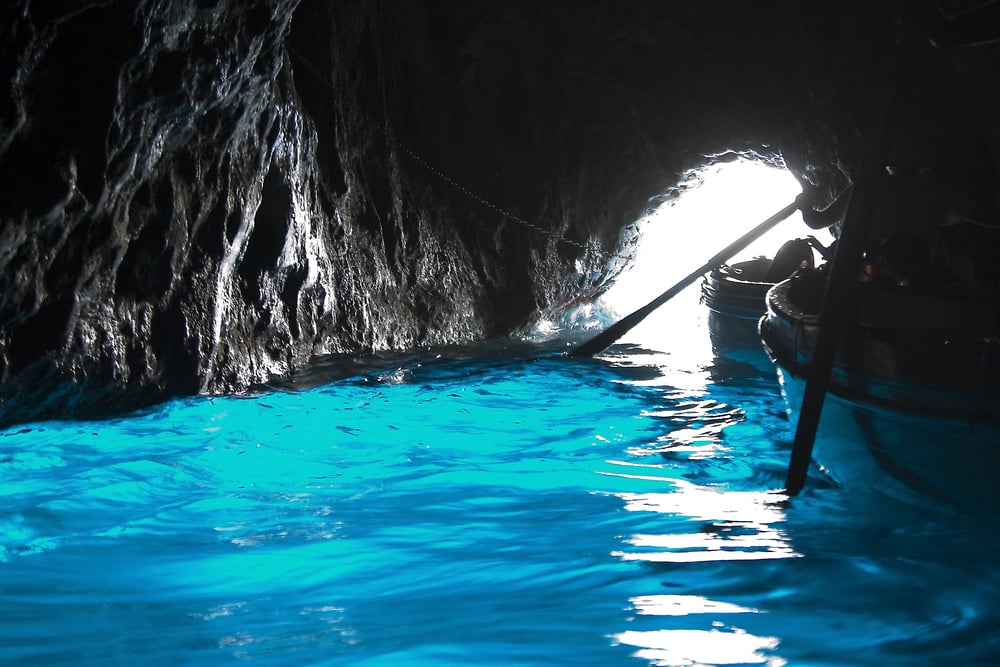
This luminescent sea cave on the Italian island of Capri was rediscovered by accident in 1826 when German writer August Kopisch and his friend got lost while swimming. Local fishermen had avoided the cave for centuries, believing it was haunted by sea demons.
The two swimmers accidentally found that the cave’s otherworldly blue illumination came from sunlight passing through underwater openings.
Like Go2Tutors’s content? Follow us on MSN.
Hamilton Pool
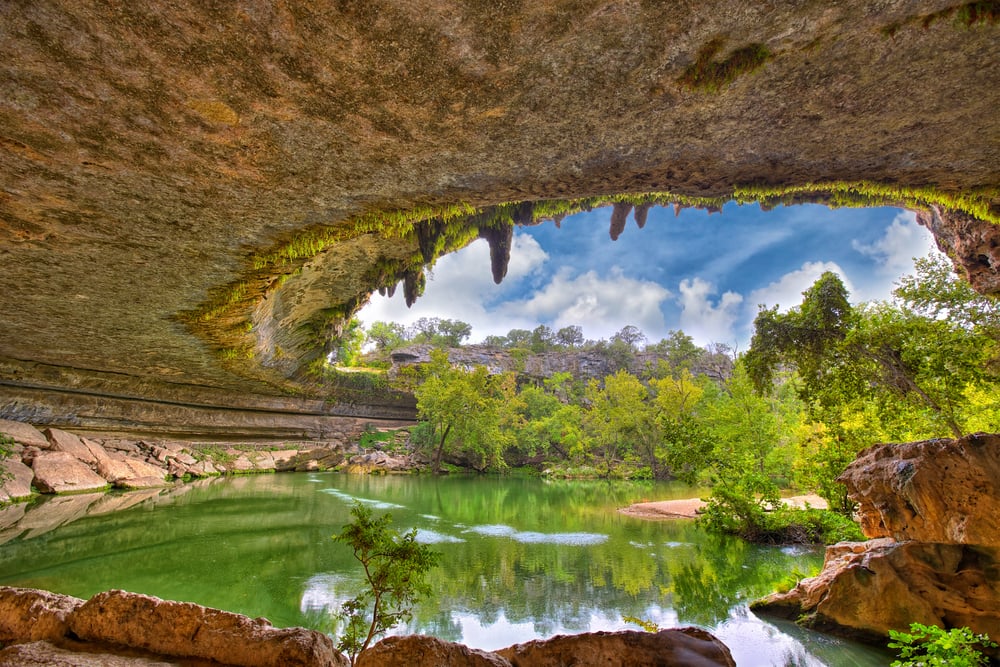
This natural swimming pit in Texas was created when the dome of an underground river collapsed thousands of years ago. It remained hidden until the 1960s when a family purchased the land and accidentally discovered the grotto while exploring their new property.
The 50-foot waterfall cascading into the emerald pool had been flowing in secret until their chance exploration brought it to public attention.
Devil’s Kettle Falls
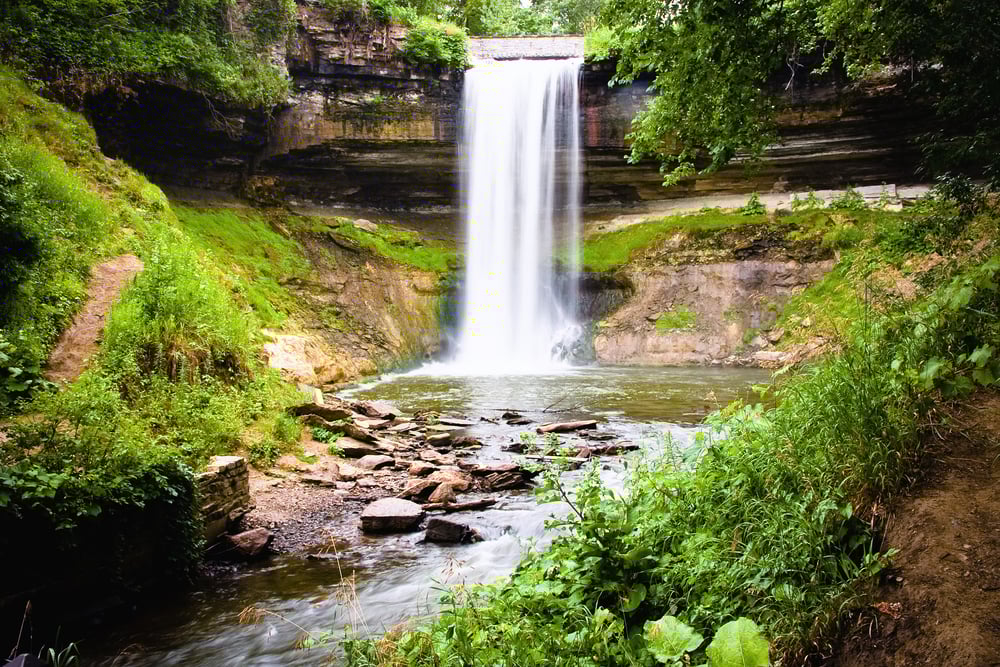
Minnesota’s mysterious waterfall was stumbled upon by loggers in the 1800s who were following a river through dense forest. Half the river disappears into a pothole and nobody knows where the water goes, despite decades of scientific investigation.
The loggers were just trying to float timber downstream, but their accidental discovery created one of geology’s most puzzling mysteries.
Ice Caves of Vatnajokull
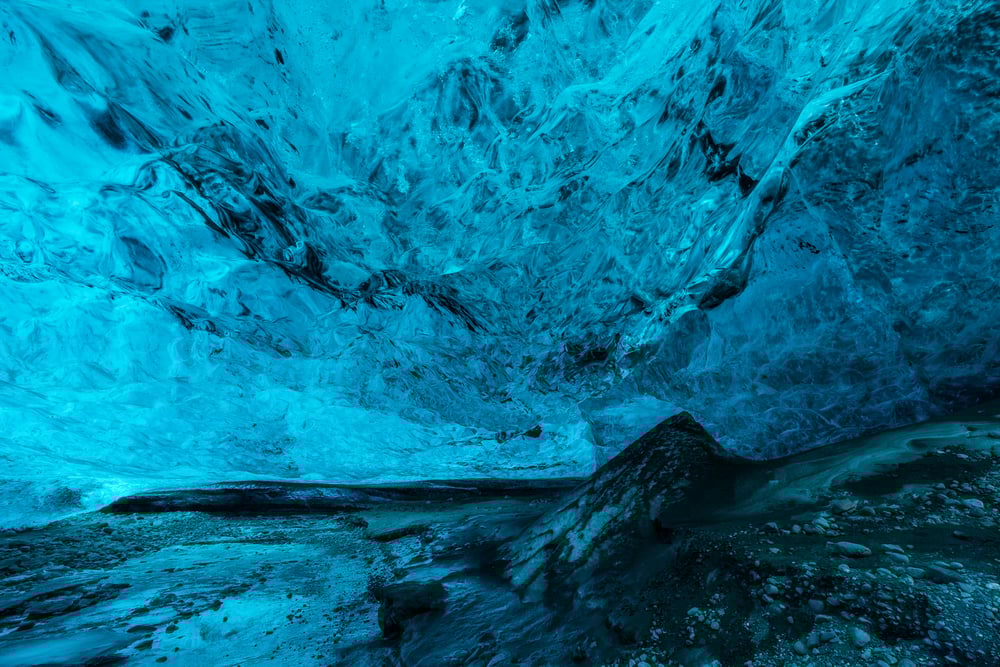
These crystal-blue ice caves in Iceland are discovered anew each year as glacial melting creates temporary openings. Tour guides often find them by accident while exploring changing glacier formations.
The caves last only a few months before collapsing or shifting, making each discovery a temporary window into the glacier’s frozen interior.
Like Go2Tutors’s content? Follow us on MSN.
Jewel Cave
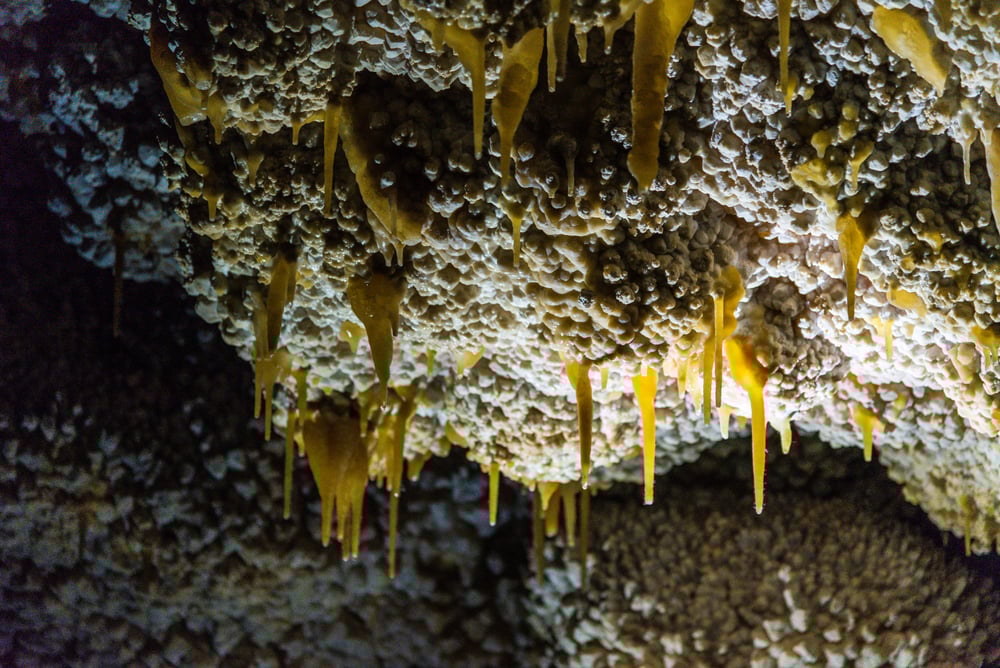
South Dakota’s third-longest cave system was discovered in 1900 by two prospectors who heard wind rushing through a crack in the rocks. They were looking for gold but found something far more valuable – passages decorated with calcite crystals that sparkle like jewels when illuminated.
Their mining claims turned up empty for precious metals, but rich beyond measure in geological beauty.
Ruby Falls
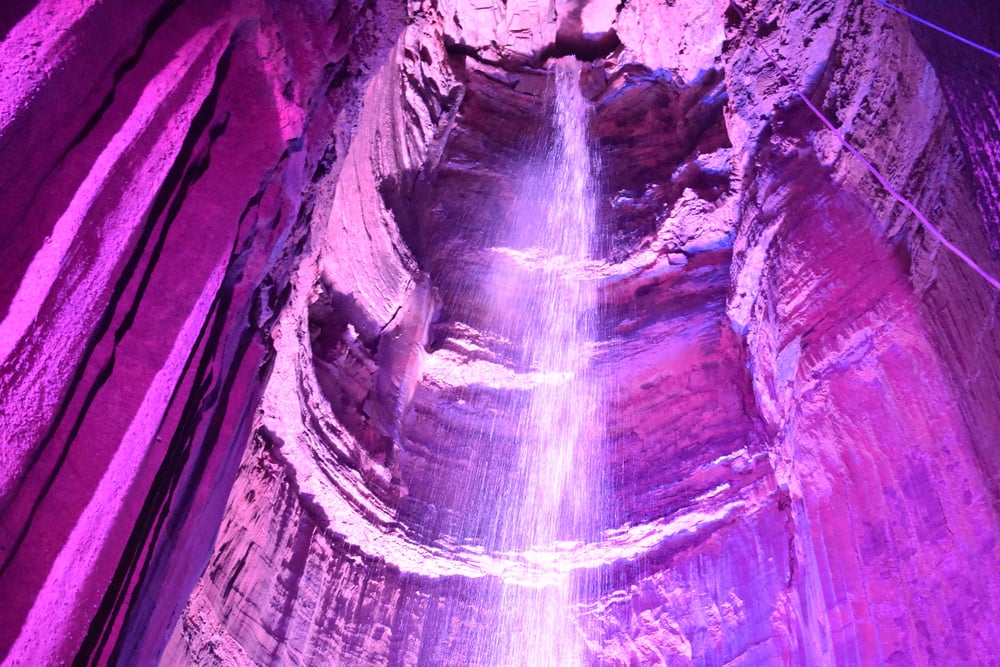
This 145-foot underground waterfall in Tennessee was discovered by accident in 1928 when cave explorer Leo Lambert was trying to reopen the entrance to another cave. His drilling hit a void in the rock, and when he squeezed through the opening, he found himself in a chamber with a towering waterfall.
Lambert named it after his wife Ruby, turning his excavation error into one of America’s most popular underground attractions.
Wind Cave
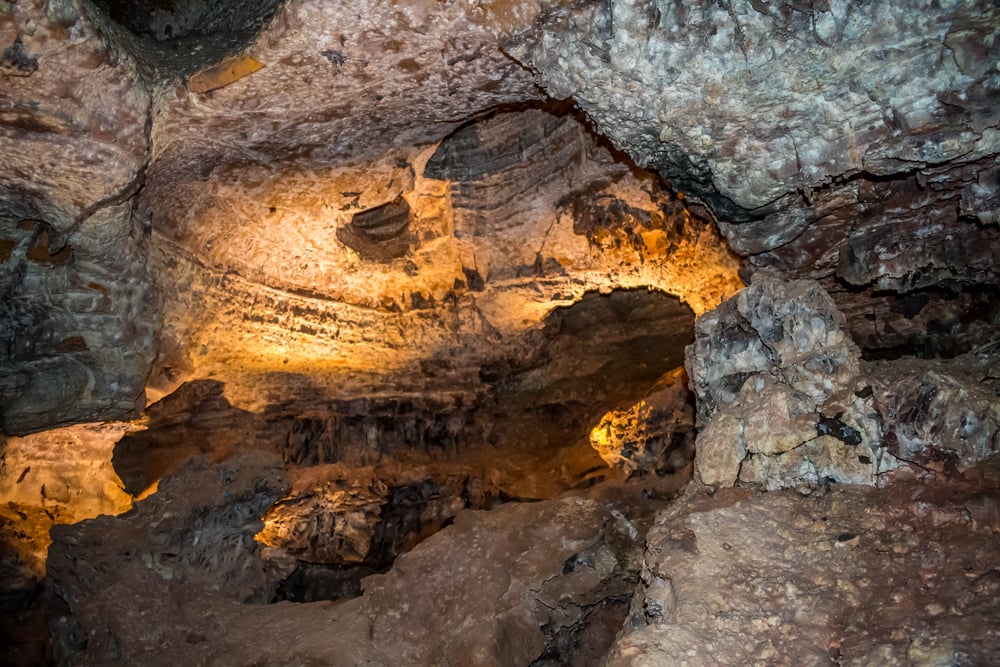
This South Dakota cave system was discovered in 1881 when brothers Tom and Jesse Bingham heard a whistling sound coming from a small pit in the ground. When Tom looked into the opening, the wind was so strong it blew his hat right off his head.
They weren’t looking for caves, but their curiosity about the mysterious wind led to the discovery of one of the world’s longest and most complex cave systems.
Like Go2Tutors’s content? Follow us on MSN.
Luray Caverns
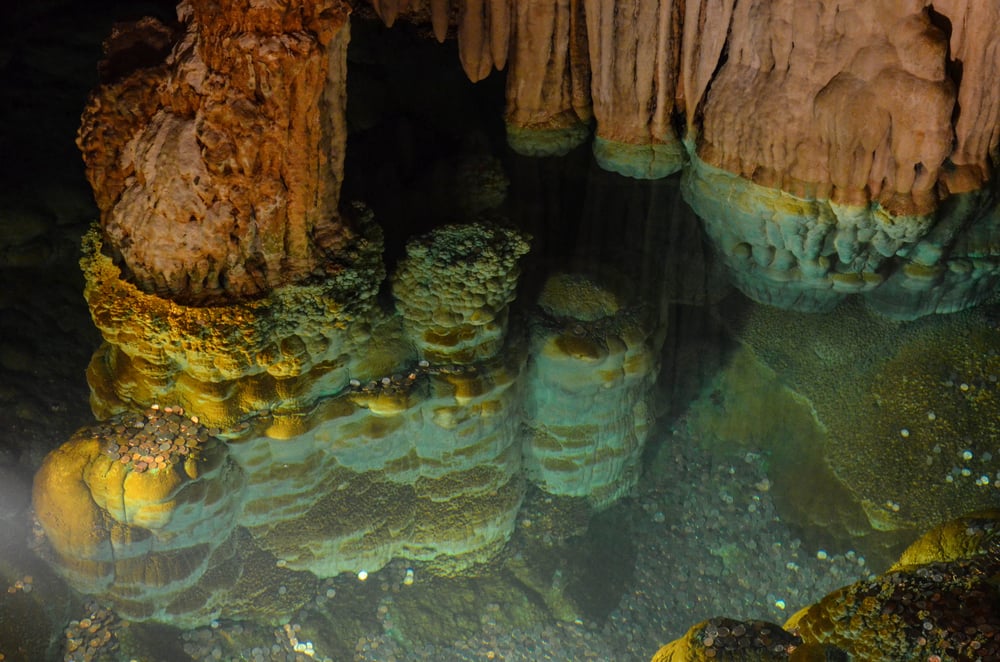
Virginia’s most famous cave was accidentally discovered in 1878 by a tinsmith, a photographer, and a local cave enthusiast who were exploring a sinkhole. They noticed cool air flowing from beneath some rocks and decided to dig deeper out of pure curiosity.
Their spontaneous excavation revealed chambers filled with towering columns and formations that now attract hundreds of thousands of visitors annually.
When Mistakes Create Magic
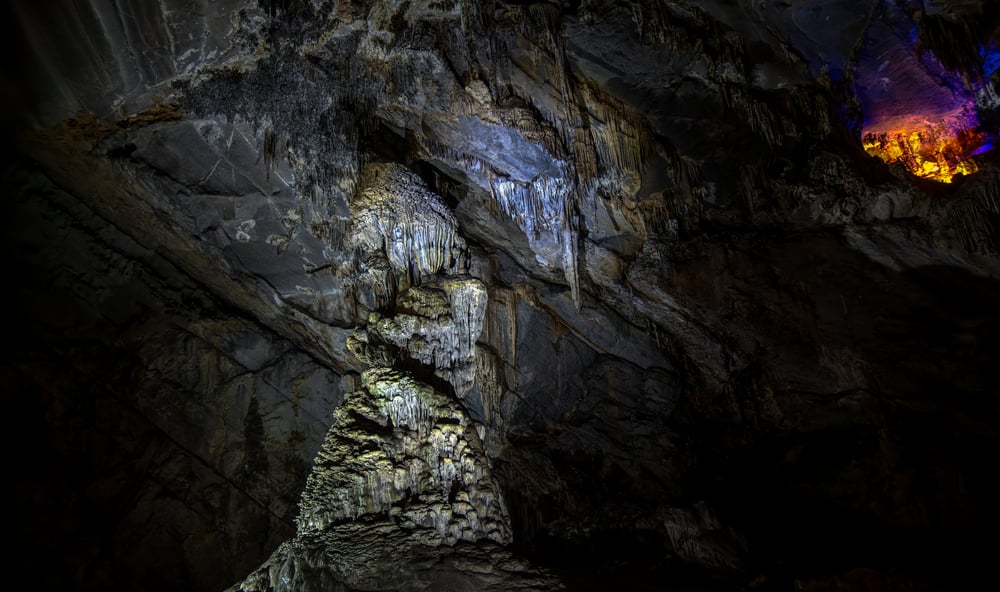
These accidental discoveries remind us that some of Earth’s most spectacular places were hiding in plain sight, waiting for the right combination of curiosity and chance. From Soviet engineers trying to contain a gas leak to cowboys chasing livestock, human error has unveiled geological treasures that might otherwise have remained hidden forever.
The next time someone makes a mistake, it just might lead to the discovery of our planet’s next great natural wonder.
More from Go2Tutors!

- 16 Historical Figures Who Were Nothing Like You Think
- 12 Things Sold in the 80s That Are Now Illegal
- 15 VHS Tapes That Could Be Worth Thousands
- 17 Historical “What Ifs” That Would Have Changed Everything
- 18 TV Shows That Vanished Without a Finale
Like Go2Tutors’s content? Follow us on MSN.